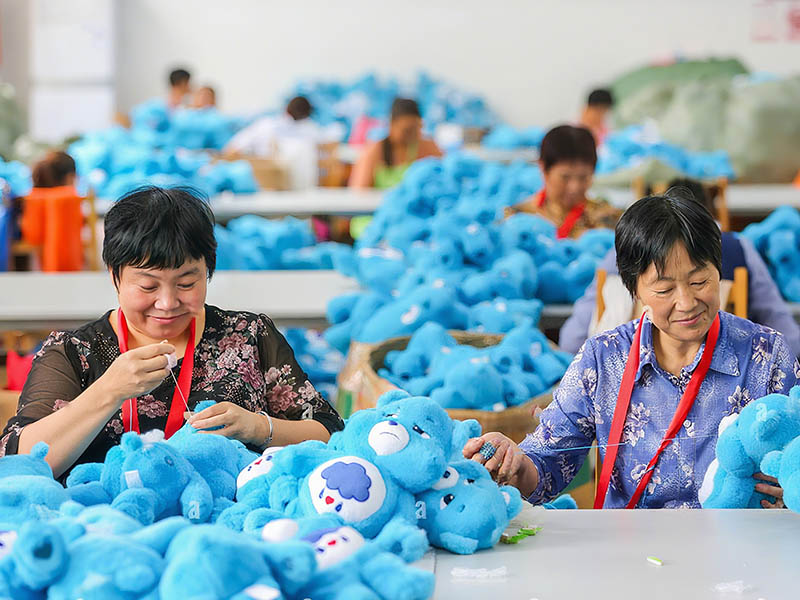
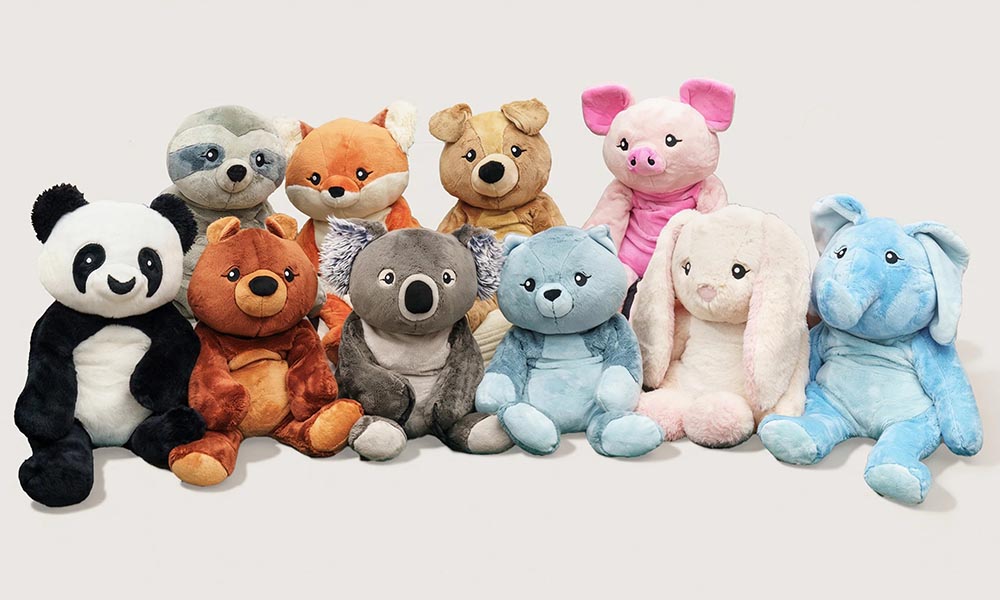
Polyester is the backbone of modern plush. It’s soft, color-stable, and widely available—yet buyers still ask a fair question: “Are polyester plushies safe?” My short factory answer is yes—when the materials, finishes, and QC are done right and proven by tests. I’m Amanda from Kinwin. In this guide, I explain what “polyester plush safety” means on a production line, how ASTM/EN71/CPSIA apply, which chemical and allergen risks we manage, how flammability and washability affect child safety, what to know about recycled rPET, and the traceability and cleanliness steps that keep every shipment predictable.
What defines polyester plush safety in modern toy manufacturing?
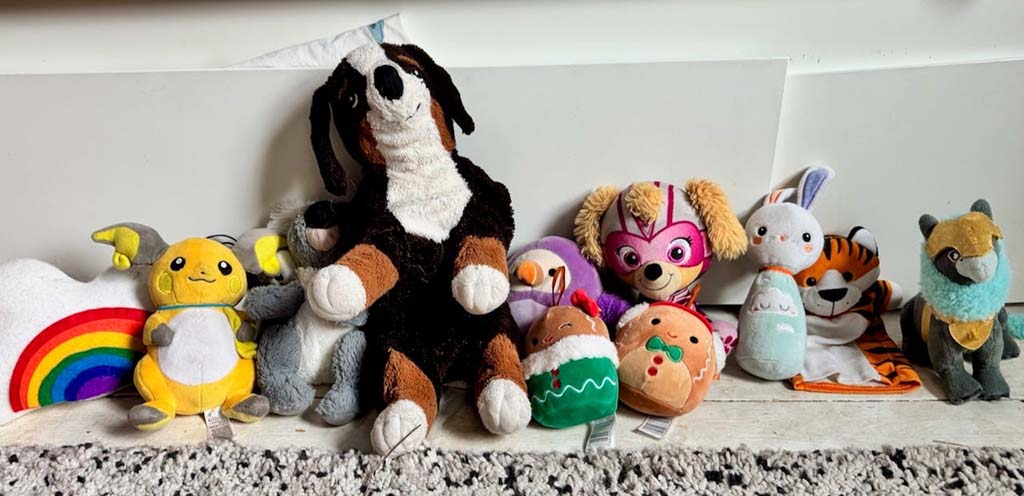
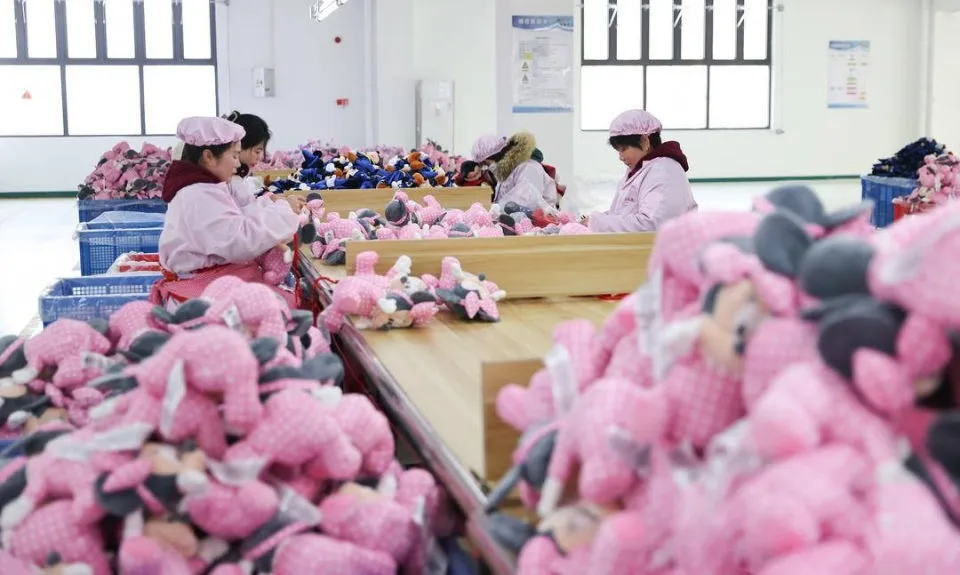
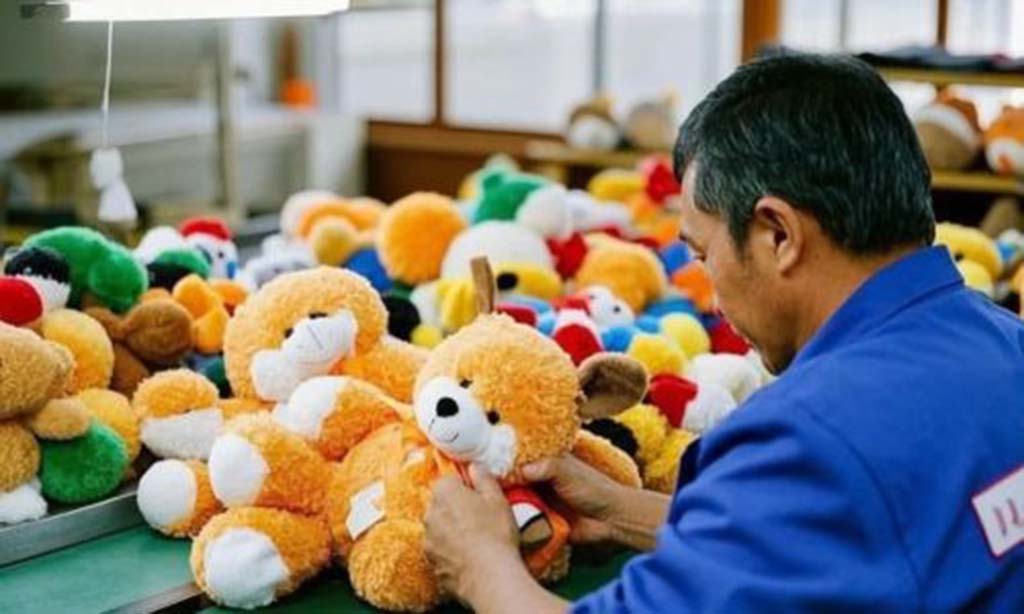
Safety starts with inputs (approved fibers, clean dyes/finishes), continues through construction (strong seams, safe trims), and ends with validation (mechanical, chemical, and care tests). Polyester helps because it is dimensionally stable, colorfast, and naturally low-lint when finished well. We pair it with embroidered faces, short plush for high-touch zones, and minky for cuddle areas. The result: soft handfeel with reliable performance in wash and wear. True safety is not a claim; it is a record—COAs, test reports, density maps, and tracking labels that match your cartons.
Table 1 — Factory definition of “safe polyester plush”
| Pillar | What It Means in Practice | Why It Protects Users | What We Document |
|---|---|---|---|
| Clean inputs | Approved polyester fibers, toy-safe dyes, low-VOC finishes | Low odor, low migration risk | Supplier COAs, finish SDS |
| Safe construction | Embroidered features, reinforced seams, sealed liners if weighted | No small parts, no leakage | Stitch specs, liner drawings |
| Verified care | Wash-bag validation of the printed icons | Labels match reality | Photo + report per color |
| Predictable feel | Fabric/density maps per size | Same softness in every lot | Grams-per-zone sheet |
| Traceability | CPSIA tracking, lot IDs, ERP linkage | Fast recall/audit path | Tag → carton → lot chain |
How do ASTM, EN71, and CPSIA standards apply?
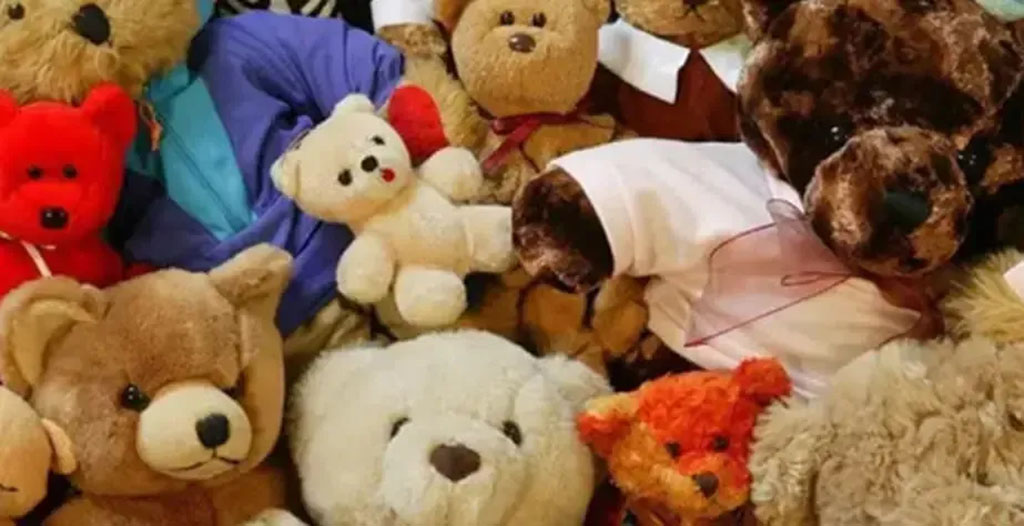
In the USA, plush toys fall under ASTM F963 and CPSIA (including tracking labels). In the EU, EN 71 applies: Part 1 (mechanical/physical), Part 2 (flammability), and Part 3 (migration of certain elements). Many buyers also request REACH/SVHC awareness and sometimes ISO 8124 alignment. Polyester products must pass the complete toy—not just fabric swatches. That means we test finished units for seam pull, small parts, flammability, chemical migration, and, where relevant, wash claims.
Table 2 — Standards landscape for polyester plush
| Region/Rule | Scope for Plush | Typical Polyester-Relevant Checks | Buyer Takeaway |
|---|---|---|---|
| ASTM F963 (US) | Mechanical, flammability, chemicals | Seam pull, small parts, composite flammability | Test the finished toy, not only rolls |
| CPSIA (US) | Lead/phthalates, tracking labels | Chemical limits, traceability | Ensure tag shows factory/date/lot |
| EN 71-1 (EU) | Mechanical/physical | Sharp points, attachments, stitch integrity | Embroidery > hard eyes for young ages |
| EN 71-2 (EU) | Flammability | Burn behavior of fabric + filling | Validate the real fabric/fill combination |
| EN 71-3 (EU) | Elements migration | Dyes/finishes on polyester | Use approved systems; test darkest colors |
| REACH/SVHC (EU) | Substances of concern | Supplier declarations, screening | Keep declarations with POs |
What chemical and allergen risks exist with polyester fibers?
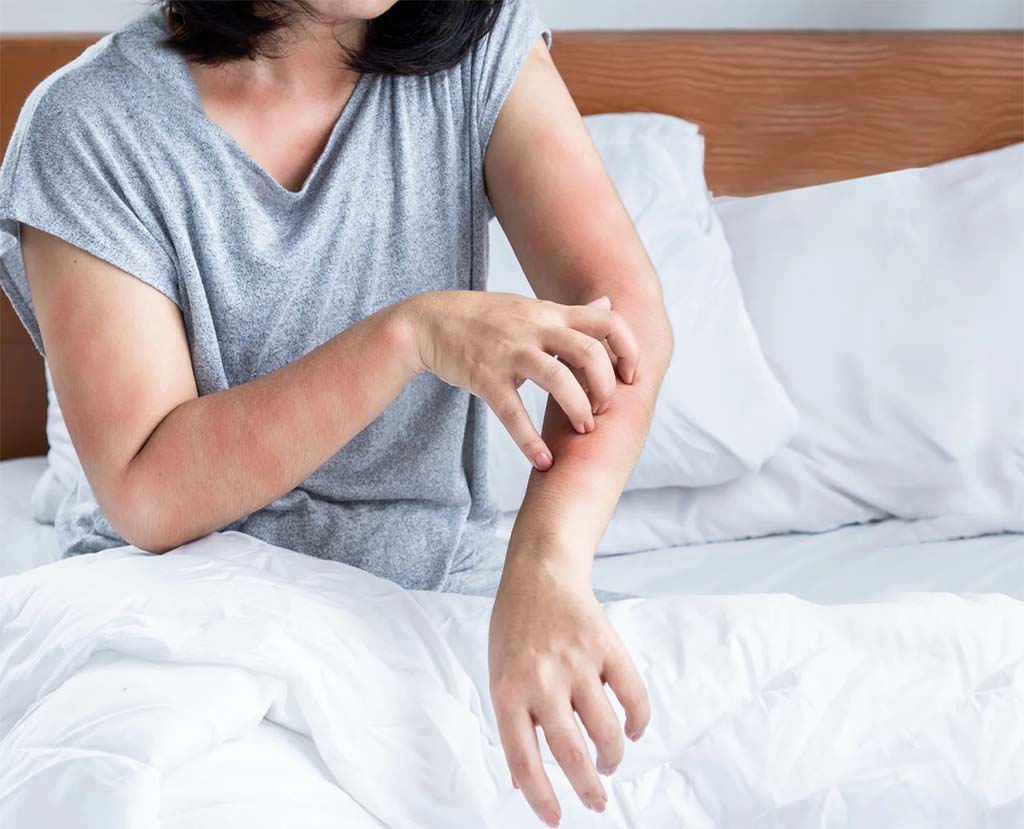
Virgin polyester itself is inert and typically low-allergenic. Risks come from what rides along—dyes, softeners, binders, printing inks, or residue from poor finishing. Problems show up as odor, color bleed, skin irritation, or excess lint. We reduce risk by selecting toy-safe dyestuffs, low-VOC auxiliaries, and mills with stable finishing. For users with sensitivities, we keep faces matte (short plush) and offer scent-free baselines.
Table 3 — Managing chemical/allergen exposure
| Risk Source | What Can Go Wrong | Factory Control | What Buyers Should Ask |
|---|---|---|---|
| Dyes/auxiliaries | Odor, color transfer | Approved dyestuffs; VOC/odor panel | COAs + odor note per lot |
| Finishes/softeners | Skin irritation if harsh | Low-VOC, toy-safe finishes | Finish SDS in tech pack |
| Excess lint | Eye/nose irritation in babies | Short-pile faces, anti-pilling body | Lint threshold in QC |
| Printing/inks | Migration when wet | Water-based systems; cure control | Sweat/saliva fastness on darks |
| Storage contamination | Musty scents, dust | Clean, dry storage; sealed bags | Warehouse hygiene statement |
How do flammability and washability testing ensure child safety?
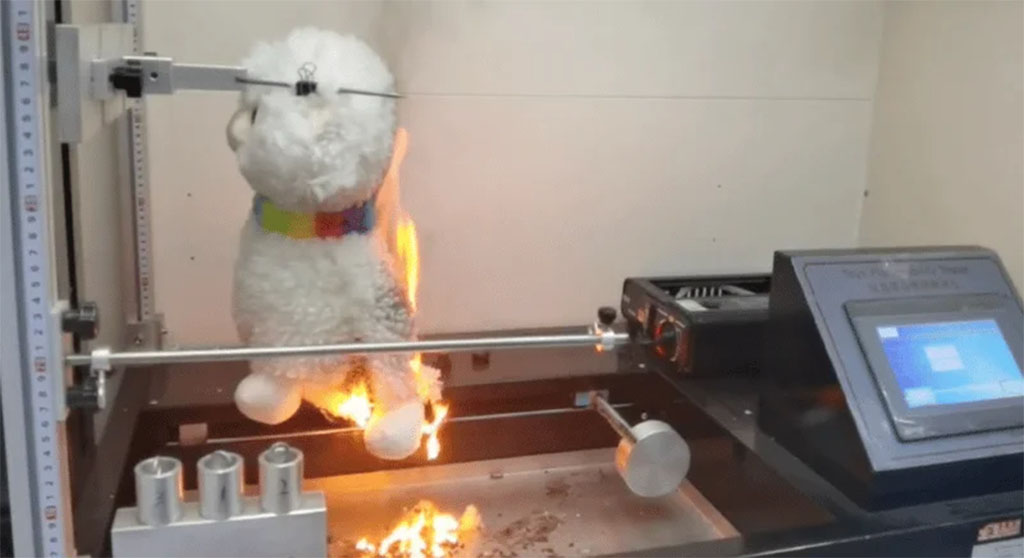
Flammability is run on the composite—your actual fabric with its filling. Polyester can melt and shrink away from flame; what matters is the tested build. We also verify the care label. If the label says “machine wash gentle, 30 °C,” we perform real wash-bag cycles on the darkest colorway and check color, nap, seams, and shape. Honest icons prevent misuse and extend service life. After washing, we air-dry, then brush with the nap to recover loft.
Table 4 — Flammability & washability controls
| Safety Aspect | What We Test | Pass Signal | If It Fails |
|---|---|---|---|
| Composite flammability | Fabric + fill together | Meets burn behavior criteria | Adjust fabric/finish/fill or labeling |
| Seam integrity post-wash | Seams after 1–3 cycles | No pops; no distortion | Increase allowance/reinforce zones |
| Color/saliva/sweat fastness | Dark/bright tones | No bleed or visible change | Change dye/finish; retest |
| Nap recovery | Visual + handfeel | Loft returns with brushing | Switch finish or care icon |
Which recycled rPET options meet performance and compliance requirements?
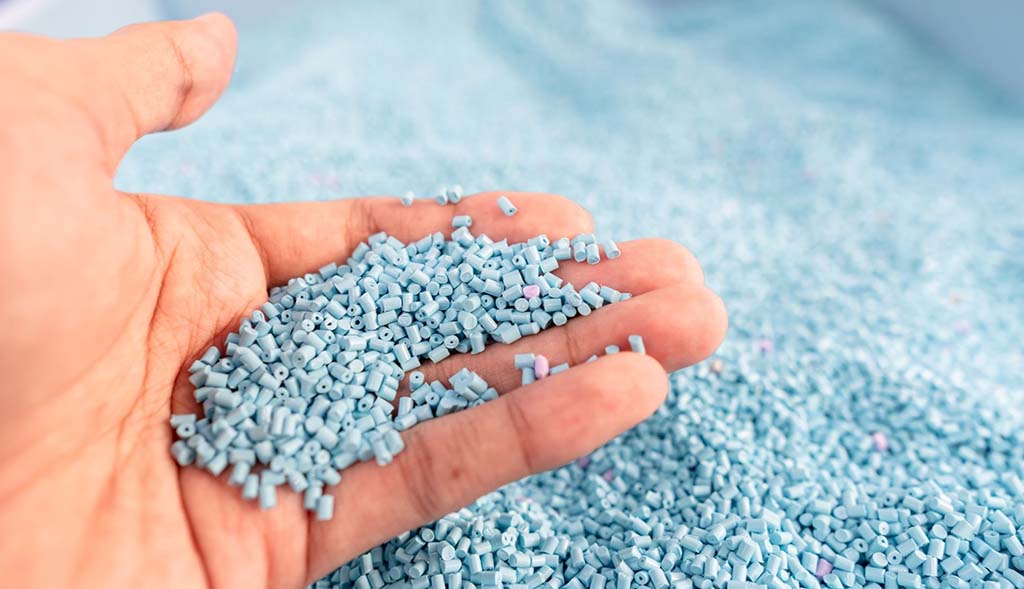
rPET (recycled polyester from bottles) now covers short plush, minky, and fiberfill. Good rPET can meet the same hand-feel, lint, and rebound targets as virgin, but every switch needs tests. We keep GRS (Global Recycled Standard) certificates, map roll IDs to lots, and confirm odor/VOC and post-wash recovery. For color consistency, we often start with dope-dyed core shades or a tight palette to keep variation low.
Table 5 — rPET choices that work in real production
| Component | rPET Option | What to Verify | Practical Tip |
|---|---|---|---|
| Face fabric | rPET short plush/velboa | Lint level, embroidery clarity | Add thin batting for ultra-smooth faces |
| Body fabric | rPET minky | Pile resilience, shade control | Use nap arrows; daylight checks |
| Filling | rPET fiberfill | Rebound vs. virgin; odor | Pilot grams-per-zone; compare feel |
| Batting (under face) | rPET sheet batting | Smoothness after wash | Validate with darkest colorway |
How should manufacturers validate traceability, cleanliness, and contamination control?
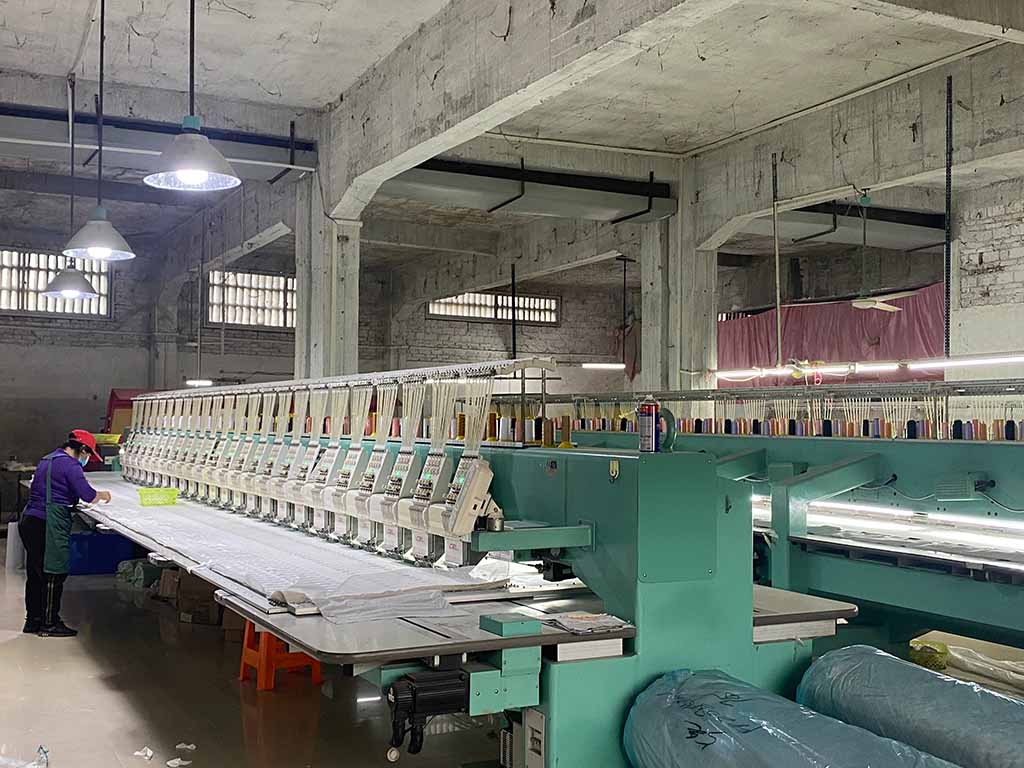
Traceability and cleanliness turn “safe” into auditable. We link supplier lots → fabric rolls → cutting markers → cartons → tracking labels. Warehouses stay dry, ventilated, dust-controlled, with first-in/first-out rotation. Before shipment, finished toys pass a visual QC board (front/side/45°/top), odor/VOC panel, and—if applicable—needle detection. Weighted models include sealed, segmented liners with leakage/drop tests logged.
Table 6 — Traceability & cleanliness SOP (ready to paste into POs)
| Control Point | Evidence We Keep | Why It Matters | Buyer Check |
|---|---|---|---|
| Lot mapping | Roll ID → marker → carton → tag | Fast recalls; audit clarity | Random lot trace during inspection |
| Clean storage | Photos + hygiene log | Prevents musty odors/contamination | Warehouse audit checklist |
| Needle detection | Machine logs (if used) | Blocks metal contamination | Review logs per lot |
| Odor/VOC panel | Panel scores per color | Confirms low-odor arrival | Ask for panel results |
| Liner integrity (weighted) | Leakage/drop test report | Prevents small-parts hazards | Include in test pack |
| Final QC board | 4-angle photos vs. golden | Objective visual match | Keep copy with shipment docs |
Conclusion
Yes—polyester plushies are safe when they are built with clean inputs, embroidered features, reinforced seams, honest care labels, and verified by ASTM/EN71/CPSIA tests. Recycled rPET can be just as safe and soft when backed by GRS documents and real performance checks. Safety is not a promise; it is a process you can see on paper and feel in hand.
At Kinwin, we design and validate the full system—polyester and rPET fabrics, smooth embroidery faces, density maps, composite flammability, wash validation, VOC/odor panels, and end-to-end traceability. You get plush that is photo-ready, cuddle-ready, and audit-ready for global markets.
Contact: [email protected] | kinwintoys.com