Skip to content
First, an honest note in plain language: a plush toy is not a treatment for depression. Clinical depression needs professional care. But many users—teens, college students, office workers, parents—tell us that a soft, well-designed plush helps them self-soothe, sleep better, feel grounded, and manage daily stress. As a manufacturer (I’m Amanda from Kinwin), my job is to turn those human needs into safe, compliant, comforting products—without making medical claims. Below, I translate the current understanding of comfort objects into practical design, QA, and marketing guidance you can apply to your plush line.
What evidence supports plush toys’ role in mood regulation?
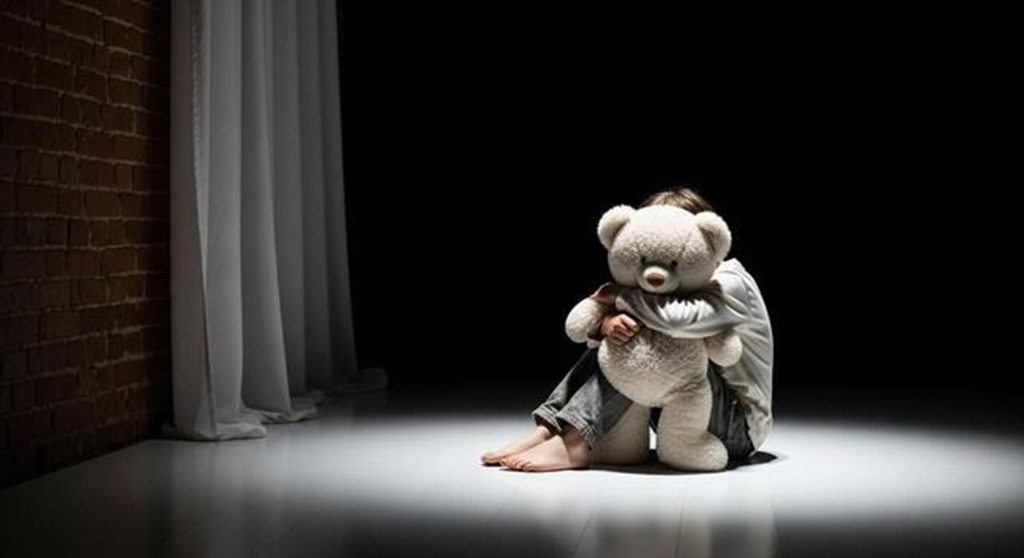
When people hold something soft, steady, and familiar, the body often shifts toward calm. In non-clinical terms, this can look like lower perceived stress, slower breathing, and easier sleep onset. Research on comfort objects, weighted items, and soothing textures suggests potential benefits for anxiety reduction and emotional regulation, especially as part of a bedtime routine or post-stress decompression. Importantly, this is adjunctive support—not a cure—and results vary by person. In product planning, I treat the “evidence” as a north star for features (touch, pressure, smell, sound) while staying within ethical, non-medical language.
Table 1 — What the evidence generally suggests (and what it does not)
| Topic | What Human Experience & Non-medical Studies Suggest | Practical Takeaway for Plush Design | What We Must Not Claim |
|---|---|---|---|
| Comfort objects | Familiar soft objects can help users self-soothe and regulate mood | Build repeatable hand-feel and shapes that sit steadily on a desk/bed | “Treats depression” or replaces therapy |
| Gentle pressure | Even, low-level weight can feel grounding | Offer weighted belly options with sealed liners and clear labels | “Clinical efficacy” without trials |
| Sensory focus | Soft nap, slow breathing cues, calm visuals aid wind-down | Use minky bodies, matte faces, muted palettes | Disease/medical claims (avoid) |
| Sleep routines | Bedtime rituals with soothing objects can ease transition to sleep | Add care cards with wind-down tips (non-medical) | Claims about insomnia treatment |
| Personal agency | Choosing textures/colors that feel “safe” supports mood | Modular sizes, neutral tones, soft edges | Any claim that replaces professional help |
How do tactile and sensory features reduce anxiety and stress?
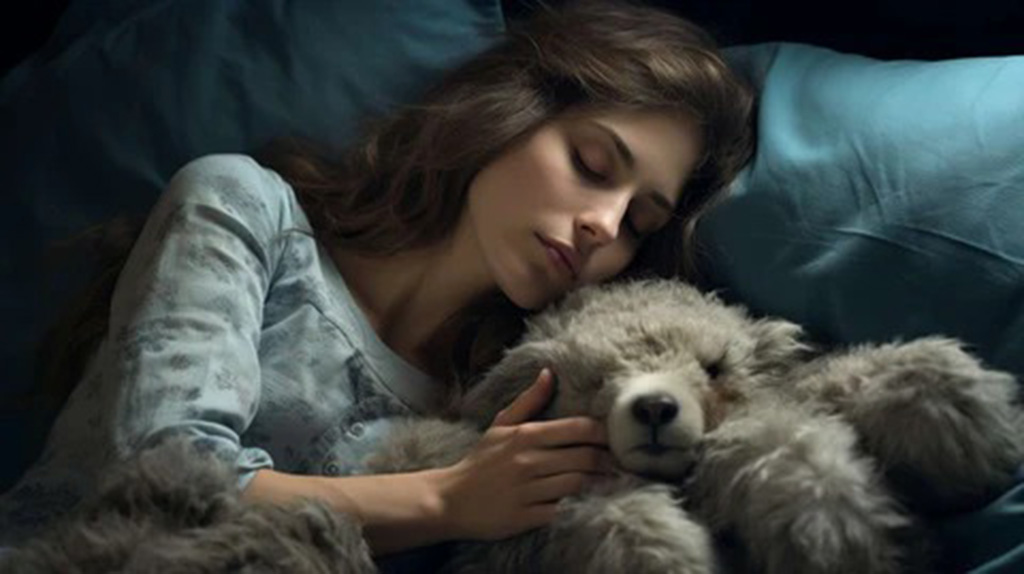
The hand tells the brain: “you’re safe”. That message can be built with texture, temperature, pressure, and rhythm. In plush design we combine: a silky-soft body (minky 3–5 mm), a matte face (short plush 1.5–2.5 mm) for calm visual focus, balanced stuffing for a steady hold, and optional weighted cores for gentle pressure. For scent, I keep it very light (or none) because sensitivity varies; if used, lock specification and labeling. Quiet auditory cues (no crinkles for adult wellness) keep the object “still” so the mind can settle.
Table 2 — Sensory levers that commonly soothe (and how to build them)
| Sensory Lever | User Effect (Plain Words) | Factory Spec to Achieve It | Guardrails |
|---|---|---|---|
| Soft touch (minky) | “Buttery” glide lowers fidget urge | Minky 3–5 mm, 280–360 gsm; nap arrows; seam 0.5–0.7 cm | Anti-pilling finish; lint QC |
| Matte focus (face) | Eyes relax on non-glare surfaces | Velboa/short plush 1.5–2.5 mm + thin batting | Embroidery only; no sharp gloss |
| Gentle weight | Grounded, steady feel | Sealed glass/ceramic bead liner; low center mass | Clear labels; not for small children |
| Stable posture | Predictable, comforting presence | Density map: lighter cheeks, heavier belly | Sit test on flat surface |
| Temperature neutrality | Not cold/clammy when grabbed | Microfiber fill + minky body | Avoid metallic trims at touch points |
| Quiet profile | No surprise sounds while cuddling | No crinkle sheets/beads | Adult wellness SKUs only use silent builds |
| Subtle scent (optional) | Soft association with calm | Micro-encapsulated low-load lavender | Regional preferences; offer scent-free line |
Which design elements improve soothing effect for teens and adults?
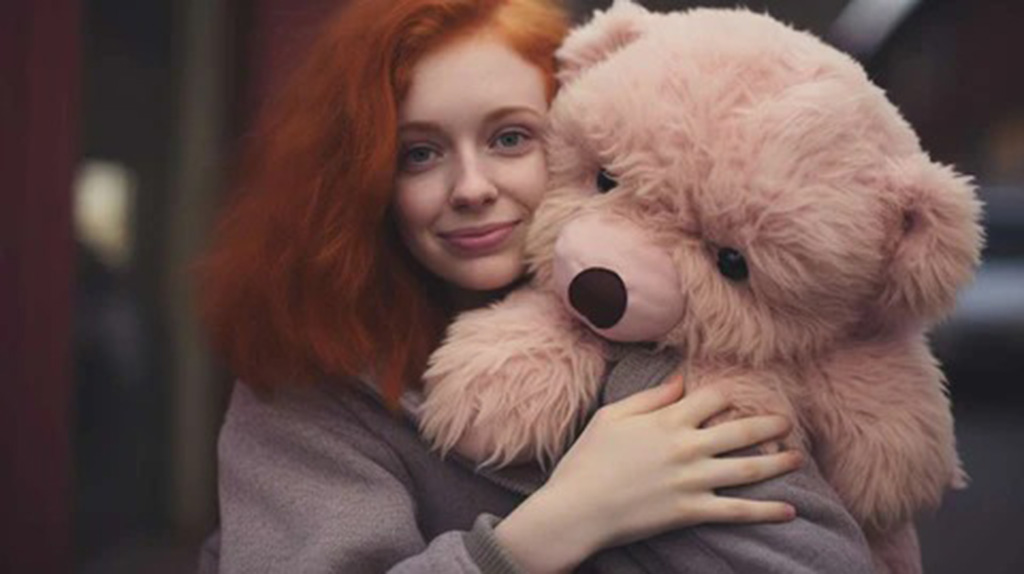
Teens and adults want discretion, aesthetics, and a calm micro-ritual. That usually means: neutral or pastel palettes, rounded silhouettes, friendly but minimal faces, and sizes that fit a desk, couch, or carry-on bag. For comfort SKUs, we often add a weighted belly (segmented liner, tacked to seams) so the plush sits still on a lap during reading or journaling. Texture contrasts—minky body + short-plush face—photograph beautifully and keep the visual field quiet.
Table 3 — Teen/adult soothing design checklist
| Design Element | Why It Soothes | Factory Specification | Merchandising Tip |
|---|---|---|---|
| Rounded silhouette | Soft geometry reduces visual “noise” | Broad curves; avoid thin wrists/necks | Show in calm desk/nightstand scenes |
| Neutral/pastel palette | Less stimulation; décor-friendly | Dye lab dips; daylight shade check | Content colorways (beige, sage, fog blue) |
| Minimal face | Easy “soft eyes” focus | Embroidered eyes; matte face fabric | Avoid glossy hard parts |
| Steady sit | Predictable, grounded presence | Grams-per-zone map; lower COM | “Stays where you leave it” copy |
| Optional weight | Gentle lap pressure | 150–400 g extra in belly for 25–35 cm | Clear label: not a medical device |
| Skin-comfort touch | Reduces fidgeting | Minky 3–5 mm; anti-pill finish | Invite touch in retail photos |
| Discreet size options | Private, portable support | 18–25–31 cm ladder | “Small companion” travel frames |
How should manufacturers address safety, hygiene, and allergen concerns?
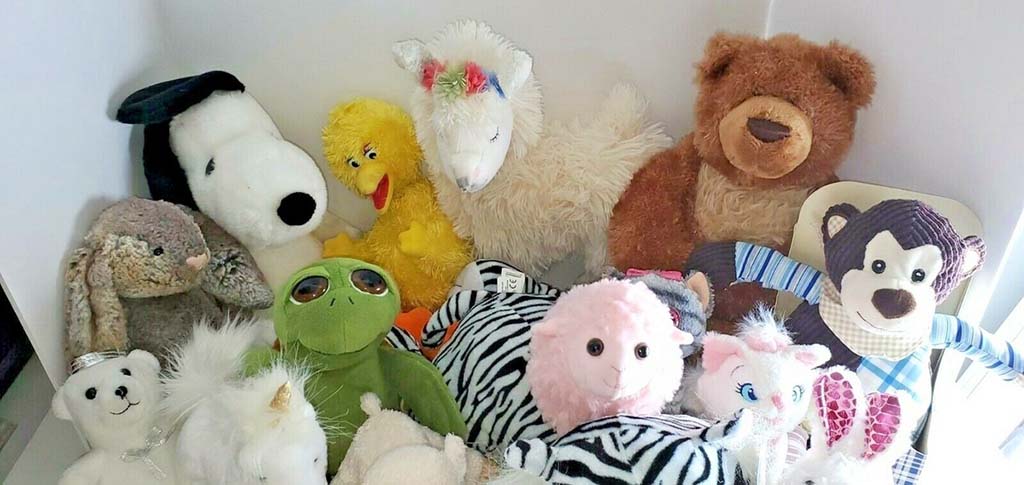
Wellness-positioned plush must be extra clean and transparent. That means embroidered features, short pile faces (lower lint), wash validation on real units, and clear care labels. Keep chemistry conservative: low-VOC auxiliaries, approved dyes, and batch COAs. Offer scent-free variants and disclose scent systems if used. For weighted options, use sealed, segmented liners and reinforced seams; disclose finished weight and age guidance. All of this should align with EN 71 / ASTM F963 / CPSIA and local rules.
Table 4 — Risk → mitigation plan for wellness plush
| Risk/Concern | Mitigation in Build | Validation/Test | Label/Disclosure |
|---|---|---|---|
| Lint & shedding | Short-pile face; finished minky body | Lint threshold QC; pilling test | “Surface may shed minimally at first” (if applicable) |
| Chemical exposure | Approved dyestuffs; low-VOC finishes | EN 71-3 / CPSIA tests; finish SDS | “Low-odor, toy-safe finishes used” |
| Hygiene & wash | Bag-wash 30 °C; air-dry | Wash-bag validation; photo report | Clear icons; “Avoid high heat” |
| Allergens & scent | Scent-free line; micro-encap low-load | Sensory panel; stability check | “Scent-free available”; disclose if scented |
| Weighted safety | Sealed liner; reinforced seams | Seam-pull; drop; leakage test | Finished weight; age guidance |
| Small parts | Embroidery; sewn trims | Small-parts, torque/tension | Age grade; no hard eyes for young users |
What ethical claims and marketing disclosures are compliant for wellness?
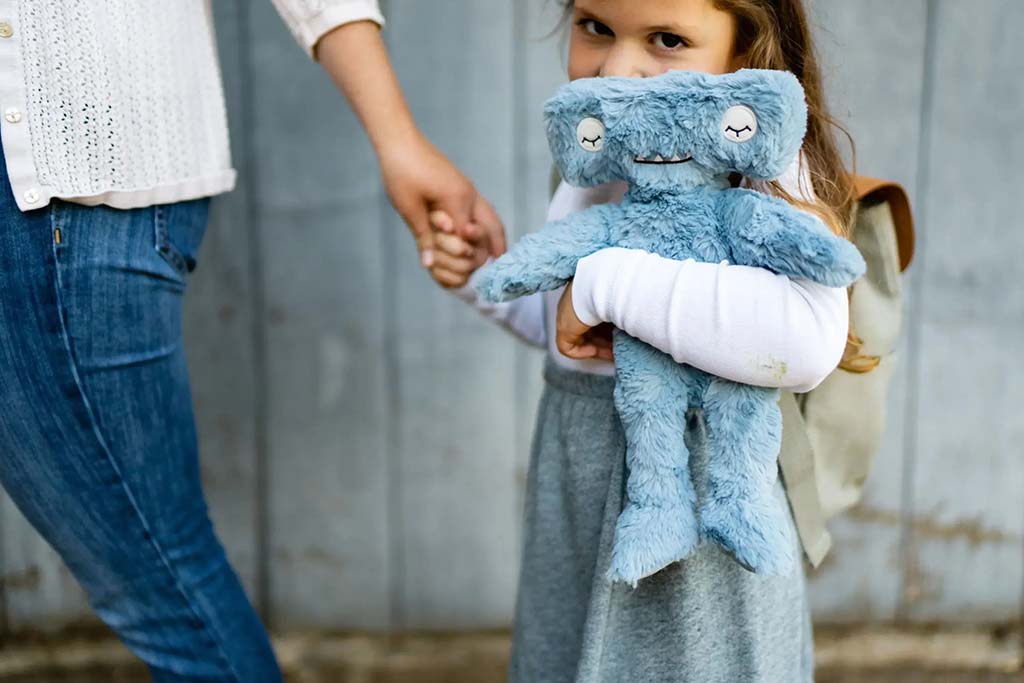
Ethical marketing builds trust and reduces regulatory risk. We should never imply that plush treats, cures, or prevents a disorder. Instead, use plain, supportive language: “designed for comfort,” “supports relaxation,” “helps create a calm routine.” Add a simple disclaimer: “Not a medical device. Not a substitute for professional care.” If you collect testimonials, avoid clinical promises and keep them about comfort, sleep wind-down, or daily stress.
Table 5 — Safer copywriting alternatives (use these, avoid those)
| Topic | Risky Claim (Avoid) | Safer, Ethical Alternative | Where to Place |
|---|---|---|---|
| Depression | “Treats depression” | “Designed to support comfort and relaxation” | PDP headline, packaging |
| Anxiety | “Stops anxiety attacks” | “Provides a gentle, grounding feel” | Feature bullets |
| Sleep | “Cures insomnia” | “Helps many users wind down at bedtime” | Care card, web copy |
| Medical status | “Therapeutic device” | “Not a medical device” | Packaging fine print |
| Clinical proof | “Clinically proven” (without trials) | “User-reported comfort in internal surveys” | Blog, FAQ (if surveyed) |
| Weighted | “Therapy-grade pressure” | “Optional gentle weight in the belly” | Variant selector + label |
How can user feedback and testing validate therapeutic plush benefits?
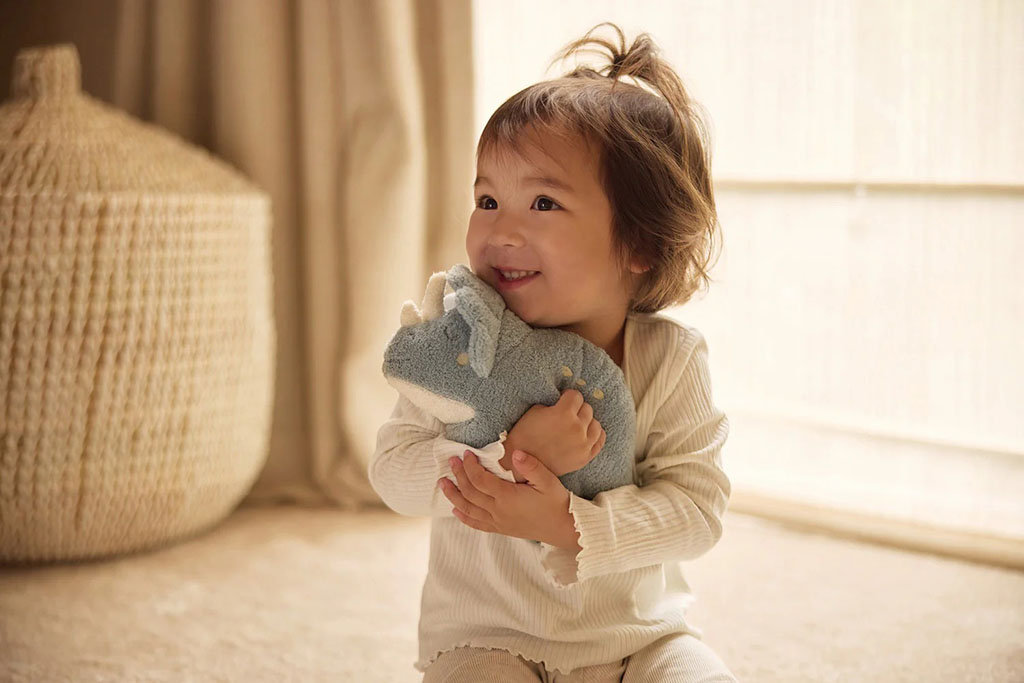
For non-medical products, human-centered validation is powerful and practical. Run structured user tests: unbox, first touch, 7-day wind-down routine, and 30-day follow-up. Track self-reported calm, time-to-sleep, perceived stress before/after, and qualitative notes (“feels grounded,” “keeps hands busy”). Pair that with objective quality tests—seam strength, wash validation, odor/VOC screening—so the story combines user comfort and engineering discipline.
Table 6 — Lightweight validation plan you can run now
| Activity | What to Measure | Sample & Timing | How to Use the Data |
|---|---|---|---|
| First-touch session | Softness rating; “would you keep it?” | 20–50 users; 15 min | Refine fabric map and colorways |
| 7-day bedtime routine | Perceived calm; time-to-sleep (self-report) | 30–100 users | Write care card; tweak weight range |
| Desk/daytime use | Fidget reduction; focus (self-report) | 30–100 users | Build mini (18–25 cm) variants |
| Wash validation | Post-wash softness, shape | Each colorway; lab + home tests | Lock care icons; approve finishes |
| Odor/VOC screen | Odor neutrality at arrival | Panel of 10–20 | Improve storage/packaging |
| Open feedback | Free-text likes/dislikes | All cohorts | Fix friction; harvest safe testimonials |
Conclusion
Plushies don’t treat depression, but a well-made, ethically positioned plush can support comfort, calm, and daily routines for many users—from teens to adults—when it’s soft in the right places, steady in the hand, easy to clean, and honestly labeled. That’s where design, safety, and human feeling meet.
At Kinwin, we build plush that is photo-ready, cuddle-ready, and audit-ready—with material maps, density maps, sealed liners (optional weight), low-VOC finishes, and clear, ethical copy. If you need a wellness-friendly plush line that respects users and regulations, I’m ready to help you design, validate, and scale it.
Contact: [email protected] | kinwintoys.com