When people ask “What’s the most common animal plush?”, the honest answer is simple and strategic: the bear. From nurseries to department stores, teddy bears anchor the category because they blend universal symbolism (comfort, friendship, protection) with a body plan that’s easy to hug and easy to manufacture at scale. But bears don’t live alone on shelves. Dogs, rabbits, cats, and fantasy creatures all rise and fall with culture, media, and seasonality. As Amanda from Kinwin, I’ll walk you through the animal types that win in plush design, why the bear still rules, how trends reshape assortments, which animals resonate by age and channel, how materials shape realism, and the design moves driving today’s best-sellers. Every section includes a practical table you can paste into RFQs and line plans.
What animal types are most popular in plush toy design?
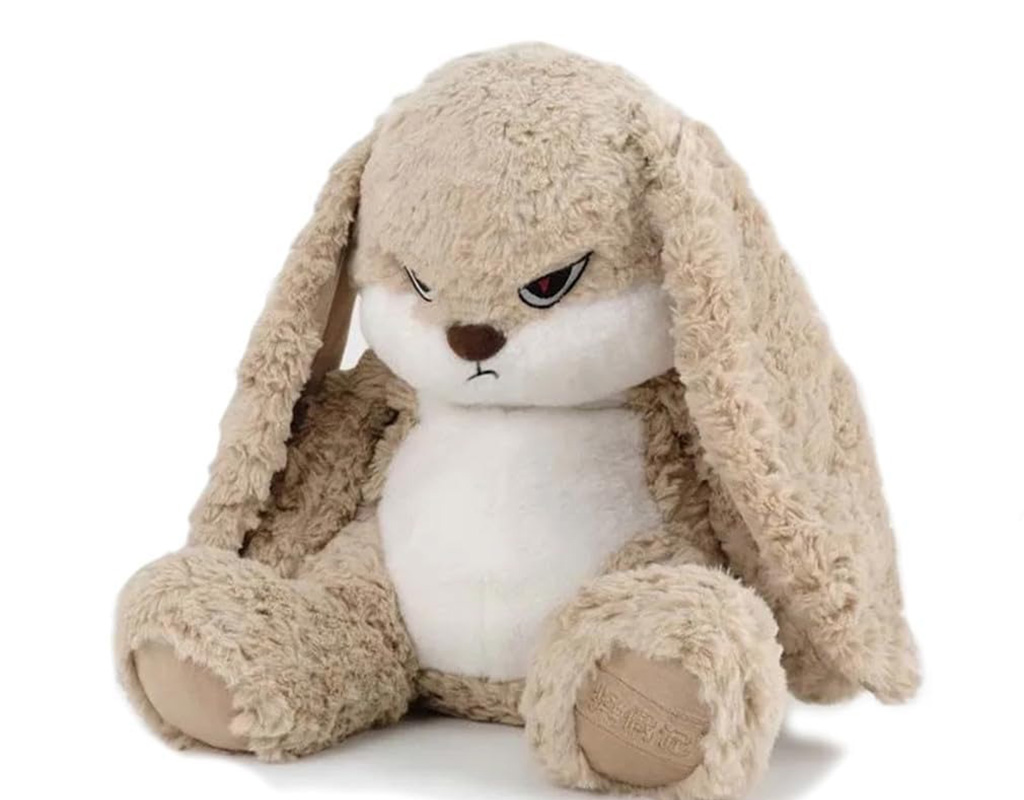
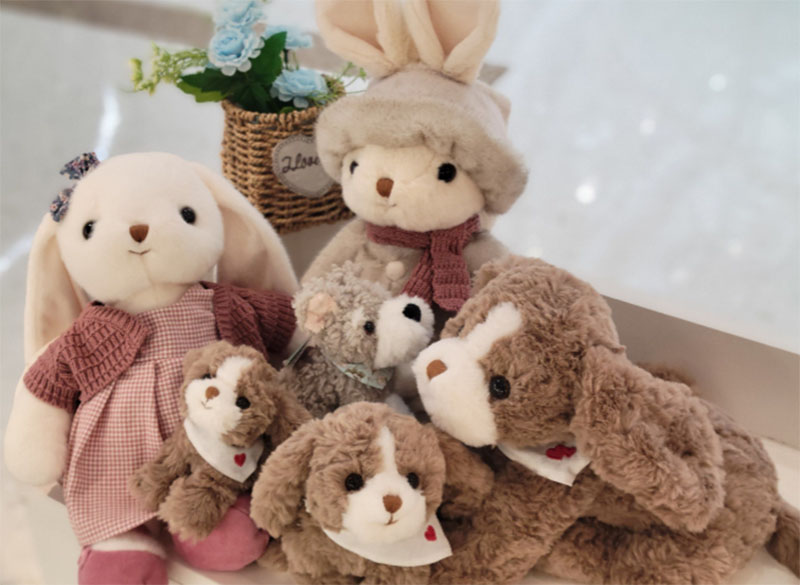
In global B2B orders, five archetypes dominate: bears, bunnies, dogs, cats, and fantasy/whimsical (dinosaurs, dragons, axolotls, food-with-faces). Their strength comes from a mix of recognizability, easy emotion (smile + round cheeks), simple silhouettes that sit upright, and broad giftability across ages. When we build collections for retailers, we ladder SKUs from an “always-on” core (bear/dog/rabbit) to seasonal spikes (reindeer, chicks, penguins) and trend capsules (axolotl, capybara, red panda).
Long-term performance comes from photogenic faces, repeatable proportions, and textures that read soft on screen. Bears give the most stable baseline; rabbits offer seasonal diversity (spring gifting, pastels); dogs and cats fuel personalization (breeds, markings); fantasy creatures create “conversation pieces” for teens and adults.
Table 1 — Core popularity by animal type (factory perspective)
| Animal Type | Why It Sells Consistently | Best Sizes for Retail | Fabric Map (Typical) | Notes for Assortment |
|---|---|---|---|---|
| Bear | Universal symbol, perfect hug shape | 18–35 cm core; 50+ cm gift | Minky body + short plush face | Anchor of every evergreen line |
| Bunny | Soft ears, gentle expression, seasonal spikes | 20–31 cm; 36 cm premium | Minky body; velboa face/ear lining | Pastels, baby sets, spring promos |
| Dog | Pet bond, breed personalization | 18–31 cm; 40 cm “buddy” | Minky body; short plush face | Breed SKUs boost attachment |
| Cat | Cute minimalist face, décor-friendly | 18–36 cm | Minky body; microfleece accents | Neutral palettes for adult décor |
| Fantasy/Whimsical | Social-media share value | 15–28 cm minis; 35 cm hero | Minky/coral fleece; applique details | Trend driver (axolotl, dinos, foods) |
Why do bears remain the most iconic plush animal worldwide?
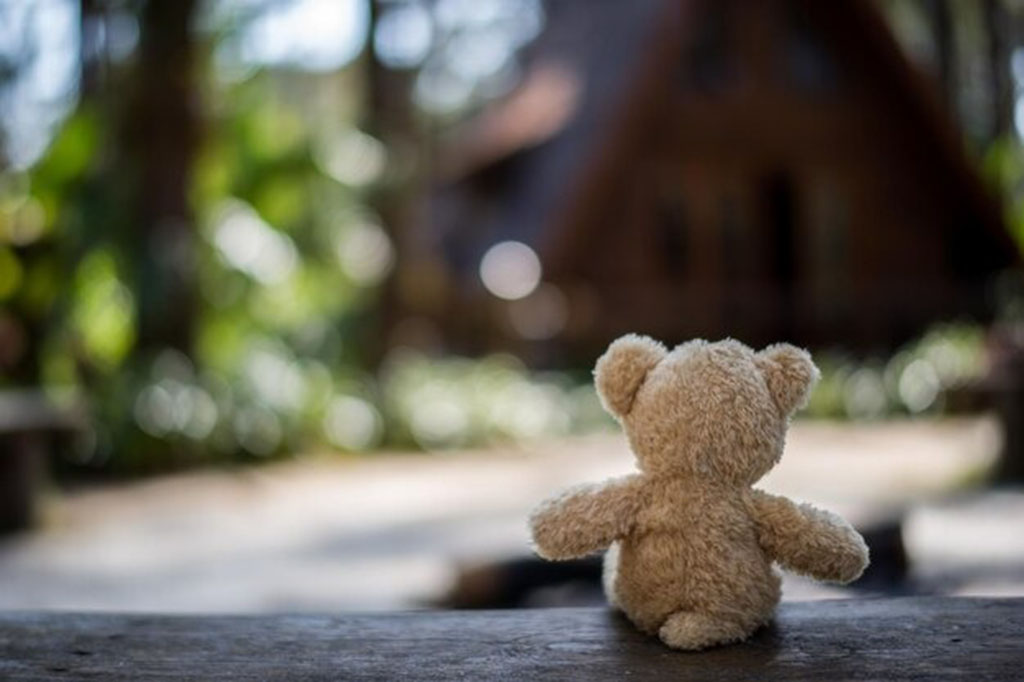
Three reasons keep the bear at #1: emotion, ergonomics, and economics.
Emotion: the teddy narrative (friendship, protection, childhood memory) crosses languages and cultures. Ergonomics: the bear’s rounded torso, proportionate head, and short limbs create an ideal low center of mass for sit-stability and shelf appeal; the body plan supports many sizes without distortion. Economics: panels are efficient to cut, faces are easy to embroider consistently, and filling is predictable—so bears scale from low-cost promos to premium, weighted, or extra-soft hero pieces.
From a production lens, the bear tolerates diverse “fabric maps”: short plush faces for clarity; minky bodies for cuddle; faux-fur upgrades for winter gift sets. Minor tweaks—ear size, muzzle shape, snout width—unlock different brand signatures without changing the core pattern. That’s why bears are the safest hero for first-time private labels and a reliable refresh vehicle for mature brands.
Table 2 — Why the bear wins (design + factory + retail)
| Factor | Design Advantage | Factory Advantage | Retail Advantage |
|---|---|---|---|
| Body geometry | Round, huggable, photogenic | Panel-efficient; stable seams | Sits well; strong thumbnail |
| Face readability | Clear muzzle/eyes | Embroidery-friendly | Recognizable at a glance |
| Size elasticity | Cute at 18 cm; impressive at 50+ cm | Density map scales cleanly | Good price laddering |
| Texture flexibility | Works in minky, faux fur, velboa | Low retooling between fabrics | Seasonal refresh is easy |
| Storytelling | “Classic friend” narrative | Minimal re-sampling for variants | High giftability, year-round |
How do cultural trends influence popular plush animal choices?
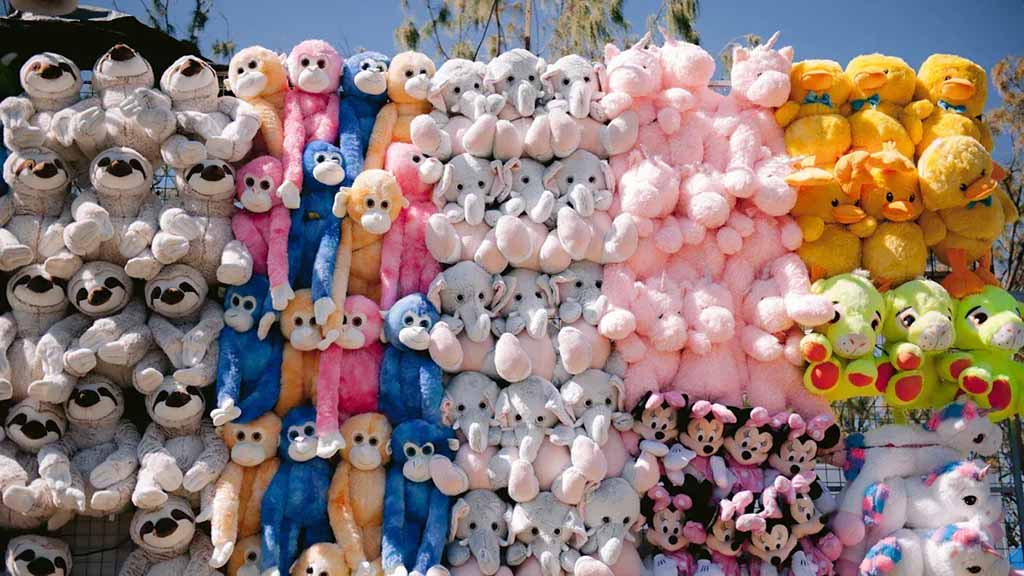
Culture reshapes the shelf every season. Viral memes, streaming hits, zoo news, and regional folklore push niche animals into the mainstream. Axolotls, capybaras, red pandas, shiba inu, and pandas surge with media cycles and kawaii aesthetics. Holiday calendars bring reindeer, penguins, ducks/chicks, and bunnies. Local symbolism matters too: lucky cats (Asia), koalas (ANZ), hedgehogs (Europe), sloths (Americas).
For line planning, we combine evergreen anchors (bear/dog/rabbit) with two to three trend capsules per year. Capsules use bolder palettes and playful accessories; evergreens hold brand color, margin, and replenishment. A small “test batch” approach (lower MOQ, faster sampling) helps validate a trend animal on e-commerce before larger wholesale buys.
Table 3 — Cultural/trend drivers and how to respond
| Trend Trigger | Animal Examples | Design Response | Operational Move |
|---|---|---|---|
| Social media “cute science” | Axolotl, capybara, quokka | Rounded cheeks, pastel bodies | Pilot-run SKUs; fast photo feedback |
| Streaming/film fandom | Dragons, dinos, fantasy | Emblems, capes, themed trims | Clear licensing or generic motifs |
| Seasonal gifting | Reindeer, penguin, bunny, chick | Winter fur, spring pastels | Calendar buys; color reuse across SKUs |
| Local symbolism | Maneki-neko, koala, red panda | Regional colors/charms | Region-specific packs; shared base pattern |
| Wellness/comfort | Sloth, bear, dog | Weighted belly, calm face | Add liner tacks; soft palettes |
Which animals appeal most to different age groups and markets?
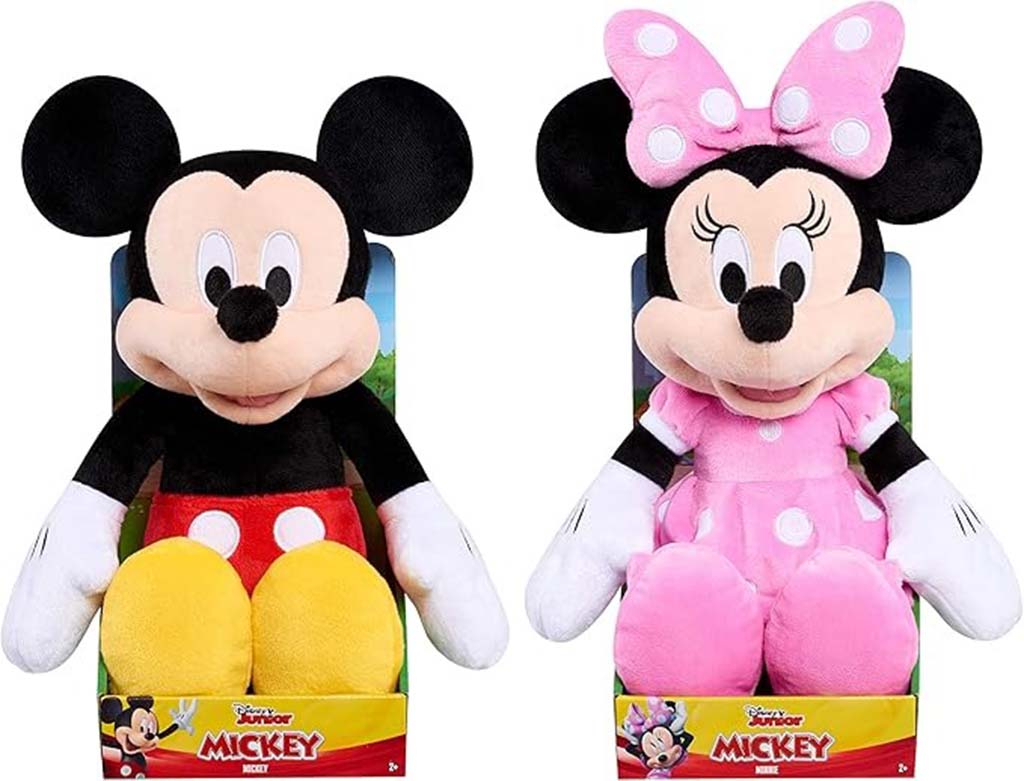
Different shoppers want different “jobs” from a plush. Infants/toddlers need soft textures and gentle faces (bunny, bear, lamb). Kids want character and play value (dog/cat breeds, dinos). Tweens/teens lean into identity and trend (cats, fantasy, axolotl). Adults want décor-friendly, stress-soothing designs (neutral cats/bears/dogs; sloths). For gifting and corporate, bears win because they brand cleanly and fit any occasion.
Channel specifics matter: specialty toy stores welcome story-rich animals with outfits; mass retail prefers evergreen SKUs in replenishable colors; online marketplaces reward photogenic minis with strong thumbnails; museum/zoo stores need locale-specific animals.
Table 4 — Animal appeal by age and channel
| Audience/Channel | Best-Fit Animals | Size & Build | Why It Works |
|---|---|---|---|
| 0–3 years (baby) | Bear, bunny, lamb | 18–25 cm; short pile face | Gentle expression, easy care |
| 4–8 years (play) | Dog/cat breeds, dinos | 20–31 cm; sturdy seams | Character + action posing |
| 9–14 years (trend) | Cat, axolotl, fantasy | 15–28 cm minis; sets | Collectability, social sharing |
| Adults (décor/comfort) | Bear, cat, sloth | 25–40 cm; neutral palette | Calm styling; sofa display |
| Gifting/Corporate | Bear (logo-ready), penguin | 18–31 cm | Universal, brandable |
| Museum/Zoo | Red panda, koala, penguin | 20–35 cm; realistic accents | Site relevance + souvenir appeal |
How do material and shape affect the realism of animal plushies?
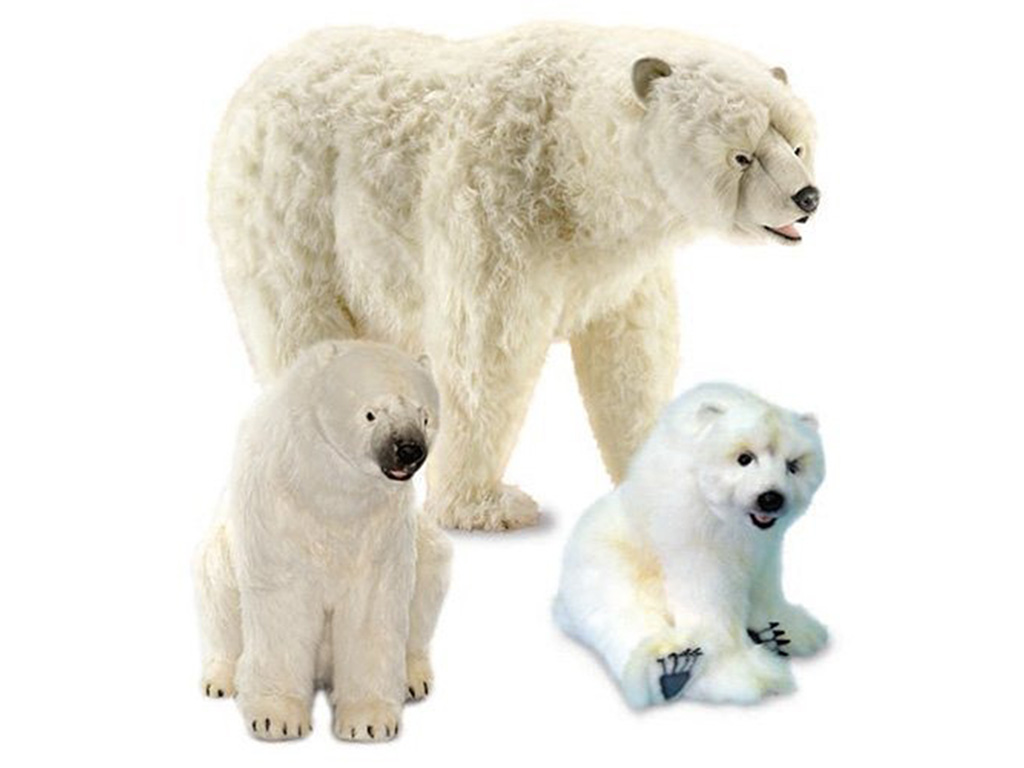
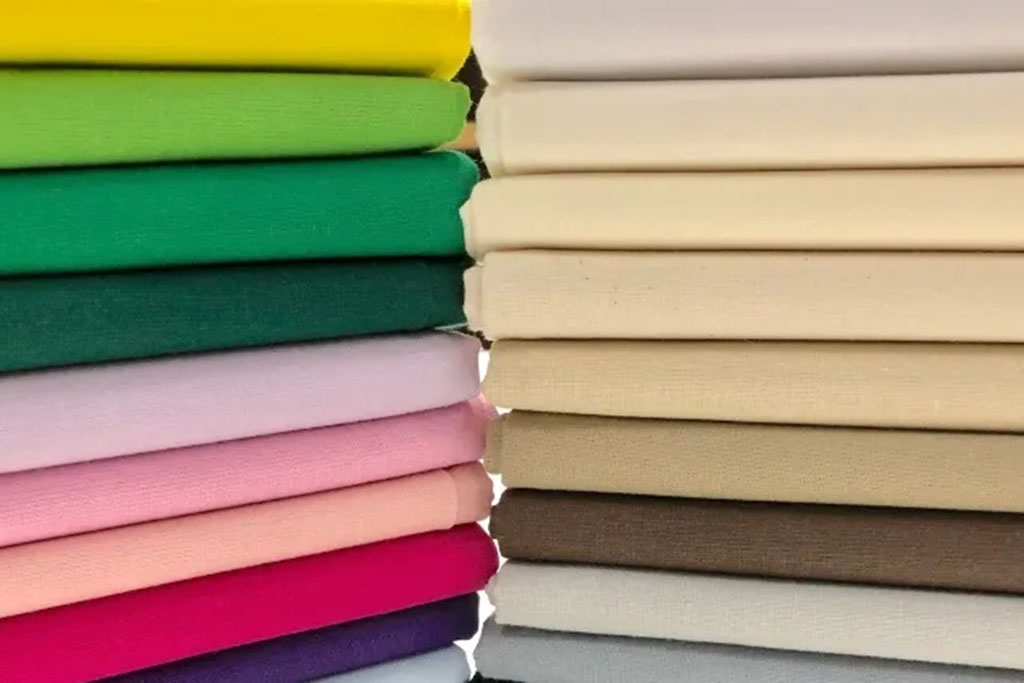
Realism lives at the intersection of fabric nap, pile height, paneling, and fill density. Short plush (velboa 1.5–2.5 mm) gives crisp faces (muzzles, whisker panels, eye embroidery). Minky 3–5 mm creates soft body volume and reads warm on camera. Faux fur (6–25 mm) adds species-specific drama—perfect for bears, fox tails, manes—yet needs wider seam allowances (0.5–0.7 cm) and post-sew grooming. The fill recipe matters as much as fabric: lighter fill at cheeks, heavier low in the belly keeps silhouettes cute and sit-stable; tiny pearl cotton cores add posture without hardness.
Pattern engineering lifts realism: separate muzzle panels for bears and dogs, gusseted ears for rabbits, subtle darts to curve backs and bellies, and thin batting under the face to prevent stitch sink. These micro-decisions make plush look alive instead of flat.
Table 5 — Realism toolkit (materials + construction)
| Design Area | Material Choice | Construction Move | Realism Outcome |
|---|---|---|---|
| Face clarity | Velboa/short plush | Thin batting; precise embroidery | Sharp muzzle, clean smiles |
| Cuddle body | Minky 3–5 mm | Wider seam on curves; layered fill | Soft volume; smooth contours |
| Species accents | Faux fur trims | Trim seam; brush after sew | Mane, tail, tuft realism |
| Posture | PP cotton + small pearl core | Core centered; bead liner low | Upright sitting; no slump |
| Expression | Eye/mouth embroidery | Stitch count locked by spec | Consistent face across batches |
What design trends define today’s top-selling animal plush collections?
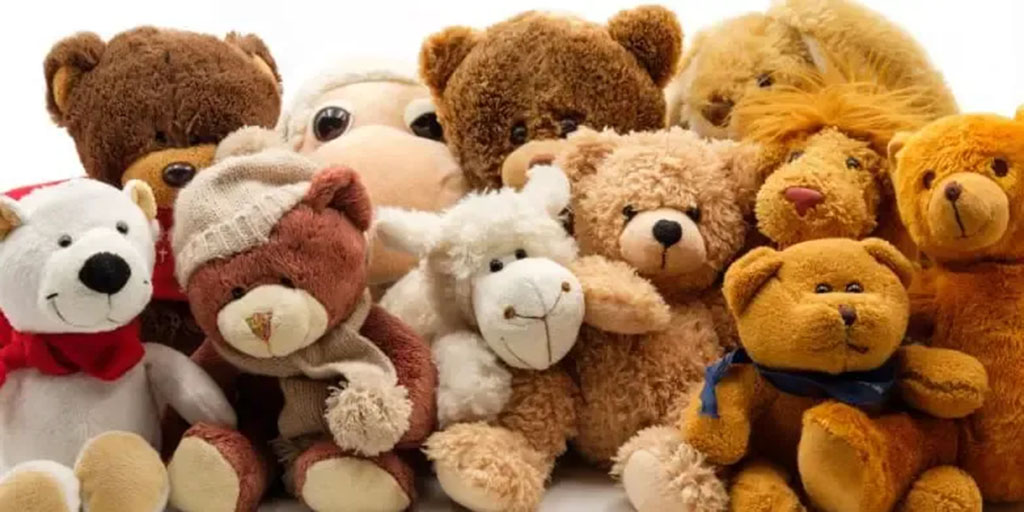
Five trends lead current wins: calm faces, pastel/neutral palettes, mini collectible sets, weighted comfort options, and texture contrast (mixing minky bodies with short-plush faces and tiny faux-fur accents). Calm expressions and “downturned” eyelids support the wellness aesthetic; pastels and naturals keep décor-friendly vibes. Minis create price-entry and collecting momentum; a few weighted SKUs (sealed liners, tacked) add differentiation in adult channels. Texture contrast photographs beautifully and helps listings stand out.
Successful lines plan a core + capsule strategy:
- Core: evergreen bear/dog/rabbit/cat in brand colors, stable margins.
- Capsules: 2–3 trend animals/season with playful trims, bundled as gift sets or photo-friendly minis.
- Hero: one oversized or ultra-soft feature plush per season for window displays and top-of-page listings.
Table 6 — Collection-building playbook (what to ship and why)
| Line Layer | Role | Animals & Specs | Why It Sells |
|---|---|---|---|
| Core Evergreen | Margin + replenishment | Bear, bunny, dog, cat (18–31 cm) | Year-round, brand color story |
| Trend Capsule | Buzz + social share | Axolotl, dino, capybara (minis) | Collectability, seasonal novelty |
| Seasonal | Calendar lift | Reindeer, penguin, chick | Gift timing, photo themes |
| Comfort SKUs | Wellness angle | Bear/sloth with weighted belly | Adult appeal, differentiation |
| Hero Piece | Visual anchor | 40–55 cm ultra-soft bear | Window display, premium gift |
Conclusion
Bears are the most common animal plush because they deliver universal emotion, ergonomic comfort, and manufacturing efficiency—yet the market thrives on a family of winners: rabbits, dogs, cats, and trend-driven creatures that refresh the story each season. With the right fabric map, face engineering, and density plan, your collection can feel soft in hand, look perfect on camera, and stay consistent from sample to container.
At Kinwin, we help global buyers build core + capsule assortments, tune realism through materials and patterning, and lock QC so every unit feels the same—across ages, channels, and cultures. Contact us at [email protected] or visit kinwintoys.com to plan your next animal plush line with confidence.