Skip to content
When you hold a soft toy, the first thing you notice is its fluffiness — that full, airy, comforting feel that makes you want to hug it again and again. A fluffy plush is not only visually appealing but also emotionally engaging. It looks alive, feels premium, and creates instant warmth. But behind every “soft and squishy” toy is careful design: the right materials, the right filling, balanced density, and smart maintenance.
In this guide, I’ll share how professional plush manufacturers like Kinwin manage fluffiness from material selection to final inspection. You’ll learn what causes toys to lose their original volume, how to restore softness, and what maintenance keeps them looking brand-new for years. Whether you’re sourcing from a factory or developing your own plush line, these methods will help you achieve consistent, cloud-soft results.
What causes a stuffed animal to lose its original fluffiness?
Stuffed animals naturally lose fluff over time, especially when exposed to pressure, humidity, or frequent handling. Inside each plush toy, air pockets between fibers create the soft, bouncy texture. When those fibers collapse, twist, or clump, the toy starts looking flat and tired.
Several factors accelerate this process: vacuum packaging during shipment, stacking cartons too tightly, high humidity in storage, and incorrect washing or drying. Even the best materials will flatten if the toy’s seams are too tight or its fabric backing is too thin to support the filling. Understanding these causes is the first step to preventing the problem before it starts.
Table 1 — Why fluff is lost, and how to fix it fast
| Cause | What Happens Inside | Quick Fix | Long-Term Prevention |
|---|---|---|---|
| Vacuum packing / stacking | Air squeezed out of fill | Low-heat tumble with 2 clean balls, 10–15 min | Avoid long vacuum storage; include “fluff on arrival” note |
| Over-dense stuffing | Seams compress fill; edges dent | Reopen seam, redistribute, resew neatly | Use density map (grams per part) |
| Humidity & moisture | Fibers clump; rebound slows | Air dry in shade; add silica gel | Store in dry, climate-controlled warehouse |
| Harsh washing or high heat | Pile collapses or mats | Wash bag + gentle cycle | Validate care label by lab test |
| Poor fiber quality | Weak, brittle fibers flatten | Refill partially with new fiber | Use certified polyester fibers only |
| Weak fabric backing | Fabric stretches, shape deforms | Add batting under thin areas | Choose stable tricot knit backings |
When toys are shipped overseas, many arrive slightly flattened. The good news: most can regain shape after 12–24 hours in open air, or faster with a gentle tumble and light brushing.
How does the choice of filling material influence plush softness and volume?
Stuffing material defines 80% of how a plush feels. The fill controls its weight, softness, and resilience — in other words, how quickly it “bounces back” after being squeezed. Different fibers trap air differently, and the denier (thickness) of each fiber changes the level of plushness.
PP cotton (polyester fiberfill) remains the industry favorite. It’s light, soft, hypoallergenic, and easy to wash. It works well for most plush bodies and heads. For premium lines, microfiber staple is a popular upgrade. The fibers are finer, giving a silky and more luxurious handfeel.
If you need a toy to keep its posture — like a teddy that sits upright — a small pearl cotton core inside the body adds structure without making the toy feel stiff. For stability, some designs include microbead liners or foam pouches at the base to balance weight distribution.
Table 2 — Fillings that build (and hold) fluff
| Filling | Softness | Rebound | Washability | Best Role | Notes |
|---|---|---|---|---|---|
| PP cotton | Very soft, airy | High | Excellent | General filling for body and head | Cost-effective and safe |
| Microfiber staple | Silky, premium | Medium–High | Excellent | Luxury plush lines | Smooth, rich texture |
| Pearl cotton | Medium-firm | Very high | Excellent | Core filling for structure | Use in small quantity |
| EPS/EPP beads | Weighted, flowing | N/A | Hand wash | Base liner for stability | Always sewn in pouch |
| Foam particles | Springy | Medium | Varies | Cushion or sitting parts | Great for large plush |
| Polyester batting | Smooth surface | N/A | Excellent | Face and limbs | Prevents lumps under short pile fabrics |
Blending materials gives the best of all worlds. A PP cotton base gives fullness, a microfiber top layer adds softness, and a pearl core maintains shape. At Kinwin, we often create custom “filling recipes” per SKU to match the target feel — plush, cuddly, or firm display-grade toys.
What techniques can restore or increase fluff during production or refilling?
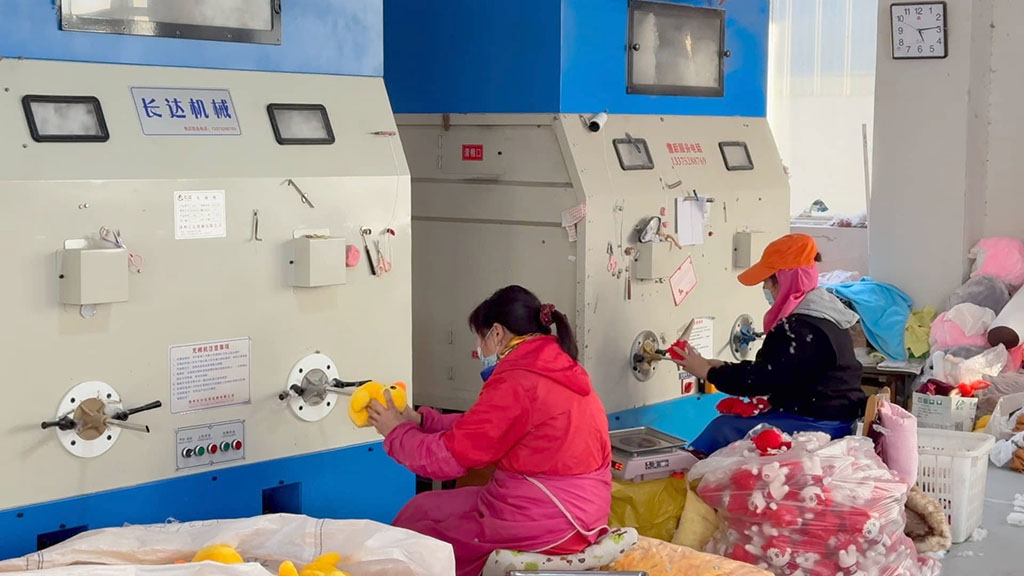
Even the best fiber can look flat if filling is uneven. Professional plush makers use structured filling techniques that layer, shape, and balance the stuffing across zones. Each part — head, belly, limbs — gets a different density to mimic natural proportion.
The secret lies in small tufts. Instead of cramming large clumps, add filling in gradual layers. This ensures even airflow and smooth shape. For photo-friendly faces, always add a thin batting sheet beneath the outer fabric to stop the seams from showing. Before final closure, check the silhouette in front and side view. If one cheek looks flat, add 1–2 grams of fill until symmetry is perfect.
Table 3 — Techniques that add visible fluff without lumps
| Technique | What It Improves | How To Do It | Pitfalls to Avoid |
|---|---|---|---|
| Layered stuffing | Even shape | Add in small tufts with a stick | Avoid big clumps |
| Density mapping | Balanced body | Heavier at base, lighter near head | Don’t overfill upper parts |
| Batting under face | Smooth surface | Place thin layer before filling | Too thick makes face stiff |
| Pearl core | Shape retention | Insert small core in torso/head | Oversized core feels hard |
| Ladder stitch | Seam recovery | Even 2–3 mm stitches | Uneven bites dent the edge |
| Darts & gussets | Volume from pattern | Add curves in design stage | Avoid forcing volume later |
When refilling, remove all compressed fill before inserting new material. Always close the seam using the ladder stitch method to hide thread lines and keep edges rounded.
At Kinwin, we often conduct a “squeeze and balance” test before sealing — pressing the toy from all sides to make sure rebound and silhouette look consistent.
How do heat, air, and washing methods affect the plush fiber structure?
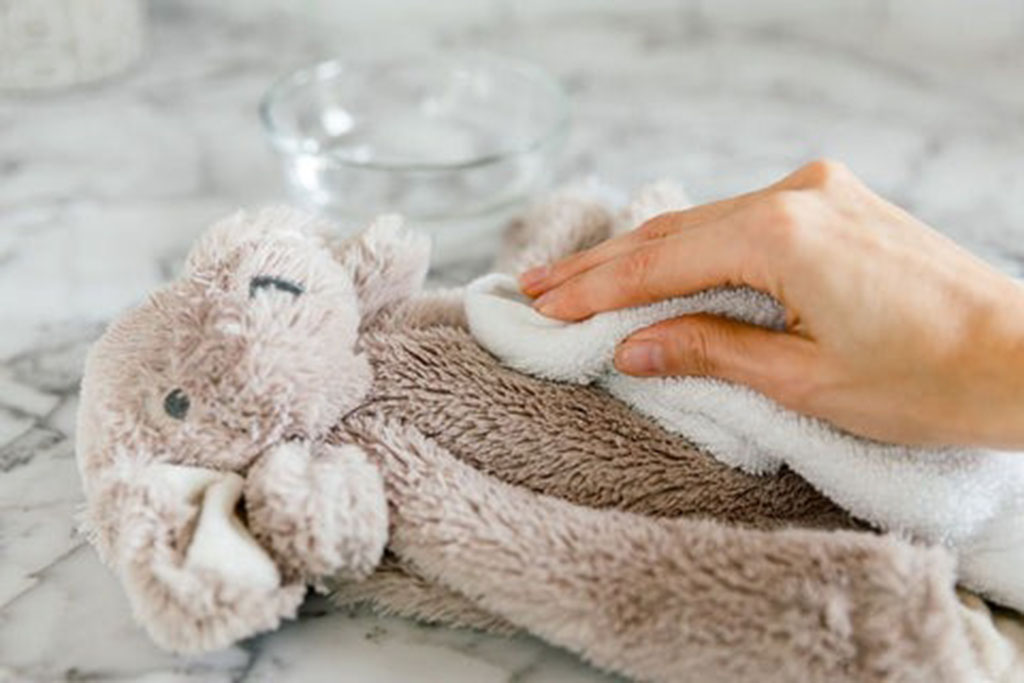
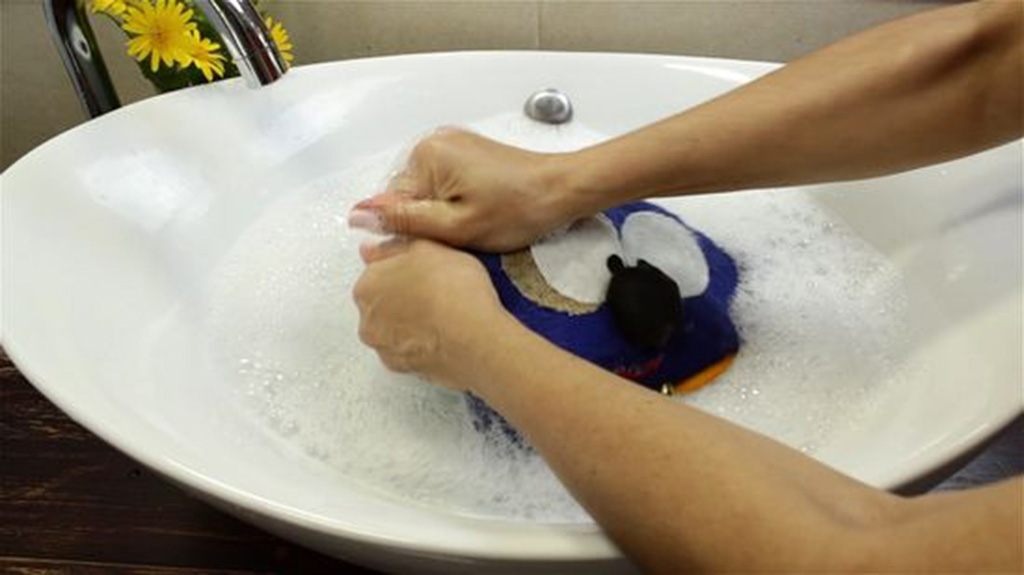
Heat and air can either restore or destroy fluff depending on how they’re used. Polyester fibers respond to temperature: low heat re-expands them, while high heat melts and hardens the surface. Washing also changes the microstructure of fibers — too much agitation breaks strands; gentle cleaning lifts dirt without crushing the pile.
For maintenance or retail display, we use three safe approaches:
- Gentle washing inside a mesh bag with mild detergent.
- Low-heat tumble drying with clean balls to beat air back into the fiber.
- Steam and brush technique for refreshing showroom samples.
Table 4 — Heat/Air/Wash matrix for safe loft recovery
| Method | Fiber Effect | Safe Setting | Risk | Control |
|---|---|---|---|---|
| Gentle wash | Cleans, reopens fiber gaps | 30°C, low spin | Stretch or color bleed | Pre-test dark colors |
| Low-heat tumble + balls | Adds air, restores bounce | 10–15 min | Melting trims | Keep <60°C, use cloth cover |
| Steam brushing | Lifts pile visually | Light steam, soft brush | Over-wet seams | Move steamer constantly |
| Air drying | Removes humidity | Shade, ventilation | Sun fade | Avoid direct UV |
| High heat (avoid) | Collapses polymer | — | Permanent matting | Never exceed care label temp |
In production, we also perform wash simulation tests to ensure that the pile and fill recover after cleaning. This step ensures the toy maintains its “like-new” appearance after buyers wash it at home.
What maintenance steps keep stuffed animals fluffy over time?
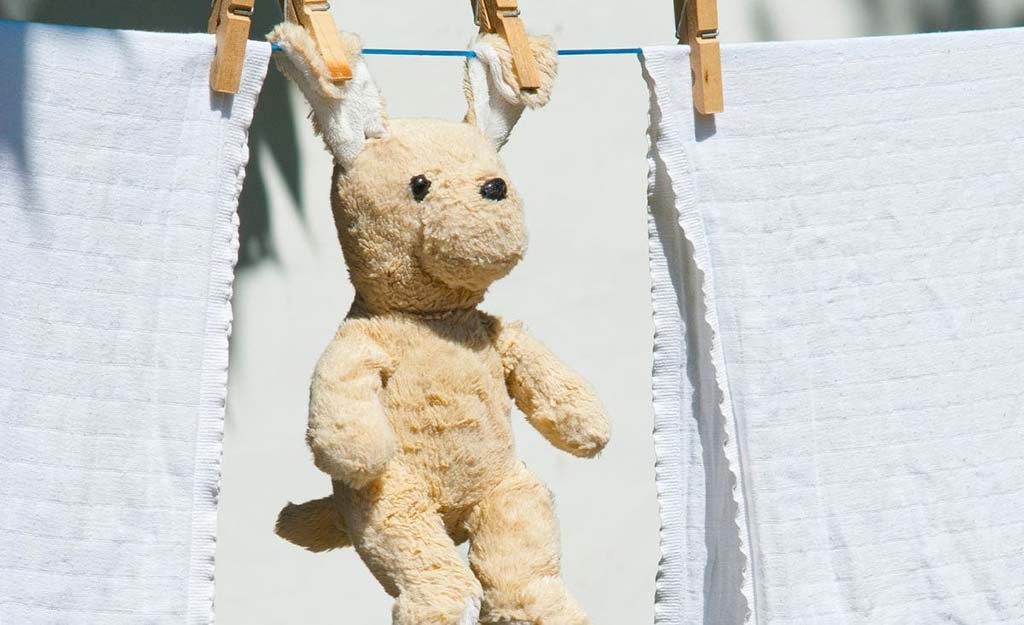
Fluffiness fades gradually but can easily be preserved with simple routines. For consumers, clear aftercare instructions make a big difference — and for brands, it reduces customer complaints and returns.
Here’s the maintenance plan we usually recommend to clients and retail partners:
- After unboxing: Shake the toy gently and let it sit for a few hours to reabsorb air.
- Monthly care: For washable plush, run a gentle cycle in a wash bag. Tumble dry low with 2 clean balls for 10–15 minutes.
- Display care: For retail shelves, brush plush lightly in the nap direction once a week to keep it photo-ready.
- Storage: Keep in dry conditions. Avoid compressing or stacking plush for long periods.
- Long-distance shipping: Use breathable bags or light vacuum packing with a note: “fluff after opening.”
The goal is to maintain air inside the fiber network. As long as air can move freely through the filling, softness and shape stay stable for years.
How do manufacturers ensure consistent fluffiness through quality control?
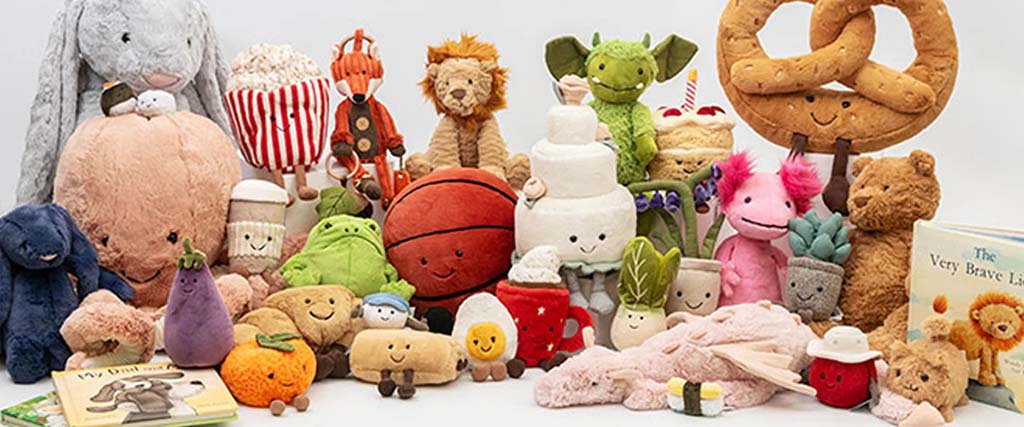
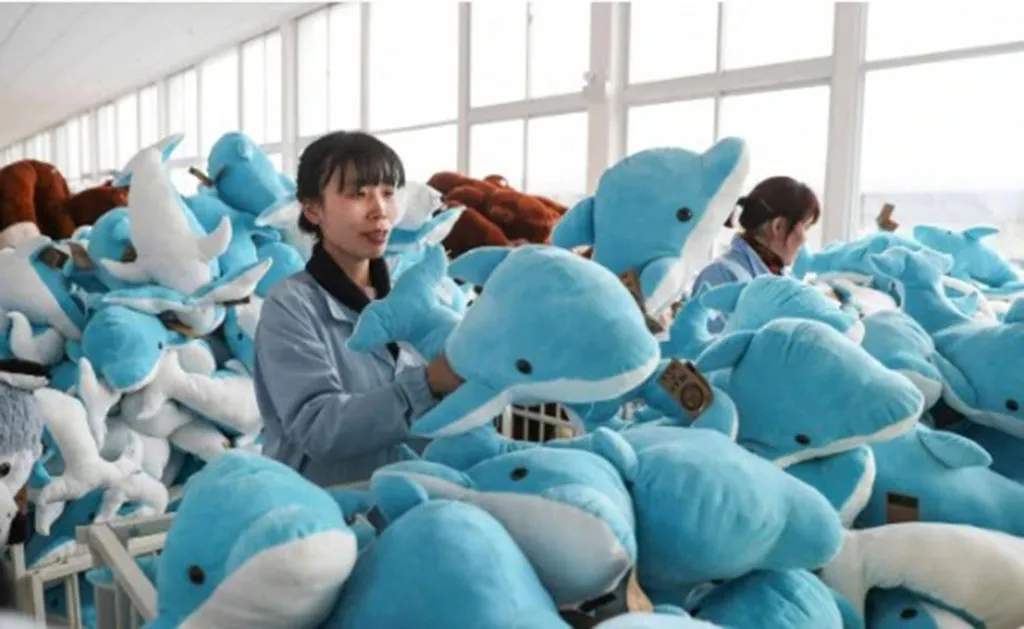
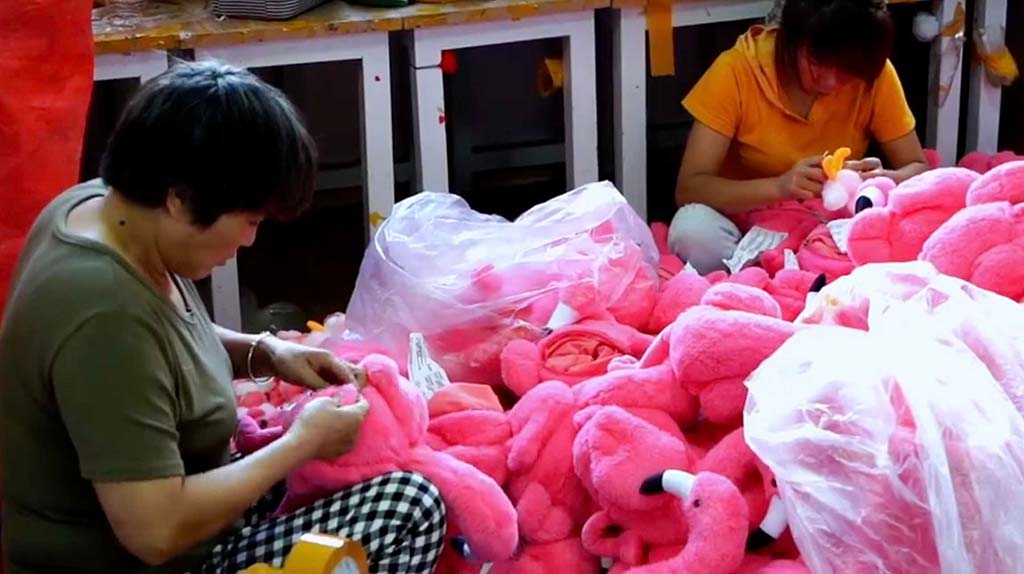
In a factory setting, fluffiness isn’t just a feel — it’s measured. Each SKU has a recorded target weight per part, so production lines know exactly how much filling to use in the head, body, limbs, and base.
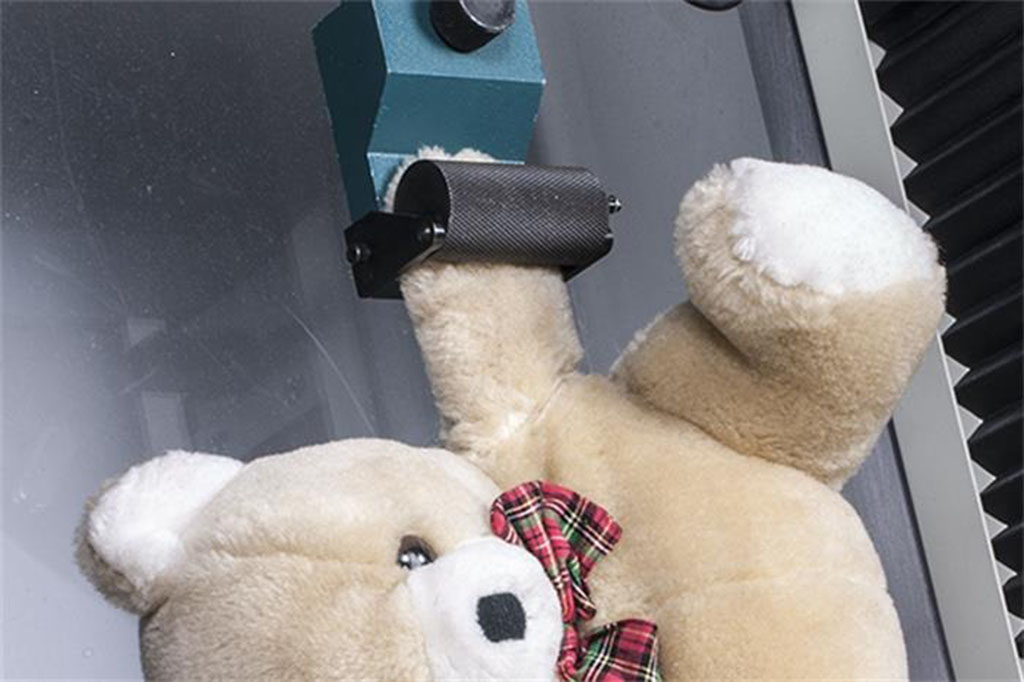
At Kinwin, we also apply compression recovery tests (pressing toys three times and checking rebound), balance tests (ensuring toys sit upright), and wash tests (to confirm fluff returns after cleaning). Every batch is compared with a “golden sample” — a master unit kept in perfect condition.
Table 5 — Fluff control in factory QC (simple, repeatable, effective)
| Test | What It Measures | Pass Criteria | If It Fails |
|---|---|---|---|
| Compression–recovery | Rebound ability | Restores shape in 3 presses | Adjust fiber density |
| Seam stress | Structural strength | No gapping or thread pops | Widen seam, reduce fill |
| Balance test | Weight distribution | Sits upright, no lean | Add bead pouch, rebalance core |
| Visual symmetry | Even fill per side | Equal cheeks, smooth face | Add 1–2 g fill; reshape |
| Weight check | Consistency | ± tolerance range | Refill to correct level |
| Wash-bag test | Post-wash recovery | No matting, colorfast | Adjust fabric or care label |
The result is a product that feels the same from the first to the last container — a hallmark of professional, reliable plush manufacturing.
Conclusion
A fluffy stuffed animal isn’t created by accident. It’s the result of selecting the right materials, balancing density, controlling heat and moisture, and maintaining strict QC. When done correctly, your plush line feels luxurious, looks lively, and lasts for years.
At Kinwin, we help global buyers and brands engineer that perfect “cloud-soft” feel with precise filling systems, professional wash testing, and certified safety compliance.
You get toys that look adorable on screen, feel huggable in hand, and stay that way long after shipping.
Contact us at [email protected] or visit kinwintoys.com to discuss your next project and see how our factory can support your success.