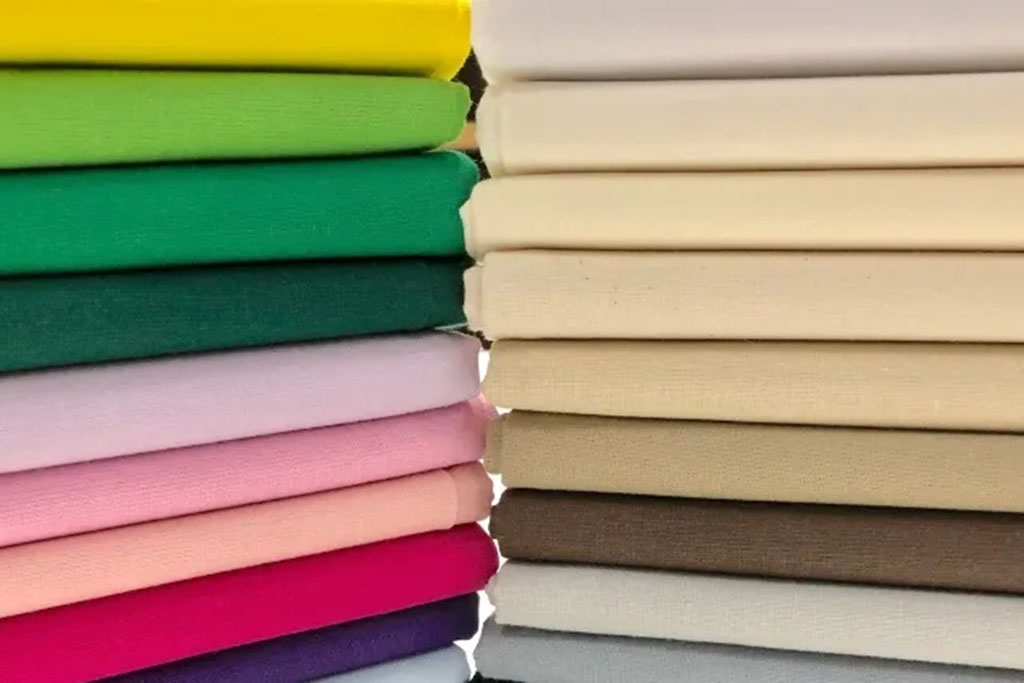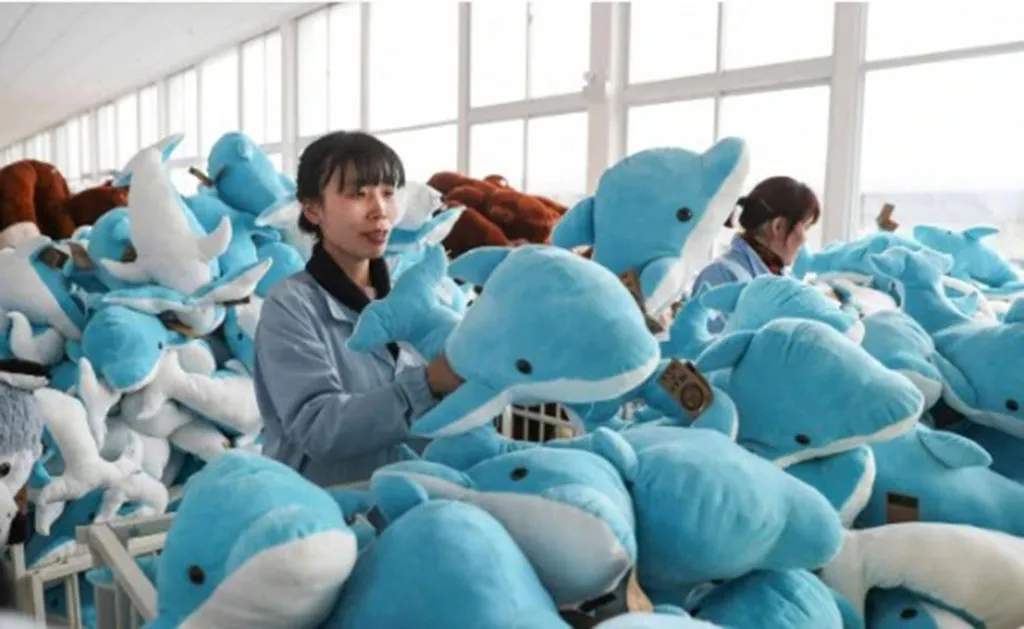
I’m Amanda from Kinwin in China. I help brands pick fabrics that feel soft, pass EN71/ASTM/CPSIA, and look great in photos. This guide explains which fabrics plushies use most, how specs like GSM and pile height change handfeel and durability, which premium/sustainable options support your brand story, how finishing affects color and pilling, what safety rules matter by age grade, and how to structure sourcing and QC so every lot stays consistent.
What primary fabric systems—minky, velboa, fleece, faux fur, and short-pile tricot—are most common in plushies and why?
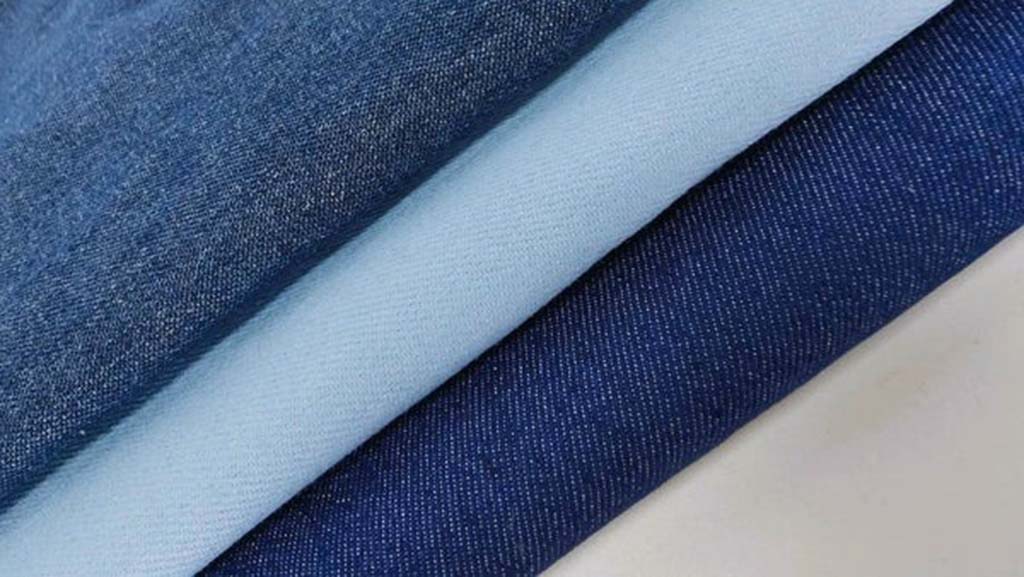
For most plush lines, we use velboa or minky on the face because embroidery stays crisp and photos look clean. Velboa is stable and low-pilling with friendly cost. Minky reads silkier and lifts gift appeal. Fleece is the value workhorse—easy wash, faster sewing—but it pills sooner than velboa. Faux fur creates premium texture for décor and animal realism; it needs trim masks around muzzle/eyes and brushing guidance. Short-pile tricot is ideal for micro features and 0+ zones where clarity and low lint beat fluff. In practice, I mix fabrics by zone: short pile on faces, richer textures on bodies, tricot for small details. This balances softness, cost, minutes, and risk.
Table 1 — Core Plush Fabrics (Role & Typical Specs)
| Fabric | Best use | Why brands choose it | Guideline spec |
|---|---|---|---|
| Velboa | Face + body | Crisp embroidery, low pill, good yield | 1.5–3 mm pile; 220–280 GSM |
| Minky | Face + body (premium) | Silky handfeel, photo-friendly drape | 2–4 mm; 240–300 GSM |
| Fleece | Body (value lines) | Easy wash, lower cost, quick sew | 1–3 mm; 200–260 GSM |
| Faux fur | Body accents/hero SKUs | High perceived value and realism | 6–12 mm; 320–450 GSM |
| Short-pile tricot | Micro features / infant areas | Ultra-clear details, very low lint | ≤1.5 mm; 180–240 GSM |
How do technical parameters (GSM, pile height/density, denier, knit type) determine handfeel, durability, and seam strength?
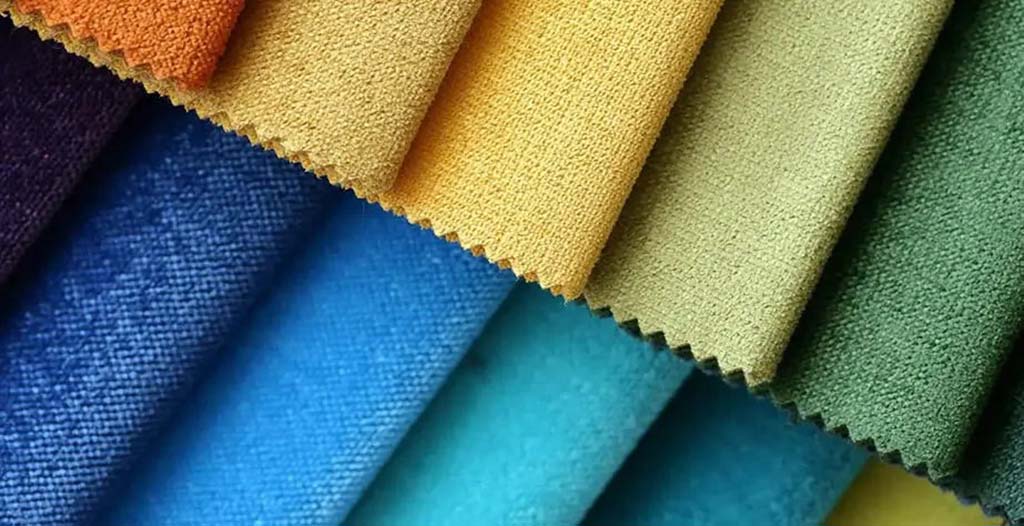
GSM controls drape and opacity. Too low and seams print; too high and minutes and freight rise. Pile height/density sets plushness and lint behavior; faces read best at 2–3 mm. Fiber denier drives micro-smoothness: finer denier feels silkier but needs a tight backing to avoid brushing lines. Knit type (warp vs. circular) sets stretch and seam pull results—tight, low-skew backings pass EN71/ASTM seam strength more easily. Finally, SPI (stitches per inch) and bar-tacks finish the job: fabric choice + engineering = durability.
Table 2 — Engineering Numbers for Your Tech Pack
| Parameter | Working range | Effect on product | OEM/ODM note |
|---|---|---|---|
| GSM (face) | 220–280 | Holds embroidery; prevents show-through | Balance with needle size & density |
| GSM (body) | 240–340 (short pile) | Shape stability vs. sewing minutes | Over-GSM slows lines |
| Pile height | Face 2–3 mm; body 2–12 mm | Clarity vs. plushness | Use trim masks on faux-fur muzzles |
| Fiber denier | 0.9–3D | Micro = silky; standard = robust | Micro needs tighter backing knit |
| Knit backing | Warp/circular, low skew | Strong seams; clean cutting | Set skew/bowing tolerance |
| SPI @ curves | 10–12 SPI | Seam integrity under stuffing | Add bar-tacks at limb/neck points |
Which premium or sustainable options—mohair, organic cotton, rPET microfibers, and sherpa—support compliance and brand positioning?
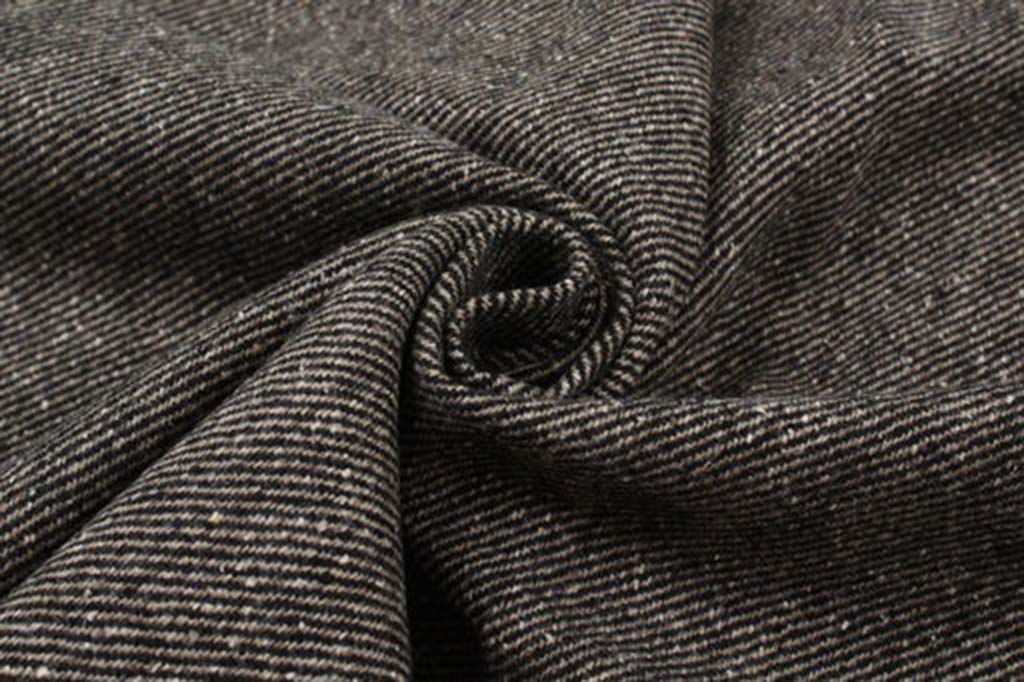
Mohair is the luxury cue for collectors—heirloom look, surface-clean care, higher price. Organic cotton pile strengthens baby/natural stories but is less silky than velboa; use where the claim matters most. rPET plush and rPET fiberfill enable eco claims with modest cost impact; keep lot-level certificates and align hangtag % with actual content. Sherpa adds cozy décor texture for winter capsules. All claims should be backed by documents tied to the lot you ship; many retailers now verify.
Table 3 — Premium & Sustainable Fabric Options
| Material | Positioning | Typical spec | Documentation & notes |
|---|---|---|---|
| Mohair | Collector/luxury | Short–mid pile; woven/knit base | EN71/ASTM; care = surface only |
| Organic cotton pile | Baby/natural | 2–4 mm; 230–300 GSM | GOTS/OCS + lot safety reports |
| rPET minky/velboa | Eco narrative | 2–4 mm; 240–300 GSM | Lot-tied rPET certs; REACH/RSL |
| rPET fiberfill | Eco fill | Hollow 7D–15D | Hangtag % must match lot docs |
| Sherpa | Cozy décor | 4–8 mm loop; 280–380 GSM | Lint/shedding controls + seam mapping |
How do dyeing/printing and finishing (shearing, brushing, heat-setting, softener) influence colorfastness, pilling, and softness?

Finishing defines camera appeal and wash life. Shearing levels pile for clean faces; brushing boosts softness but can raise lint if backing is loose. Heat-setting stabilizes pile direction and reduces skew; softener adds silkiness but can cause “oily shine” in photos. Lock LAB values at S2, keep hold swatches, accept ΔE ≤ 1.0 at reorder, and test colorfastness (wash/rub/light) on production lots. If you print accents (inner ears, cheeks), inks and base must pass the same migration/rub scope as the shell.
Table 4 — Finishing & Fastness Controls
| Process / test | What it improves | Risk if ignored | Good practice |
|---|---|---|---|
| Shearing | Face clarity | Fuzzy expressions | Shear face panels only |
| Brushing | Perceived softness | Lint/pilling | Pair with tight backing knit |
| Heat-setting | Pile stability/skew | Warping; pattern drift | Specify temp/time window |
| Softener | Silky handfeel | Oily look on PDPs | Limit add-on; photo test |
| Colorfastness (wash/rub/light) | Color stability | Staining/fade | Test by lot, not only dev swatch |
What safety and regulatory requirements (EN71, ASTM F963/CPSIA, REACH) guide fabric selection by age grade and market?
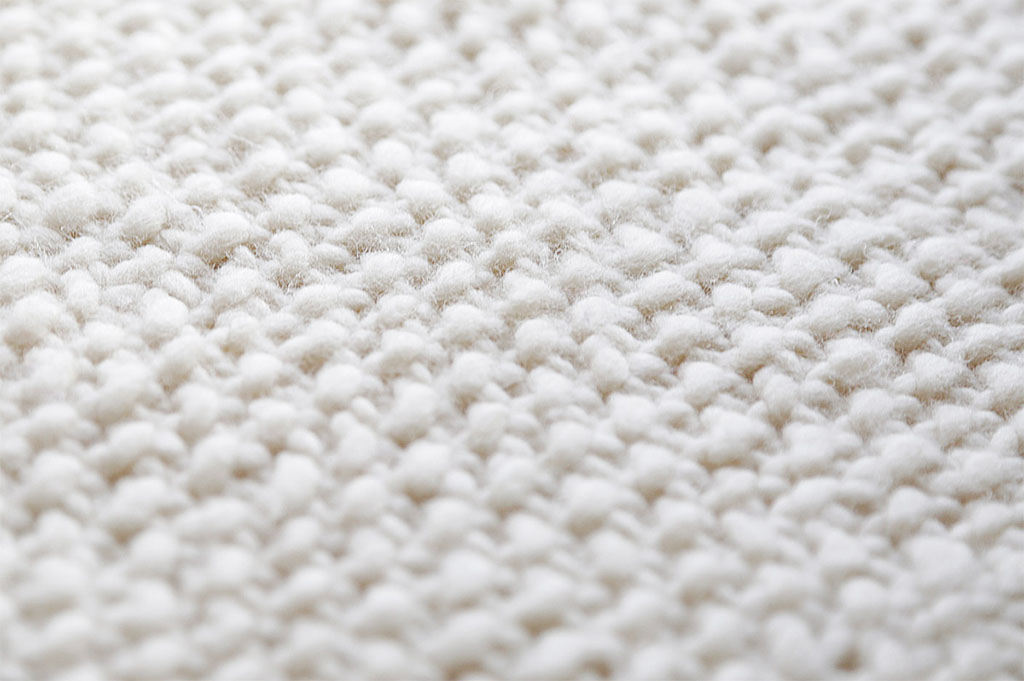
Safety follows the destination market. For EU/UK, plan EN71-1/2/3 and issue CE/UKCA with a DoC and technical file. For the U.S., test to ASTM F963 and CPSIA (lead/phthalates), then issue a CPC with a tracking label. Fabrics influence EN71-2 flammability and chemical migration (EN71-3/REACH or retailer RSL). For 0+ toys, use short-pile faces and embroidery-only features. For weighted plush, pellets must be double-pouched and pass leakage tests. Always test the production lot; any dye-lot or vendor change triggers a re-test for the affected scope before shipment.
Table 5 — Fabric x Compliance by Age Grade
| Age grade | Face guidance | Key tests | Labels/docs |
|---|---|---|---|
| 0+ infant | Short-pile velboa/tricot; embroidery face | EN71-1/2/3 or ASTM + CPSIA | CE/UKCA DoC or CPC + tracking label |
| 3+ play | Velboa/minky; faux fur OK with trim masks | Flammability; seam strength; migration | Lot-tied reports; age mark |
| 14+ collectible | Any (user awareness) | Brand policy screens still wise | Clear “14+ collectible” statements |
How should sourcing and QC practices (lot color control, shrinkage, fabric stability, RSL testing) ensure consistency at scale?
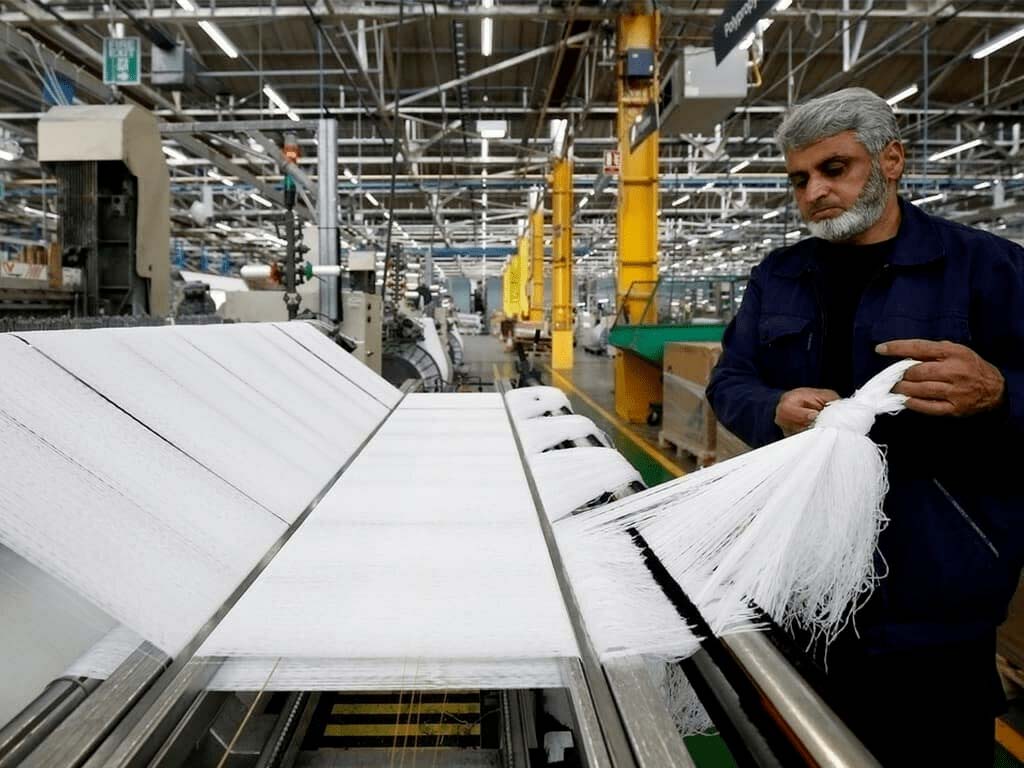
Run a lot-tied system from day one. Approve LAB at S2 and keep hold swatches. For each dye lot, test shrinkage (≤ 2% to your care method), skew/bowing (marker tolerance), and lint/shedding on longer piles. Build a BOM with GSM, pile, backing type, SPI, bar-tacks, and fill grams per panel. Tie EN71/ASTM/CPSIA and REACH/RSL reports to the production lot. During mass, do in-line pulls for seam strength at curves and verify color against the hold. Before vessel cut-off, run a Final Random Inspection (FRI) to your AQL with special checks for lint, face symmetry, and pellet leakage (if weighted). No ship before FRI pass.
Table 6 — Sourcing & QC Checklist (Copy into RFQs/POs)
| Control | Target | Evidence |
|---|---|---|
| LAB color match | ΔE ≤ 1.0 vs. hold | Dip approvals + photos |
| Shrinkage (wash/press) | ≤ 2% to care spec | Lot test report |
| Skew/bowing | Within marker tolerance | Fabric roll inspection |
| RSL/REACH/CPSIA | Pass per destination | Lot-tied lab PDFs |
| AQL + specials | G-II; Maj 2.5 / Min 4.0 + lint/symmetry/leakage | FRI report with photos |
Conclusion
Most plushies use velboa or minky for clean faces and soft touch, with faux fur or sherpa as accents where texture sells. Premium or eco stories add mohair, organic cotton, or verified rPET. The winning formula is numbers + process: specify GSM, pile, backing, SPI, and fill grams per panel; color-control by lot; and test EN71/ASTM/CPSIA on the goods you actually ship. Do this and your plush will feel soft, look premium, and pass audits the first time. If you want help translating a brief into sealed PPS and on-time mass, email [email protected] or visit kinwintoys.com—my team at Kinwin can support you end-to-end.