I’m Amanda from Kinwin in China. I help brands and retailers turn sketches into safe, beautiful plush toys that pass audits and ship on time. Many buyers ask me how to pick the right custom plush toy manufacturer in China and how to avoid rework, delays, and surprise costs. The answer is simple: choose a partner that specializes in plush, speaks compliance, and runs a repeatable system from design transfer to shipment. In this guide, I explain what “high-caliber” means in practice, which audits and tests matter, how OEM/ODM workflows affect accuracy and lead times, what material and process controls protect quality and margin, how to structure RFQs and QC plans to reduce risk, and how to match regions and supplier types to your project. I’ll keep the language clear, the checklists practical, and the tables ready to use.
What defines a high-caliber custom plush toy manufacturer in China—specialization, capacity, and export readiness?
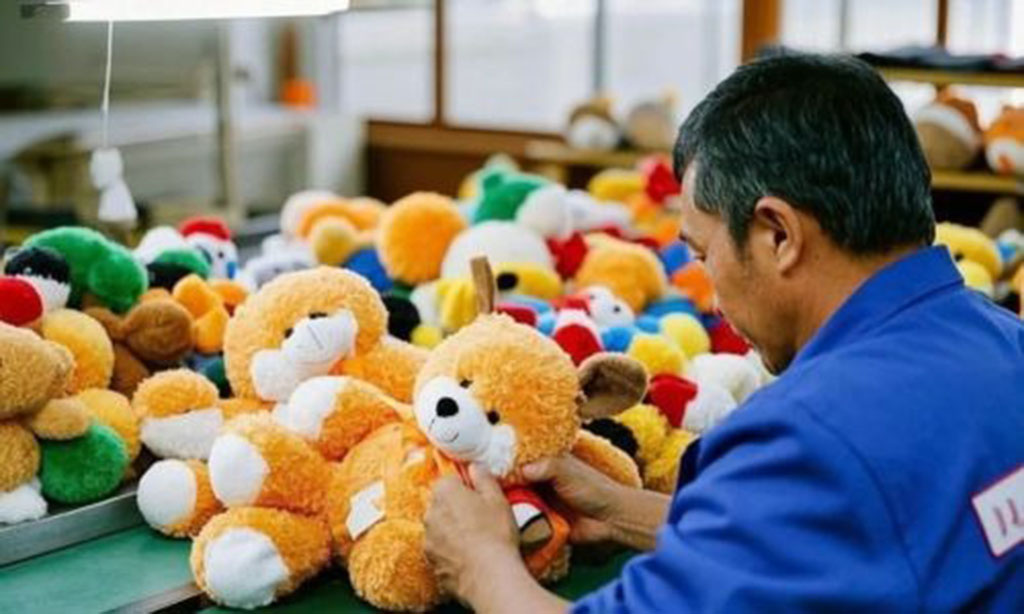
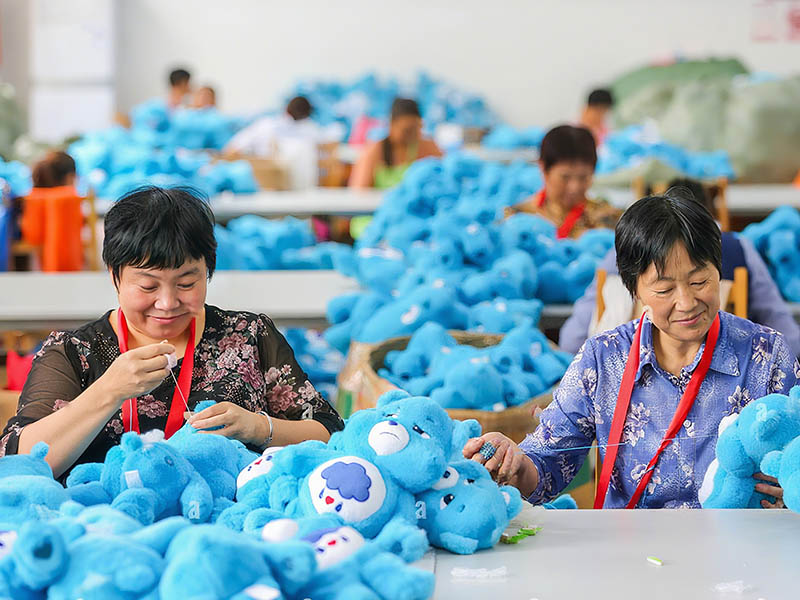
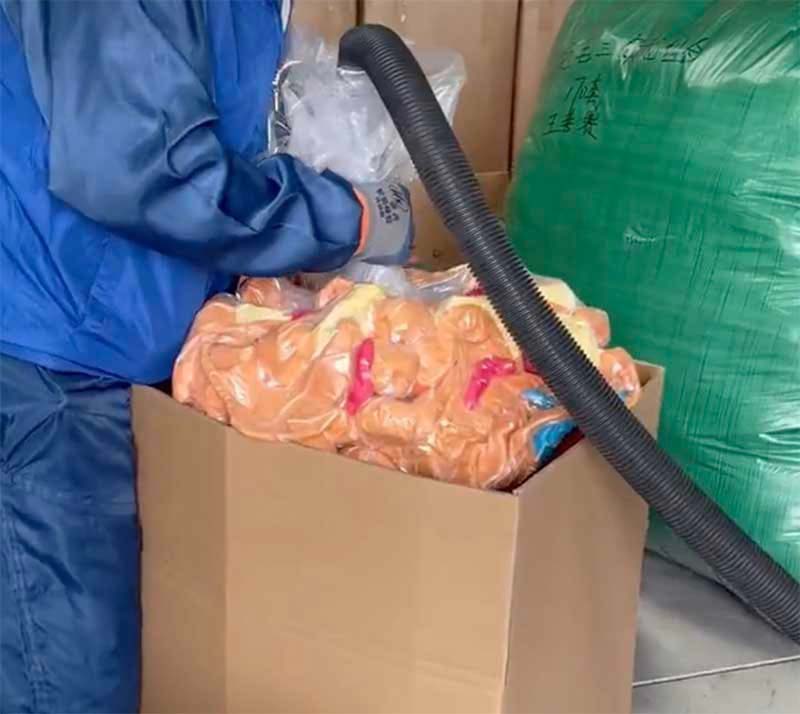
A high-caliber factory is not just a place with sewing machines. It is a specialist with a proven system. Specialization means deep experience in pile fabrics (minky, velboa, faux fur), soft-sculpt patterning, clean face masks for embroidery placement, and fill maps that control grams per panel. Capacity is not only headcount; it is the ability to run balanced lines, manage markers by pile direction, and keep cycle time stable in peak seasons. Export readiness shows in documents and discipline: lot-tied test reports, CPC/DoC, tracking labels, correct age marks, and a habit of change control whenever a dye lot or trim vendor changes.
I also look for in-house embroidery, a sample room that can hit two-pass sampling (S1 silhouette → S2 materials/face), and metered stuffing for even squeeze. Good plants have clear tolerance charts and AQL plans. They send real timeline Gantts and answer with numbers, not adjectives. They tell you when your idea is risky for age grade or cost, and they propose a safe alternative. This is how you protect margin and deliver a plush that looks premium on camera and feels right in hand.
Table 1 — High-Caliber Manufacturer Checklist
| Area | What to see | Why it matters |
|---|---|---|
| Plush specialization | Pile-fabric know-how; soft-sculpt patterning; face masks | Crisp expressions; stable silhouette |
| Sampling discipline | S1 → S2 flow; numeric specs (SPI, fill grams/panel) | Faster approvals; fewer resamples |
| In-house capability | Embroidery, sample room, metered stuffing | Speed + repeatability |
| Line engineering | Markers by pile; tolerance charts; bar-tacks map | Yield ↑; seam pops ↓ |
| Export readiness | Lot-tied EN71/ASTM/CPSIA; CPC/DoC; tracking labels | Clean customs; retailer onboarding |
| Change control | Re-test on dye/trim change; doc updates | Avoids “paper compliance” |
Which compliance frameworks and audits (EN71, ASTM F963/CPSIA, CE, REACH, BSCI/SEDEX) verify global market eligibility?
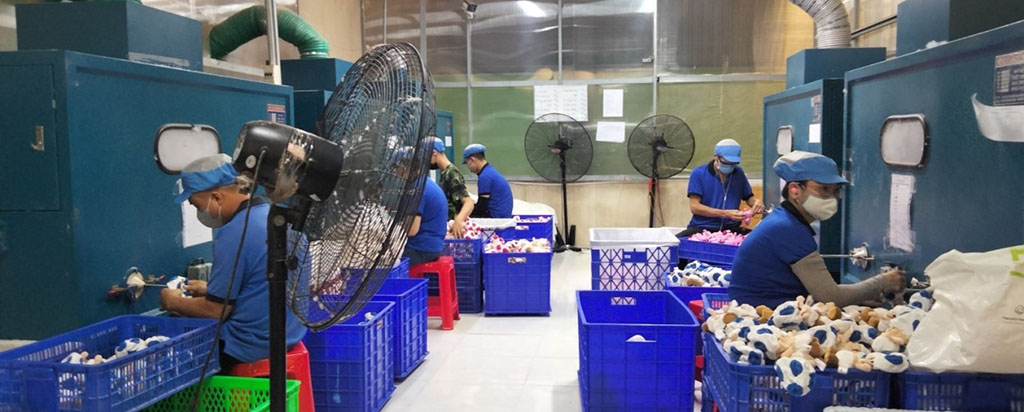
Compliance is your ticket to sell. For the EU/UK, most plush toys require EN71-1/2/3. You also declare CE/UKCA and hold a DoC. For the U.S., you need ASTM F963 and CPSIA, a CPC, and tracking labels. Some retailers add chemical restrictions (RSL) or OEKO-TEX expectations for textiles. If you use scents, align with IFRA and disclose ingredients. Weighted items must pass leakage and stuffing integrity checks. Compliance must be lot-tied to what you actually produced, not only to a development swatch. Social audits such as BSCI or SEDEX/SMETA do not replace product safety tests, but they speed buyer approval and support ESG claims.
A good factory keeps a live compliance folder per style: BOM, test matrix, lot-tied reports, CPC/DoC, label proofs, photos of the PPS, and carton specs. When a dye lot changes, the file updates and re-testing is scheduled for the scope affected. This is boring work, but it prevents holds, penalties, and relabeling.
Table 2 — Compliance & Audit Map (What to Ask For)
| Scope | Document/Test | Why you need it |
|---|---|---|
| EU/UK product safety | EN71-1/2/3; DoC; CE/UKCA marks | Legal market access |
| U.S. product safety | ASTM F963; CPSIA; CPC; tracking label | Legal market access |
| Chemistry | REACH/RSL where applicable; OEKO-TEX (retailer ask) | Fewer rejections; brand trust |
| Scented features | IFRA alignment; ingredient listing | Allergen transparency |
| Weighted bases | Leakage & integrity tests | Safety, reduced claims |
| Social audits | BSCI or SEDEX/SMETA | Retail acceptance; ESG compliance |
How do OEM/ODM workflows—design transfer, DFM, patterning, and PPS sampling—impact accuracy, MOQs, and lead times?
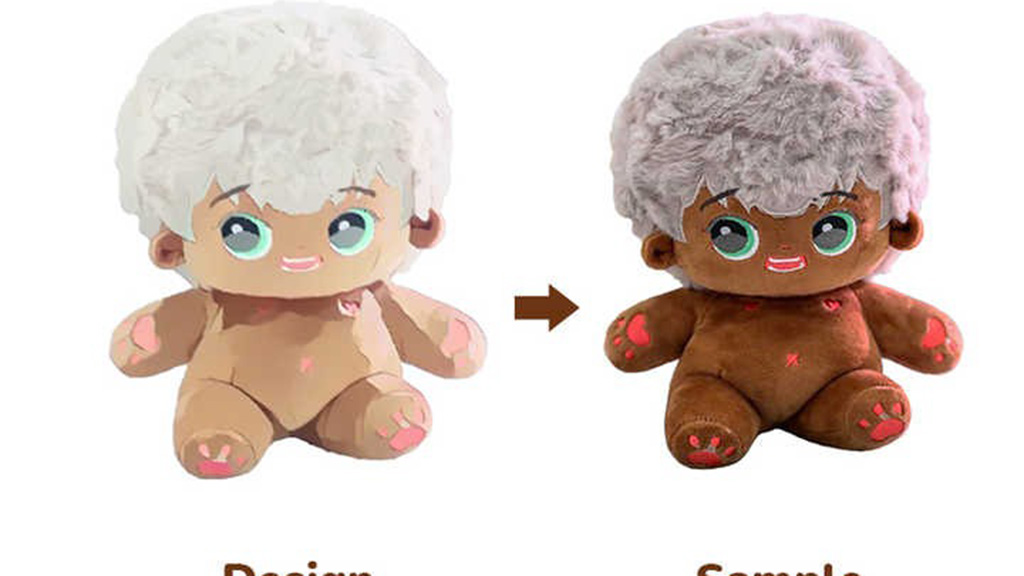
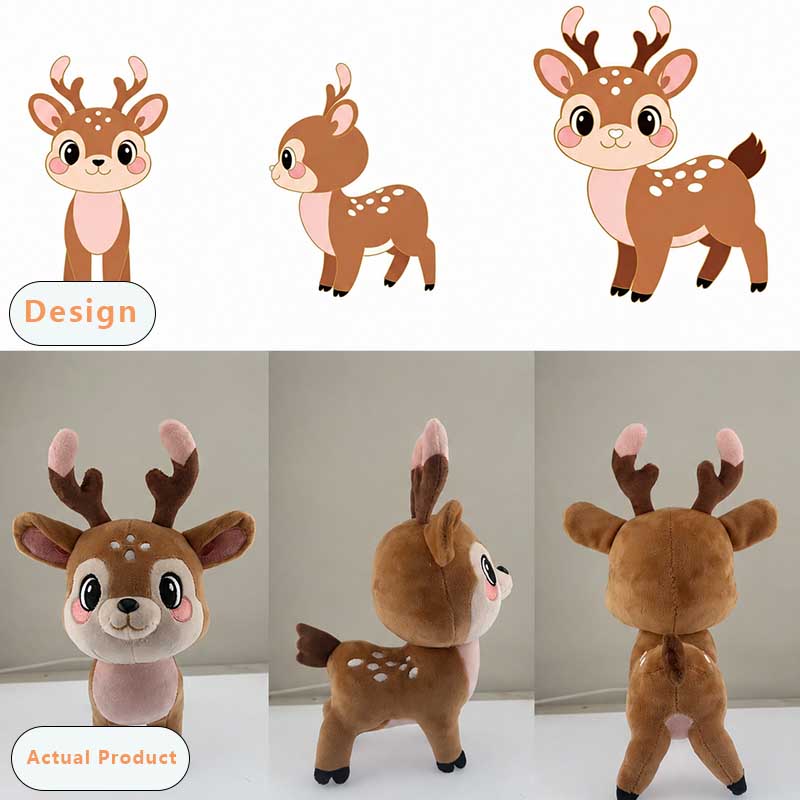
OEM means you bring the full design; ODM means the factory co-creates the product with you. Either way, the winning workflow is design transfer → DFM (Design for Manufacturability) → S1 → S2 → PPS. In design transfer, we collect orthographic sketches, a face mask, target sizes, age grade, and use case. In DFM, we suggest panel changes, trim masks around the muzzle/eyes for faux fur, SPI targets, and baffles for big bodies. Soft Sample #1 (S1) locks the silhouette and sit-stability, no color chasing. Soft Sample #2 (S2) locks fabrics, embroidery density, panel fill grams, and any double-pouched weight. The PPS adds labels, care icons, and packaging and becomes the golden sample.
MOQs and lead times depend on embellishments and fabric choices. Custom-dyed minky or velboa increases MOQ and color approval time. Complex embroidery raises minutes per unit. Extra panels improve form but add sewing time. The factory should give you a Gantt with gates, and show where pushing design will push the schedule. Good ODM teams reduce revisions, which saves weeks.
Table 3 — OEM/ODM Workflow and Its Impact
| Stage | Factory action | Impact on you |
|---|---|---|
| Design transfer | Capture face mask, sizes, age grade | Accurate expression; correct test scope |
| DFM review | Panel joins, SPI, baffles, trim masks | Fewer resamples; clean silhouette |
| S1 (silhouette) | First sewn body | Sit-stability proof |
| S2 (materials/face) | Fabric lock; embroidery density; fill grams/panel | Handfeel/appearance locked |
| PPS | Labels, care, packaging | Golden reference for mass |
| Change control | Re-test on lot/vendor change | Schedule and compliance predictability |
What material systems and process controls (minky/velboa selection, color matching, embroidery/appliqué) determine quality and cost?
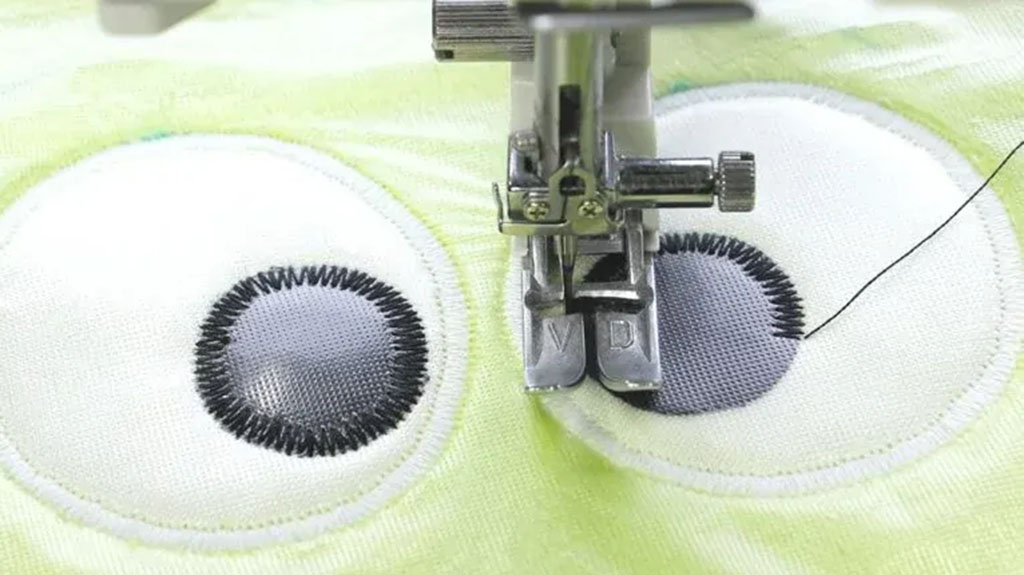
Materials set handfeel, photo clarity, and risk. For faces, choose short-pile minky or velboa (≈2–3 mm). They look clean on camera and support precise embroidery. For bodies, velboa is neat and low-lint; faux fur (6–12 mm) adds “wow” but needs trim masks and brush-after-dry care notes. Standard fill is hollow polyester fiber for cloud-soft squeeze; blends with solid fiber sculpt cheeks and edges. If you add weight, use PP/TPE pellets in double inner pouches with leakage validation.
Process control means numbers. Use GSM and pile height for shells, SPI by curve radius, a bar-tacks map for stress points, and a fill map with grams per panel. Run embroidery on flats with placement jigs. Keep a LAB-matched color system, not phone screenshots. If you claim rPET, keep lot-level certificates and align hangtag percentages with the real content. Every new dye lot or trim source is a potential re-test. No silent swaps.
Table 4 — Material & Process Controls (Spec Hints)
| Control | Preferred practice | Why it protects quality/cost |
|---|---|---|
| Face fabric | Minky/velboa 2–3 mm, 240–260 GSM | Crisp faces; easy washing |
| Body fabric | Velboa or faux fur 6–12 mm | Clean vs. fluffy look; plan care |
| Embroidery | Flat-panel stitch with jigs; tuned density | Sharp features; repeatability |
| Fill & weight | Hollow poly; double-pouched pellets | Soft squeeze; safe sit-stability |
| Color matching | LAB values + hold swatches | Consistent reorders; fewer returns |
| Fill map | Grams per panel; baffles | Even shape; less over-stuffing |
How should buyers structure RFQs, pricing terms (EXW/FOB/CIF/DDP), and QC plans (AQL, in-line/FRI) to mitigate risk?
A good RFQ is specific and short. Include size, photos, age grade, markets, target price band, and one line on use (cuddle/décor/collector). Ask for a quote with materials listed in numbers (GSM, pile height), SPI, bar-tacks map, fill grams/panel, packaging type, lead time by gate (S1/S2/PPS/pilot/mass/FRI), and testing plan. For pricing terms, FOB gives control for experienced teams; DDP is simple for small teams (but check what is included). CIF includes ocean freight but not destination charges. Model landed cost across two terms so finance sees the full picture.
For QC, agree an AQL plan (e.g., General Level II, Major 2.5 / Minor 4.0) and add special checks for pellet leakage, cheek symmetry, lint on velboa, and embroidery placement. Use in-line pulls every hour during sewing/stuffing; do the FRI on packed goods pre-ship. Tie lab tests to lots. If a vendor or dye lot changes, trigger a documented re-test.
Table 5 — Commercial Controls That Kill Risk
| Topic | What to require | Why it helps |
|---|---|---|
| RFQ detail | Numeric specs; staged timeline; test matrix | Comparable quotes; fewer surprises |
| Pricing term | EXW/FOB/CIF/DDP explained | Accurate landed cost |
| AQL | G-II, Maj 2.5 / Min 4.0 + specials | Predictable pass/fail |
| In-line QC | Hourly pulls; panel grams | Early drift detection |
| FRI | Packed goods; doc check | Ship-readiness |
| Lot-tied tests | EN71/ASTM/CPSIA by lot | Real compliance, fewer holds |
Which manufacturing regions and supplier types (Guangdong/Jiangsu/Zhejiang/Shandong; factory vs. trader) best fit different project scenarios?
China’s plush industry is clustered, and each cluster has a flavor. Guangdong (Dongguan, Shenzhen, Huizhou) moves fast, handles complex ODM, and shines in faux fur and IP accuracy—great for collector/décor or licensed lines, often at a slightly higher minute rate. Jiangsu (Nantong, Suzhou) blends textile depth with steady planning—good for core animals and repeatable lines with multiple sizes. Zhejiang (Yiwu, Ningbo) offers trim and packaging access—strong for minis, clip-ons, blind boxes, and gift bundles. Shandong (Qingdao, Weifang) supports volume programs with competitive pricing and trained sewing teams.
Work with a factory when you need engineering depth, speed, and stable compliance files. A trader can help consolidate small orders across factories, handle DDP, or mix categories, but you must verify who owns the test files and who controls change management. For long-term programs, I prefer a lead factory with optional traders for special capsule runs.
Table 6 — Region & Supplier Fit
| Option | Strength | Best for | Watch-outs |
|---|---|---|---|
| Guangdong | Speed; ODM; faux fur; IP fidelity | Collector/décor; licensed | Slightly higher cost/minute |
| Jiangsu | Planning; textile depth | Core animals; size ladders | Reserve capacity for peak |
| Zhejiang | Trims/packaging access | Minis, clip-ons, bundles | Manage small-parts testing |
| Shandong | Volume sewing; competitive pricing | Mass retail basics | Confirm pile direction/face clarity |
| Factory (direct) | Engineering + compliance | ODM accuracy; fast PPS | Higher MOQs |
| Trader (aggregator) | Consolidation; DDP | Small mixed orders | Test file ownership; change control |
Conclusion
A reliable custom plush toy manufacturer in China is defined by plush specialization, lot-tied compliance, and operational discipline from S1 to FRI. Choose materials by numbers, lock expressions with face masks and embroidery jigs, and control fill with panel grams and baffles. Set RFQs and AQL plans that remove guesswork, and match regions to your project’s needs. If you want a partner who can turn this method into sealed PPS and on-time mass, email [email protected] or visit kinwintoys.com—my team at Kinwin is ready.