Skip to content
I’m Amanda from Kinwin in China. I help brands turn sketches into plush that feel soft in hand, look premium on camera, and pass audits on the first try. Making a stuffed animal is not magic—it’s a repeatable system. You start with a clear brief and compliance plan, convert art into engineered patterns, choose materials that fit the age grade, control quality in-line, and ship with documents that match reality. Below I explain each stage in plain English so your design, sourcing, and QA teams can use this as a working playbook.
What are the major factory stages—from design brief and RFQ to PPS approval, mass production, and final inspection?
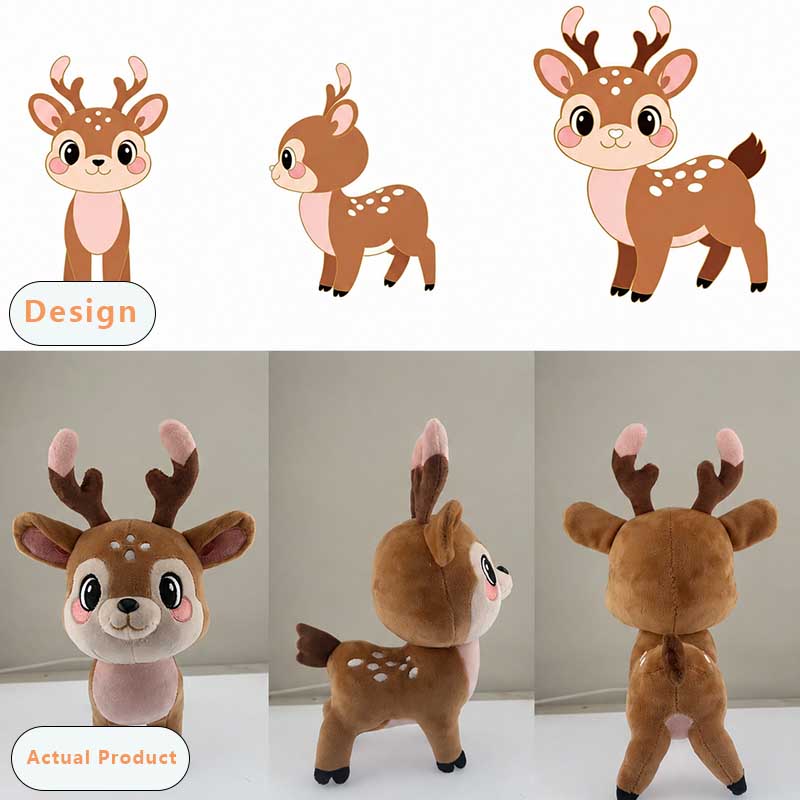
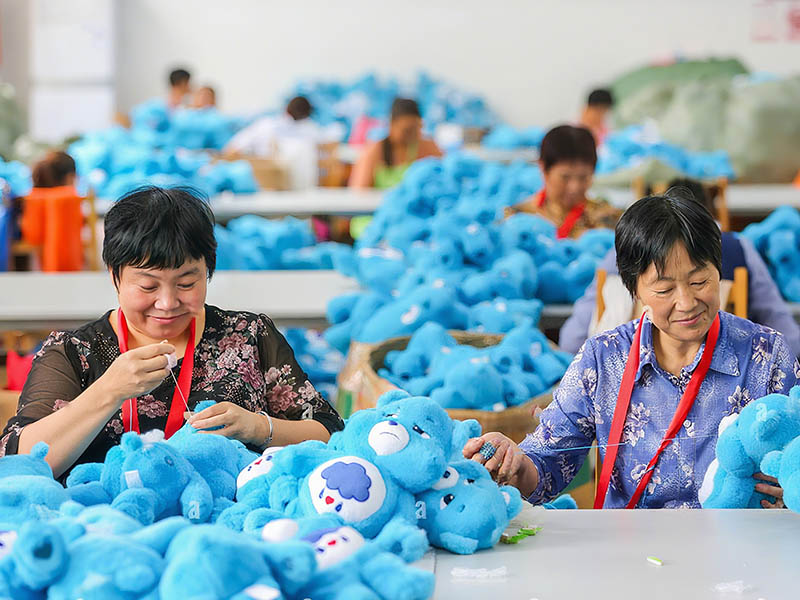
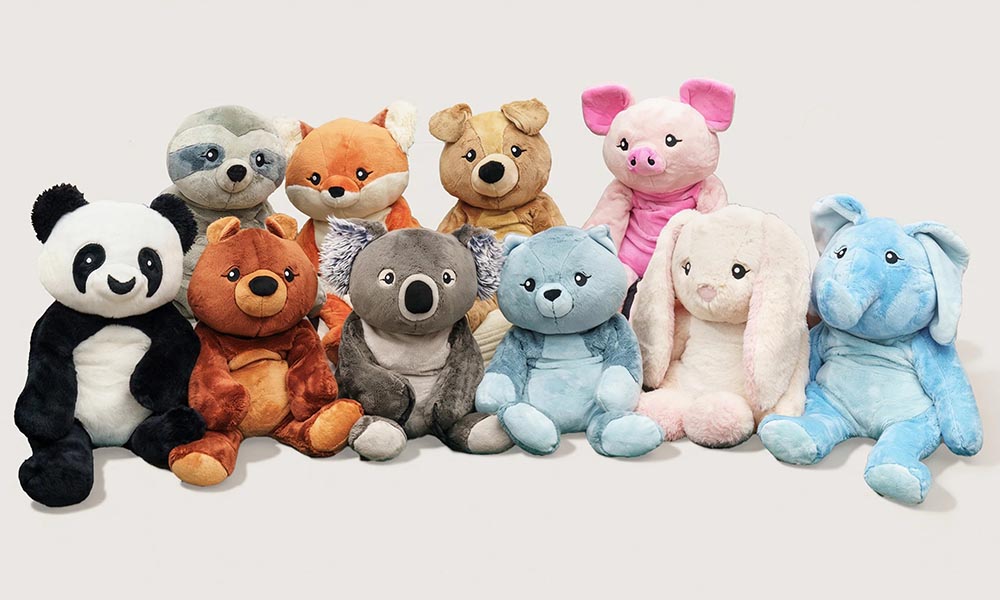
Every successful program follows visible gates. We begin with a design brief (audience, age grade, markets, cost band, size target), then issue an RFQ with a basic tech pack. We align the compliance matrix early (EU/UK EN71-1/2/3; U.S. ASTM F963 + CPSIA; labels, CPC/DoC, tracking). Sampling runs in two passes: Soft Sample #1 (S1) for silhouette and sit-stability, then Soft Sample #2 (S2) to lock real fabrics, embroidery density, panel fill grams, and any weighted base. After S2, we build the PPS (Pre-Production Sample) with final labels and packaging—the golden reference for mass. We start a pilot to balance the line and verify cycle time. Then mass production begins with in-line QC. We close with FRI (Final Random Inspection) against an agreed AQL plan, and we archive lot-tied lab reports that match the goods actually produced.
Table 1 — End-to-End Stages & Pass Signals
| Stage | Your inputs | Factory outputs | Pass signal |
|---|---|---|---|
| Brief & RFQ | Sketches/photos, age grade, markets, target cost | Quote, options, timeline | Price & lead time aligned |
| Compliance plan | EN71/ASTM/CPSIA scope | Test matrix, doc list | Scope approved |
| S1 (silhouette) | Proportion notes | First sewn body | Sit-stability OK |
| S2 (materials/face) | Fabrics, face art | Embroidery density, fill grams per panel | Handfeel & expression OK |
| PPS (gold) | Label copy, pack style | Final sample with labels/pack | Buyer sign-off |
| Pilot run | PPS, SOPs | 50–200 pcs | Stable cycle time, low rework |
| Mass production | Approved BOM & files | Packed goods by lot | In-line QC pass |
| FRI + lab | AQL plan, lot samples | FRI report + lot-tied tests | Ship-ready |
How do pattern engineering, cutting markers, and sewing sequences ensure consistency and minimize material waste?
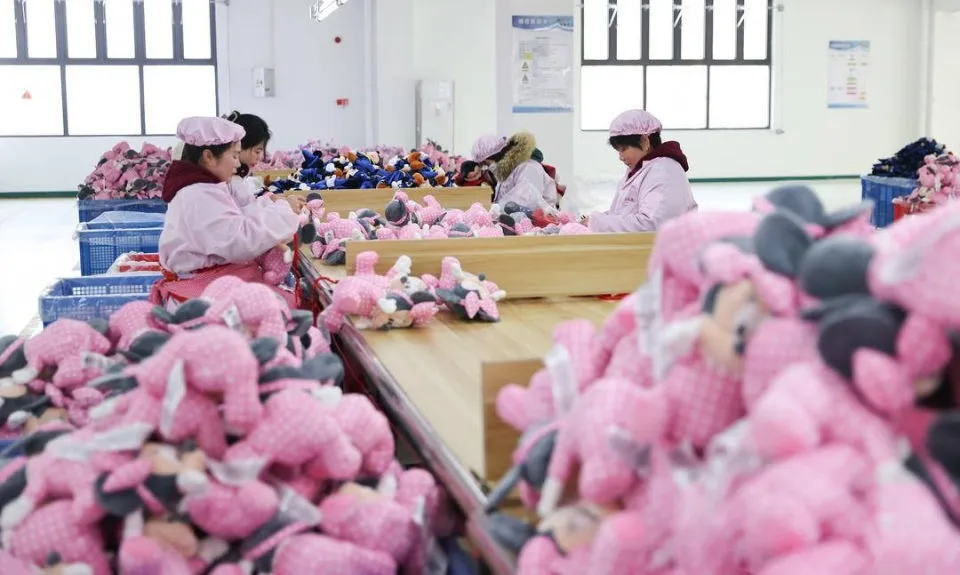
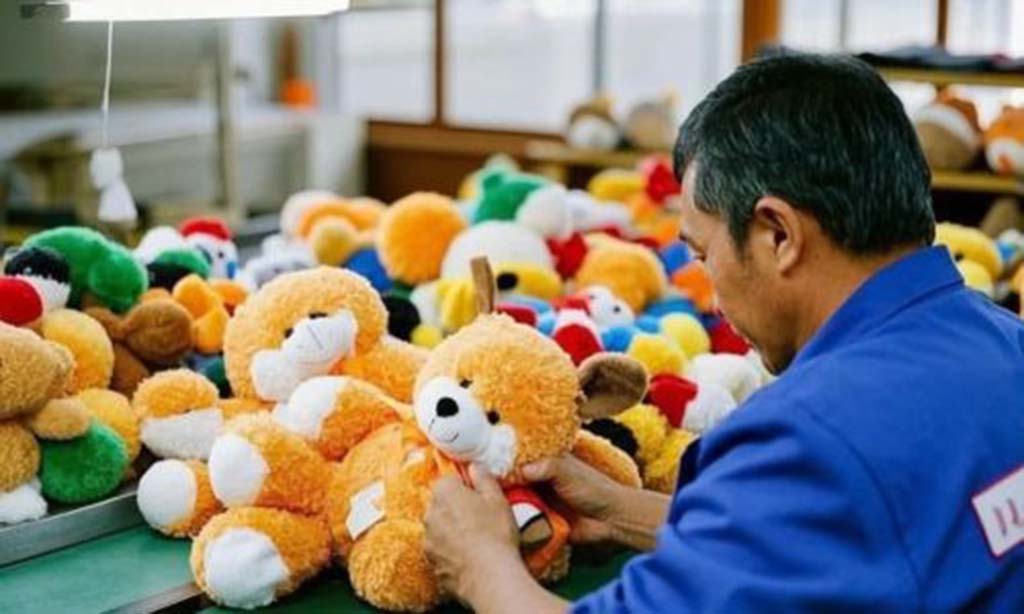
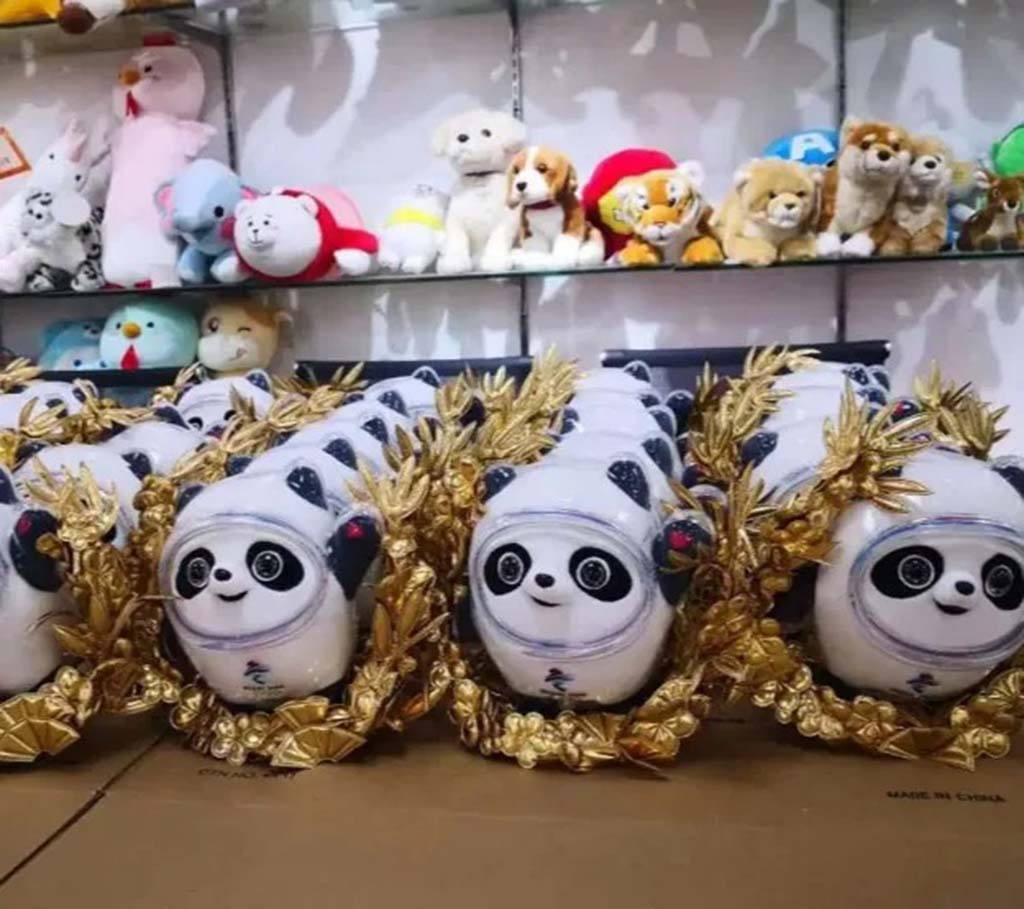
Engineering converts a cute drawing into a repeatable object. We draft patterns with seam allowances, grain direction for pile, and alignment notches. Facial details sit on a face mask so embroidery lands correctly after stuffing. For cutting, we build markers that nest panels tightly with pile direction respected, which improves yield and keeps every piece brushing the same way. We define SPI (stitches per inch) by fabric and curve radius, and place bar-tacks at stress points (arms, neck, tail, base). Large bodies get baffles to stop fill migration. We also map a sewing sequence that groups similar operations and reduces handling time. Jigs and placement guides keep eyes, noses, and appliqués consistent across shifts and lines.
Table 2 — Engineering Controls for Consistency & Yield
| Control | What we implement | Why it reduces cost/defects |
|---|---|---|
| Pattern + face mask | Notches, seam allowance, embroidery map | Accurate shape; face lands right after stuffing |
| Marker making | Nest by pile direction; minimize off-cuts | Fabric yield ↑; visual consistency |
| SPI & bar-tacks | Curve-based SPI; bar-tacks at stress zones | Strong seams; fewer pops |
| Baffles & fill ports | Built into large panels | Even squeeze; no lumps |
| Sewing sequence | Grouped operations; fewer flips | Faster line; less handling damage |
| Jigs & guides | Eye/emb placement fixtures | Symmetry without rework |
Which fabrics, trims, and fillings are commonly used, and how do they impact softness, durability, and compliance?
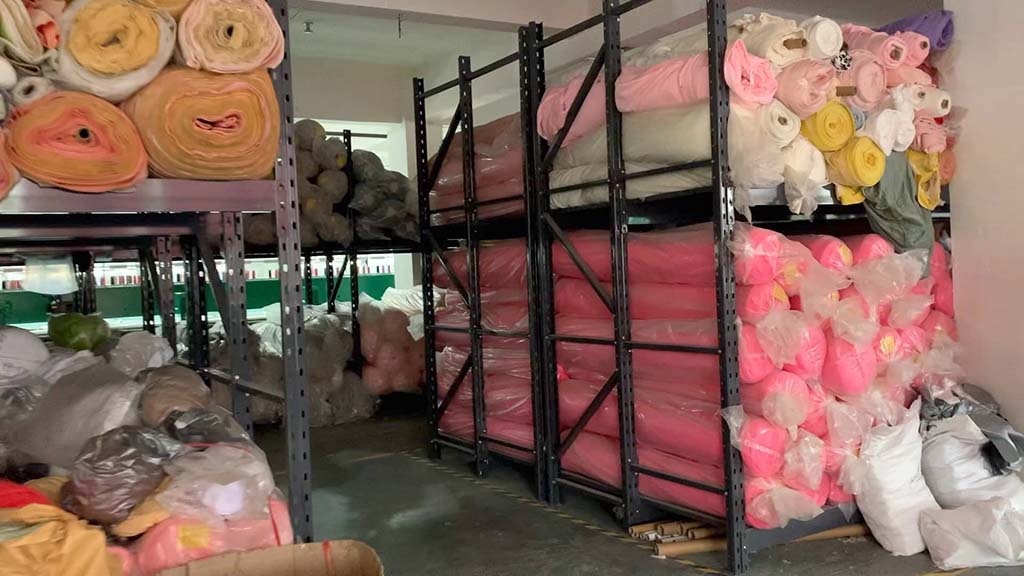
Material choice sets touch, photo clarity, and test risk. For faces, I prefer short-pile minky or velboa (≈2–3 mm). They embroider cleanly, wash gently, and keep expressions sharp. For bodies, velboa reads neat and low-lint; faux fur (6–12 mm) adds “wow,” but needs trim masks around the muzzle and eyes plus a brush-after-dry note. Standard fill is hollow polyester fiber (cloud-soft, fast recovery); blends with solid fiber help sculpt cheeks and edges. If you add weight, use PP/TPE pellets in double inner pouches to prevent leaks and shifting. Trim rules follow age grading: 0+ = embroidery-only faces; 3+ may use qualified safety eyes/noses with tensile/small-parts passes; 14+ collectible can add couture details with proper labeling.
Table 3 — Common Material Systems (Factory Defaults)
| Component | Typical options | Feel & durability | Compliance notes |
|---|---|---|---|
| Face shell | Minky/Velboa (2–3 mm) | Silky touch; crisp embroidery | Favorable flammability; clear faces |
| Body shell | Velboa / Faux fur (6–12 mm) | Clean vs. fluffy drama | Trim masks; brush-care note |
| Fill | Hollow poly / blend | Cloud squeeze; sculptable edges | Stuffing integrity tests |
| Weighted base | PP/TPE pellets, double-pouched | Sit-stability; premium feel | Leakage validation |
| Trims | Embroidery, safety eyes/nose (3+) | Safe faces; repeatable | Vendor-qualified + tensile pass |
How do in-line QC systems, AQL sampling, and third-party lab tests maintain product safety and quality?
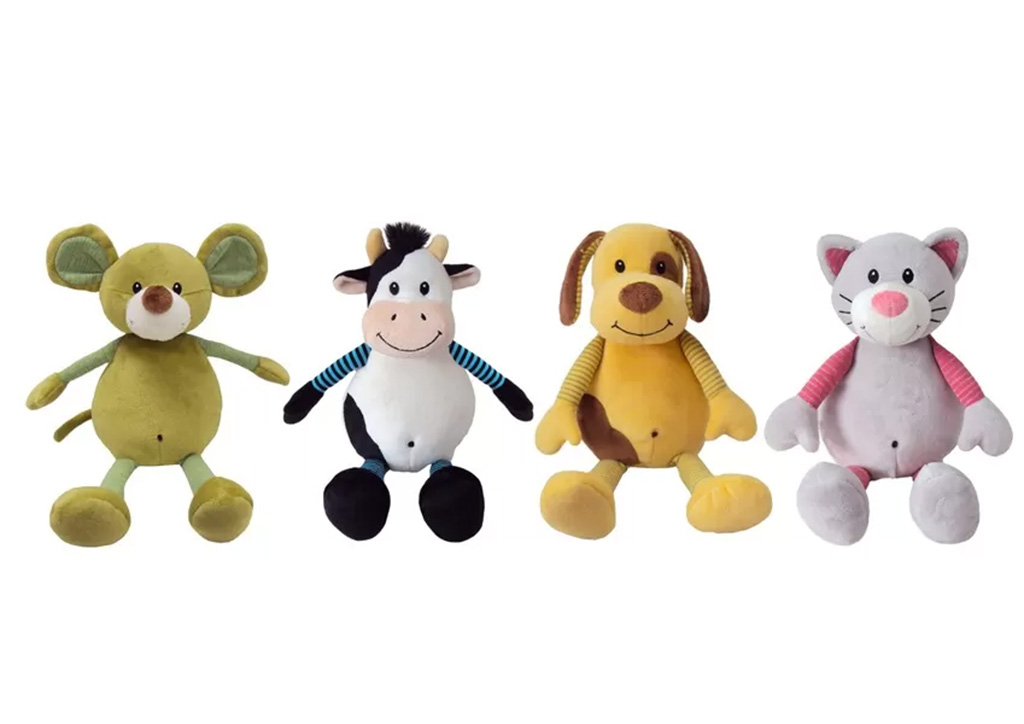
Quality is built during production. We run in-line checks at cutting (color/pile), embroidery (position), sewing (seam pulls), and stuffing (panel grams, evenness). Supervisors pull hourly samples to catch drift early. For weighted items we add leakage tests. Once cartons are ready, an internal or third-party team conducts FRI (Final Random Inspection) per your AQL plan (e.g., General Level II, Major 2.5 / Minor 4.0). In parallel, lot-tied samples go to accredited labs for mechanical/physical (seam strength, small parts), flammability, and chemical migration (EN71-3, CPSIA where relevant). Labels must match the tested configuration: age mark, tracking label (U.S.), and CE/UKCA where required. Any change in dye lot or trim vendor is a lot change that may trigger re-testing.
Table 4 — QC & Testing Map (What / When / Why)
| Control | When | What it proves |
|---|---|---|
| In-line visual + pulls | During sewing/stuffing | Symmetry; seam integrity; fill map followed |
| Pellet leakage test | Pilot & mass for weighted SKUs | Pellets fully contained |
| FRI (AQL) | Packed goods, pre-ship | Shipment consistency |
| EN71-1 / ASTM F963 | Pre-ship; lot-tied | Small parts; seam strength |
| EN71-2 flammability | Pre-ship; lot-tied | Pile behavior under flame |
| EN71-3 / CPSIA chemistry | Pre-ship; lot-tied | Migration limits; labeling alignment |
What automation technologies (laser cutting, embroidery machines, stuffing equipment) improve precision and efficiency?
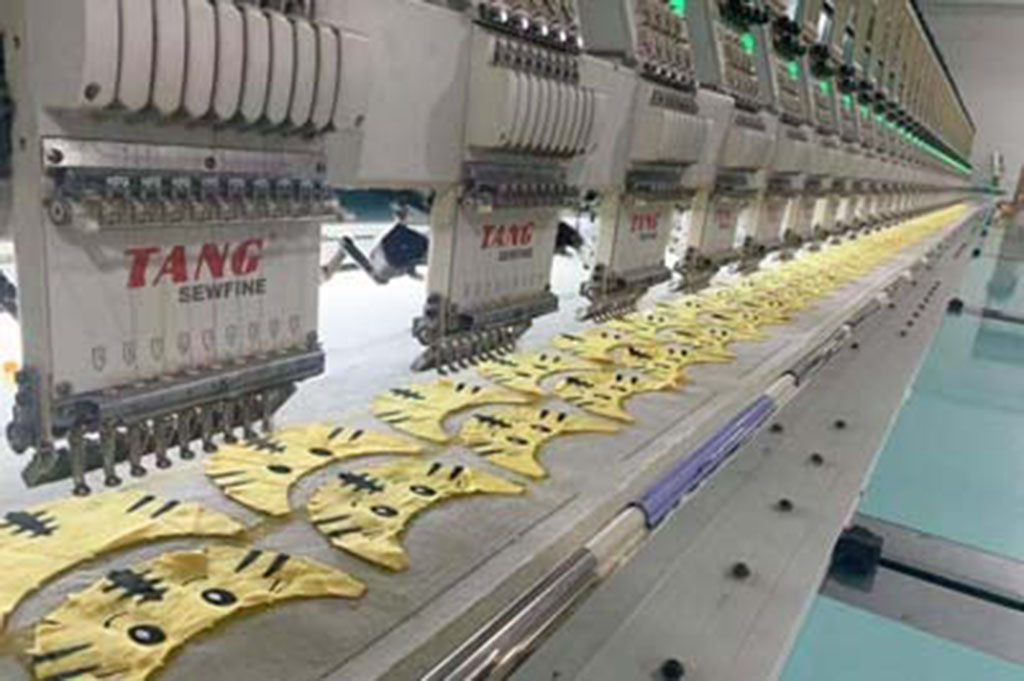
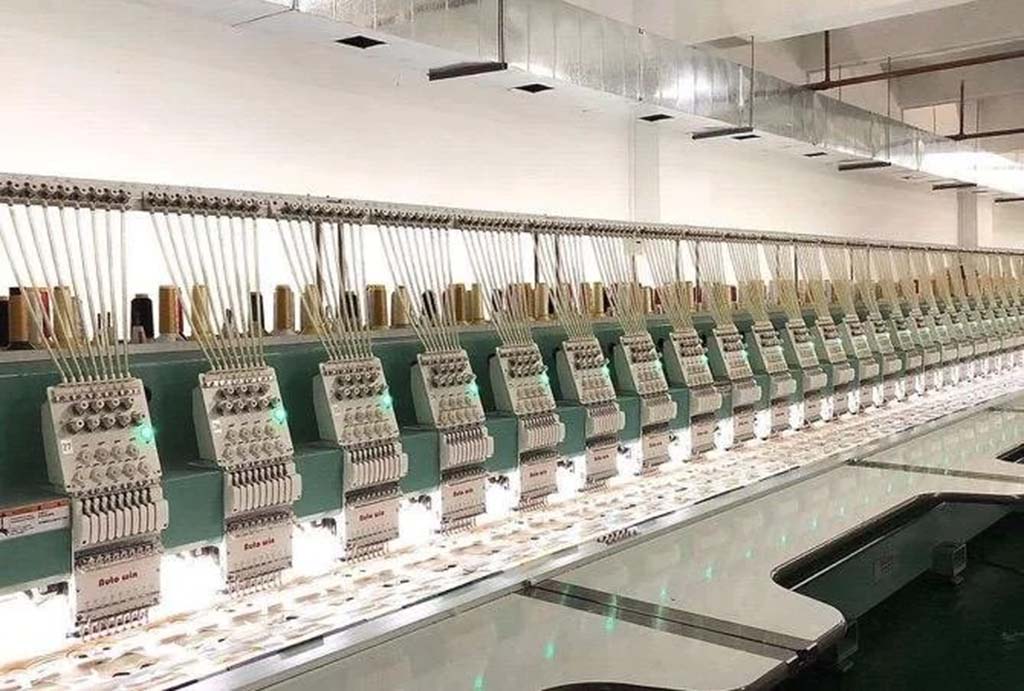
Automation lifts repeatability and throughput where it doesn’t harm handfeel. Laser cutting ensures sharp edges and repeatable notches, improving seam fit and reducing rework. Multi-head embroidery locks facial placement and density, speeding output while keeping expressions consistent. Metered stuffing systems deliver target grams per panel, making squeeze uniform and AQL pass rates higher. Label printers, barcode stations, and weigh scales keep documentation tight and cartons accurate. We also use poka-yoke jigs to prevent left/right panel swaps and wrong-side joins. For long-pile faux fur, we avoid aggressive compression steps that crush nap; we automate where quality is preserved, not where it risks the look.
Table 5 — Automation & Its Payoff
| Tech | What it changes | Result |
|---|---|---|
| Laser cutting | Panel accuracy; notch fidelity | Cleaner seams; better fit |
| Multi-head embroidery | Face repeatability | Symmetry; speed |
| Metered stuffing | Panel-gram targeting | Even squeeze; fewer defects |
| Poka-yoke jigs | Assembly correctness | Scrap/rework ↓ |
| In-line weighing | Unit & pellet checks | Consistent feel; doc accuracy |
How do packaging, labeling, and logistics workflows prepare finished stuffed animals for global shipment and retail display?
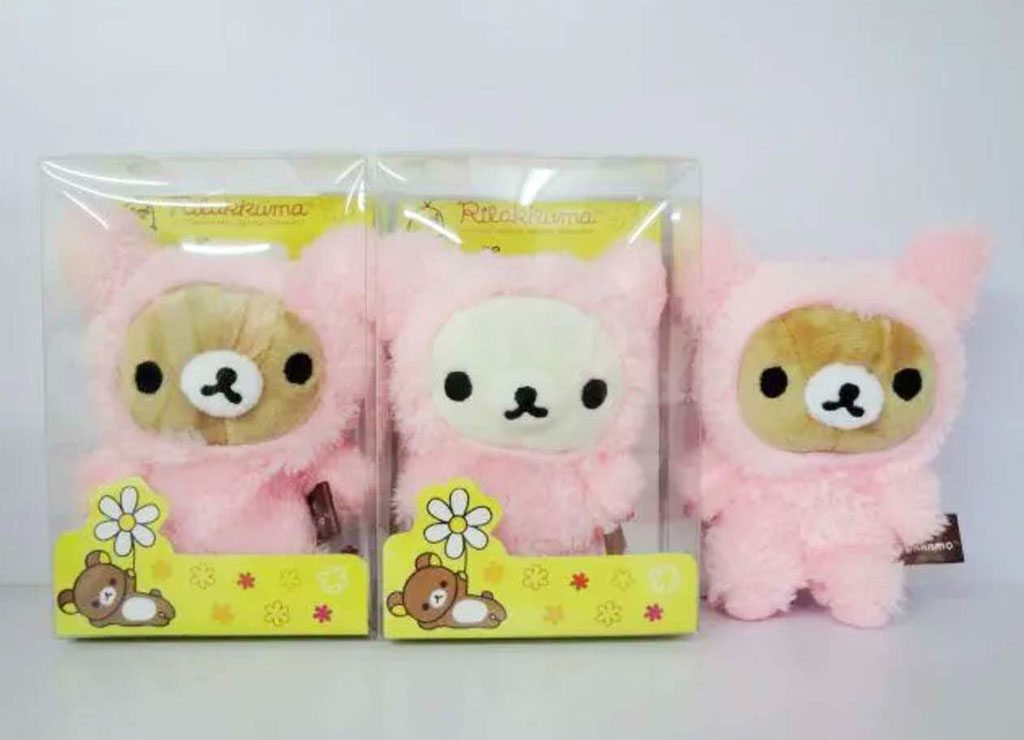
Packaging protects texture and faces; labeling opens customs; logistics protects margin. For kids’ SKUs, polybag + insert is efficient and clean; add care icons: gentle machine for short-pile shells, surface clean + brush for faux fur. For décor/collector lines, a gift-ready box lifts AOV and face stability during transit. Cartonization decides freight: we right-size cartons, verify ECT/BCT, and run ISTA-style drop tests if required. Some short-pile SKUs allow soft compression with a recovery note; faux fur and sculpted faces usually do not. Choose Incoterms (FOB/CIF/DDP) that fit your team: FOB gives control; DDP gives simplicity. A clean document pack—invoice, packing list, test reports, CPC/DoC, label proofs, PPS photos—keeps customs and DC intake smooth.
Table 6 — Ship-Ready Checklist
| Area | Best practice | Why it matters |
|---|---|---|
| Packout | Polybag + insert (kids); gift box (collector) | Protection + AOV lift |
| Labels & docs | Age mark, care, tracking, CE/UKCA, CPC/DoC | Legal access; fewer holds |
| Cartons | Right-size; ECT/BCT set | Freight & stack safety |
| Drop test | ISTA method if required | Survives handling |
| Compression | Short-pile only; recovery trial | Protects face & handfeel |
| Incoterms | FOB/CIF/DDP based on channel | Clear cost/risk split |
| HS code | 9503 planning | Accurate duties/tariffs |
Conclusion
Factory-made stuffed animals are the result of clear specs, engineered patterns, honest materials, disciplined QC, and real documents. When you lock silhouette with S1, lock feel and expression with S2, and run lines with markers, jigs, metered stuffing, and AQL, you get plush that looks premium, feels soft, and passes tests the first time. If you want a partner to run this system end-to-end—from brief to sealed PPS to on-time mass—email [email protected] or visit kinwintoys.com. My team at Kinwin can turn your concept into a stable, scalable line.