Skip to content
I’m Amanda from Kinwin in China. I help brands, retailers, and e-commerce teams plan plush assortments that feel premium, pass compliance, and ship on time. When we start a season, the first question is simple: how should we segment plush types so the whole team—design, sourcing, QC, and marketing—speaks the same language? In this guide, I share a clear taxonomy and show how construction, materials, formats, age grading, and packaging shape cost, safety, and sell-through. I’ll keep the wording simple for non-native readers, but I will go deep so you can use this as an internal playbook.
What taxonomy best segments plush toys—animals/characters, plush dolls, cushions/pillows, puppets, keychains/minis, and jumbo/oversized?
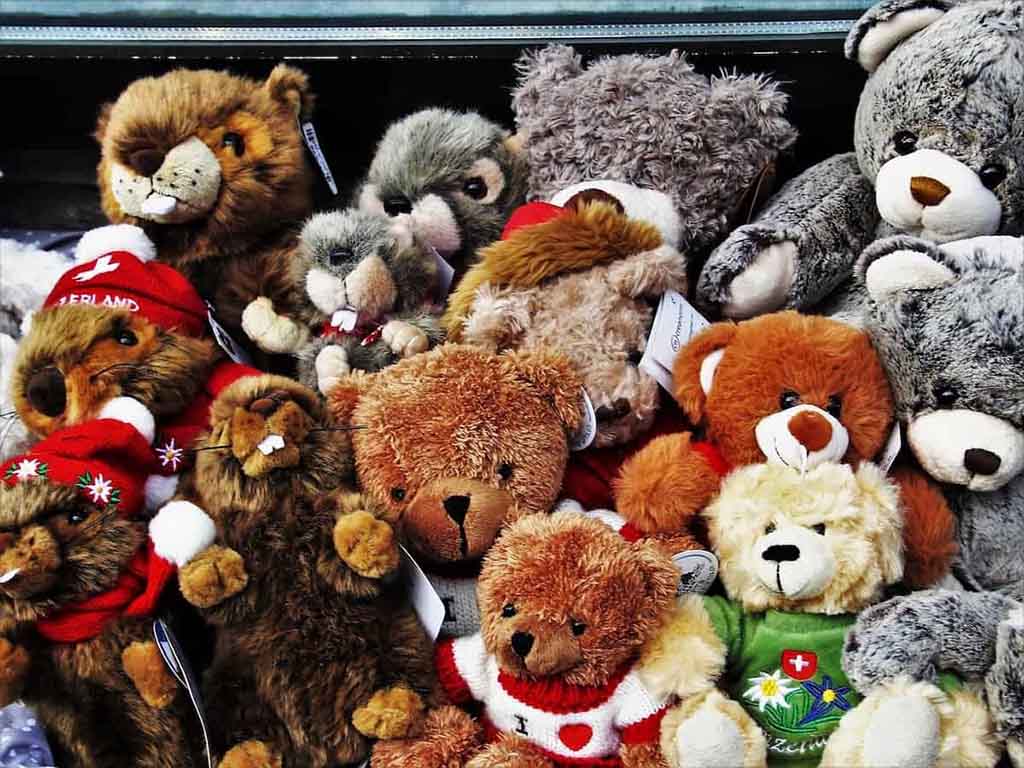
A strong taxonomy is a daily tool. It reduces debate, keeps RFQs clean, and lets you set prices and tests with less friction. I use six big buckets because they match how buyers think and how platforms filter. Animals/characters are your volume core. Plush dolls cover soft humanoid forms with simple outfits or hairless heads. Cushions/pillows live at the border of décor and comfort; they demand clear size images and carton planning. Puppets are about play and education; lining and mouth control matter more than many teams expect. Keychains/minis win on frequency and repeat purchase; seam strength and lint control are key. Jumbo/oversized is your seasonal hero; volumetric weight and recovery after compression decide margin more than material price.
Each bucket also hints at risk. Minis introduce clip hardware. Puppets introduce linings and sometimes mouth plates. Jumbo needs seam reinforcement and baffling to stop “sag.” If you sell across regions, align the bucket names with local nouns. In the U.S., shoppers search “stuffed animals.” In the U.K., they use “soft toys” and “teddies.” Keep your public labels local, but keep your internal taxonomy stable so merchandising and QA do not reset every season.
Table 1 — Working Taxonomy (Use This to Name Folders, RFQs, and PDP Categories)
| Segment | Core Use | Typical Sizes | Shell Materials | Price Logic | Notes for QC/Content |
|---|---|---|---|---|---|
| Animals / Characters | Cuddle, gifting, IP | 10–40 cm | Minky, velboa, faux fur | Value → premium ladder | Face close-up; scale-in-hand |
| Plush Dolls | Soft humanoids | 20–40 cm | Plush shell, tricot, embroidery | Mid tier; outfits add AOV | Stitch density; outfit bar-tacks |
| Cushions / Pillows | Décor, comfort | 30–60 cm | Short pile, sherpa, minky | Size drives price; freight heavy | Compression/recovery images |
| Puppets (hand/finger) | Play, classrooms | 15–35 cm | Light shell + lining | Value to mid | Lining seams; mouth control |
| Keychains / Minis | Collecting, travel | 8–12 cm | Velboa, minky | Low price; high UPT | Hardware tests; lint control |
| Jumbo / Oversized | Statement gifts | 60–150 cm | Light pile + baffling | High ticket; volume costly | Seam pulls; corner guards |
Which construction types—standard sewn-panel, bean-filled, weighted, reversible/transforming, poseable (armatures/wire), and magnetized accessories—define function and risk profile?
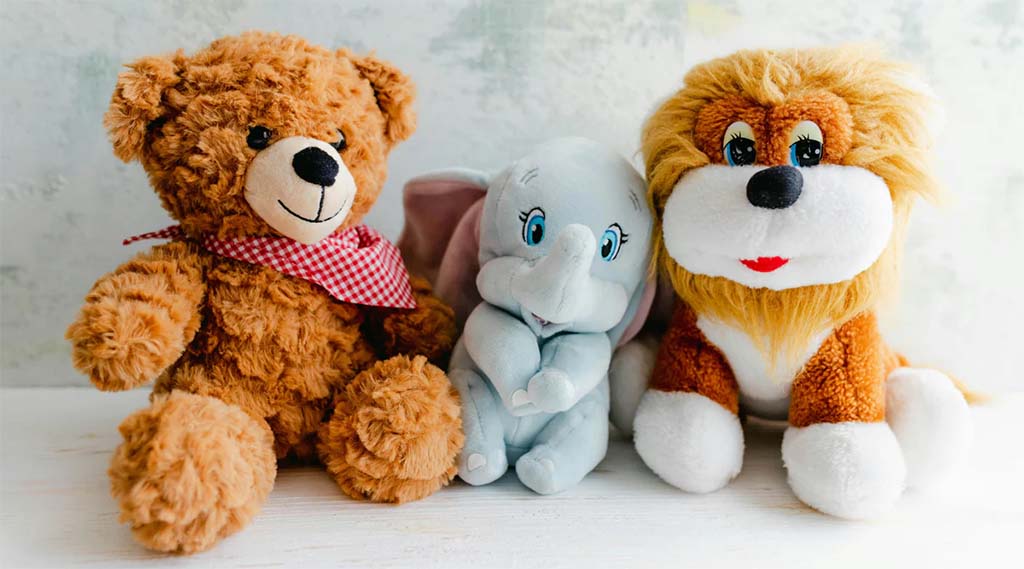
Construction is not just a style; it is your risk map. Standard sewn-panel builds scale well and pass audits predictably. They work for 0+ if faces are embroidered and trims are simple. Bean-filled designs add tactile interest and sitting stability, but double-pouched pellets are non-negotiable. Weighted plush extends that idea for adults and décor; it needs seam reinforcement at stress points. Reversible/transforming formats deliver “wow,” yet zippers and hidden pockets introduce small-parts and entrapment checks. Poseable builds use armatures or wires; these belong in 14+ collectible lines or in older age grades with strict encapsulation. Magnetized accessories are fun and photo-friendly, but strong magnets trigger special safety rules and careful labeling.
Think also about minutes per unit. Reversible builds require neat inside seams and careful alignment, which add time. Poseables slow down because operators must place armatures consistently and close seams without piercing. Magnet sets add pick-pack complexity and count accuracy. When you write an RFQ, name the construction in the first line. It helps our factory choose machines, line balancing, and AQL sampling points before we quote price or promise lead time.
Table 2 — Construction Types and Risk/Function Snapshot
| Type | Function Value | Main Pros | Key Risks & Controls | Typical Age |
|---|---|---|---|---|
| Standard sewn-panel | Everyday cuddle | Scalable, predictable | Seam strength at limbs; stitch length spec | 0+ with embroidery; 3+ with trims |
| Bean-filled | Tactile + sit-stable | Nice handfeel, desk-friendly | Double-pouch pellets; leakage tests | 3+ (unless pouch proven for 0+) |
| Weighted | Grounded feel | Display stability; adult comfort | Seam pulls; pouch QC; care card | 3+ / adult |
| Reversible / Transforming | “Wow” factor | Social-friendly | Zips/snaps small parts; inside seams | 3+ with abuse tests |
| Poseable (armature) | Display poses | Premium look | No wire for young ages; encapsulation | 14+ or tested older child |
| Magnet accessories | Play pattern, mix-match | High engagement | Magnet safety; spare-part control | 8+ / adult; strict policies |
How do fabric and filling systems—minky/velboa/faux fur, mohair, rPET fiberfill, TPE/PP pellets, foam/memory foam—influence handfeel, durability, and compliance?
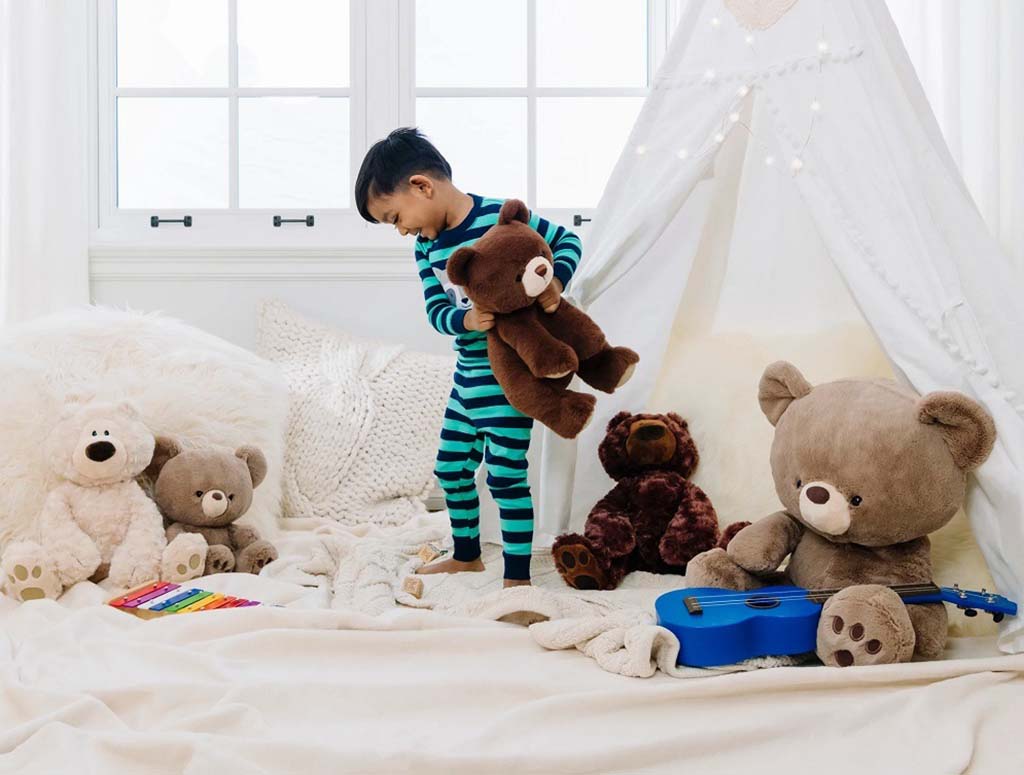
Fabric and fill are the feel. They also decide wash claims, flammability behavior, and stitch clarity. Minky (short pile) is our baby hero: silky touch, good colorfastness, clear embroidery. Velboa reads smooth and “clean” in photos; it resists lint on desks and in bags, so it excels in minis. Faux fur brings realism for wildlife; it needs face trim zones and brush-after-wash guidance. Mohair and alpaca are heritage fibers for collector bears; they lift price but demand careful care copy. For fills, hollow fiberfill gives a cloud squeeze; solid fiberfill holds shape better in faces and long limbs. TPE/PP pellets add weight and stability; always use double inner pouches and run leakage tests. Foam or memory foam supports pillows and ergonomic shapes; watch drying times.
Compliance follows. Pile height and finishes influence flammability. Dyes and coatings may affect chemical screens. Pellet systems and foam introduce their own validations. If you claim recycled content (rPET), keep real certificates by lot, and ensure hangtag numbers match documents. For visual quality, combine short-pile face panels with faux-fur bodies; the camera sees clear expressions without heavy trimming time.
Table 3 — Fabric & Filling Systems: What Shoppers Feel vs. What QC Tests
| System | Handfeel & Look | Durability & Care | Compliance Focus | Best Uses |
|---|---|---|---|---|
| Minky (short pile) | Silky, baby-soft | Gentle machine OK | EN71/ASTM flammability, colorfast | Baby animals, comfort lines |
| Velboa (short pile) | Smooth, crisp faces | Holds shape; low lint | Seam strength, embroidery clarity | Desk minis, mascots |
| Faux Fur (med/long) | Fluffy, realistic | Needs brushing; spot/gentle | Flammability behavior; shed | Wildlife, premium |
| Mohair/Alpaca | Heritage luxury | Boutique care | Collector positioning | Art bears, limited editions |
| rPET Fiberfill | Eco story, soft | Verify source docs | Recycled claim accuracy | DTC eco capsules |
| TPE/PP Pellets | Weighted/bean feel | Double-pouch only | Leakage tests; age grade | Weighted bases, sit-stable |
| Foam/Memory Foam | Shape support | Slow dry | No sharp edges; odor checks | Pillows, ergonomic forms |
Which market-specific formats—licensed collectibles, blind-box minis, realistic wildlife/educational, therapeutic (weighted/scented/ergonomic), and décor—drive distinct buyer demand?
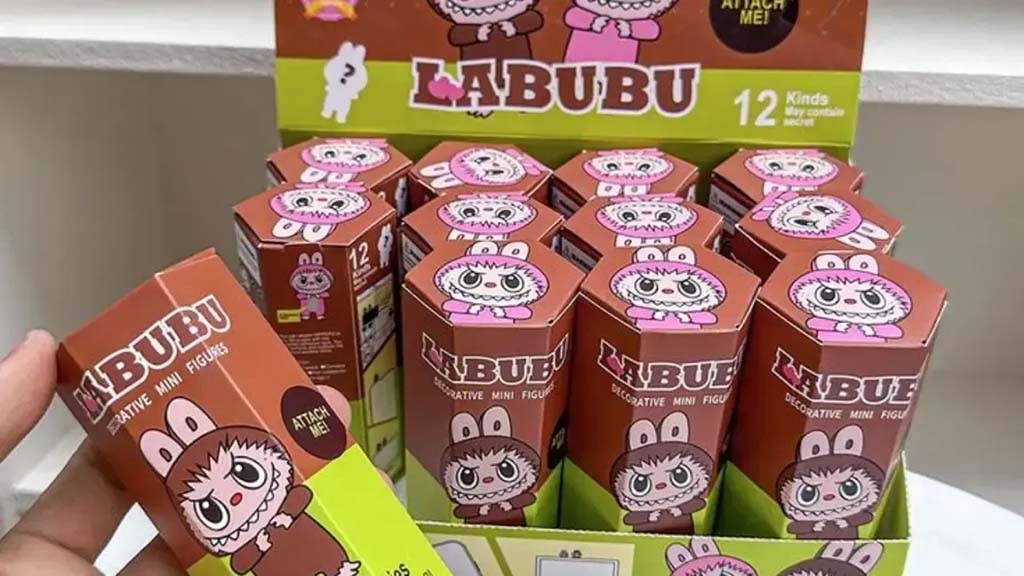
Format shapes why people buy. Licensed collectibles must honor canon colors and face art; small paint or embroidery errors cause returns. They benefit from edition cards and good shelf blocking. Blind-box minis win on surprise and completion; they need lint-resistant shells, tight seams, and clear checklists to drive repeats. Realistic wildlife/educational pieces sell on photography; trimmed muzzles and calm eye placement matter more than price. Therapeutic lines should avoid medical claims; focus on comfort language, removable scent sachets, and double-pouched weighting. Décor plush uses tonal palettes and giftable packaging; clean seams and camera-ready textures determine conversion.
As you pick formats, think about channels. Minis suit marketplaces and quick ship. Wildlife and décor suit specialty and DTC storytelling. Licensed products need robust approvals and a calendar that respects licensor milestones. Therapeutic SKUs need careful copy and often sell best with a brief routine (“hold, breathe, 60 seconds”) on the PDP.
Table 4 — Demand Drivers by Format (What to Build and How to Sell It)
| Format | Buyer Motivation | Build Priorities | Copy/Content Must-Haves | Pricing Pattern |
|---|---|---|---|---|
| Licensed Collectibles | Fandom, accuracy | Canon colors, precise embroidery | Edition card, authenticity notes | Mid → premium |
| Blind-Box Minis | Surprise, completion | Velboa shell, strong seams | Full set checklist, odds | Low unit, high repeat |
| Realistic Wildlife | Education, display | Faux-fur body + trimmed face | Natural light photography | Mid → premium |
| Therapeutic (weighted/scented/ergonomic) | Comfort rituals, grounding | Double-pouched weight, removable sachet | Ethical claims; care card | Mid → premium |
| Décor / Lifestyle | Room styling, gifting | Tonal colors, clean silhouette | Texture macro, gift box | Mid; packaging lifts AOV |
How are age-grading and safety categories—infant-safe, general play, and adult collectible—differentiated under EN71/ASTM/CPSIA?
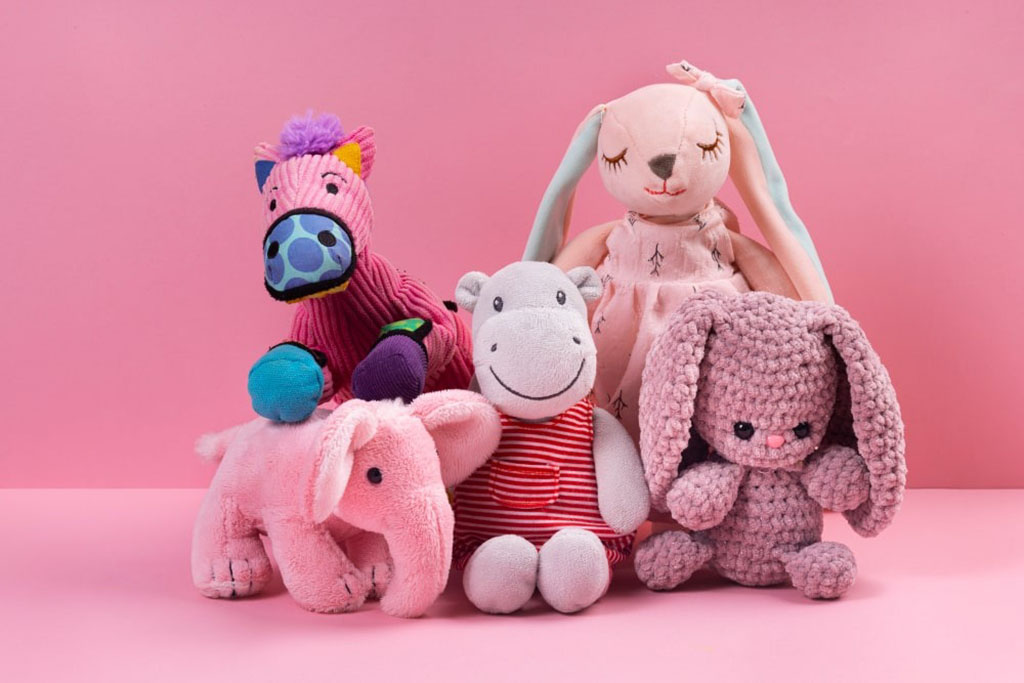
Age grade decides your trim choices, tests, and labels. If you target infant-safe (0+), choose embroidered faces, avoid detachable parts, specify stitch density carefully, and validate wash claims. General play (3+) allows safety eyes and noses if they pass small-parts and tensile tests; accessories must survive abuse testing. Adult collectible (14+) opens the door to magnets, wires, and couture trims, but many retailers still ask for toy-style screens to reduce risk. Tie test reports to actual fabric, fill, and trim lots, not only to a golden sample. If dye lots or trim vendors change, re-test the affected parts and keep a change log.
For global lines, plan the strictest destination first, then reuse data for lighter markets. Keep tracking labels consistent across factories. On your PDP, keep safety copy short and factual. Over-promising creates audit questions; clear claims build trust. Train customer service to answer age-grade and care questions in one reply with the same phrases as your bullets.
Table 5 — Age Grades, Trims, and Documentation (One-Look Reference)
| Category | Trims & Face | Core Tests (EU/US) | Labels & Docs | Typical Use |
|---|---|---|---|---|
| Infant-Safe (0+) | Embroidery only; no small parts | EN71-1/2/3; ASTM F963; CPSIA | Age mark, CE/UKCA, CPC, tracking label | Baby animals, comfort plush |
| General Play (3+) | Safety eyes/nose allowed with tests | EN71-1/2/3; ASTM; CPSIA | Age 3+; care; tracking label | Animals, characters, minis |
| Adult Collectible (14+) | Magnets/wires possible | Retailer policy + key screens | “14+ collectible”, origin, materials | Poseables, couture trims |
How do packaging and merchandising variants—clip-ons, gift bundles, seasonal capsules, and retailer exclusives—optimize logistics, pricing, and shelf performance?
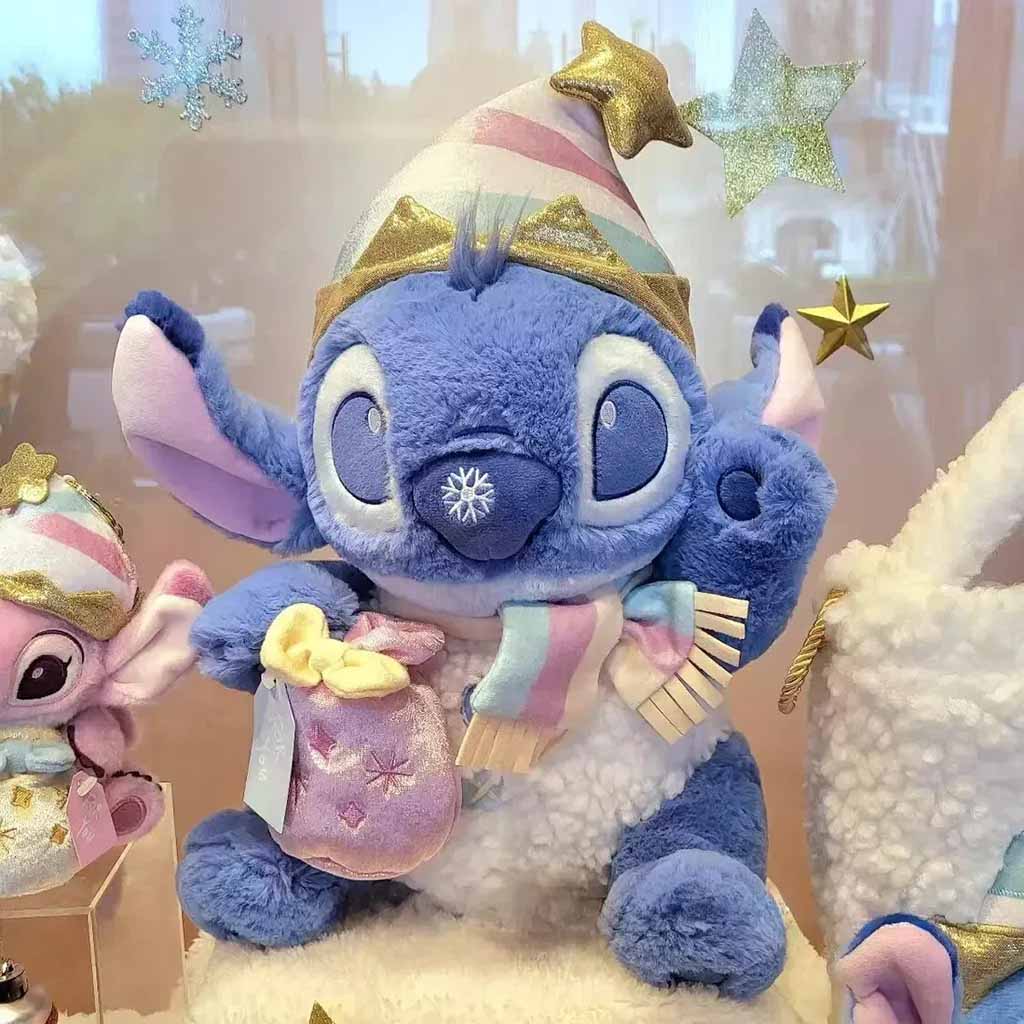
Packaging changes value perception and freight math. Clip-ons turn minis into impulse items and keep them visible at POS. Gift bundles raise AOV with simple add-ons (card, ribbon, pouch), but watch volumetric weight. Seasonal capsules introduce urgency with color updates and limited windows; they need pre-booking and strict calendars. Retailer exclusives secure placement and help you forecast, but they add UPC and case-pack complexity. For cushions and jumbo, trial compression or vacuum packing and publish a recovery note on the insert. Always take a scale-in-hand photo so buyers judge size correctly; it cuts returns that no copy can prevent.
Internally, build a carton map early. Pick ECT/BCT specs that match the route and warehouse handling. Define case packs to match pallet footprints and retailer back-room norms. For DTC, test small parcel drop tests and corner guards. For international, confirm HS code under 9503 and check any country-specific packaging marks. Packaging affects defect rates and speed on shelf as much as material choice does.
Table 6 — Packaging & Merch Variants and Their Operational Impact
| Variant | Value Move | Logistics Effect | QA/Content Needs | When to Use |
|---|---|---|---|---|
| Clip-ons / Keyrings | UPT, impulse | Tiny cartons; peghook ready | Hardware tests; lint control | Travel, back-to-school |
| Gift Bundles | Higher AOV | Volume ↑; fragile inserts | Set photo; care card | Holidays, baby gifts |
| Seasonal Capsules | Urgency, freshness | Pre-book windows | Palette guide; calendar | Q4, Valentine’s, Spring |
| Retailer Exclusives | Guaranteed buy | Separate UPC/case pack | Style guide alignment | Anchor accounts, launches |
| Compression/Vacuum | Freight savings | Recovery lead time | Insert with recovery tips | Cushions, short-pile jumbo |
Conclusion
Plush is not one thing. It is a system—taxonomy, construction, materials, formats, safety, and packaging—all working together to shape feel, risk, cost, and conversion. Segment your line with the six buckets. Choose construction types that match your age grade and channel. Lock pile and fill specs in the tech pack. Use formats and packaging that fit your buyers. Do this, and your plush program will read premium, pass audits, and sell through across seasons. At Kinwin, my team turns clear briefs into sealed PPS and on-time mass runs with camera-ready quality. Email [email protected] or visit kinwintoys.com to plan your next plush collection.