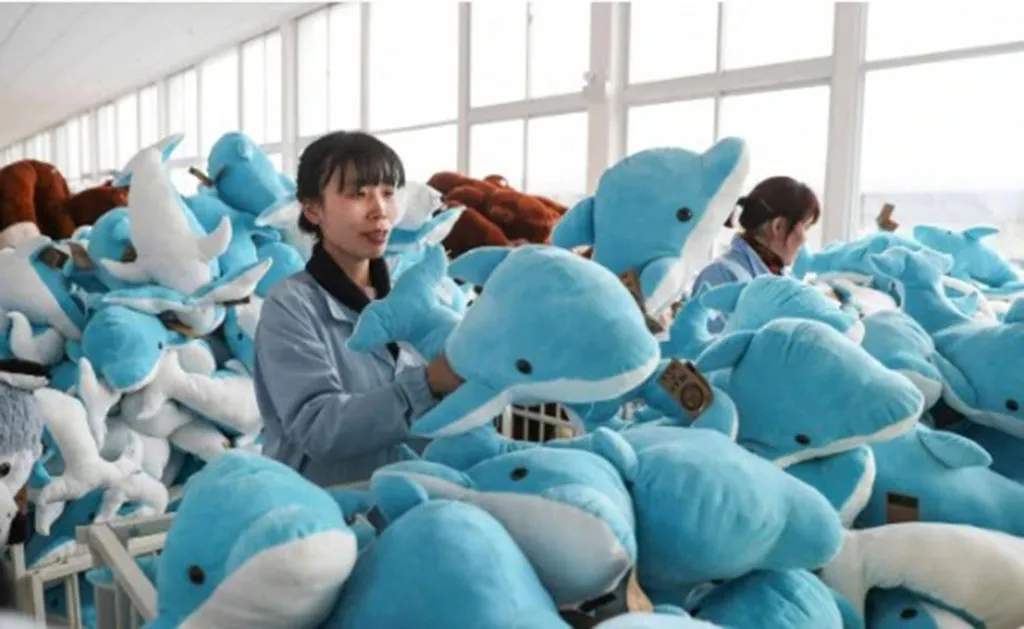
I’m Amanda from Kinwin in China. I help brands, retailers, and e-commerce teams design plush toys and manage quality from sampling to delivery. One tough question I get is: can plush toys carry bed bugs? The honest answer is yes, but it’s preventable and manageable. Bed bugs prefer seams, folds, and corrugate voids—not smooth plastic. With good IPM (Integrated Pest Management), smart packaging, and clear return protocols, you can cut risk to near zero. Below I explain where bugs hide, how infestations transfer, how to inspect and treat soft goods, and how to communicate with customers if an incident is suspected.
What conditions allow bed bugs to harbor in plush toys and packaging?
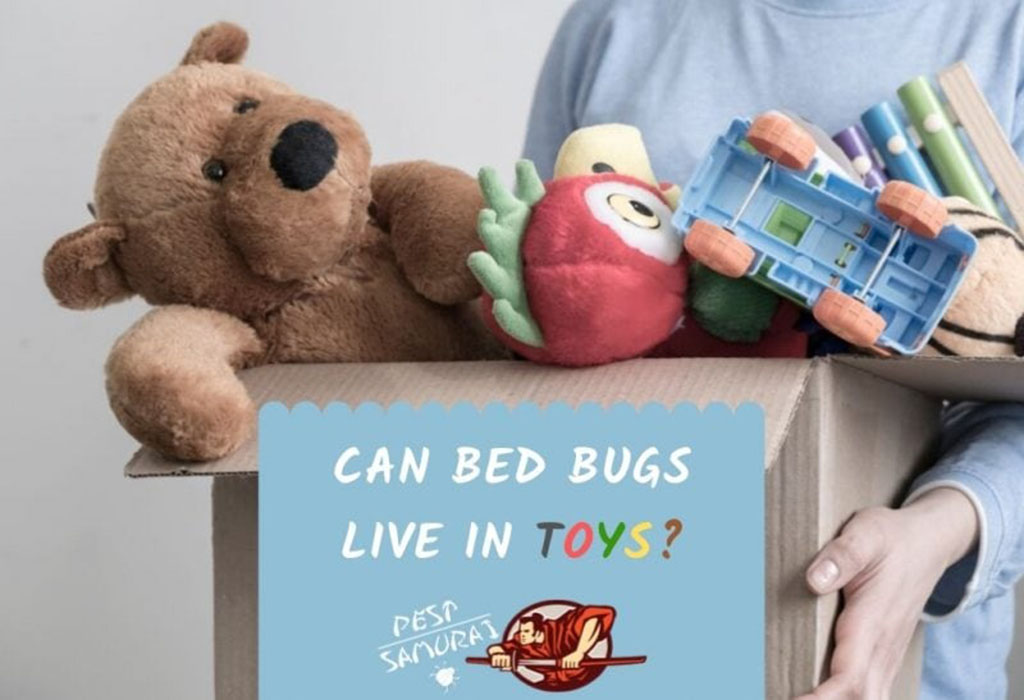
Bed bugs hide in tight seams, labels, and stitching tunnels. They also love corrugated cardboard flutes, foam crevices, and zippered compartments. They don’t burrow into fibers; they harbor on or near the surface where they can return to a host at night. Risk rises when items are stored or handled in places with high turnover of textiles or used goods.
Key conditions that increase risk:
- Cluttered storage with many soft items stacked closely
- Warm, stable rooms (~20–30 °C / 68–86 °F) with hiding cracks nearby
- Shared transport with used furniture or returns
- Unsealed packaging that exposes toys to infested surfaces
Table 1 — Common Harborages in Plush Supply Chains
| Location | Why it’s risky | What to change |
|---|---|---|
| Sewn seams/labels | Tight gaps mimic wall cracks | Use tight stitch density; trim label folds short |
| Hangtags/loops | Small folds create hideouts | Use flat tags; ultrasonic holes instead of staples |
| Corrugated flutes | Perfect “tunnels” | Poly mailers or inner polybags + taped seams |
| Foam inserts | Pores shelter nymphs | Use sealed pouches or avoid porous foam |
| Zippered pouches | Teeth and seams trap bugs | Bar-tack closures or seal with stitching for kid SKUs |
How do infestations typically transfer through supply chains, retail handling, and home environments?
Most transfers come from contaminated environments, not from clean factories. Infestation can happen when a clean plush touches infested soft goods during transit, storage, fitting rooms, or returns processing.
Typical transfer points:
- Reverse logistics/returns mixed with new inventory
- Third-party warehouses that also handle used textiles
- Shared delivery totes without liners
- Retail break rooms or staff lockers where personal items touch stock
- Customer homes with ongoing infestations (product gets reinfested post-purchase)
Table 2 — Transfer Map (Where to Tighten Controls)
| Node | Transfer mechanism | Controls that work |
|---|---|---|
| Customer return center | Returned item contaminates bin/rack | Quarantine bay; clear-bag returns; hot dryer cycle for cloth fixtures |
| 3PL cross-dock | Mixed loads; reused pallets | Stretch-wrap, pallet skirts, pallet inspection SOP |
| Retail backroom | Break-room sofas & coats near stock | Separate staff area; lidded totes; no soft seating near inventory |
| Delivery vehicle | Reusable blankets & bins | Poly liners; single-use inner bags; bin heat cycles |
| Marketplace seller hub | Unvetted storage | Vendor agreements; spot audits; sealed inner packaging |
Which inspection and detection methods (visual checks, canine teams, monitors) are reliable for soft goods?

Visual inspection is still the primary method: look for live insects, cast skins, pepper-like fecal spotting, and tiny pale eggs glued near seams. For volume environments, trained canine teams can screen large areas quickly, but results should be confirmed visually to reduce false positives. Passive monitors and interceptor traps help in rooms and warehouses but do not “clear” individual items.
How to inspect a plush efficiently:
- Under bright light, check seams, labels, and between ears/limbs.
- Part the pile with fingers; look for specks or shells.
- Examine hangtag folds and stitch-start/stop points.
- Check the carton interior and tape seams for spotting.
- If suspicious, bag the item in a clear polyethylene bag and escalate.
Table 3 — Detection Methods: Strengths & Limits
| Method | Good for | Limits | Tip |
|---|---|---|---|
| Visual check | Item-level confirmation | Time-consuming; needs training | Use headlamp + lint roller |
| Canine inspection | Area screening | False positives if poorly handled | Always confirm visually |
| Passive monitors | Room/zone surveillance | Not item-specific | Place near staging racks |
| Interceptor traps | Furniture/legs in offices | Requires stationary legs | Use in returns/quarantine rooms |
| UV/flashlight | Spotting eggs/shells | Not definitive alone | Combine with magnifier |
How effective are remediation options—laundering, heat treatment, freezing, and isolation—for plush materials?
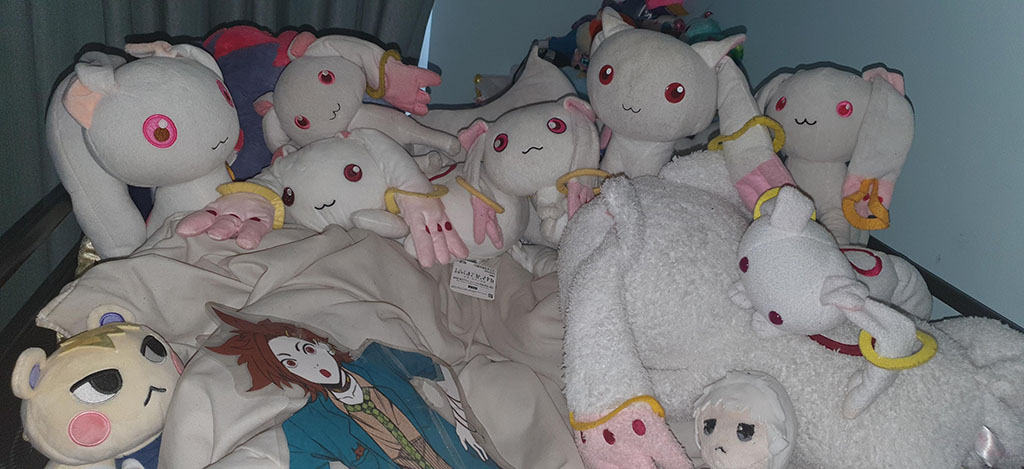
Bed bugs are heat-sensitive. The most reliable kill is sustained heat. Many plush toys can tolerate a hot dryer on high heat. If wash is allowed, use hot water then high heat dry. Where laundering is not possible, chamber heat treatment or cold soaking (freezing) can be used with the right times.
Recommended reference ranges (always follow your fabric care limits):
- Dryer high heat: air temp approx. ≥ 54 °C / 130 °F for 30–60 minutes after load reaches temp
- Hot wash + dry: ≥ 60 °C / 140 °F wash, then high-heat dry
- Heat chamber: 50–60 °C / 122–140 °F for 1–2 hours depending on load size and validation probes
- Freezing: ≤ -18 °C / 0 °F for at least 3–4 days (longer for bulky items)
- Isolation (bagging): 6–8 weeks sealed, warm room, with visual re-checks (slow but chemical-free)
Table 4 — Remediation Matrix for Plush
| Method | Pros | Cons | Use when | Notes |
|---|---|---|---|---|
| Hot dryer (bagged) | Fast, effective | Fabric/trim limits | Most polyester plush | Use mesh bag; protect embroidery |
| Hot wash + dry | High certainty | May deform stuffing | Washable SKUs | Test a control sample first |
| Heat chamber | Treats batches | Needs equipment & probes | DCs/3PLs | Validate core temp with sensors |
| Freezing | Gentle on fabrics | Slow; thick items insulate | Small shops/homes | Keep sealed during thaw |
| Isolation | No equipment | Very slow | Low-suspicion items | Pair with visual checks |
Do NOT spray plush toys with off-label insecticides. For commercial sites, use a licensed PMP (pest management professional) and stick to non-residual or labeled approaches around children’s products.
What preventive controls should manufacturers and retailers implement (IPM plans, sealed packaging, returns protocols)?
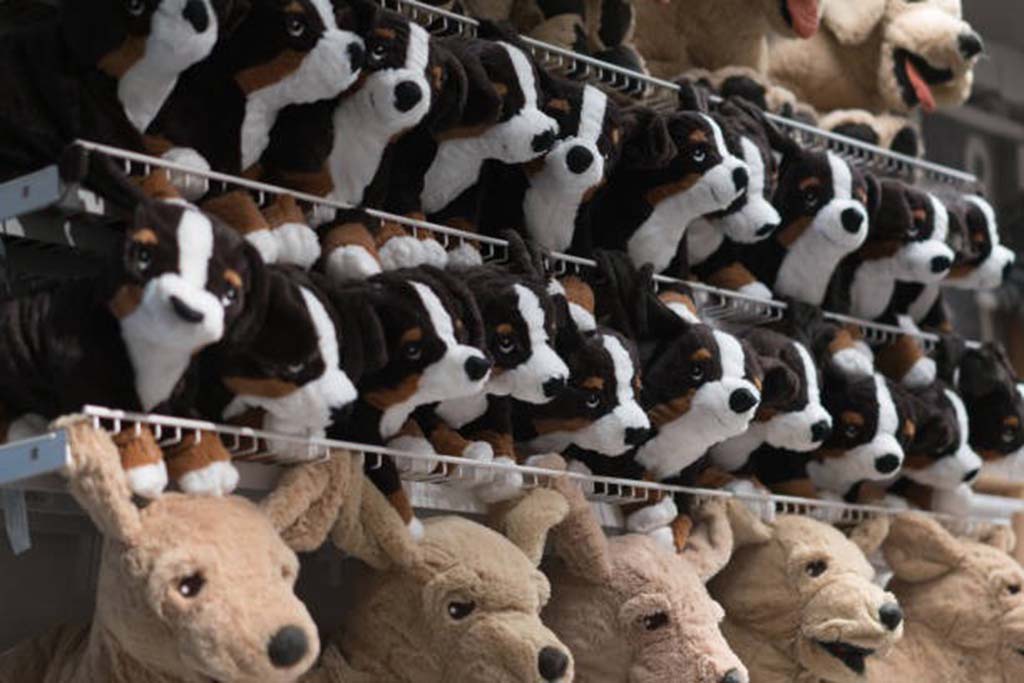
Prevention is cheaper than any cure. Set a written IPM plan and teach it to staff and vendors.
Factory & upstream (OEM/ODM)
- Keep finished plush in sealed polybags before they enter cartons.
- Avoid open-cell foam or cover it in sealed pouches.
- Use white, new corrugate; tape all seams; reject reused cartons.
- Add pallet skirts and stretch-wrap; store off the floor.
Warehousing & retail
- Quarantine returns in a clear-bag zone; inspect before restock.
- Use lined totes and single-use inner bags for soft goods.
- Keep staff belongings away from inventory areas.
- Schedule canine/visual sweeps for high-risk zones quarterly.
Logistics
- Separate reverse logistics from inbound new stock flow.
- Use poly liners in shared trucks or bins.
Table 5 — IPM SOP (Who Does What)
| Role | Daily | Weekly | Monthly/Quarterly |
|---|---|---|---|
| Receiving | Inspect outer cartons; reject damaged | Clean bays; rotate pallets | Canine/visual sweep of dock |
| Returns team | Bag entries; triage with checklists | Heat/freezer batch where allowed | Audit compliance logs |
| Store team | Keep stock off floors; clear clutter | Inspect fitting/soft seating areas | Deep clean + monitor checks |
| 3PL QA | Random item inspections | Validate liners & sealed bags | Review vendor scorecards |
Are there compliance, liability, and customer communication best practices for suspected bed bug incidents?
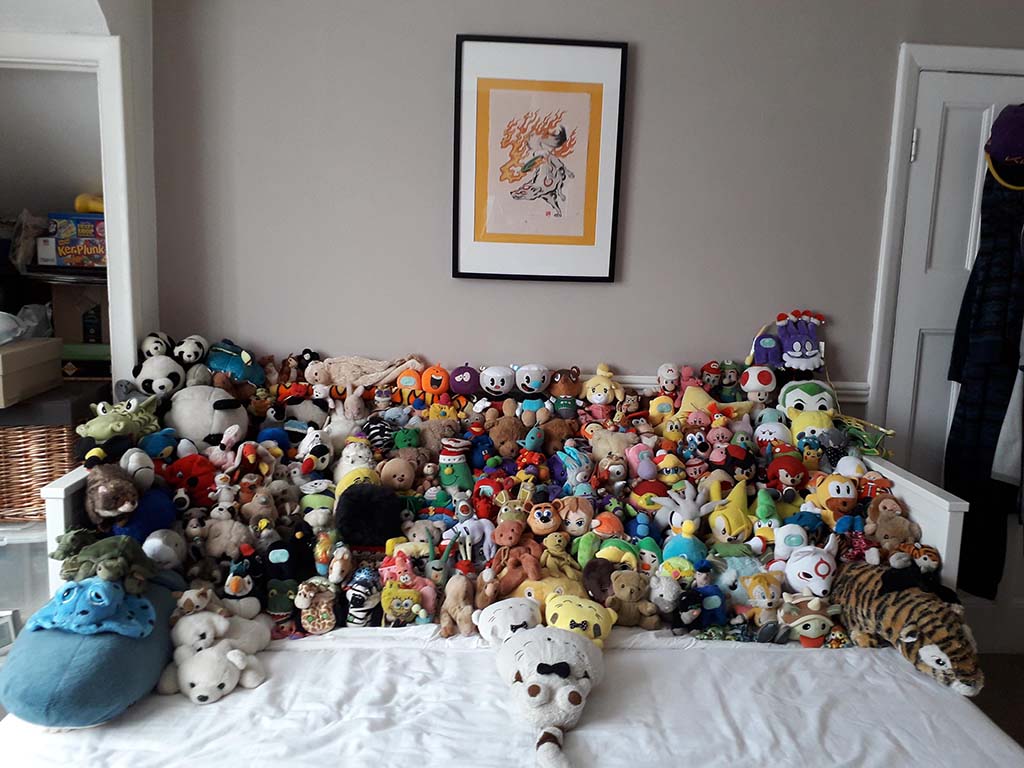
Compliance & liability: Bed bugs are a nuisance pest, not a vector of known disease, but incidents can still become PR and legal issues if handled poorly. Have a documented SOP that includes quarantine, inspection, treatment, and record-keeping. Keep chain-of-custody notes for the item and the lot/carton it came from. Coordinate with your PMP and legal counsel for language that is factual and calm.
Customer communication (keep it short, empathetic, and practical):
- Acknowledge the report and thank the customer.
- Ask for order number, photos, and where the item was stored.
- Offer an immediate refund or exchange plus prepaid return in a sealed bag.
- Share a care option if they prefer to keep it (e.g., hot dryer guidance).
- Explain that you are conducting a preventive review of the batch and logistics.
- Close with a direct contact for updates.
Documentation to keep
- Inspection forms, treatment logs, and photo records
- Return chain-of-custody (who handled the item, when, where)
- PMP service reports and temperature validation data for any heat treatment
Insurance & contracts
- Check that your 3PL/retail partners carry coverage and have IPM clauses in contracts.
- Include sealed-packaging requirements and returns quarantine in vendor manuals.
Practical playbook (you can implement this week)
- Packaging: Inner polybag + taped carton seams for every plush.
- Receiving: Add a two-minute seam/label check to random cartons.
- Returns: Clear-bag intake, quarantine rack, and hot-dryer station for non-merch textiles (linens, props) used on set.
- Training: 20-minute visual detection module for warehouse and store teams.
- Vendors: Update manuals to include sealed packaging, no reused cartons, and separate reverse logistics.
- Escalation: Create a one-page incident SOP with contact names, treatment options, and customer email templates.
Follow these steps and your plush program will be safer, cleaner, and audit-ready across seasons.
Conclusion
Yes, plush toys can carry bed bugs, but with sealed packaging, clean returns workflows, and validated heat/freezing protocols, the risk is small and controllable. If a case is suspected, act fast: bag, isolate, confirm, and communicate with care. At Kinwin, we build IPM into production and logistics so your plush arrives clean, compliant, and ready for shelf. Email [email protected] or visit kinwintoys.com to adapt these controls to your supply chain.