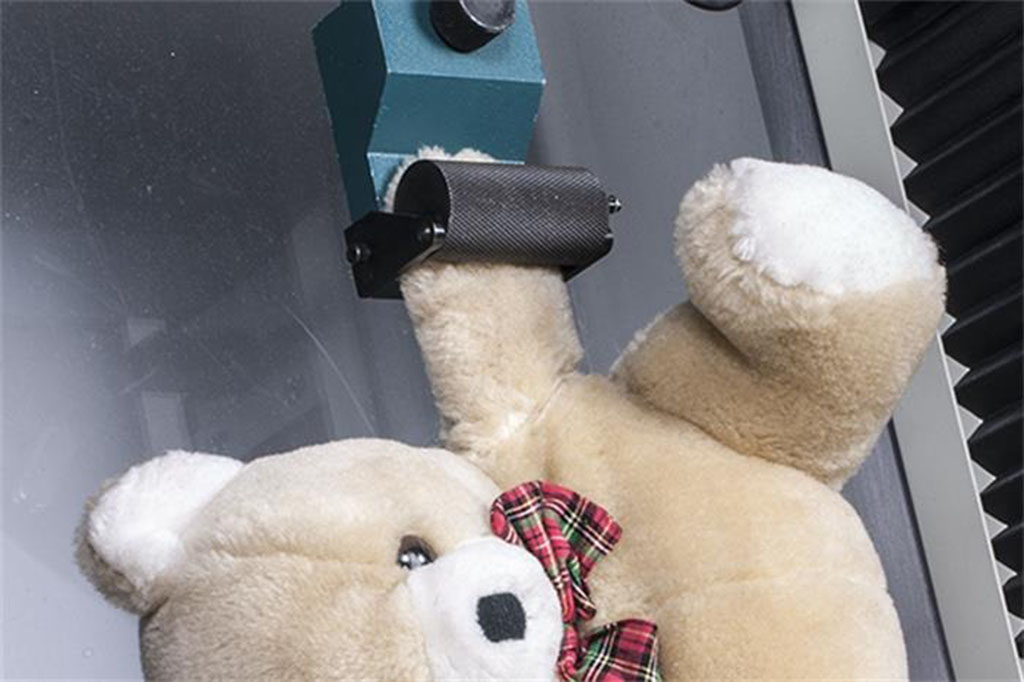
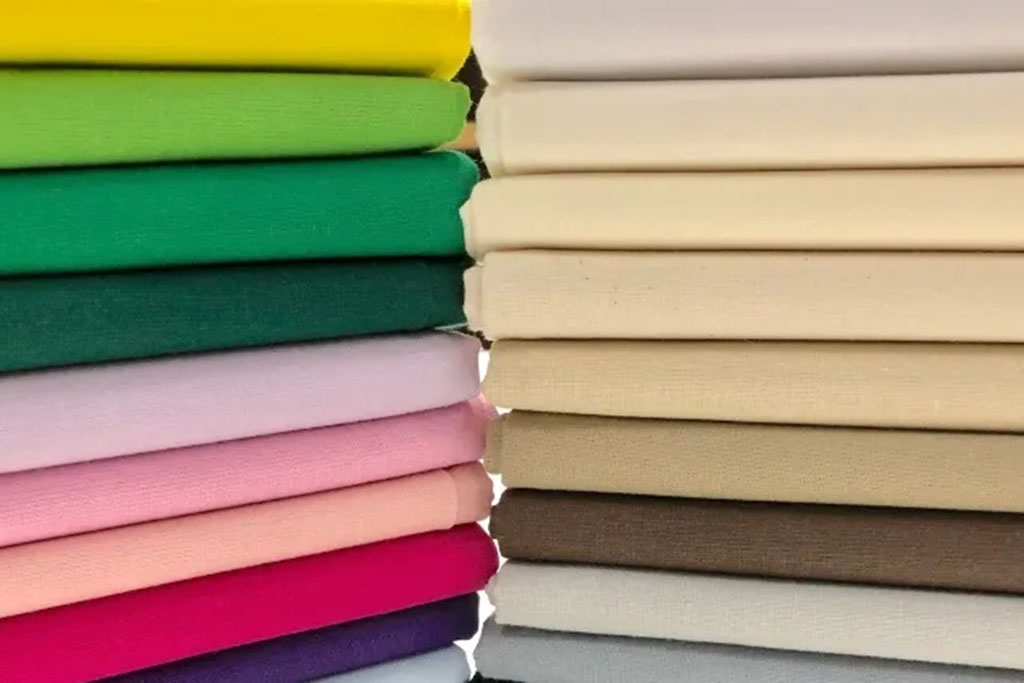
I’m Amanda from Kinwin in China. I work with global buyers and brand owners to design and manufacture plush toys that are soft, safe, and ready for international markets. In this guide, I break down exactly what’s inside a plush toy—from fabrics and fillings to hidden structures and safety rules—so you can make smart sourcing and product decisions with confidence.
What core materials make up a plush toy’s outer fabric, inner filling, and accessories?
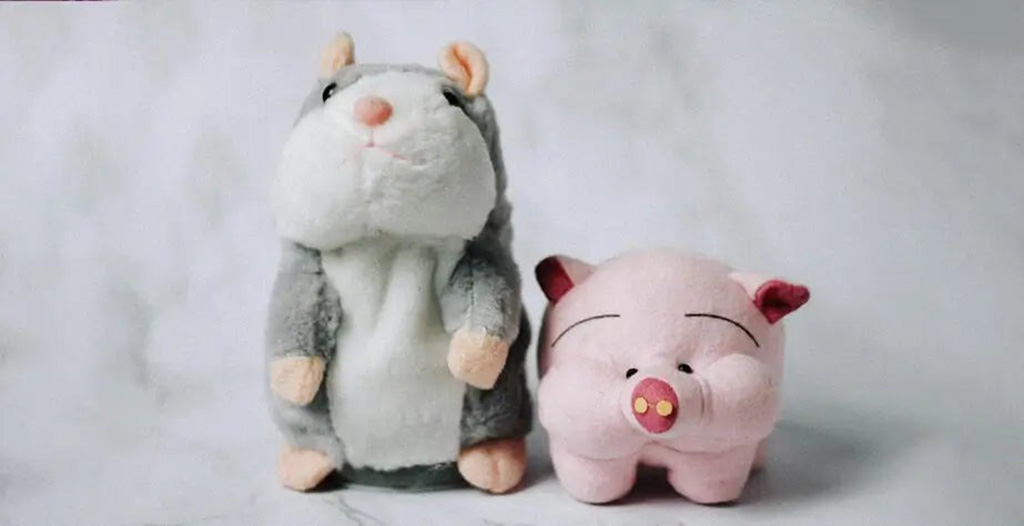
A plush toy is a system: the outer shell provides touch and color; the inner filling creates shape and comfort; accessories and trims add character and branding. When these elements are balanced, you get a toy that feels premium, keeps its silhouette, and passes safety tests.
Outer shell
- Pile fabrics (minky, velboa, faux fur) for softness and visual warmth
- Textured knits (fleece, sherpa) for coziness and seasonal looks
- Wovens/knits (cotton, tricot) for dolls, clothing pieces, or accents
Inner filling
- Polyester fiberfill (hollow/solid) for loft and recovery
- Pellets (sealed in inner pouches) for grounding weight and posture
- Localized foam to stabilize heads, snouts, or bases
Accessories & trims
- Embroidery for faces and logos (baby-safe and durable)
- Safety eyes/noses where age grade and tests allow
- Ribbons, hats, clothing—always bar-tacked or securely stitched
- Labels and hangtags carrying care, origin, and compliance info
Table 1 — Plush Toy Anatomy (Materials at a Glance)
| Component | Common Options | Function | Notes |
|---|---|---|---|
| Shell fabric | Minky, velboa, fleece, faux fur, sherpa, cotton/tricot | Tactile feel & color | Choose by age grade and style |
| Filling | Hollow/solid polyester fiberfill, pellets, foam inserts | Softness & shape | Pellets always double-pouched |
| Face/details | Embroidery, safety eyes/noses, appliqué | Expression & branding | Embroidery for 0–3 years |
| Accessories | Clothes, scarves, ribbons, props | Character & play value | Bar-tack stress points |
| Labels/pack | Care, fiber, tracking, hangtag | Compliance & gifting | Match claims to actual tests |
How do different fabrics—such as minky, velboa, fleece, and faux fur—affect softness and durability?
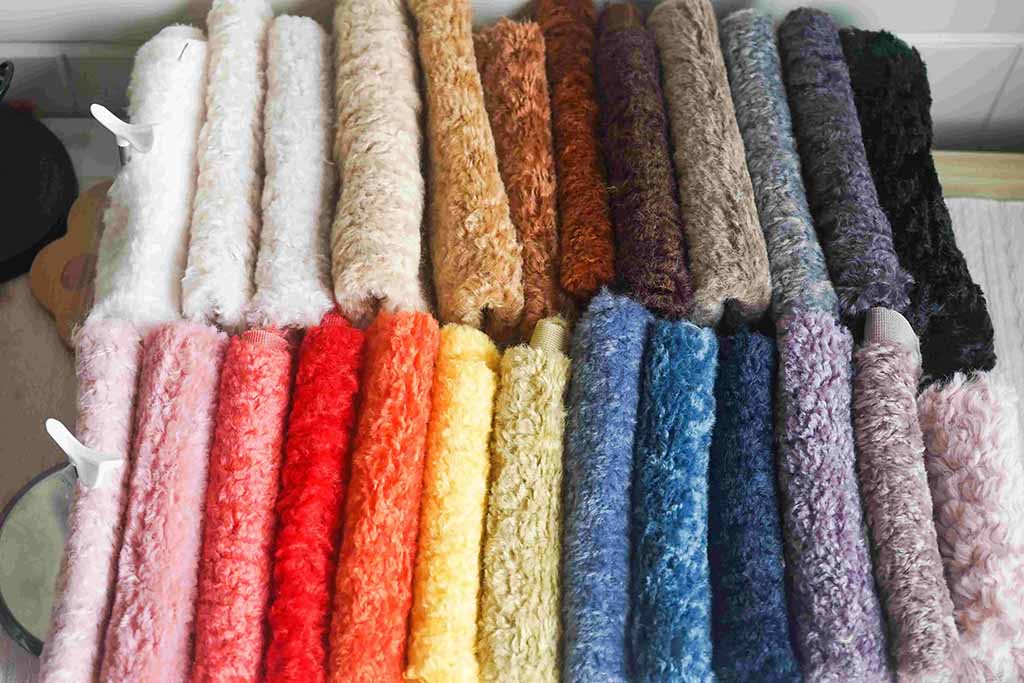
Fabric is the first touch. It decides the sensory experience and much of the perceived quality. The right fabric also makes your product washable and photogenic (important for e-commerce).
- Minky (short pile): ultra-soft, smooth face; excellent for baby and comfort lines; shows embroidery clearly.
- Velboa (short pile): soft yet slightly firmer; holds shapes and stitches well; a great balance for everyday retail.
- Fleece (knit): warm, matte texture; easy to sew; slightly more prone to pilling if GSM is too low.
- Faux fur (longer pile): premium, realistic animal look; needs careful trimming around eyes/mouth and brushing after wash.
- Sherpa/boa: cozy winter look; choose higher-quality grades to control shedding.
- Cotton/tricot: breathable and stable for dolls and accents; pair with plush panels for contrast.
Table 2 — Fabric Comparison for Plush Toys
| Fabric | Hand-Feel | Embroidery Clarity | Wash & Care | Best Use |
|---|---|---|---|---|
| Minky | Ultra-soft, silky | Excellent | Gentle machine; quick dry | Baby/comfort plush |
| Velboa | Soft, supportive | Very good | Machine wash; shape holds | Everyday retail lines |
| Fleece | Warm, matte | Good | Machine wash; watch pilling | Cozy/seasonal styles |
| Faux fur | Fluffy, realistic | Moderate (trim zone) | Spot/gentle; brush after | Animal realism, collectors |
| Sherpa/boa | Cozy, textured | Moderate | Gentle; control shedding | Winter gifts, décor |
| Cotton/tricot | Smooth/matte | Excellent | Machine wash; colorfast | Dolls, faces, apparel parts |
My factory tips
- Trim long pile after assembly to keep facial features clean.
- Color-match under both daylight and warm LED; pile can shift perceived tone.
- For baby lines, prioritize OEKO-TEX or documented low-chemical inputs where required by retailers.
What types of stuffing materials (polyester fiberfill, cotton, beans, memory foam) are used and why?
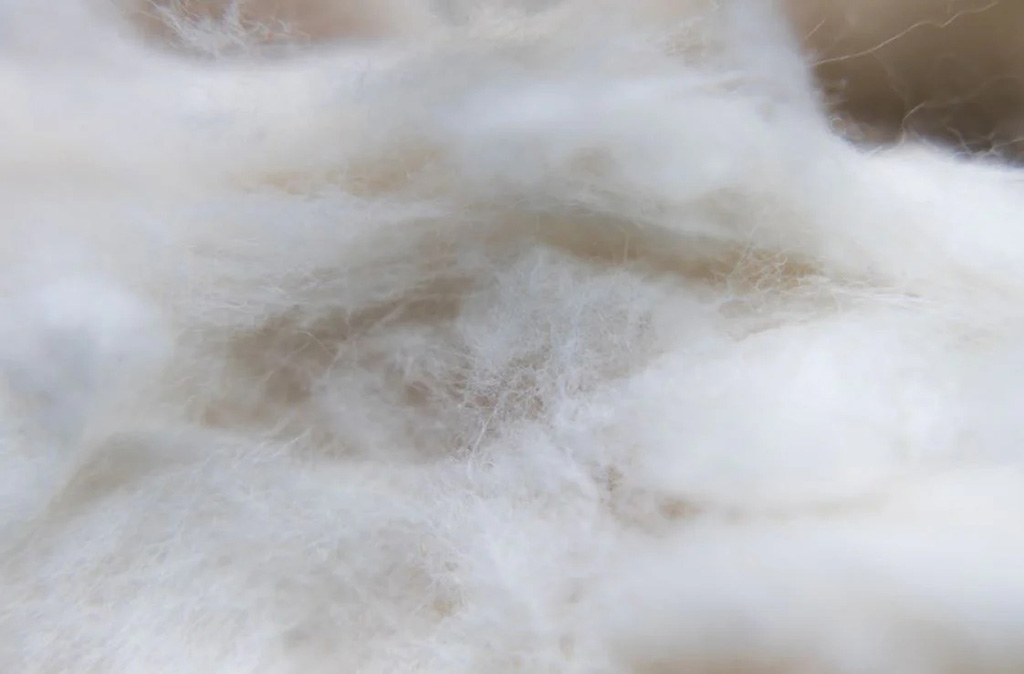
The filling is the comfort engine. It controls resistance, rebound, and silhouette retention.
- Polyester fiberfill (hollow): airy and soft; ideal for huggy comfort; can compress slightly over time—balance with stitch lines to keep shape.
- Polyester fiberfill (solid): firmer; better shape memory; great for posed characters and sharp silhouettes.
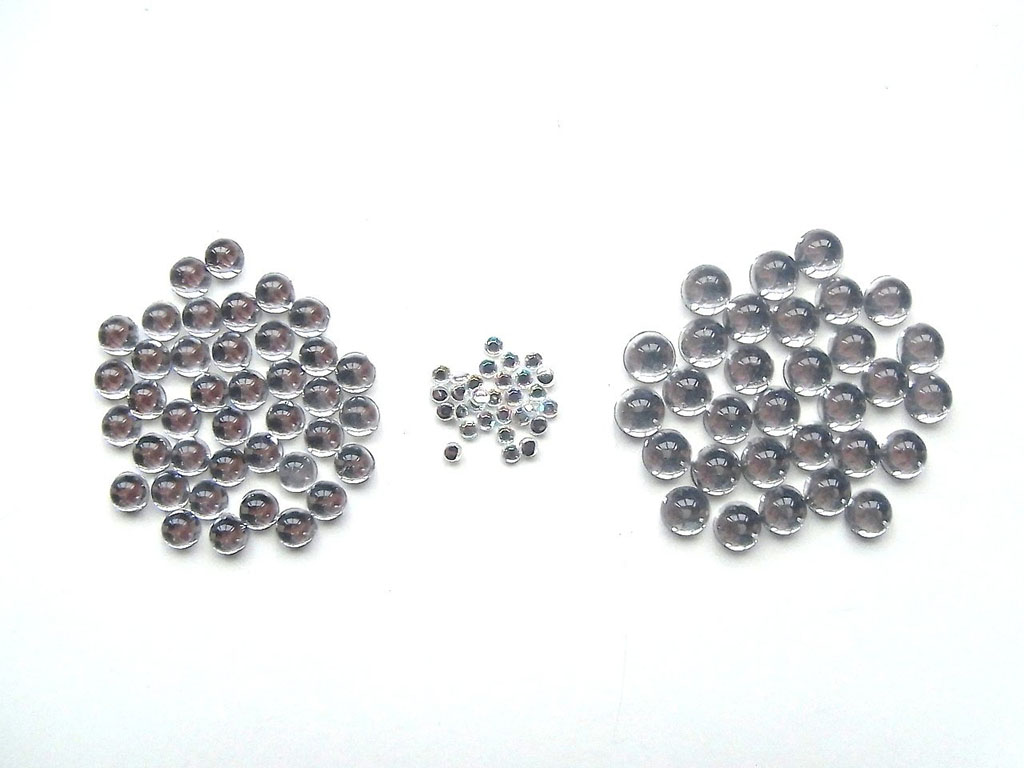
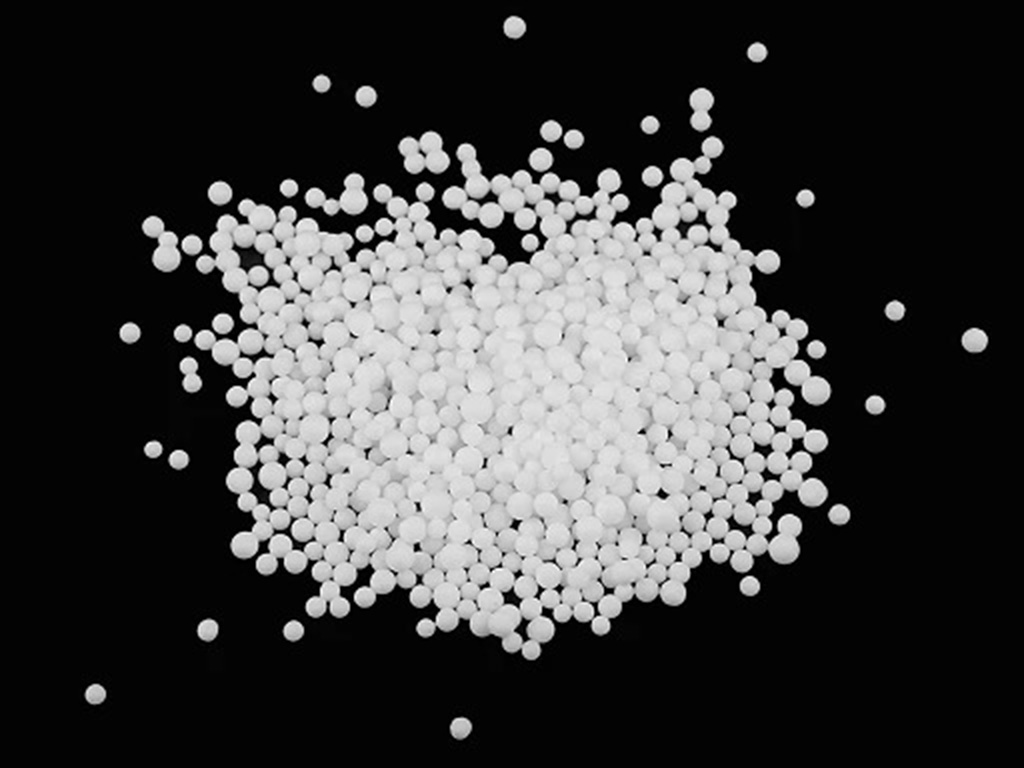
- Pellets (plastic/PP or recycled): add grounding weight; stabilize sitting posture; always sealed in inner pouches.
- Foam inserts (localized): support heads, snouts, or bases without making the whole toy stiff.
- Cotton fiber: traditional option; heavier water absorption; less common in modern export plush.
- “Beans”/natural fills (rice/buckwheat): avoid for export toys due to moisture/pest risk and safety concerns.
Table 3 — Stuffing Options and Performance
| Filling | Why Use It | Trade-Offs | Where I Use It |
|---|---|---|---|
| Hollow polyester fiberfill | Soft, cloud-like hug | Can compress if over-stuffed | Baby/comfort plush |
| Solid polyester fiberfill | Shape retention, crisp lines | Firmer hand-feel | Everyday retail, mascots |
| Plastic pellets (pouched) | Weight & posture stability | Extra QC for leakage | Weighted/sensory plush |
| Foam inserts (local) | Structural support | Spot-clean care; heat caution | Heads, bases, snouts |
| Cotton fiber | Natural feel | Heavier when wet; less common | Niche or local markets |
| Natural “beans” | Low material cost | Moisture/pest/safety—not for toys | Avoid for export toys |
Specification practice
- Define fill grams per panel in the Tech Pack (e.g., 45 g body, 12 g head, 6 g each limb).
- For weighted SKUs, specify pellet gram range and double-pouch stitching spec.
- During in-line QC, weigh random units and perform seam-pull tests at stress points.
How do safety standards regulate small parts, stitching strength, and flammability in plush toys?
If your product is a children’s toy, your materials and construction must meet the target market’s laws. Plush toys—whether you call them plush, soft toys, or stuffed animals—follow the same frameworks by region.
- EU: EN71-1/2/3 (mechanical/physical, flammability, chemicals). Keep a CE Declaration of Conformity (DoC) listing the standards.
- USA: ASTM F963 + CPSIA (lead, phthalates) and a Children’s Product Certificate (CPC); add a tracking label.
- Global reference: ISO 8124 (widely aligned). Retailers may ask OEKO-TEX certificates for textiles.
What gets checked?
- Small parts: safety eyes/noses and buttons must pass tension and torque tests; for 0–3 years, use embroidery.
- Seam strength: pull tests at limbs, head, and accessories.
- Flammability: shell must meet required burn properties; long pile needs attention.
- Chemicals: heavy metals, azo dyes, and phthalates as applicable.
Table 4 — Compliance Checklist (What to Test & Keep on File)
| Area | What We Test | Documents to Keep | When to Re-Test |
|---|---|---|---|
| Mechanical/physical | Small parts, seam pulls, sharp edges | EN71-1 / ASTM F963 reports | If trims/design change |
| Flammability | Shell fabric behavior | EN71-2 / ASTM F963 flammability | New shell fabric/lot |
| Chemical safety | Heavy metals, phthalates, restricted substances | EN71-3 / CPSIA reports | New dye lot or supplier |
| Traceability | Age grade, tracking label, origin | CE DoC (EU) / CPC (US) | Each lot/SKU for US |
| Labels & claims | Care, fiber, recycled content | Certificates (e.g., OEKO-TEX) | When materials change |
Golden rule: tie lab reports to actual fabric and fill lots. If we switch dye lots or a trim vendor, we re-test the affected parts. That discipline prevents customs delays and retailer holds.
What roles do internal structures like wires, pellets, and embroidered details play in shaping and stability?
You can “tune” posture, balance, and expression with hidden structures. I keep them simple and safe.
- Embroidery (eyes, mouth, logos): safest and most durable; perfect for baby lines and heavy-wash products.
- Pellets in inner pouches: add weight for a grounded feel and stable sitting posture; always double-pouched to prevent leakage.
- Foam pieces/inserts: create local structure without hard parts; useful for large heads, snouts, or bases.
- Stiffeners/wires: only when age grading and retailer allow; must be fully encapsulated and pass metal detection and abuse testing.
- Appliqué panels: add texture and perceived value; require tight edge stitching to avoid lifting.
Table 5 — Hidden Structures & Their Functions
| Structure | What It Does | Safety & QC Notes | Best Use Cases |
|---|---|---|---|
| Embroidered features | Clean, durable faces/logos | Control stitch density; avoid puckers | 0–3 years; high-wash SKUs |
| Pellet pouches | Weight, posture, sensory comfort | Double-pouch; leakage test | Weighted/sensory plush |
| Foam inserts | Localized shape support | Spot-clean; heat caution | Big heads/bases |
| Encapsulated wire | Poseability | Not for under-3; strict encapsulation | Collector/older-child lines |
| Appliqué panels | Texture contrast & depth | Edge stitch quality; wash proof | Premium look, branding |
Assembly sequencing matters. For example, install inner pouches before final closing. Add bar-tacks where arms join the body. Close with a ladder stitch to hide the final seam.
How do sustainable materials and eco-friendly production methods redefine modern plush toy composition?
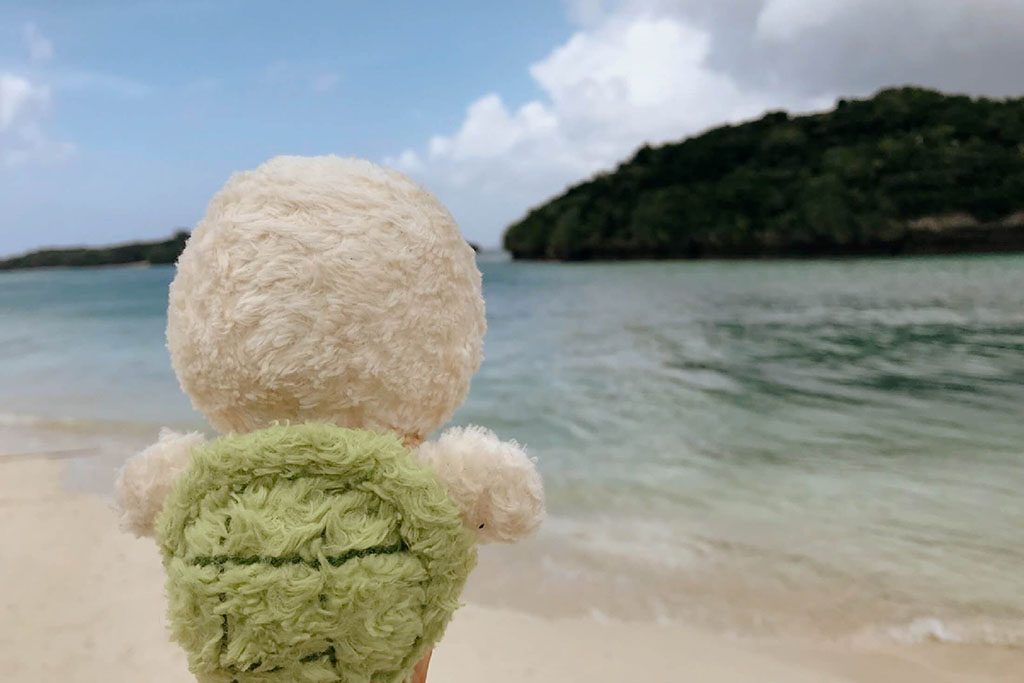
Sustainability is no longer a niche. It’s a buyer expectation—especially in Europe and premium channels.
- Recycled polyester (rPET) in fiberfill and sometimes shells reduces virgin plastic use; hold certificates by lot.
- OEKO-TEX-certified fabrics signal cleaner chemistry for skin contact.
- Dope-dyed fibers reduce water use and improve colorfastness on some lines.
- Minimal or recyclable packaging: switch to paper bands, recycled cartons, and water-based inks for hangtags.
- Design for longevity: stronger seams, repair/refill options, and classic colors that age well.
- Process control: consolidate trims, optimize cutting markers to reduce waste, and use fabric off-cuts for mini accessories where appropriate.
Honest claims only. If you say “recycled,” make sure your shipment includes the actual documentation for that batch. Align hangtag text and web copy with the certificates you hold.
Practical build plan (you can use this week)
- One-page brief: size, age grade, shell fabric, fill grams, pellet grams (if any), facial method, accessories, wash claim, tests, packaging, order size, Incoterm.
- Soft Sample #1 (stock colors): fix silhouette and face balance.
- Soft Sample #2: finalize embroidery density, appliqué edges, pouch seals.
- PPS (PP sample) sealed: confirm BOM, labels, hangtag text, packaging dielines.
- AQL plan: General II; Major 2.5 / Minor 4.0; checkpoints at IQC → in-line (~30%) → FRI (≥80% packed).
- Lab tests tied to lots: EN71/ASTM/CPSIA/REACH as required; re-test on dye/trim change.
- Content & SEO: texture close-ups, scale-in-hand, face detail, and packaging photo; listing title “Plush Toy (Soft Toy)” with animal/character and size.
Follow this sequence and your plush composition will be clear, testable, and repeatable across runs.
Conclusion
A plush toy is more than fabric and fiberfill. It’s a carefully engineered system of shell, filling, and hidden structures—stitched with strength, tuned for comfort, and certified for safety. When you choose the right fabric, balance the fill, double-pouch pellets, and align all claims with real test reports, you get a product that feels premium, passes audits, and earns repeat sales.
At Kinwin, we turn briefs into sealed PPS and on-time mass production with EN71/ASTM/CPSIA compliance, stable quality, and clean logistics. Email [email protected] or visit kinwintoys.com to plan your next plush line and see how our factory can support your success.