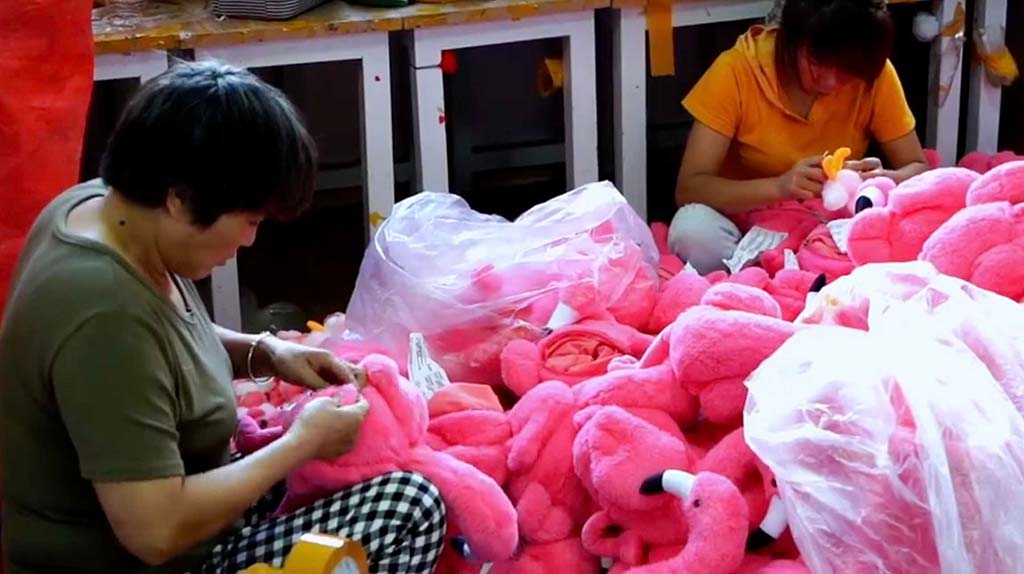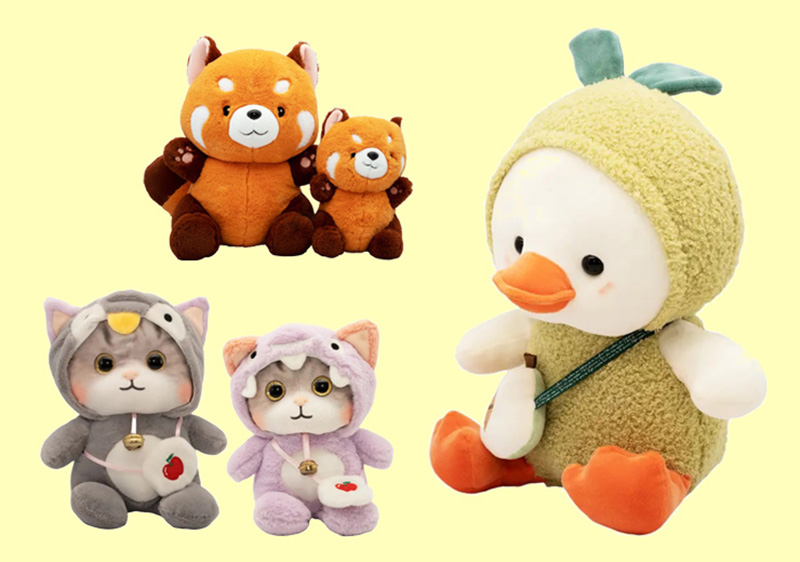
I’m Amanda from Kinwin. I help brands, retailers, and e-commerce sellers design and manufacture plushies that are soft, safe, and ready for global markets. This guide explains what a plushie is, how it differs from other soft toys, which materials and standards matter, how we turn a concept into a PPS (Pre-Production Sample), and how QA and logistics shape MOQ, lead time, and landed cost.
What defines a “plushie” in terms of materials, construction, and intended use?
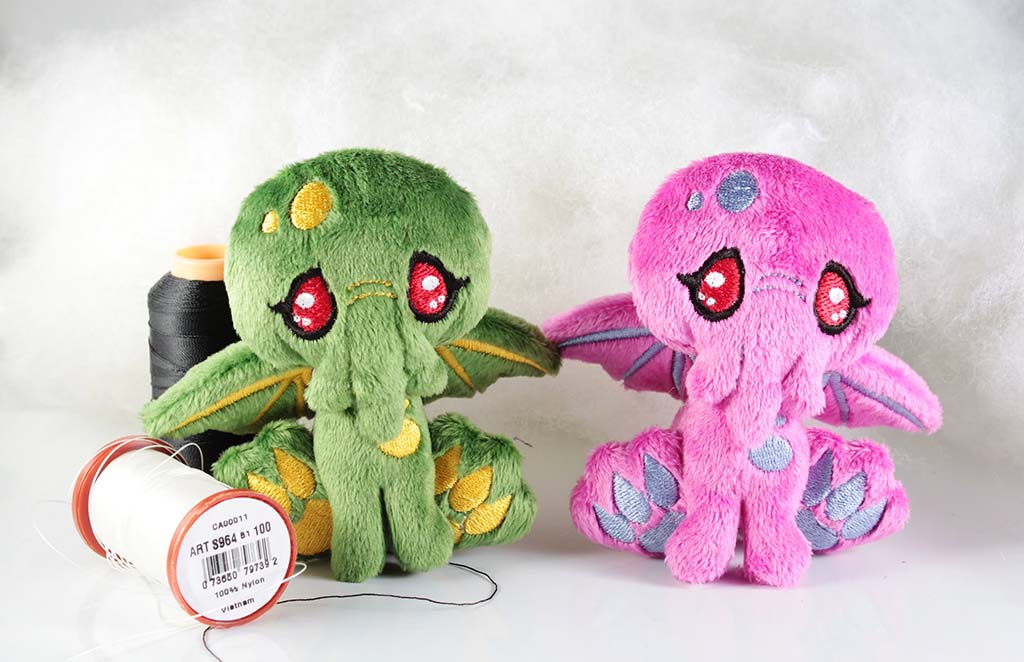
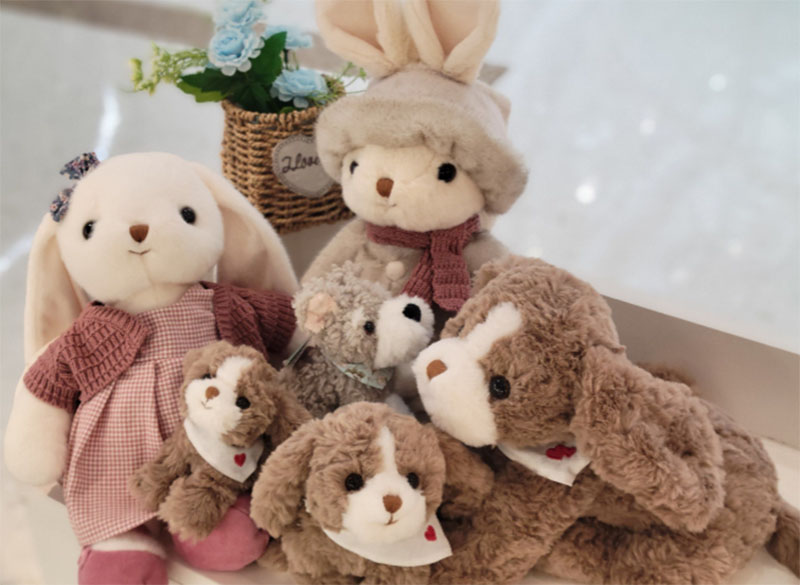
A plushie is a soft textile toy made with pile fabrics (like minky, velboa, faux fur) and soft fillings (polyester fiberfill, foam pieces, or sealed pellets). Construction uses patterned panels, seam allowances, and reinforced stress points (bar-tacks at arms/legs). Plushies are made for comfort, play, and gifting; many lines also serve collectors and sensory/weighted needs.
Typical construction
- Outer: short- or long-pile plush (150–400 gsm), trimmed around eyes/mouth for clean features
- Inner: hollow/solid polyester fiberfill; optional inner pouches for pellets
- Seams: lockstitch or overlock; ladder stitch for hidden closing after stuffing
- Safety: embroidered faces for baby lines; secure attachments for any small parts
How do plushies differ from stuffed toys, dolls, and soft sculptures across market segments?
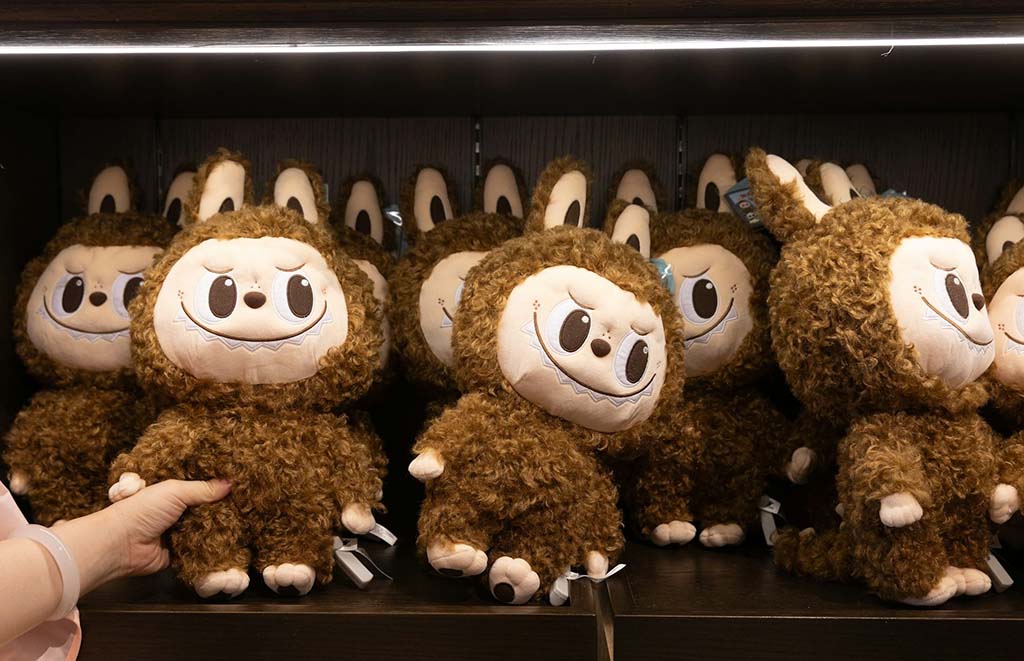
“Plushie” usually implies premium hand-feel and modern character styling. “Stuffed toy” is a broader term, often more functional and cost-driven. “Dolls” prioritize humanoid features, clothing, and role-play. “Soft sculptures” target art/collector audiences.
Comparison across segments
| Item Type | Typical Fabrics | Core Feel/Look | Common Audience | Price Position |
|---|---|---|---|---|
| Plushie | Minky, velboa, faux fur | Very soft, rounded features | Kids, teens, collectors | Mid to premium |
| Stuffed Toy | Basic plush, cotton blends | Sturdier, simpler shapes | Mass retail, promos | Value to mid |
| Doll (soft) | Tricot/cotton knit + plush | Human features, outfits | Role-play, gifts | Mid to premium |
| Soft Sculpture | Artist textiles, mohair | Detailed, display-oriented | Adult collectors | Premium to luxury |
Takeaway: If your brand message is comfort + cute + collectibility, you want a plushie approach to materials, shaping, and finishing.
Which fabric types, fillings, and safety standards determine softness, durability, and compliance?
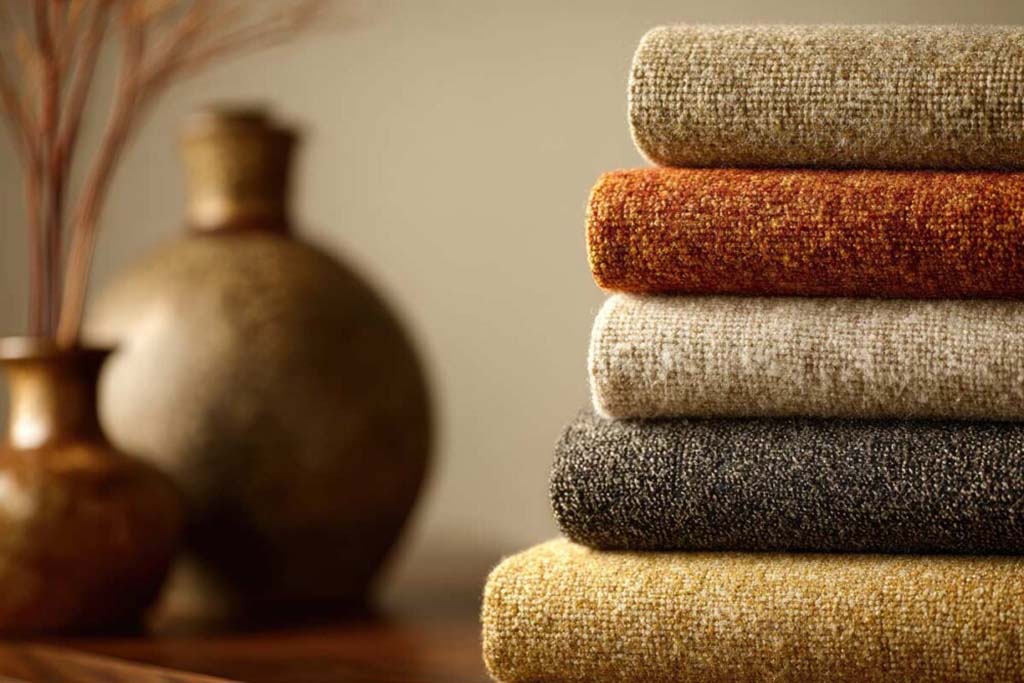
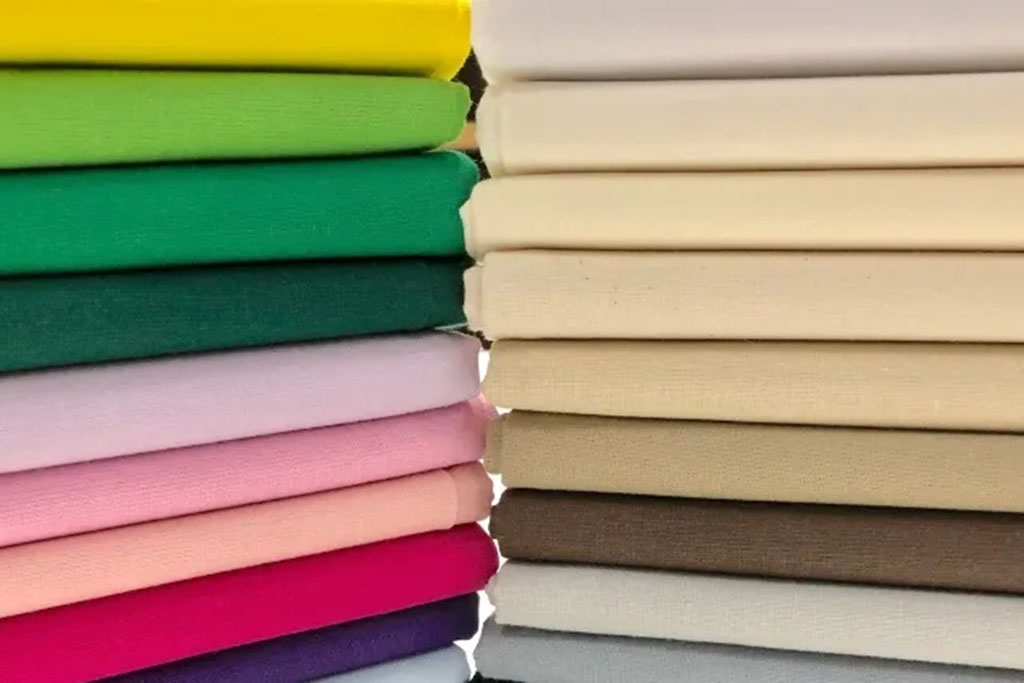
Fabric choices (outer shells)
| Fabric | Hand-Feel | Typical Use | Notes |
|---|---|---|---|
| Minky (short pile) | Ultra-soft, smooth | Baby/toddler plushies | Often OEKO-TEX options |
| Velboa (short pile) | Soft, durable | Everyday retail | Good price/quality balance |
| Faux fur (long pile) | Fluffy, premium | Collector/display | Needs careful trimming |
| Sherpa/boa | Cozy, textured | Seasonal/gift plush | Watch pile shedding in wash |
| Woven cotton | Matte, breathable | Hybrid/doll details | Reinforce seams for durability |
Filling options
| Filling | Benefit | Caution | Best For |
|---|---|---|---|
| Hollow poly fiberfill | Lofty, very soft | Can compress if over-packed | Baby and comfort lines |
| Solid poly fiberfill | Shape retention | Slightly firmer touch | Standard retail plushies |
| Foam chips | Structure support | Use inner pouches | Display/poseable parts |
| Plastic pellets | Weight & grounding | Always double-pouch | Weighted/sensory plush |
Safety and compliance (by destination)
| Region | Core Standards | What You Keep on File |
|---|---|---|
| EU | EN71-1/2/3, REACH; CE DoC | 3rd-party lab reports + signed CE Declaration |
| USA | ASTM F963, CPSIA (lead, phthalates), CPC + tracking label | 3rd-party lab reports + CPC per lot |
| Other | Often aligns with ISO 8124; retailer add-ons (e.g., OEKO-TEX) | Relevant certificates per fabric lot |
Best practice: tie test reports to actual fabric/fill lots; re-test if dye lot or trims change.
How are design, patterning, and prototyping workflows executed from concept to PPS sample?
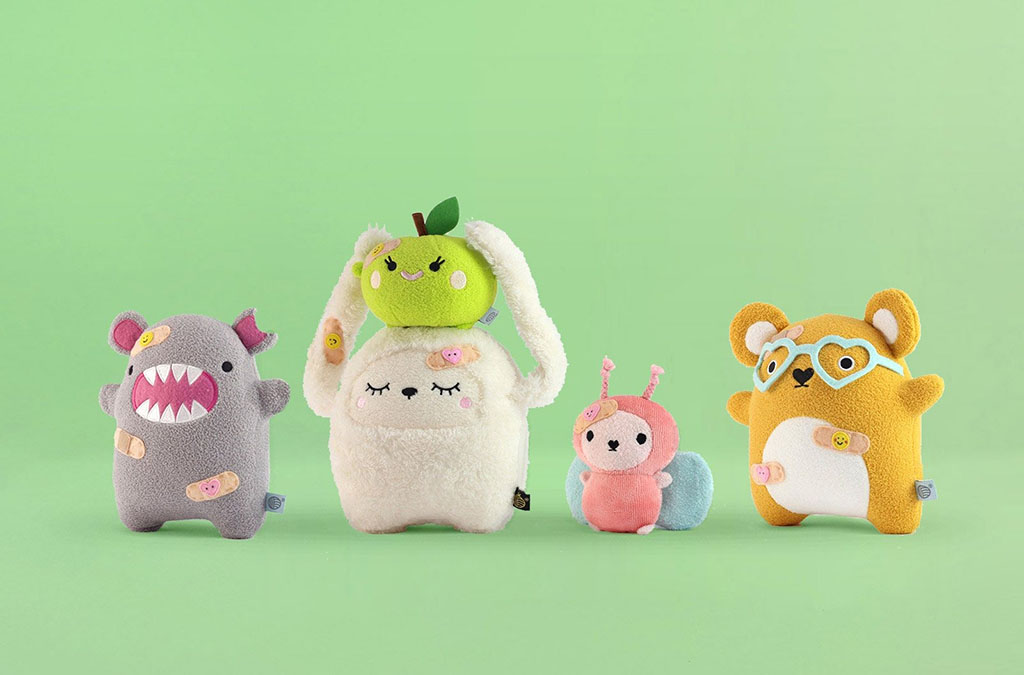
We move from idea → patterns → soft sample → iterations → PPS with clear checkpoints and simple documents.
Concept-to-PPS workflow (typical)
| Stage | Output | Time Guide* | Key Checks |
|---|---|---|---|
| Brief & sketches | One-pager + reference images | 1–2 days | Target age, size, materials |
| Patterning | Paper/ digital patterns | 1–3 days | Proportions, seam allowance |
| Soft sample #1 | First sewn sample (stock colors) | 7–12 working days | Silhouette, feel, symmetry |
| Revisions | Markup list + changes | 2–4 days | Face balance, stuffing weight |
| Soft sample #2 | Revised sample | 5–8 working days | Accessories, embroidery clarity |
| PPS (PP sample) | Sealed pre-production sample | 5–8 working days | Lock BOM, trims, packaging |
*Time varies by season and complexity.
Tips to save time
- Approve silhouette first with stock fabrics
- Lock color/fabric after shape is right
- Use a simple Tech Pack with face artwork at 1:1 scale
What customization options (embroidery, appliqué, accessories, packaging) enhance brand value at scale?
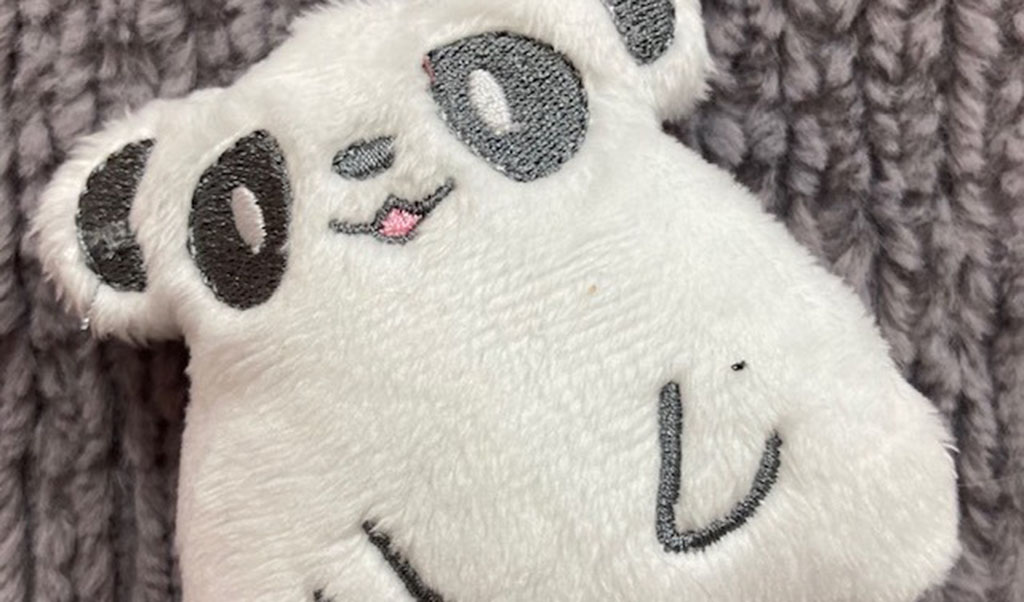
Customization drives brand recognition and repeat purchases. Choose options that are safe, durable, and easy to reproduce.
Brandable options and impact
| Option | Value Add | Notes for Scale |
|---|---|---|
| Embroidery (eyes, mouth, logo) | Safe for babies; premium look | Provide vector art + Pantone |
| Appliqué panels | Texture contrast; visual depth | Requires neat edge stitching |
| Accessories (hats, scarves, outfits) | Collectibility; seasonal refresh | Test strength; bar-tack stress points |
| Pellet weighting | Sensory comfort; better posture | Use sealed inner pouches |
| Hangtags/boxes | Giftability; shelf impact | Align barcode & retailer specs |
| Limited colors/editions | Urgency; collector appeal | Plan dye lots to control MOQ |
Packaging matters. A simple card + hangtag boosts gifting and helps marketplace listings. For e-commerce, protect pile with polybag + tissue and keep carton weights ergonomic (12–16 kg).
How do QA plans, certifications, and logistics influence MOQs, lead times, and landed cost?
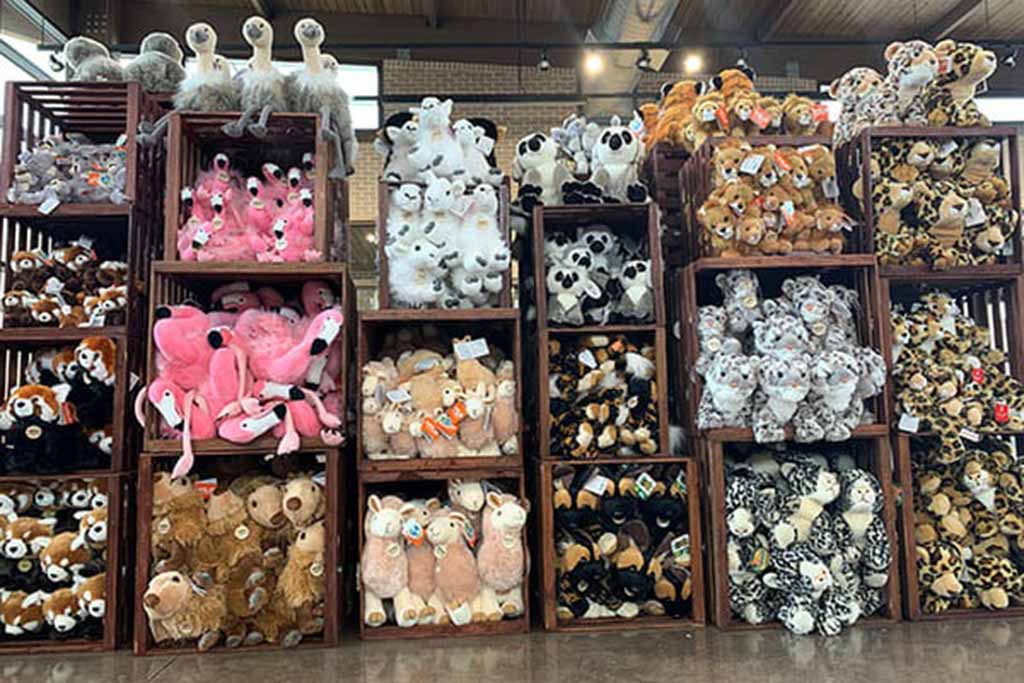
QA and logistics decisions upstream will set your MOQ, calendar, and true cost.
QA plan (set before production)
| Element | Plushie Baseline | Why It Matters |
|---|---|---|
| AQL | General II; Major 2.5 / Minor 4.0 | Balances speed and risk |
| Checkpoints | IQC → In-line (~30%) → FRI (≥80% packed) | Catches issues early |
| Golden sample | Sealed and signed | Stops spec drift |
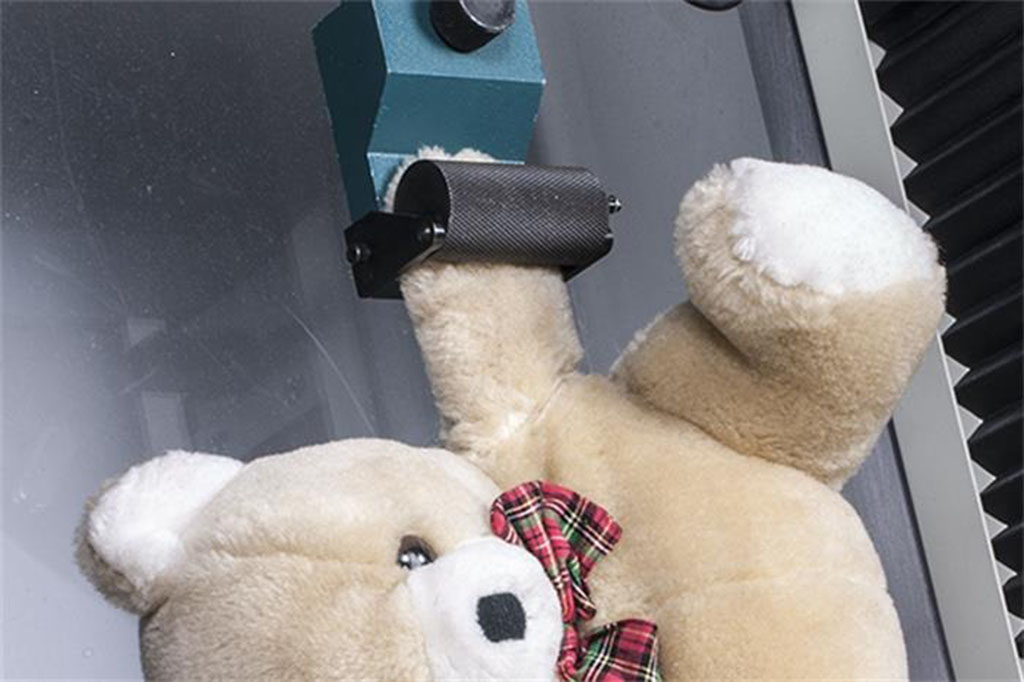
| Tests | EN71/ASTM/CPSIA tied to lots | Legal + retailer compliance |
| Records | Lot IDs, COAs, photos | Traceability for audits |
MOQ & timing drivers
| Driver | Effect on MOQ | Effect on Lead Time |
|---|---|---|
| Custom-dyed plush | ↑ (fabric mill minimums) | +10–15 days (lab dips) |
| Stock colors | ↓ (pilot runs possible) | Faster soft samples |
| Heavy embroidery | Neutral–slight ↑ | +2–5 days (digitizing/proofs) |
| Accessories/sets | ↑ if custom trims | +3–7 days (vendor sync) |
Incoterms and landed cost
| Term | Factory Price Includes | Buyer Still Handles |
|---|---|---|
| EXW | Goods at factory gate | All export, freight, import, last mile |
| FOB | Export clearance + on board | Freight, destination charges, import |
| CIF | FOB + sea freight + insurance | Destination charges, last mile |
| DDP | Duties/taxes + delivery (scope varies) | Verify what’s truly included |
HS code for plush toys often falls under 9503 (confirm sub-code by construction). Hidden costs: destination port fees, customs exams, relabeling at 3PL, remote area surcharges, ISTA drop-test packaging upgrades.
Practical checklist (use this week)
- Write a one-page brief (size, target age, fabrics, fill, tests, packaging, order size, Incoterm).
- Approve silhouette with stock fabrics first; lock colors later.
- Seal a golden sample and keep a copy at the factory.
- Tie lab reports to real fabric/fill lots; re-test when lots change.
- Fix AQL and inspection windows in the PO; book FRI.
- Confirm carton map, barcode format, and weight limits with your 3PL.
- Choose FOB for control or DDP for simplicity (verify inclusions).
- Track defects/returns; update the Tech Pack for the next run.
Conclusion
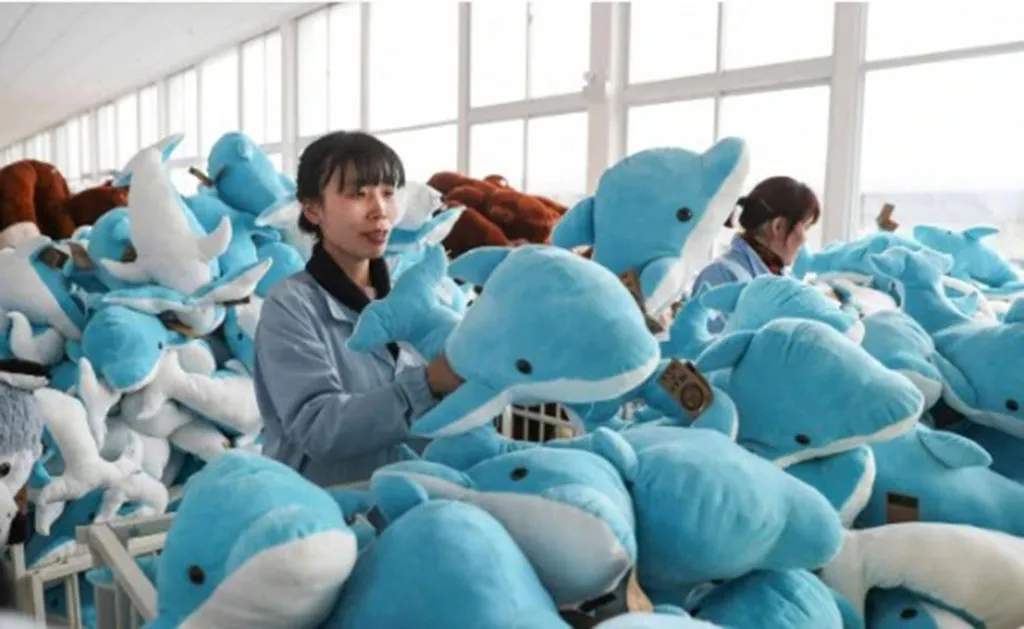
A great plushie is soft, safe, and consistent—and it tells a brand story customers remember. At Kinwin, we turn your idea into a sealed PPS and then mass production with EN71/ASTM/CPSIA compliance, steady QA, and clear logistics. Email [email protected] or visit kinwintoys.com to discuss your next plushie project and see how our factory can support your success.