I’m Amanda from Kinwin. I help global buyers source, sample, and mass-produce toys in China with clear standards, predictable timelines, and clean paperwork. This guide explains where to find verified manufacturers, how to evaluate their capability, which certifications matter, what to expect for sampling and MOQ, how to negotiate, and how to manage quality, logistics, and long-term cooperation.
What are the main sourcing channels to find verified toy manufacturers in China?
Use more than one channel. Cross-checks reduce risk and improve speed.
Core channels
- B2B marketplaces (Alibaba, 1688 for local checks): Fast discovery, filter by certifications, request samples quickly. Validate off-platform before PO.
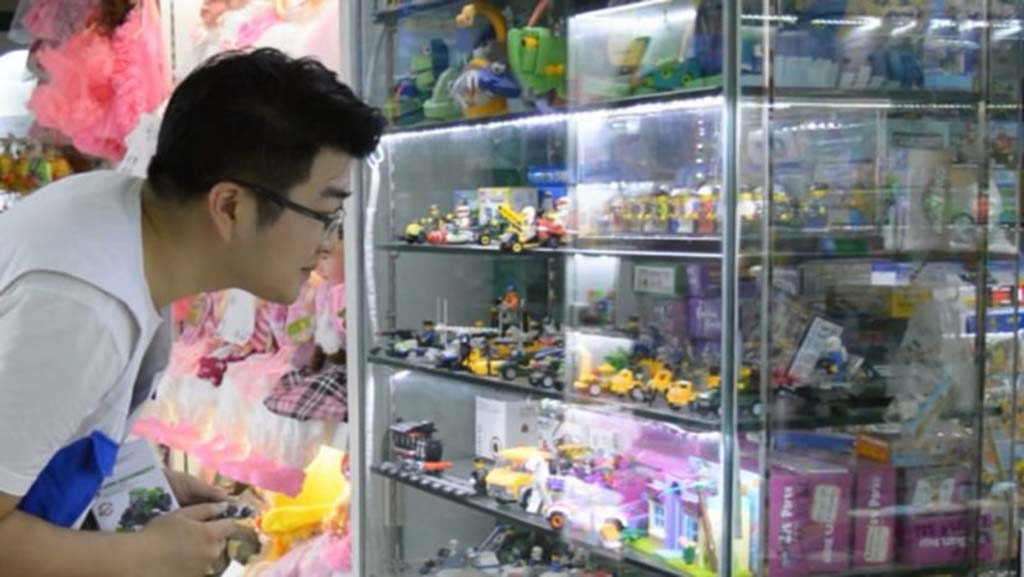
- Trade shows (Canton Fair, CTE China Toy Expo, Shenzhen Gift Show, Spielwarenmesse): Touch samples, meet engineers, confirm capacity.
- Search + social (Google, LinkedIn, TikTok/Douyin): Find factories with case studies and process videos.
- Referrals & associations: Chambers, buyer communities, and brand networks often know reliable, niche suppliers.
- Sourcing agents / third-party QC firms: On-ground audits, factory shortlists, lab test coordination.
Quick comparison
| Channel | Speed | Visibility of real capability | Best use case |
|---|---|---|---|
| B2B marketplaces | Fast | Medium (needs offline checks) | Build longlist, request quotes |
| Trade shows | Medium | High (samples + team) | Shortlist and negotiate |
| Google/LinkedIn | Medium | Medium | Background & reference checks |
| Referrals | Medium | High | Niche categories; faster trust |
| Sourcing agents | Medium | High (on-site) | Turnkey vetting and follow-up |
Action: Build a single RFQ pack (drawings, sizes, materials, tests, target order, Incoterm). Send the same pack to all candidates so quotes are comparable.
How can buyers evaluate a manufacturer’s production scale, specialization, and export experience?
Ask for evidence, not promises.
Scale
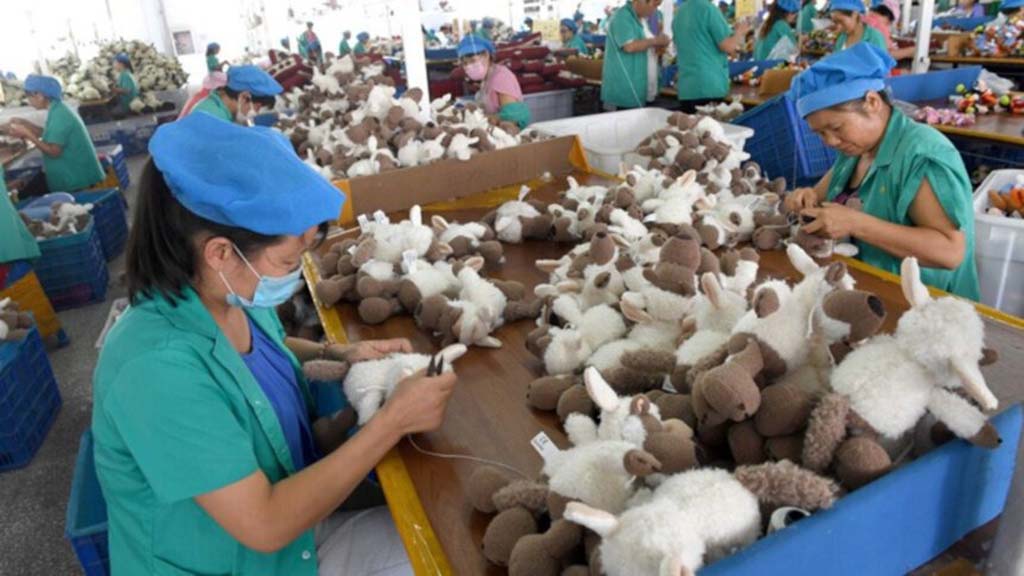
- Sewing lines, embroidery heads, daily output per line, peak-season plan.
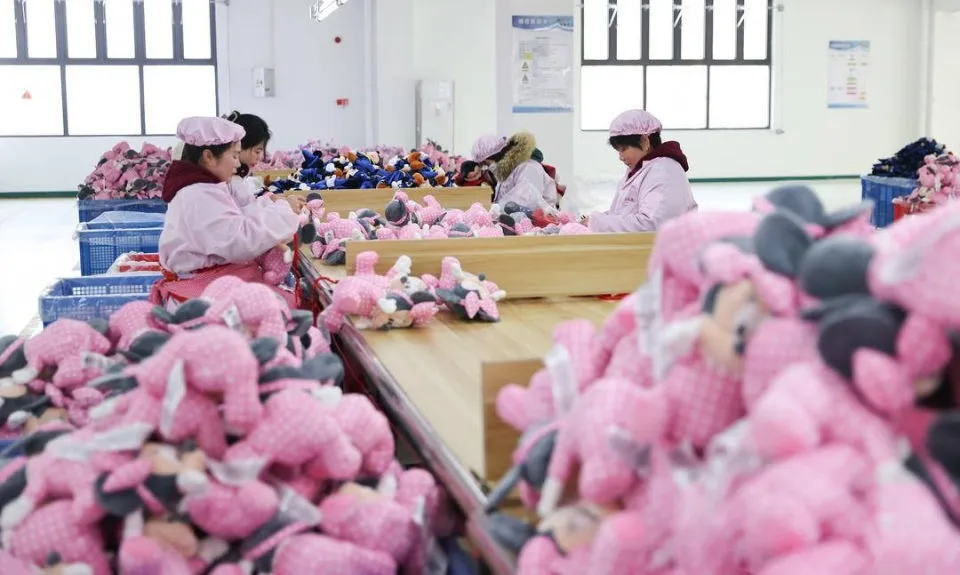
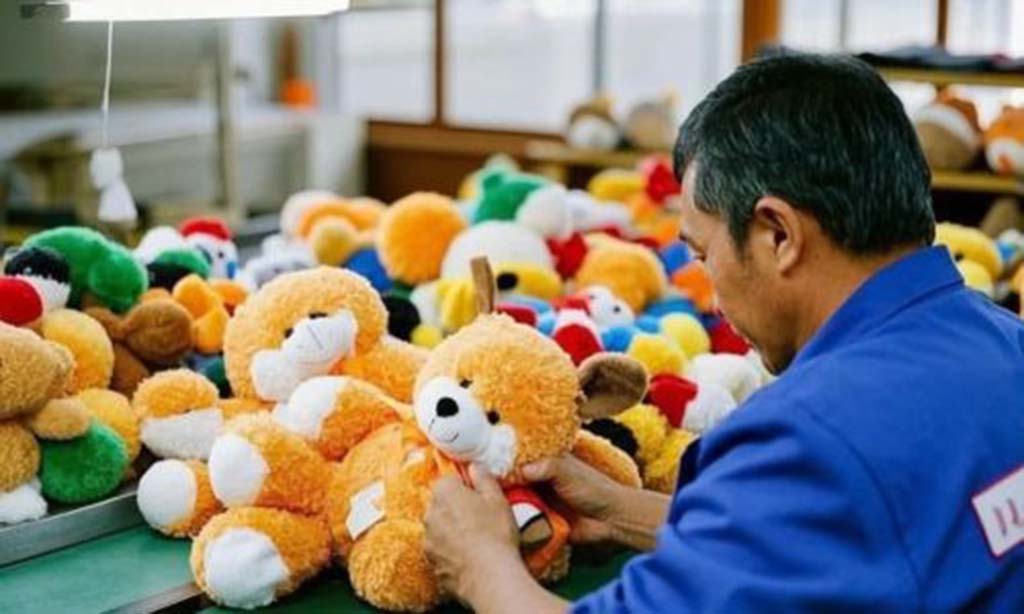
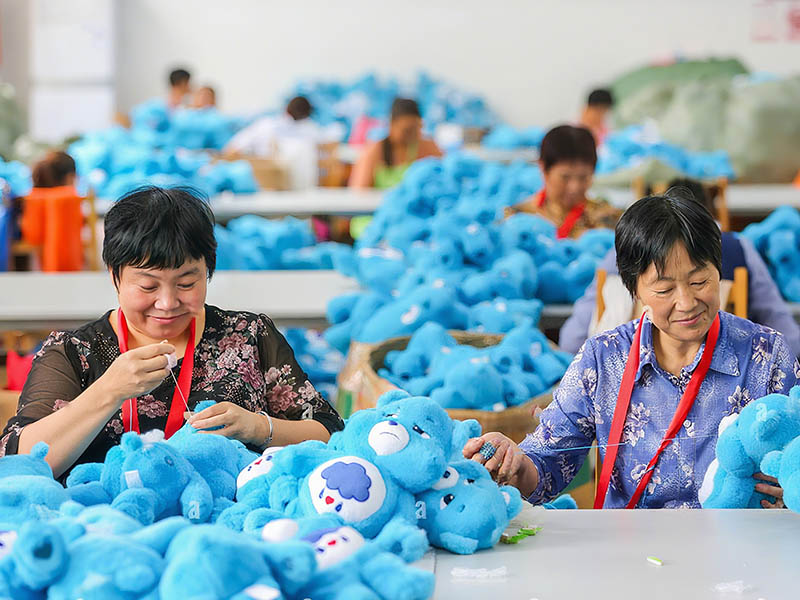
- Photos/videos of cutting, sewing, stuffing, QC, and packing areas.
- Production calendar with line allocation for your order.
Specialization
- Category focus (plush, plastic, electronic, educational) and age grades.
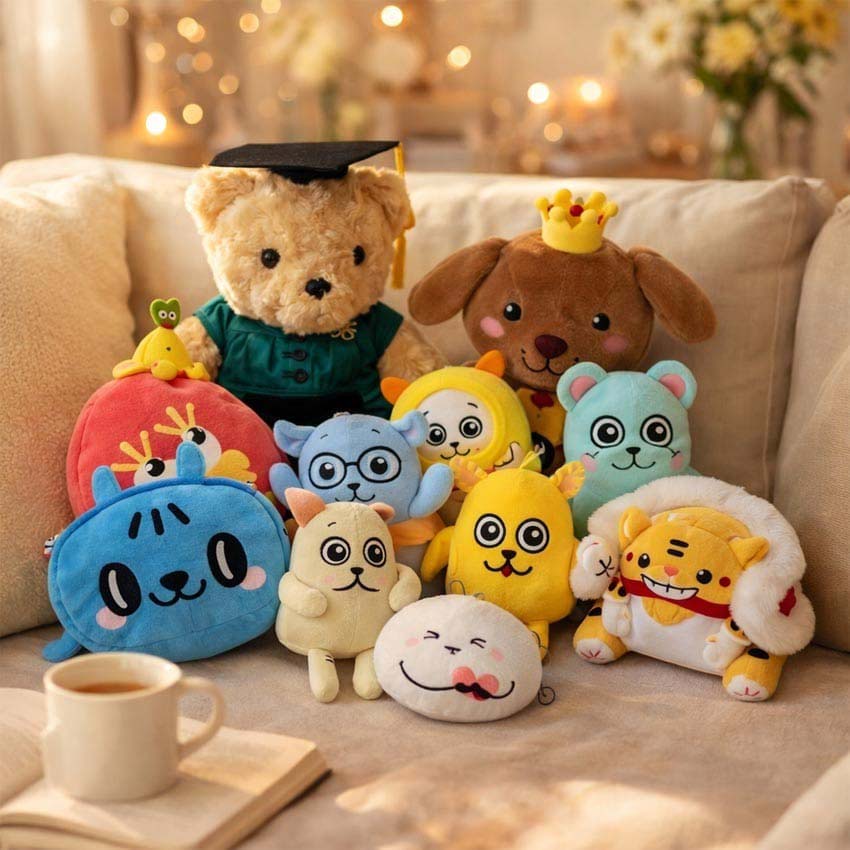
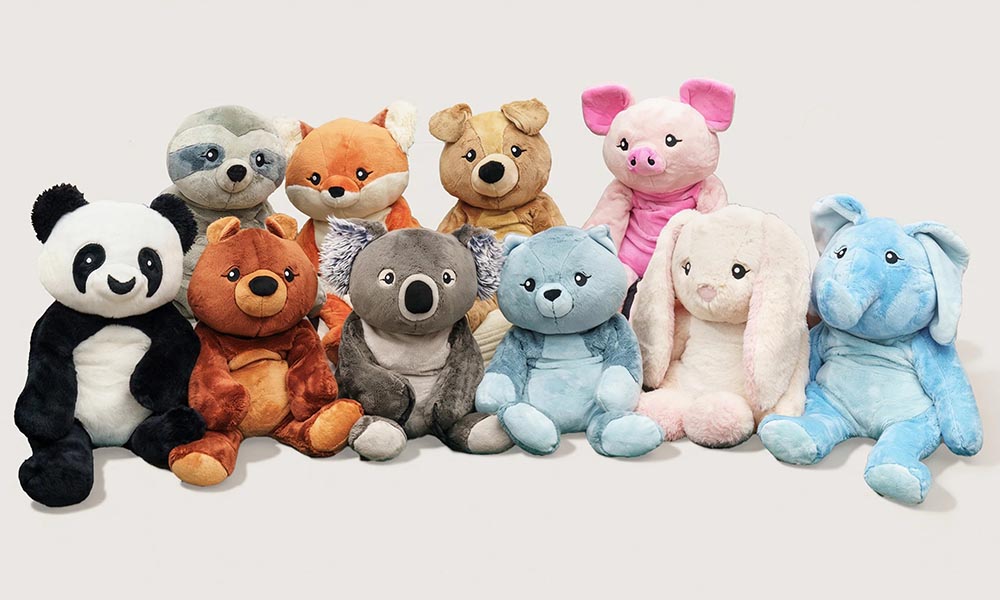
- Samples that match your segment (baby plush, licensed characters, weighted sensory toys, etc.).
- Process strengths: embroidery, applique, complex patterning, pellet pouches, sound modules.
Export experience
- Top markets served (US/EU/JP/KR/ME), Incoterm fluency (FOB/CIF/DDP).
- Example PIs/packing lists, HS code knowledge, carton specs, pallet plans.
- English-speaking merchandisers; 24–48h reply habit.
Scorecard (100 points)
| Area | Criteria | Points |
|---|---|---|
| Scale | Lines, throughput, peak plan | 25 |
| Specialization | Samples match your category | 25 |
| Export readiness | Documents, Incoterms, HS codes | 20 |
| Traceability | Golden sample, lot IDs, COAs | 15 |
| Communication | Clear answers, on-time replies | 15 |
Target ≥80 before issuing any PO.
Which certifications and compliance standards are essential for Chinese toy factories?
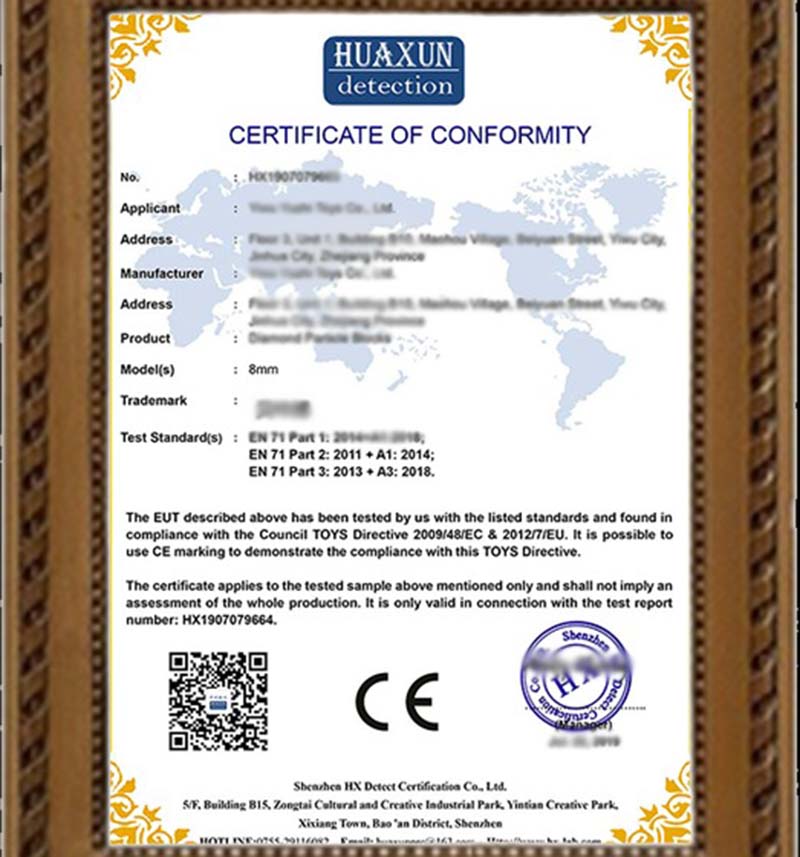
Match standards to selling markets and age grades.
Product safety
- EU: EN71-1/2/3, REACH; supplier issues CE Declaration of Conformity.
- US: ASTM F963, CPSIA (lead, phthalates) + CPC & tracking label.
- Other: ISO 8124 (many regions align); country-specific add-ons as needed.
Factory / social
- BSCI or SEDEX/SMETA for social compliance (often buyer-driven).
- Helpful systems: ISO 9001 (quality), ISO 14001 (environment).
What to keep on file (per SKU/lot)
| Framework | You should hold | Renew when |
|---|---|---|
| EN71 / CE DoC | 3rd-party lab report + signed DoC | Material/process changes |
| ASTM F963 | 3rd-party lab report | Design/material changes |
| CPSIA | 3rd-party report + CPC | Each children’s lot |
| BSCI/SEDEX | Current audit summary | Per audit cycle |
| OEKO-TEX/REACH (if claimed) | Certificates per fabric lot | New dye/fabric lots |
Tip: Tie reports to specific fabric/fill lots. If a dye lot changes, re-test the affected items.
How do sampling, prototyping, and MOQ policies differ among Chinese manufacturers?
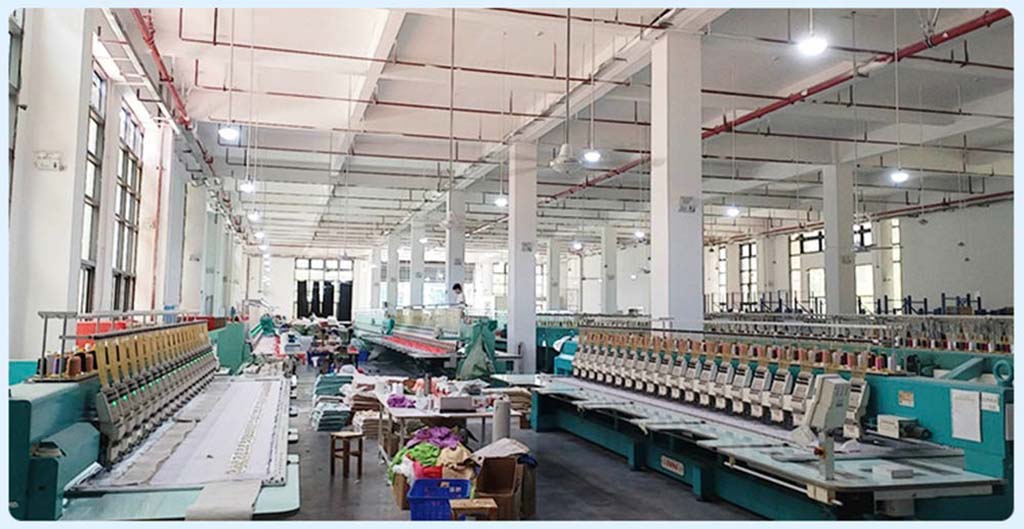
Capabilities and material choices shape MOQs and timelines.
Typical ranges (plush example)
- Sample lead time: 7–12 working days (stock fabrics); +10–15 days for custom dyeing.
- PP (pre-production) sample: 5–8 working days after revisions.
- Mass production: 25–45 days after PP approval (season and complexity matter).
MOQ drivers
- Custom-dyed plush/minky: fabric mill MOQ per color (often 500–1,000 m) → 300–1,000 pcs/SKU.
- Stock colors: pilots as low as 100–300 pcs.
- Custom trims/labels: printers may require 1,000–3,000 pcs per design.
Process impacts
| Feature / Choice | Effect on MOQ | Effect on lead time |
|---|---|---|
| Custom dye lots | Increases (fabric mill rules) | +10–15 days (lab dips & bulk) |
| Heavy embroidery/applique | Neutral–slight increase | +2–5 days (digitizing/proofs) |
| Weighted pellets / sound chips | Neutral | +2–5 days (pouch tests, QC) |
| Complex packaging | Neutral–increase | +3–7 days (vendor coordination) |
Advice: Approve silhouette with stock fabrics first. Lock color later. This shortens development time and reduces costly rework.
What negotiation and communication strategies help build reliable supplier relationships?

Be precise, be fast, be fair.
Before price
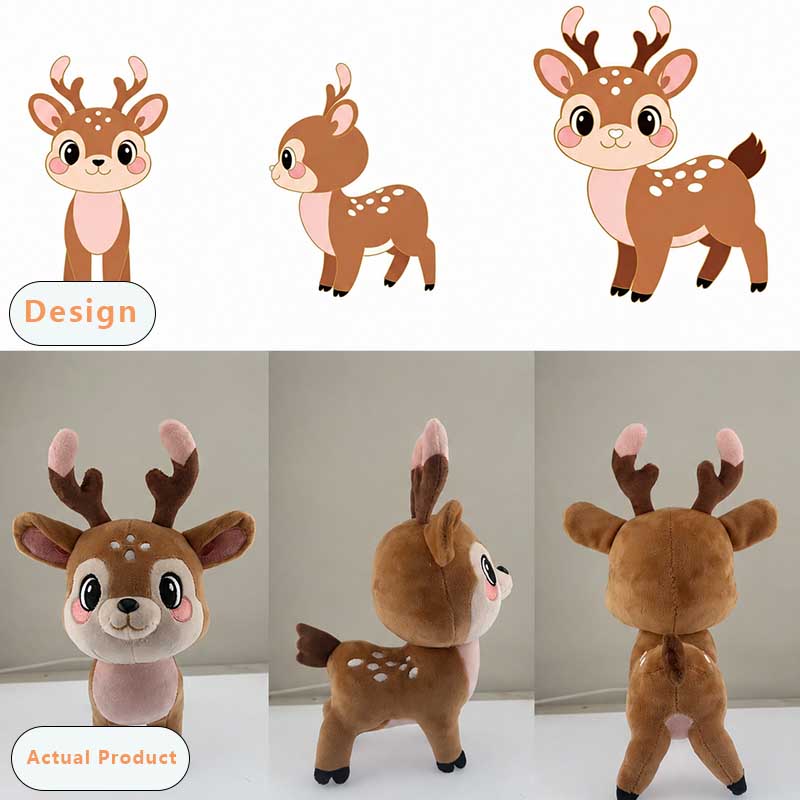
- Send a clean Tech Pack: measurements, materials, trims, stitch specs, tolerances, tests, packaging.
- State Incoterm (FOB/CIF/DDP), target quantity, ship window, inspection plan, and lab tests.
During negotiation
- Compare BOM-level pricing (fabric GSM & width, fill grams, trim specs).
- Ask for alternatives (stock fabric vs custom; embroidery vs print) to hit price without hurting safety.
- Tie payments to milestones: deposit → PP approval → in-line pass → FRI pass → shipment.
Communication rules
- Use one channel for speed (email + WeChat for urgent).
- Expect 24–48h responses with concrete answers, photos, markups.
- Hold a weekly 20-minute call during sampling and production; log actions and owners.
Useful asks
- Production Gantt with line allocation.
- Weekly photo/video from cutting, sewing, fill, and packing.
- Early risk flags (fabric delays, embroidery issues) and proposed fixes.
How can buyers manage quality control, logistics, and long-term cooperation with Chinese toy manufacturers?
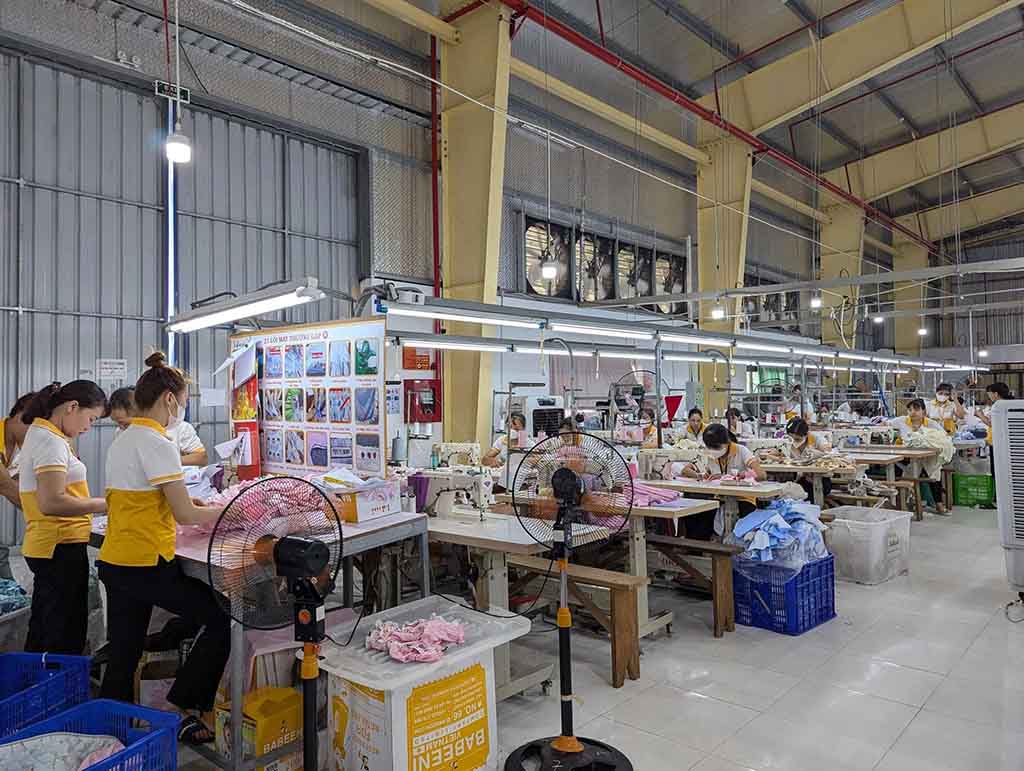
Quality control
Set the QC model before production.
- AQL baseline: General Level II, Major 2.5 / Minor 4.0 (tighten for infant lines).
- Checkpoints:
- IQC: incoming fabric/fill vs COA.
- In-line inspection at ~20–30% sewn.
- FRI (Final Random Inspection) at ≥80% packed.
- Tests: seam strength pulls, pellet-pouch leakage, 3 wash cycles, colorfastness to rub/saliva (for baby).
- Golden sample: signed, dated, sealed; one with factory, one with buyer.
QC structure
| Stage | Owner | Output |
|---|---|---|
| IQC (incoming) | Factory QC | Lot check & quarantine if fail |
| In-line | Factory + 3rd party (optional) | Photos + defect log |
| FRI | 3rd party (SGS/Intertek/BV/TÜV) | Pass/fail report |
| Lab tests | 3rd-party lab | Reports tied to lot IDs |
Logistics
Pick the right Incoterm and prepare documents early.
- Incoterms: EXW/FOB/CIF/DDP (define what’s included).
- HS code: toys commonly 9503 (confirm full code).
- Cartons: ECT/BCT rating, max weight (12–16 kg), carton map, pallet plan.
- Tests: ISTA 1A/2A drop tests if required by retailer/3PL.
- Consolidation: combine SKUs/vendors at a hub to improve container fill and reduce cost.
- DDP caution: confirm what the quoted DDP covers (duties, VAT, remote surcharges, delivery attempts).
Long-term cooperation
Treat the factory as a partner.
- Forecasts: share quarterly demand; pre-book raw materials for key SKUs.
- Vendor scorecard: quality, on-time, communication, CAPA; review quarterly.
- Continuous improvement: reduce defects with root-cause actions, lock learnings into specs.
- IP protection: use NNN (Non-use, Non-disclosure, Non-circumvention); define ownership of patterns, embroidery files, and molds; limit subcontracting without approval.
10-Step action plan (you can start this week)
- Build one RFQ pack with drawings, materials, tests, order size, and Incoterm.
- Shortlist via two channels (e.g., Alibaba + trade show list).
- Run the 100-point factory scorecard; keep top 3.
- Order pilot samples with stock fabrics; test seams, wash, color rub.
- Lock materials and tie lab reports to lots.
- Approve PP sample; freeze changes with a change-order form.
- Fix AQL and inspection windows in the PO.
- Set milestone payments tied to PP, in-line pass, FRI pass.
- Prepare carton maps, labeling, and pre-alert docs for your 3PL.
- After delivery, review defects/returns and update the Tech Pack.
Follow this path and your China toy program will move faster, with fewer surprises and stronger margins.
Conclusion
Finding a toy manufacturer in China is simple when you use the right channels, verify real capability, and lock clear standards for quality, compliance, and delivery. At Kinwin, we help global buyers design, sample, test, and ship toys that meet EN71/ASTM/CPSIA requirements—on time and on budget. Contact [email protected] or visit kinwintoys.com to discuss your next project and see how our factory can support your success.