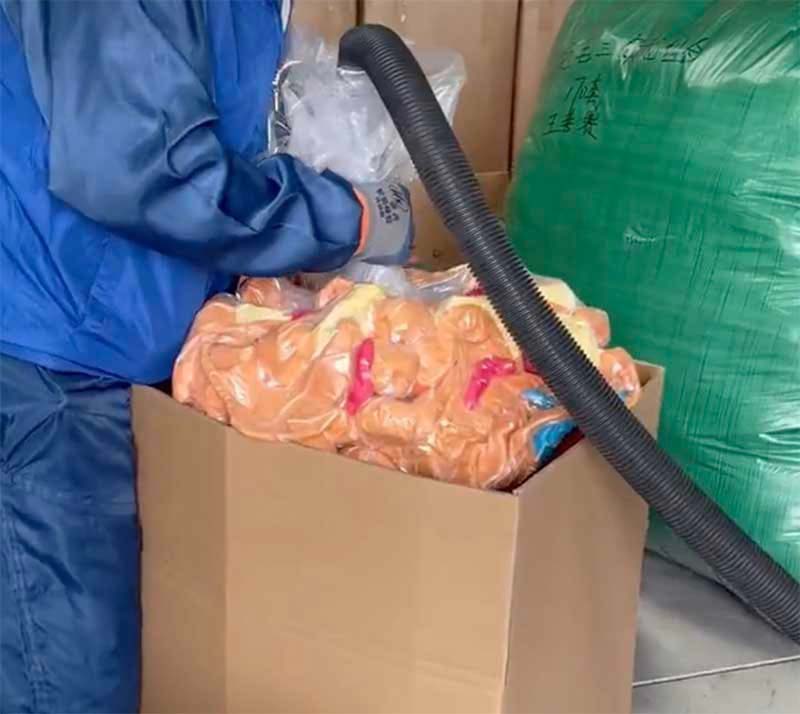
I’m Amanda from Kinwin. I help global buyers source, design, and manufacture plush toys in China with reliable quality, clear compliance, and predictable lead times. This guide explains how to judge factory performance, what certifications to ask for, how OEM/ODM capabilities affect MOQs and schedules, what pricing models hide in the fine print, how to structure inspections and lab tests, and how to protect IP while moving goods smoothly across borders.
What defines a high-performing China plush toy manufacturer in terms of scale, specialization, and export readiness?
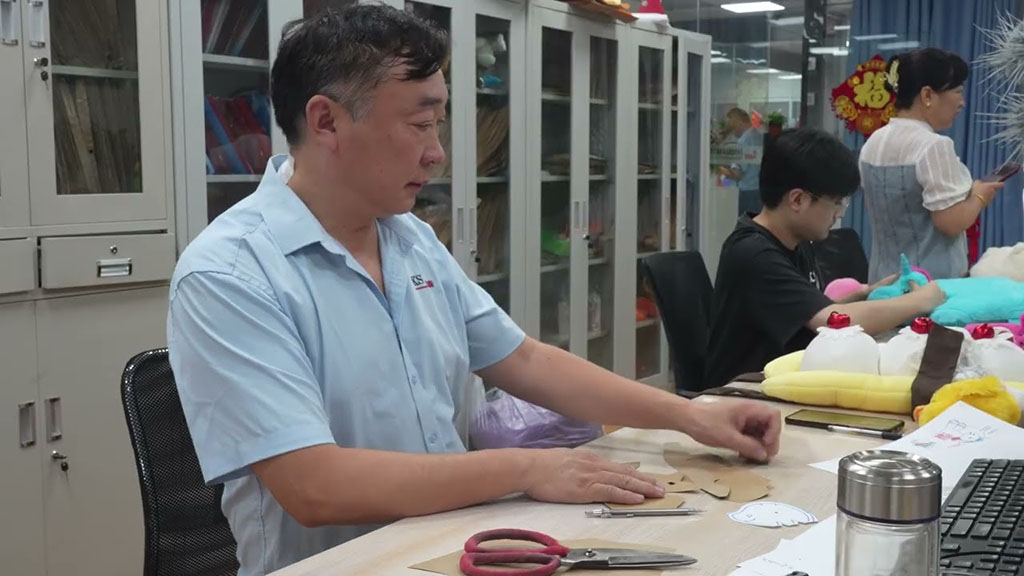
A top factory is not only big. It is focused, documented, and export-ready. Look for measurable signals you can verify during due diligence.
What I check first
- Scale that matches your plan: monthly capacity, sewing lines, stuffing stations, and peak-season throughput.
- Specialization: baby plush vs. collectibles; embroidery strength; applique skills; weighted/sensory know-how.
- Export readiness: English-speaking merchandisers, clear POs, HS code familiarity, carton specs, and stable forwarders.
- Documentation discipline: tech packs, revision logs, pre-production (PP) sample sign-offs, batch records.
- Traceability: fill/fabric batch IDs, labels, and retained “golden samples.”
- After-sales posture: willingness to rework, spare labels/hangtags, and structured CAPA (corrective action).
Quick scorecard
| Criterion | What “good” looks like | Red flags |
|---|---|---|
| Capacity & lines | Transparent monthly output; peak plan | Vague “we can do it” answers |
| Specialization | Samples match your segment | One showroom sample for everything |
| Export readiness | Clean PI/PO flow; Incoterms fluency | Confusion over FOB/DDP roles |
| Documentation | Versioned tech packs, PP seals | No change logs, verbal approvals |
| Traceability | Retained golden sample; lot IDs | “We’ll remember” culture |
| Customer service | Written CAPA and timelines | “Don’t worry” with no plan |
Which compliance frameworks (EN71, ASTM F963, CPSIA, CE, BSCI/SEDEX) are critical, and how do factories document conformity?
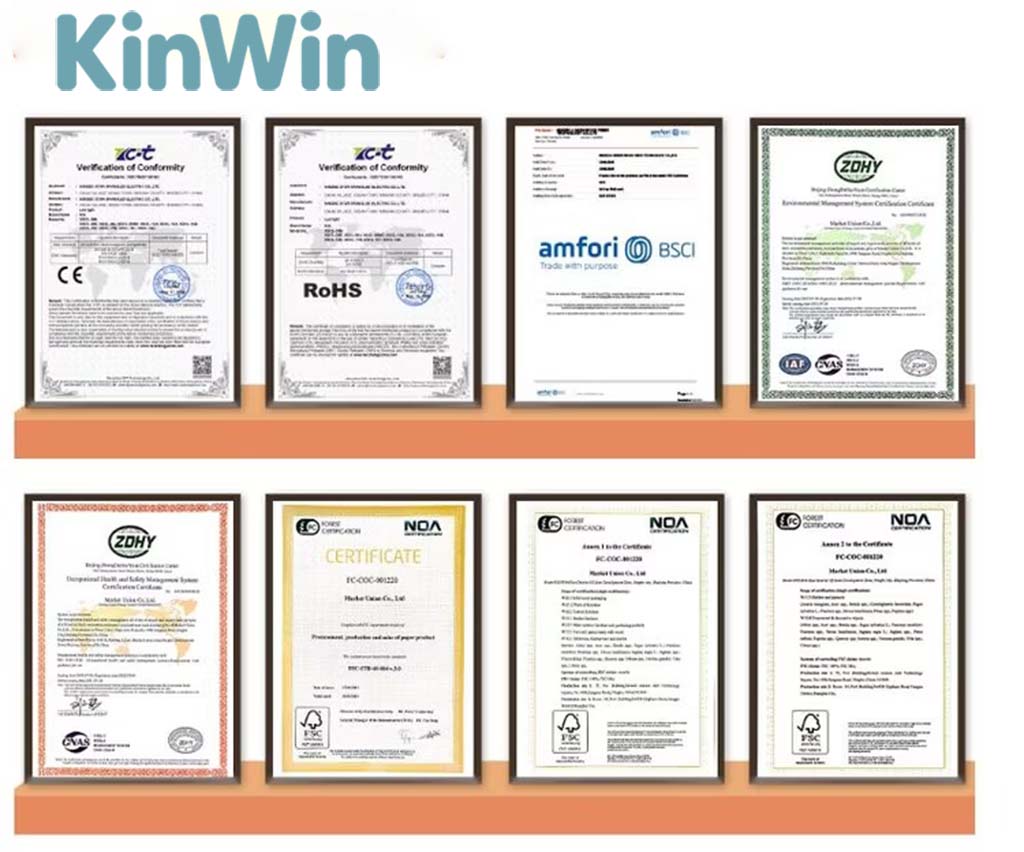
Compliance is not a logo on a box. It is test reports + declarations + audited processes.
Essentials to align by market
- EU: EN71-1/2/3; REACH; CE declaration.
- US: ASTM F963, CPSIA (lead, phthalates), Children’s Product Certificate (CPC); tracking label.
- Retailer add-ons: OEKO-TEX fabric claims, heavy-metal limits for trims, and retailer-specific protocols.
- Social/ethical: BSCI or SEDEX/SMETA audit summaries (buyer-driven but useful).
What you should receive (per SKU/lot)
| Framework | What it covers | Factory documents you should keep | When to renew |
|---|---|---|---|
| EN71 (EU) | Mechanical, flammability, chemicals | Third-party lab report + DoC (CE) | When material/process changes |
| ASTM F963 (US) | Mechanical & physical | Third-party lab report | When design/material changes |
| CPSIA (US) | Lead/phthalates; tracking | Lab report + CPC | Each children’s product lot |
| CE DoC (EU) | Supplier declaration | Signed DoC listing standards | Each model/version |
| BSCI/SEDEX | Social/ethical audit | Valid audit summary & corrective plan | Per audit cycle |
Good practice: tie test reports to specific fabric/fill lots. If you swap a dye lot or switch a nose button, re-test the affected items.
How do OEM/ODM capabilities, tooling methods, and fabric/stuffing options impact MOQs, sampling cycles, and lead times?
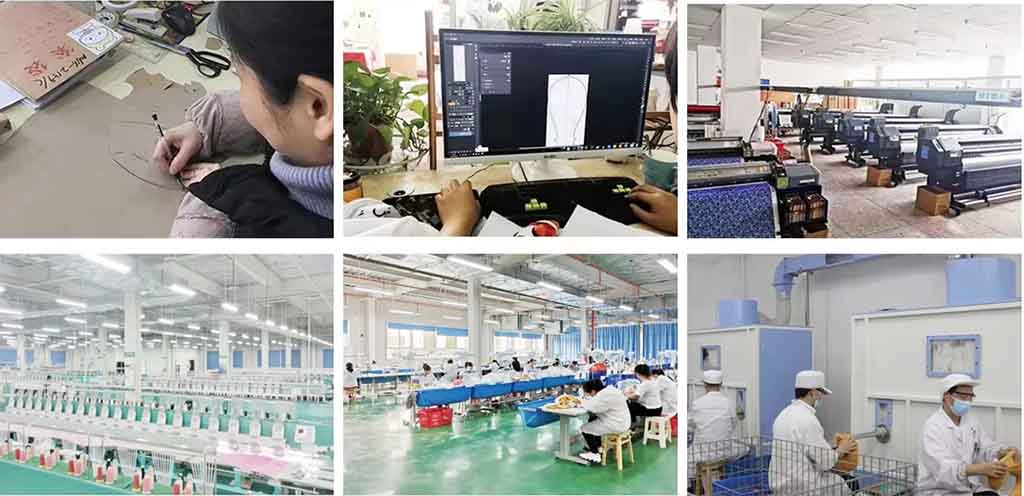
Capabilities and material choices directly change your MOQ, sample rounds, and calendar.
What drives MOQ
- Custom-dyed plush/minky: mill MOQs for pile fabrics (often 500–1,000 m/color) → toy MOQ typically 300–1,000 pcs/SKU.
- Standard stock colors: lower MOQ (as low as 100–300 pcs for pilot runs).
- Custom trims/labels/hangtags: printers may require 1,000–3,000 pcs per design.
Tooling & process impacts
- Embroidery digitizing: 1–3 days; affects face/logo clarity.
- Applique/panel sewing: adds stations; increases cycle time.
- Pellet weighting (sensory): inner pouch making; extra QC for leakage.
Typical timing I set with buyers (reference only)
- Concept to 1st soft sample: 7–12 working days (stock fabrics).
- With custom-dyed fabric: +10–15 days for lab dips & bulk dyeing.
- PP sample (after changes): 5–8 working days.
- Mass production: 25–45 days after PP approval (seasonality and material mix matter).
Impact matrix
| Capability / Material | Effect on MOQ | Effect on sampling | Effect on lead time |
|---|---|---|---|
| Custom-dyed plush | ↑ MOQ (fabric mill) | Extra color approvals | +10–15 days |
| Stock color fabrics | ↓ MOQ | Faster first sample | Shorter overall |
| Heavy embroidery | Neutral | Extra digitizing/proofs | +2–3 days |
| Weighted pellets | Neutral | Pouch tests needed | +2–5 days |
| Complex accessories | ↑ if custom trims | Fit/strength tests | +3–7 days |
What pricing models (EXW/FOB/CIF/DDP), packaging specs, and hidden costs should buyers evaluate before RFQ sign-off?
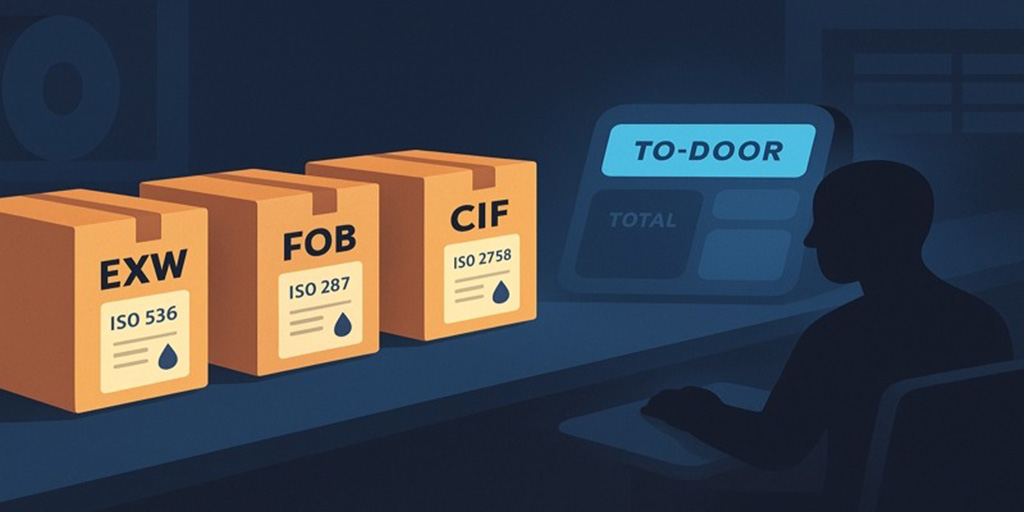
Get the commercial terms correct up front. Ask the factory to quote the same spec under the Incoterms you use.
Incoterms, simplified
| Term | What price includes | Buyer handles |
|---|---|---|
| EXW (Ex Works) | Goods at factory gate | All transport/export/customs |
| FOB (Port of Loading) | Export clearance + on board vessel | Ocean/air freight + import |
| CIF (Seaport) | FOB + sea freight + insurance | Destination charges & import |
| DDP (Delivered Duty Paid) | Door delivery incl. duties/taxes | Minimal (verify scope carefully) |
Packaging you should fix in the RFQ
- Inner: polybag type, suffocation warnings, inserts, tissue.
- Retail: hangtag size, barcode, brand card, sustainability claims.
- Outer: carton ECT/BCT, max weight (often 12–16 kg for manual handling), dimensions to control dim weight.
- Logistics: palletization, ISPM-15 requirement, carton drop tests (ISTA 1A/2A).
Hidden costs checklist
- Third-party lab testing per SKU/lot.
- Inspection fees (in-line/FRI).
- Tooling (embroidery digitizing, custom labels, molds for noses/buttons).
- Dye upcharges for small fabric lots.
- Bank fees, export docs, origin certificates.
- Tariffs and destination port charges (CFS, THC, ISF filings).
- Rework or change-order fees if specs shift after PP approval.
How are AQL plans, in-line/Final Random Inspections, and third-party lab tests structured to control quality at scale?
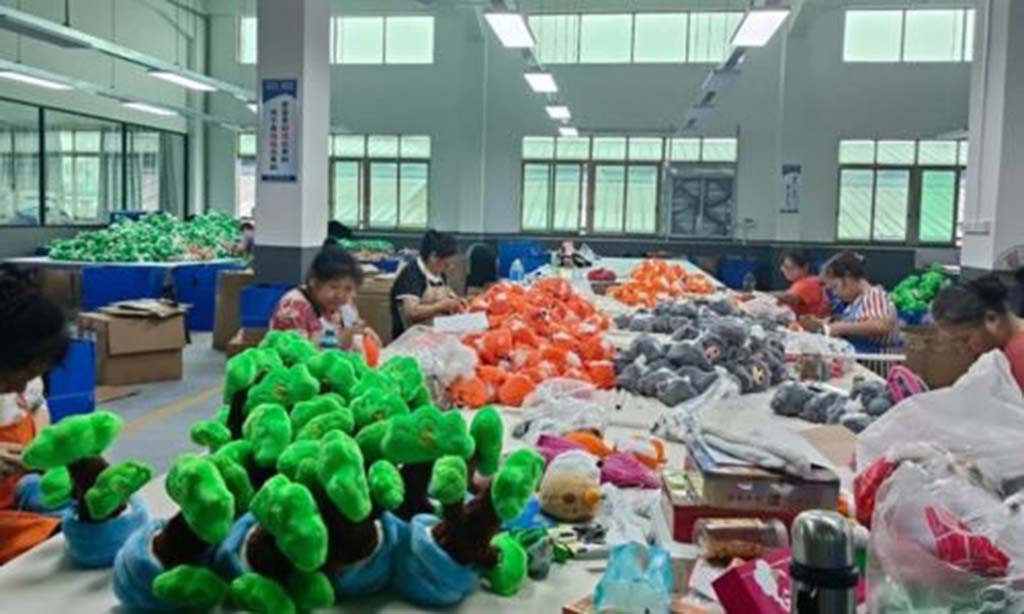
Lock the QC model before production. Use a standard like ANSI/ASQ Z1.4 with clear major/minor defect lists.
My baseline for plush
- Inspection level: General II.
- AQL: Major 2.5 / Minor 4.0 (tighten for infant lines).
- Golden sample: signed, dated, sealed; one at factory, one with buyer.
- Checkpoints: in-line at 20–30% sewn; FRI at ≥80% packed.
QC structure
| Stage | What happens | Who runs it | Output |
|---|---|---|---|
| Incoming (IQC) | Check fabric/fill lots vs COA | Factory QC | IQC report, quarantine if fail |
| In-line | Stitch, embroidery, fill checks | Factory + 3P (optional) | Photos + defect log |
| Pre-shipment FRI | Packout, labeling, AQL sampling | 3P inspection (SGS/Intertek/BV) | Signed report, pass/fail |
| Lab tests | EN71/ASTM/CPSIA by SKU/lot | 3P lab | Formal reports tied to lot IDs |
Don’t skip: seam strength pulls, pellet-pouch leakage tests, wash tests (3 cycles), colorfastness to rubbing/saliva (for baby lines).
How do IP protection, contract terms, and logistics strategies (HS codes, tariffs, consolidation) reduce sourcing risk from China?
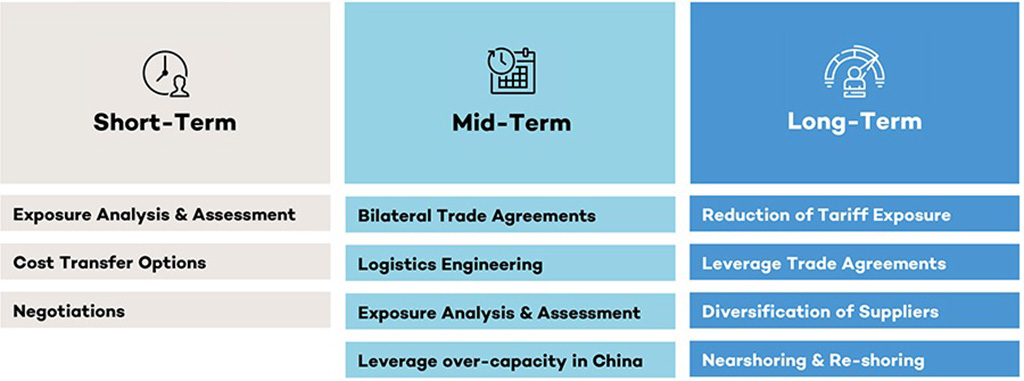
Treat IP and logistics as part of quality. Secure designs; ship smart.
IP & contracts
- Use NNN (Non-use, Non-disclosure, Non-circumvention) in China, not just a Western NDA.
- State tooling ownership (embroidery files, patterns, pouches, molds). Engrave/tool tag if applicable.
- Limit subcontracting without written consent.
- Watermark drawings; serialize prototypes; control who keeps samples.
- Add liquidated damages for unauthorized sales or leaks.
Logistics & classification
- Typical HS for toys: HS 9503 (confirm full code with your broker).
- Tariffs change; check destination MFN/Sectional measures before PO.
- Choose mode: FOB + buyer’s forwarder for control, or DDP for simplicity (vet the scope: duties, VAT, remote area surcharges).
- Consolidation: combine SKUs/vendors at a Shenzhen/Guangzhou/Ningbo hub to raise container fill and cut cost.
- Use pallet plans, carton maps, and labeling that matches 3PL ASN rules to avoid receiving fees.
Risk controls summary
| Risk area | Control you can require |
|---|---|
| Design leakage | NNN + sample control + limited factory access |
| Spec drift | Locked tech pack + PP seal + change-order form |
| Missed ship window | Production Gantt + weekly photo updates |
| Damage in transit | ISTA drop tests + reinforced cartons |
| Customs delay | Correct HS codes + pre-alert docs + compliant labeling |
Practical next steps (what I do with new buyers)
- Define spec & volumes in a one-page brief (size, fabric, fill, accessories, age grade).
- Shortlist factories that actually make your product type.
- Pilot sample with stock fabrics to validate silhouette and stitching.
- Lock materials and run lab tests early if the line targets kids <3.
- Approve PP with signed, sealed sample; freeze changes.
- Run AQL inspections (in-line + FRI) and tie test reports to lot IDs.
- Ship under agreed Incoterm, with carton maps and packing lists aligned to your 3PL.
Do this and your project moves with fewer surprises, cleaner paperwork, and stronger margins.
Conclusion
A reliable China plush toy program needs the right factory, clear compliance, disciplined QC, and strong contracts. At Kinwin, we help global buyers design, sample, test, and ship plush toys that meet CE/EN71 and ASTM/CPSIA requirements—on time and on budget. Email [email protected] or visit kinwintoys.com to discuss your next line and see how our factory can support your success.