Skip to content
By Amanda — Kinwin (OEM/ODM plush manufacturer; CE/ASTM/CPSIA ready)
Adding music to a plush toy looks simple—press a paw, hear a song—but inside is a tight puzzle of audio modules, power, acoustics, safety, and compliance. Below I’ll unpack the options (from 10-second jingle chips to Bluetooth), how we integrate speakers and batteries safely, ways to load custom songs, the licensing rules for commercial tracks, the exact tests you’ll face (CE, ASTM, CPSIA, EMC/RED/FCC), and how all this changes MOQ, unit cost, and lead time.
What audio modules enable song playback in plush toys?
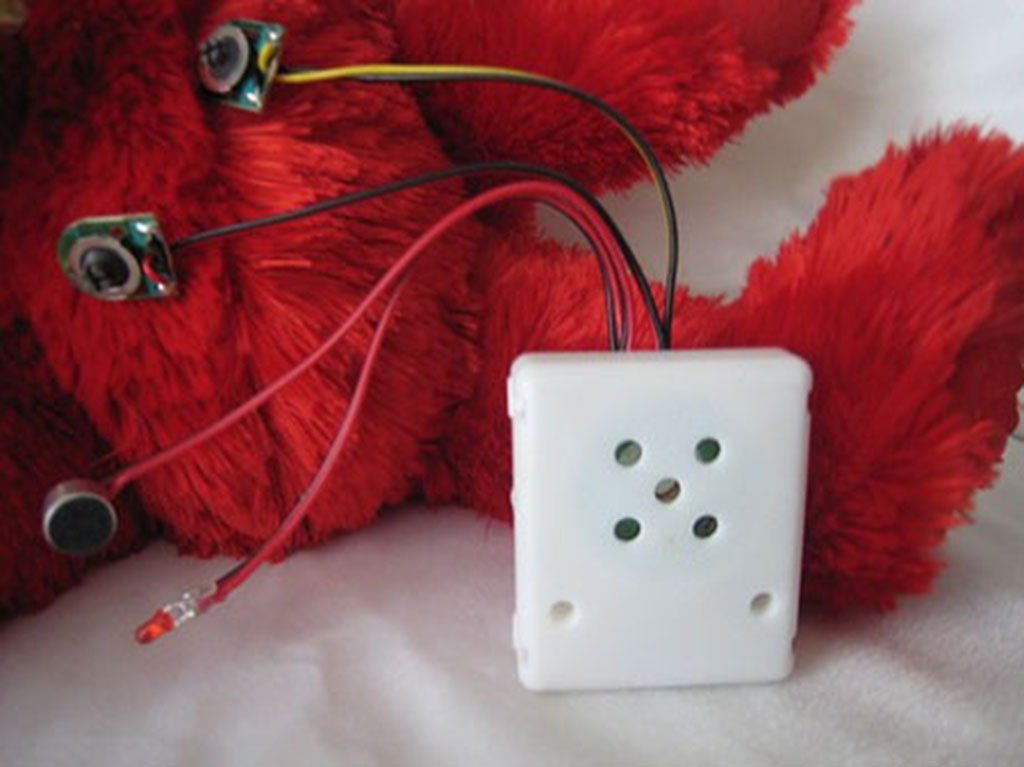
You’ve got four core families. Each one trades sound length, quality, cost, and complexity a bit differently.
- One-shot/OTP sound ICs (8–20 s): Ultra-simple. Great for short jingles and voice lines. Fixed memory (OTP = one-time programmable) or factory-burned.
- Extended-duration flash modules (30–240 s): Higher-capacity flash stores full songs; still compact and low-power.
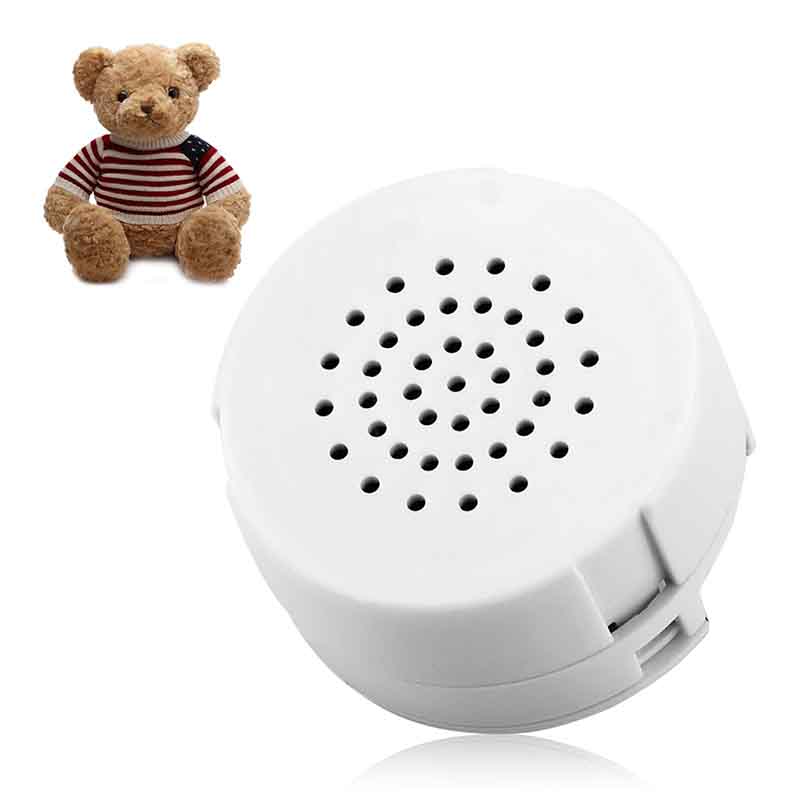
- MP3/WAV decoder boards (with μSD or on-board flash): Better fidelity, longer playback, easy content swaps (via card or USB).
- Bluetooth (BLE/App or Classic): App-triggered or streamed audio. Highest flexibility; also the highest bar for radio approvals and power management.
Table 1 — Audio Module Options at a Glance
| Module Type | Typical Audio Length | Audio Quality | Power | Use Case | Pros | Watch-outs |
|---|---|---|---|---|---|---|
| OTP sound IC | 8–20 s | Basic | Button cell / AAA | Short jingle | Lowest cost, tiny | Fixed content, short |
| Flash module | 30–240 s | Good | AAA / Li-ion | Lullaby/full song | Long playback, simple UI | Slightly higher cost |
| MP3/WAV board | 1–10+ min | High | AAA / Li-ion | Premium plush | Swappable content | Bigger, pricier |
| Bluetooth (BLE/Classic) | Unlimited (streamed) | High | Li-ion | App/connected | App control, updates | EMC/RED/FCC, battery & cost |
How do you integrate speakers, PCBs, and batteries without compromising safety?

Design for softness first, then sound. We build a cushioned “audio pod” so the toy stays huggable while the electronics breathe.
Integration principles (what we do on the line):
- Speaker placement: Aim for the chest or belly; add acoustic venting through a discreet fabric grille or perforated felt under the fur.
- Isolation & rattle control: Foam ring or EVA gasket around the driver; secure wiring with strain relief and stitched channels.
- Battery security:
- AAA/AA: screw-closed, child-resistant door; captive screw.
- Li-ion pouch: must include protection PCB (OVP/UVP/OC) and secured enclosure; no sharp edges.
- Switches: Squeeze sensor, paw button, or pull-tab power key for shelf demos; debounce in firmware.
- Washability: Make the module removable (zip/Velcro pocket with safety stitching) or label as surface-clean only.
- Sound level: Limit SPL to toy acoustics regs (see compliance section).
Table 2 — Safe Hardware Stack (Typical)
| Component | Spec Range | Safety Detail | Notes |
|---|---|---|---|
| Speaker | 28–40 mm, 8 Ω | Foam gasket, no loose magnets | Vent path hidden under fabric |
| PCB | Conformal coat optional | Rounded edges, secure mount | Cable strain relief |
| Battery (alkaline) | 2×AAA or 3×LR44 | Screw-closed door | Most common, easy to ship |
| Battery (Li-ion) | 300–800 mAh | Protection PCB + UN38.3 | For BT/long playback |
| Wiring | 24–28 AWG | Sewn channel, no pinch points | Needle detection QC |
Which methods allow loading custom songs—recordable, pre-programmed, or Bluetooth/app?

You can choose who loads the song (factory, retailer, or end user) and how it’s stored.
- Factory pre-programmed (OTP/flash/MP3): We burn content at production; bulletproof for retail.
- Recordable modules (user microphone): The buyer long-presses to record a voice note (15–60 s typical). Great for keepsakes.
- PC/USB load (MP3 board): Retailers can batch-load WAV/MP3 via USB; faster SKU refreshes.
- μSD card swap: Content changes without reprogramming; secure the slot inside the enclosure.
- Bluetooth/App: App selects tracks or streams audio; can OTA-update sounds or add parental controls.
Table 3 — Content Loading Paths
| Method | Who Loads? | Typical Length | Best For | Pros | Cons |
|---|---|---|---|---|---|
| Factory burn (OTP/flash) | Manufacturer | 8–240 s | Retail-ready SKUs | Locked & reliable | New content = new batch |
| Recordable (on-device) | End user | 15–60 s | Gifts/memories | No app needed | Lower fidelity |
| USB load (MP3) | Brand/retailer | 1–10+ min | Limited editions | Flexible | Needs process control |
| μSD card | Brand/retailer | 1–hrs | Seasonal sets | Swap content fast | Secure the card |
| Bluetooth/App | End user | Streamed | App ecosystems | Infinite content | Compliance + battery drain |
How do licensing and IP rights affect using commercial music in stuffed animals?

If the toy plays a commercial song, you must clear rights—even for short clips.
- Composition (publishing) rights: the melody/lyrics owners.
- Master recording rights: the specific recorded performance (label).
- Mechanical/Sync-like needs: you’re fixing the music into a device; treat it like a mechanical use.
- Territories & term: match your sales regions and duration.
- Public domain: safe only if both composition and arrangement are PD (or you use your own original recording).
Low-risk alternatives: commission a sound-alike that’s original, or license royalty-free music with device distribution rights spelled out. Keep license letters tied to each SKU/PO.
What compliance tests (CE, ASTM, CPSIA, EMC) apply to sound-enabled plush toys?
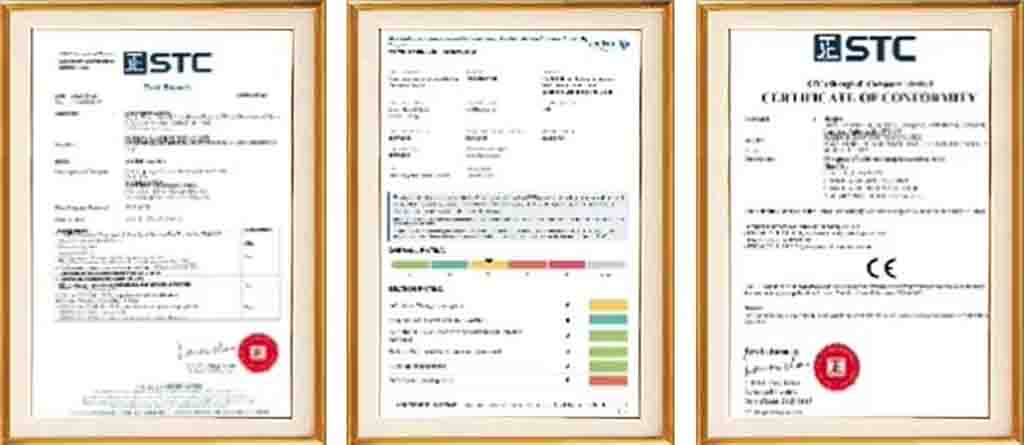
Sound toys are both toys and electrical/radio products (if using BT). Expect an expanded test plan:
- EU (CE):
- EN 71-1/2/3 (mechanical, flammability, chemicals)
- Acoustic requirements (under EN 71-1 for sound toys)
- EN IEC 62115 (electric toys safety)
- EMC (EN 55014/EN 61000 series) for non-RF electronics
- RED (2014/53/EU) if Bluetooth (RF + EMC + safety + spectrum)
- US:
- ASTM F963 (includes sound-producing toys acoustics)
- CPSIA (lead, phthalates, tracking labels)
- FCC Part 15 if RF/Bluetooth
- Battery/transport:
- UN 38.3 (Li-ion shipping)
- IEC 62133-2 (rechargeable cell safety; often requested by retailers)
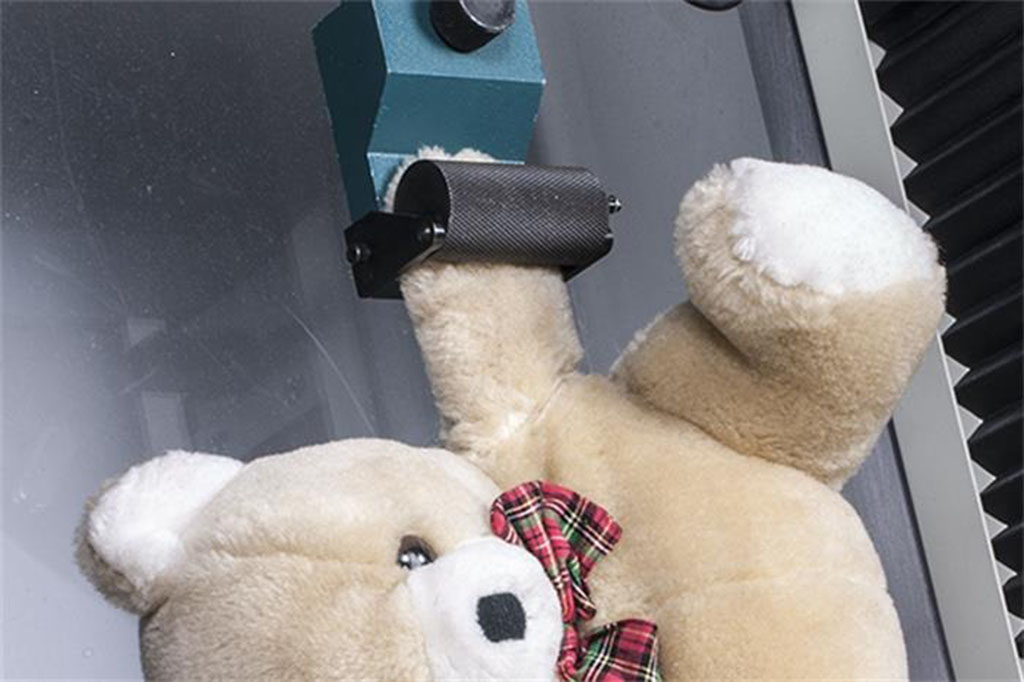
Acoustic safety: we tune firmware/amp gain so peak SPL stays within limits for the toy category and activation mode (impulsive vs. continuous). We also test switch durability and abuse (drop, torque, tension) so modules don’t break free inside the plush.
How do MOQ, unit cost, and lead time change for music-enabled OEM/ODM projects?

Electronics add BOM cost, test fees, and radio approvals (if BT). Modules often come with their own MOQ from the sub-supplier.
Table 4 — Typical Commercial Ranges (EXW reference)
| Build | Audio | Power | Typical MOQ | Unit Cost Impact* | Sample Lead | Mass Lead |
|---|---|---|---|---|---|---|
| Short jingle | OTP 8–20 s | LR44/AAA | 500–1,000 | +$0.35–$0.80 | 10–14 d | 30–40 d |
| Lullaby/full song | Flash 60–180 s | AAA | 800–1,500 | +$0.90–$1.80 | 12–18 d | 35–45 d |
| Premium audio | MP3 + μSD | AAA/Li-ion | 1,000–2,000 | +$1.80–$3.50 | 14–20 d | 40–55 d |
| App-enabled | Bluetooth (BLE) | Li-ion | 1,500–3,000 | +$3.50–$6.50 | 18–25 d | 50–65 d |
*Increment above a comparable non-audio plush; ranges vary by fabric, size, packaging, and test plan.
Extra timing: Add +7–15 working days for third-party lab testing per SKU; Bluetooth/RED/FCC projects can add +2–4 weeks depending on module pre-certs and documentation. Air/ocean freight timelines are on top.
Which materials, trims, and safety compliance choices increase unit cost the most?
- Long-pile faux fur (yield loss, slower sewing).
- Heavy embroidery on the same piece that houses the speaker (extra handling).
- Lithium power (cell + protection PCB + UN38.3 docs).
- Window boxes with PET/PLA (carton MOQs + assembly).
- New fabric colors (dye MOQs + extra testing).
- Full commercial music licenses (royalties/MGs + approvals).
Table 5 — Cost Levers & How to Control Them
| Lever | Why It’s Expensive | Cost-Smart Alternative |
|---|---|---|
| Long faux fur over speaker | Muffles sound → bigger amp | Short-pile “acoustic window” patch |
| New dyed fabric | MOQ + lab tests | Stock shades + custom trim |
| Li-ion battery | Cell + certs + shipping | 2×AAA for non-BT builds |
| Window gift box | Print + PET window | Kraft box + belly band |
| Licensed hit song | Royalties + legal | Commission original track |
Practical build templates (what we recommend most)

- Lullaby Bear (retail hero)
Flash module (90 s loop), 32 mm speaker, 2×AAA, paw pushbutton, embroidered face, removable audio pod, kraft gift box + belly band. - Record-Your-Own Keepsake
Recordable module (30 s), 28 mm speaker, 3×LR44, long-press to record/play, hidden pocket, hangtag instructions. - Bluetooth Story Buddy (premium)
BLE module with app triggers, Li-ion + protection PCB, USB-C charge, child-safe enclosure, RED/FCC certified radio, window carton, QR smart tag.
Conclusion
Music makes plush magical—but it adds hardware, safety, compliance, and logistics layers you must plan from day one. Choose the right module family for your song length and budget, design the audio pod so the toy stays soft and safe, clear the music rights, and lock your test plan early. At Kinwin, we handle end-to-end: module selection, acoustic tuning, removable pods, CE/ASTM/CPSIA/RED/FCC documentation, and retail-ready packaging—so your singing plush ships on time and passes on the first try.
Contact me at [email protected] or visit kinwintoys.com to spec your next sound-enabled plush project.