Skip to content
A custom stuffed animal made from a picture is one of the most creative and personal ways to turn memories into huggable keepsakes. Whether it’s a child’s drawing, a beloved pet, or a brand mascot, photo-to-plush projects combine artistry with advanced manufacturing.
At Kinwin, I help global buyers transform their images into professional plush toys. In this guide, I’ll walk you through the process, design considerations, materials, safety, and pricing factors that matter when creating a stuffed animal from a picture.
What is the process of turning a picture into a custom stuffed animal?

The transformation from photo to plush involves several structured steps.
Step 1: Concept submission
The buyer provides a clear photo, drawing, or digital illustration. Multiple angles (front, side, back) are helpful.
Step 2: Design drafting
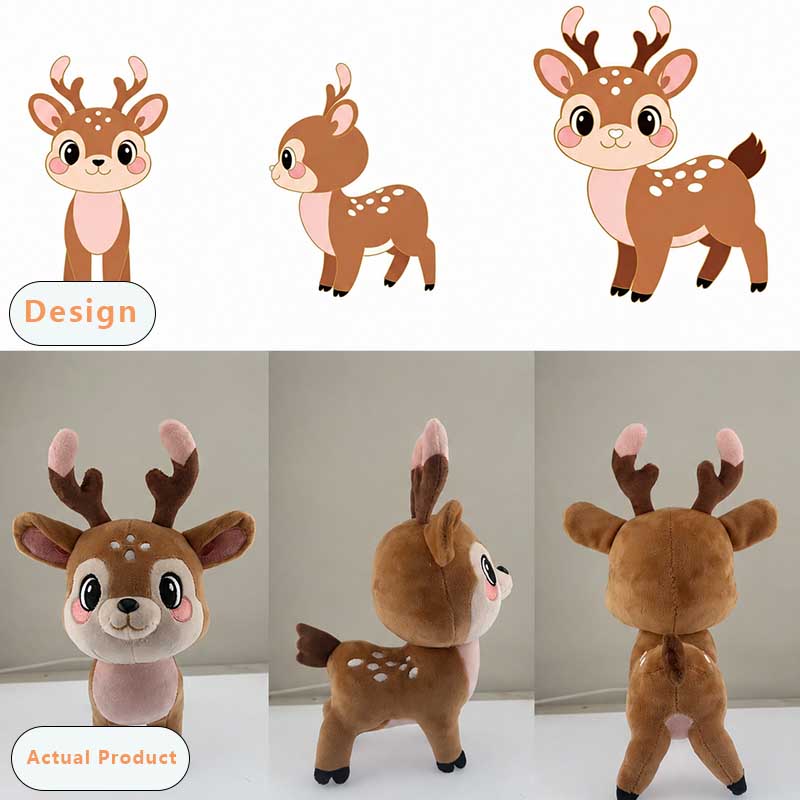
Manufacturers create sketches or digital mock-ups showing how the 2D image translates into 3D plush form.
Step 3: Prototype/sample
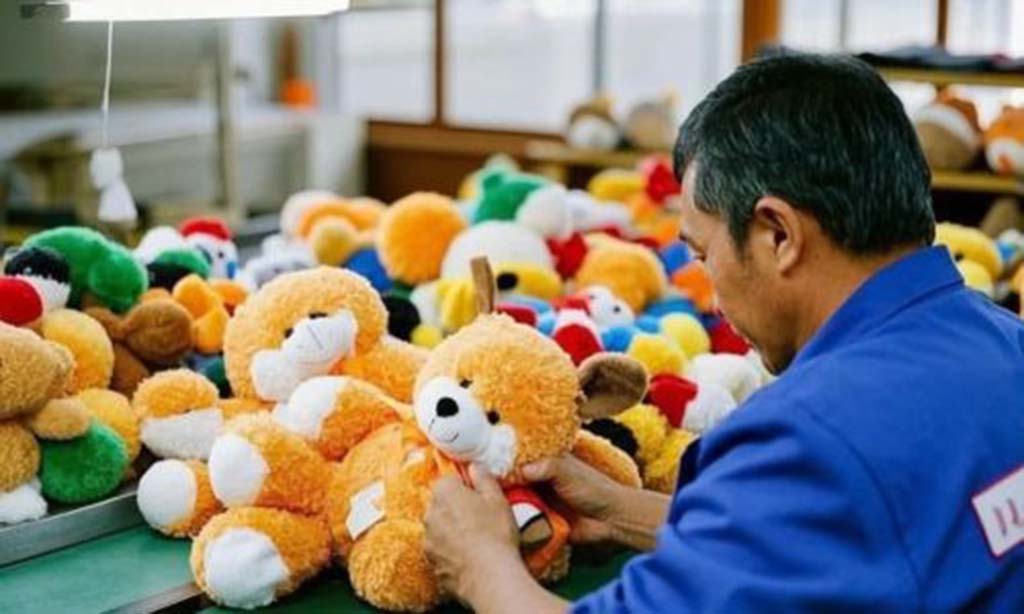
A physical sample is produced using selected fabrics and fillings. This is refined based on buyer feedback.
Step 4: Mass production
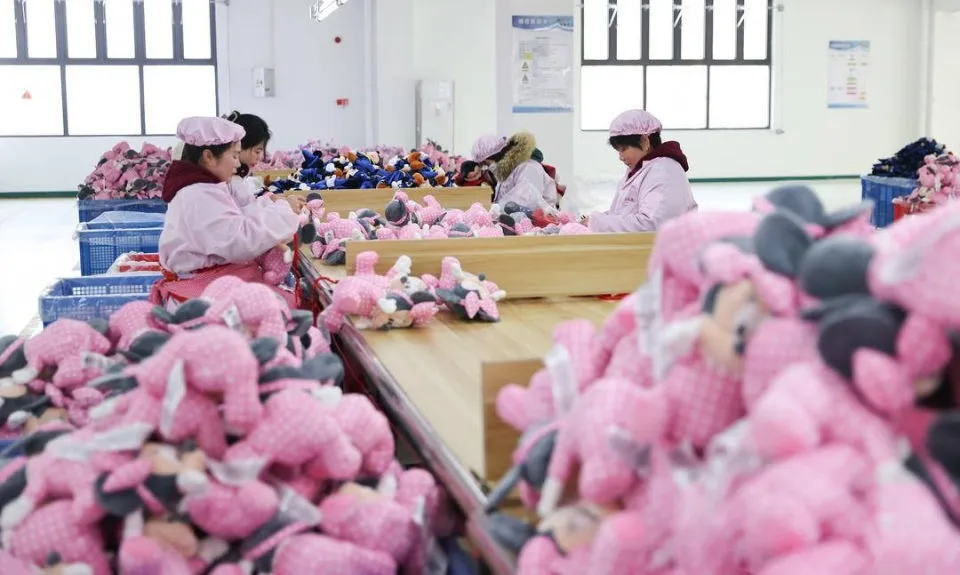
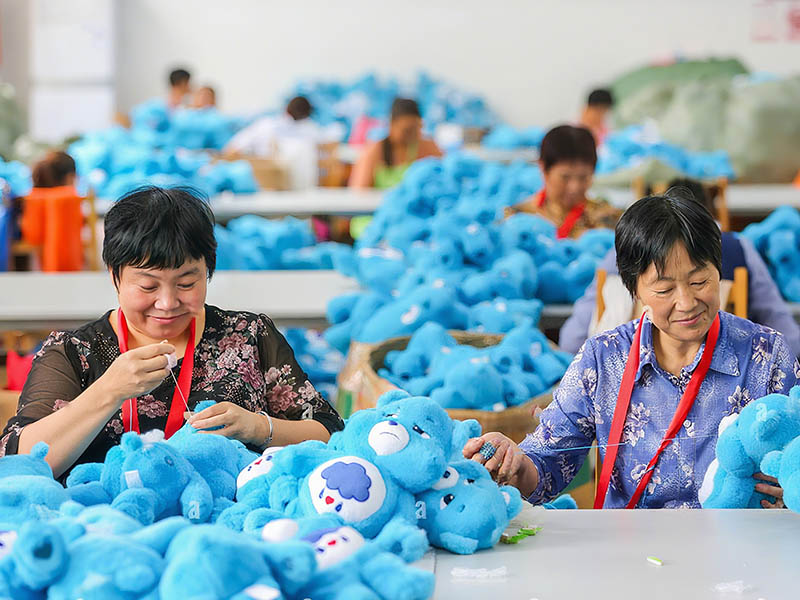
Once approved, the toy enters production lines, with consistent QC checks.
| Stage | Buyer Role | Manufacturer Role |
|---|---|---|
| Photo submission | Provide clear image | Analyze design feasibility |
| Drafting | Approve sketch | Create 3D conversion |
| Sample | Review prototype | Produce, adjust |
| Production | Confirm details | Manufacture at scale |
At Kinwin, we usually deliver first samples within 7–14 days, depending on complexity.
Which design considerations ensure accuracy when replicating photos into plush form?
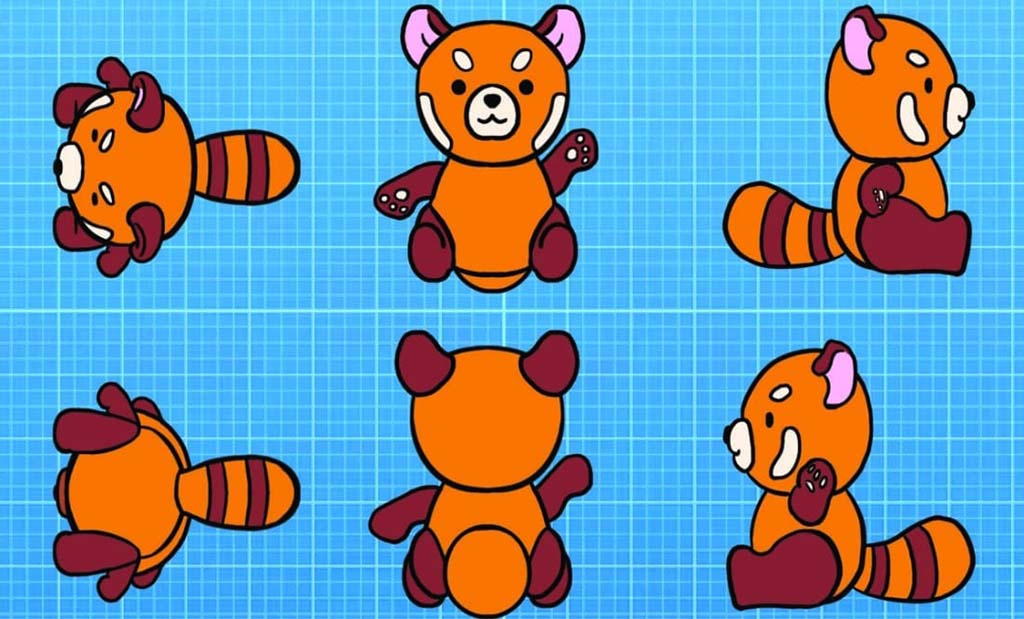
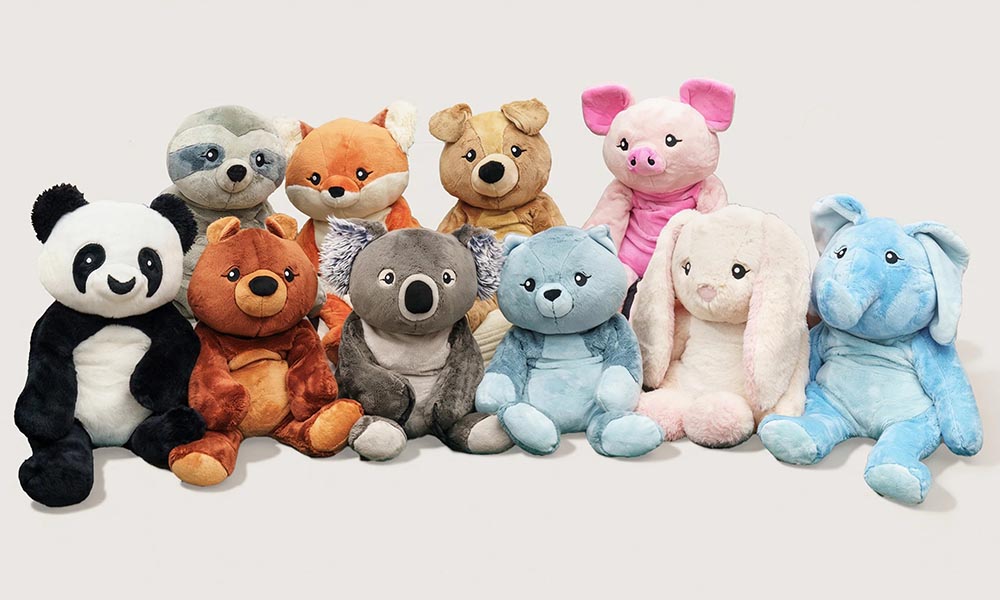
Accuracy is key in custom projects. The challenge is converting flat images into three-dimensional plush toys.
Design considerations include:
- Proportions: Adjusting exaggerated or unrealistic features so they remain plush-friendly.
- Textures: Choosing fabrics that mimic fur, skin, or clothing.
- Colors: Ensuring dye lots match the original image.
- Details: Translating fine details like whiskers or patterns into embroidery or print.
| Design Element | Solution |
|---|---|
| Complex shapes | Simplify into plush-friendly outlines |
| Fine details | Embroidery or digital printing |
| Color accuracy | Pantone-matched fabrics |
| Texture | Faux fur, fleece, or minky fabrics |
At Kinwin, we often use U-shaped design logic: focus on what matters most to the customer (face, colors, pose), while simplifying non-essential details.
What materials and fillings are best suited for photo-based custom plush toys?
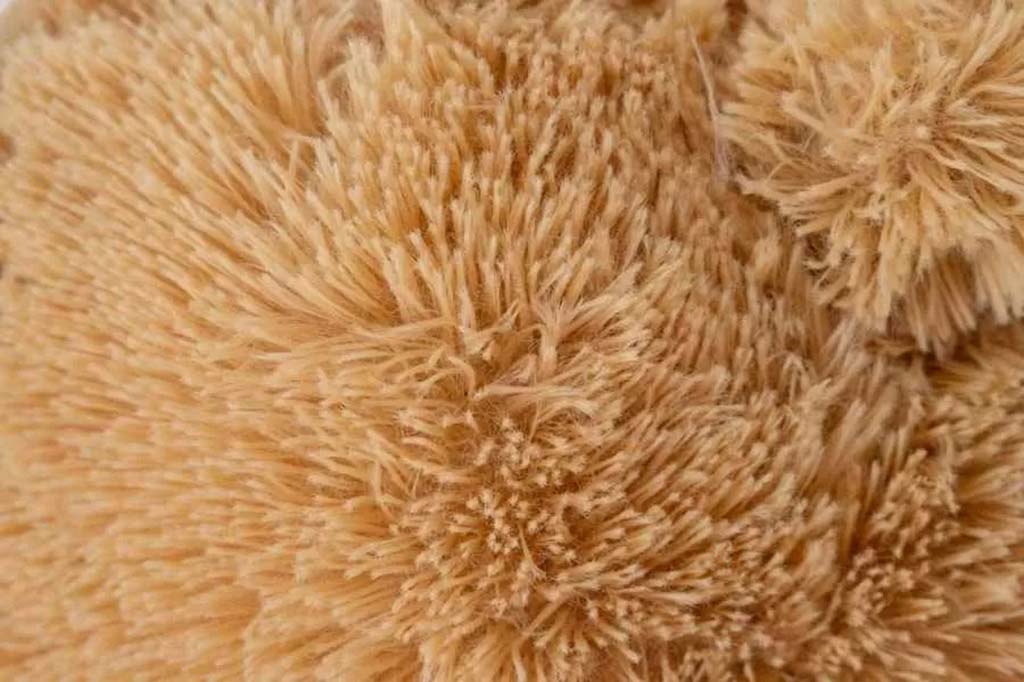
The choice of materials defines the quality and feel of custom plush toys.
Outer fabrics:
- Plush polyester (minky, velour): Soft, versatile, washable.
- Faux fur: Best for pets or characters with long hair.
- Cotton blends: Natural, eco-friendly options.
Fillings:
- Polyester fiberfill: Standard, lightweight, hypoallergenic.
- Foam inserts: Maintain structure in certain designs.
- Pellets (in sealed pouches): Add weight for realism.
| Material | Best For | Notes |
|---|---|---|
| Minky/velour | Smooth, baby-safe plush | Durable, soft |
| Faux fur | Pet replicas | Higher cost |
| Polyester fiberfill | Standard filling | Hypoallergenic |
| Foam inserts | Structured parts | Arms, legs, base |
| Pellets | Weighted plush | Not for infants |
We always recommend washable fabrics so toys can withstand daily use.
How do safety standards and certifications apply to personalized stuffed animals?
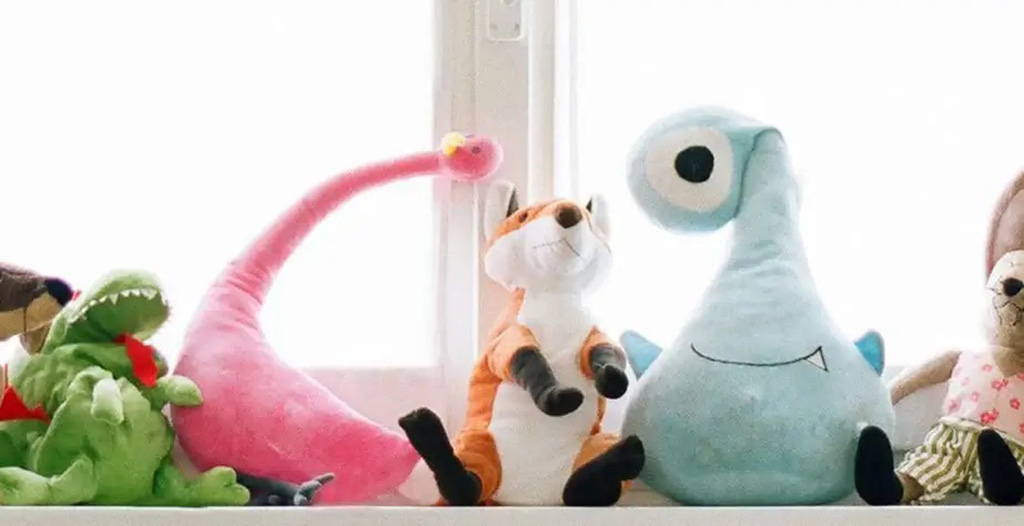
Even custom plush toys must comply with international toy safety standards. This is especially important for retail or promotional projects.
Required tests include:
- CE (EN71 Europe): Mechanical, chemical, and flammability safety.
- ASTM F963 (U.S.): Seam strength and small parts tests.
- CPSIA (U.S.): Limits on lead and phthalates.
- ISO standards: Quality system compliance.
| Standard | Region | Focus |
|---|---|---|
| CE (EN71) | Europe | Mechanical, flammability, chemicals |
| ASTM F963 | U.S. | Seam strength, small parts |
| CPSIA | U.S. | Chemical safety |
| ISO 9001 | Global | Quality systems |
At Kinwin, every custom plush undergoes seam and colorfastness testing. This ensures safety for both children and adults.
What role do OEM & ODM manufacturers play in custom plush production?
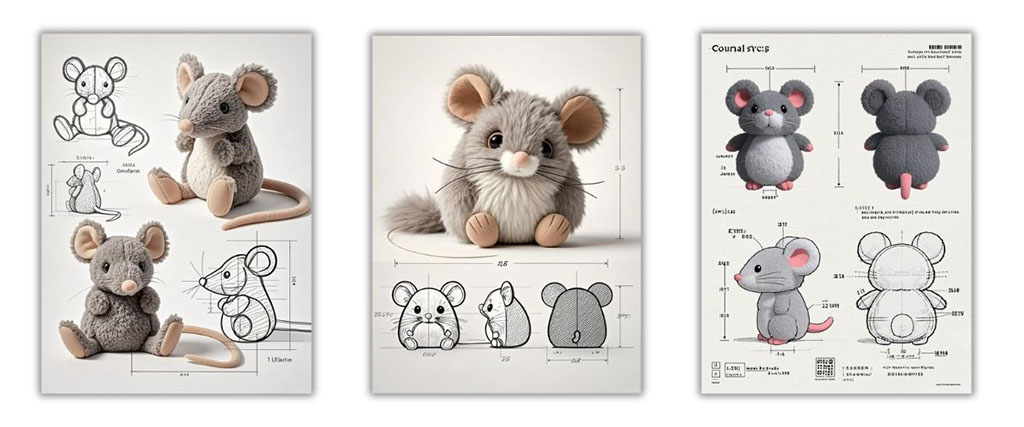
OEM (Original Equipment Manufacturer) and ODM (Original Design Manufacturer) models define how projects are executed.
- OEM: The buyer provides the design (from a picture or drawing), and the manufacturer executes production.
- ODM: The manufacturer provides design services, suggesting materials, features, and adjustments.
| Model | Buyer Role | Manufacturer Role |
|---|---|---|
| OEM | Provide complete design | Produce according to specs |
| ODM | Provide idea/picture | Support design + production |
At Kinwin, we work in both models. For simple mascot plush, OEM works well. For complex photo-to-plush projects, ODM support helps refine designs into manufacturable products.
How can customization options like logos, packaging, and accessories add value?
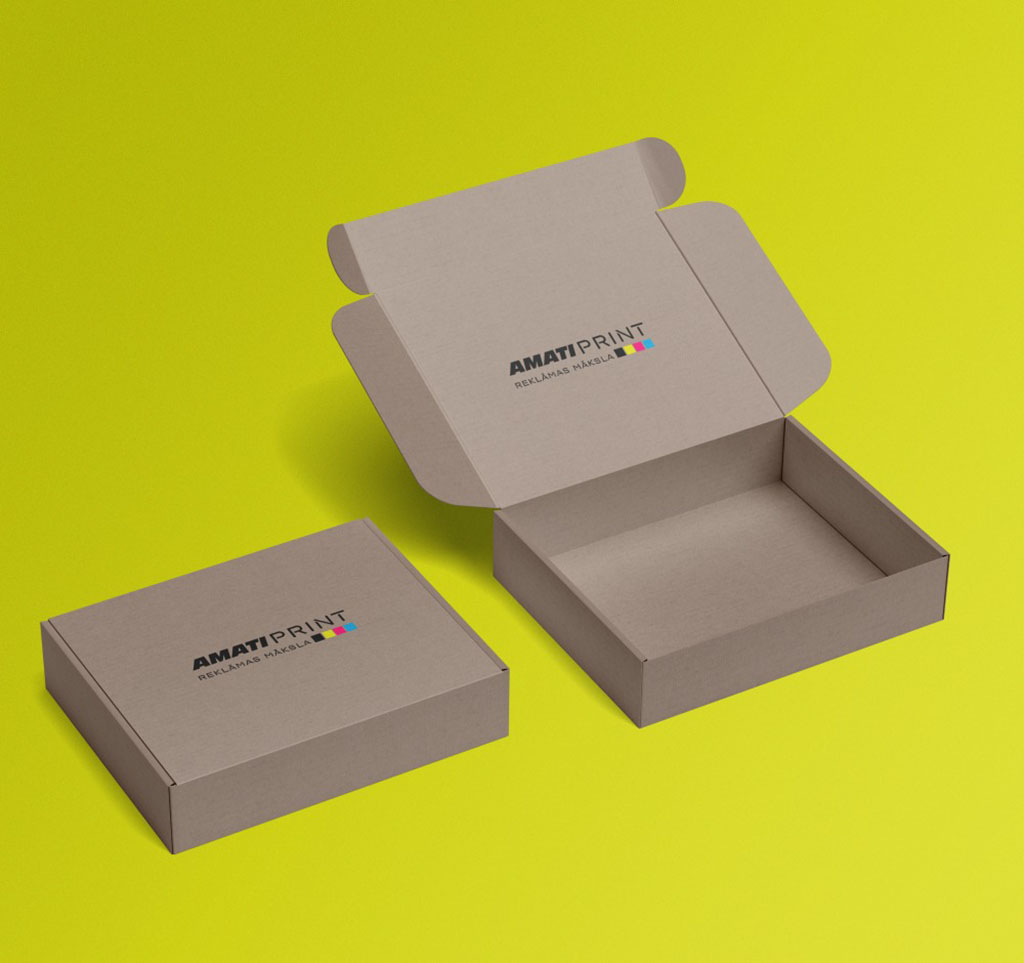
Customization doesn’t stop at the plush itself. Logos, packaging, and accessories make the product retail-ready and strengthen branding.
Options include:
- Logo embroidery on paws, chest, or tags.
- Branded packaging (window boxes, drawstring bags, kraft cartons).
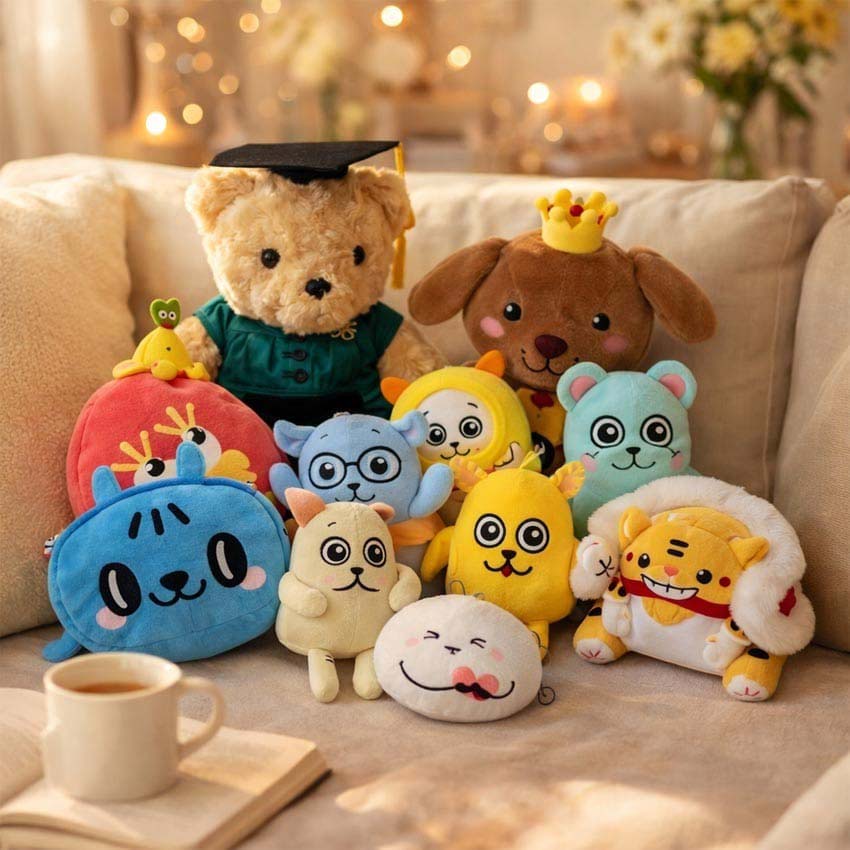
- Accessories like hats, scarves, or seasonal outfits.
- QR code tags linking to campaigns or instructions.
| Custom Feature | Example |
|---|---|
| Logo embroidery | Brand logo on ear |
| Seasonal outfit | Santa hat plush |
| Packaging | Custom printed gift box |
| QR code tag | Scan for product info |
At Kinwin, we provide full-service customization, from plush design to packaging solutions.
What factors influence pricing and lead times for picture-to-plush projects?
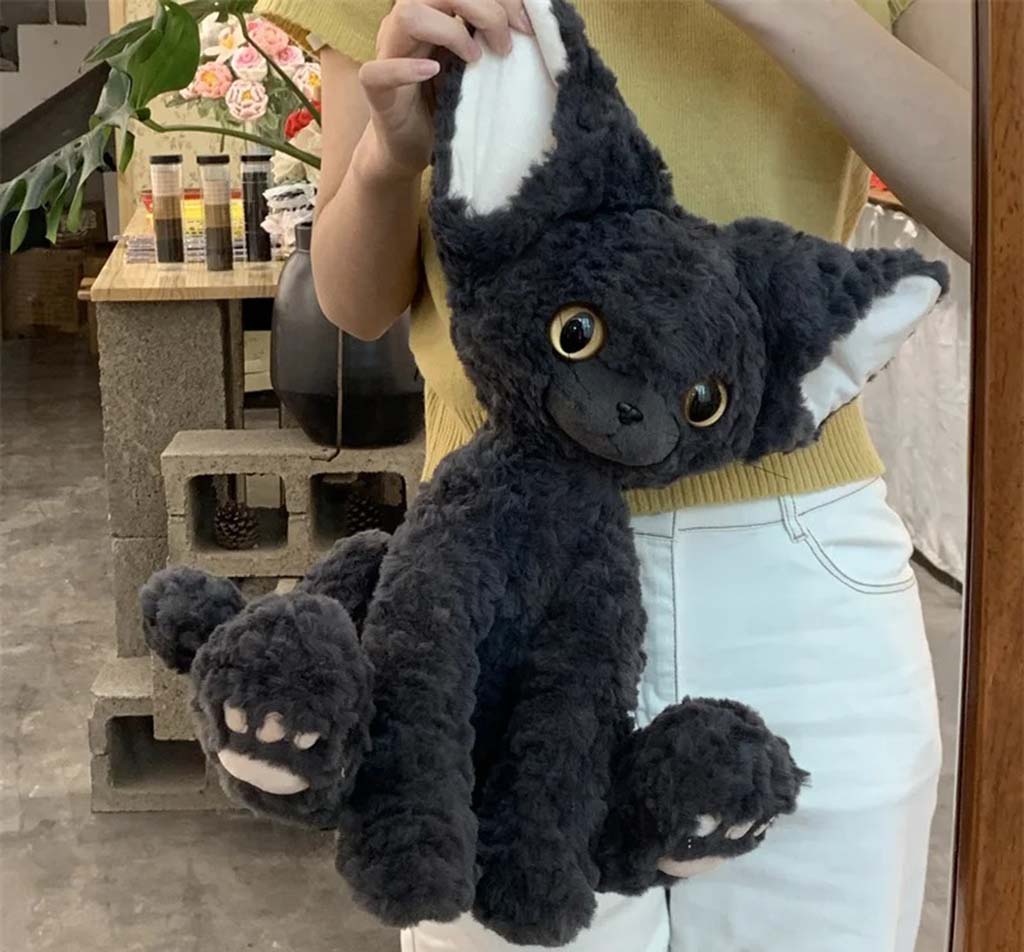
Pricing and lead times depend on complexity, order size, and customization level.
Influencing factors:
- Design complexity: More details = higher cost.
- Size of plush: Larger toys require more fabric and filling.
- Materials: Faux fur or eco fabrics cost more than polyester.
- Accessories: Outfits, sound chips, or packaging add costs.
- Order volume: Larger orders reduce per-unit costs.
- Lead times: Prototyping usually 2 weeks; mass production 30–45 days.
| Factor | Impact on Price/Time |
|---|---|
| Complexity | Higher cost, longer sample stage |
| Size | More fabric/filling = higher price |
| Material choice | Eco/rare fabrics increase cost |
| Accessories | Adds unit price |
| Order volume | Larger = lower per unit |
| Lead time | 2–6 weeks depending on scale |
At Kinwin, we provide transparent quotes and timelines so buyers can plan effectively.
Conclusion
Turning a picture into a stuffed animal is a mix of art and engineering. From drafting and sampling to safety testing and customization, every step adds value. At Kinwin, we specialize in OEM & ODM custom plush solutions, helping global buyers transform drawings, pets, and mascots into safe, market-ready plush toys.
Contact us at [email protected] or visit kinwintoys.com to start your picture-to-plush project today.