Skip to content
Stuffed toys are simple in appearance but powerful in meaning. They are soft, huggable, and deeply symbolic across cultures and generations. Beyond being playthings, they carry emotional weight, cultural significance, and branding potential.
As a manufacturer at Kinwin, I often help global buyers understand not just how stuffed toys are made, but also what they mean to consumers. This guide explores the definition, historical evolution, cultural role, and branding applications of stuffed toys.
What is the formal definition of a stuffed toy in the toy industry?

In industry terms, a stuffed toy is a fabric-covered figure filled with soft materials, designed to represent animals, characters, or abstract shapes for play, comfort, or decorative purposes.
Key characteristics include:
- Outer shell: Made from plush fabrics like polyester fleece, cotton, or velour.
- Inner filling: Polyester fiberfill, foam, or beads.
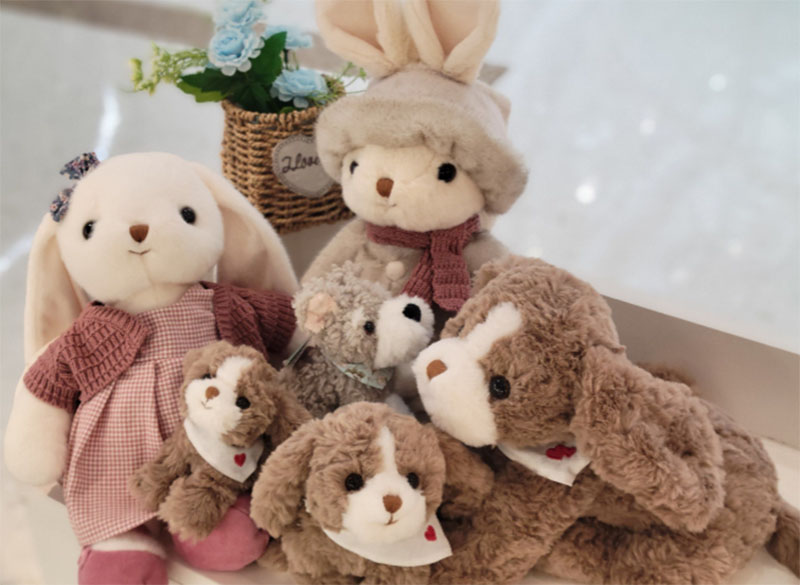
- Design scope: From realistic animals to fictional characters.
- Purpose: Entertainment, comfort, gifting, or branding.
| Element | Description |
|---|---|
| Outer fabric | Soft textile (plush, cotton, velour) |
| Inner filling | Fiberfill, foam, pellets |
| Shape | Animal, doll, mascot, abstract |
| Purpose | Play, comfort, décor, promotion |
This definition helps distinguish stuffed toys from dolls, action figures, or hard plastic toys. In many regions, “stuffed toy” and “plush toy” are interchangeable terms.
How did the concept and meaning of stuffed toys evolve historically?
The meaning of stuffed toys has transformed over centuries. Early forms were simple rag dolls stuffed with straw or scraps, used both as comfort items and cultural symbols.
The modern meaning emerged in the late 19th century:
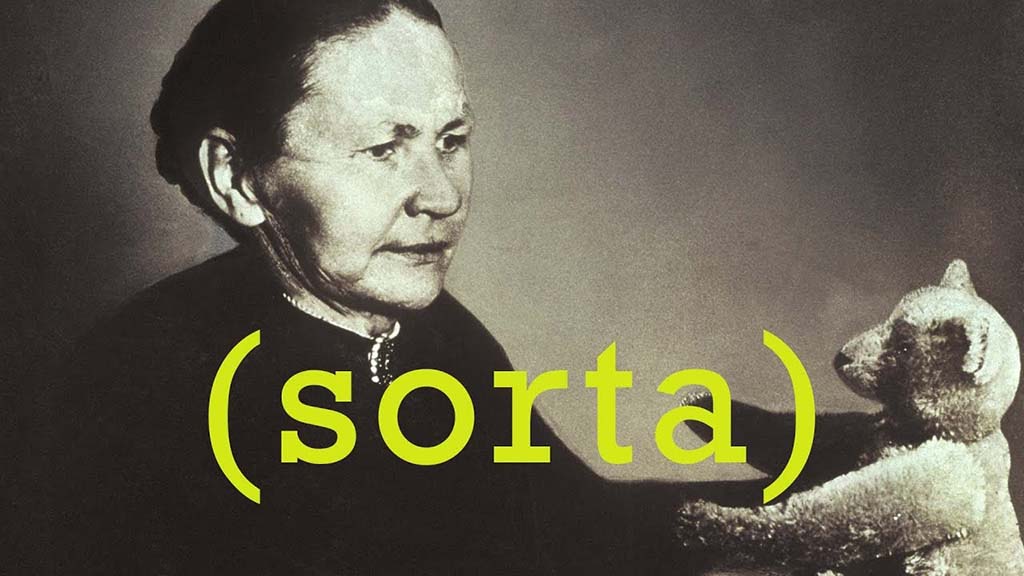
- 1880s: Margarete Steiff created her first fabric elephant in Germany, intended as a pincushion but later embraced as a toy.
- 1902: The teddy bear was born in both Germany (Richard Steiff’s design) and the U.S. (Morris Michtom’s “Teddy’s Bear”).
- 20th century: Plush toys became mass-market products tied to childhood, emotion, and popular culture.
| Period | Development |
|---|---|
| Pre-1800s | Rag dolls and straw animals |
| 1880 | Steiff’s stuffed elephant |
| 1902 | Teddy bear introduced |
| 20th century | Plush enters mainstream toy industry |
| 21st century | Licensed, eco, interactive plush |
Today, stuffed toys symbolize not only play but also nostalgia, wellness, and even social identity.
What materials and design elements give stuffed toys their identity?
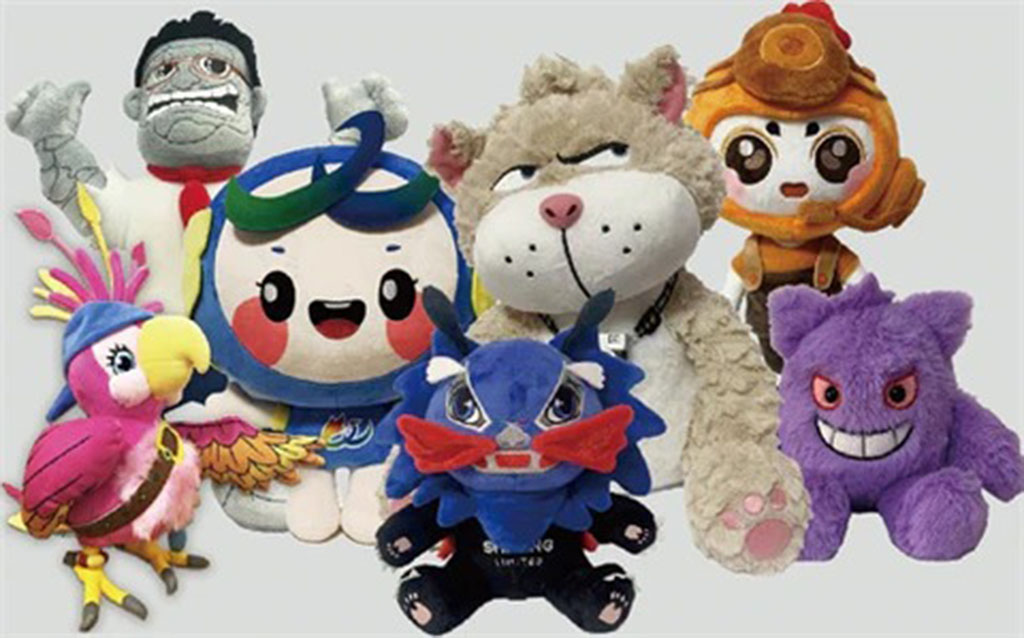
The identity of a stuffed toy comes from its materials, construction, and aesthetic choices. These define how it looks, feels, and functions.
Materials:
- Polyester plush: Most common, soft and durable.
- Organic cotton: Eco-friendly, baby-safe.
- Velour/minky fabrics: Extra softness for infants.
Fillings:
- Polyester fiberfill: Lightweight and washable.
- Foam inserts: Support structure.
- Pellets: Add weight or sensory feedback.
Design elements:
- Embroidery vs. plastic eyes: Determines safety and style.
- Shape and proportion: Cute, realistic, or stylized.
- Accessories: Clothes, sound chips, or themed costumes.
| Aspect | Options | Effect |
|---|---|---|
| Fabric | Polyester, cotton, velour | Softness & durability |
| Filling | Fiberfill, foam, pellets | Shape & feel |
| Features | Embroidery, plastic parts | Safety & design |
| Accessories | Clothes, sounds, costumes | Added value |
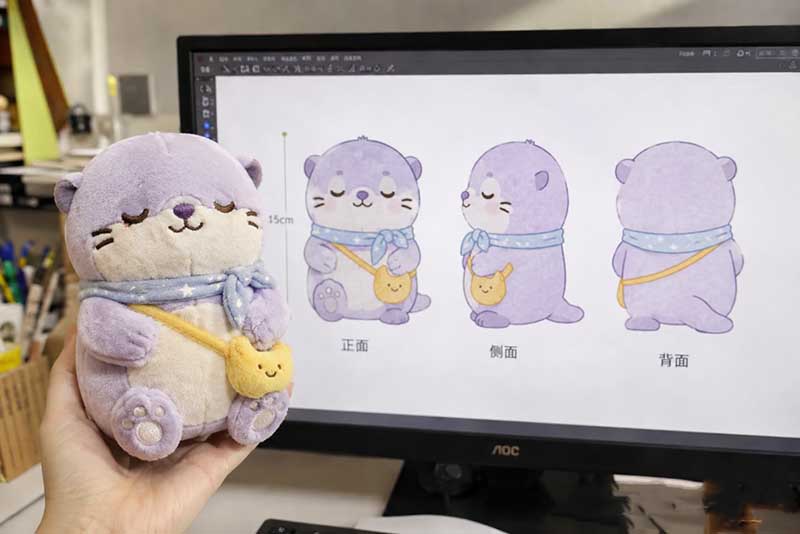
At Kinwin, we help brands select material combinations that balance safety, aesthetics, and market positioning.
How do stuffed toys represent comfort, emotional bonding, and childhood memories?
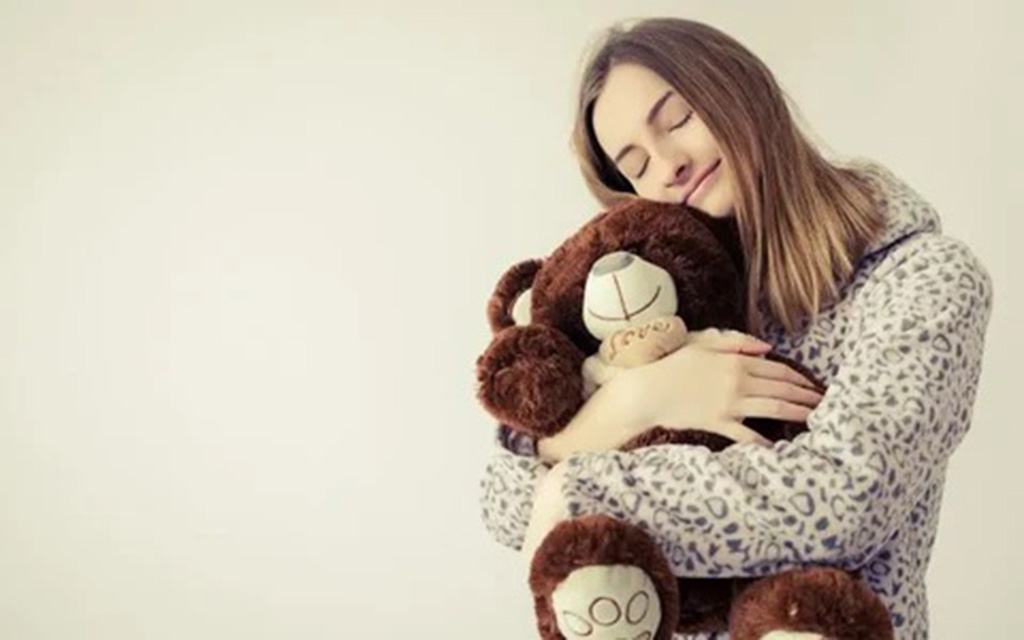
The meaning of stuffed toys goes beyond fabric—they act as emotional anchors. Children often form strong attachments to plush toys, which serve as transitional objects during separation or stress.
For adults, stuffed toys represent nostalgia and comfort, reminding them of childhood or serving as stress relievers. Therapists even use weighted plush toys for calming effects in children with autism or adults dealing with anxiety.
| Age Group | Emotional Role |
|---|---|
| Babies | Comfort, transitional object |
| Children | Imaginative play, companionship |
| Teens | Self-expression, décor |
| Adults | Nostalgia, stress relief |
| Therapy | Sensory and emotional support |
This emotional meaning is why stuffed toys remain evergreen products, spanning generations and cultures.
What cultural and regional differences shape the meaning of stuffed toys worldwide?
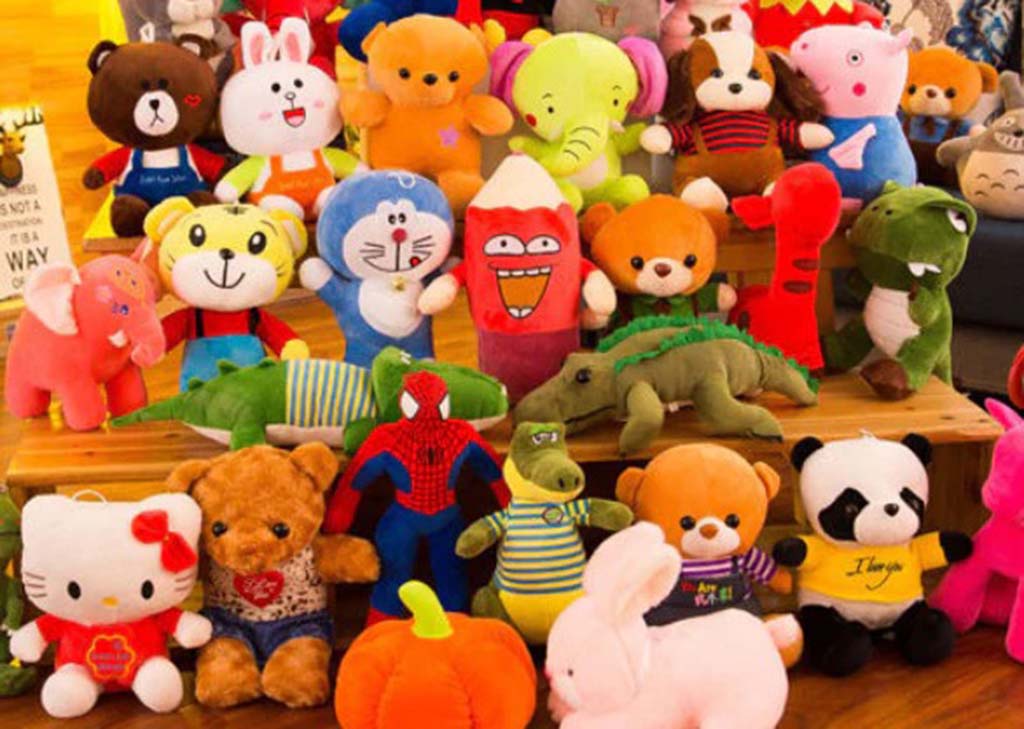
The symbolism of stuffed toys varies globally, influenced by culture, traditions, and consumer behavior.
- Japan: Plush embodies kawaii culture, with characters like Hello Kitty and Pokémon dominating markets.
- U.S.: Plush toys often represent collectibles, emotional comfort, and gifting (e.g., Valentine’s bears).
- Europe: Focuses on eco-friendly, sustainable plush with heritage brands like Steiff.
- China: Plush tied to seasonal gifting, zodiac animals, and blind-box collectibles.
| Region | Plush Meaning |
|---|---|
| Japan | Kawaii, collectible |
| U.S. | Comfort, gifting, collectibles |
| Europe | Heritage, eco-friendly |
| China | Seasonal, zodiac, blind-box trends |
Understanding these cultural meanings helps global buyers adapt designs for regional markets.
How is the meaning of stuffed toys applied in modern retail and branding strategies?
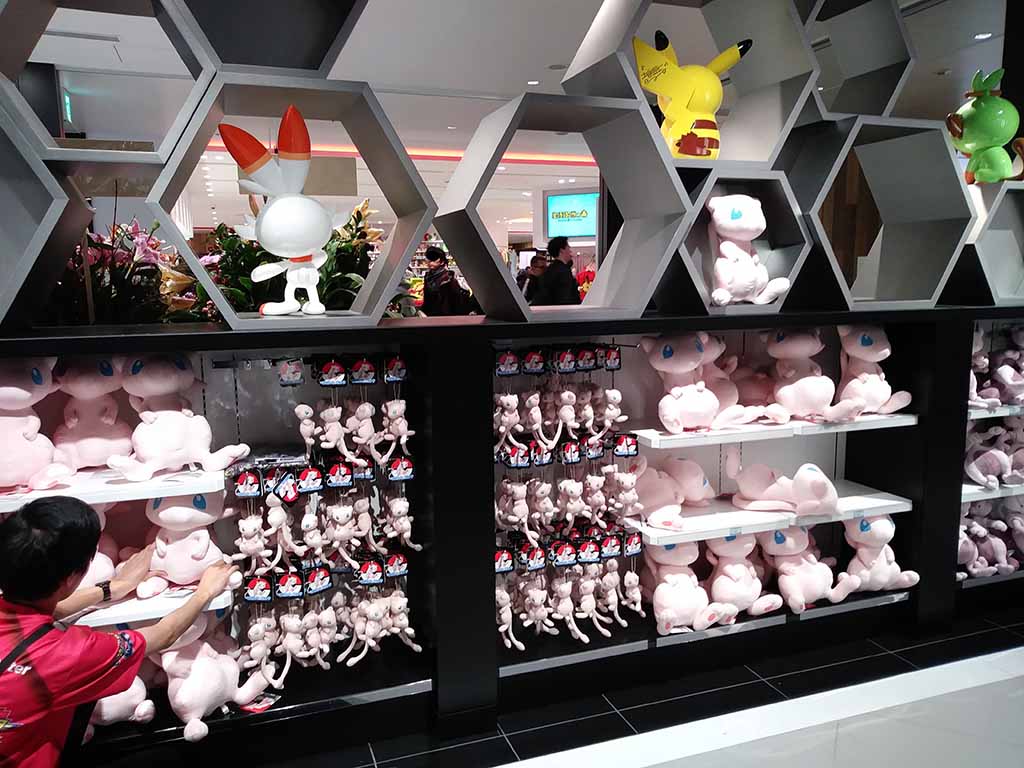
In retail and branding, stuffed toys carry emotional storytelling power. They connect brands with consumers on a personal level.
Applications include:
- Corporate mascots: Plush toys embody company characters.
- Promotional giveaways: Branded mini plush for campaigns.
- Licensed plush: Popular franchises drive retail sales.
- Seasonal sales: Plush for Valentine’s Day, Christmas, or events.
| Branding Use | Example |
|---|---|
| Mascot plush | Theme park animal plush |
| Logo embroidery | Promotional plush keychain |
| Licensed plush | Disney, Pokémon |
| Seasonal plush | Holiday gift bears |
At Kinwin, we offer OEM/ODM customization so businesses can align plush toys with their campaigns, creating both emotional and marketing value.
Conclusion
The meaning of stuffed toys is layered: they are playthings, comfort objects, cultural icons, and branding tools. From their historical roots to modern retail strategies, stuffed toys continue to represent emotion and identity. At Kinwin, we help global buyers design plush toys that combine safety, creativity, and brand storytelling.
Contact us at [email protected] or visit kinwintoys.com to co-create plush toys that connect with markets worldwide.