Skip to content
I make and test plush toys every day at Kinwin. The filling inside a stuffed animal decides how soft it feels, how long it lasts, and—most importantly—how safe it is. In this guide, I explain the stuffing choices I recommend to global buyers, the rules we follow, and the quality steps we use so your plush is huggable, durable, and compliant in every market.
What safety regulations govern stuffing materials in plush toy production?
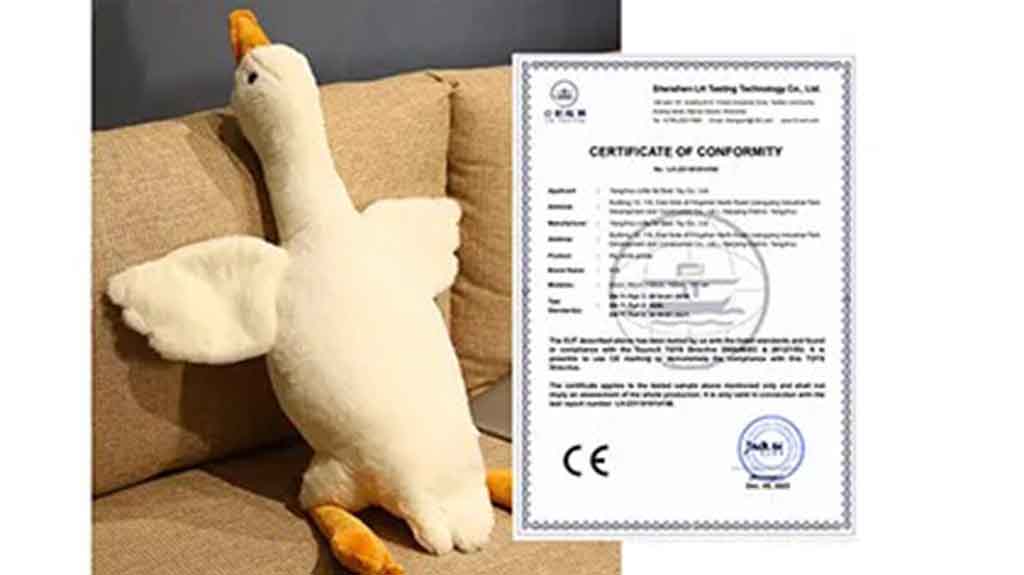
When we choose stuffing, we start with compliance. Different regions have different rules, but the goals are the same: no toxic chemicals, no fire risk beyond limits, no loose small parts, and no contamination.
Core standards we design to
- EN71 (EU)
- Part 1: Mechanical/physical (seam strength, small parts, sharp points)
- Part 2: Flammability (surface flash)
- Part 3: Migration of certain elements (heavy metals in accessible parts)
- ASTM F963 (USA): Mechanical/flammability/chemical requirements for toys
- CPSIA (USA): Total lead, phthalates, tracking labels for children’s products
- ISO 8124 (Global): International alignment with mechanical/chemical/flammability
Stuffing-specific expectations we meet
- Chemical safety: No restricted heavy metals; low formaldehyde; no banned azo dyes; meet phthalate limits for accessible parts.
- Cleanliness: Stuffing must be free from pests, odors, foreign materials (metal, hard plastic chips, wood splinters).
- Flammability: Fillers must not cause the toy to fail surface-flash tests.
- Containment: Pellets/beads must be double-contained (inner pouch + outer seam) to avoid leakage and choking risk.
| Topic | Why it matters | What we do at Kinwin |
|---|---|---|
| Chemicals | Protects children from toxins | Third-party lab tests per region |
| Flammability | Controls ignition/surface flash | Fabric + filler combinations tested |
| Small parts | Prevents choking | No loose pellets; strong seams |
| Cleanliness | Hygiene + brand trust | Incoming fiber inspection & sieving |
How does polyester fiberfill provide reliability and child safety?
Polyester fiberfill (virgin or recycled) is the global standard. It’s soft, springy, and safe when tested properly.
Why I recommend it
- Hypoallergenic feel: Low risk of skin irritation for most users.
- Washability: Holds loft after gentle machine wash; dries quickly.
- Consistency at scale: Even denier and crimp give predictable softness from batch to batch.
- Cost-performance: Best value for mass retail and exports.
Technical notes we control
- Denier & crimp: Choose fiber thickness and curl to match handfeel (e.g., 7D hollow-conjugate for plush loft).
- Cluster vs. regular: Cluster fiberfill resists matting in premium lines.
- Blends: For bigger heads, we sometimes mix small foam crumbs (<10%) to add structure, then fully encase.
| Attribute | Polyester Fiberfill (Virgin) | rPET Fiberfill (Recycled) |
|---|---|---|
| Softness | ★★★★☆–★★★★★ | ★★★★☆–★★★★★ |
| Durability | ★★★★☆ | ★★★★☆ |
| Washability | ★★★★☆ | ★★★★☆ |
| Eco value | ★★☆☆☆ | ★★★★☆ |
| Typical use | Mass & premium | Eco collections / EU focus |
Buyer tip: If you sell in eco-sensitive markets, pair rPET fiberfill with rPET velboa/minky and recycled hangtags for a full sustainability story—then verify with GRS documents.
Are natural fillings like cotton, wool, or kapok safe for stuffed animals?
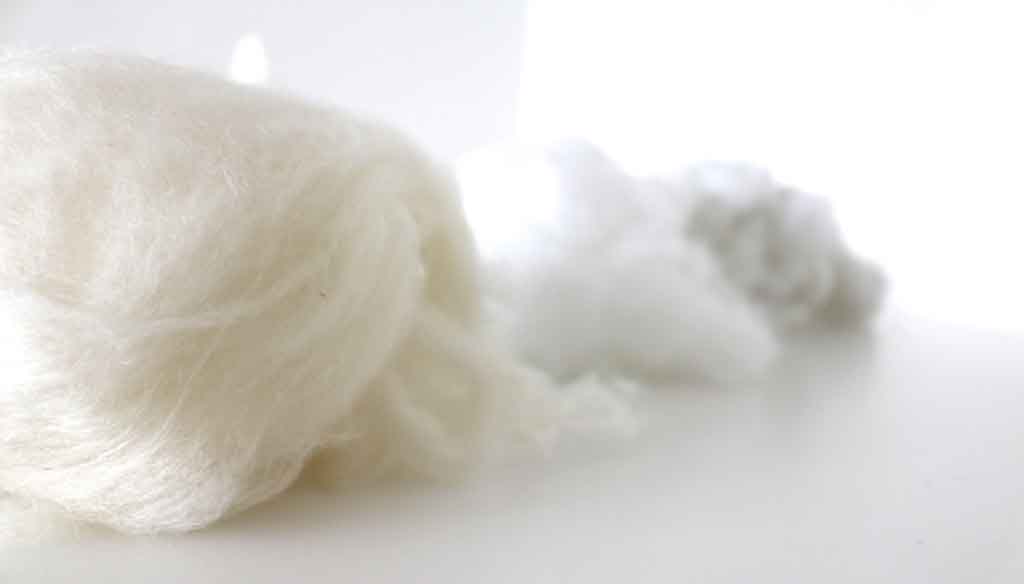
They can be—but they need extra care and testing.
Cotton
- Pros: Natural, breathable, familiar to parents.
- Cons: Compacts faster than polyester; can hold moisture; needs pest control in storage.
- Safety: Test for bioburden, colorfastness (if dyed), and EN71/ASTM chemical limits.
Wool
- Pros: Resilient, warm handfeel.
- Cons: Possible allergen for sensitive users; heavier; requires careful washing guidance.
- Safety: Check for mites/odors, and treat/clean properly.
Kapok
- Pros: Very light, plant-based.
- Cons: Tendency to clump; historically more flammable if untreated; less durable under rough play.
- Safety: Confirm flammability performance and cleanliness; often better for decorative or adult plush.
| Filling | Softness | Resilience | Washability | Allergy Risk | Best fit |
|---|---|---|---|---|---|
| Cotton | Medium | Medium–Low | Medium | Low–Medium | Baby eco collections (well-sealed) |
| Wool | Medium | High | Low–Medium | Medium | Niche, adult décor |
| Kapok | Medium | Low | Low | Low | Lightweight décor plush |
My rule: For under-3 products and heavy-play toys, stick to polyester/rPET for consistent, testable safety unless you have a strong natural-material strategy and a lab-verified plan.
What safety concerns exist with beads, pellets, or foam fillings?
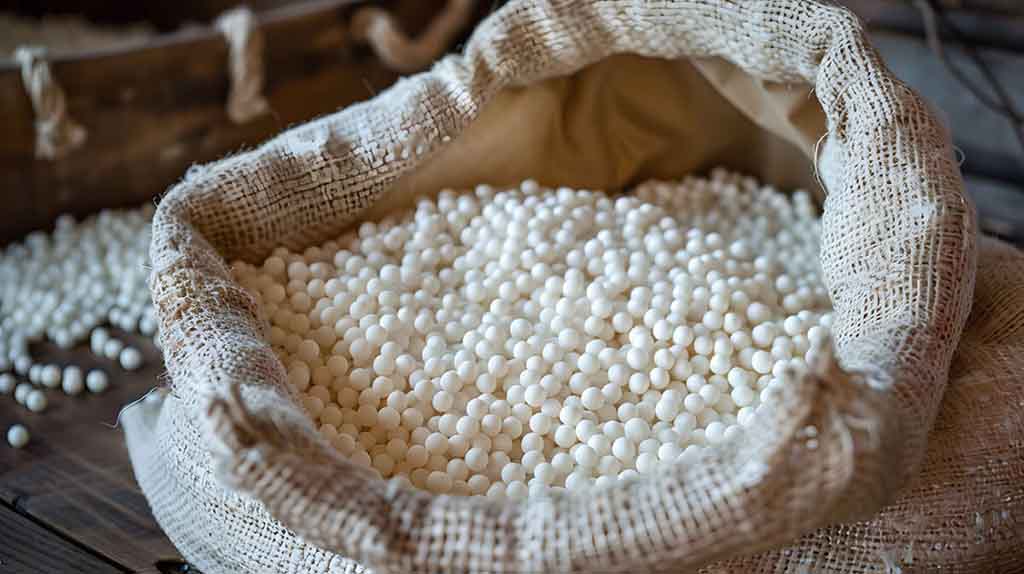
These materials add weight or structure but must be engineered for containment.
Plastic pellets (poly beads)
- Use: “Bean bag” feel, stability at the base.
- Risk: Choking if any seam fails.
- Control: Always seal in an inner stitched pouch (tight stitch length + zigzag edge) and then sew into the body; pass seam pull tests.
Glass beads
- Use: Smooth, even weight for weighted/therapeutic plush.
- Risk: Heavier; shipping cost; leakage is serious.
- Control: Robust inner sachet fabric; no loose beads; age grade 3+ (or adult) unless your design and tests justify otherwise.
Foam / memory foam crumbs
- Use: Shape retention in heads or cushions; premium feel.
- Risk: Poor-quality foams can shed dust or fail flammability; VOC/odor concerns.
- Control: Use foam grades intended for child products; verify chemical / flammability compliance; fully encase and mix with fiberfill for soft edges.
| Filler | Benefit | Primary Risk | Engineering Control |
|---|---|---|---|
| Poly pellets | Tactile, stable base | Choking if leaked | Double containment + seam tests |
| Glass beads | Premium weight | Heavy, leakage | Thick sachet + AQL seam pulls |
| Foam crumbs | Structure | Dust/VOC, flammability | Certified foam + full encasement |
Simple safeguard: If it can roll, rattle, or pour—put it in a pouch first, then into the toy.
How do hypoallergenic and eco-friendly stuffing options benefit consumers?
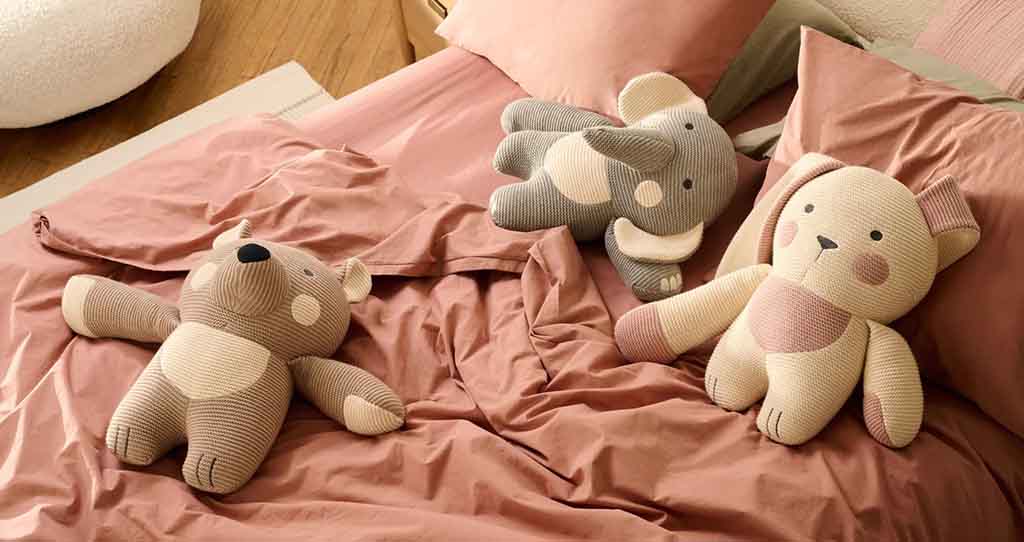
Consumers want comfort without worries. Two angles help: hypoallergenic feel and lower environmental impact.
Hypoallergenic approach
- Use polyester/rPET with low residual chemicals and neutral odor.
- Avoid natural allergens (e.g., untreated wool) in toys for infants.
- Keep dust down with sieving and closed-process stuffing lines; include care labels for gentle washing.
Eco-friendly approach
- rPET fiberfill: Big eco impact with familiar softness; verify recycled content.
- Organic cotton: Pairs well with organic outer fabrics; risk of compaction—design for gentle use.
- PLA/corn-based fibers: Emerging; test for heat sensitivity and durability.
- Bamboo viscose blends: Soft feel; check supply-chain responsibility and chemical compliance.
| Option | Comfort | Eco Value | Durability | Notes |
|---|---|---|---|---|
| rPET fiberfill | ★★★★☆ | ★★★★☆ | ★★★★☆ | Best mass-market eco choice |
| Organic cotton | ★★★☆☆ | ★★★★★ | ★★☆☆☆ | Eco story; lighter-duty play |
| Bamboo-viscose blend | ★★★★☆ | ★★★★☆ | ★★★☆☆ | Soft; verify chemicals |
| PLA-based fibers | ★★★☆☆ | ★★★★☆ | ★★☆☆☆ | Heat-sensitive; niche use |
Positioning tip: If you sell in EU/NA, eco messaging converts—but only when softness and safety still feel top-tier in hand.
What testing and quality control steps ensure stuffing safety in mass manufacturing?

Even the right filler fails if process control is poor. Here’s how we keep fillers safe and consistent at scale.
1) Incoming material control
- Supplier declarations + third-party test reports (EN71/ASTM/CPSIA scope).
- Visual & tactile check: color, odor, dust, foreign bodies.
- Sieve + magnet pass where appropriate to catch contaminants.
2) In-line process control
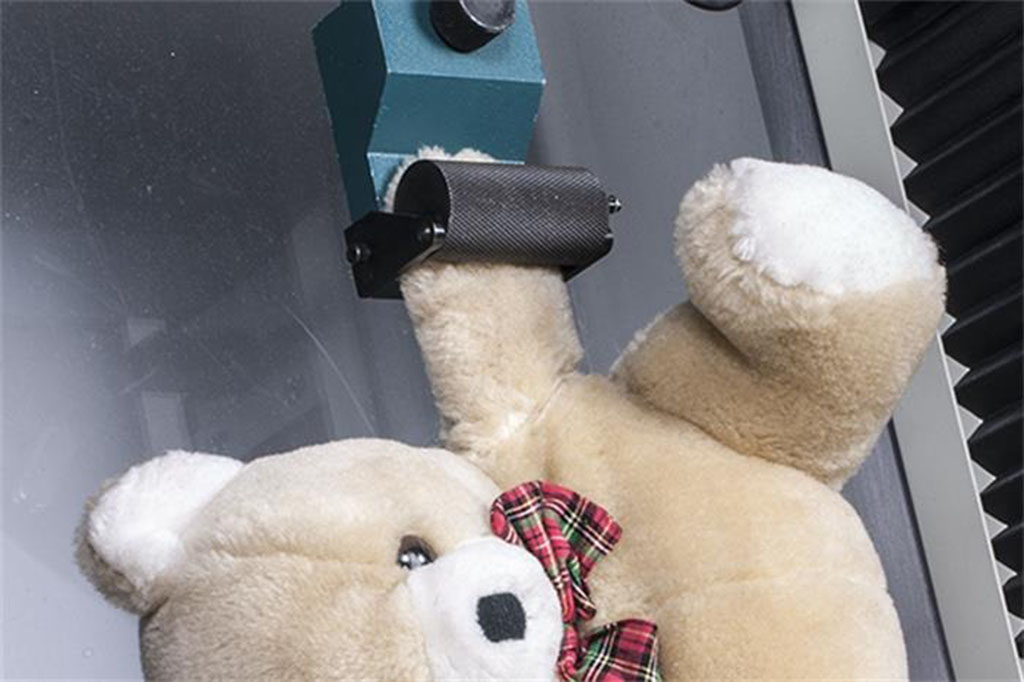
- Seam strength checks at high-stress points (neck, limbs, base).
- Pellet pouch verification (stitch length, fabric weight, leakage test).
- Fill weight control: ± tolerance per size to avoid under/overstuffing.
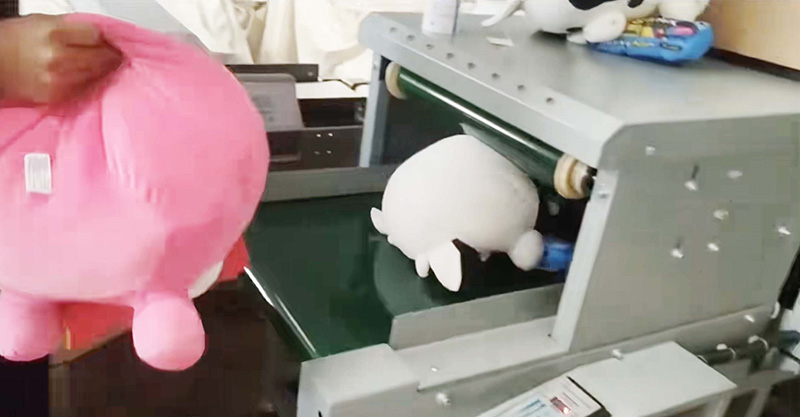
- Metal detection for finished toys where the retailer requires it.
3) Finished product testing
- Mechanical: Pull tests on attachments; torque on noses/eyes (3+); small-parts check.
- Chemical: Heavy metals, phthalates, formaldehyde, azo dyes (country-specific).
- Flammability: Surface flash test on materials set (outer + inner).
- Wash test: Shape retention, colorfastness, seam integrity after gentle cycle.
4) Documentation & traceability
- Lot numbers for fiberfill and shells; tracking labels (CPSIA).
- Retain golden sample and test reports for retailer audits.
| QC Stage | Key Check | Why it matters |
|---|---|---|
| Incoming | Lab reports + cleanliness | Blocks risk at the door |
| In-line | Seam & pouch integrity | Stops leaks & failures |
| Final | Mechanical/chemical/flammability | Legal compliance |
| Records | Traceable lots & labels | Faster approvals, recalls if needed |
AQL tip: Align acceptance levels with your retailer’s quality manual; many large chains require documented AQL for seams, appearance, and function.
Quick selection guide (what should you choose?)
| Use Case | Best Core Stuffing | Add-ons | Notes |
|---|---|---|---|
| Baby & toddler plush | Polyester or short-pile rPET fiberfill | None (no pellets) | Embroidered faces only |
| Mass retail animals | Polyester/rPET fiberfill | Small pellet pouch in base (3+) | Stability for standing |
| Comfort/weighted plush | Polyester + glass beads in inner pouches (3+ or adult) | Memory-foam crumbs (≤10%) for head | Publish weight clearly |
| Eco lines | rPET fiberfill | Organic cotton panels (outer) | Verify GRS/GOTS docs |
| Premium display plush | Cluster fiberfill | Minimal beads | Shape-holding + soft hug |
Conclusion
Safe stuffing is not guesswork—it’s about picking proven fibers, engineering any special fillers for containment, and backing it all with testing and clean processes. Polyester (virgin or rPET) remains the most reliable, washable, and compliant choice for most plush. Natural fillers can work in niche lines with extra care. Beads, pellets, and foam are fine when double-contained and lab-verified. With the right QC, your plush will feel soft, look premium, and pass audits in every market.
At Kinwin, I help brands match stuffing to their audience and price point—from eco rPET to weighted therapy builds—and we certify to EN71, ASTM, CPSIA, and ISO 8124 before shipment.
📧 [email protected]
🌐 kinwintoys.com
Let’s build plush that is safe, soft, and loved for years.