Buyers rarely stay with one plush supplier simply because changing factories feels inconvenient. They stay when the existing relationship produces measurable business value: fewer misunderstandings, faster product development, more consistent quality, clearer cost planning, stronger delivery control, and a lower probability of expensive surprises. In custom plush manufacturing, this value grows over time because every completed project creates product knowledge that can be reused.
A new supplier may offer a lower quotation, but the buyer must rebuild the operating system behind the product. Patterns must be interpreted again, materials must be matched, color and hand feel must be reapproved, embroidery files must be tested, packaging details must be transferred, and quality expectations must be explained. Even when the visible unit price is attractive, the transition can consume months of management time and introduce new risks.
Long-term supplier retention is therefore not blind loyalty. Professional buyers continue reviewing performance, comparing costs, and checking market options. They stay when the current plush manufacturer keeps earning the business through reliable execution and continuous improvement. The relationship survives because it makes sourcing more predictable while protecting the brand’s product standards.
The strongest supplier relationships also remain transparent. Buyers should never feel trapped by missing files, undocumented materials, or hidden dependencies. A trustworthy factory maintains clear records, explains changes, and gives the buyer enough information to make independent decisions. That openness is precisely what makes many buyers comfortable continuing with the same supplier.
Product Knowledge Becomes a Valuable Operating Asset
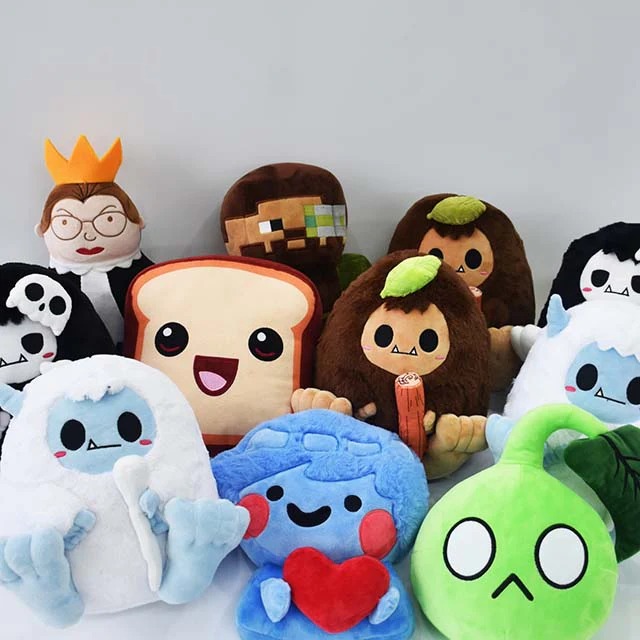
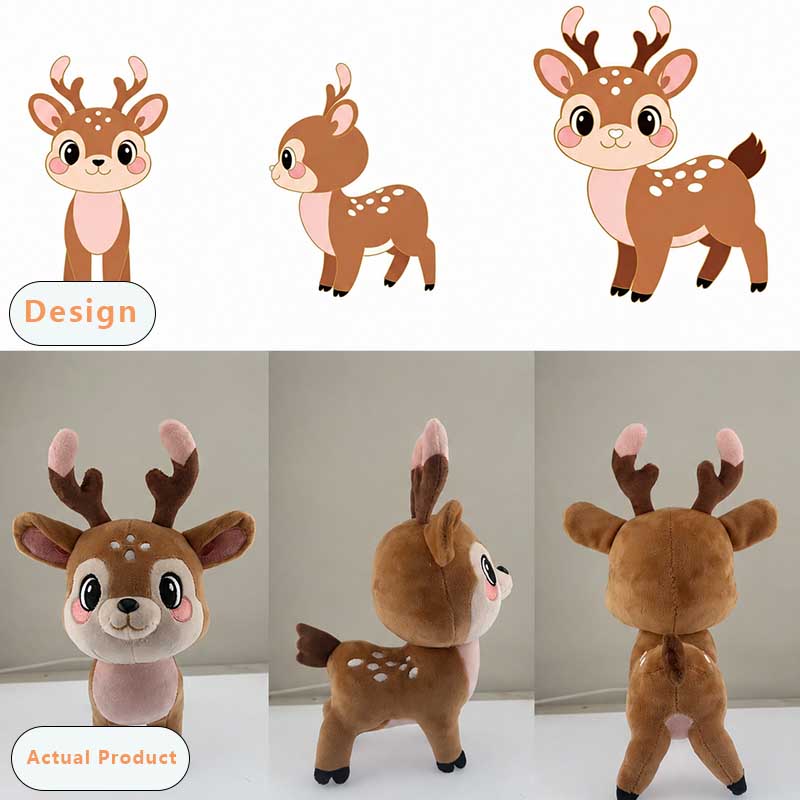
Custom plush products contain more knowledge than an artwork file can show. The approved expression may depend on eye spacing, embroidery tension, muzzle shape, seam curvature, stuffing distribution, fabric pile direction, and several small hand-finishing steps. During sampling and the first production run, the factory learns which details create the buyer’s intended character and which manufacturing methods keep those details repeatable.
When buyers stay with one supplier, that knowledge remains connected to the product. The factory can retrieve the approved sample, pattern version, embroidery program, material specification, color reference, filling target, accessory method, label layout, packing standard, and earlier inspection notes. The next order begins from a controlled baseline instead of from a new interpretation of the design.
This accumulated knowledge reduces the amount of explanation required from the buyer. A long-term supplier understands which features are commercially critical, which tolerances are acceptable, which previous defects must not return, and which alternatives the brand has already rejected. The buyer can focus discussions on genuine changes rather than repeatedly teaching the product from the beginning.
Operational memory is especially valuable for character and mascot projects. A five-millimeter shift in facial placement may change the expression, while a small change in stuffing can affect sitting stability or silhouette. A supplier that has produced the item several times is better positioned to recognize these sensitive points before they become bulk defects.
Buyers stay when the factory converts experience into controlled records, not when knowledge exists only in one salesperson’s memory. Patterns, samples, technical notes, and change histories should remain usable even if account managers, operators, or production lines change. The retained knowledge must belong to the manufacturing system.
| Retention Factor | What the Supplier Does | Buyer Value |
|---|---|---|
| Approved product baseline | Retains the correct sample, pattern, files, materials, measurements, and packing standard | Reorders begin from the proven product rather than a new interpretation |
| Sensitive-detail knowledge | Records features that strongly affect expression, shape, safety, or customer perception | Reduces repeated explanations and protects brand identity |
| Transferable records | Stores knowledge in controlled documents instead of relying on individuals | Keeps continuity despite staff or line changes |
Consistent Quality Protects the Brand Across Orders
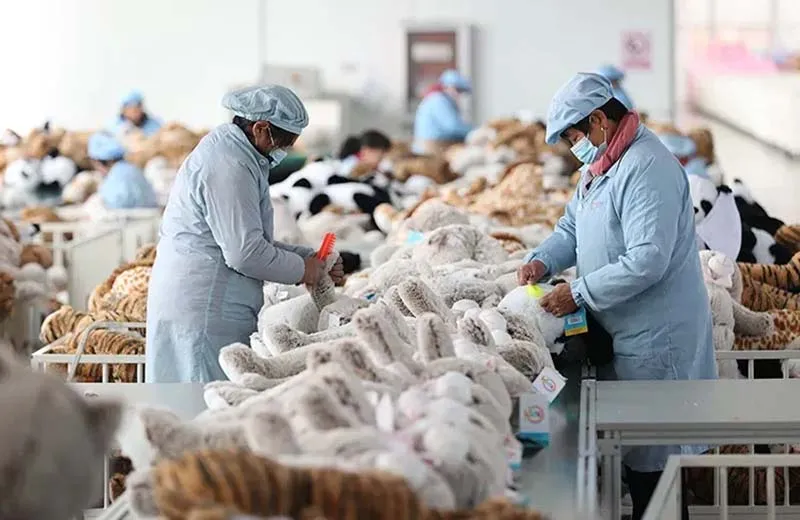
Buyers remain with a plush supplier when product quality is stable enough to support their own promises to retailers and customers. A brand may sell inventory from different production runs at the same time. If color, softness, weight, expression, size, or packaging changes noticeably between shipments, customers experience one product listing as several different products.
Consistency is not achieved by telling workers to copy the sample. The factory needs material controls, first-piece approval, documented sewing methods, stuffing ranges, placement templates, inline inspection, finishing standards, and final inspection criteria. Long-term suppliers know where variation is most likely and concentrate controls at those points.
Repeated production also creates better defect data. The factory can compare issues by batch and identify whether variation comes from fabric lots, cutting accuracy, embroidery setup, operator technique, filling weight, or finishing. If the same defect appears again, the supplier should strengthen the process rather than merely sorting the finished goods.
For the buyer, stable quality lowers more than claim costs. It reduces internal approval work, warehouse inspection, customer service cases, replacement shipments, retailer disputes, and reputational risk. These hidden savings often exceed a small difference in factory price.
A buyer should still inspect repeat orders, but inspections become more focused. The supplier’s history shows which characteristics are stable and which need additional attention. When factory and buyer share the same defect language and benchmark, quality decisions become faster and less subjective.
| Retention Factor | What the Supplier Does | Buyer Value |
|---|---|---|
| Repeatable construction | Uses approved methods, templates, filling ranges, and first-piece checks | Keeps shape and expression consistent across production runs |
| Defect learning | Tracks recurring issues and strengthens the responsible process step | Reduces rework, claims, and repeated surprises |
| Shared quality language | Aligns defect classes, tolerances, photos, and inspection criteria | Speeds approval and reduces quality disputes |
Stable Material Control Reduces Reapproval Risk
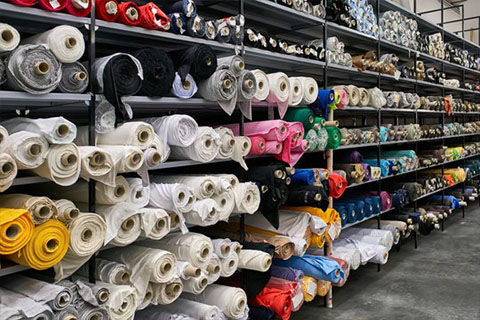
Plush quality is highly dependent on the supply chain. Two fabrics with similar descriptions can differ in pile density, backing strength, stretch, color, sheen, softness, and sewing behavior. Filling, thread, plastic parts, printed components, labels, and packaging also influence the finished result. Buyers stay with suppliers that control these inputs instead of making silent substitutions.
A long-term factory knows which materials are standard, which are custom, which have seasonal availability, and which require advance reservation. It can warn the buyer when a mill changes a specification, a color must be redyed, a component reaches end of life, or an MOQ affects the next purchase. Early warning gives the buyer time to approve alternatives through swatches or samples.
Material continuity does not mean that every input remains available forever. The real advantage is controlled change. A dependable supplier compares proposed replacements against the approved standard, explains differences in appearance and cost, tests manufacturing performance, and obtains approval before use. The buyer remains in control of the product.
Supplier familiarity also improves purchasing efficiency. Previous consumption data helps estimate fabric, filling, thread, labels, and packaging more accurately. Better estimates reduce urgent shortages and excessive leftover inventory. For growing programs, the factory may coordinate material reservations across several SKUs or planned reorders.
Buyers value this stability because reapproving a material is not a small administrative task. It may require internal review, retailer approval, safety assessment, sample testing, photography changes, or updates to customer expectations. A supplier that manages materials transparently protects both product continuity and launch schedules.
| Retention Factor | What the Supplier Does | Buyer Value |
|---|---|---|
| Approved material control | Records source, specification, color, lot expectations, and approved alternatives | Protects look, feel, performance, and compliance |
| Early availability warning | Reports discontinuation, MOQ, dye-lot, or lead-time risks before production | Creates time for controlled decisions instead of emergency substitution |
| Consumption knowledge | Uses prior production data to improve purchasing and reservation | Reduces shortages, waste, and unstable replenishment timing |
Communication Becomes Faster Without Losing Accuracy
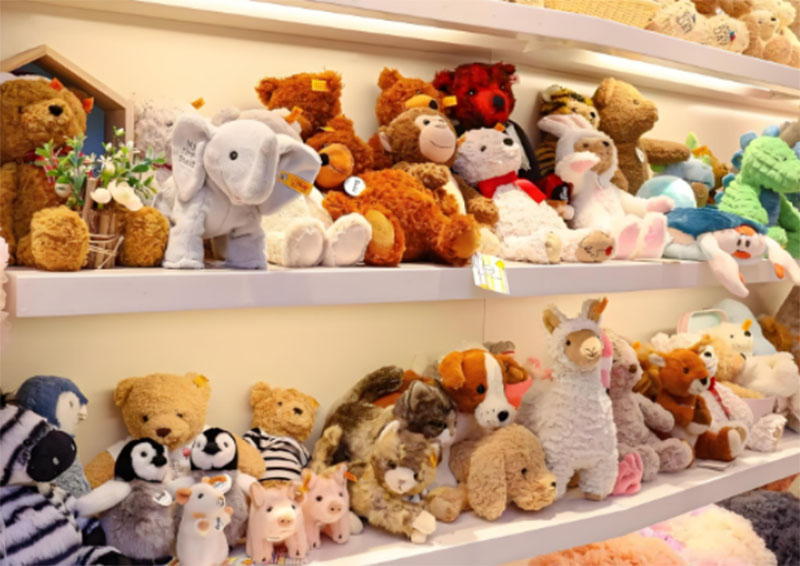
A strong buyer-supplier relationship develops a shared working language. Both sides understand the product names, sample versions, material codes, approval process, inspection expectations, packaging rules, and decision owners. That familiarity shortens communication without making it careless.
For a new supplier, every request requires context. The buyer must explain brand priorities, target markets, retailer requirements, preferred reporting format, and internal approval structure. With an established supplier, routine information is already organized. The team can focus on exceptions, changes, and risks.
Buyers stay when communication is proactive. The factory reports material readiness, sample progress, production milestones, QC findings, packing status, and shipment preparation before the buyer needs to chase. If a problem appears, the supplier provides facts, affected quantity, containment, options, timing impact, and a recommendation.
Accuracy matters more than friendliness. Fast replies that later prove wrong create more work than a carefully checked update. Long-term suppliers earn trust by separating confirmed information from estimates, documenting approvals, and closing open actions. They make it easy for the buyer to brief colleagues, managers, retailers, and logistics partners.
Communication efficiency has a direct cost value. Fewer clarification loops mean less buyer time, fewer sample misunderstandings, faster decisions, and less risk of production continuing under an incorrect assumption. For teams managing many SKUs, this reduction in coordination effort is a major reason to stay.
| Retention Factor | What the Supplier Does | Buyer Value |
|---|---|---|
| Shared project language | Uses consistent SKU names, versions, material codes, and approval records | Reduces ambiguity across buyer and factory teams |
| Proactive milestones | Reports status, risks, evidence, and required decisions at the right time | Reduces chasing and improves internal planning |
| Decision closure | Records who approved what, which version applies, and what action follows | Prevents old comments or conflicting instructions from reaching production |
Predictable Delivery Supports Inventory and Launch Planning

Buyers do not only purchase plush toys; they plan launches, promotions, retail deliveries, warehouse capacity, advertising, and cash flow around expected arrival dates. A supplier that consistently protects the schedule becomes part of the buyer’s operating plan. Replacing that supplier introduces uncertainty even when the alternative lead time looks similar on paper.
Reliable delivery depends on managing the full critical path. Material purchasing, custom dyeing, embroidery setup, cutting, sewing, stuffing, finishing, testing, inspection, packaging, booking, and documents all influence shipment readiness. Experienced suppliers understand which step is most likely to control the schedule for each product.
After several orders, the factory has real data instead of assumptions. It knows how long the design takes to sew, which components require early purchase, how quickly the buyer normally approves packaging, how much inspection time is realistic, and how the product behaves during packing. This improves forecasting.
Buyers stay when suppliers do not hide schedule pressure. If a delay appears, the factory explains the cause and provides recovery options, such as prioritized materials, revised line allocation, partial shipment, or alternative transport. The buyer can then protect the most important commercial deadline.
On-time delivery should be evaluated through history, not promises. Buyers can compare original commitment, revised forecast, production readiness, inspection, loading, and final documentation across orders. A supplier that repeatedly performs close to its forecast gives the buyer confidence to hold less emergency inventory and make firmer market commitments.
| Retention Factor | What the Supplier Does | Buyer Value |
|---|---|---|
| Critical-path planning | Connects materials, production, QC, packing, booking, and documents in one schedule | Prevents finished products from remaining unshippable |
| Historical lead-time data | Uses actual product and approval timing from previous orders | Improves forecasts and launch planning |
| Transparent recovery | Reports delay impact early and offers costed recovery options | Helps buyers protect priority dates and customers |
Total Cost Becomes More Predictable Than Unit Price
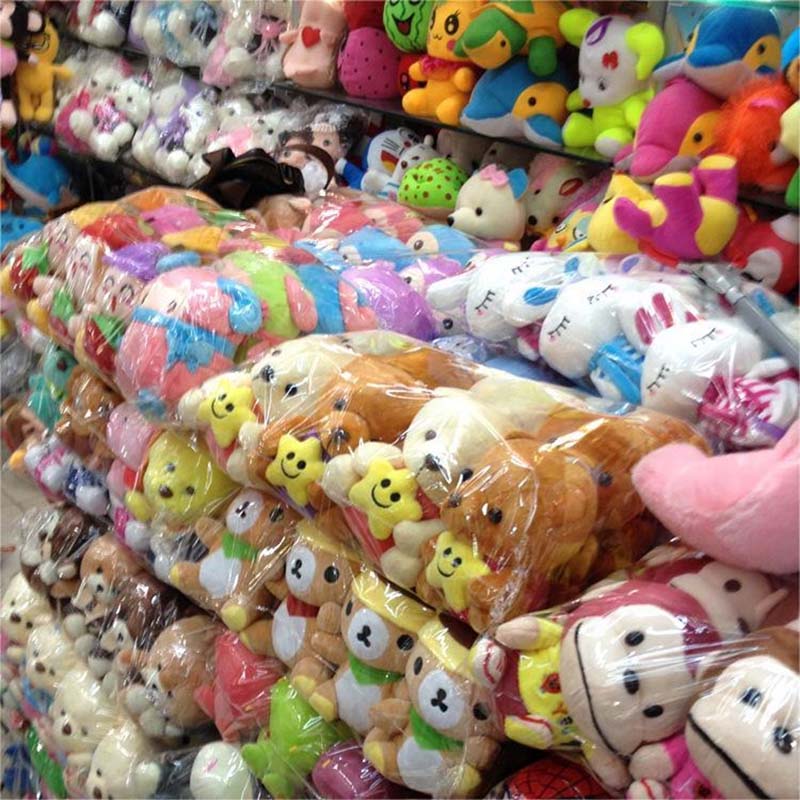
A buyer may receive a lower quotation from another factory, but switching has costs that rarely appear in the comparison sheet. New sampling, courier charges, engineering time, material matching, test duplication, internal approvals, supplier audits, inspection learning, packaging corrections, and management attention all increase the true cost of transition.
Established suppliers also understand the cost structure of the product. They know where fabric is wasted, which sewing details create labor, how packaging affects carton volume, and which requirements cannot be removed without creating risk. This makes cost-reduction discussions more specific and useful.
Long-term cooperation can produce legitimate efficiency gains. Stable patterns reduce development work. Known material consumption improves purchasing. Trained lines reduce rework. Established QC points prevent widespread defects. Confirmed packaging improves packing speed and freight estimates. The supplier can share or reflect some of these efficiencies in future quotations.
Buyers stay when price changes are transparent. Material, labor, exchange rate, order quantity, testing, packaging, and freight movements should be separated where possible. The supplier should explain what changed, provide alternatives, and protect the approved quality standard. Unexplained increases weaken trust even when the final number remains competitive.
The relevant comparison is total landed and managed cost. A slightly higher unit price may be commercially better when it reduces revisions, late shipments, rework, claims, receiving problems, and buyer labor. Professional sourcing teams remain with suppliers that consistently control this wider cost picture.
| Retention Factor | What the Supplier Does | Buyer Value |
|---|---|---|
| Transition cost avoided | Preserves approved development, records, testing knowledge, and working routines | Avoids restarting hidden setup and management work |
| Learning-curve efficiency | Improves material yield, line setup, QC focus, and packing through experience | Creates sustainable savings without cutting standards |
| Transparent price logic | Explains changes and presents controlled alternatives | Makes budgets more predictable and negotiations more factual |
Reliable Problem Solving Builds Practical Trust
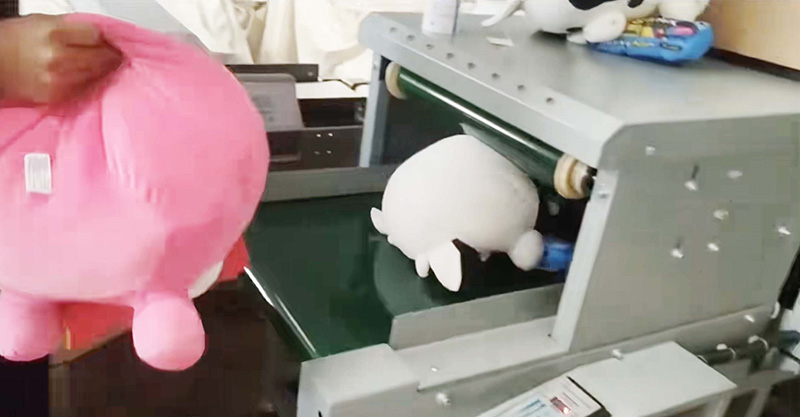
No manufacturing relationship is free from problems. Materials can arrive late, equipment can fail, operators can make mistakes, inspections can reveal defects, and logistics conditions can change. Buyers stay with one supplier when problems are handled in a way that protects decisions, quality, and time.
Professional response begins with containment. The supplier identifies what is affected, stops the problem from spreading, separates questionable goods, and protects unaffected production. It then investigates the cause instead of offering a vague explanation. The buyer receives evidence and a realistic assessment of quantity and schedule impact.
Corrective action must be verified. Rework alone may repair the current order, but it does not prevent recurrence. The supplier may need to change a positioning template, update a work instruction, retrain operators, improve incoming inspection, adjust machine settings, or add an inline checkpoint. The next production cycle should demonstrate that the correction worked.
Trust grows when the factory communicates bad news early. Buyers can often manage a problem when they have time and options. They lose confidence when an issue is hidden until final inspection or shipment. Transparency gives the buyer the ability to inform customers, revise launch plans, or approve a recovery path.
A supplier’s value is therefore visible in difficult moments. Buyers remember whether the factory accepted responsibility, provided facts, protected the relationship, and improved the system. Consistent recovery performance can be a stronger retention factor than a history with no reported problems, because silence may simply mean problems were not disclosed.
| Retention Factor | What the Supplier Does | Buyer Value |
|---|---|---|
| Immediate containment | Identifies scope, separates affected goods, and prevents further production loss | Limits commercial and schedule impact |
| Root-cause correction | Changes the responsible method, tool, training, material, or inspection point | Prevents the same defect from returning |
| Transparent escalation | Shares facts, options, timing, and evidence before the issue becomes urgent | Preserves buyer control and practical trust |
A Capable Supplier Can Grow with the Buyer
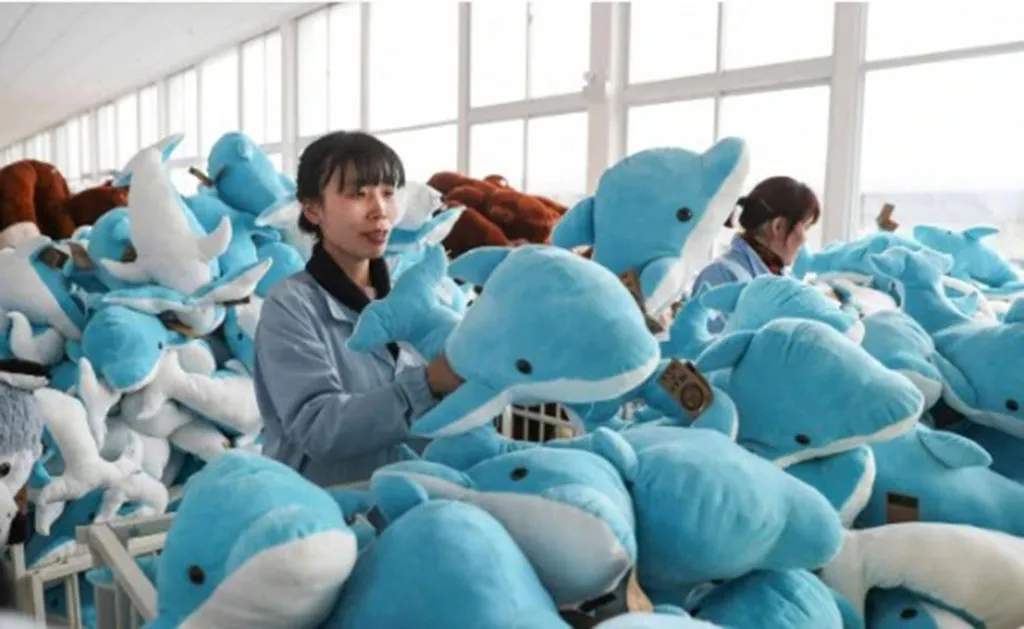
Buyers often begin with one design and a cautious quantity. If the product succeeds, the sourcing challenge changes. The brand may add colors, sizes, seasonal versions, accessories, retail packaging, licensing requirements, or international markets. Buyers stay with suppliers that can support this growth without losing control.
Scalability is not only larger production capacity. It includes project management, sample-room resources, material coordination, line planning, QC staffing, compliance support, documentation, and shipment management. A factory that can sew more units but cannot manage more SKUs may create greater risk as the program expands.
An established supplier understands the brand’s design language and commercial priorities. It can apply proven materials, construction ideas, quality criteria, and packaging systems to new products while still treating each design’s risks separately. This shortens development without turning every product into the same solution.
Long-term factories can also plan ahead with buyers. Forecasts may support material reservation, capacity booking, staged deliveries, shared components, or coordinated testing. The supplier can flag where a planned assortment creates unnecessary complexity and suggest ways to standardize invisible elements while preserving customer-facing differences.
Buyers remain when the supplier improves with them. The relationship should produce faster sampling, clearer costing, fewer repeated defects, better reports, stronger compliance records, and more reliable launches over time. If performance remains static while the buyer’s needs become more complex, retention will eventually weaken.
| Retention Factor | What the Supplier Does | Buyer Value |
|---|---|---|
| SKU expansion | Coordinates patterns, materials, colors, labels, packaging, and approvals across a range | Supports growth without losing product-level control |
| Capacity and resource planning | Matches lines, sample resources, QC staff, and purchasing to forecast demand | Reduces peak-season and scaling risk |
| Continuous improvement | Uses previous results to improve development, cost, quality, and reporting | Makes the partnership more valuable with each cycle |
Conclusion
Buyers stay with one plush supplier when the relationship lowers total sourcing risk and keeps creating measurable value. Retained product knowledge makes reorders faster. Stable quality and materials protect the brand. Clear communication reduces management time. Reliable delivery supports launches and inventory. Transparent cost control improves budgeting, while disciplined problem solving protects the business when conditions change.
This does not mean buyers should stop evaluating their supplier. A healthy long-term relationship is supported by evidence: inspection results, delivery history, price explanations, corrective actions, material records, and performance across new projects. Trust becomes stronger when it remains verifiable.
The best reason to stay is not that switching is difficult. It is that the current supplier continues to earn the next order. When a plush manufacturer preserves knowledge, communicates openly, improves its process, and scales with the buyer, continuity becomes a competitive advantage for both sides.
FAQ
Why do buyers prefer long-term plush suppliers?
Long-term suppliers already understand approved samples, materials, quality standards, packaging, compliance needs, and communication routines. This reduces development time, management work, and production uncertainty.
Is staying with one supplier always the lowest-cost choice?
Not always at the unit-price level. However, it can reduce total cost by avoiding repeated sampling, supplier qualification, reapproval, quality learning, delays, rework, and extra buyer management time.
What makes a plush supplier difficult to replace?
The valuable part is not dependency. It is accumulated and documented knowledge, consistent execution, transparent communication, reliable delivery, and proven problem-solving performance.
Should buyers still compare other plush factories?
Yes. Market comparison helps buyers understand price, capability, technology, and risk. A strong supplier relationship should survive comparison because its total value remains competitive.
How can buyers measure supplier loyalty objectively?
Track quality consistency, delivery accuracy, cost changes, response time, corrective action, documentation, sample performance, and the amount of buyer effort required for each order.
When should a buyer consider changing suppliers?
Consider change when repeated defects, hidden substitutions, unreliable delivery, poor communication, weak compliance support, unexplained pricing, or failure to improve create more risk than continuity removes.
How does a supplier support a growing plush brand?
It plans capacity, coordinates multiple SKUs, reserves materials, maintains quality systems, supports testing and documentation, improves packaging, and applies earlier learning to new products.
What keeps a long-term supplier relationship healthy?
Clear standards, documented approvals, transparent cost discussions, regular performance review, early risk reporting, fair problem resolution, and continuous improvement keep the relationship commercially useful.