Skip to content
Shipping methods can change plush pricing more than many buyers expect. A plush toy may have a stable factory cost, but the final landed cost can move significantly depending on carton volume, packing method, delivery deadline, destination, shipment size, freight mode, and trade term. For B2B buyers, this means the unit price from the factory is only one part of the real cost picture.
Plush toys are usually light but bulky. This makes freight planning different from dense products such as metal parts, electronics, or hardware. A carton of plush toys may not weigh much, but it can take up a large amount of container, air cargo, warehouse, or courier space. Shipping providers often price by volume, dimensional weight, or chargeable weight, so a soft product can become expensive to move if packaging is not planned carefully.
A professional plush manufacturer should help buyers understand these cost drivers before production is finished. The factory cannot control every freight market change, but it can influence product size, packing ratio, compression method, carton dimensions, shipment timing, document accuracy, and delivery coordination. When buyers plan shipping together with product development, plush pricing becomes easier to predict and control.
Understand Factory Price Versus Landed Cost

The first step is separating factory price from landed cost. The factory price usually reflects material, labor, overhead, packaging, and supplier margin under a specific trade term. Landed cost includes the full cost of receiving the goods at the buyer’s destination, which may include inland transport, export handling, freight, insurance, import duty, customs clearance, taxes, destination charges, warehouse fees, and last-mile delivery.
Many pricing misunderstandings happen because buyers compare quotations without checking what is included. One supplier may quote EXW or FOB. Another may quote CIF, DAP, or DDP. A lower unit price can become more expensive after freight and destination charges are added. For plush toys, this is especially important because the freight portion can be high when cartons are large.
Buyers should ask suppliers to clarify the trade term, port, carton size, carton quantity, gross weight, net weight, estimated CBM, packing method, and whether documents or local charges are included. Without these details, a plush quotation is incomplete. A buyer may think the product is cheap when the real issue is that shipping has not been calculated yet.
Landed cost planning should start before the final sample is approved. Product size, stuffing level, packaging format, and carton arrangement all affect freight. If a buyer confirms a large plush design and retail box first, then asks for cheap air freight later, the project may face a cost conflict that could have been avoided earlier.
A reliable manufacturer will not treat freight as a last-minute issue. It helps the buyer see how production decisions affect delivery cost. This makes pricing more transparent and reduces surprises when the order is ready to ship.
| Shipping Factor | What Buyers Should Check | Pricing Impact |
|---|---|---|
| Trade term | Confirm EXW, FOB, CIF, DAP, DDP, or another agreed term | Different terms include different cost responsibilities |
| Cost scope | Check whether freight, customs, duty, taxes, and destination charges are included | Prevents false comparison between supplier quotations |
| Shipment data | Request carton size, carton quantity, weight, and CBM estimate | Allows buyers to estimate true landed cost before shipment |
Measure Carton Volume and Dimensional Weight Early
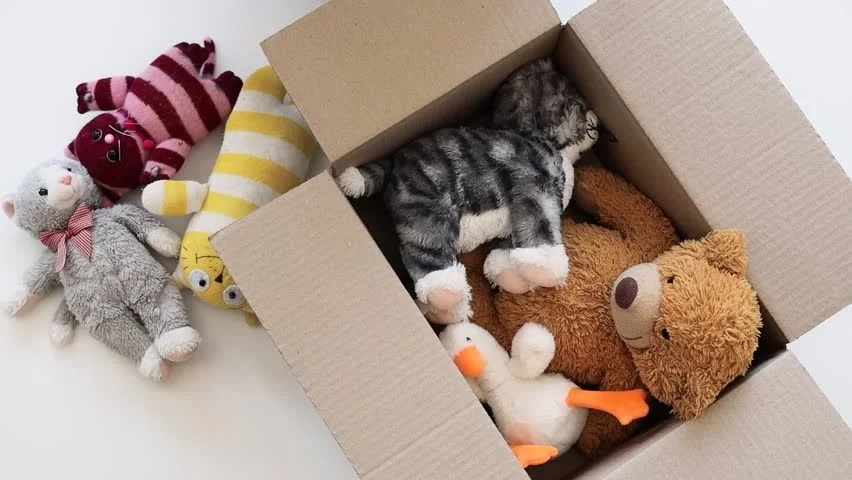
Carton volume is one of the biggest drivers of plush toy shipping cost. Because plush toys are soft and bulky, freight cost is often affected more by space than by actual weight. A carton may be light enough to carry easily but large enough to create a high chargeable volume.
Buyers should ask for estimated carton dimensions during sampling or pre-production, not only after packing is complete. If the product is large, shaped, long-pile, boxed, or includes accessories, carton volume can change quickly. A small increase in product size may reduce the number of units per carton and increase total CBM across the order.
Dimensional weight matters most for air freight and courier shipments. Carriers use formulas to convert package size into a chargeable weight. If the dimensional weight is higher than the actual weight, the buyer pays based on the larger number. Plush toys often fall into this category because they occupy space without weighing much.
For sea freight, CBM and container utilization become more important. A bulky plush order may require more container space even if the total weight is low. If carton dimensions are inefficient, the buyer may pay for unused air inside cartons and containers. Good carton planning can reduce cost without changing the product itself.
Factories should provide packing trials when shipping cost is sensitive. A trial can compare normal packing, compressed packing, vacuum packing, inner carton changes, or different carton sizes. The goal is to find a packing method that protects product quality while avoiding unnecessary freight volume.
| Shipping Factor | What Buyers Should Check | Pricing Impact |
|---|---|---|
| Carton dimensions | Confirm length, width, height, carton quantity, and units per carton | Determines CBM and container or cargo space |
| Dimensional weight | Compare actual weight with chargeable weight for air and courier | Bulky plush can be billed higher than physical weight |
| Packing trial | Test carton arrangement before bulk packing | Finds cost savings before shipment is fixed |
Compare Sea Freight, Air Freight, and Courier Use Cases

Different shipping methods fit different plush order situations. Sea freight is usually better for larger or less urgent bulk orders. Air freight is useful when the deadline is tight but the volume is manageable. Courier shipping is often used for samples, small trial orders, urgent replacements, or documents. Choosing the wrong method can make plush pricing look uncompetitive even when factory cost is reasonable.
Sea freight normally offers lower cost per unit for bulky plush goods, especially when the order can fill enough container space or be consolidated efficiently. The tradeoff is longer transit time and more planning. Buyers need to account for production completion, final inspection, booking, customs, ocean transit, destination clearance, and inland delivery.
Air freight can protect urgent launches, retail windows, or event deadlines, but it can be expensive for plush toys because of dimensional weight. A plush order that seems small by unit count may still occupy significant cargo space. Air freight should be used deliberately, usually for priority SKUs, launch quantities, or partial shipments rather than automatically for the full order.
Courier shipping is convenient, but it is rarely the best solution for full bulk orders. It works well for samples, approval units, urgent components, or very small replenishment quantities. For larger plush shipments, courier costs can rise quickly, especially when cartons are oversized.
Buyers should compare shipping methods using landed cost per unit and delivery impact, not only freight price. A slower method may be cheaper but miss the selling season. A faster method may protect revenue but reduce margin. The best method depends on the business purpose of the shipment.
| Shipping Factor | What Buyers Should Check | Pricing Impact |
|---|---|---|
| Sea freight | Use for bulk orders with enough lead time and larger volume | Lower unit freight cost but longer planning cycle |
| Air freight | Use for urgent launches, partial shipments, or deadline protection | Faster delivery but higher cost for bulky plush goods |
| Courier | Use for samples, small urgent lots, and documents | Convenient but expensive for oversized cartons |
Use Packaging Design to Control Freight Cost
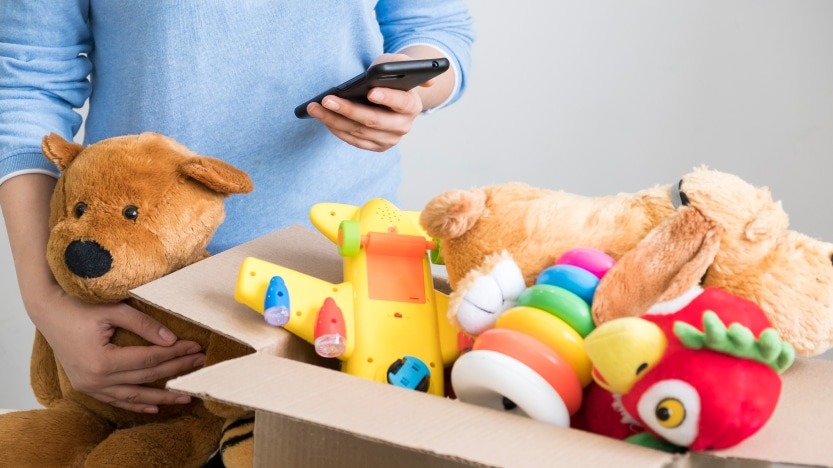
Packaging design has a direct effect on plush pricing because it affects carton volume, product protection, retail presentation, and handling cost. A plush toy sold loose in a polybag has a very different freight profile from the same toy packed in a rigid retail box. The packaging choice should match the sales channel and cost target.
Retail packaging can improve shelf presentation, brand value, and barcode control, but it usually increases volume. Boxes, inserts, windows, molded trays, and display cartons may reduce the number of units per master carton. If the product is large or soft, the packaging may create more shipping cost than buyers expect.
Polybag or simple hangtag packing can reduce volume and cost, but it may not meet retail, gifting, marketplace, or protection requirements. Buyers should decide early whether the main priority is freight efficiency, retail display, individual protection, or fulfillment convenience. Changing packaging late can affect price, lead time, carton size, and inspection requirements.
Vacuum packing can reduce volume for some plush toys, but it must be tested carefully. Some products recover shape well. Others may show deformation, wrinkles, crushed accessories, damaged packaging, or poor shelf appearance after compression. The factory should test shape recovery before recommending vacuum packing for a brand shipment.
A good plush supplier will help compare packaging options with data. The buyer should see units per carton, carton size, CBM, product condition after unpacking, and any effect on retail presentation. This turns packaging from a design preference into a cost-control decision.
| Shipping Factor | What Buyers Should Check | Pricing Impact |
|---|---|---|
| Retail box | Check display value, carton volume, and units per master carton | Improves presentation but can increase freight cost |
| Polybag packing | Review protection, label, barcode, and fulfillment needs | Can reduce volume but may not fit every sales channel |
| Vacuum packing | Test compression, recovery, accessory protection, and appearance | Can reduce CBM but may create quality risk if untested |
Plan Partial Shipments and Split Methods Carefully
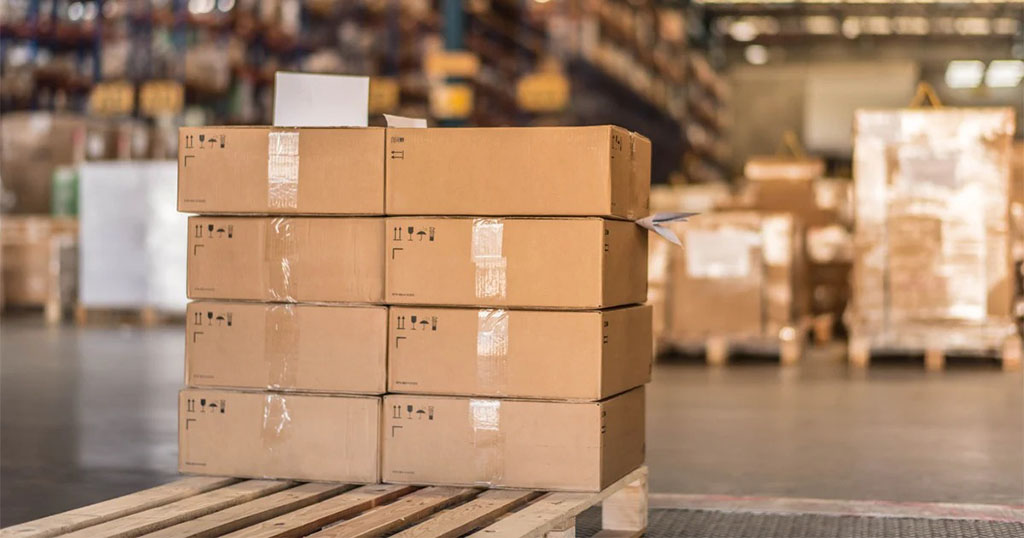
Partial shipment can be a practical way to balance cost and timing. Instead of shipping the full plush order by air, a buyer may send a smaller launch quantity by air and the remaining volume by sea. This approach can protect a sales deadline while keeping total freight cost more reasonable.
Split shipping works best when planned before packing. The factory needs to know which SKUs, colors, sizes, or carton groups belong to each shipment wave. If the split is decided after goods are packed, the factory may need to reopen cartons, relabel boxes, separate stock, and revise documents. That extra handling can create cost and error risk.
Buyers should also consider inventory balance. If a collection includes several plush characters, shipping only one item first may not support the sales plan. A launch shipment may need a balanced assortment, correct packaging, and complete barcode coverage. The lowest freight option is not helpful if it creates incomplete retail sets.
Documentation must match each shipment. Packing lists, invoices, carton marks, inspection reports, and booking details should reflect the actual goods in each wave. When documents are not separated clearly, customs clearance or warehouse receiving can become more difficult.
A professional factory can help build a split-shipment plan that protects both cost and usability. The plan should show shipment method, SKU quantity, carton count, estimated CBM, chargeable weight, ready date, inspection status, and document responsibility for each wave.
| Shipping Factor | What Buyers Should Check | Pricing Impact |
|---|---|---|
| Air plus sea split | Send urgent launch quantity by air and remaining volume by sea | Protects timing without air-shipping the full order |
| SKU separation | Plan which cartons and SKUs belong to each shipment wave | Prevents carton reopening, relabeling, and warehouse confusion |
| Document match | Prepare invoice, packing list, carton marks, and inspection data by wave | Supports smoother customs and receiving |
Account for Delivery Deadline and Inventory Risk
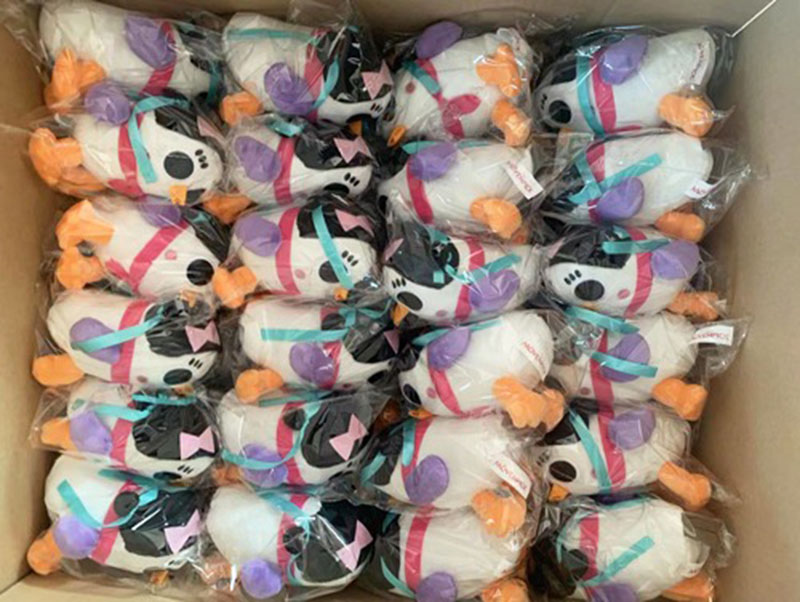
Shipping method decisions should be based on business risk, not freight price alone. A slower method may reduce cost, but it may also create missed launch dates, stockouts, retailer penalties, event failure, or lost sales. A faster method may protect revenue but reduce margin. Plush pricing should be evaluated together with timing risk.
Brands often face fixed deadlines such as retail resets, holiday seasons, promotional events, crowdfunding promises, or licensing campaigns. If production finishes late, the buyer may need air freight or courier service to recover time. In that situation, freight becomes a penalty for weak planning. Earlier production tracking can help avoid expensive emergency shipping.
Inventory risk also matters. Shipping too early may increase storage cost or tie up cash. Shipping too late may leave the brand without stock. Large plush toys can occupy warehouse space quickly, so buyers should coordinate shipment timing with warehouse capacity, sales forecast, and distribution plan.
For repeat orders, buyers can use historical data to choose better shipping methods. If the product sells steadily, sea freight with planned replenishment may be efficient. If demand is uncertain, smaller shipments or mixed methods may reduce inventory risk. If a product is tied to a short campaign, faster freight may be justified.
A reliable supplier should discuss schedule pressure before shipment becomes urgent. When the factory reports production progress, packing readiness, and inspection timing clearly, the buyer can choose freight methods based on real options instead of last-minute crisis decisions.
| Shipping Factor | What Buyers Should Check | Pricing Impact |
|---|---|---|
| Launch deadline | Compare freight speed with retail, event, or campaign timing | Late goods can cost more than freight savings |
| Inventory planning | Balance shipment timing with warehouse space and sales forecast | Avoids stockouts or excessive storage cost |
| Emergency freight | Identify whether air or courier is solving a preventable delay | Makes hidden planning costs visible |
Check Trade Terms, Customs, and Destination Charges

Shipping method affects pricing through trade terms and destination charges. A buyer may focus on ocean freight or air freight, but the final cost can also include export handling, local trucking, documentation, customs clearance, import duty, taxes, port charges, terminal fees, delivery appointment fees, and warehouse receiving requirements.
Trade terms define who pays for which part of the journey and who carries responsibility at different points. A FOB quote may not include ocean freight or destination charges. A CIF quote may include freight to the port but not local delivery. A DDP quote may include more destination-side responsibility, but it must be reviewed carefully because assumptions about duty, taxes, and delivery address can affect price.
For plush toys, customs classification, declared value, product description, packing list accuracy, and compliance documents can influence clearance efficiency. Shipping cost is not only a freight quote. Incorrect or incomplete documents can create delays, storage charges, inspections, or receiving problems.
Buyers should coordinate with their freight forwarder or customs broker before finalizing the order. The factory can provide carton data, product description, material information, invoice, packing list, and origin documents, but the buyer or importer must confirm destination requirements.
A professional manufacturer helps by preparing accurate shipment information early. When documents match the order, cartons, labels, and booking details, the buyer has fewer cost surprises after the goods leave the factory.
| Shipping Factor | What Buyers Should Check | Pricing Impact |
|---|---|---|
| Incoterms | Clarify what is included under EXW, FOB, CIF, DAP, or DDP | Prevents hidden cost differences between quotations |
| Destination charges | Review customs, duty, taxes, port fees, delivery, and warehouse costs | Shows the real landed cost beyond freight |
| Document accuracy | Match invoice, packing list, carton marks, and product description | Reduces clearance delays and extra charges |
Use Factory Data to Make Freight Quotes More Accurate
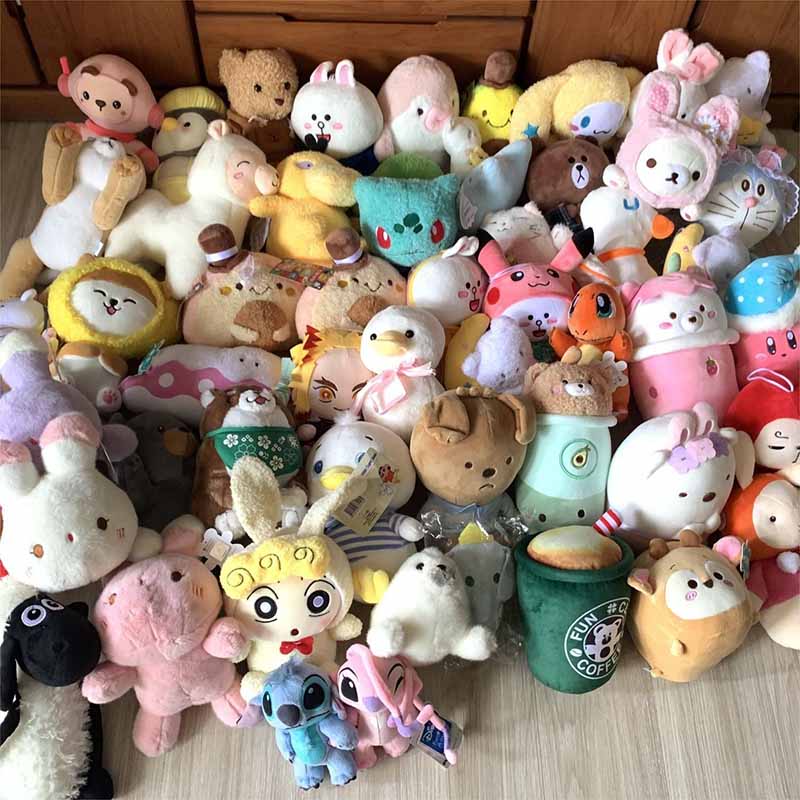
Freight quotations are only as accurate as the data behind them. If the buyer asks for a shipping estimate before the factory confirms carton size, carton count, gross weight, and packing method, the estimate may change later. This is a common reason plush pricing feels unstable.
The factory should provide practical shipping data at key stages. During sampling, it can estimate product size and possible packing methods. During pre-production, it can refine carton dimensions and units per carton. During packing, it can confirm final carton count, gross weight, net weight, CBM, and shipping marks.
Buyers should be careful with early freight estimates. A quote based on assumed carton size may be useful for budgeting, but it should not be treated as final. If the product size changes, packaging changes, or quantity changes, the freight calculation should be updated.
Accurate data is especially important for multi-SKU orders. Different plush sizes, shapes, packaging formats, and carton configurations can create different CBM and chargeable weight. If the factory provides one rough average for the whole order, the buyer may underestimate cost or face receiving issues.
A reliable plush supplier will not wait until the warehouse is full of sealed cartons before sharing shipping data. It should help buyers make freight decisions while there is still time to adjust packing, split shipments, or change methods.
| Shipping Factor | What Buyers Should Check | Pricing Impact |
|---|---|---|
| Early estimate | Use sample dimensions and estimated packing ratio for budget planning | Gives buyers an initial cost direction |
| Pre-production update | Refine carton size, units per carton, and packing method before bulk packing | Improves freight quote accuracy before shipment |
| Final data | Confirm carton count, gross weight, net weight, CBM, and marks | Supports booking, customs, and warehouse receiving |
Conclusion
Shipping methods affect plush pricing because plush toys are usually light, bulky, and sensitive to packaging decisions. The final cost depends on factory price, carton volume, dimensional weight, packing method, freight mode, delivery deadline, trade term, destination charges, and documentation accuracy.
Buyers can control more of this cost when they discuss shipping early. A professional plush manufacturer should provide carton data, packing options, shipment planning, and practical cost tradeoffs before the order reaches the warehouse. The best shipping method is not always the cheapest or fastest option. It is the method that fits the buyer’s margin, timeline, product condition, and sales plan.
The most effective way to manage plush shipping cost is to consider it during product design. Product size, stuffing density, accessory shape, packaging format, carton arrangement, and compression tolerance all influence freight cost. A higher shipping cost may be acceptable when it protects brand value or retail presentation, but it should be a deliberate decision supported by clear packing data.
FAQ
Why is plush toy shipping often expensive?
Plush toys are usually bulky but lightweight, so shipping cost is often driven by carton volume or dimensional weight rather than actual weight.
Is sea freight always best for plush toys?
Sea freight is often better for larger bulk orders with enough lead time, but urgent launches, small replenishment, or samples may require air freight or courier shipping.
How does packaging affect plush pricing?
Packaging affects carton volume, units per carton, product protection, retail presentation, and freight cost. Retail boxes usually increase volume compared with simple polybag packing.
Can vacuum packing reduce plush shipping cost?
Vacuum packing can reduce volume for some plush toys, but it should be tested for shape recovery, accessory protection, and final appearance before bulk use.
What shipping data should buyers request from a plush factory?
Buyers should request carton size, carton quantity, units per carton, gross weight, net weight, CBM, packing method, shipping marks, and final packing list data.
Why do early freight quotes change?
Early freight quotes may be based on estimated carton size, quantity, or packing method. If product size, packaging, or order quantity changes, the freight quote can also change.
How can buyers reduce plush toy landed cost?
Buyers can reduce landed cost by planning packaging early, improving carton utilization, comparing freight methods, avoiding emergency air shipping, confirming trade terms, and using accurate shipment data.