Skip to content
Repeat orders are one of the clearest signals of factory reliability in plush toy manufacturing. A first order can be won through a competitive quotation, a good sample, or fast communication during the sales stage. A repeat order is different. It means the buyer has already experienced the factory’s real production behavior, including quality control, delivery discipline, problem solving, documentation, and after-shipment support.
For B2B plush buyers, factory reliability is not proven by a brochure or a low unit price. It is proven when the factory can reproduce the approved product, control changes, keep materials stable, communicate risks early, protect the shipment date, and support the buyer across multiple production cycles. Repeat orders reveal whether the supplier can turn one successful project into a stable supply relationship.
This is especially important for custom plush toys because every project has product-specific details. Fabric, filling, embroidery, accessories, size tolerance, packaging, labels, carton marks, and inspection requirements must all be repeated correctly. A reliable plush manufacturer does not treat every reorder as a new guess. It uses records, standards, and process control to make the next order easier, cleaner, and more predictable.
Repeat Orders Show Whether Quality Can Be Reproduced
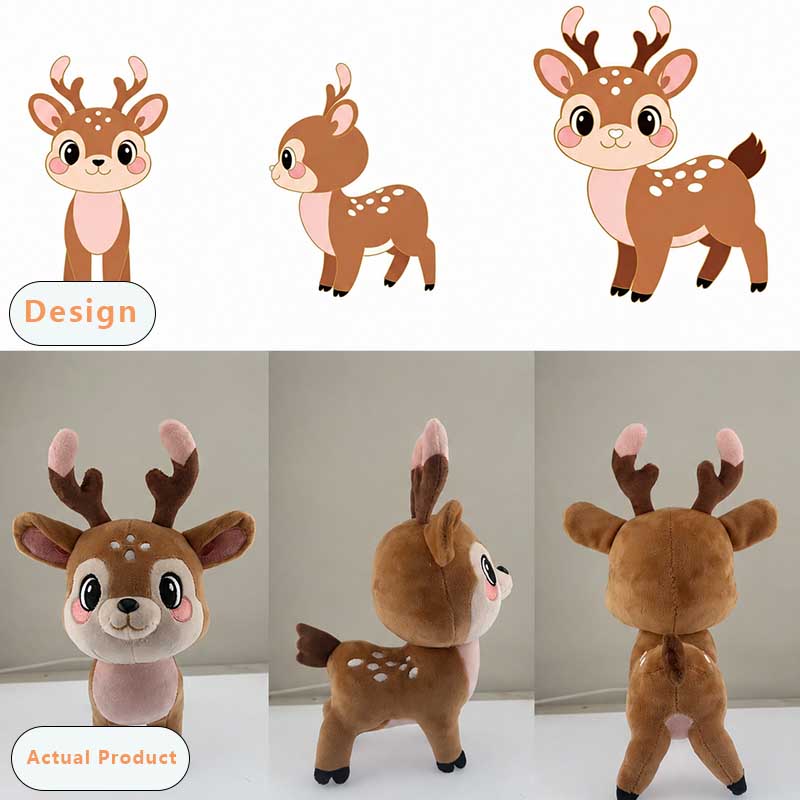
The first reliability signal in repeat orders is quality reproduction. A factory may produce an acceptable first shipment, but the real test is whether the second, third, and fourth shipments still match the approved standard. For plush toys, small changes in fabric hand feel, stuffing firmness, embroidery position, facial expression, seam shape, or accessory placement can make the product feel different to the buyer’s customer.
A reliable factory keeps the approved sample, technical file, material records, measurement standards, and inspection criteria connected. When the buyer places a repeat order, the supplier should not depend only on operator memory or old chat messages. It should be able to retrieve the correct sample version, fabric specification, embroidery file, label layout, packaging method, and quality notes from the previous order.
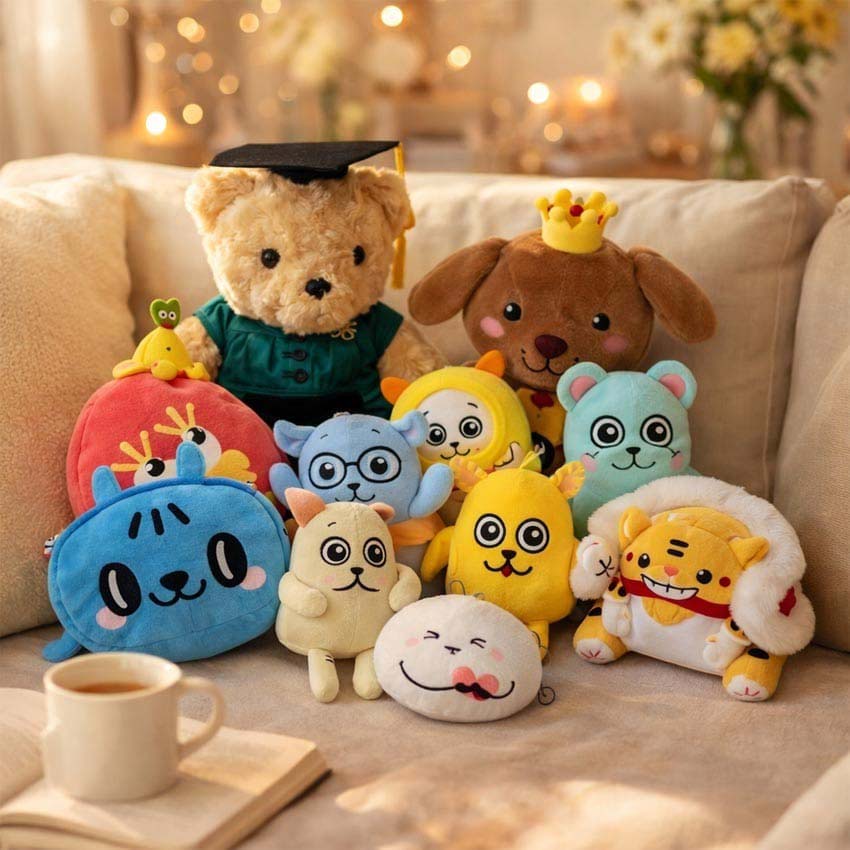
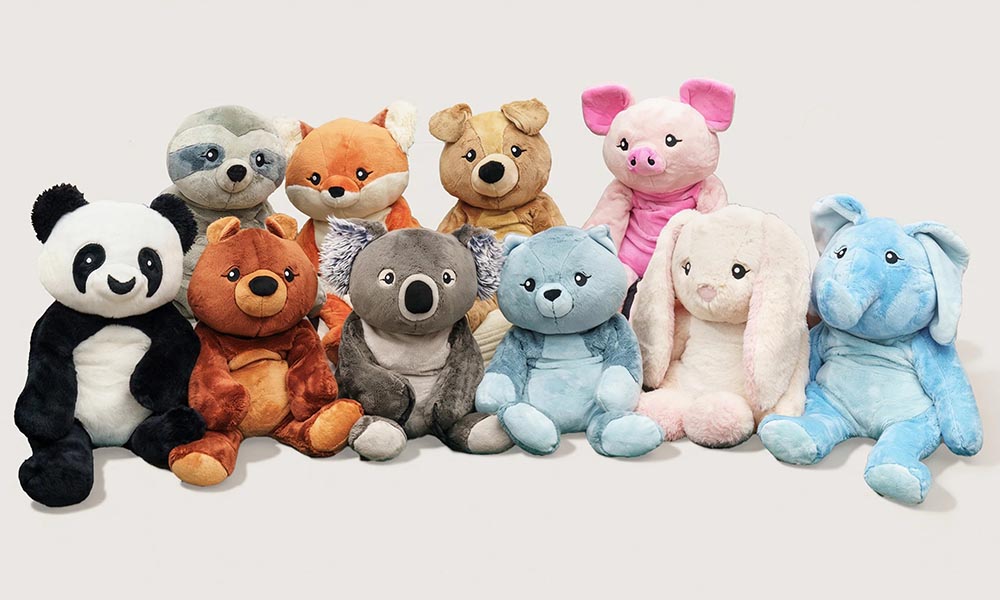
Quality reproduction is more difficult when the original order had manual details. Character plush, mascot plush, baby plush, pet plush, promotional plush, and licensed plush often rely on small visual cues. A slight change in eye position, mouth curve, body proportion, or stuffing distribution can affect brand recognition. Repeat orders therefore test whether the factory has a real control system or only a good sample room.
Buyers should compare repeat-order samples or pre-production units with the original approved sample, not only with the latest factory-made sample. If the factory gradually adjusts construction without documentation, the product can drift over time. This drift may be minor in one shipment but visible after several reorders.
A dependable plush supplier treats repeat quality as a managed target. It reviews previous defects, confirms material availability, checks whether any supplier or process changed, and updates production instructions before bulk work begins. That discipline is what turns repeated production into a reliability advantage.
| Reliability Signal | What Buyers Should Review | Business Meaning |
|---|---|---|
| Approved sample control | Check whether the factory keeps the correct sample version and reference standard | Shows whether repeat production starts from the right target |
| Material consistency | Review fabric, filling, thread, accessories, labels, and packaging against the first order | Prevents small input changes from changing the finished plush |
| Quality drift | Compare repeat orders with original approvals and previous shipment records | Detects gradual changes before customers notice them |
Repeat Orders Reveal Material and Supply Chain Stability
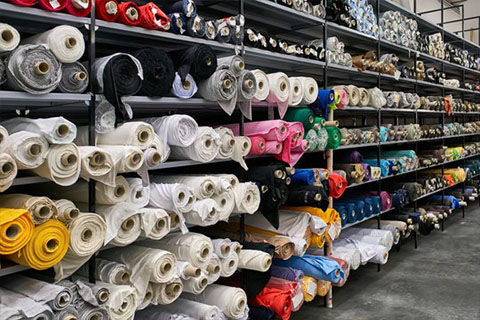
Material stability is a major reason repeat orders reveal factory reliability. Plush toys depend heavily on fabric and filling consistency. If the supplier cannot secure the same fabric, pile length, backing quality, color shade, stuffing grade, or accessory type, the reorder may not match the previous shipment even when the factory’s sewing work is acceptable.
A reliable factory understands which materials are standard, which are seasonal, which require custom dyeing, and which carry longer lead times. It should warn the buyer early if a material is being discontinued, if the fabric mill has changed, if the minimum order quantity has shifted, or if the color needs to be reapproved. Silent substitution is one of the strongest warning signs in repeat production.
For custom plush brands, repeat orders often happen after the product has gained market traction. At that point, the buyer expects the factory to support continuity. A reorder that changes color, hand feel, weight, or surface texture can create customer complaints, retailer questions, or mismatches between old and new inventory.
Supply chain reliability also includes secondary materials. A factory may control the main plush fabric but lose consistency in ribbon, plastic eyes, embroidered patches, hangtags, polybags, carton strength, or barcode labels. These parts may look minor, but they affect safety, retail readiness, and brand presentation.
Buyers should ask whether the factory records approved material sources and batch details. Strong records allow the factory to plan reorders faster and investigate problems more accurately. Weak records force each reorder to restart from uncertain sourcing, which increases both cost and quality risk.
| Reliability Signal | What Buyers Should Review | Business Meaning |
|---|---|---|
| Fabric source | Confirm whether the same fabric mill, specification, color, and pile are available | Protects visual and tactile consistency across shipments |
| Secondary materials | Check accessories, labels, packaging, and carton materials | Prevents reorder problems caused by small but necessary inputs |
| Substitution control | Require approval before changing materials or suppliers | Keeps cost or availability pressure from creating hidden differences |
Repeat Orders Test Production Discipline, Not Only Capacity
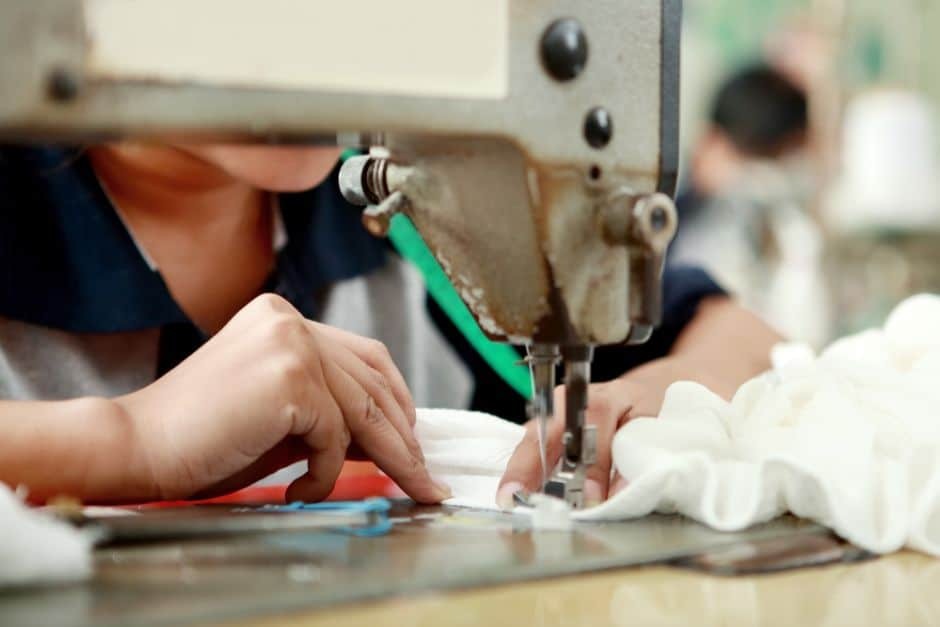
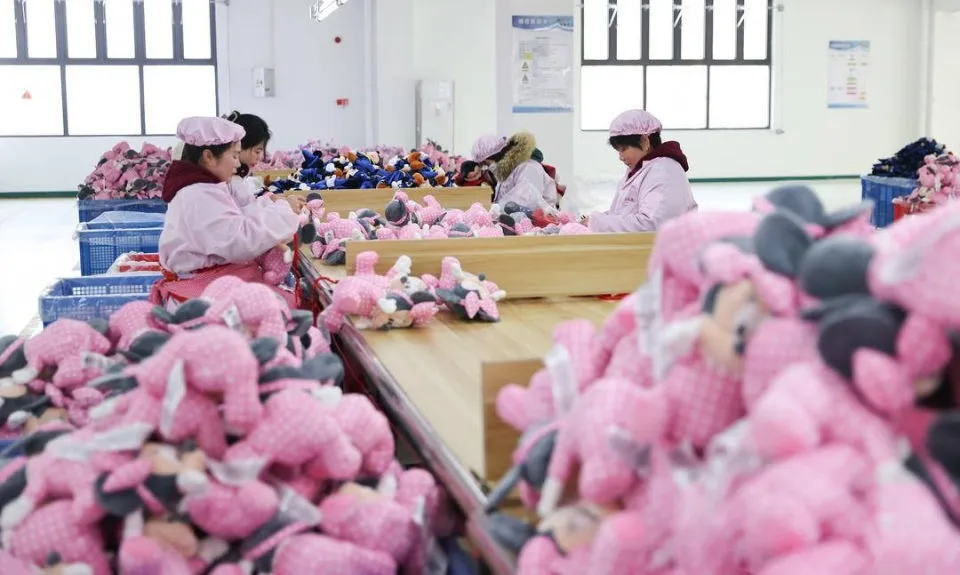
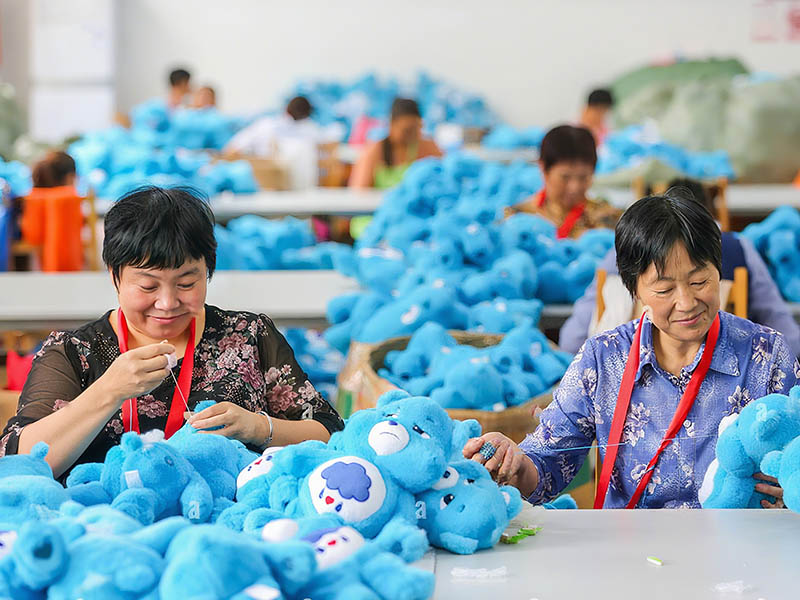
Many factories can say they have capacity. Repeat orders show whether they have discipline. Capacity means the factory can accept volume. Discipline means the factory can run the order using the correct pattern, approved materials, trained operators, controlled sewing methods, accurate stuffing standards, and inspection checkpoints without constant buyer pressure.
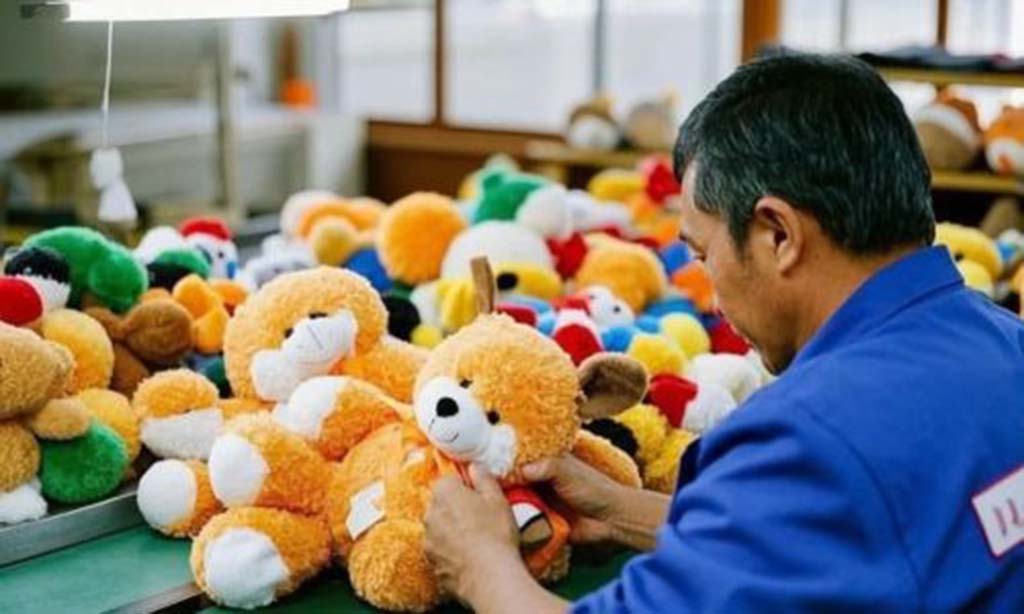
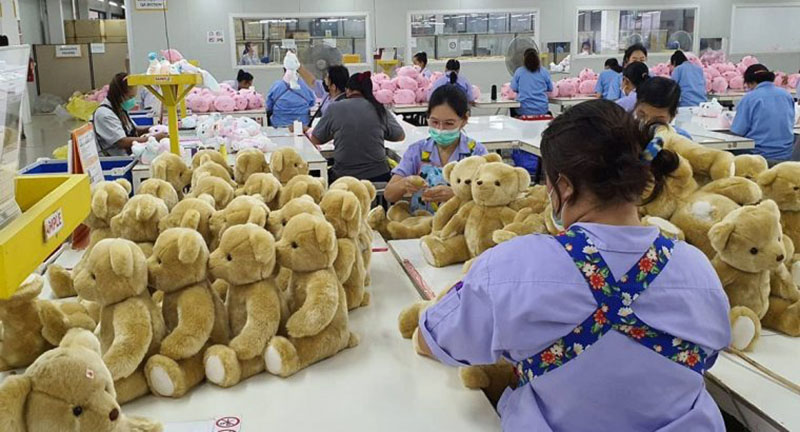
For plush manufacturing, production discipline starts before sewing. The cutting room must use the right pattern version and fabric direction. The embroidery team must use the approved file and thread color. Sewing operators must follow the correct seam allowance and construction sequence. Stuffing workers must control firmness and distribution. Finishing staff must trim threads, check shape, and apply labels correctly.
A repeat order should be easier than the first order because the factory already understands the product. If every reorder produces the same avoidable problems, the factory may lack internal learning. Reliable suppliers convert previous experience into clearer instructions, better operator training, stronger checks, and fewer repeated defects.
Buyers should watch whether the factory becomes more stable over time. A good supplier reduces uncertainty with each cycle. It knows which production steps are sensitive, which operators or lines are suitable, which inspection points matter most, and which details caused earlier rework. That operational memory is a key part of factory reliability.
Repeat orders can also expose overpromising. A factory may accept multiple reorders at once without checking line capacity, material timing, or QC workload. When the production floor becomes overloaded, quality and delivery suffer. Reliable capacity planning is therefore part of production discipline.
| Reliability Signal | What Buyers Should Review | Business Meaning |
|---|---|---|
| Pattern and cutting | Verify correct pattern version, fabric direction, and SKU separation | Prevents early-stage mistakes from affecting the full order |
| Operator instructions | Check whether previous lessons are included in line instructions | Shows whether the factory learns from earlier production |
| Capacity planning | Review whether the factory can support volume without weakening QC | Separates real capacity from sales overcommitment |
Repeat Orders Make Communication Quality More Visible
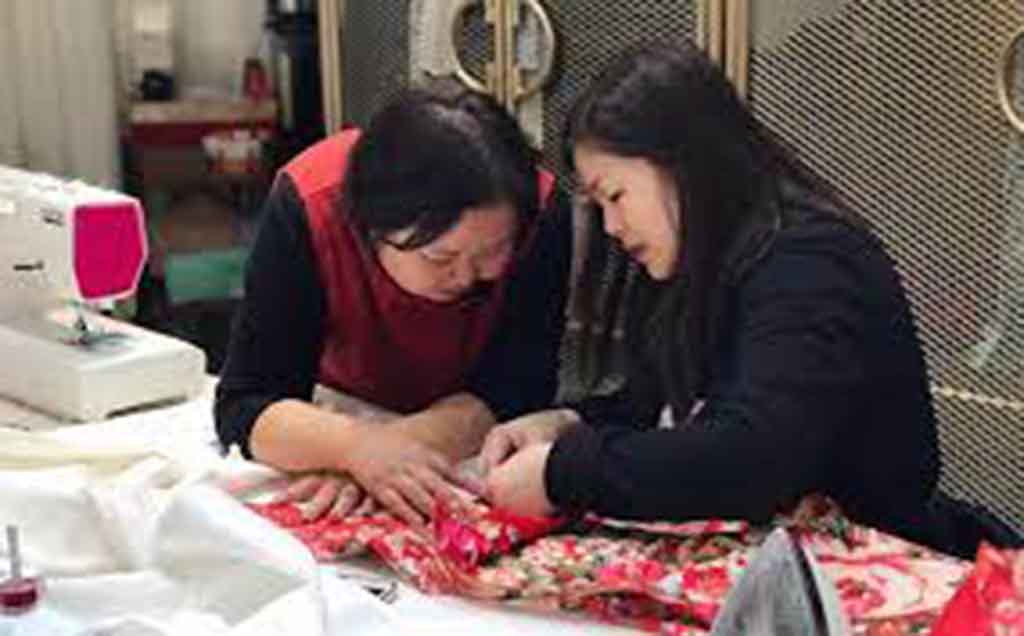
Communication during a first order can be polished because the factory is trying to win trust. Repeat orders reveal whether that communication is sustainable. A reliable supplier provides clear updates, identifies risks early, explains tradeoffs, and documents decisions. It does not wait until the buyer asks repeatedly for basic production status.
Good communication is especially important when the reorder is similar but not identical. The buyer may change quantity, color, packaging, label content, delivery split, or destination market. If the factory assumes everything is the same as last time, mistakes can occur. If the buyer assumes the factory remembers every detail, gaps can also occur. Reliable communication confirms what stays the same and what changes.
Repeat orders should create a shared working language. The buyer and factory should understand sample versions, SKU names, material codes, defect definitions, packing methods, inspection standards, and shipment documents. When both sides use the same terms, decisions move faster and fewer details are lost.
Communication quality is also visible when problems appear. A reliable factory does not hide late materials, production defects, or capacity pressure. It reports the issue, gives the cause, shows the affected quantity, proposes corrective action, and updates the schedule. This allows the buyer to make decisions before the problem becomes urgent.
Buyers should judge communication by evidence, not friendliness. Fast replies are useful, but reliable communication includes accurate facts, written confirmations, photos, inspection notes, and consistent follow-up. The strongest suppliers combine responsiveness with operational accuracy.
| Reliability Signal | What Buyers Should Review | Business Meaning |
|---|---|---|
| Change confirmation | Confirm which details are unchanged and which are revised for the reorder | Avoids mistakes caused by assumptions |
| Progress updates | Request milestone-based updates with photos or records where useful | Keeps buyer decisions aligned with real production status |
| Problem reporting | Review how quickly the factory explains cause, quantity, impact, and corrective action | Shows whether communication reduces risk or hides it |
Repeat Orders Expose True Delivery Reliability

Delivery reliability is easier to judge after repeat orders because buyers can compare promised dates with actual shipment performance over time. A factory that ships one order on time may have benefited from a simple product, quiet production season, available materials, or a flexible buyer. Repeat orders show whether delivery control is built into the factory’s normal management system.
For plush toys, delivery reliability depends on more than sewing speed. Sample approval, material lead time, packaging artwork, embroidery setup, accessory sourcing, inline QC, needle detection, final inspection, carton preparation, booking, and documents all affect the final date. A factory that tracks only production completion may still miss shipment readiness.
A reliable factory protects the schedule by identifying constraints early. If custom fabric requires dyeing, the schedule should reflect that. If packaging printing needs buyer approval, the factory should request it before production is finished. If final inspection must be booked, the factory should plan the inspection window instead of waiting until all cartons are sealed.
Repeat orders also show how the factory handles peak season. Some suppliers perform well during quiet months but struggle when lines are full. Reliable factories plan capacity, material procurement, and QC resources before accepting delivery commitments. They avoid promising dates that depend on perfect conditions.
Buyers should track delivery performance across multiple orders, including original promised date, revised date, actual ready date, final inspection date, loading date, and cause of any delay. This turns delivery reliability from a feeling into measurable supplier data.
| Reliability Signal | What Buyers Should Review | Business Meaning |
|---|---|---|
| Schedule history | Compare promised, revised, ready, inspection, and loading dates | Makes delivery reliability measurable across orders |
| Shipment readiness | Track packaging, inspection, documents, carton marks, and booking | Prevents finished goods from still being unshippable |
| Peak-season control | Review whether the supplier protects delivery during busy periods | Shows whether reliability holds under pressure |
Repeat Orders Show Whether Cost Control Is Stable
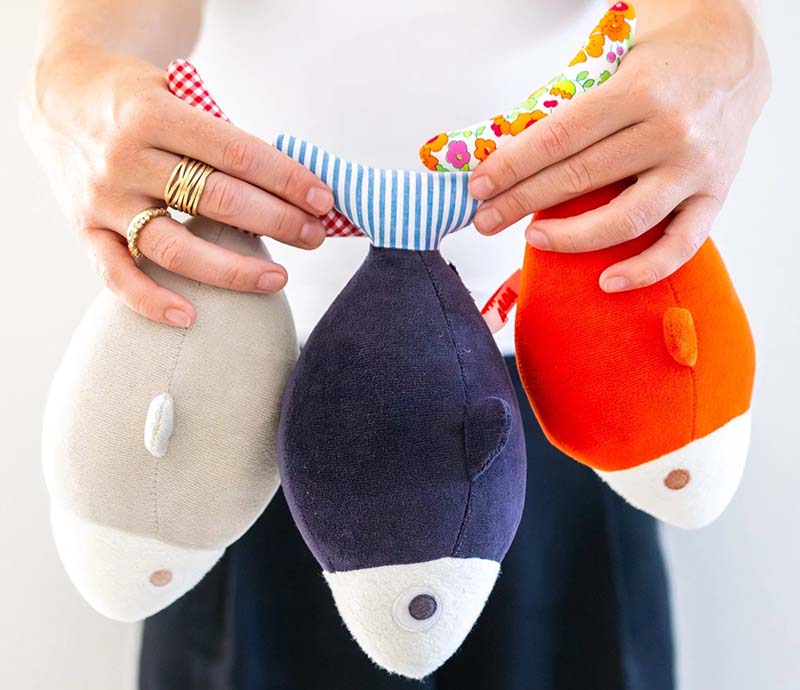
Repeat orders are useful for judging cost reliability because the buyer can see whether the factory manages price changes transparently. Some price movement is normal when fabric, labor, packaging, freight, exchange rates, or order quantity changes. The issue is not whether price ever changes. The issue is whether the supplier explains the reason clearly and helps the buyer manage cost without damaging quality.
A reliable factory does not use repeat orders as an opportunity for unclear price increases. It separates material cost, labor cost, packaging cost, testing cost, mold or setup cost, and logistics-related changes where relevant. This allows the buyer to understand what changed and what can be optimized.
Good suppliers also remember previous cost decisions. If the first order used a certain fabric width, packing ratio, accessory method, or embroidery process, the factory should use that knowledge to quote the reorder efficiently. If quantity increases, the supplier should explain whether the buyer can benefit from better material yield, larger production runs, or packaging efficiencies.
Cost control should never mean removing critical quality checks. Repeat orders can reveal whether a factory quietly reduces inspection, changes filling, weakens packaging, or substitutes materials to protect margin. Reliable suppliers discuss cost pressure openly and protect the agreed standard.
Buyers should evaluate reorder pricing together with quality and service. The lowest reorder price is not reliable if it creates color drift, weak seams, poor packaging, late delivery, or undocumented substitutions. Stable cost control means predictable pricing logic, not the cheapest number every time.
| Reliability Signal | What Buyers Should Review | Business Meaning |
|---|---|---|
| Price explanation | Ask what changed in material, labor, packaging, quantity, or production method | Separates normal cost movement from unclear increases |
| Efficiency gains | Review whether larger or repeated volume creates process savings | Helps buyers benefit from learning and scale |
| Quality protection | Check that cost optimization does not remove required controls | Keeps low price from becoming hidden product risk |
Repeat Orders Depend on Documentation and Traceability
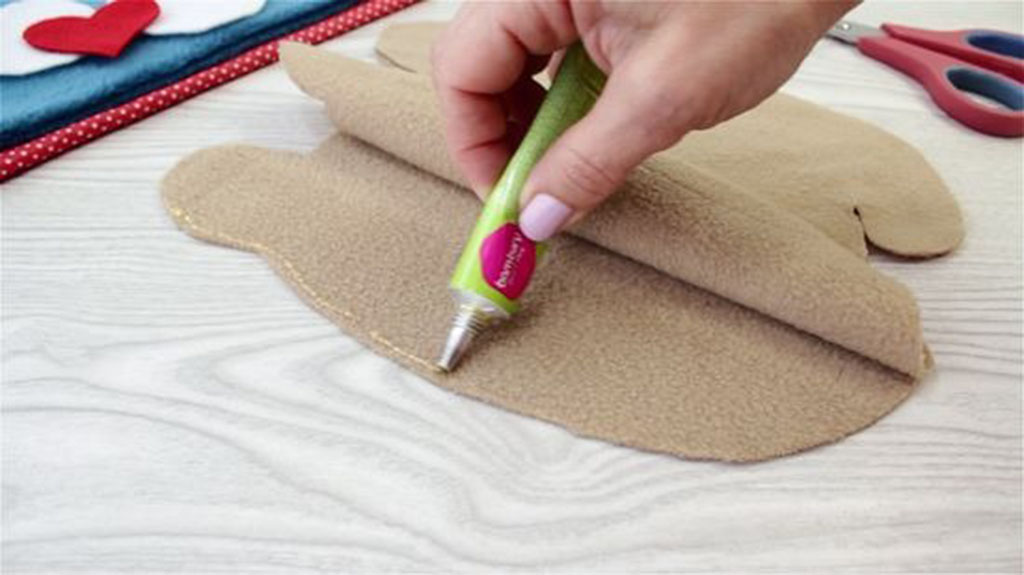
Documentation is one of the least visible but most important signs of factory reliability. A repeat order should not depend on searching through old emails, scattered chat screenshots, or a salesperson’s memory. The factory should keep organized records for product specifications, sample approvals, materials, color references, packaging, labels, testing, inspection, production dates, and shipment details.
Traceability matters because repeat orders often continue for months or years. If a buyer asks why the new shipment feels different, the factory should be able to compare material batches, production lines, sample versions, and inspection records. Without documentation, both sides may argue from impressions instead of evidence.
For plush toys, documentation should include visual and technical records. Photos of approved samples, pattern notes, embroidery files, material codes, filling standards, size tolerances, pull-test expectations, needle detection records, packaging layouts, and carton configurations all help the next order run correctly.
Reliable documentation also supports compliance and retail requirements. If a reorder goes to a different market, retailer, or age group, the buyer may need to review labels, warnings, testing, tracking information, and certificate data. A factory with organized production records can support that review much faster than a factory that treats documentation as an afterthought.
Buyers should ask suppliers how they store and update reorder records. If the factory cannot explain how it controls sample versions, material approvals, or production changes, repeat order reliability will depend too much on individuals. A reliable system should survive staff changes.
| Reliability Signal | What Buyers Should Review | Business Meaning |
|---|---|---|
| Specification records | Review sample versions, pattern files, material codes, and packaging layouts | Keeps repeat orders aligned with the approved product |
| Production traceability | Track batch, production date, line, inspection result, and shipment details | Supports investigation if a reorder issue appears |
| Change history | Record approved changes and reasons between order cycles | Prevents undocumented drift across repeated production |
Repeat Orders Reveal How Factories Handle Problems
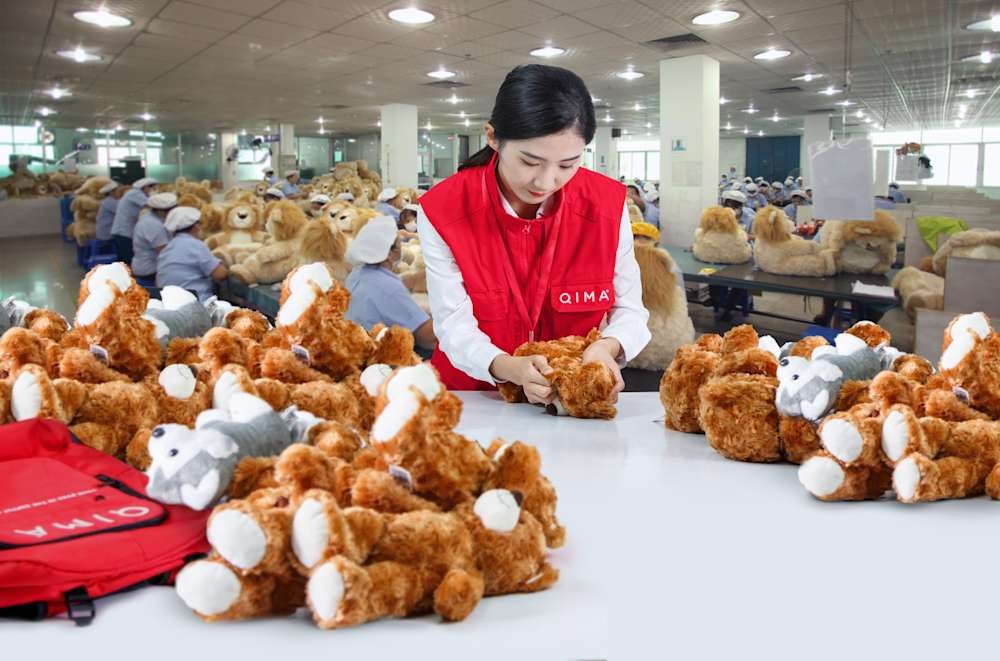
No supplier is perfect. Repeat orders reveal reliability because they show how the factory responds when problems appear. A reliable plush manufacturer identifies the issue, isolates affected goods, explains the cause, proposes corrective action, verifies the result, and updates future production controls. An unreliable supplier gives vague explanations or waits for the buyer to discover the same problem again.
Problem handling is especially important in plush manufacturing because defects can repeat quickly. A loose seam, wrong embroidery position, weak accessory attachment, stuffing imbalance, incorrect label, or packaging mismatch can affect many units if the line is not corrected promptly. Repeat orders show whether the factory learned from previous defects or simply repaired them once.
Buyers should review the supplier’s corrective action history. Did the factory record the defect? Did it identify root cause? Did it change work instructions? Did it retrain operators? Did it adjust inspection points? Did it prevent recurrence in the next order? These questions matter more than whether the first response sounded reassuring.
A reliable supplier also communicates the commercial impact of problems. If rework affects schedule, cost, inspection timing, or shipping method, the buyer needs clear information. Hiding impact creates worse decisions later. Professional problem handling protects both quality and planning.
Repeat orders create a practical evidence base. If the same factory consistently reduces repeated defects, protects delivery after issues, and documents corrective action, it is showing real reliability. If every reorder starts with the same avoidable mistakes, the relationship may be convenient but not dependable.
| Reliability Signal | What Buyers Should Review | Business Meaning |
|---|---|---|
| Root cause | Ask whether the factory identified why the problem happened | Distinguishes real correction from temporary repair |
| Corrective action | Review rework, instruction changes, retraining, and reinspection evidence | Shows whether the factory prevents recurrence |
| Future prevention | Check whether the next order performs better on the same risk points | Turns repeat orders into measurable reliability proof |
Conclusion
Repeat orders reflect factory reliability because they test whether a plush manufacturer can reproduce quality, control materials, manage production, communicate clearly, deliver on schedule, explain cost changes, maintain records, and solve problems across more than one shipment. A first order may show potential, but repeat orders show operating discipline.
For B2B plush buyers, the best supplier is not only the factory that wins the first quotation. It is the factory that becomes more predictable with each order. When repeat production is supported by samples, records, inspection, traceability, and honest communication, the buyer gains a stronger supply chain and a more reliable product. Repeat orders should create better planning, clearer standards, faster decisions, and fewer repeated mistakes.
Long-term reliability does not mean the buyer stops checking. It means the checking becomes more structured and more efficient. Buyers should continue tracking quality consistency, delivery accuracy, cost transparency, documentation, communication quality, and corrective action across reorders. The strongest supplier relationships combine trust with evidence.
FAQ
Why are repeat orders a strong sign of factory reliability?
Repeat orders show that buyers have already tested the factory through real production. They reflect quality consistency, delivery performance, communication, problem solving, and the supplier’s ability to support ongoing business.
Can one successful order prove a plush factory is reliable?
One successful order is a useful start, but it does not prove long-term reliability. Repeat orders show whether the factory can maintain the same standard over time and under different production conditions.
What should buyers check before placing a plush reorder?
Buyers should confirm the approved sample, material availability, specification version, packaging, labels, quantity, delivery date, inspection requirements, and any changes from the previous order.
How do repeat orders reduce buyer risk?
They reduce risk when the factory keeps good records, understands the product, controls materials, improves production instructions, and uses previous experience to prevent repeated defects.
What warning signs appear in repeat plush orders?
Warning signs include color drift, unclear substitutions, repeated defects, late updates, unexplained price increases, weak documentation, missed delivery dates, and poor corrective action.
Should buyers still inspect repeat orders?
Yes. Repeat orders may be lower risk, but they still need inspection. Materials, operators, production timing, and packaging can change, so buyers should continue using structured QC checks.
How can factories improve repeat-order reliability?
Factories can improve reliability by keeping approved samples, maintaining material records, documenting changes, training operators, reviewing previous defects, tracking milestones, and reporting risks early.