Skip to content
Preventing safety issues in plush toys requires more than a final inspection before shipment. Safety must be designed, sourced, produced, checked, documented, and reviewed through the full manufacturing process. For B2B buyers, this matters because a plush toy can look soft and simple while still carrying serious risks if small parts, seams, materials, labels, metal control, or age-grade assumptions are not managed correctly.
A professional plush manufacturer should treat safety as a system. The system begins with product design review, continues through sampling and material approval, and then moves into production controls such as pull tests, seam checks, needle detection, inline inspection, final inspection, packaging verification, and compliance documentation. Each step reduces a different type of risk.
Price pressure can make safety control weaker if buyers and suppliers are not careful. Lower cost should come from practical design optimization, efficient material planning, and clear production control, not from removing essential checks. For plush toys sold into regulated markets, preventing safety issues is part of protecting the buyer’s brand, customers, retailers, and long-term supply chain.
Review Safety Risks During Product Design
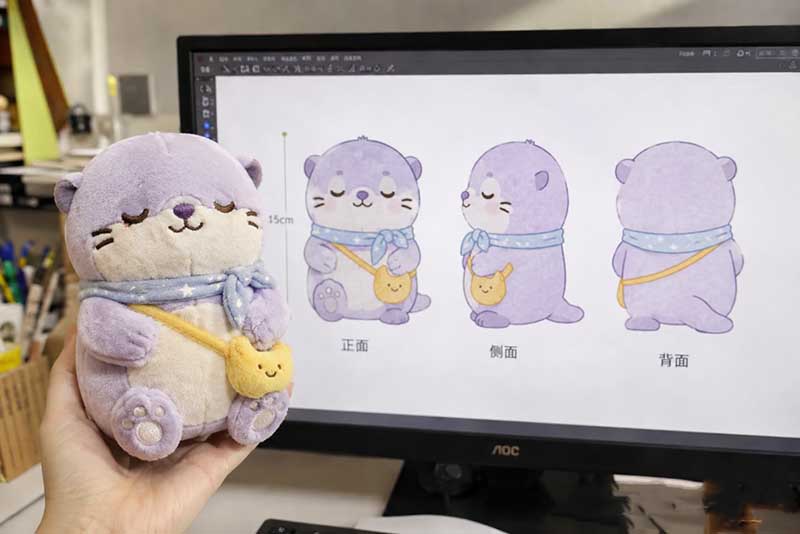
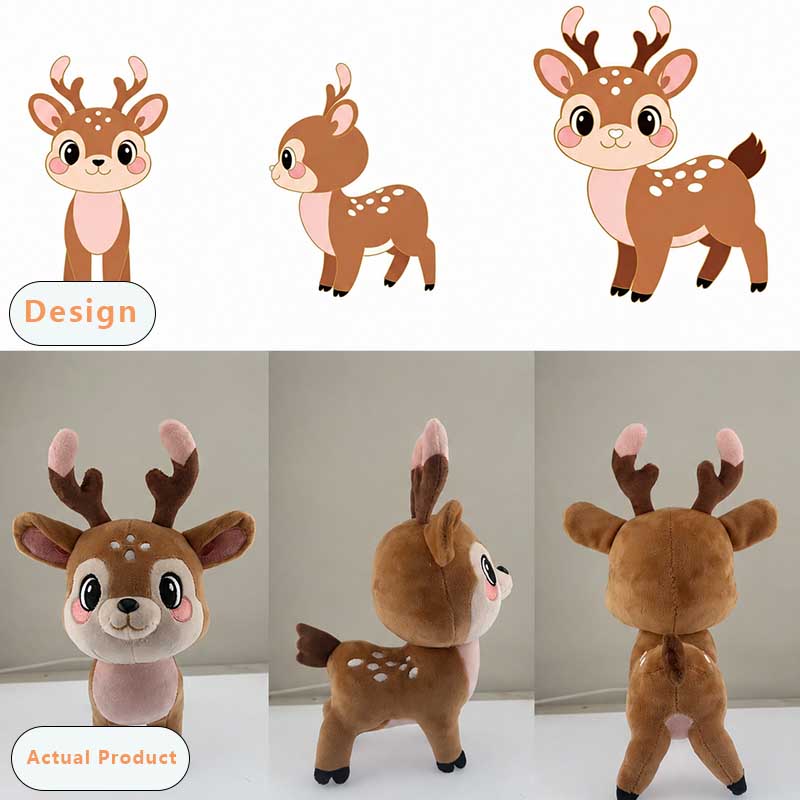
The best time to prevent plush toy safety issues is before the design is approved. Many safety risks begin in the artwork or product concept. Small accessories, long cords, weak attachment points, loose clothing details, magnets, batteries, sound modules, hard plastic parts, or decorative pieces may all affect the final safety profile. If these details are reviewed late, correction becomes more expensive.
Design review should consider who will use the toy, where it will be sold, how it will be handled, and which parts may create risk. A plush toy for babies, young children, promotional gifting, pets, adult collectibles, or retail shelves may need different assumptions. The factory should ask about the target market and intended user before confirming construction details.
A safety-focused design process does not mean removing every detail. It means identifying which details must be engineered properly. For example, plastic eyes may need strong attachment and pull-test control. Embroidery may be safer than a separate small part for certain age groups. A ribbon or loop may need length review. A battery box may require secure placement and clear instructions.
Buyers should expect suppliers to give practical safety feedback at the sample stage. If a factory simply follows artwork without flagging risk, the buyer may not discover the issue until testing or inspection. A stronger supplier explains options early so the product can remain attractive while becoming safer to produce and sell.
The review should also separate design preference from mandatory safety control. For example, a buyer may prefer a realistic plastic eye, but if the target age group or market makes that risky, the factory should document the concern and offer safer versions before cost approval. This creates a clear decision record instead of relying on memory after production has already started.
| Safety Area | Control Method | Buyer Benefit |
|---|---|---|
| User group | Confirm intended user, age grade, sales channel, and destination market | Helps align design decisions with realistic safety expectations |
| Risk details | Review small parts, cords, accessories, batteries, magnets, and hard components | Identifies potential hazards before sampling and tooling become costly |
| Design alternatives | Use embroidery, safer attachments, shorter loops, or simplified details when needed | Reduces safety risk without losing the product’s visual identity |
Control Materials Before They Enter Production
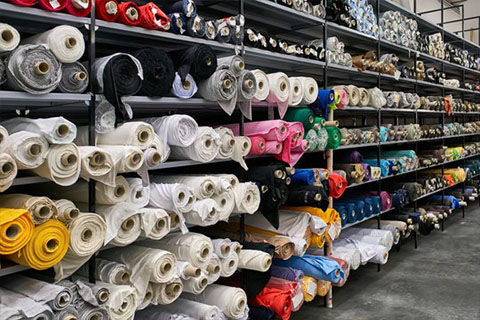
Material control is central to plush toy safety. Fabric, filling, thread, dyes, labels, plastic parts, packaging materials, and electronic components can all affect compliance and durability. If materials are selected only by price or availability, the finished toy may face chemical, flammability, durability, or appearance problems later.
A professional factory should confirm material specifications before bulk production. This includes fabric type, pile height, fabric weight, color, filling grade, thread, accessory material, label content, and packaging material. When the buyer requires specific safety standards or market documentation, the supplier should make sure the materials support those requirements before cutting begins.
Incoming material inspection reduces risk before it spreads. If fabric shade, hand feel, pile direction, filling cleanliness, or accessory quality is wrong, the factory can stop the issue at the warehouse stage. Once unsafe or incorrect materials are sewn into finished toys, correction may require rework, remake, or retesting.
Material substitutions should never be casual. A supplier may want to replace a fabric or component to solve cost, availability, or lead-time pressure, but the buyer should approve any substitution that affects safety, appearance, compliance, or durability. Clear approval prevents hidden changes from becoming safety problems.
For larger orders, material traceability becomes especially important. The factory should connect approved samples, bulk fabric lots, incoming inspection results, and production batches so that any issue can be narrowed down quickly. Without lot-level control, one questionable material delivery may force the buyer and supplier to review a much larger quantity than necessary.
| Safety Area | Control Method | Buyer Benefit |
|---|---|---|
| Fabric and filling | Confirm approved fabric, filling grade, color, hand feel, and cleanliness | Keeps bulk goods aligned with approved samples and safety expectations |
| Component materials | Check plastic parts, ribbons, labels, electronics, and packaging inputs | Prevents weak or unsuitable materials from entering finished goods |
| Substitution approval | Require buyer approval before changing safety-related materials | Avoids hidden changes that can affect testing or product safety |
Secure Small Parts and Attached Components
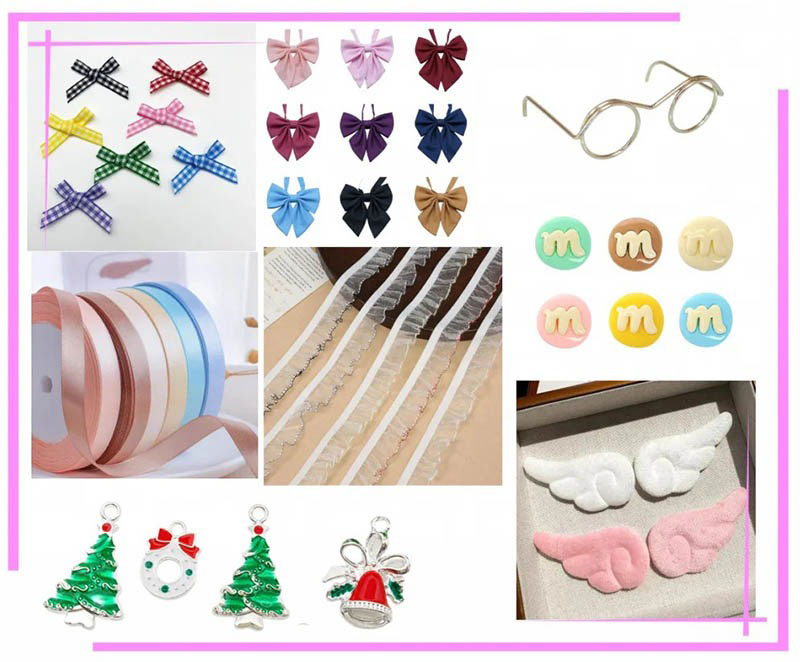
Small parts are one of the most important safety concerns in plush toys, especially for products intended for young children. Eyes, noses, buttons, bows, patches, bells, keychains, suction cups, zippers, clips, and decorative accessories can become risks if they detach during normal or foreseeable use. The issue is not only whether the part looks secure. It must remain secure under proper testing and handling.
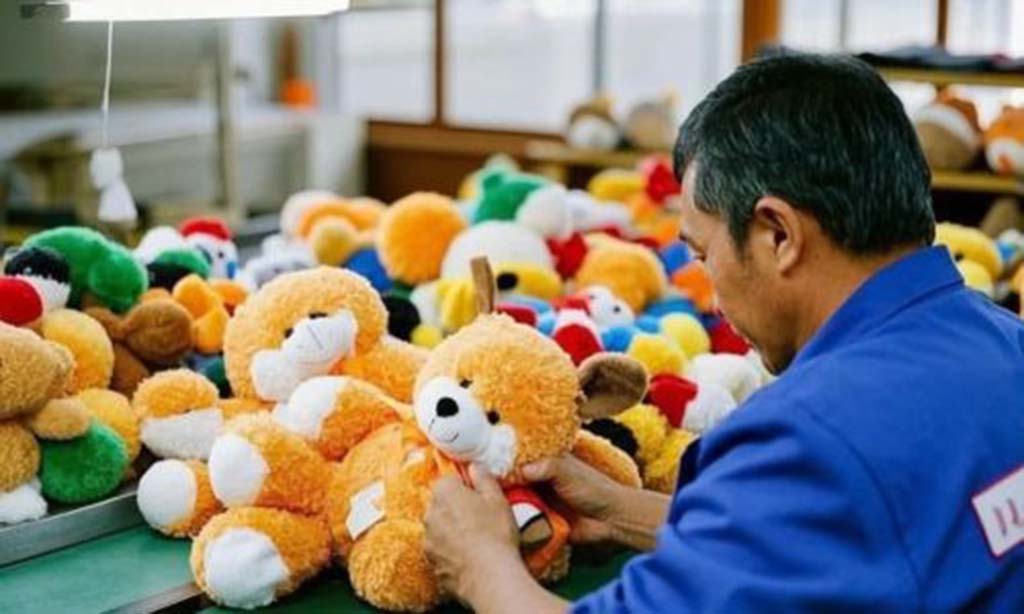
Attachment method matters. Some parts may be sewn, embroidered, heat transferred, riveted, locked, or inserted through the fabric with backing systems. The correct method depends on the product design, user group, market requirement, and expected durability. A high-risk component should be reviewed during sampling, not discovered during final inspection.
Pull tests are a practical control for attached components. They help confirm whether eyes, noses, seams, labels, and accessories can withstand force without detaching. The test requirement may vary by market and buyer standard, so the supplier should not guess. The key is to define the test expectation before production and apply it consistently.
If a decorative component creates unnecessary risk, the factory should suggest alternatives. Embroidery, printed details, fabric applique, or simplified construction can sometimes maintain the design while reducing loose-part risk. This is where technical feedback protects both safety and commercial appearance.
Component control should include both sample approval and production discipline. It is not enough for one golden sample to pass a pull test if bulk operators use a different stitch length, attachment position, backing part, or sewing sequence. The approved method must be converted into line instructions and checked repeatedly during production.
| Safety Area | Control Method | Buyer Benefit |
|---|---|---|
| Small parts | Review eyes, noses, buttons, clips, bells, zippers, and decorative accessories | Reduces choking or detachment risk for relevant product categories |
| Attachment strength | Confirm sewing, locking, backing, or alternative construction methods | Keeps components secure during use, packing, and handling |
| Pull testing | Apply agreed force and test method to relevant parts | Provides evidence that critical attachments meet buyer requirements |
Build Safety Into Sewing and Stuffing Processes

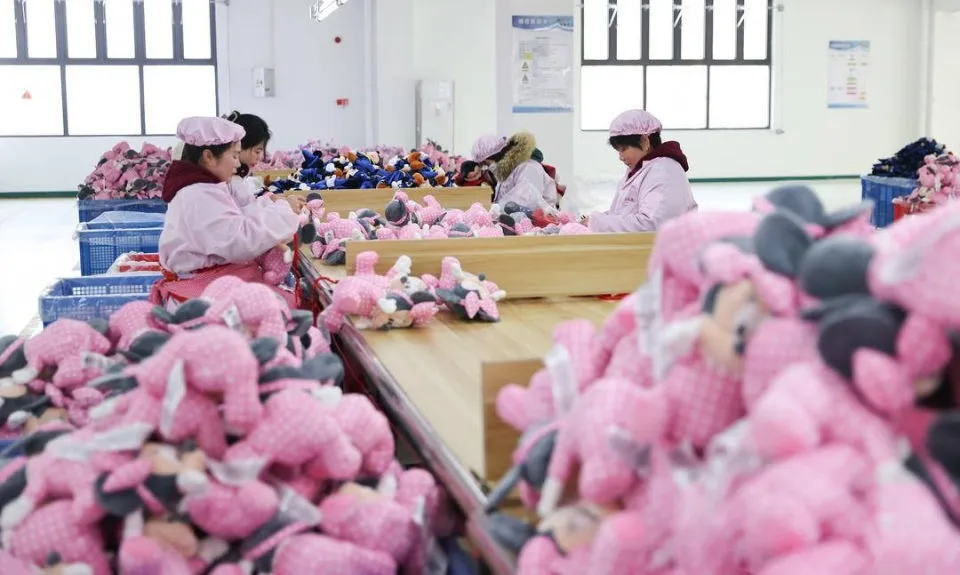
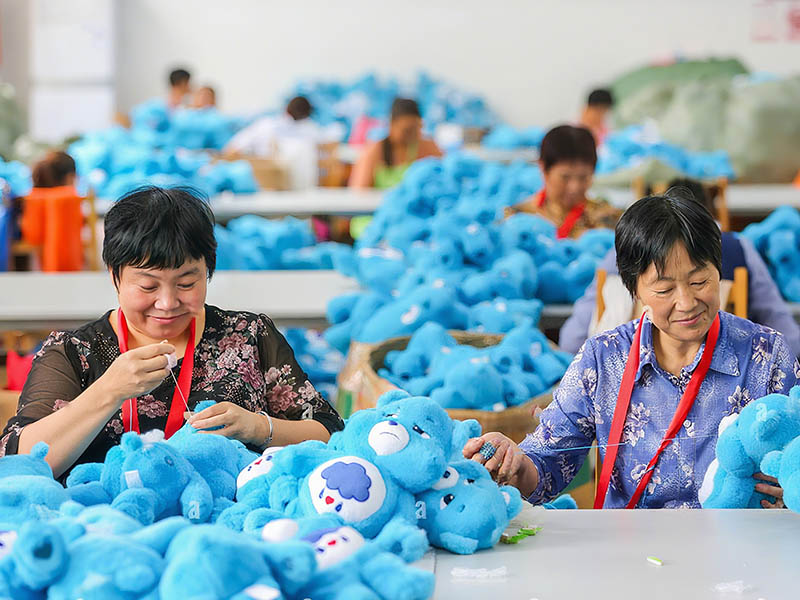
Sewing and stuffing quality directly affect plush toy safety. Weak seams, skipped stitches, poor closing, exposed filling, sharp component edges, or unstable stuffing can create durability and use risks. A plush toy may pass a quick visual check but still fail if the construction does not hold under normal handling.
Safety-focused production begins with clear work instructions. Operators should understand critical seams, closing points, accessory positions, stuffing quantity, and special handling requirements. For complex plush designs, the first production units should be reviewed before the full line continues. This prevents repeated construction defects.
Stuffing control matters because both overstuffing and understuffing can create problems. Overstuffing may place pressure on seams and distort parts. Understuffing may create poor shape, weak support, or product collapse. For weighted plush, pillow plush, or character plush, filling amount and distribution should be controlled carefully.
Inline inspection helps catch safety-related workmanship before final packing. Open seams, loose components, exposed filling, thread contamination, and incorrect labels are easier to fix during production than after cartons are sealed. A factory that relies only on final inspection is accepting unnecessary risk.
Factories should also define who has authority to stop the line when a safety defect repeats. If inspectors can only record defects but cannot require correction, the same problem may continue for hours. A practical escalation rule helps supervisors respond quickly when seam strength, filling control, or component placement starts moving away from the approved standard.
| Safety Area | Control Method | Buyer Benefit |
|---|---|---|
| Critical seams | Check seam allowance, skipped stitches, closing points, and stress areas | Prevents openings that expose filling or weaken durability |
| Stuffing control | Monitor filling amount, distribution, firmness, and shape recovery | Supports safe structure, stable appearance, and consistent handling |
| Inline inspection | Inspect sewing, turning, stuffing, trimming, and finishing before packing | Stops repeated defects before they spread across the order |
Manage Needle Detection and Metal Control
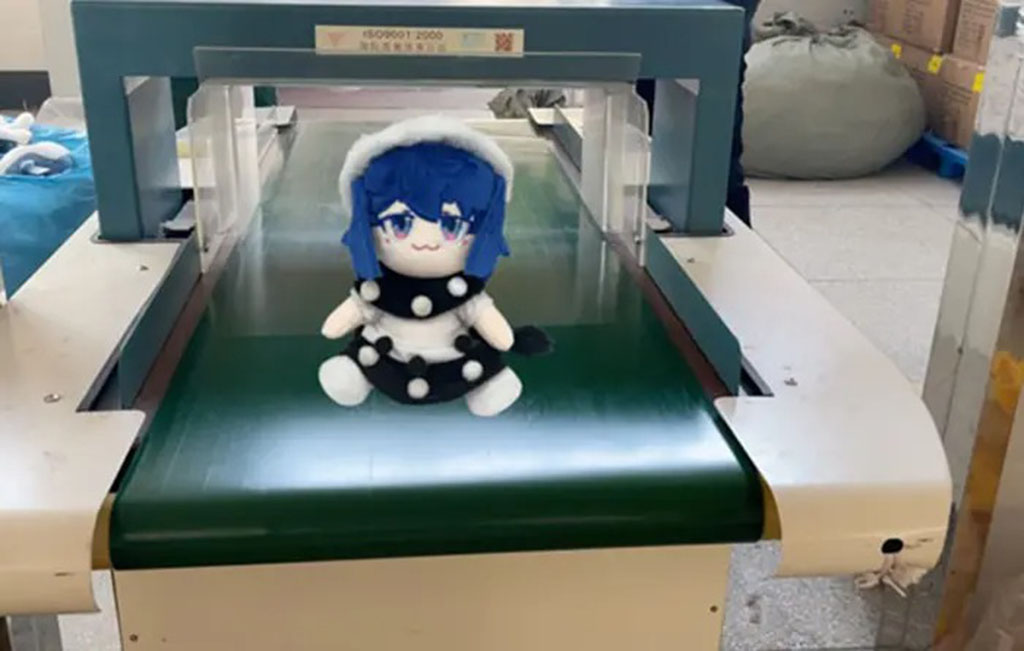
Needle detection is a critical safety control in plush manufacturing. Sewing needles can break during production, and broken fragments must not remain in finished toys. Because plush products are soft and filled, metal contamination can be difficult to see visually. A structured metal control system is therefore necessary.
A professional factory should have a broken needle procedure. When a needle breaks, production should stop, the fragments should be found, affected goods should be isolated, and the replacement should be recorded. This process is more important than simply replacing the needle and continuing production. Without records, the factory cannot prove the risk was controlled.
Final needle detection adds another layer of protection. Finished or packed products should pass through needle detection equipment according to the factory control plan and buyer requirements. The machine should be maintained, checked, and operated by trained staff. Failed products should be separated and investigated rather than returned casually to the production flow.
Needle detection should be supported by daily discipline. Needle storage, issue records, machine calibration checks, operator training, and supervisor review all reduce risk. For buyers, these controls are not visible in the finished plush toy, but they are essential for safety confidence.
Metal control should cover the full work area, not only the final detection machine. Scissors, trimming tools, staplers, loose pins, and maintenance parts should be controlled around production tables and packing areas. When the factory treats every metal source as a potential risk, needle detection becomes part of a wider prevention system rather than a single end-of-line step.
| Safety Area | Control Method | Buyer Benefit |
|---|---|---|
| Broken needle procedure | Stop production, locate fragments, isolate goods, and record replacement | Prevents invisible metal contamination from reaching finished toys |
| Detection process | Use needle detection equipment on finished or packed goods as required | Adds a final control for metal contamination risk |
| Record keeping | Maintain needle logs, machine checks, and failed-product handling records | Gives buyers evidence that metal risk is managed systematically |
Use Compliance Testing and Documentation Correctly
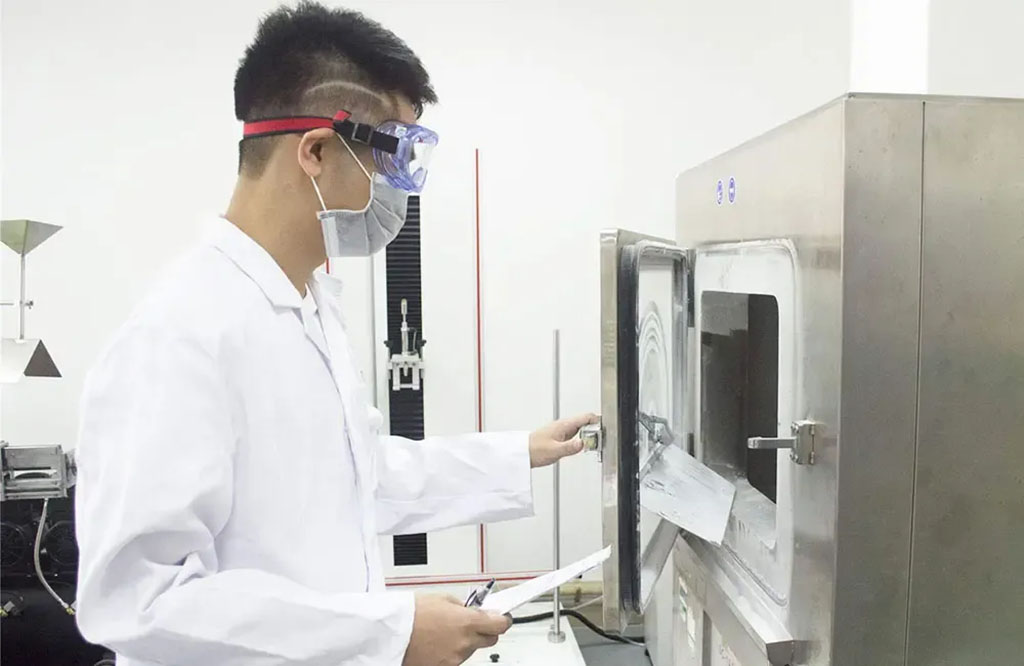
Compliance testing supports safety control, but it must be used correctly. A test report is meaningful only when the tested sample represents the product that will be produced and shipped. If the factory changes materials, accessories, labels, construction, or electronics after testing, the original report may no longer reflect the actual goods.
Buyers should identify the target market early. Requirements can differ between countries, retailers, age grades, and product types. A plush toy with a sound module, battery box, long cord, hard accessory, or small detachable part may need different review from a simple embroidered plush. The supplier should help identify which product details may affect testing scope.
Documentation should be connected to production. Material declarations, test reports, pull-test records, needle detection logs, inspection reports, packing lists, and sample approvals should all match the final product. If documents are treated only as paperwork after production, they may fail to protect the buyer when questions arise.
A professional supplier does not replace formal testing labs, but it should help the buyer prepare correctly. It can recommend when testing should happen, which samples should be used, which changes may require retesting, and how to keep bulk production aligned with the approved and tested standard.
Testing timing should be planned around real project risk. If a plush toy includes new materials, electronics, long accessories, or an unfamiliar construction method, testing after mass production is a poor risk strategy. Early pre-production testing or material-level verification can expose problems while there is still time to adjust the design, sourcing plan, or production method.
| Safety Area | Control Method | Buyer Benefit |
|---|---|---|
| Market requirement | Confirm destination market, age grade, buyer standard, and sales channel | Prevents testing assumptions from being discovered too late |
| Tested sample match | Ensure bulk materials and construction match the tested or approved sample | Keeps compliance evidence relevant to the shipped goods |
| Document package | Keep reports, approvals, inspection records, and control logs together | Supports retailer, customs, and buyer quality review |
Inspect Packaging, Labels, and Warnings
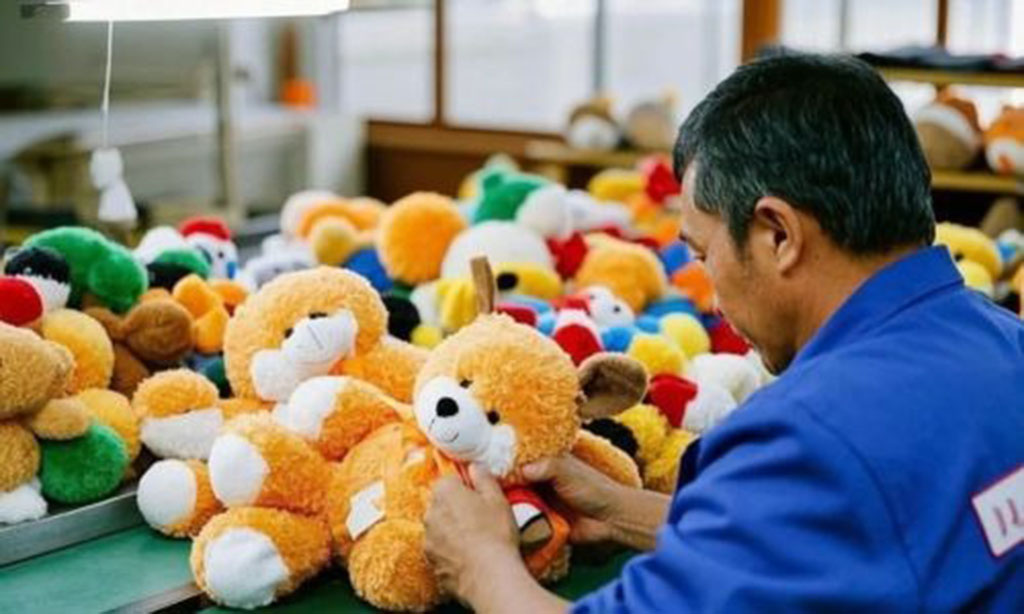
Packaging and labeling can create safety issues even when the plush toy itself is well made. Warning labels, age marks, care labels, law labels, barcode labels, polybag warnings, battery instructions, and carton marks must match buyer and market requirements. Incorrect or missing information can delay shipment, block retail receiving, or create compliance risk.
Individual packaging should also be reviewed for practical safety. Polybags may need warning text depending on size and market. Retail boxes should protect the product without creating sharp edges or loose pieces. Hangtags and attachments should be secure but not create unnecessary hazards. For electronic plush, instructions and battery-related information must be handled carefully.
Packaging affects product condition during transport. Excessive compression may deform the plush toy or damage components. Weak cartons may collapse. Poor packing may place pressure on eyes, noses, sound modules, or accessories. A safety-focused factory checks whether packaging protects the toy through the full shipping route.
For multi-SKU orders, label control becomes more complex. Each SKU may have different barcodes, warnings, language versions, carton marks, or retail labels. The factory should verify packaging by SKU before shipment so correct products do not arrive with incorrect information.
Packaging review should also include handling after the goods leave the factory. Plush toys may be compressed, stacked, moved through warehouses, and opened by retailers before reaching customers. If packaging creates deformation, broken accessories, unclear warnings, or mixed SKUs during that journey, the issue still becomes a buyer problem even if the product looked acceptable at packing time.
| Safety Area | Control Method | Buyer Benefit |
|---|---|---|
| Product labels | Check care labels, law labels, warnings, age marks, and brand labels | Incorrect labels can create compliance or receiving problems |
| Retail packaging | Review polybags, hangtags, boxes, barcode labels, and instructions | Packaging must support both safety and sales channel requirements |
| Carton control | Verify carton marks, SKU, quantity, destination, and handling information | Prevents shipment confusion and warehouse disputes |
Review Final Inspection Results Before Shipment
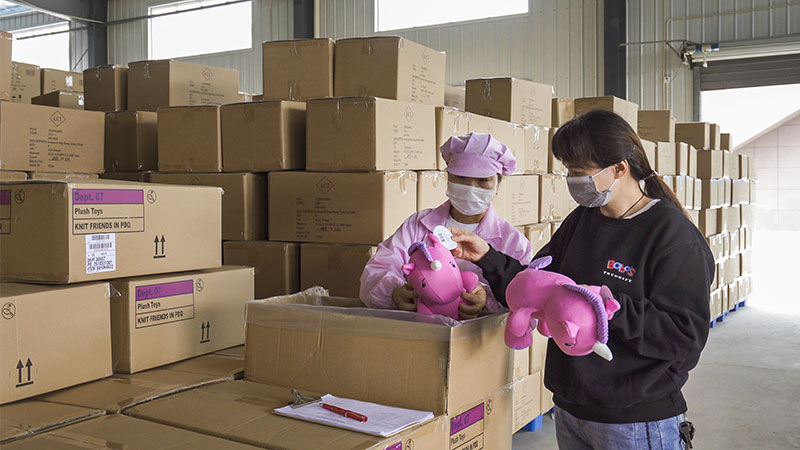
Final inspection is the last checkpoint before shipment, but it should confirm the safety system rather than replace it. The inspector should check product appearance, workmanship, measurements, labels, pull-test results, needle detection status, packaging accuracy, carton condition, and any buyer-specific safety points. The inspection should use approved samples and written specifications as references.
AQL inspection can help buyers and suppliers make a structured release decision. Critical, major, and minor defects should be defined before inspection. Safety issues such as metal contamination, loose small parts, sharp points, unsafe labels, or failed functional checks should be treated seriously even if the total defect count is low.
If inspection finds safety concerns, the shipment should not be released casually. The factory should isolate affected goods, identify the cause, repair or remake products where appropriate, and reinspect after corrective action. The buyer should receive clear evidence, not only a verbal assurance that the problem has been fixed.
Final inspection records also support future improvement. If the same defect appears repeatedly, the factory should update design review, material control, operator training, inline inspection, or packaging methods. Preventing future safety issues is part of professional supplier responsibility.
The final release decision should be based on evidence, not pressure from shipment deadlines. When production is late, there is a temptation to treat inspection findings as paperwork. A reliable supplier separates schedule pressure from safety judgment and provides clear photos, inspection data, corrective action results, and reinspection evidence before asking the buyer to approve shipment.
| Safety Area | Control Method | Buyer Benefit |
|---|---|---|
| Final inspection | Check workmanship, labels, attachments, needle detection, packaging, and carton condition | Confirms the shipment meets buyer safety and quality expectations |
| Defect classification | Separate critical, major, and minor defects with clear acceptance rules | Safety-related issues receive the correct level of attention |
| Corrective action | Isolate, repair, remake, reinspect, and document the result | Prevents unsafe or unresolved goods from leaving the factory |
Conclusion
Preventing safety issues in plush toys requires a complete control system. The process starts with design review, continues through material approval, component attachment, sewing and stuffing control, needle detection, compliance planning, packaging verification, and final inspection. Each step reduces a different type of buyer risk.
A professional plush manufacturer should help buyers make safety decisions early and clearly. Price still matters, but it should never remove essential safety controls. For custom plush projects, strong safety management protects the end user, the buyer’s brand, retail partners, and long-term production reliability.
FAQ
What are common safety issues in plush toys?
Common issues include loose small parts, weak seams, exposed filling, broken needle contamination, unsafe accessories, incorrect labels, unsuitable materials, poor battery protection, and packaging problems.
How can safety issues be prevented before production?
Safety can be reduced through design review, target market confirmation, sample testing, material approval, component review, and clear production specifications before bulk production starts.
Why is needle detection important for plush toys?
Needle detection helps prevent broken needle fragments or other metal contamination from remaining inside finished plush toys. It is a critical control because metal fragments may not be visible.
What is the role of pull testing?
Pull testing checks whether attached parts such as eyes, noses, accessories, labels, or seams remain secure under force. It helps reduce detachment and durability risks.
Should plush toy safety be checked only at final inspection?
No. Final inspection is important, but safety should be controlled throughout design, sampling, material sourcing, production, needle detection, packaging, and documentation.
How do labels affect plush toy safety?
Labels may include warnings, age marks, care information, law labels, and product identification. Incorrect or missing labels can create compliance, retail, and user-safety problems.
What should buyers ask a plush supplier about safety control?
Buyers should ask about design review, material approval, pull tests, needle detection, compliance testing support, inspection reports, packaging checks, and corrective action procedures.