Skip to content
Managing multi-order plush projects is different from handling one simple plush order. A buyer may have several SKUs, different sizes, multiple colorways, separate packaging versions, staggered delivery dates, and different approval stages running at the same time. If the factory manages these orders only as separate transactions, details can easily be mixed, delayed, or repeated incorrectly.
A professional plush manufacturer treats multi-order work as a coordinated project system. The goal is to keep each order clear while also using shared information efficiently. This includes scope control, sample version management, material planning, production scheduling, quality checkpoints, packaging control, shipment coordination, and communication records.
For B2B buyers, this matters because multi-order complexity creates hidden risks. One approved sample may be confused with another. One fabric lot may be used for the wrong SKU. One label version may be placed in the wrong carton. A small detail error can affect many products if the system is weak. Good management prevents these problems before they reach final inspection or shipment.
Separate Project Scope Before Managing Order Details
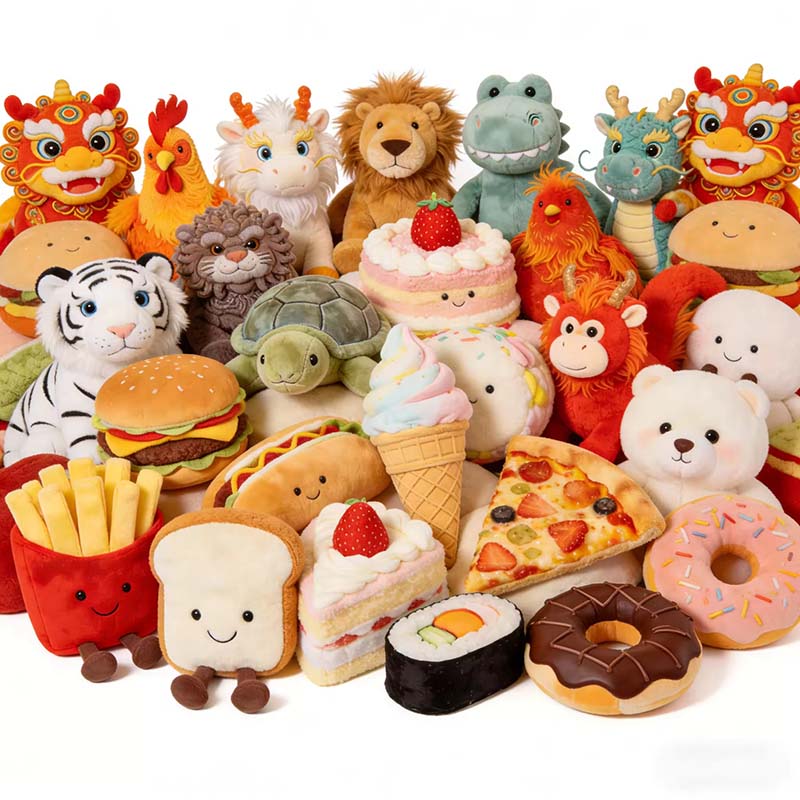
The first step in managing multi-order plush projects is separating the overall project scope from individual order details. The overall project may include the buyer’s brand standards, target market, compliance requirements, packaging rules, communication contacts, and delivery priorities. Each order then has its own SKU, size, fabric, color, sample version, quantity, price, packing method, and shipment date.
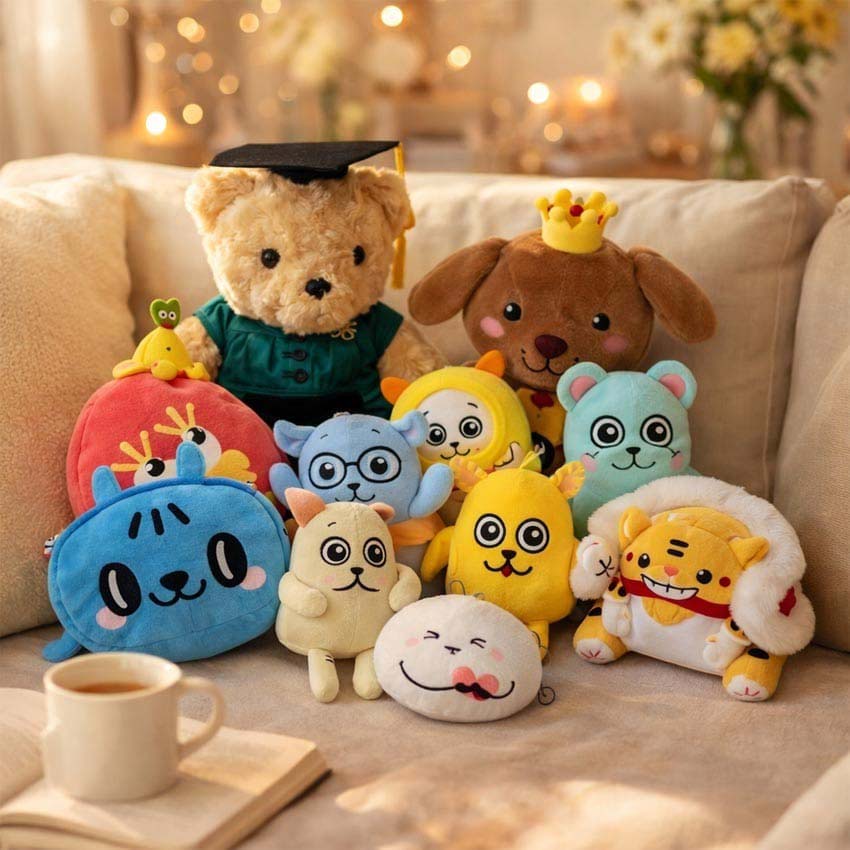
This separation prevents confusion. If all information is placed into one informal message chain, the factory team may miss which details belong to which order. A 20 cm plush character, a 30 cm plush pillow, and a plush keychain may belong to the same buyer but need different patterns, materials, stuffing levels, labels, cartons, and inspection points.
We normally build a project-level control sheet and order-level records. The project-level sheet keeps stable requirements. The order-level records track specific decisions and changes. This helps sales, sampling, purchasing, production, QC, packing, and logistics teams work from the same structure.
Scope control also makes cost and timing more reliable. When shared requirements are clear, we can identify which materials, packaging components, or tests may be combined and which must remain separate. This reduces repeated discussion while protecting order-specific accuracy.
This structure is especially useful when buyers add new orders during an active project. Without a clear boundary, the new order may inherit outdated assumptions from earlier items. With a controlled scope, the team can decide which standards carry over and which details must be confirmed again.
| Management Area | What We Control | Why It Matters |
|---|---|---|
| Project-level scope | Buyer standards, market, compliance, contacts, and general packaging rules | Shared requirements stay consistent across all related orders |
| Order-level details | SKU, size, color, fabric, sample version, quantity, packing, and delivery date | Each order remains traceable and avoids mixed instructions |
| Change boundary | Whether a change affects one SKU, one shipment, or the entire project | Prevents a small update from being applied to the wrong orders |
Control Sample Versions for Every SKU
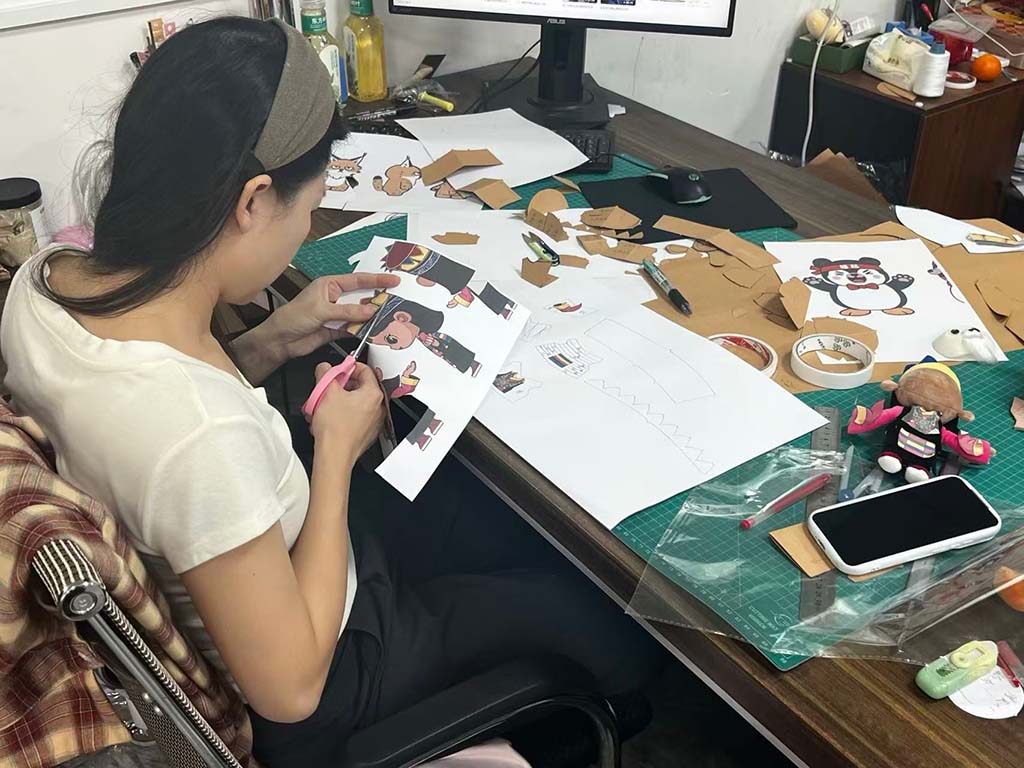
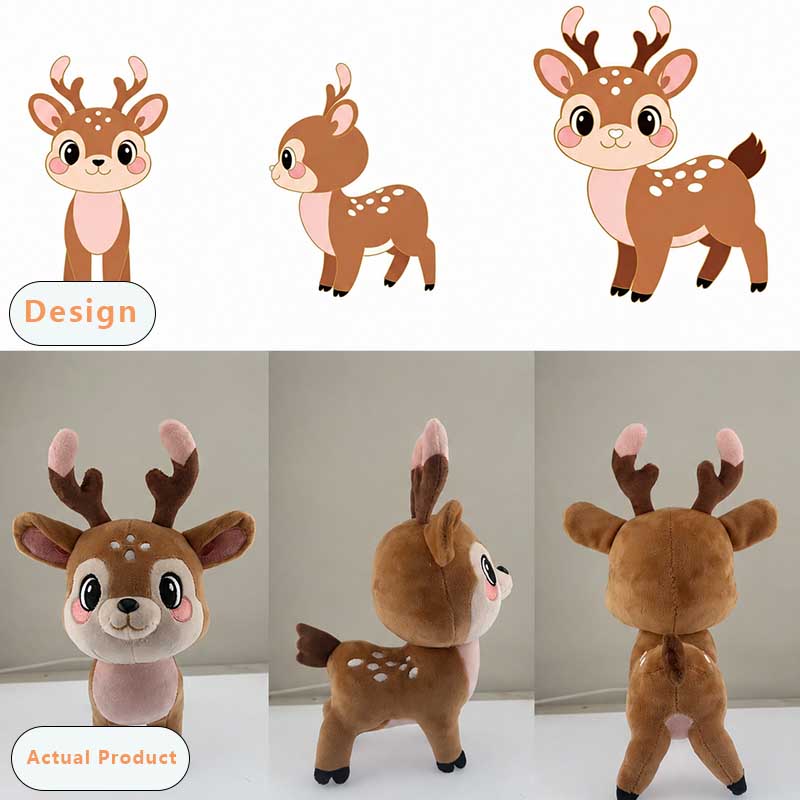
Sample control is one of the most important parts of multi-order plush project management. Each SKU may have its own approved sample, revision history, embroidery file, fabric selection, stuffing standard, and packaging requirement. If sample versions are not controlled, bulk production may follow the wrong benchmark.
For example, a buyer may approve one character after changing the eye position, another after adjusting the body shape, and a third after replacing a fabric color. If the factory does not record each final approval clearly, production teams may mix old and new instructions. This creates avoidable disputes during inspection.
We manage sample versions by naming each round clearly and recording buyer comments. The final approved sample is marked as the production reference. When several SKUs are developed at the same time, this control prevents the team from assuming that one change applies to every item.
Sample control also helps buyers review large product lines. A clear version record allows design and purchasing teams to understand which items are approved, which still need revision, and which comments are still open. This reduces repeated emails and prevents decisions from being lost.
For complex plush programs, we also treat sample approval as a production gate. An order should not move into bulk material cutting until the final benchmark is confirmed. This prevents production teams from starting early based on an almost-approved sample that later changes in shape, embroidery, color, or accessories.
| Management Area | What We Control | Why It Matters |
|---|---|---|
| Sample version | Round number, date, SKU name, photo record, and buyer comments | Keeps each sample history clear during parallel development |
| Approval status | Approved, pending revision, waiting buyer feedback, or production-ready | Shows which orders can move forward safely |
| Production benchmark | Final approved sample, embroidery file, material approval, and deviation notes | Ensures bulk production follows the correct standard |
Plan Materials Across Orders Without Mixing Standards
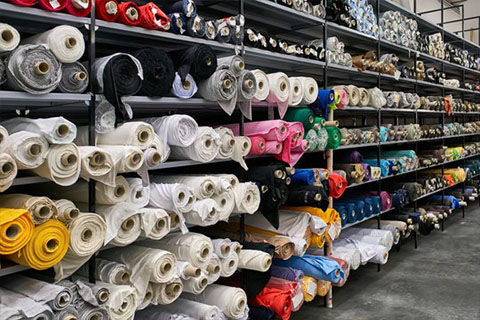
Material planning becomes more complex when several plush orders run together. Some orders may use the same fabric base but different colors. Others may share filling, thread, labels, ribbons, or packaging materials. Shared purchasing can improve efficiency, but only if the factory controls which materials belong to which SKU.
A professional factory checks material demand by SKU and by project. This means calculating fabric usage, cutting loss, filling weight, accessory quantity, label versions, and packaging components for each order. It also means identifying where shared purchasing is safe and where separate control is required.
Color control is especially important. Similar plush fabrics can look close in storage but differ in shade, pile height, weight, or hand feel. If the wrong material is used for the wrong order, the product may fail buyer approval even when workmanship is acceptable. Clear labeling and storage separation reduce this risk.
Material planning also protects the production schedule. If one SKU waits for a custom dyed fabric while another uses stock fabric, the factory should not allow the slower material to delay the entire project unless the buyer wants a combined shipment. Good planning makes these dependencies visible early.
Multi-order material planning also reduces waste when handled correctly. If several SKUs use the same fabric and color, combined purchasing may improve efficiency and reduce leftover stock. But this only works when the specifications truly match. If the fabric looks similar but differs in weight or pile direction, forced sharing can create quality problems.
| Management Area | What We Control | Why It Matters |
|---|---|---|
| Material demand | Fabric, filling, thread, accessories, labels, and packaging by SKU | Prevents shortage or over-purchasing across several orders |
| Shared materials | Items that can be purchased together without quality or compliance risk | Improves efficiency while keeping specifications controlled |
| Material separation | Color lots, fabric types, label versions, and special components | Reduces the risk of using the wrong material on the wrong SKU |
Build a Production Schedule With Real Dependencies
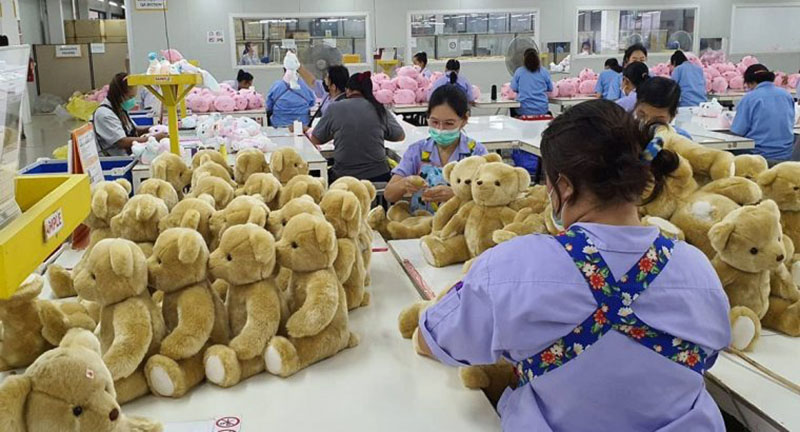
Multi-order production scheduling must account for dependencies, not only order dates. A plush order cannot enter bulk production until sample approval, material readiness, embroidery files, cutting patterns, packaging confirmation, and testing requirements are clear. When several orders are active, these dependencies must be visible to every team.
A weak schedule lists only final delivery dates. A stronger schedule shows each control point: sample approval, material booking, fabric arrival, cutting, embroidery, sewing, stuffing, finishing, inspection, packing, and shipment. This makes it easier to identify which order may delay the overall project.
Production scheduling also needs realistic line planning. A simple plush pillow may run quickly, while a character plush with many parts and embroidery details needs more skilled labor. If the factory schedules all orders as if they have the same difficulty, delivery risk increases.
We also consider shipment grouping. Some buyers want all SKUs shipped together. Others prefer partial shipment when one order is ready earlier. These decisions affect production priority, warehouse planning, inspection timing, and freight cost. A clear schedule helps the buyer choose the best delivery strategy.
A realistic schedule also protects internal factory coordination. Purchasing, cutting, sewing, QC, and packing teams need to know which order is urgent, which is waiting for approval, and which can be delayed without affecting the buyer’s launch. This prevents resources from being assigned based only on noise or urgency in messages.
| Management Area | What We Control | Why It Matters |
|---|---|---|
| Dependency map | Approvals, materials, files, tests, packaging, and shipment needs | Shows what must be complete before each order can move forward |
| Line planning | Labor skill, sewing difficulty, output speed, and inspection workload | Prevents complex SKUs from being scheduled unrealistically |
| Shipment grouping | Combined shipment, partial shipment, or staggered delivery | Aligns production priority with buyer logistics needs |
Keep Process Control Consistent Across Production Lines
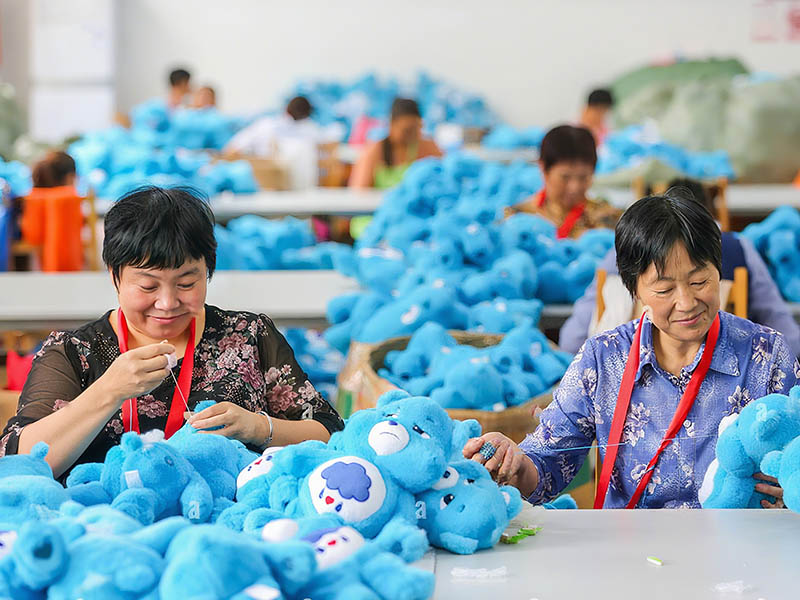
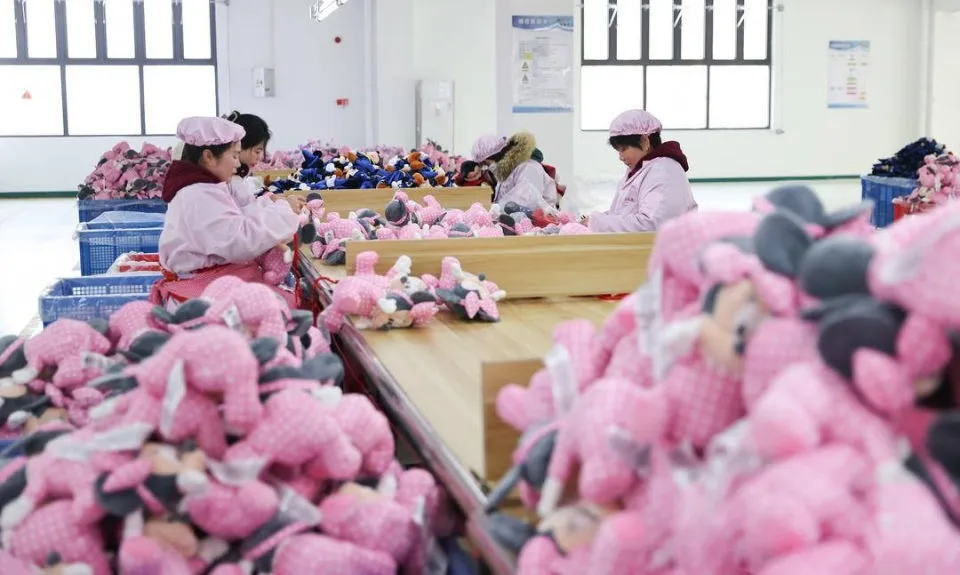
When several orders are produced at the same time, process control must remain consistent. Different sewing lines, operators, or shifts may handle different SKUs. Without clear instructions and first-output checks, quality can vary between orders or even between cartons of the same order.
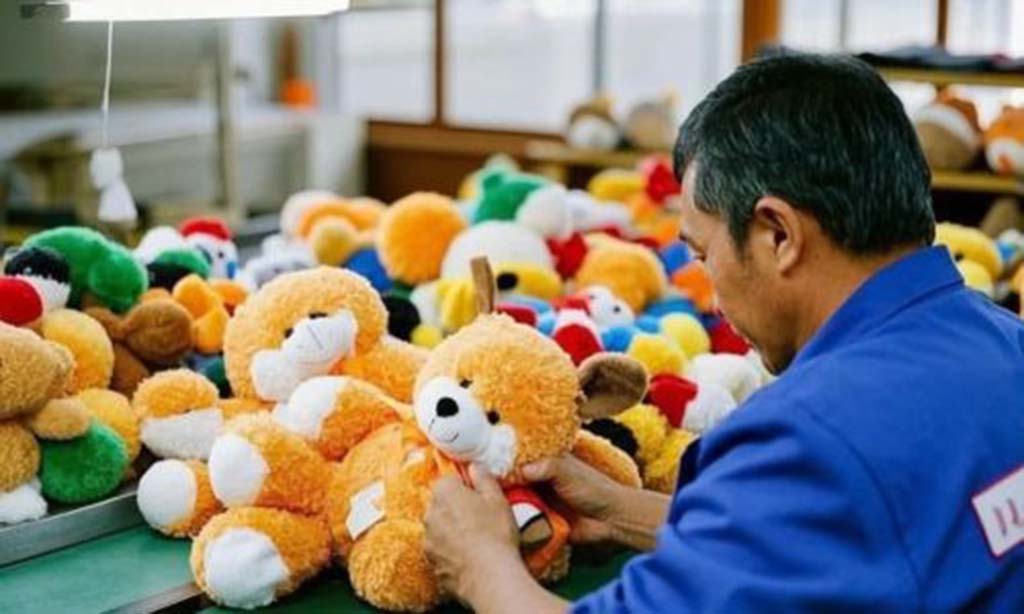
We use approved samples, process notes, and inspection criteria to guide production. Before a line runs full speed, first output should be checked against the approved sample. This confirms fabric direction, embroidery position, seam quality, stuffing firmness, shape, labels, and finishing requirements.
Process control should also identify repeated defects early. If one SKU has frequent open seams at the same position, the issue may come from pattern design, seam allowance, operator method, or stuffing pressure. Fixing the cause during production is more effective than repairing finished goods after final inspection.
Multi-order projects need disciplined information transfer. A correction made on one SKU should not automatically be applied to another unless the same issue exists. At the same time, useful lessons should be shared when they apply. This balance requires clear project management, not casual communication.
Good process control also keeps production data useful. If defects are recorded by SKU and process stage, the factory can see whether a problem belongs to one design, one material lot, one operator group, or one general method. This makes corrective action faster and prevents unnecessary rework on unaffected orders.
| Management Area | What We Control | Why It Matters |
|---|---|---|
| First-output check | Early production units compared with approved sample and specs | Prevents repeated defects before full-line production continues |
| Inline control | Sewing, stuffing, trimming, labels, and appearance during production | Finds problems while they are still efficient to correct |
| SKU-specific notes | Critical points, accepted deviations, and special handling by item | Keeps improvements useful without mixing unrelated standards |
Apply Quality Control by Order and by Project
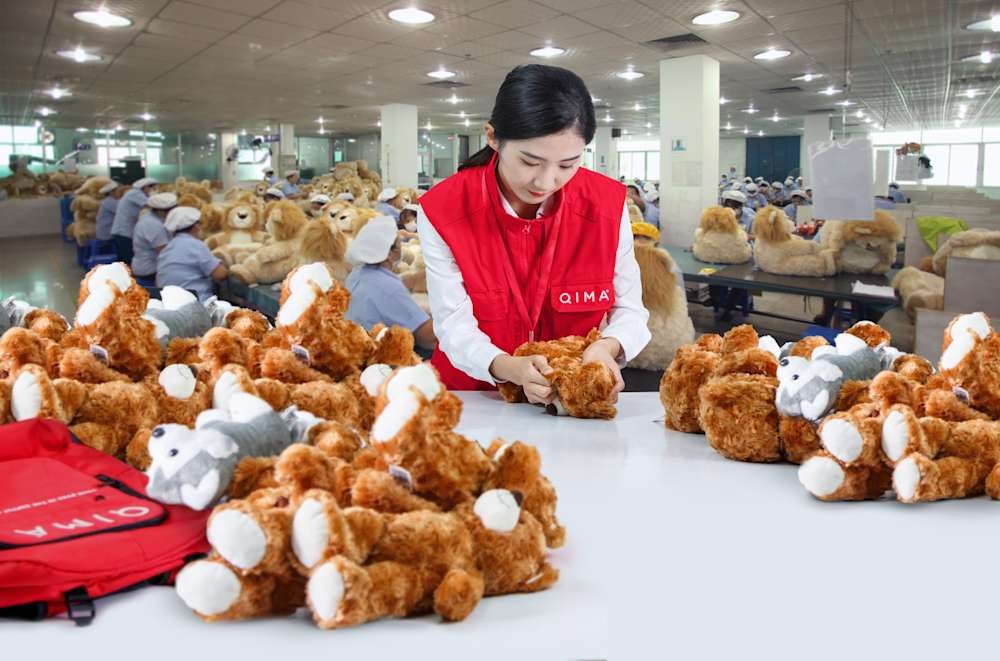
Quality control in multi-order plush projects must work at two levels. At the order level, each SKU is inspected against its own approved sample and specification. At the project level, the buyer expects consistent workmanship, packaging discipline, reporting, and risk management across all orders.
This matters because one weak SKU can affect the entire shipment. If one item has failed pull tests, incorrect labels, poor shape, or high defect rates, the buyer may need to hold the whole container or delay launch plans. A strong QC system helps identify whether the issue is isolated or project-wide.
QC should include incoming material inspection, cutting checks, embroidery review, sewing inspection, stuffing and shape checks, needle detection, final random inspection, and packaging inspection. For multi-order projects, inspection records should identify the exact SKU, batch, production date, and corrective action.
AQL inspection should be planned carefully when multiple SKUs ship together. The sampling method should reflect the shipment structure. If a small SKU is packed inside a larger mixed shipment, it still needs enough inspection attention to identify defects. Good QC planning avoids blind spots.
Quality decisions should also be separated by impact. A minor trimming issue on one SKU may be repaired without delaying the entire project, while wrong safety labels or failed needle detection may require holding all related cartons. Clear QC classification helps buyers make practical release decisions instead of treating every defect with the same urgency.
| Management Area | What We Control | Why It Matters |
|---|---|---|
| Order-level QC | Each SKU checked against its own sample, specs, labels, and packaging | Prevents one item from being judged by another item’s standard |
| Project-level QC | Shared defect trends, reporting format, risk level, and release decision | Helps buyers understand total shipment risk |
| Traceable records | SKU, batch, production date, defect type, and corrective action | Makes rework and future improvement more accurate |
Coordinate Packaging, Cartons, and Shipments Carefully
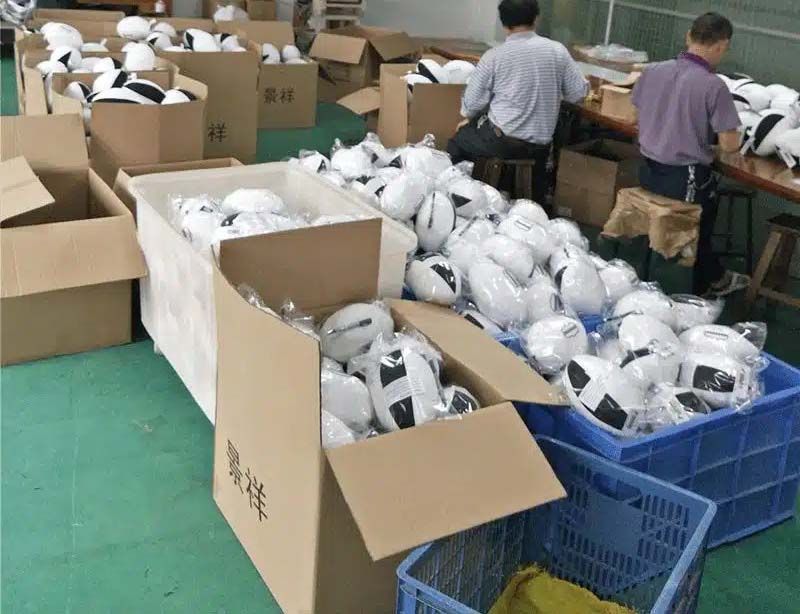
Packaging coordination is a major risk in multi-order plush projects. Different SKUs may require different hangtags, barcode stickers, warning labels, polybags, inner cartons, master cartons, carton marks, and packing quantities. If the factory treats packing as a simple final step, mistakes can happen after good products have already been made.
We manage packaging by confirming artwork, label content, carton marks, and packing instructions before mass packing starts. For mixed shipments, the packing list must match the buyer’s receiving plan. Incorrect carton marks or SKU ratios can create warehouse problems even if product quality is acceptable.
Plush packaging also affects shape recovery and freight cost. Some items can be vacuum packed safely, while others need looser packing to protect face shape, accessories, or retail presentation. Multi-order projects may include both types. Each SKU should be packed according to its product needs, not forced into one method for convenience.
Shipment coordination should define whether orders are shipped together, split by readiness, or grouped by destination. This decision affects inspection timing, carton numbering, container loading, and buyer-side inventory planning. Good coordination prevents last-minute repacking and documentation changes.
Packaging control should be confirmed before bulk packing begins. Once thousands of pieces are packed into cartons, fixing a wrong barcode, warning label, hangtag, or carton mark becomes slow and expensive. Early confirmation protects both factory efficiency and buyer warehouse accuracy.
| Management Area | What We Control | Why It Matters |
|---|---|---|
| Packaging version | Hangtags, labels, barcodes, warnings, polybags, and retail packaging by SKU | Prevents correct toys from being packed with wrong information |
| Carton control | Carton marks, quantity, SKU ratio, carton number, weight, and dimensions | Supports warehouse receiving and shipment traceability |
| Shipment plan | Combined shipment, partial shipment, destination split, and document requirements | Keeps logistics aligned with buyer operations |
Use Communication Records to Keep Decisions Traceable
Communication records are essential for multi-order plush projects because many decisions happen in parallel. A buyer may approve one sample, request a change on another, confirm packaging for a third, and delay shipment on a fourth. Without written tracking, important details can disappear inside long message chains.
We use structured updates to keep the project clear. Each update should show order status, open issues, buyer decisions needed, material status, production progress, inspection plan, and shipment timing. This lets the buyer see what is on track and what needs attention without searching through scattered emails.
Traceable communication also reduces internal confusion. Sales, sampling, purchasing, production, QC, packing, and logistics teams all need the latest decision. If one team works from old information, the project can drift. Written records create a shared source of truth.
After shipment, the same records help with repeat orders. The factory can review sample approvals, material usage, defect trends, packaging performance, and buyer feedback. This makes the next production run smoother and reduces repeated explanation for the buyer.
Traceable communication also reduces dependency on one person. Multi-order projects often involve several buyer-side contacts and several factory-side teams. If project knowledge exists only in one salesperson’s memory, interruptions can create mistakes. Written records make the project more stable even when people are busy or unavailable.
For buyers, this is often the difference between a supplier that needs constant chasing and a partner that can run parallel orders with predictable discipline. Good records do not slow the project down; they reduce repeated explanations, prevent duplicated mistakes, and make urgent decisions easier because the facts are already organized.
They also help new team members understand the project quickly when responsibilities change during a long production cycle. That matters operationally.
| Management Area | What We Control | Why It Matters |
|---|---|---|
| Status updates | Progress by SKU, open issues, approvals needed, and shipment timing | Gives buyers a clear project view without scattered follow-up |
| Decision records | Sample approvals, material changes, packaging updates, and accepted deviations | Prevents old instructions from returning later |
| Post-order review | Defect trends, delivery performance, packaging feedback, and repeat-order notes | Turns project experience into better future execution |
Conclusion
Managing multi-order plush projects requires structure. A factory must separate project-level requirements from order-level details, control sample versions, plan materials carefully, build realistic schedules, manage process checkpoints, inspect by SKU, coordinate packaging, and keep communication traceable. Without this system, small errors can spread across multiple orders.
A professional plush manufacturer reduces buyer workload by making complexity visible and manageable. For buyers running several plush products at the same time, strong project management protects quality, timing, cost, packaging accuracy, and long-term supplier reliability.
FAQ
What is a multi-order plush project?
It is a project where several plush orders, SKUs, sizes, colors, packaging versions, or shipment schedules are managed at the same time for one buyer or program.
Why are multi-order plush projects harder to manage?
They create more chances for mixed samples, wrong materials, incorrect labels, schedule conflicts, packaging errors, and shipment confusion. Clear records and controls are required.
How should samples be controlled across multiple plush orders?
Each SKU should have its own sample version record, buyer comments, approval status, and final production benchmark. This prevents bulk production from following the wrong sample.
Can materials be shared across several plush orders?
Yes, when specifications are the same and compliance is not affected. However, fabric lots, colors, labels, and special components must be separated clearly when standards differ.
How does QC work for multi-order plush shipments?
QC should check each SKU against its own approved sample and specification, while also reviewing overall shipment risk, defect trends, packaging accuracy, and release readiness.
Why is packaging control important in multi-order projects?
Different SKUs may need different barcodes, labels, hangtags, cartons, and packing quantities. Packaging mistakes can create warehouse and retail problems even when product quality is good.
What makes a supplier strong at multi-order project management?
A strong supplier keeps clear records, reports progress by SKU, controls samples and materials, plans production realistically, manages QC traceably, and communicates risks early.