Skip to content
Quality-first plush manufacturing and price-first sourcing can produce very different outcomes, even when the first quotation looks similar on paper. For B2B buyers, the difference is not only philosophical. It affects sampling accuracy, material reliability, sewing consistency, safety compliance, inspection results, packaging performance, delivery stability, and long-term brand reputation.
A price-first approach usually starts with the lowest unit price and then forces every decision to fit that number. This may work for a very simple, low-risk promotional item if expectations are limited and the buyer understands the tradeoffs. But for custom plush toys, licensed characters, children’s products, retail programs, or brand-driven projects, hidden cost often appears later through revisions, rework, failed testing, shipment delay, customer complaints, or product returns.
A quality-first approach does not mean ignoring cost. It means controlling cost through clear specifications, stable processes, material planning, defect prevention, and realistic supplier communication. The goal is not to make the most expensive plush toy. The goal is to build the right product at a cost level that does not damage safety, appearance, consistency, or buyer trust.
Start With Total Value, Not the Lowest Unit Price
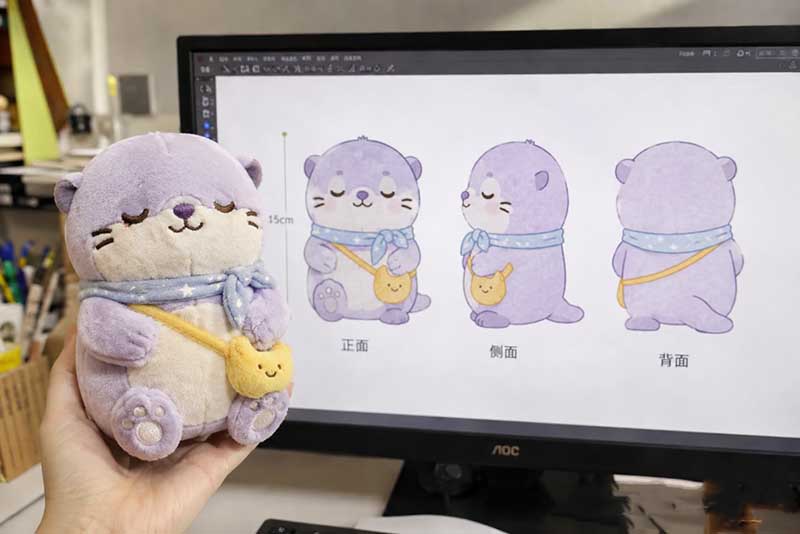
The first difference between quality-first plush manufacturing and price-first sourcing is how the buyer defines value. A price-first buyer often compares only unit price. A quality-first buyer compares the full project result: approved sample accuracy, material stability, defect rate, packaging suitability, compliance support, delivery reliability, and the cost of managing problems.
In plush manufacturing, the lowest unit price can hide important exclusions. Testing may not be included. Packaging may be weaker. Filling may be reduced. Fabric may be thinner. Inspection may be basic. Sample revisions may be charged later. If the quote is not itemized, the buyer may not know what has been removed until production starts or goods arrive.
Total value is especially important when the plush toy represents a brand, character, event, or retail product line. A small saving per unit can be outweighed by poor shelf appearance, failed safety checks, delayed launch timing, or customer complaints. Quality-first sourcing evaluates whether the supplier can protect the commercial purpose of the product, not only whether it can produce a cheap item.
Buyers should therefore compare quotes by assumptions. What fabric is included? What filling level is expected? What sample rounds are covered? What inspection standard applies? What packaging method is quoted? What delivery term is used? Once those assumptions are visible, the real comparison becomes much clearer.
A practical buyer should also ask what happens if the lowest-price plan fails. Who pays for rework, new samples, delayed freight, relabeling, or extra inspection? These costs rarely appear in the first quote, but they are part of the real sourcing decision. Quality-first manufacturing brings those risks into the discussion early, when there is still time to prevent them.
| Comparison Area | Quality-First Approach | Price-First Risk |
|---|---|---|
| Quote review | Compares unit price together with materials, sampling, QC, packaging, testing, and delivery terms | May compare only unit price while ignoring excluded costs and weak assumptions |
| Decision logic | Protects product purpose, buyer standards, and downstream reliability | Focuses on immediate saving even when later rework or complaints become likely |
| Commercial result | Balances price with usable quality and lower project risk | Can create a cheaper product that costs more after shipment problems |
Use Sampling to Lock Quality Before Bulk Production
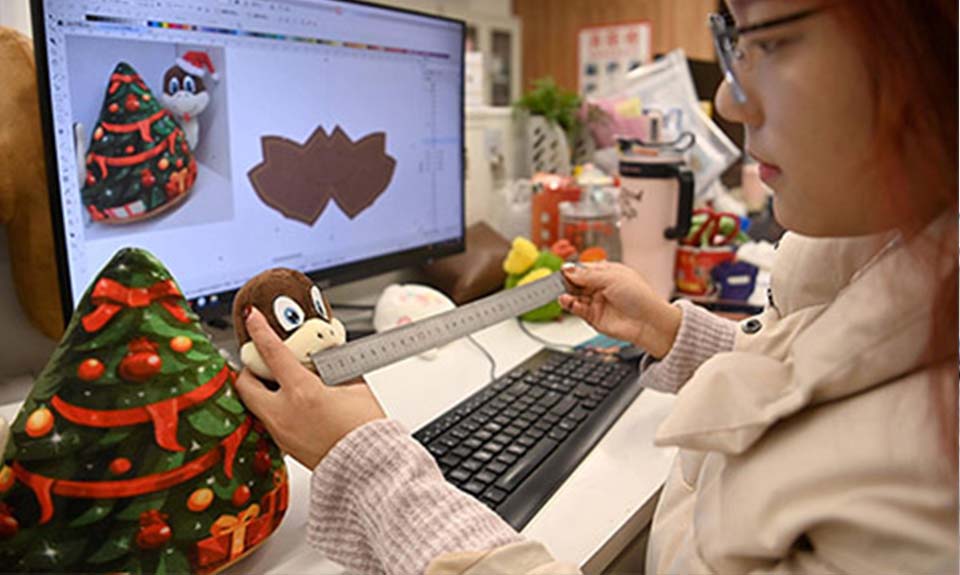
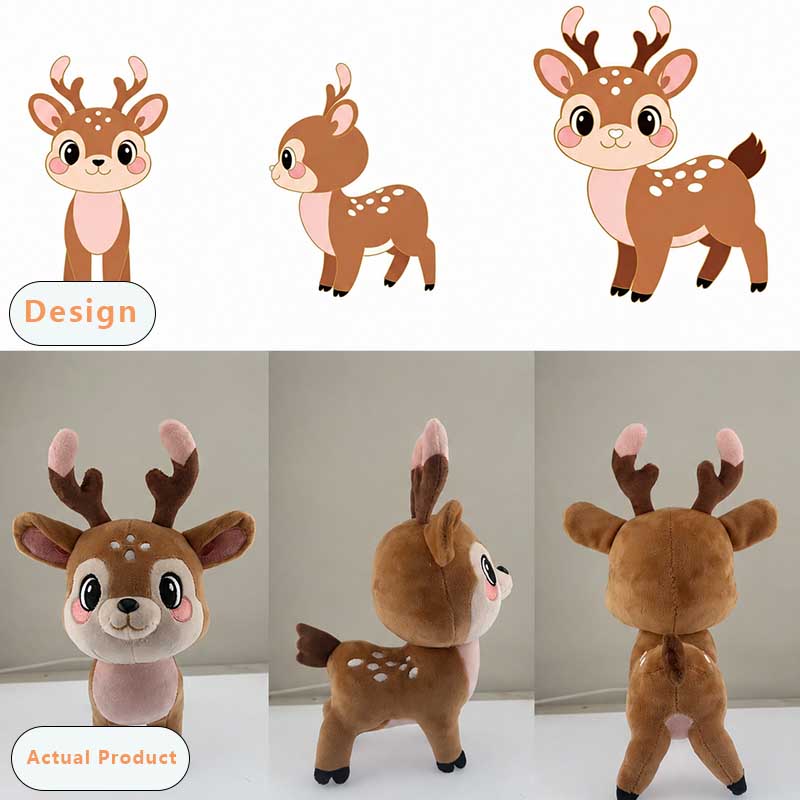
Sampling is where quality-first plush manufacturing becomes visible. A professional supplier uses the sample stage to solve design, pattern, material, embroidery, stuffing, and construction questions before bulk production. The approved sample becomes the benchmark for appearance and workmanship, so the process must be handled carefully.
A price-first supplier may rush sampling to win the order or reduce development time. The sample may look acceptable in photos but lack precise pattern balance, stable filling, correct fabric direction, or reliable sewing methods for mass production. This creates risk because the bulk order must repeat the sample consistently across hundreds or thousands of units.
Quality-first sampling records buyer comments, version changes, and approved deviations. It also identifies which design details are critical and which can be adjusted for cost or production efficiency. For example, face embroidery, eye position, and head shape may be protected, while a hidden decorative detail can be simplified if the target cost is tight.
The key is not to sample endlessly. The key is to sample with discipline. Each round should answer specific questions and move the project closer to a stable production standard. When this discipline is missing, buyers may pay less at the beginning but lose time through repeated corrections.
For brand-driven plush projects, this discipline protects the buyer’s internal approval process. Design, marketing, compliance, and purchasing teams may all review the sample from different angles. If the factory does not control sample versions clearly, internal comments become difficult to manage and the final approved direction can become unclear.
| Comparison Area | Quality-First Approach | Price-First Risk |
|---|---|---|
| Sample purpose | Solves technical risks before mass production starts | Treats the sample as a quick sales step rather than a production benchmark |
| Revision control | Tracks changes, approvals, and final sample details | Loses comments or allows old versions to influence bulk production |
| Production readiness | Confirms the design can be repeated consistently at scale | Approves a sample without checking whether bulk production can match it |
Protect Material Quality and Fabric Consistency
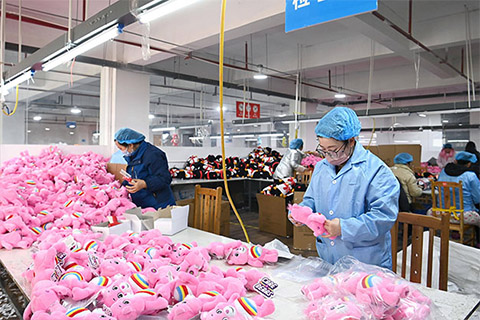
Materials strongly influence plush toy quality, but material differences are not always obvious in a quotation. Fabric type, pile height, fabric weight, hand feel, color stability, filling quality, thread quality, and accessory reliability can all change the final result. A quality-first supplier explains these choices clearly before production.
Price-first sourcing often reduces cost by choosing thinner fabric, lighter filling, cheaper accessories, or available materials that are not ideal for the design. The product may still be soft, but it may look less full, lose shape faster, shed more easily, or fail to match the approved sample after packing and transport. These issues may not appear until the buyer compares bulk goods with the original expectation.
Quality-first manufacturing uses material approval and incoming inspection to reduce variation. Fabric shade, pile direction, texture, filling condition, and labels should be checked before cutting. If material issues are found after sewing, correction becomes far more expensive because the factory may need to rework finished goods or remake part of the order.
Material control is also connected to compliance. If the target market requires specific safety standards, the material choice must support those requirements. Selecting a cheaper component without checking compliance may create testing failure later. Quality-first suppliers consider this risk before approving substitutions.
Buyers should also remember that material inconsistency affects production efficiency. Fabric shade differences, unstable pile direction, or poor filling quality can slow sewing, increase trimming, and create more rejected pieces. A cheap material can therefore raise labor and inspection cost, even if the purchase price looks lower.
| Comparison Area | Quality-First Approach | Price-First Risk |
|---|---|---|
| Fabric selection | Matches hand feel, pile, weight, color, and product shape needs | Chooses cheaper fabric that may reduce fullness, consistency, or appearance |
| Incoming inspection | Checks materials before cutting and sewing | Finds problems only after material has already entered production |
| Substitution control | Approves changes based on quality, cost, and compliance impact | Changes material silently to protect price or margin |
Control Labor, Sewing, and Shape Stability
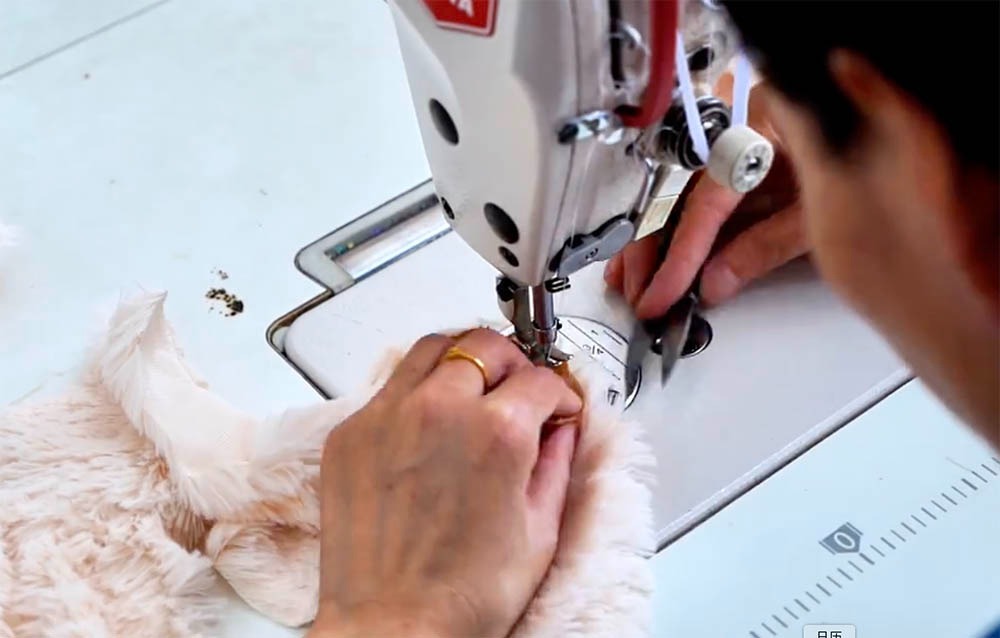
Labor quality is a major difference between quality-first and price-first plush manufacturing. Plush toys rely heavily on skilled sewing, turning, stuffing, closing, trimming, and shaping. Even with the same materials, a better-controlled production line can produce a more stable and professional result.
A price-first approach may push for faster production minutes, lower labor cost, or fewer process checks. This can result in uneven seams, weak closing points, poor symmetry, exposed filling, inconsistent stuffing, or distorted shapes. These problems are especially visible on character plush toys, where expression and body balance define the product’s identity.
Quality-first manufacturing uses process checkpoints. The factory checks the first production units before running the full line, trains operators on critical details, keeps approved samples near the production area, and monitors recurring defects during sewing and stuffing. This prevents one mistake from spreading across the whole order.
Shape stability deserves special attention. A plush toy may look good immediately after stuffing but collapse after packing, shipment, or shelf display if the pattern, seam structure, or filling amount is not controlled. A quality-first supplier considers the product’s life after leaving the factory, not only how it looks on the sewing table.
This is why labor cost should not be evaluated only as a number. Skilled operators, clear work instructions, and realistic production speed all support consistency. If the factory saves cost by rushing complex sewing steps, the buyer may receive a shipment where some units look correct and others look visibly off-standard.
| Comparison Area | Quality-First Approach | Price-First Risk |
|---|---|---|
| Sewing control | Uses trained operators, first-output checks, and clear defect standards | Reduces labor time until seams, symmetry, or closing quality become unstable |
| Stuffing control | Balances softness, fullness, weight, and shape recovery | Cuts filling or rushes stuffing, causing collapsed or uneven appearance |
| Process monitoring | Finds recurring defects during production | Waits for final inspection to discover repeated problems |
Make Quality Control a Prevention System
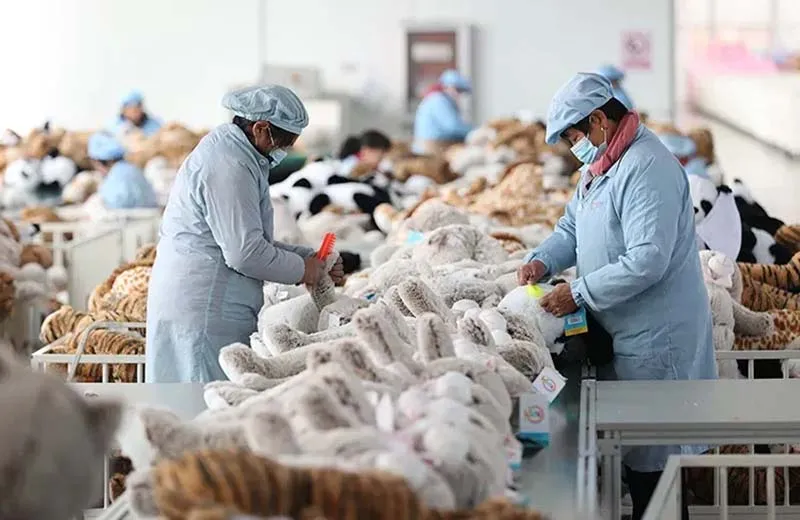
Quality-first plush manufacturing treats quality control as a prevention system, not a final sorting activity. The goal is to stop defects early through material checks, inline inspection, needle control, workmanship checks, measurement review, and final random inspection. This approach reduces rework and protects delivery schedules.
Price-first sourcing may reduce inspection time or treat QC as an optional cost. This can make the unit price look lower, but it increases the chance that defects reach the buyer. Once goods are packed, shipped, or delivered to a warehouse, every correction becomes slower and more expensive.
For plush toys, QC must cover both technical and visual quality. Technical checks include seams, labels, accessories, pull strength, needle detection, measurements, and carton quantity. Visual checks include expression, shape, fabric direction, cleanliness, trimming, and overall shelf appearance. A supplier that checks only one side may miss important buyer expectations.
A strong QC system also records defects and corrective actions. If the same problem appears repeatedly, the factory should review the cause and adjust the process. This is how quality-first manufacturing improves over time. It does not depend on luck or heroic final inspection.
For buyers, prevention-based QC also reduces communication burden. Instead of discovering defects after shipment and negotiating responsibility, the buyer receives clearer production updates, inspection evidence, and corrective actions before goods leave the factory. This is a major difference in operational workload.
| Comparison Area | Quality-First Approach | Price-First Risk |
|---|---|---|
| QC timing | Controls quality at incoming, inline, finishing, and final inspection stages | Relies mainly on final checking or buyer complaints |
| Defect handling | Records causes, rework actions, and prevention steps | Repairs visible issues without solving the production cause |
| Inspection scope | Checks workmanship, safety, labels, packaging, and visual consistency | Checks only obvious defects to save time |
Reduce Compliance and Safety Risk Early
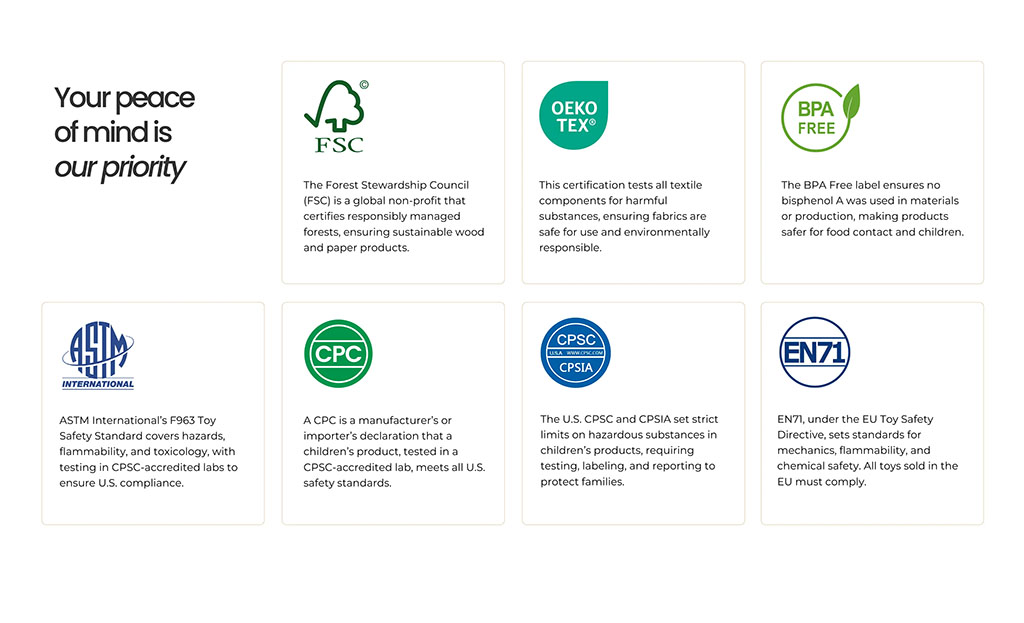
Compliance is one of the most important reasons to choose quality-first plush manufacturing. Plush toys sold in regulated markets may need safety testing, age grading, warning labels, pull tests, needle detection, material control, and documentation. These requirements should be considered before sample approval and bulk production.
A price-first supplier may quote without asking enough questions about the destination market or safety requirements. This is risky because design and material decisions can affect compliance. Small parts, plastic eyes, cords, batteries, sound modules, magnets, or special printing may require additional checks. If these details are ignored, the buyer may face redesign, retesting, or shipment delays.
Quality-first suppliers connect compliance with product development. They ask about the market, product user, age grade, test standards, labels, and buyer documentation needs. They also keep records for materials, needle detection, inspection, and production approvals. This documentation may be important for retailers, customs, audits, or future repeat orders.
Safety risk has a different cost profile from ordinary workmanship defects. A loose thread may be repaired. A serious safety issue can damage the buyer’s brand and create legal or recall exposure. For this reason, cutting compliance steps to reduce unit price is rarely a rational saving.
Quality-first compliance planning also protects delivery. If safety questions are left until the end, the buyer may need urgent retesting, label changes, component replacement, or shipment holds. When compliance is considered from the sample stage, these risks are easier to control without emergency decisions.
| Comparison Area | Quality-First Approach | Price-First Risk |
|---|---|---|
| Market review | Confirms destination market, age grade, safety rules, and label needs | Quotes without knowing which standards the product must meet |
| Safety controls | Uses pull tests, needle detection, component checks, and documentation | Treats safety checks as optional or late-stage add-ons |
| Risk exposure | Prevents compliance failure before shipment | May save small costs while creating high-impact legal or brand risk |
Consider Packaging, Freight, and Landed Cost
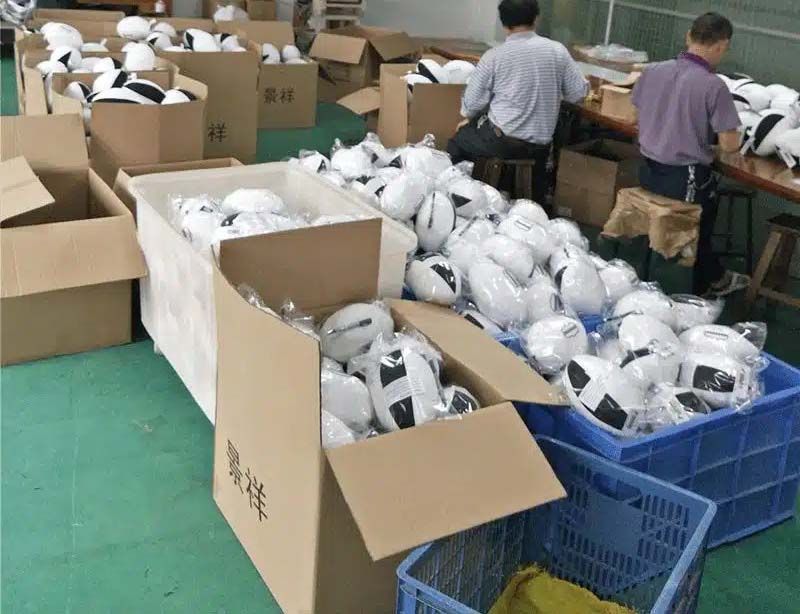
Packaging and logistics often reveal the hidden cost of price-first sourcing. Plush toys are soft and bulky, so carton size, compression method, packing quantity, and packaging material directly affect freight cost and product appearance. A cheap product can become expensive if it ships inefficiently or arrives deformed.
Quality-first manufacturing considers packaging as part of product protection. The factory checks whether vacuum packing is suitable, whether the toy can recover shape, whether cartons are strong enough, whether labels and barcodes are correct, and whether the packing method supports the buyer’s warehouse or retail channel.
Price-first sourcing may choose weaker cartons, excessive compression, fewer protective materials, or incomplete carton labeling. These decisions may reduce factory cost but increase receiving problems, rework, product deformation, or customer complaints after delivery. The buyer may not see the real cost until the goods arrive.
Landed cost is the practical comparison. Buyers should include unit price, packaging, testing, inspection, freight, duty, local handling, and potential rework. When these items are included, quality-first manufacturing often becomes more competitive than a quote that only appears cheaper at the factory gate.
Packaging decisions should be tested against the actual product, not selected only from a price list. Long pile plush, firm mascot shapes, electronic plush, and retail gift plush may all react differently to compression and carton stacking. Quality-first suppliers check whether the packing method protects the item through transport, storage, and presentation.
| Comparison Area | Quality-First Approach | Price-First Risk |
|---|---|---|
| Packing design | Protects product shape, labels, presentation, and logistics handling | Cuts packaging cost while increasing deformation or receiving risk |
| Freight impact | Plans carton size and packing quantity for realistic landed cost | Focuses on unit price while ignoring volumetric freight cost |
| Warehouse readiness | Checks barcodes, carton marks, assortment, and packing accuracy | Creates downstream sorting, relabeling, or receiving problems |
Choose Suppliers by Long-Term Reliability
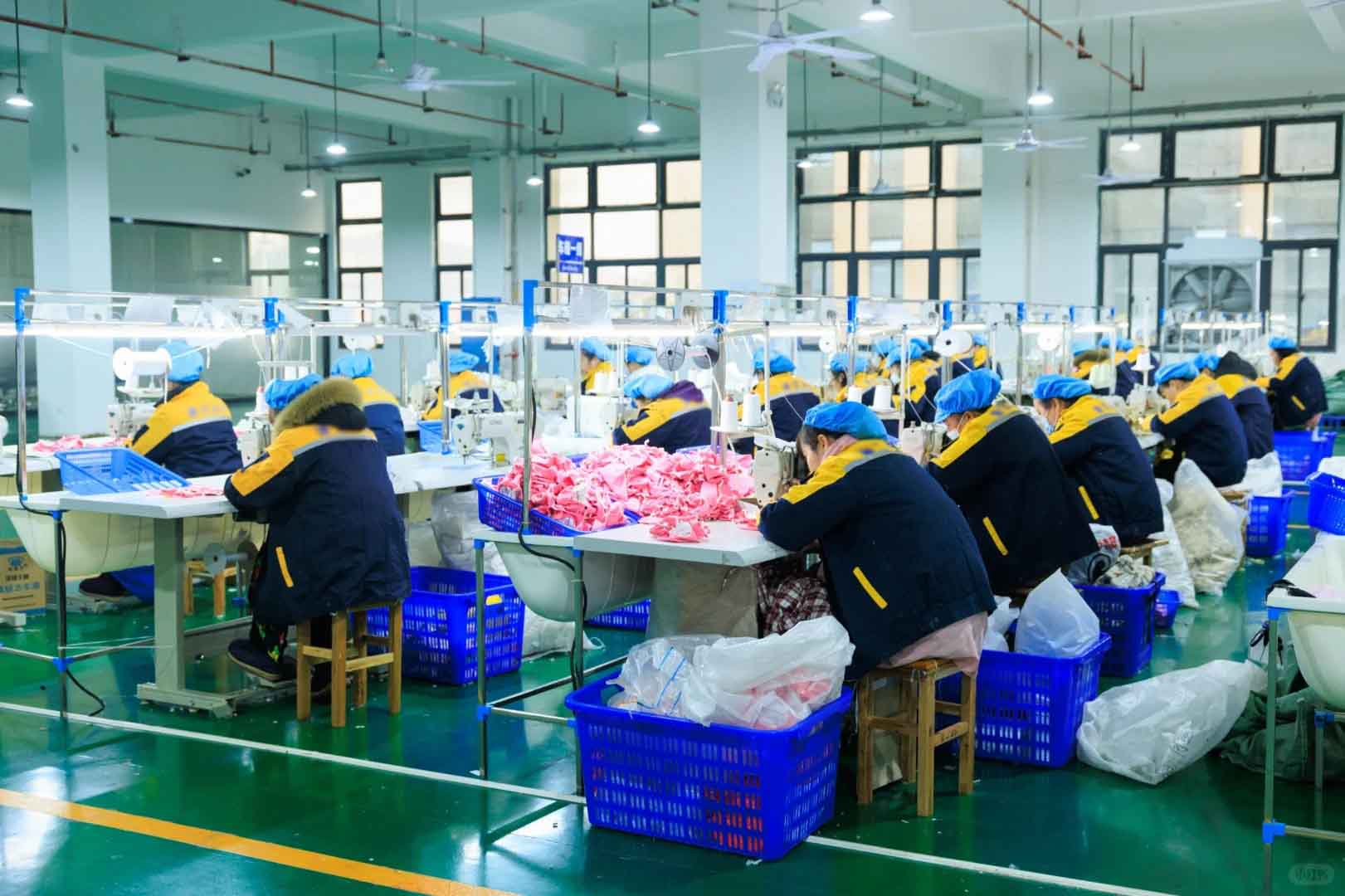
The final difference between quality-first plush manufacturing and price-first sourcing is the type of supplier relationship it creates. A price-first relationship often becomes transactional. The supplier protects the quoted price, the buyer pressures for lower cost, and both sides have less room to discuss risk honestly. This can work for simple orders, but it is weak for complex custom plush projects.
A quality-first relationship is more transparent. The supplier explains cost drivers, flags risks early, documents decisions, and helps the buyer choose practical options. This does not remove negotiation. It makes negotiation more factual because both sides can see which cost items affect quality, delivery, and compliance.
Long-term reliability matters because plush programs often grow from one product into repeat orders, seasonal campaigns, character lines, or multi-SKU collections. A supplier that learns the buyer’s standards can improve sampling speed, material planning, inspection focus, packaging consistency, and communication efficiency over time.
Buyers should ask whether the supplier becomes easier to work with after each project. If each order repeats the same problems, the supplier is not improving. If the supplier learns, documents, and prevents recurring issues, the relationship creates operational value beyond the unit price.
Long-term reliability also supports better cost control. Once a supplier understands the buyer’s standards, it can recommend suitable materials earlier, avoid unnecessary sample rounds, plan capacity more accurately, and prepare inspection points based on known brand priorities. This saves time without cutting the quality foundation.
| Comparison Area | Quality-First Approach | Price-First Risk |
|---|---|---|
| Supplier behavior | Explains tradeoffs, records decisions, and reports risks early | Avoids difficult topics to protect a low quote |
| Repeat orders | Uses past learning to improve sampling, production, and QC | Treats every order as isolated and repeats old problems |
| Buyer workload | Reduces management pressure through predictable execution | Increases buyer follow-up, checking, correction, and dispute handling |
Conclusion
Quality-first plush manufacturing is not the opposite of cost control. It is a more complete way to control cost by preventing avoidable problems. It considers the full project: sample accuracy, material consistency, labor quality, process control, compliance, packaging, landed cost, and long-term supplier reliability.
Price-first sourcing can look attractive at the quotation stage, but it often moves cost into later stages where problems are harder to fix. For B2B plush buyers, the stronger decision is to compare suppliers by total value, documented assumptions, and risk control. A quality-first plush partner helps protect both the product and the brand behind it.
FAQ
Does quality-first plush manufacturing always cost more?
Not always. It may cost more at the unit price level, but it can reduce rework, testing failure, shipment delay, returns, and buyer management time. The better comparison is total project cost.
When is price-first plush sourcing acceptable?
It may be acceptable for simple, low-risk promotional items with flexible expectations. It is riskier for children’s products, licensed characters, retail programs, or projects with strict quality requirements.
What is the biggest risk of choosing the lowest plush quote?
The biggest risk is hidden compromise. The supplier may reduce fabric quality, filling, inspection, packaging, or development support in ways that are not obvious in the quote.
How can buyers compare plush quotes fairly?
Buyers should compare fabric, filling, sample scope, testing, inspection, packaging, carton size, delivery terms, and quote assumptions. Unit price alone is not enough.
Why does sampling matter in quality-first manufacturing?
Sampling turns artwork into a production-ready standard. A controlled sample process helps prevent bulk production from drifting away from the approved design.
How does quality-first sourcing protect a brand?
It reduces the risk of poor appearance, unsafe components, failed inspections, delayed shipments, and customer complaints. These issues can damage trust more than a small price difference can justify.
What should a quality-first plush supplier provide?
A strong supplier should provide clear quotes, sample records, material confirmation, production updates, inspection reports, compliance support, packaging details, and practical risk warnings.