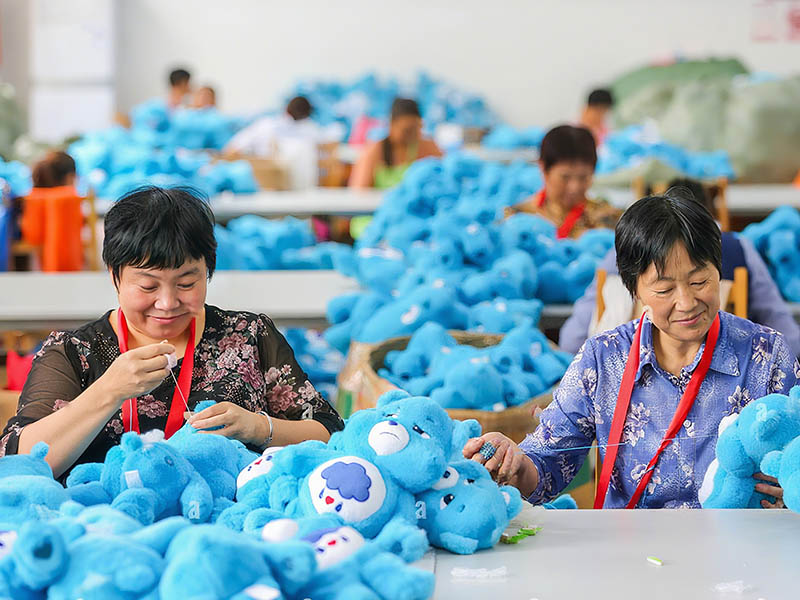
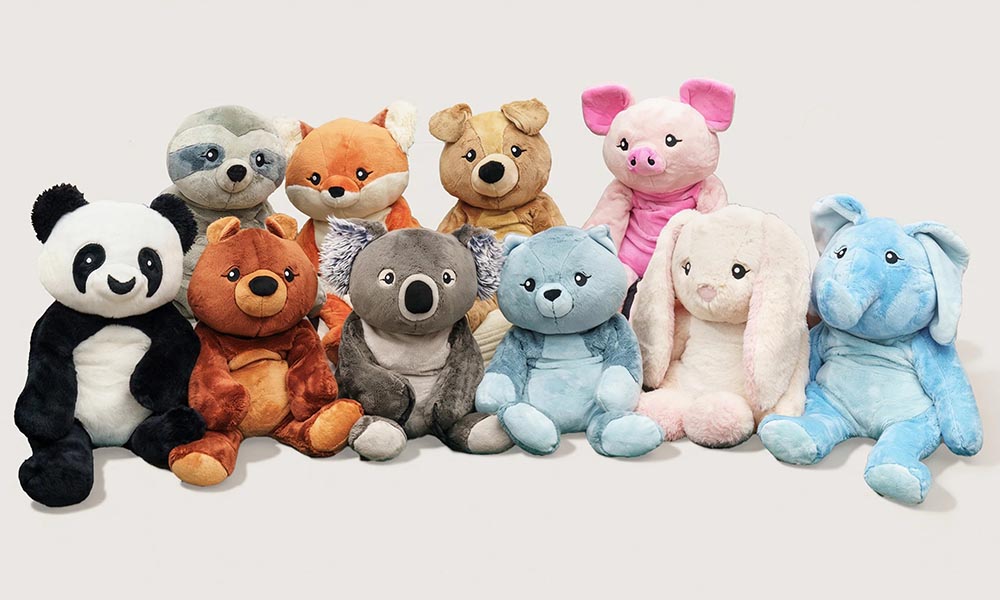
Identifying a high-level plush partner is different from finding a factory that can make a low quote. For B2B buyers, a plush partner must protect product quality, development accuracy, delivery reliability, compliance, cost control, and communication across the full project. The real question is not only whether a supplier can sew a plush toy. The question is whether the supplier can manage uncertainty before it becomes a business problem.
Custom plush projects often involve artwork interpretation, fabric selection, sampling, embroidery adjustment, filling control, safety checks, packaging, shipment planning, and repeated buyer approvals. A weak supplier may still produce acceptable goods when the design is simple and the schedule is loose. A high-level plush partner proves its value when the design is complex, the brand standard is strict, the order has multiple SKUs, or the delivery window cannot move.
Buyers should evaluate plush suppliers through evidence, not sales claims. Certificates, photos, and factory introductions are useful starting points, but they do not show the full operating level. A stronger evaluation checks how the supplier thinks, how it documents decisions, how it controls process risk, how it communicates tradeoffs, and how it handles problems when production does not go perfectly.
Evaluate Strategic Fit Before Factory Capability
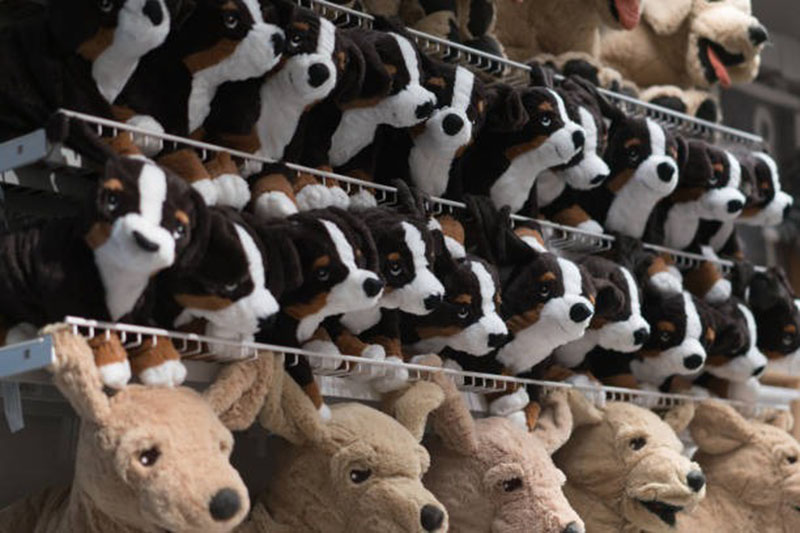
A high-level plush partner starts with strategic fit. This means the supplier understands the buyer’s product type, market, quality expectation, order size, and decision process. A factory that is excellent for simple promotional plush may not be the best choice for licensed character toys. A supplier focused on low-cost commodity production may not suit a buyer that needs high replication accuracy, frequent development work, or strict retail documentation.
Strategic fit also includes how the supplier handles your project stage. A buyer developing a new character needs more sampling support than a buyer reordering an established item. A startup may need guidance on MOQ, packaging, safety markets, and cost structure. A mature brand may need tighter change control, stronger reporting, and consistent multi-SKU execution. The same factory is not automatically the right partner for every buyer.
A strong supplier will ask questions before quoting. They will want to know sales market, age grade, intended use, target price range, packaging expectations, approval timeline, and risk priorities. These questions may feel slower than receiving an immediate unit price, but they usually lead to a more reliable estimate. A factory that quotes too quickly from incomplete information may be hiding assumptions that will become price changes later.
Buyers should also judge whether the supplier can support the relationship style they need. Some projects need fast transactional execution. Others need engineering discussion, cost optimization, compliance planning, and long-term product line development. A high-level plush partner should be able to match the buyer’s working style without losing control of details.
This early fit check prevents buyers from spending weeks with a supplier whose strengths do not match the actual project risk.
| Evaluation Area | What to Look For | What It Reveals |
|---|---|---|
| Product fit | Experience with similar plush categories, complexity levels, and buyer markets | Whether the supplier understands the real demands behind the product type. |
| Project stage fit | Support for concept, sampling, bulk production, repeat orders, or multi-SKU programs | Whether the supplier can help at the stage where the buyer actually needs support. |
| Commercial fit | MOQ, pricing structure, lead time, reporting style, and communication rhythm | Whether cooperation will remain practical after the first quote. |
Check Engineering and Sampling Discipline
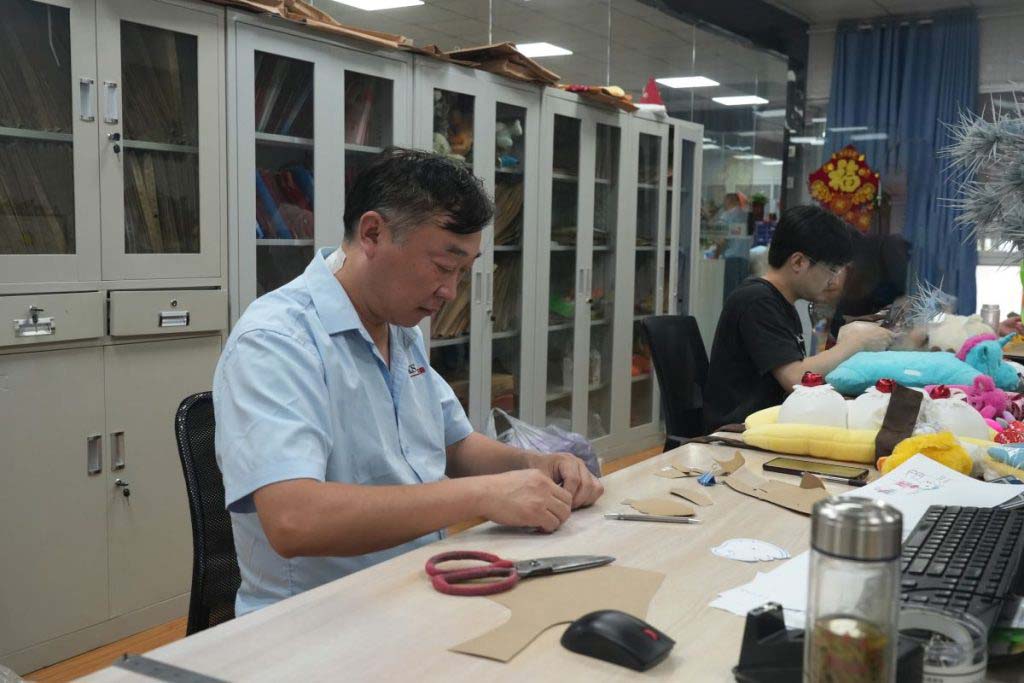
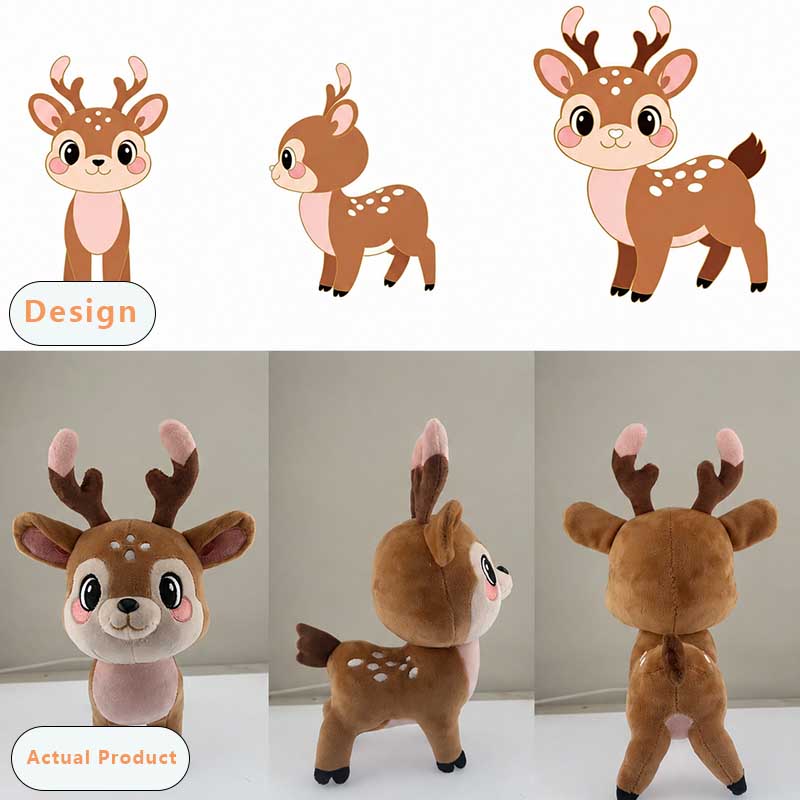
Sampling is one of the clearest ways to identify a high-level plush partner. The sample shows whether the supplier can translate two-dimensional artwork into a stable three-dimensional product. It also reveals how well the team understands pattern design, fabric behavior, embroidery placement, stuffing balance, seam structure, and character expression.
A strong supplier does not treat sampling as trial and error without structure. They record buyer comments, explain which changes affect cost or production risk, and separate design preference from technical limitation. If a plush toy has a difficult head shape, thin limbs, special fabric direction, or small embroidery details, the supplier should point out the risk early instead of waiting until bulk production.
Sampling discipline includes version control. Each round should have a clear record of what changed, why it changed, and whether the change is approved. Without this control, old comments can return, approved details can be lost, and final production may follow the wrong sample. High-level suppliers protect the approved standard because it becomes the benchmark for mass production and inspection.
Buyers should look at the quality of technical feedback. A basic factory may only say that something is possible or impossible. A stronger partner offers options: change fabric weight, adjust seam position, simplify embroidery, add inner support, modify stuffing level, or improve packaging to protect shape. This kind of feedback helps buyers make informed decisions instead of guessing.
| Evaluation Area | What to Look For | What It Reveals |
|---|---|---|
| Pattern ability | Stable shape, correct proportion, clean seam placement, and efficient construction | Whether the supplier can make the design manufacturable without losing identity. |
| Sample control | Revision notes, approval records, photo comparisons, and final sample protection | Whether bulk production will follow the correct benchmark. |
| Technical feedback | Clear explanation of design risks, cost impact, and production alternatives | Whether the supplier acts as an engineering partner, not only a sewing workshop. |
Review Quality Systems, Not Only Certificates
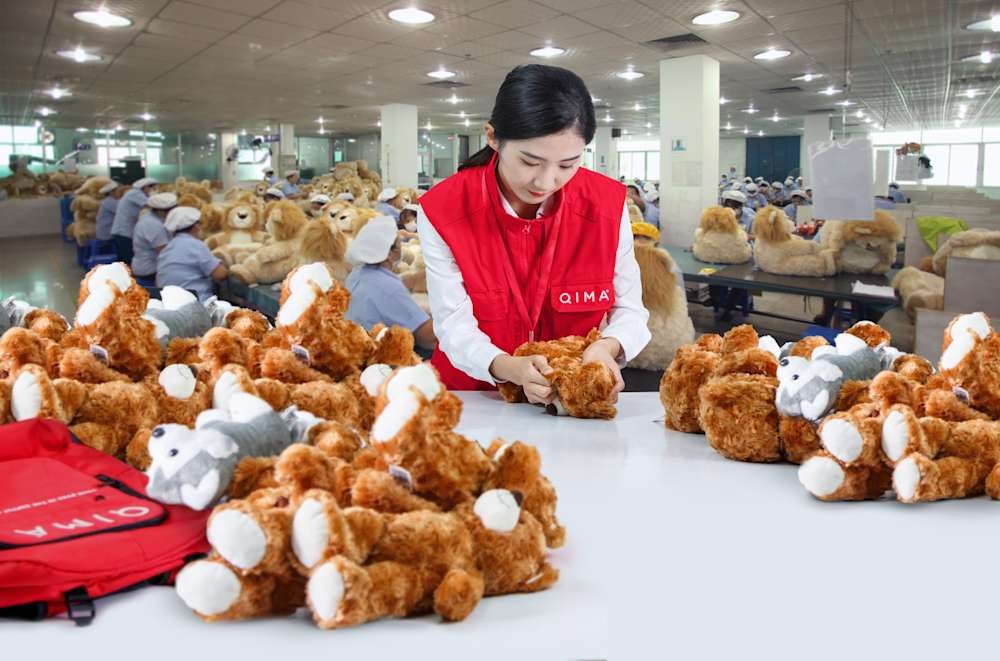
Certificates can be useful, but they are not enough to prove a high-level plush partner. A certificate may show that a factory passed an audit at a specific time. It does not prove that every order is controlled well. Buyers need to understand how the supplier manages daily quality: incoming material inspection, cutting control, embroidery inspection, sewing checks, stuffing control, needle management, final inspection, and corrective action.
A strong quality system is visible in records and behavior. The factory should be able to show inspection points, defect categories, rework procedures, needle control logs, approved sample control, and final inspection reports. More importantly, the team should explain how these controls prevent problems, not only show documents after a problem occurs.
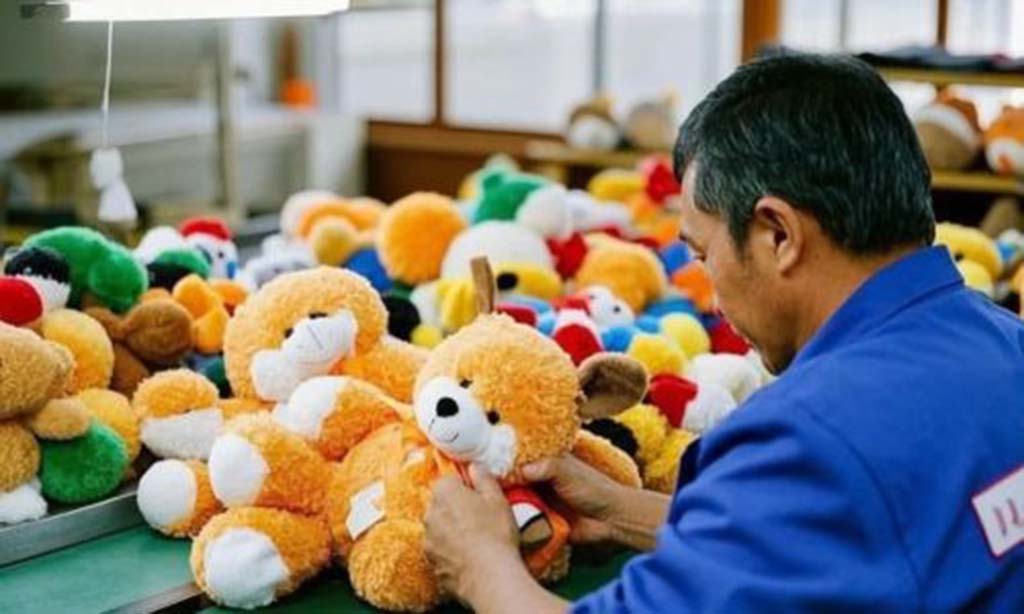
For plush toys, quality systems must control both measurable and visual details. Size, label, carton quantity, and pull strength can be measured directly. Shape, expression, fabric direction, softness, and retail appearance require trained judgment against an approved sample. A high-level partner understands both sides and builds quality checkpoints around them.
Buyers should pay attention to how the supplier responds to quality questions. If the answer is vague, defensive, or limited to general promises, the system may be weak. If the answer includes process steps, responsible teams, defect examples, and prevention methods, the supplier is more likely to manage quality consistently.
| Evaluation Area | What to Look For | What It Reveals |
|---|---|---|
| Incoming control | Fabric shade, pile direction, filling, accessories, labels, and packaging materials | Whether defects are stopped before production starts. |
| Inline control | Cutting, embroidery, sewing, stuffing, finishing, and needle control checkpoints | Whether problems are corrected before they spread through the order. |
| Final control | AQL inspection, carton checks, reports, rework records, and release decisions | Whether shipment approval is based on evidence instead of hope. |
Assess Communication and Project Transparency
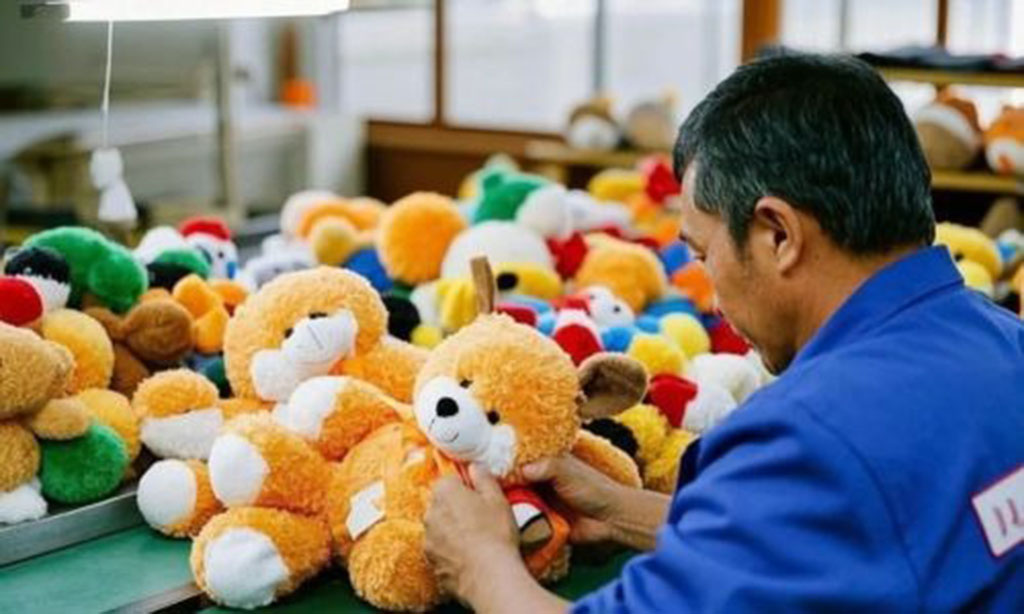
Communication quality is one of the strongest signs of supplier level. A high-level plush partner does not only reply quickly. They communicate clearly, identify missing information, explain risks, and keep decisions traceable. Fast replies are useful, but speed without accuracy can create confusion. The best communication reduces uncertainty for the buyer.
Transparency matters because custom plush production contains many linked decisions. A change in fabric may affect color, cost, cutting loss, stuffing feel, and delivery time. A change in packaging may affect carton size, freight cost, and shape recovery. A supplier that explains these links helps the buyer understand the full impact before approving a change.
Project transparency also means reporting problems early. Production rarely runs without any issue. Material delays, color variation, embroidery adjustment, packaging proof changes, or inspection findings can happen even in professional factories. The difference is whether the supplier hides the issue until it becomes urgent or reports it early with options.
A buyer should review the supplier’s emails, sample comments, quote explanations, and production updates. High-level partners tend to write with structure: issue, cause, options, impact, recommendation, and required buyer decision. This saves buyer time and makes internal communication easier, especially when purchasing, design, compliance, and logistics teams are all involved.
| Evaluation Area | What to Look For | What It Reveals |
|---|---|---|
| Question quality | Supplier asks about market, usage, age grade, packing, quality level, and deadline | Whether they understand what information controls project risk. |
| Risk reporting | Early notice of material, sample, schedule, quality, or packaging concerns | Whether the buyer gets time to make decisions before problems become urgent. |
| Decision records | Written confirmation of revisions, approvals, deviations, and next actions | Whether the project can stay controlled across multiple people and stages. |
Verify Production Capacity and Process Control
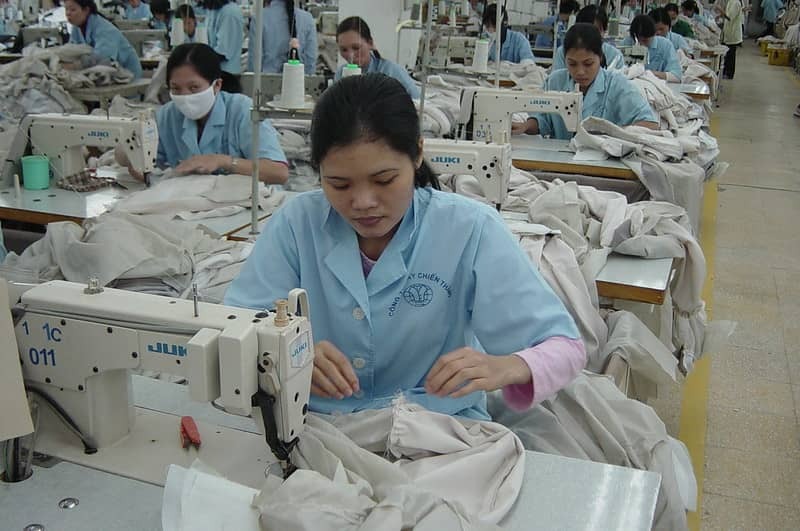
Capacity is not only the number of sewing machines in a factory. A high-level plush partner must have the process control to deliver the right goods on time at the required quality level. A factory may have large physical capacity but weak scheduling, poor material planning, or inconsistent supervision. That creates risk when orders become complex or deadlines are tight.
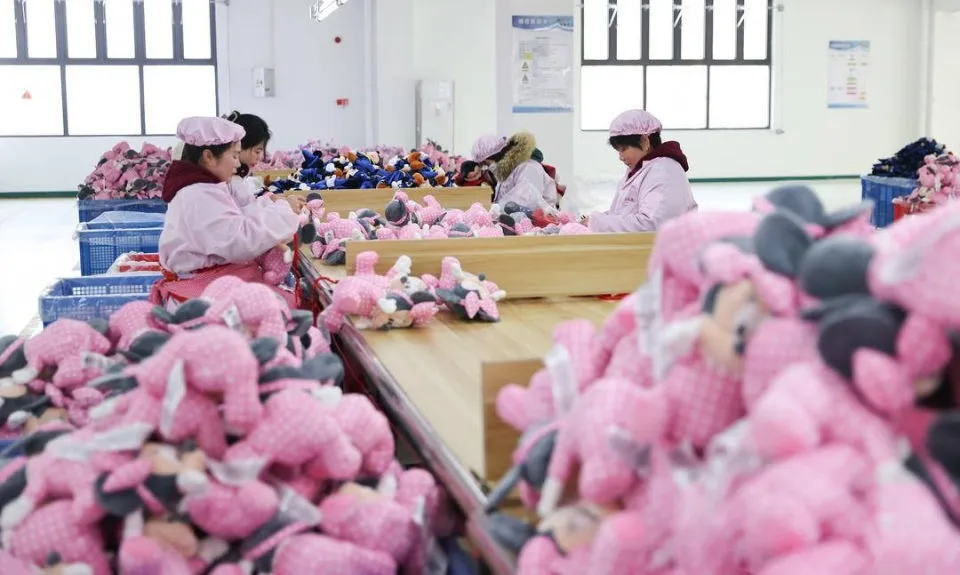
Production capacity should be evaluated by order type. A simple plush pillow may move quickly through cutting, sewing, stuffing, and packing. A character plush with many small parts, embroidery, clothing, accessories, or electronics needs more skilled labor and more checkpoints. Buyers should ask how the factory plans line allocation, operator training, first-article review, and inline inspection for the specific product.
Process control is especially important during bulk production. The factory should confirm materials before cutting, check first output before full-line production, monitor defect trends, and protect approved samples on the production floor. If the first production units are not reviewed carefully, the same mistake can repeat across thousands of pieces before final inspection catches it.
A strong partner will be realistic about lead time. They will not promise every project can be rushed without impact. Instead, they explain which steps are fixed, which steps can be compressed, and where rush production may increase cost or risk. This honesty is more valuable than an optimistic promise that fails later.
| Evaluation Area | What to Look For | What It Reveals |
|---|---|---|
| Capacity match | Product complexity, order quantity, labor skill, and line availability | Whether the factory can handle the order without overstretching. |
| Production planning | Material readiness, cutting schedule, sewing allocation, packing plan, and inspection timing | Whether delivery depends on a controlled schedule or last-minute recovery. |
| Process checkpoints | Pre-production sample, first output review, inline checks, and final inspection | Whether problems are detected early enough to fix efficiently. |
Examine Cost Thinking and Risk Management
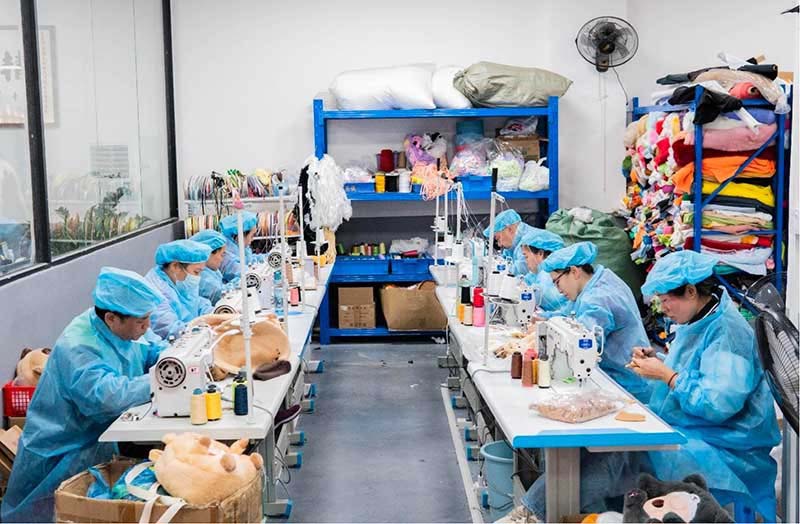
A high-level plush partner helps buyers control cost without damaging product value. Low-level suppliers often reduce price by silently changing fabric weight, filling level, stitching quality, inspection effort, or packaging protection. That may make the quote look attractive, but it transfers risk to the buyer. A stronger supplier explains cost drivers and gives controlled options.
Cost thinking should be specific. For example, the supplier may suggest using an available fabric color instead of custom dyeing, reducing non-critical embroidery density, adjusting carton packing to lower freight volume, simplifying hidden decorative details, or choosing a packaging method that protects the toy without unnecessary printing cost. These suggestions save money through design and process decisions, not through blind quality cuts.
Risk management is part of cost management. A cheaper decision can become expensive if it causes failed testing, poor shape recovery, rework, delayed shipment, or customer complaints. A high-level partner can explain where cost reduction is safe and where it is not. They understand that the buyer’s true cost includes development time, inspection, logistics, returns, brand reputation, and missed launch windows.
Buyers should compare quotes by assumptions, not just numbers. If one supplier includes testing, stronger packaging, inspection support, and detailed sample work, while another only quotes a basic unit price, the two quotes are not equal. High-level suppliers make assumptions visible so buyers can compare total value accurately.
| Evaluation Area | What to Look For | What It Reveals |
|---|---|---|
| Cost breakdown | Materials, labor, packaging, testing, inspection, freight impact, and setup fees | Whether the quote explains what the buyer is actually paying for. |
| Optimization options | Practical ways to reduce cost without hurting safety, appearance, or durability | Whether the supplier can improve value instead of only lowering quality. |
| Risk tradeoffs | Clear warning when savings may affect compliance, delivery, or customer experience | Whether the supplier protects the buyer from hidden downstream cost. |
Confirm Compliance, Documentation, and Buyer Protection
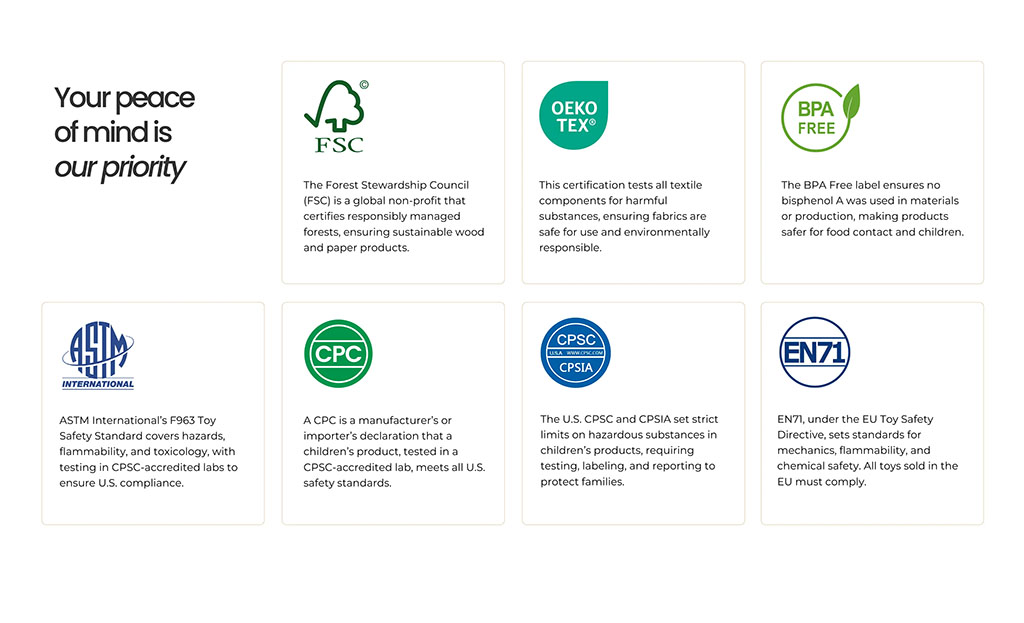
Compliance is a major part of identifying a high-level plush partner, especially for buyers selling into regulated markets. The supplier should understand that plush toys may need safety testing, material control, labeling, age grading, pull tests, needle detection, and documentation depending on the destination market and product design. Compliance should be considered before production, not after cartons are packed.
A high-level partner helps connect product design with compliance requirements. If a toy has small plastic parts, long cords, batteries, magnets, sound modules, or special packaging, the supplier should flag possible testing and safety concerns early. If the buyer sells in the United States, Europe, or other regulated markets, the factory should know that requirements may differ and cannot be guessed casually.
Documentation protects the buyer. Test reports, material declarations, inspection records, needle control logs, packing lists, carton marks, and production approvals create evidence that the product was controlled. This evidence can be important for customs, retailers, internal quality teams, or future repeat orders. A supplier that treats documentation as an afterthought may create risk even when the product looks acceptable.
Buyer protection also includes ethical handling of problems. If an issue is found, a high-level supplier should help identify cause, propose corrective action, and prevent recurrence. They should not simply argue that the defect is acceptable or push the buyer to ship quickly. Reliable suppliers understand that long-term trust depends on how problems are handled.
| Evaluation Area | What to Look For | What It Reveals |
|---|---|---|
| Market requirements | Destination market, age grade, safety standards, labels, and warning text | Whether the supplier can align production with buyer requirements. |
| Control records | Needle detection, pull tests, inspection reports, approvals, and material records | Whether the buyer has evidence if questions arise later. |
| Problem handling | Root cause review, corrective action, reinspection, and prevention steps | Whether the supplier protects the buyer when issues appear. |
Look for a Long-Term Improvement Mindset
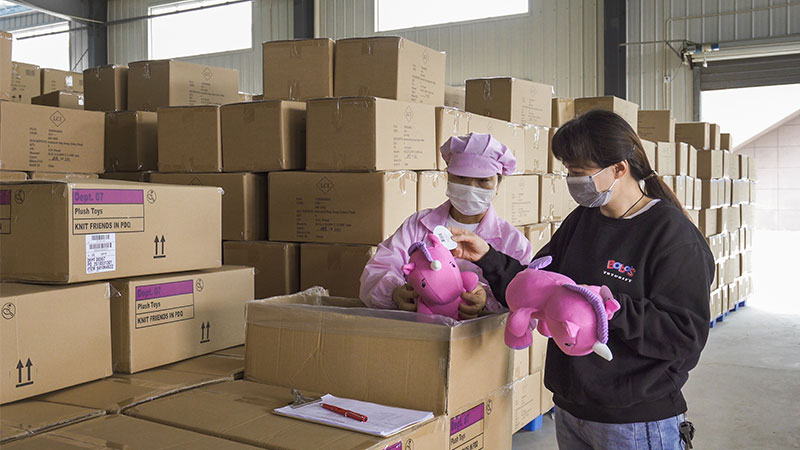
A high-level plush partner improves with the buyer over time. The first order is important, but long-term value comes from repeat learning. The supplier should remember approved standards, track recurring issues, improve packing methods, refine costing, and support new product development more efficiently after learning the buyer’s brand requirements.
This mindset is visible in how the supplier reviews completed projects. They may discuss which sample changes worked, which defects appeared during production, which packaging method protected shape best, and which schedule points need more buffer next time. These discussions turn production experience into better future execution.
Improvement also requires internal discipline. The supplier must transfer lessons from sales or project management to sampling, purchasing, production, QC, and packing teams. If knowledge stays with one salesperson, the next order may repeat old mistakes. A stronger partner has systems that make learning repeatable across departments.
For B2B buyers, long-term improvement reduces management burden. The supplier begins to anticipate needs, prepare better samples, warn earlier about risks, and suggest cost or quality improvements. That is the difference between a vendor that completes orders and a partner that supports brand growth.
| Evaluation Area | What to Look For | What It Reveals |
|---|---|---|
| Order review | Post-shipment feedback, recurring defect tracking, and buyer comment records | Whether the supplier learns from real production instead of treating each order as isolated. |
| Internal transfer | Lessons shared across sampling, purchasing, production, QC, and packing teams | Whether improvements survive beyond one salesperson or one project manager. |
| Future support | Better cost planning, faster sampling, stronger quality consistency, and proactive risk warnings | Whether the supplier becomes more valuable as cooperation continues. |
Conclusion
A high-level plush partner is identified through evidence across the full project, not through a low quote or a polished introduction. Buyers should evaluate strategic fit, sampling discipline, quality systems, communication transparency, production control, cost thinking, compliance ability, and long-term improvement. These areas show whether the supplier can manage both product details and business risk.
The best plush partners make buyer decisions easier. They explain tradeoffs, document approvals, identify risks early, protect quality standards, and support repeat improvement. For custom plush projects, this level of partnership is often more valuable than a small unit price difference because it reduces hidden cost, prevents delays, and protects brand reputation.
FAQ
What makes a plush supplier high-level?
A high-level plush supplier has strong sampling ability, quality systems, transparent communication, process control, compliance awareness, and practical cost management. They help prevent problems instead of only reacting after defects appear.
Is a factory audit enough to choose a plush partner?
No. Audits are useful, but buyers should also check sampling quality, project communication, inspection records, production planning, and how the supplier handles risks and changes.
How can buyers test a supplier before placing a large order?
Buyers can start with a detailed sample project, ask for clear cost assumptions, review revision handling, inspect communication quality, and check whether the supplier provides practical technical feedback.
Why is communication important in plush manufacturing?
Custom plush projects involve many linked decisions. Clear communication helps buyers understand how design, materials, cost, packaging, compliance, and delivery affect each other.
Should buyers choose the lowest plush toy quote?
Not automatically. A low quote may exclude testing, packaging, inspection, better materials, or proper development work. Buyers should compare total value and risk, not only unit price.
What documents should a professional plush partner provide?
Useful documents may include quotes with assumptions, sample approval records, material details, testing reports, inspection reports, packing lists, carton marks, and corrective action records.
How does a long-term plush partner reduce buyer workload?
A long-term partner learns the buyer’s standards, anticipates risks, improves repeat orders, and communicates decisions clearly. This reduces repeated explanations and lowers project management pressure.