Skip to content
Estimating total plush project cost is not the same as asking for a unit price. A unit price only tells you what one finished toy may cost under a specific set of assumptions. A real project budget must include development work, sample rounds, material selection, production complexity, packaging, testing, freight, import costs, revision risk, and the way order quantity affects every part of the calculation.
For B2B buyers, this distinction matters because plush toys often look simple from the outside. A soft toy may have only fabric, filling, embroidery, sewing, and packaging, but the commercial result depends on many small decisions. A slight change in plush fabric weight, embroidery density, stuffing firmness, hangtag specification, carton size, or inspection requirement can move the final cost more than expected.
A professional plush supplier should help buyers estimate the full cost early, before artwork, samples, and purchase orders move too far. The goal is not to make the cheapest toy on paper. The goal is to understand where the money goes, where savings are safe, and where reducing cost may create quality, delivery, or compliance problems later.
Start With the Product Brief and Project Scope
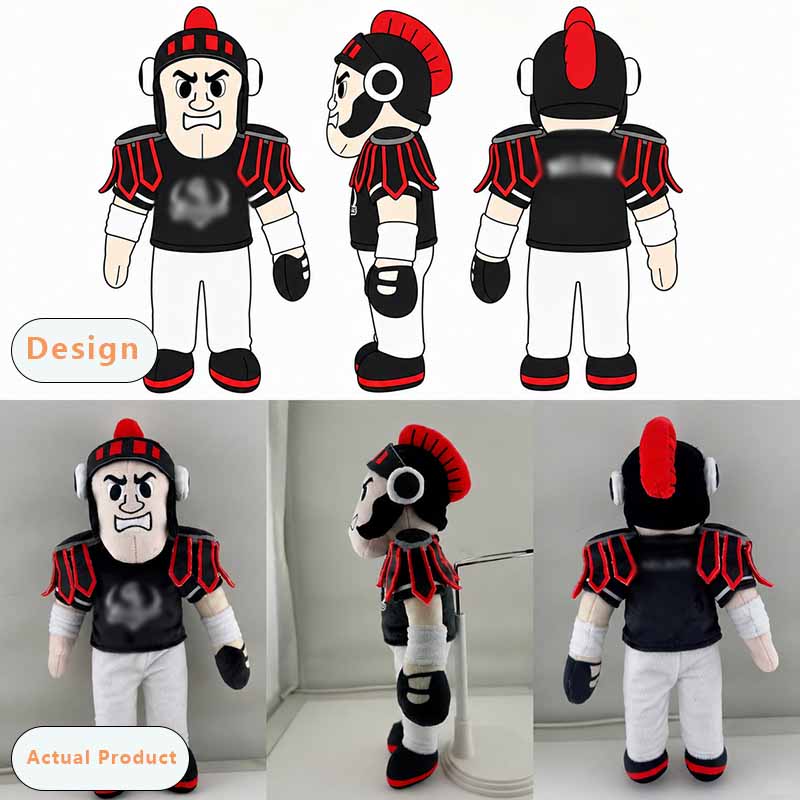
The first step in estimating total plush project cost is defining the product scope with enough precision. A factory cannot calculate accurately from a general description such as “a 25 cm plush animal” or “a promotional mascot.” The quote depends on the finished size, sitting or standing posture, fabric type, number of colors, embroidery details, printed parts, accessories, filling density, packaging method, safety market, and target order quantity.
A clear brief reduces guessing. If a buyer provides artwork, reference photos, target size, expected hand feel, age grade, sales market, packaging preference, and approximate quantity, the factory can build a cost model around real production conditions. If these details are missing, the supplier must either quote with assumptions or ask more questions. Assumption-based quotes can look fast, but they often create price changes after sampling.
Scope also includes commercial expectations. A plush toy for a retail brand, a licensed character, a baby product, a corporate giveaway, and an adult collectible may all require different cost structures. Retail items usually need stronger packaging presentation, barcode labels, carton marks, and more consistent finishing. Licensed characters may require tighter replication accuracy and more sample revisions. Baby and children’s products may require stricter safety testing and component control.
Buyers should also clarify what the quote must include. Some quotes include only ex-factory production cost, while others include packaging, testing, freight to port, or door-to-door delivery. Without this boundary, two suppliers may appear to offer different prices when they are actually quoting different scopes. A low unit price that excludes testing, packaging upgrades, or inner carton protection may become expensive after all requirements are added.
A practical way to begin is to create a cost brief with three columns: confirmed requirements, flexible options, and unknown items. Confirmed requirements should be protected during cost reduction. Flexible options can be adjusted if the budget is tight. Unknown items should be priced as assumptions until samples or buyer decisions confirm them. This structure keeps the discussion factual and prevents cost control from turning into random quality reduction.
The brief should also define the buyer’s cost priority. Some projects need the lowest practical cost for a giveaway campaign. Some need strong shelf appearance for retail. Others need reliable replication for a licensed character or premium feel for a brand gift. These priorities lead to different decisions. A cost plan without priority can save money in the wrong place and spend money where the customer will not notice.
Estimate Sampling and Development Costs
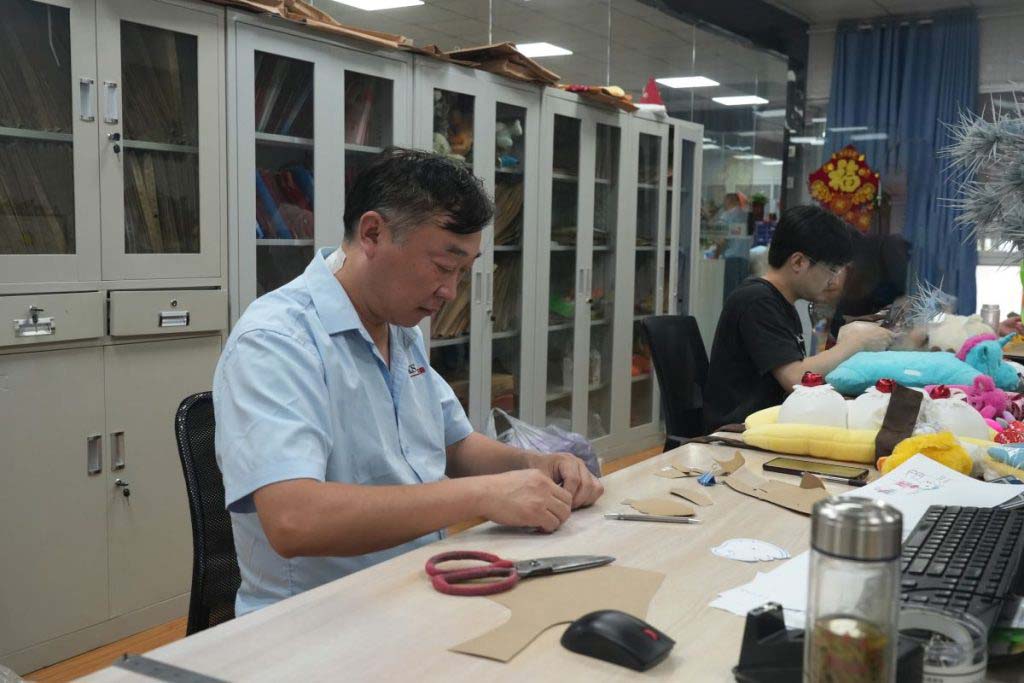
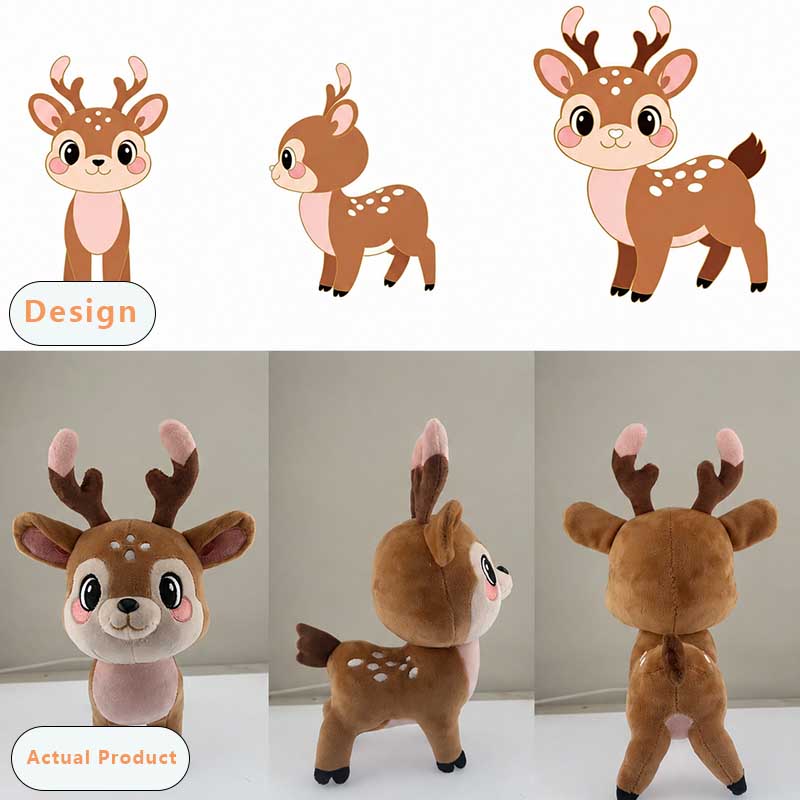
Sampling cost is one of the most commonly underestimated parts of plush development. Buyers sometimes treat samples as a small preliminary expense, but for custom plush toys, sampling is where the factory translates artwork into a three-dimensional product. Pattern making, fabric sourcing, embroidery programming, printing tests, stuffing adjustment, accessory matching, and sample sewing all require skilled labor before mass production begins.
The first sample is rarely perfect for complex plush projects. Character shape, face expression, body proportion, seam position, fabric direction, and stuffing balance often need refinement. Each revision may require new pattern adjustments, new embroidery files, different fabric trials, or a changed construction method. If a buyer expects high replication accuracy, the sampling budget should allow enough rounds to reach that standard.
Sampling cost may be charged separately or included in the bulk order after confirmation. Both methods can be reasonable, but buyers should understand what the fee covers. A low sample fee may only cover one simple prototype, while additional changes are charged later. A higher sample fee may include pattern work, embroidery setup, multiple photos, and more careful review before shipment. The important point is transparency.
Development time also has a cost impact. If a project has a tight launch date, rushed sample making may require priority scheduling, express material purchasing, or faster international shipping. These costs may not appear in the unit price, but they still affect the total project budget. When timing is flexible, buyers can often reduce pressure and avoid emergency fees.
For electronic plush toys, sound modules, lights, vibration units, battery boxes, or sensor parts add another layer. The factory may need component samples, function tests, wire placement checks, washing or durability review, and safety verification. These steps cost more than a standard sewn plush sample because the plush construction and electronic function must work together. Estimating only the soft toy body will give an incomplete budget.
Buyers should also consider internal approval cost. If several departments need to review samples, every unclear comment or delayed approval may add days to the schedule. The supplier can control manufacturing cost, but the buyer also controls decision efficiency. A structured sample review checklist reduces repeat revisions and keeps development cost predictable.
Calculate Material and Component Costs
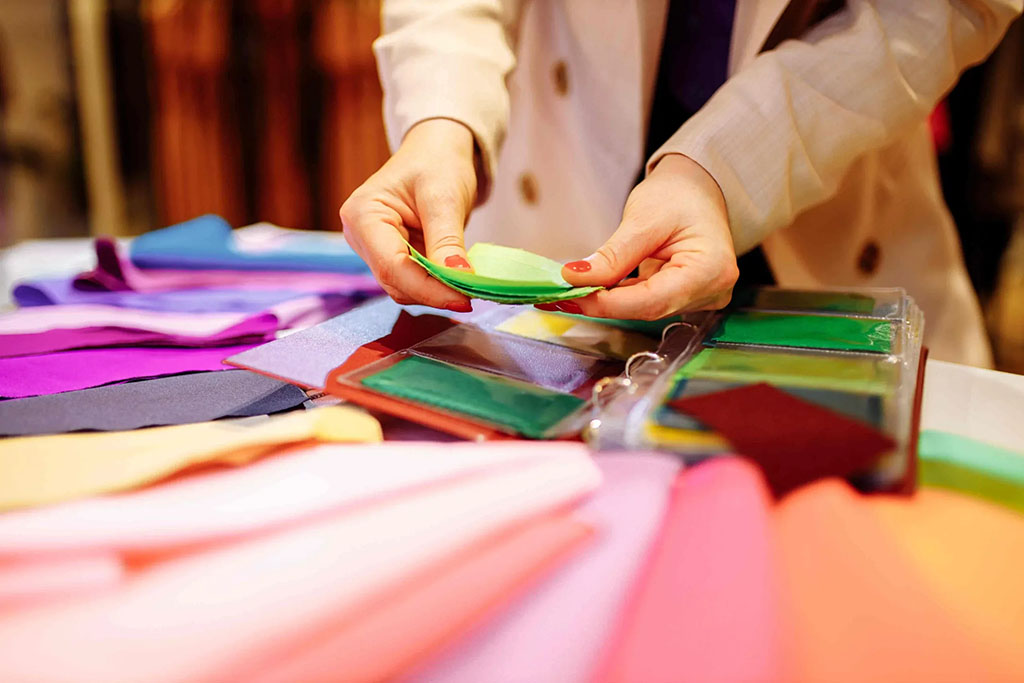
Material cost is usually a major part of plush project cost, but it is not only the price per meter of fabric. Buyers need to consider fabric type, pile height, fabric weight, color availability, minimum dyeing quantity, cutting wastage, direction of pile, lining materials, filling material, embroidery thread, printed fabric, plastic eyes, nose parts, ribbons, labels, and any custom accessories.
Plush fabric cost can vary widely. Short pile fabric, long pile fabric, sherpa, velboa, rabbit-feel plush, recycled fabric, organic cotton, and specialty textures all have different price levels and minimum order requirements. Even when two fabrics look similar in photos, they may differ in weight, hand feel, shedding behavior, color stability, and cutting efficiency. A cheaper fabric may reduce unit cost but create a thinner product, weaker shape, or higher defect rate.
Color also affects cost. If a project uses standard stock colors, material sourcing is usually easier. If it requires custom dyeing, the buyer must consider dye lot MOQ, lab dip approval, lead time, and possible color tolerance. Small quantity orders with many custom colors are often inefficient because each color may need separate purchasing, testing, and inventory control. This is why a design with fewer colors may be more cost-effective without looking cheaper.
Filling cost depends on the desired firmness and weight. A plush toy with a soft, relaxed body uses filling differently from a firm mascot, a pillow plush, or a sitting character that must hold shape on a shelf. More filling can improve fullness but increases material cost, shipping weight, and sometimes sewing pressure. Less filling may reduce cost but can make the toy look collapsed after packing or long-distance transport.
Components should be reviewed carefully because small items can create disproportionate cost. Custom plastic eyes, embroidered patches, metal keychains, suction cups, printed ribbons, woven labels, and hang accessories may require tooling, MOQ, or separate supplier lead time. If these details are decided late, they may create extra cost and delay. A professional estimate should list them as separate assumptions instead of hiding them inside a general unit price.
The factory should also estimate material loss. Plush fabric has pile direction, and many pattern pieces cannot be rotated freely. This creates cutting wastage that may be higher than buyers expect. For irregular characters, long ears, tails, clothing, or multiple fabric types, the loss ratio can become a meaningful cost item. Accurate costing requires both material price and real cutting efficiency.
Estimate Labor and Production Complexity
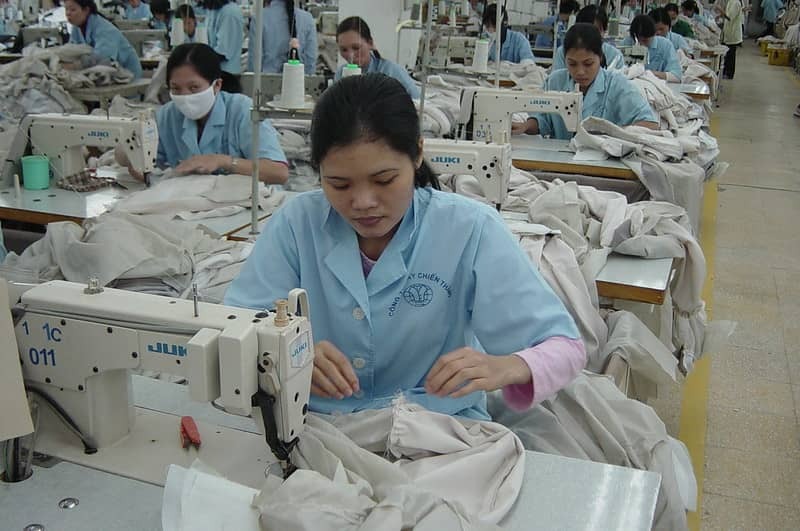
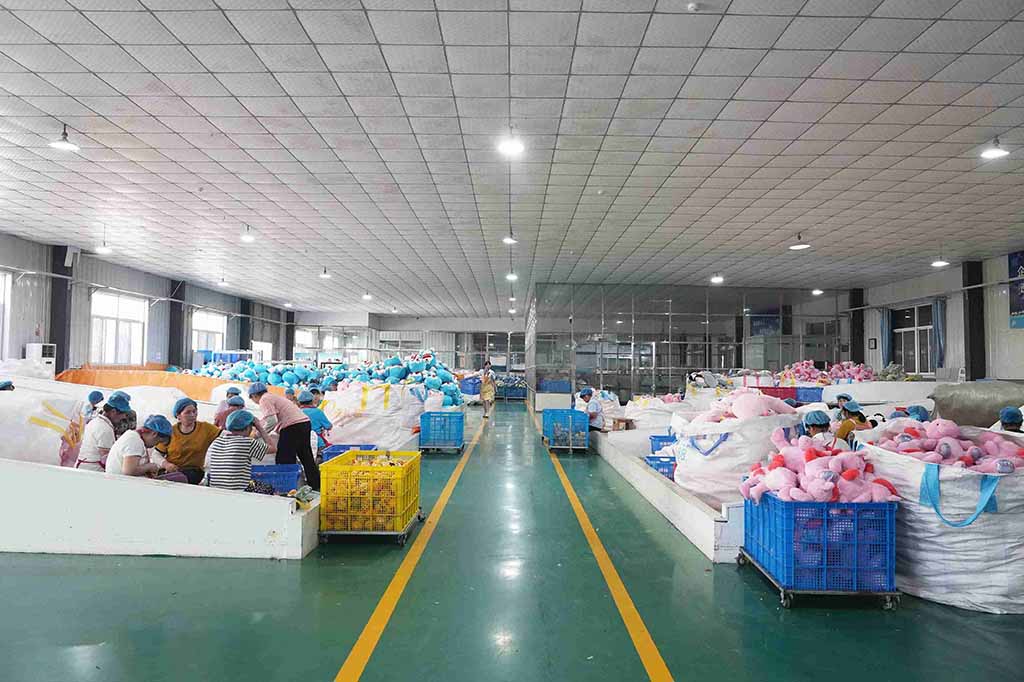
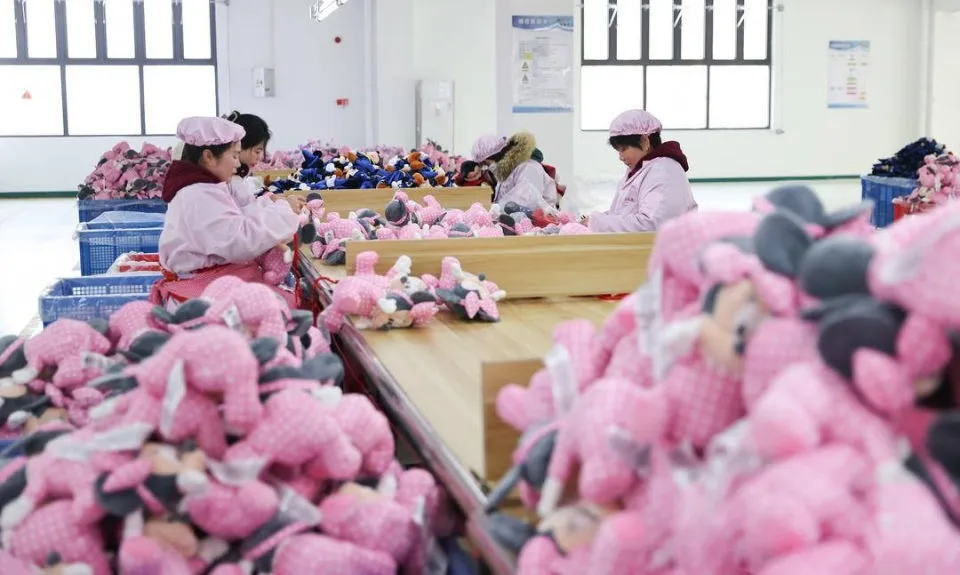
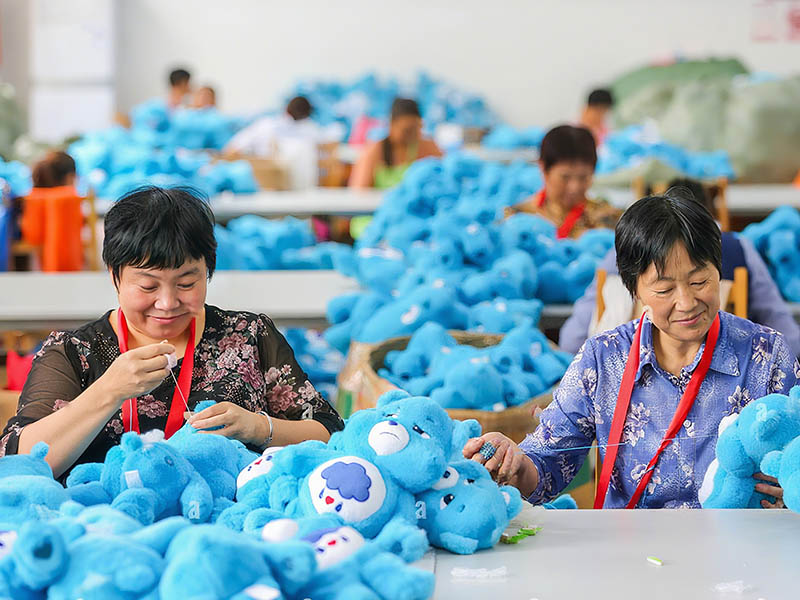
Labor cost in plush manufacturing depends heavily on construction complexity. Two toys with the same size and fabric can have very different labor costs if one has a simple body and the other has many small panels, curved seams, appliques, embroidery placements, accessories, or difficult stuffing points. The factory must estimate how many minutes each unit requires across cutting, sewing, turning, stuffing, closing, trimming, inspection, and packing.
Pattern count is a strong cost driver. More pattern pieces mean more cutting time, more sewing operations, more seam matching, and more chances for variation. Small limbs, ears, tails, wings, horns, clothing pieces, or facial panels may look minor in artwork, but each part adds handling time. If the order quantity is high, even a few extra seconds per operation can become a meaningful total cost.
Embroidery and applique work also affect labor. Dense embroidery takes machine time and may require stabilizer, trimming, and inspection. Multi-color embroidery needs thread changes and careful alignment. Applique pieces require cutting, positioning, stitching, and edge control. If the face expression is critical, the factory may need tighter inspection standards, which adds labor beyond basic production.
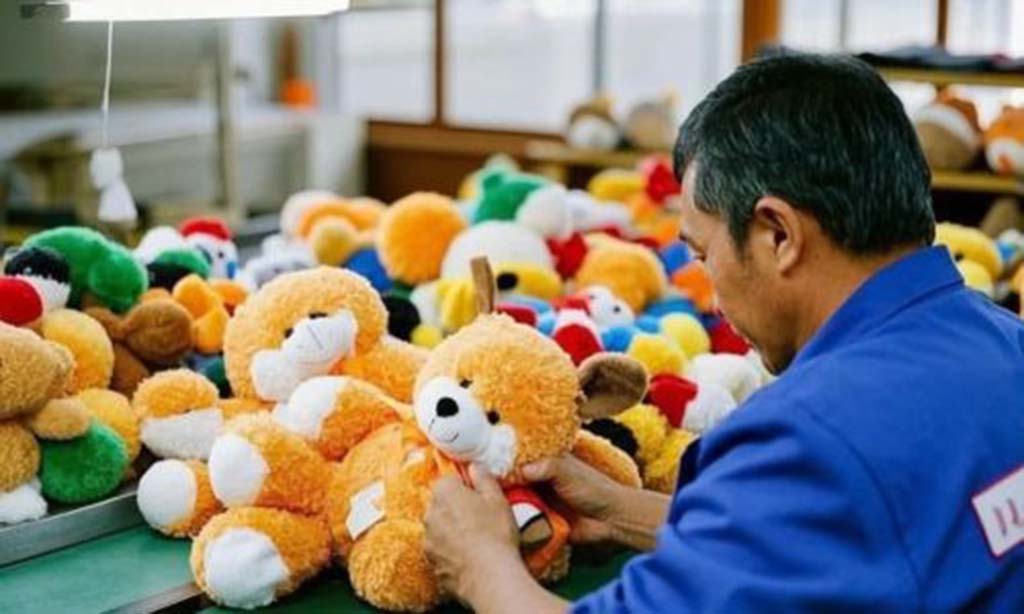
Stuffing and shaping are another major factor. A simple round plush can be filled quickly, while a character with a narrow neck, long arms, thin legs, or shaped head may require manual adjustment to avoid lumps, uneven firmness, or distorted posture. Shape stability is not only a material issue. It also depends on pattern design, seam control, filling amount, and operator skill.
Cost estimation should separate necessary complexity from decorative complexity. Necessary complexity protects character recognition, safety, function, or brand value. Decorative complexity may be simplified if the target budget is tight. For example, a small embroidered detail on the back of a plush toy may be converted to a woven label or removed, while the face embroidery should remain precise because it controls the product’s identity.
Labor planning should also include line efficiency. A new or complex design usually runs slower at the beginning of production because workers are learning the process and supervisors are correcting details. Stable repeat orders usually become more efficient. For first-time custom projects, a realistic estimate should allow for training, first-article review, and extra inspection during early production.
Include Quality Control, Testing, and Compliance Costs
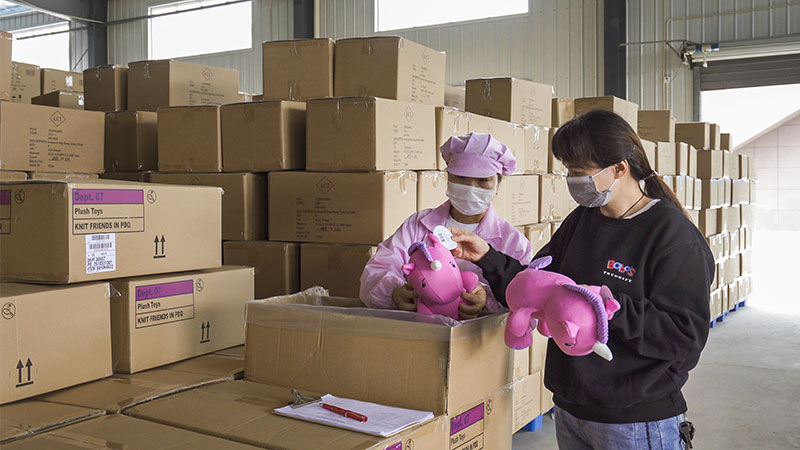
Quality control is part of total project cost, not an optional service added after production. Plush toys need checks for fabric quality, color consistency, embroidery accuracy, seam strength, stuffing condition, metal contamination, loose threads, cleanliness, shape, size tolerance, packaging, carton marks, and final AQL inspection. If the product is for children, additional safety and compliance requirements may apply.
Testing cost depends on the target market and product type. Common requirements may include EN71, ASTM F963, CPSIA, REACH, or other buyer-specific standards. Products with small parts, plastic components, cords, batteries, sound modules, or special finishes may require more testing than a simple soft plush toy. Buyers should confirm the destination market early so the factory does not quote a product that later needs expensive redesign.
Compliance can also influence material selection. A fabric, dye, filling, plastic eye, or printed label that is acceptable for one market may require additional verification for another. If certified or traceable materials are needed, the cost may be higher but the risk is lower. A supplier should be able to explain whether cost changes come from actual compliance requirements or from optional buyer preferences.
Inspection cost also depends on the quality level expected. A basic promotional plush order may use standard inspection, while a licensed retail item may require more detailed appearance checking, measurement control, and carton sampling. Higher inspection standards take time. They may increase cost slightly, but they reduce the risk of returns, rework, shipment delay, or brand damage.
Needle detection is especially important in plush production because broken needles can become a serious safety issue. Professional factories use needle control records, broken needle procedures, and needle detection machines before packing or shipment. These systems require equipment, training, and production discipline. They may not add much visible value to the toy, but they protect the buyer from high-impact risk.
Buyers should not treat QC as a place to cut cost first. Reducing inspection may lower the quote, but it can move risk to the buyer’s warehouse, retail customer, or end user. The better approach is to define the right inspection level for the product’s market and risk profile, then build that cost into the project from the beginning.
Estimate Packaging, Carton, and Freight Impact

Packaging cost includes more than the visible retail pack. It may include polybags, hangtags, woven labels, care labels, barcode stickers, inner cartons, display boxes, master cartons, carton marks, desiccants, vacuum packing, and pallet requirements. Each packaging choice affects both direct material cost and logistics efficiency.
Plush toys are soft and bulky, so carton volume often matters as much as product weight. A product that looks inexpensive at the factory may become costly after freight is calculated by volumetric weight. For air freight, this can be especially significant. For sea freight, carton size influences container loading, warehouse space, and inland transportation. Buyers should ask for carton dimensions and packing quantity per carton before judging the total cost.
Vacuum packing can reduce volume for some plush products, but it must be used carefully. If the plush has a delicate shape, long pile fabric, hard accessories, or strict shelf appearance requirements, aggressive compression may damage presentation or require recovery time. Cost estimation should consider whether vacuum packing is suitable for the product, not only whether it lowers freight.
Retail packaging can improve perceived value but also increases cost and complexity. A printed box, window box, belly band, header card, or display carton may need design, printing MOQ, color proofing, barcode placement, drop test review, and assembly labor. If the buyer’s sales channel does not require premium packaging, a simpler hangtag and protective polybag may achieve a better cost-quality balance.
Freight terms should be made explicit. EXW, FOB, CIF, DDP, and courier delivery all allocate cost and responsibility differently. A supplier quoting FOB may appear cheaper than a supplier quoting door-to-door delivery, but the buyer still pays the remaining logistics cost somewhere else. Total project cost should compare the same delivery boundary.
Carton planning should happen before the final purchase order, not after production is complete. A small change in folded posture, packing direction, or carton quantity can improve container utilization. For large campaigns, this may save more money than forcing the factory to reduce sewing cost by a few cents per unit.
Account for MOQ, Tooling, Setup, and Hidden Costs
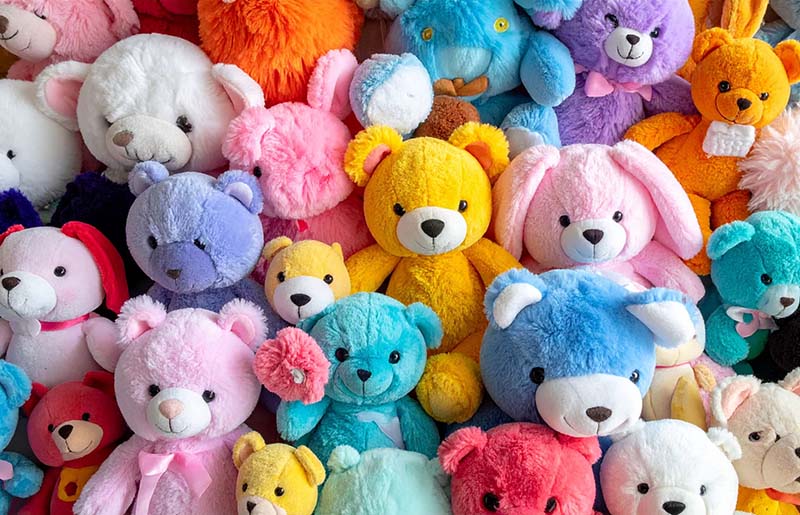
MOQ affects plush project cost because factories and material suppliers need efficient production runs. Small orders often have higher unit prices because development, setup, cutting, inspection, and packaging preparation are spread across fewer units. A low MOQ can be useful for market testing, but buyers should expect a different cost structure from bulk production.
Tooling and setup may appear in several places. Embroidery programs, printing screens, custom plastic components, molded accessories, sound module programming, fabric dyeing, special packaging dies, and barcode systems may all require setup work. Some costs are one-time charges, while others repeat when the design, color, or packaging changes. A clean quote should identify which costs are reusable and which are order-specific.
Hidden costs often come from unclear decisions. If artwork changes after sampling, the factory may need new patterns or embroidery files. If packaging dimensions change after carton planning, freight estimates may no longer be valid. If the buyer adds testing requirements late, materials or components may need replacement. If approval is delayed, production slots may move and the delivery schedule may need adjustment.
Currency, payment terms, and raw material price validity also matter. Some suppliers hold prices for a limited time because fabric, filling, labor, and freight costs can change. A buyer comparing quotes collected weeks apart should check whether all prices are still valid. A quote that is technically correct on one date may not remain accurate after exchange rate or material cost changes.
Buyers can reduce hidden cost by asking suppliers to list assumptions clearly. A good cost estimate should state size tolerance, fabric type, filling weight assumption, packaging method, test standard, carton quantity, quote validity, sample lead time, bulk lead time, payment terms, and delivery term. This creates a practical audit trail for later decisions.
Another hidden cost is decision change after production preparation. Once fabric has been purchased, embroidery files created, and production slots arranged, design changes become more expensive. Early flexibility is useful, but late flexibility creates waste. Buyers can control this by freezing specifications after sample approval and using a written change-control process for any later adjustment.
Compare Quotes by Total Landed Cost, Not Unit Price Alone
The most reliable way to estimate total plush project cost is to compare total landed cost, not only unit price. Total landed cost includes the product cost plus development fees, packaging, testing, inspection, freight, duty, insurance, local delivery, and any buyer-side handling costs. This gives a more accurate view of what the project will actually cost when the goods arrive and are ready to sell or distribute.
Unit price comparisons can be misleading when quote assumptions differ. One supplier may use thinner fabric, lower filling weight, simpler embroidery, basic packaging, no testing, and a lower inspection standard. Another supplier may include stronger materials, better shape control, export packaging, compliance support, and clearer project management. The first quote may look cheaper, but the total risk-adjusted cost may be higher.
A practical comparison table should include product specification, sample fee, unit price at each quantity, packaging cost, testing cost, estimated carton size, freight basis, lead time, payment terms, revision policy, and included quality checks. This makes supplier differences visible. It also helps the buyer negotiate intelligently because the discussion moves from “can you lower the price” to “which cost item can be adjusted without damaging the product.”
Buyers should also consider cost of failure. A delayed shipment, failed safety test, poor shape consistency, wrong color, weak stitching, or incorrect packaging can cost more than the original saving. For branded plush toys, the commercial damage may include missed launch windows, customer complaints, marketplace penalties, or loss of trust from retail partners. These are not always shown in a factory quote, but they are real project costs.
The best plush project estimate is therefore a working budget, not a single number. It should be updated after sample approval, material confirmation, packaging confirmation, testing results, and freight booking. Each update should reduce uncertainty and make the final purchase decision more reliable.
| Cost Item | What to Check | Why It Affects Total Cost |
|---|---|---|
| Sample Development | Pattern work, embroidery files, revision rounds, express shipping | Complex designs often need several rounds before approval, so sample cost and time should be budgeted early. |
| Materials | Fabric type, filling weight, custom colors, accessories, cutting loss | Material price and wastage can change the unit cost more than buyers expect, especially for multi-color or long pile designs. |
| Labor | Pattern count, sewing operations, stuffing difficulty, finishing work | More parts and tighter appearance standards increase production minutes per unit. |
| Quality and Testing | AQL level, safety market, pull tests, needle detection, compliance reports | These costs reduce shipment risk and should be included before comparing supplier quotes. |
| Packaging and Freight | Retail pack, carton size, vacuum packing, delivery term, volumetric weight | Plush toys are bulky, so carton planning and freight terms can strongly affect landed cost. |
This kind of table helps buyers separate visible product cost from project-level cost. It also makes supplier communication easier because each quote can be checked against the same cost items instead of being judged only by the lowest unit price.
When a buyer compares suppliers, the question should not be only which quote is lower. The better question is which quote explains the project more completely. A transparent supplier makes cost drivers visible, warns about risks early, and gives the buyer practical options. That level of clarity often prevents expensive problems after production starts.
Conclusion
Estimating total plush project cost requires a complete view of the product, not only a quick unit price. Buyers need to include sample development, materials, labor, quality control, testing, packaging, freight, MOQ, setup fees, and hidden assumptions. When these items are clear from the beginning, cost control becomes more practical and less risky.
A professional plush manufacturer should help buyers understand how design decisions affect cost, where savings are reasonable, and where reducing cost may weaken quality or compliance. For custom plush projects, the strongest estimate is transparent, itemized, and updated as the project moves from concept to sample approval and bulk production.
FAQ
What is included in total plush project cost?
Total plush project cost usually includes sample development, materials, labor, packaging, testing, quality control, freight, import costs, setup fees, and buyer-side handling costs. The exact items depend on the delivery term and project scope.
Why is the unit price not enough for cost estimation?
Unit price does not show sample fees, testing, packaging upgrades, freight, duty, or hidden revision costs. A low unit price may become expensive if important project requirements are excluded.
How does MOQ affect plush toy cost?
Lower MOQ often means higher unit cost because development, setup, cutting, inspection, and packaging preparation are spread across fewer units. Higher quantities usually improve production efficiency and material purchasing options.
Which plush design factors increase cost most?
Complex patterns, many colors, long pile fabric, dense embroidery, custom components, difficult stuffing shapes, electronic parts, and premium packaging can all increase cost. The impact depends on the design and order quantity.
Should testing cost be included in the first quote?
Yes, if the buyer already knows the target market and safety requirements. Including testing early prevents underquoting and helps the factory choose suitable materials and components.
How can buyers reduce plush project cost safely?
Safe cost reduction usually comes from simplifying non-critical details, using available fabric colors, improving carton efficiency, choosing practical packaging, and confirming specifications early. Cutting core quality, safety, or compliance steps is risky.
What should buyers ask suppliers before comparing quotes?
Buyers should ask what is included, what assumptions were used, how long the quote is valid, what testing standard is included, what packaging method is quoted, and which delivery term applies. This makes quote comparison more accurate.