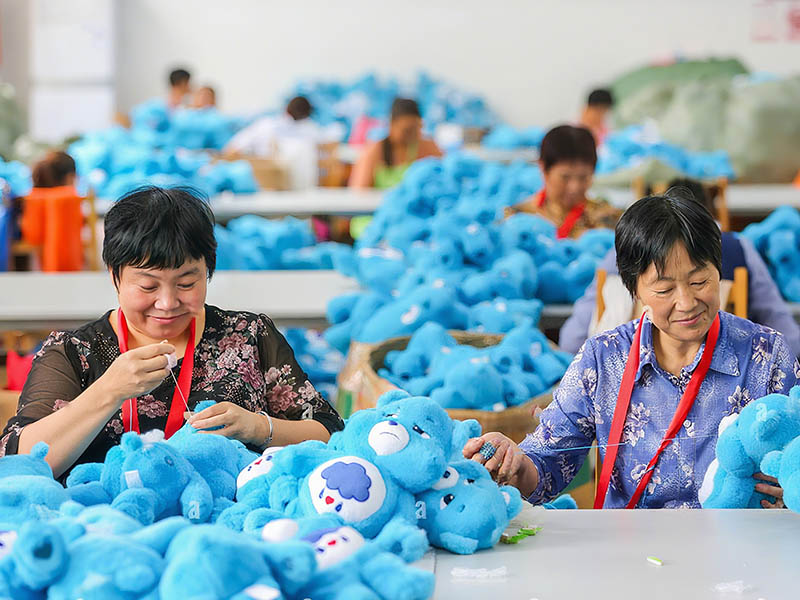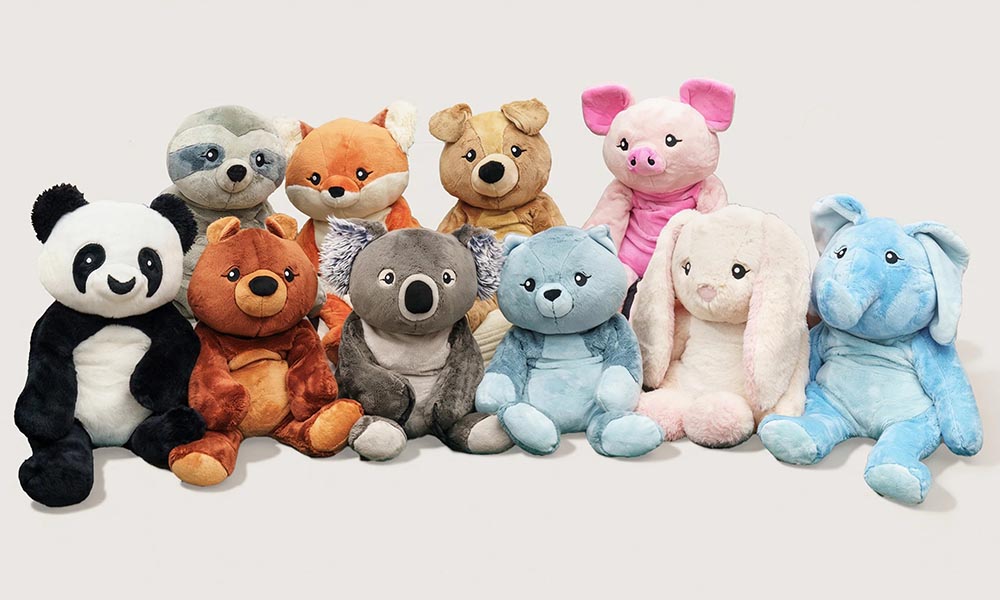
High replication accuracy is one of the most important measures of a professional plush manufacturer. A custom plush sample may look excellent during development, but the real test begins when that sample must be repeated hundreds, thousands, or tens of thousands of times. For B2B buyers, the question is not only whether a factory can make one beautiful plush toy. The stronger question is whether the factory can reproduce the same shape, expression, color, hand feel, workmanship, and packaging standard in bulk production.
This matters because plush toys are soft products with many manual variables. Fabric stretches, pile direction changes the visual effect, stuffing changes volume, embroidery depends on placement, sewing tolerance affects shape, and final finishing affects character personality. Small differences may seem acceptable on one item, but across a shipment they can create brand inconsistency, buyer complaints, failed approvals, or retail display problems.
High replication accuracy protects the buyer’s design investment. It turns an approved sample into a reliable production standard. It also protects the factory by reducing rework, sorting, repair, and shipment disputes. In custom plush manufacturing, accuracy is not about making every piece mathematically identical. It is about controlling the important details tightly enough that the buyer, retailer, and end customer receive the product they expected.
Replication Accuracy Protects the Approved Sample Standard
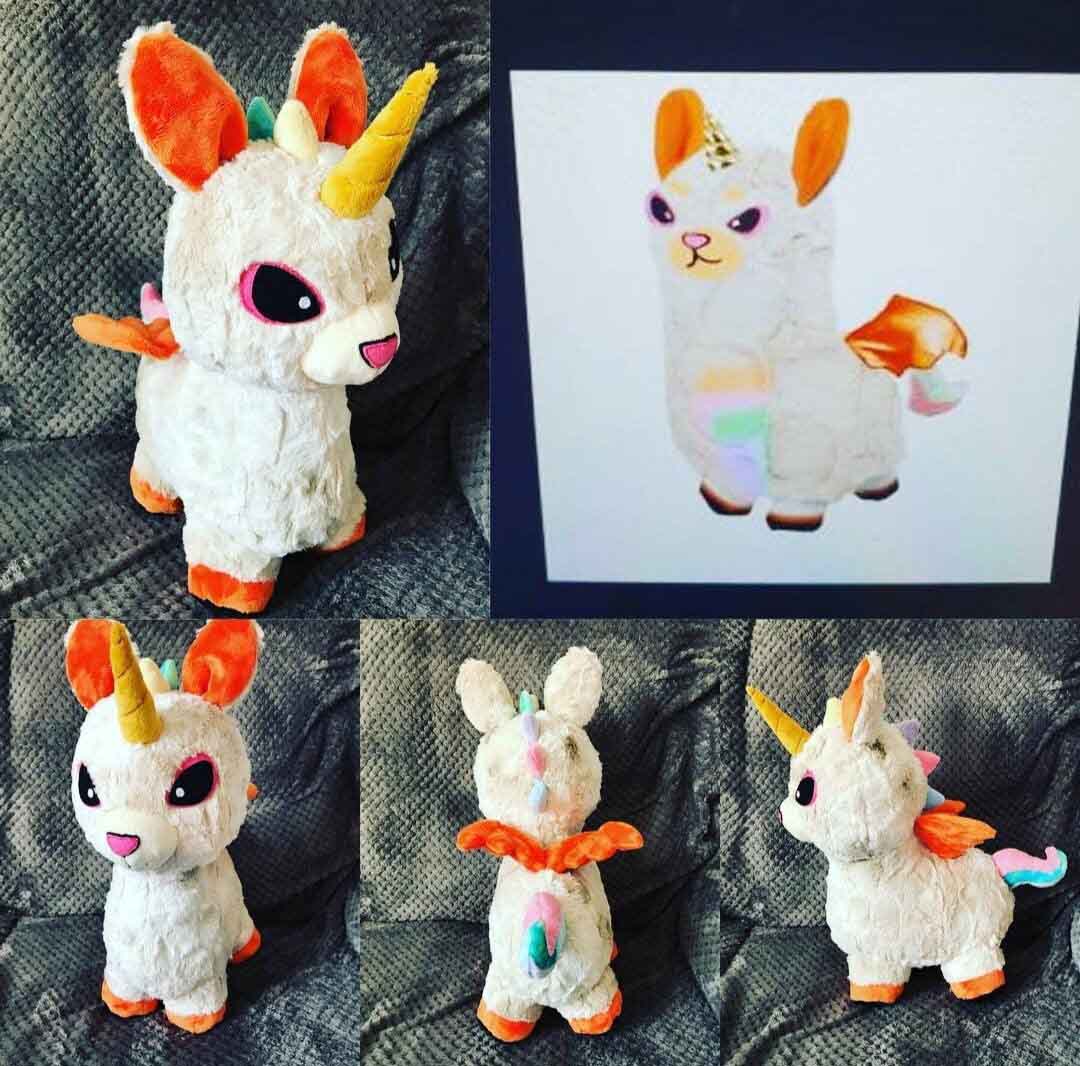
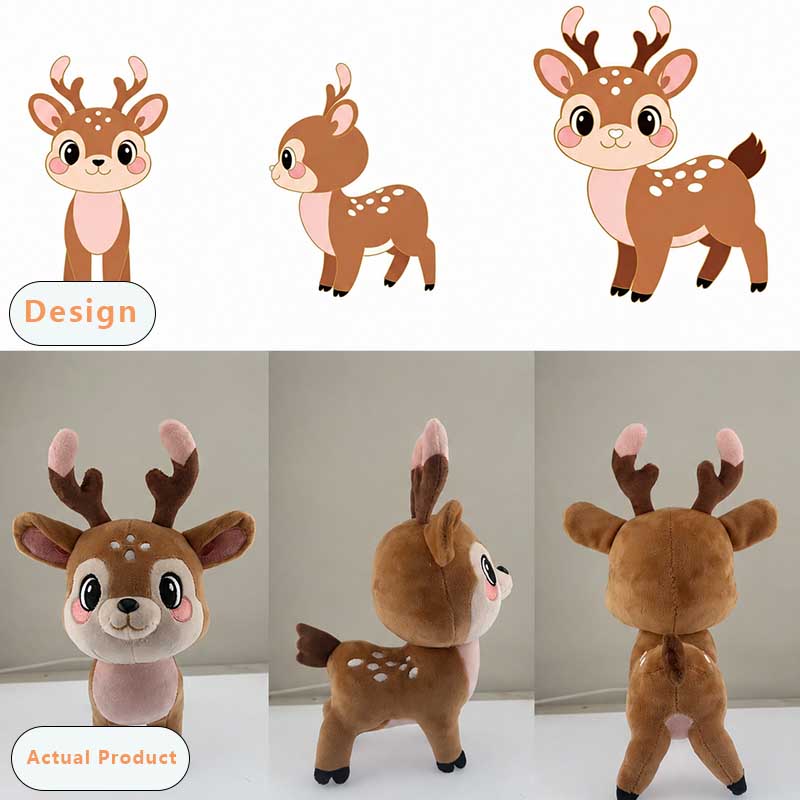
The approved sample is the most important physical reference in a custom plush project. It represents the buyer’s accepted design, materials, proportions, decoration, stuffing level, and finishing style. When bulk production begins, every department should understand that the approved sample is not just a nice example; it is the production benchmark. High replication accuracy means the factory can translate that benchmark into repeated bulk output.
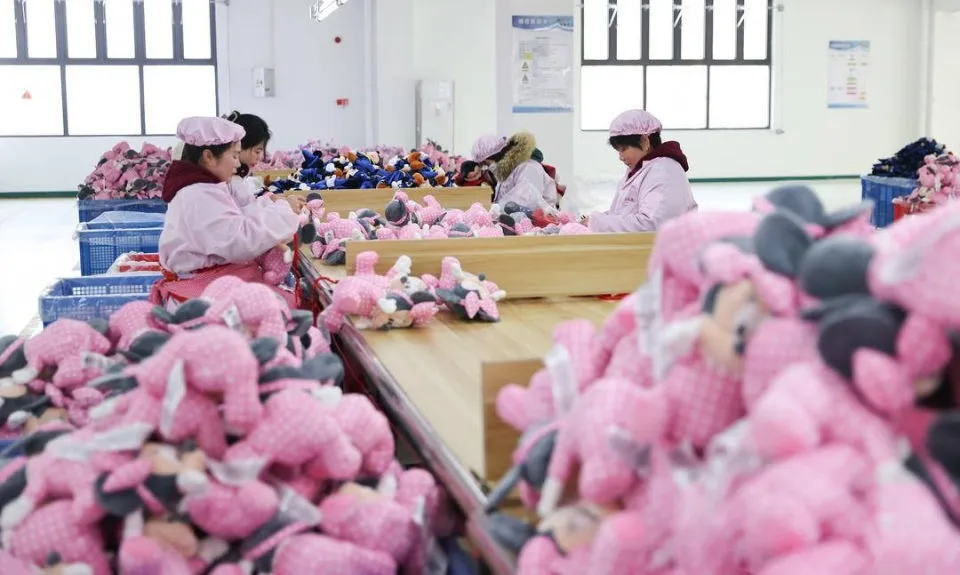
For plush toys, this is harder than it may look. A sample maker may carefully shape one plush by hand, adjust stuffing several times, trim the pile neatly, and correct small details before sending it to the buyer. Bulk production involves many workers, different stations, repeated operations, and time pressure. If the approved sample standard is not broken down into practical instructions, the bulk order may gradually drift away from the sample.
Professional factories reduce this risk by turning the approved sample into a controlled production file. This may include pattern files, material references, color standards, embroidery artwork, stuffing guidelines, sewing notes, critical dimension points, detail photos, and QC checklists. The sample should be available to production and inspection teams, not only to the sales team. Workers need to know which features must match closely and which small tolerances are acceptable.
The buyer risk is simple: without replication control, the buyer may approve one product but receive another version in bulk. Even if the differences are not severe defects, they can weaken brand confidence. A mascot may look less expressive. A retail plush line may look uneven on shelves. A promotional toy may fail to match brand expectations. High replication accuracy keeps the approved sample meaningful.
| Sample Element | Replication Risk | Factory Control |
|---|---|---|
| Shape and proportion | Bulk pieces look different from sample | Pattern control and dimension checks |
| Fabric and color | Different hand feel or tone | Material swatch and batch confirmation |
| Embroidery | Expression changes | Artwork file control and placement checks |
| Stuffing | Product feels too soft or too firm | Stuffing standard and sample comparison |
Accurate Replication Keeps Brand Characters Recognizable
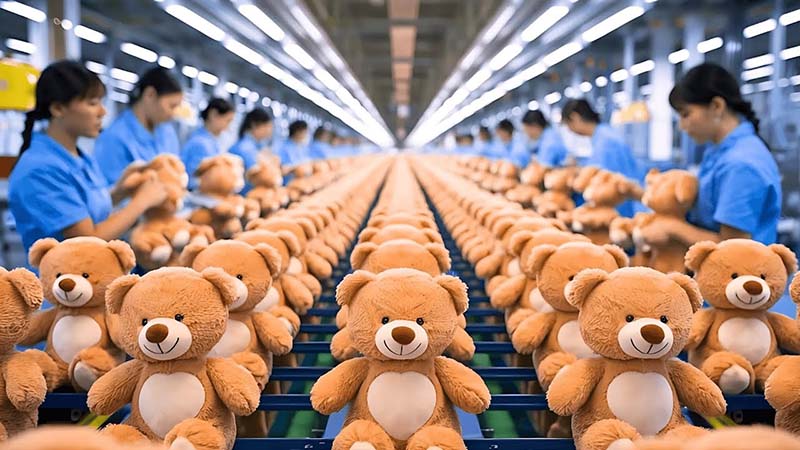
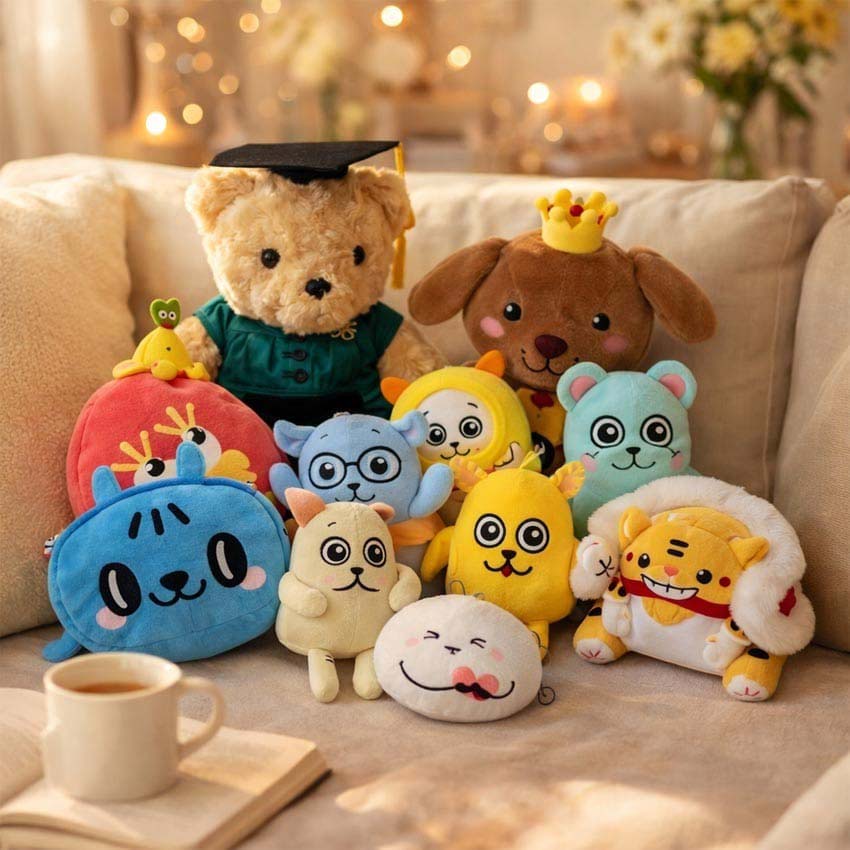
For character plush, mascot plush, licensed plush, and brand promotional plush, recognition is everything. A small change in eye position, mouth angle, head shape, ear size, or body proportion can make the character feel different. The end customer may not know why the plush looks wrong, but they will notice that the personality does not match the design. This is why high replication accuracy is especially important for brand-driven projects.
Character accuracy depends on many connected details. The face may rely on embroidery placement, fabric tension, stuffing distribution, and seam position. If the head is slightly overstuffed, the eyes may appear too far apart. If the face panel is cut with the wrong direction, the expression may look dull. If the ears are sewn at inconsistent angles, the whole character may lose its intended attitude. These are not only aesthetic issues; they affect the buyer’s brand asset.
A professional plush manufacturer controls character replication by identifying the features that create recognition. For one project, the most important detail may be the smile. For another, it may be the roundness of the head, the placement of a logo, or the silhouette of the ears. Once these critical features are defined, the factory can build QC focus around them instead of treating all small details equally.
Buyers should also understand that replication accuracy is easier when the design is engineered correctly. A design with too many tiny sewn parts, unrealistic curves, or unstable fabric combinations may be difficult to reproduce. Strong factories do not wait until defects appear. They discuss construction risks during sampling and suggest adjustments that protect the character in bulk production.
| Character Feature | Why It Matters | Control Method |
|---|---|---|
| Face expression | Defines personality | Embroidery placement and face panel checks |
| Head shape | Affects recognition immediately | Pattern and stuffing control |
| Ear or limb angle | Changes silhouette | Operation samples and inline inspection |
| Logo detail | Protects brand identity | Artwork approval and position tolerance |
Material Consistency Supports Replication Accuracy
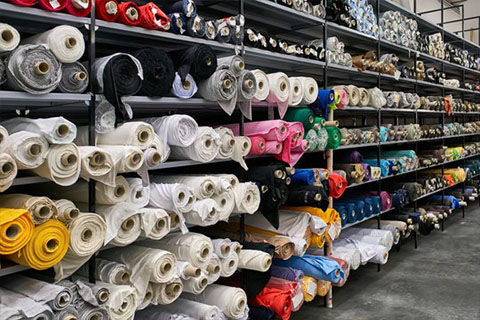
Even with a perfect pattern, replication accuracy can fail if materials are not controlled. Plush fabric is not a neutral material. Pile length, pile direction, stretch, density, backing strength, dye lot, texture, and color reflection all affect the final product. A fabric that looks similar on a swatch may behave differently when cut, sewn, stuffed, and inspected under production lighting.
Material consistency is especially important for repeat orders and multi-SKU programs. A buyer may approve a sample using one fabric batch, but bulk production may require a larger quantity or a later reorder. If the factory does not confirm fabric batch consistency, the second production run may look slightly different from the first. For retail buyers, this can create shelf inconsistency. For licensed products, it can create approval problems. For promotional buyers, it can weaken brand color matching.
Professional factories manage this through material confirmation before bulk cutting. They compare fabric color, hand feel, pile direction, thickness, and stretch against the approved sample or swatch. For critical colors, they may request buyer confirmation before production. For projects with mixed fabrics, they also check how materials behave together after sewing and stuffing. Some fabrics stretch more than others, which can change shape accuracy if not handled carefully.
Buyers sometimes focus heavily on sample appearance but less on material control. That is risky. If material substitution happens without approval, the product may still be usable but no longer match the approved standard. High replication accuracy requires the factory to treat material as part of the design, not just a purchasing item.
| Material Factor | Replication Impact | Professional Control |
|---|---|---|
| Dye lot | Color shifts between batches | Batch comparison before cutting |
| Pile direction | Different visual shade and texture | Directional cutting control |
| Fabric stretch | Shape distortion after sewing | Pattern adjustment and cutting discipline |
| Mixed materials | Uneven body shape | Compatibility testing during sampling |
Pattern and Cutting Control Reduce Shape Variation
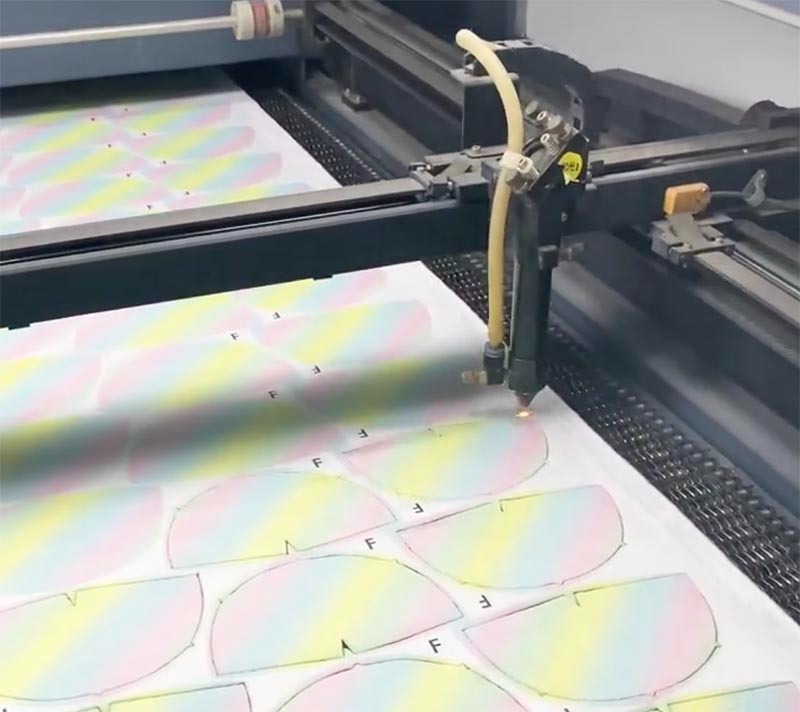
Shape replication begins with pattern and cutting control. A plush toy’s final form depends on how each fabric panel is designed, cut, sewn, turned, stuffed, and finished. If the pattern is unstable or cutting tolerance is loose, bulk products will vary even before sewing begins. This is why professional factories pay close attention to pattern files, cutting layout, and fabric handling.
In plush manufacturing, small cutting differences can become visible after stuffing. A slight panel size variation may change the roundness of a head, the length of a limb, or the symmetry of a body. If the fabric pile direction is reversed, two pieces cut from the same material may look like different colors. If printed fabric panels are not aligned correctly, face or body details may shift. These issues create rework later and make final inspection harder.
High replication accuracy requires controlled pattern development. During sampling, the factory should refine the pattern until the shape can be repeated, not only hand-adjusted. Before production, the pattern should be locked. Cutting teams should use approved files, clear fabric direction rules, correct layer control, and organized bundling. For complex shapes, first-piece checks can catch cutting problems before a full batch is affected.
For buyers, cutting control is mostly invisible, but its effect is obvious in the finished product. Products that sit unevenly, lean to one side, have inconsistent head shapes, or show mismatched fabric direction often trace back to early process control. Accurate replication depends on preventing these problems before they move into sewing.
| Process Step | Possible Variation | Accuracy Control |
|---|---|---|
| Pattern locking | Different versions used in production | Approve final pattern before bulk cutting |
| Fabric spreading | Stretch or shifting between layers | Control layer height and tension |
| Cutting direction | Pile shade inconsistency | Mark directional layout clearly |
| Piece bundling | Mixed panels between SKUs | Bundle and label by style, size, and batch |
Sewing and Stuffing Standards Keep Bulk Products Stable
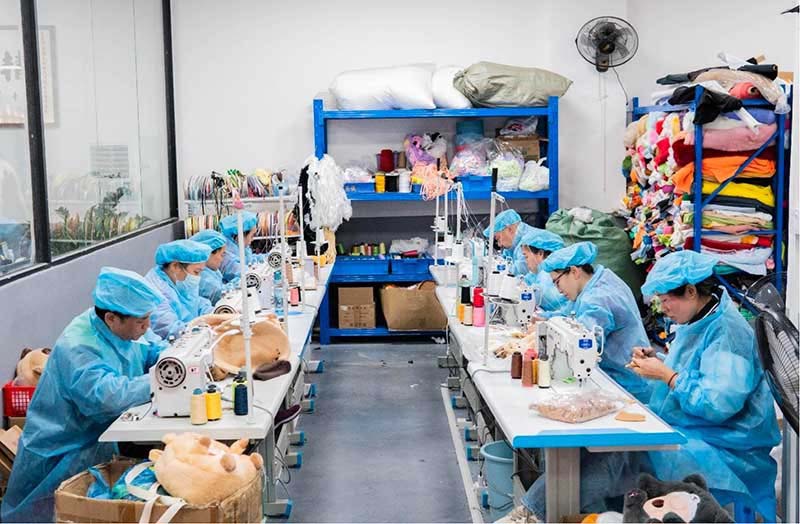
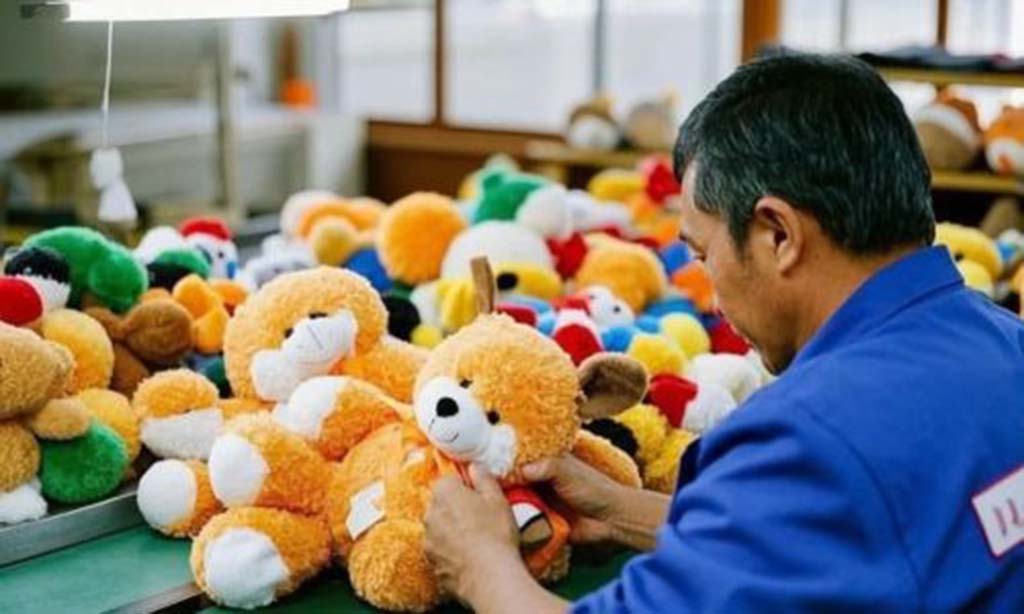
Sewing and stuffing are the stages where plush replication becomes most visible. Two products cut from the same pattern and fabric can still look different if seam allowance, turning, stuffing amount, closing method, or shaping technique is inconsistent. Since plush toys are soft, the human touch at these stages matters a great deal.
Sewing accuracy controls structure. If seam allowance is too wide, the plush may become smaller or tighter. If it is too narrow, seams may weaken or shapes may expand. If curved seams are sewn unevenly, the toy may lose symmetry. If small parts such as ears, arms, tails, or accessories are attached at inconsistent angles, the final product may look like different characters. These details are especially important for brand mascot plush and licensed plush.
Stuffing accuracy controls volume and hand feel. Understuffing can make the toy look collapsed or cheap. Overstuffing can distort embroidery, widen seams, or change the character’s expression. Different stuffing density in the head, body, arms, and legs can also affect balance. A professional factory uses the approved sample, weight references, hand-feel standards, and inline checks to guide workers.
Buyers should not expect a soft product to behave like a molded plastic item. Some variation is natural. However, strong production standards keep that variation inside an acceptable range. The factory’s responsibility is to know which details need tighter control because they affect appearance, safety, brand identity, or retail acceptance.
| Production Detail | What Can Go Wrong | Control Method |
|---|---|---|
| Seam allowance | Size and shape variation | Operation training and inline checks |
| Part attachment | Uneven ears, limbs, or accessories | Position guides and first-piece approval |
| Stuffing amount | Too flat or distorted shape | Weight and hand-feel references |
| Closing seam | Visible repair or weak finish | Finishing standard and QC review |
High Accuracy Reduces Rework, Sorting, and Shipment Risk
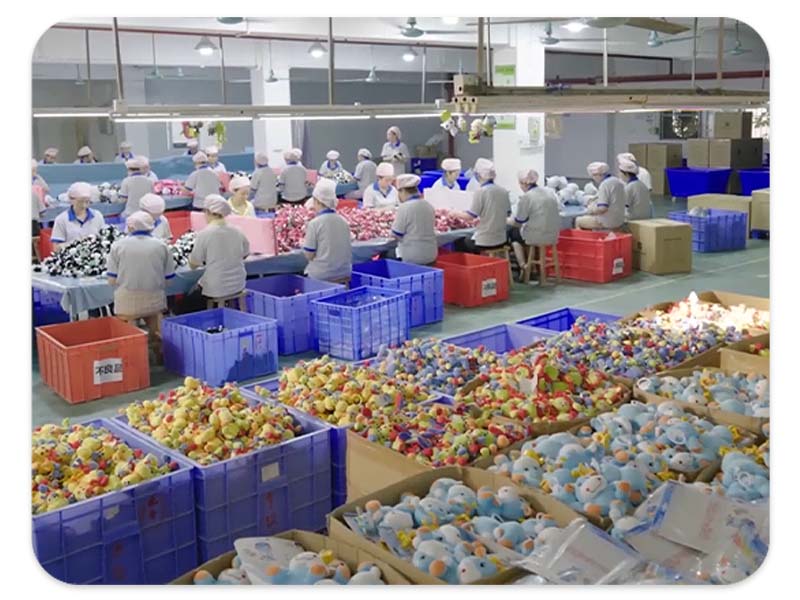
Replication accuracy is not only a visual quality issue. It directly affects production efficiency and shipment reliability. When bulk products vary too much, the factory must spend extra labor sorting, repairing, reshaping, trimming, or repacking. If variation is discovered late, shipment may be delayed. If variation reaches the buyer, complaints or chargebacks may follow.
In plush production, rework is often more expensive than prevention. Correcting an open seam before stuffing is relatively simple. Correcting shape inconsistency after stuffing and closing takes much longer. Replacing an incorrect label before packing is easier than reopening cartons. Sorting mixed-quality finished goods before shipment may require additional workers and can still leave uncertainty. High replication accuracy reduces these hidden costs.
Professional factories build accuracy control into the process rather than relying only on final inspection. They check material before cutting, cutting before sewing, sewing before stuffing, stuffing before finishing, and finished goods before packing. This layered approach prevents repeated defects from moving forward. It also gives the factory time to correct a process issue before too many units are affected.
For B2B buyers, this means better delivery confidence. A factory that controls replication well is less likely to surprise the buyer with late quality issues. The buyer can plan promotions, retail deliveries, product launches, and warehouse receiving with more confidence. Accuracy protects not only the product but also the buyer’s schedule.
| Accuracy Failure | Operational Cost | Buyer Risk |
|---|---|---|
| Shape inconsistency | Sorting and reshaping labor | Retail display inconsistency |
| Wrong embroidery placement | Repair or rejection | Brand appearance complaints |
| Material mismatch | Production hold or reapproval | Launch delay |
| Packing variation | Repacking and carton correction | Warehouse receiving problems |
QC Systems Turn Accuracy Into a Repeatable Factory Habit
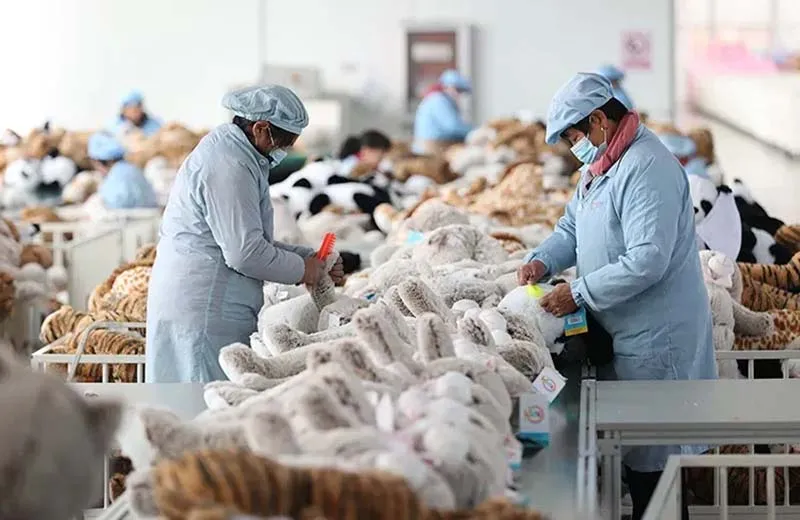
High replication accuracy cannot depend only on individual workers trying their best. It must be supported by a quality system. A strong QC system defines standards, checks the right details at the right stage, records issues, and feeds corrections back to production. Without this system, accuracy may be good on one order and unstable on the next.
For custom plush products, QC should be built around critical-to-quality points. These are the features that matter most to the buyer and end customer: face expression, body shape, fabric color, logo position, accessory strength, stuffing feel, label accuracy, safety requirements, packaging appearance, and carton information. The factory should identify these points before bulk production begins, then inspect them consistently.
Inline QC is especially important. If final inspection is the first serious quality check, many defects will already be expensive to correct. Inline checks help catch repeated sewing issues, shape problems, and decoration errors earlier. Final inspection remains necessary, but it should confirm the process, not rescue it.
Good QC systems also improve communication. When a problem appears, the factory can show what happened, how many units are affected, what corrective action was taken, and whether the shipment schedule is still safe. This is far better than vague updates. For buyers, a documented QC system is evidence that replication accuracy is managed, not left to chance.
| QC Tool | Purpose | Accuracy Benefit |
|---|---|---|
| Approved sample | Physical reference | Keeps bulk output aligned |
| Inspection checklist | Defines critical details | Reduces subjective judgment |
| Inline QC | Catches problems early | Prevents large-scale variation |
| Final inspection | Confirms shipment readiness | Protects buyer receiving quality |
Buyers Benefit From Accuracy Across Repeat Orders
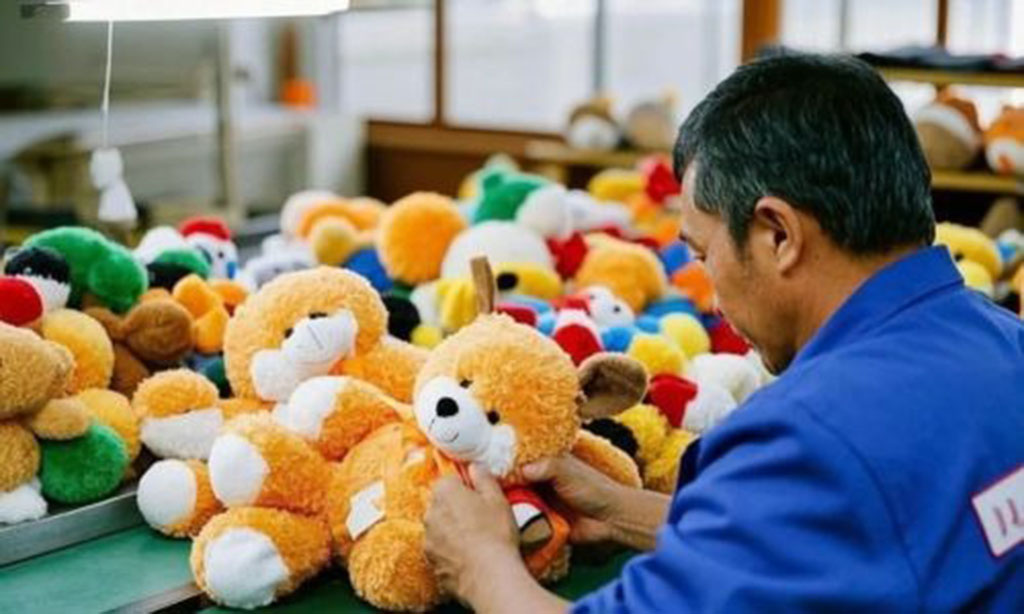
High replication accuracy becomes even more valuable when buyers place repeat orders. A first order may be used for launch, testing, retail introduction, or campaign distribution. If the product performs well, the buyer may reorder months later or expand the line into more SKUs. The challenge is making the new production run match the original approved standard closely enough that customers see one consistent product family.
Repeat order accuracy depends on records. The factory should keep pattern files, material references, embroidery files, printing files, sample photos, packaging artwork, QC notes, and production feedback. If the factory treats each repeat order as a new project, accuracy becomes risky. If it keeps strong records, repeat production becomes faster and more stable.
For buyers, consistency across repeat orders protects brand trust. Retail customers may compare products purchased at different times. Distributors may combine old and new stock. Brand teams may expect the mascot to remain visually consistent across campaigns. If the second order looks noticeably different, the buyer may need to explain the change to retailers or internal stakeholders.
High replication accuracy also supports product line expansion. Once the factory can accurately reproduce one style, it can use the same project logic for related sizes, colors, or character variations. This creates a stronger foundation for long-term cooperation between buyer and manufacturer.
| Repeat Order Record | Why It Matters | Buyer Benefit |
|---|---|---|
| Pattern and sample files | Protects shape consistency | Stable product appearance |
| Material references | Controls color and hand feel | Better repeat order matching |
| Decoration files | Maintains face and logo details | Consistent brand identity |
| QC notes | Uses lessons from earlier production | Fewer repeated problems |
Conclusion
High replication accuracy matters because it connects the approved sample to real bulk production. It protects character recognition, brand consistency, material standards, shape stability, production efficiency, quality control, shipment reliability, and repeat order confidence. In plush manufacturing, accuracy is not a small technical detail. It is one of the main reasons buyers can trust a factory with custom projects.
A professional plush manufacturer manages replication accuracy through design review, material confirmation, pattern control, cutting discipline, sewing and stuffing standards, layered QC, and clear production records. For B2B buyers, this means fewer surprises, stronger brand protection, and a smoother path from sample approval to finished goods.
FAQ
1. What does replication accuracy mean in plush manufacturing?
Replication accuracy means the factory can reproduce the approved sample closely in bulk production, including shape, size, fabric, color, expression, stuffing feel, workmanship, and packaging standard.
2. Why is plush replication harder than hard goods replication?
Plush toys are soft products affected by fabric stretch, pile direction, sewing tolerance, stuffing density, and manual finishing. These variables make process control especially important.
3. Can every plush toy be exactly identical?
No soft product can be perfectly identical piece by piece. The goal is to control important details within acceptable tolerances so the bulk order matches the approved sample and buyer expectations.
4. Which details require the tightest replication control?
Face expression, body shape, fabric color, logo placement, accessory position, stuffing level, label accuracy, and packaging presentation usually require the closest control.
5. How does a factory improve replication accuracy?
A factory improves accuracy through approved samples, locked patterns, material confirmation, cutting control, sewing training, stuffing standards, inline QC, final inspection, and production records.
6. Why does replication accuracy matter for repeat orders?
Repeat orders need to match earlier shipments so customers, retailers, and distributors see consistent products. Good records and material control help maintain consistency across production runs.
7. How can buyers support better replication accuracy?
Buyers can provide clear design files, approve samples carefully, define critical details, confirm materials early, avoid late changes, and communicate acceptable tolerances before bulk production.