Labor cost is one of the most important cost drivers in plush manufacturing, but it is also one of the easiest areas to misunderstand. Many buyers assume labor cost can only be reduced by choosing a cheaper factory or pushing the unit price lower. In reality, professional plush manufacturers reduce labor cost through better product engineering, cleaner sampling, organized material preparation, balanced sewing lines, disciplined quality control, and practical packaging decisions.
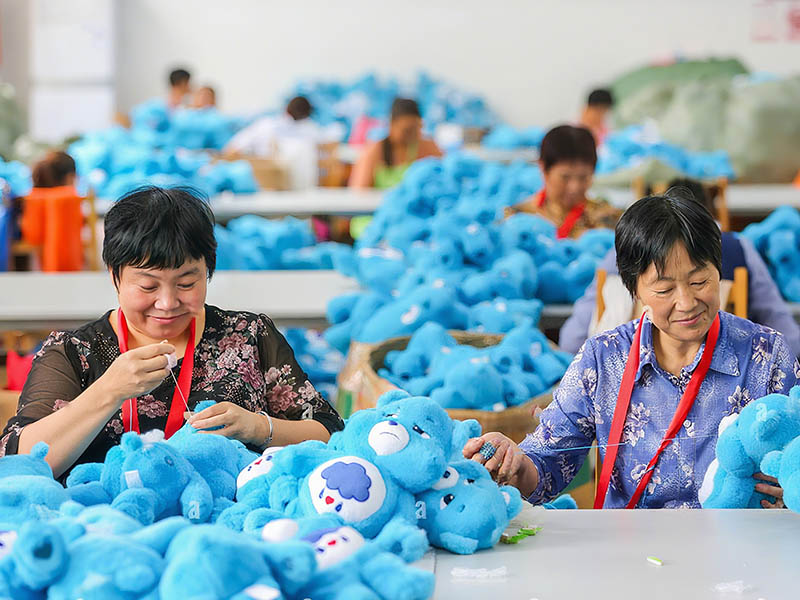
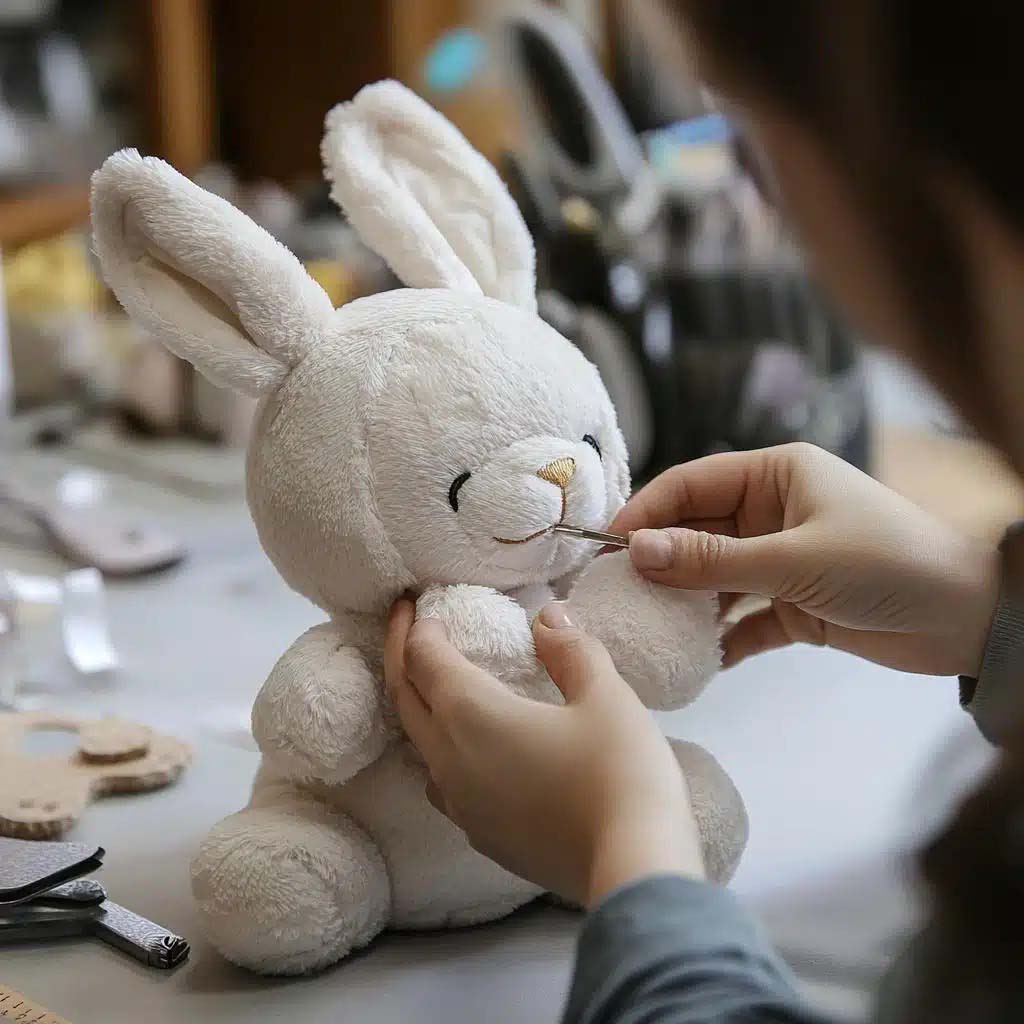
For B2B buyers, this matters because plush toys are highly manual products. Even when a factory uses cutting machines, embroidery machines, stuffing machines, needle detectors, and packing equipment, skilled workers still handle many details: aligning fabric direction, sewing curved shapes, turning small parts, shaping the toy, checking symmetry, cleaning threads, correcting stuffing, attaching accessories, and preparing cartons. A design that looks simple on a screen may require many manual steps in production.
The goal is not to remove labor from plush manufacturing completely. The goal is to make labor productive, predictable, and focused on the work that actually protects the product. When labor is wasted on unclear samples, repeated corrections, inefficient cutting, excessive decoration, difficult packaging, or preventable defects, both the buyer and factory lose time and margin. When labor is planned correctly, the same factory can deliver better consistency, smoother lead times, and more stable pricing.
Why Labor Cost Is a Major Factor in Plush Manufacturing
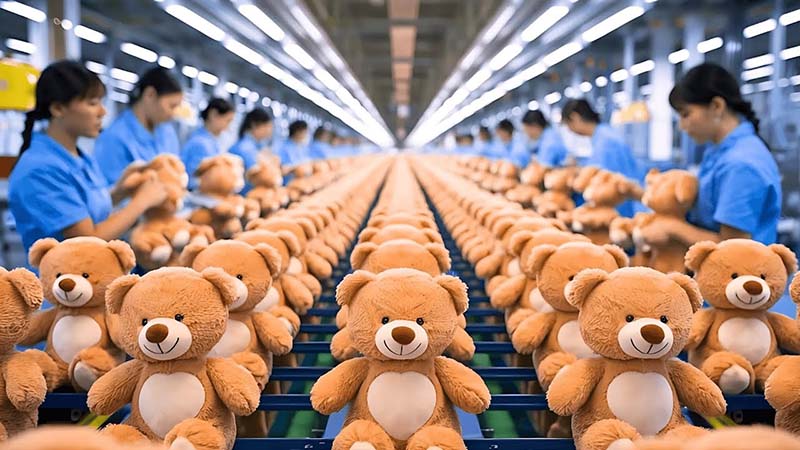
Plush toys are different from many hard goods because their final appearance depends heavily on manual handling. A plastic part may come out of a mold with a fixed shape, but a plush toy must be cut, sewn, stuffed, shaped, finished, inspected, and packed. Fabric stretch, pile direction, stuffing density, seam tolerance, embroidery position, and hand-finishing all affect the final result. This is why labor cost is built into almost every stage of plush toy manufacturing.
In a professional factory, labor is not just sewing time. It also includes pre-production preparation, sample review, pattern adjustment, fabric spreading, cutting checks, embroidery alignment, line setup, inline inspection, trimming, cleaning, stuffing correction, metal detection, packaging, carton sealing, and warehouse handling. If a buyer only looks at the sewing operation, they may miss many hidden labor activities that still affect the unit price.
Labor cost becomes especially important when a plush design includes small parts, complicated curves, mixed materials, inner structures, sound modules, special labels, embroidered expressions, licensed character requirements, or gift packaging. Each feature may look small, but it can add repeated manual actions across thousands of units. For example, one extra hand-sewn accessory that takes 40 seconds may not seem serious during sampling. On a 20,000-piece order, it becomes more than 220 labor hours before inspection and rework are even counted.
The buyer risk is that cost pressure may be applied in the wrong place. If the factory is forced to reduce price without changing the design, process, or quality expectation, the result may be rushed sewing, weaker inspection, unstable stuffing, or missed details. A better approach is to identify which labor steps create value and which steps can be simplified, standardized, or prevented.
| Labor Area | Common Hidden Cost | Better Control Method |
|---|---|---|
| Sewing | Complex curves and small panels slow production | Review pattern structure before bulk order |
| Finishing | Thread trimming, shaping, and correction take extra time | Set clear finish standards during sampling |
| Inspection | Defects create repair and recheck labor | Use inline QC instead of only final inspection |
| Packing | Special packaging may require manual folding and placement | Test packing method before production |
How Better Design Planning Reduces Manual Work

The biggest opportunity to reduce labor cost often appears before production starts. Design planning determines how many fabric panels are needed, how difficult the sewing sequence will be, whether parts can be aligned easily, and how much hand-finishing is required. Once the pattern, decoration method, and construction are approved, most labor cost is already locked in.
A buyer may send a beautiful concept drawing with many details, but not every visual detail needs to become a separate sewn part. Some features can be achieved with embroidery, printed fabric, applique, fabric selection, or shape adjustment. A professional factory should not simply quote the drawing as received. It should review the design and explain which details increase labor, which details may cause bulk inconsistency, and which alternatives can keep the visual effect while improving production efficiency.
For example, a mascot plush may include small fingers, layered clothing, separate shoes, tail details, embroidered patches, and a removable accessory. If each detail is constructed separately, sewing time rises quickly and defect risk increases. A factory may suggest simplifying the fingers, combining clothing panels, changing a small accessory into embroidery, or using a printed fabric panel for repeat details. These changes do not necessarily make the toy look cheap. When done carefully, they make the product easier to produce consistently.
Design planning also affects worker learning time. If every SKU uses a different construction, the sewing line needs more training and setup time. For a buyer with multiple characters in one program, shared structures can reduce labor cost. The body pattern, stuffing method, label placement, and packaging format can remain consistent while the face, color, or accessories change. This keeps the collection visually diverse but operationally easier to manage.
| Design Decision | Labor Impact | Cost-Smart Alternative |
|---|---|---|
| Many tiny sewn parts | Slow sewing and high defect rate | Use embroidery, applique, or simplified panels |
| Separate accessories | Extra assembly and inspection | Integrate into body construction when possible |
| Different structures across SKUs | More line setup and training | Use shared base patterns for collections |
| Strict visual details without tolerance | More correction labor | Define realistic production tolerances |
How Sampling Prevents Expensive Rework
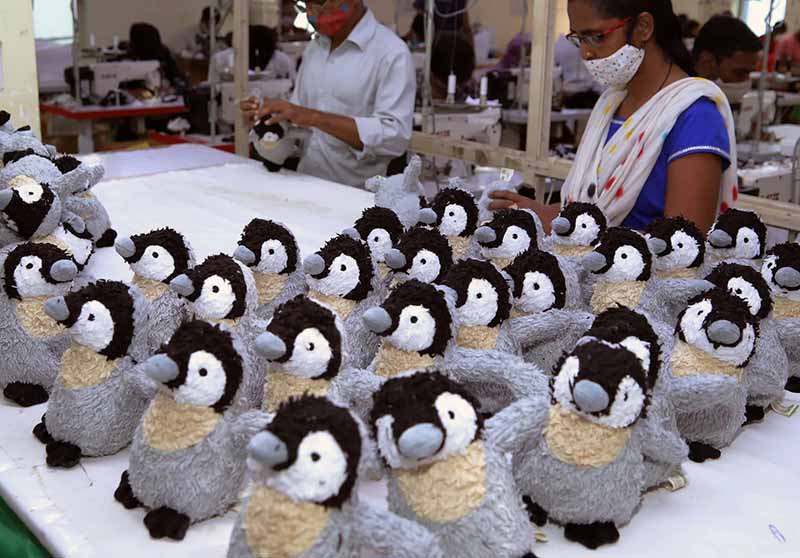
Sampling is not only a visual approval step. It is a cost-control tool. A good sample confirms construction, material behavior, decoration placement, stuffing level, sewing sequence, safety concerns, packaging fit, and acceptable tolerances. When sampling is rushed or treated as a formality, labor cost often increases later through rework, repeated inspections, and production delays.
Many labor problems begin when the approved sample is not detailed enough. The buyer may approve the general appearance, but key standards remain unclear: how firm the body should feel, how round the face should be, how much variation is acceptable in ear position, how clean the embroidery back should be, or how the plush should sit inside the package. During bulk production, workers then rely on interpretation. Different lines may make slightly different decisions, and QC teams must spend more time sorting, correcting, and explaining defects.
A professional plush manufacturer reduces this risk by using the approved sample as a production benchmark. The factory should translate the sample into practical production documents: material list, pattern file, color reference, embroidery file, stuffing standard, inspection points, packaging method, and photos of critical details. For complex projects, a pre-production sample should be reviewed with production and QC teams before bulk cutting begins. This prevents the common mistake of approving a beautiful sample that is difficult or slow to reproduce at scale.
Sampling also reveals whether a design is too labor-intensive for the target price. If the factory notices that one feature requires excessive handwork, it should raise the issue before the buyer places the full order. This is much better than discovering the problem after materials are purchased and workers are already on the line.
| Sampling Check | Labor Cost Protected | Buyer Benefit |
|---|---|---|
| Construction review | Prevents slow sewing sequence | More stable production schedule |
| Stuffing standard | Reduces reshaping and correction | More consistent hand feel |
| Decoration position | Avoids repeated alignment rework | Better appearance consistency |
| Packing test | Prevents repacking labor | Lower delay risk before shipment |
How Material Preparation and Cutting Efficiency Lower Labor Waste
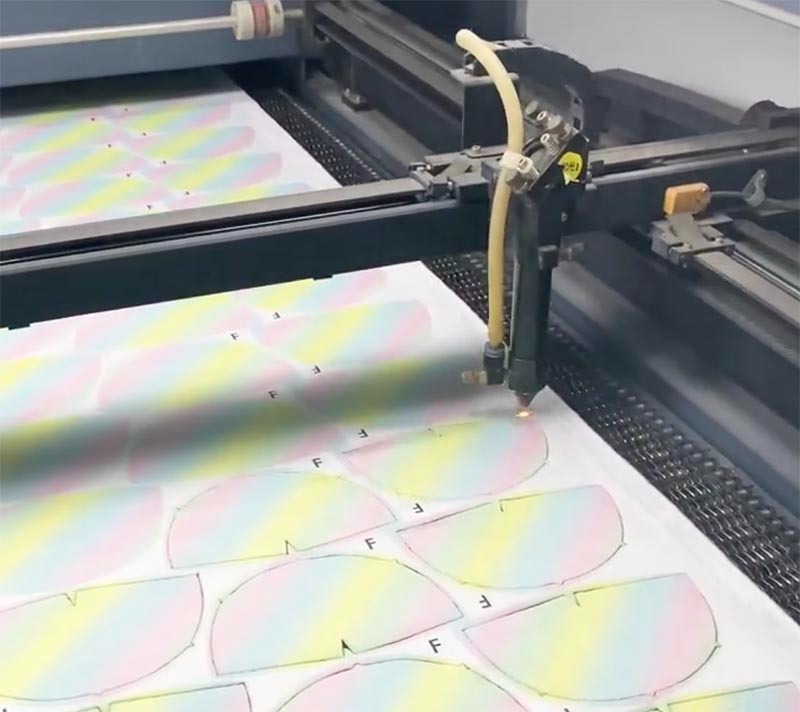
Material preparation is one of the most practical areas for reducing labor cost in plush manufacturing. Before sewing begins, the factory must receive fabric, check color and texture, relax or prepare material if needed, spread fabric layers, align pile direction, arrange patterns, cut panels, count pieces, bundle components, and send them to production lines. Mistakes at this stage create labor waste throughout the factory.
Plush fabric is not always easy to control. Long-pile fabric has direction. Stretch fabric may shift during spreading. Printed plush needs careful panel alignment. Faux fur can hide cutting marks. If the cutting team does not manage these issues well, workers later spend extra time matching parts, correcting uneven seams, or rejecting panels. Poor cutting also causes shape instability and more inspection labor.
Modern cutting equipment can improve accuracy and reduce manual work, but equipment alone is not the whole answer. The factory still needs strong pattern nesting, clear cutting plans, fabric direction control, and panel bundling discipline. A cutting machine used with poor data can still create waste. A skilled cutting team used with well-prepared files can reduce both labor time and material loss.
For buyers, the key point is that low labor cost should not come from careless cutting. If a factory saves time by ignoring fabric direction or cutting tolerance, the plush may look inconsistent even if the unit price is lower. A professional factory protects labor efficiency by preparing correctly once, instead of asking sewing workers and QC staff to solve cutting problems later.
| Preparation Step | What Can Go Wrong | Professional Control |
|---|---|---|
| Fabric checking | Color or pile variation enters production | Inspect material before cutting |
| Pattern nesting | Material waste and extra handling | Optimize layout by size and direction |
| Cutting | Uneven panels slow sewing | Use controlled cutting tolerance |
| Bundling | Workers search for missing parts | Bundle pieces by SKU, size, and line |
How Sewing Line Organization Improves Worker Productivity
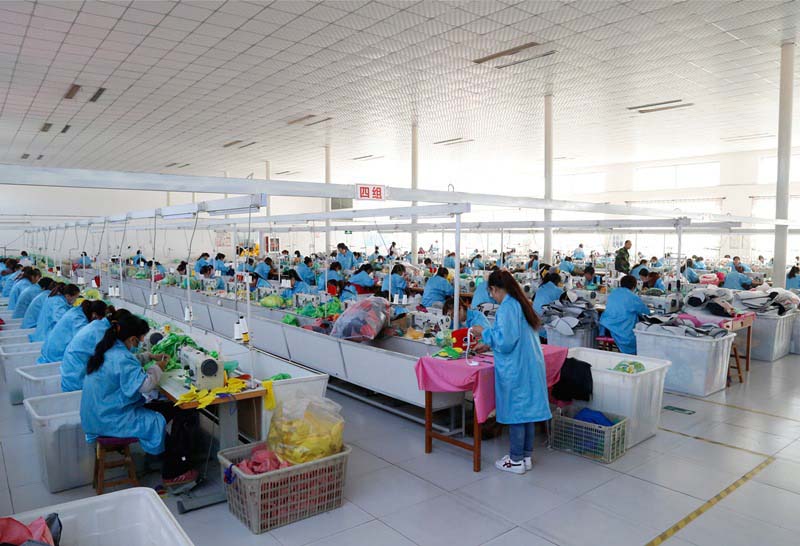
Sewing is usually the most visible labor stage in plush manufacturing. However, sewing productivity depends on more than the speed of individual workers. It depends on line balancing, operation sequence, machine setup, worker training, material flow, and how clearly each worker understands the standard. A poorly organized line wastes labor even when the workers are skilled.
In plush production, some operations are fast and repetitive, while others are slow and detailed. If the line is not balanced, semi-finished pieces pile up at one station while other workers wait. This creates hidden labor cost because paid time is not converted into finished output. A professional factory studies the sewing sequence and assigns operations based on difficulty, worker skill, and expected output. The goal is steady flow, not simply more people.
Line organization is especially important for plush toys with many curved seams or symmetrical parts. Ears, arms, legs, tails, and facial panels must be sewn consistently. If workers receive unclear bundles or mixed parts, they spend time checking, sorting, and asking supervisors. If the line uses clear operation samples, marked bundles, and consistent quality checkpoints, workers can focus on sewing instead of solving process confusion.
Buyers may not see line organization directly, but they feel the result through lead time and consistency. A factory with weak line management may quote attractively but struggle during peak season or large repeat orders. A factory with stronger production control can often maintain a more predictable schedule, even if its basic labor rate is not the lowest.
| Line Factor | Labor Waste if Poorly Managed | Factory Control |
|---|---|---|
| Operation sequence | Workers wait or repeat handling | Plan sewing flow before mass production |
| Skill matching | Complex steps assigned to untrained workers | Place skilled workers at critical operations |
| Material flow | Time lost searching and sorting | Use organized bundles and line feeding |
| Inline checks | Defects found too late | Inspect critical seams during production |
How Quality Control Reduces Repair and Reinspection Labor
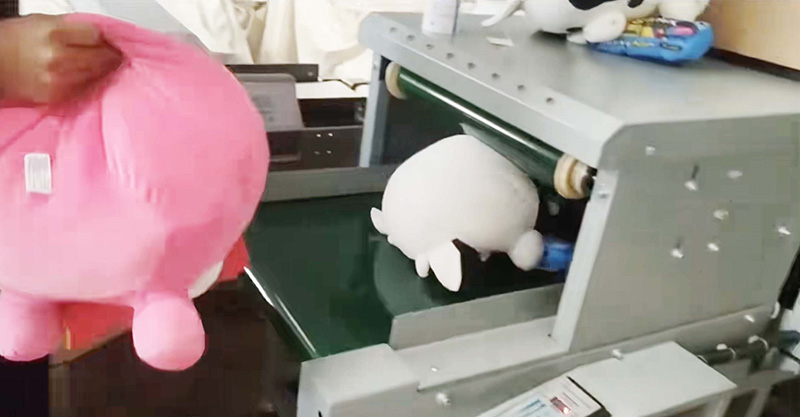
Quality control is sometimes viewed as an added cost, but strong QC often reduces labor cost in the full production cycle. Every defect has a labor consequence. Someone must find it, record it, repair it, reinspect it, and sometimes repack it. If the defect reaches the buyer, the cost may include replacement production, shipment delays, chargebacks, or brand damage. Preventing defects early is usually cheaper than repairing them later.
In plush manufacturing, common labor-heavy defects include open seams, uneven stuffing, wrong label placement, loose accessories, dirty fabric, poor embroidery alignment, metal contamination risk, and packaging mistakes. Some of these issues can be repaired, but repair work is rarely efficient. It interrupts normal production flow and requires experienced workers who could otherwise be making new goods.
A professional factory reduces repair labor by using checkpoints at the right stages. Cutting inspection prevents wrong panels from entering sewing. Inline sewing checks catch seam issues before stuffing. Stuffing checks confirm shape and firmness before closing. Final inspection verifies appearance, cleanliness, labels, and packing. Needle detection and safety checks protect compliance before shipment. This layered system keeps defects from moving forward.
For buyers, the important lesson is that overly aggressive cost reduction can damage quality systems. If inspection is reduced to save labor, defects may appear cheaper at first but become more expensive later. A better strategy is to define critical quality points clearly and let the factory build efficient inspection around them. Not every small variation needs the same level of control, but safety, brand appearance, and functional requirements must be protected.
| QC Stage | Labor Cost Reduced | Result for Buyer |
|---|---|---|
| Cutting inspection | Prevents sewing rework | Better shape consistency |
| Inline sewing QC | Finds defects before stuffing | Less repair time |
| Stuffing check | Reduces reshaping labor | Consistent hand feel |
| Final inspection | Prevents shipment problems | Lower complaint risk |
How Packaging Choices Affect Labor Cost
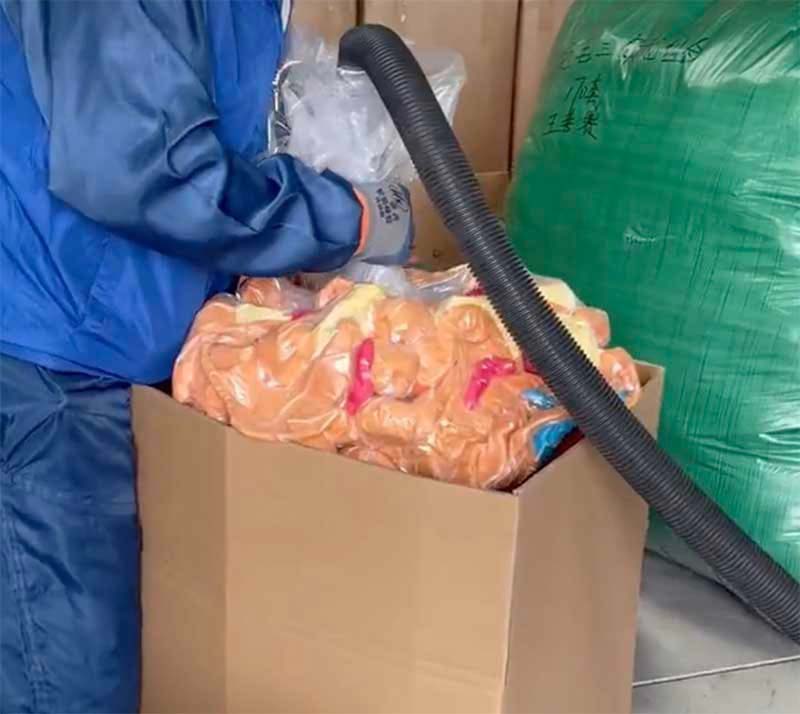
Packaging is often discussed as a material cost, but it also affects labor cost. A simple polybag may be quick to handle, while a display box, ribbon, hangtag set, insert card, barcode sticker, warning label, gift bag, or vacuum pack can add manual steps. When packaging is complex, workers need more time to fold, position, check, seal, label, and carton the products.
Packaging labor becomes more visible during large-volume orders or mixed-SKU shipments. If each SKU requires different labels, carton markings, inner packing methods, or retail display arrangements, the warehouse and packing team must manage more sorting and checking. Mistakes at this stage can be costly because finished goods may need to be opened, relabeled, repacked, and reinspected before shipment.
A professional factory reviews packaging during sampling, not at the last minute. The packing method should be tested for appearance, carton efficiency, compression recovery, barcode visibility, retail requirements, and shipping protection. For plush toys, vacuum packing may reduce shipping volume, but it must be suitable for the fabric, shape, stuffing, and buyer expectations. Some plush toys recover well after compression; others may need shaping time or a less aggressive packing method.
Buyers can reduce labor cost by simplifying packaging where possible, standardizing carton rules across SKUs, confirming labels early, and avoiding late packaging changes. A packaging change after production is complete can create a large amount of manual rework. Clear artwork files, barcode lists, carton marks, and destination requirements should be confirmed before the factory begins packing.
| Packaging Choice | Labor Impact | Cost Control Tip |
|---|---|---|
| Retail box | More folding and placement time | Test assembly speed before approval |
| Multiple labels | Higher sorting and error risk | Confirm label map early |
| Vacuum packing | Equipment handling plus recovery check | Validate shape recovery with sample |
| Mixed cartons | More counting and checking labor | Use clear carton packing instructions |
How Buyers Can Reduce Labor Cost Without Sacrificing Quality
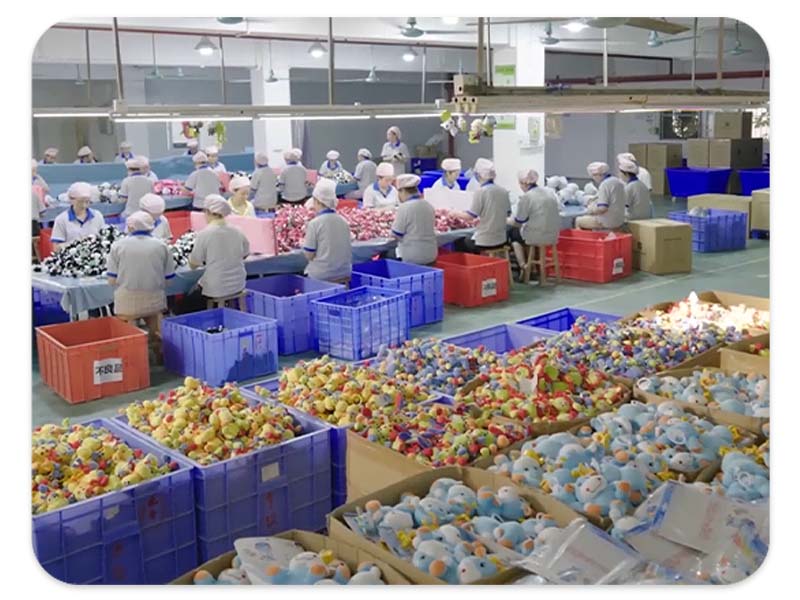
Buyers play a larger role in labor cost than many people realize. A factory can improve efficiency, but buyer-side decisions often determine how much preventable labor enters the project. Clear briefs, stable approvals, realistic target prices, early compliance requirements, and timely feedback all help reduce labor waste.
One of the most common causes of unnecessary labor cost is late change. When a buyer changes fabric, embroidery size, stuffing level, packaging artwork, label position, or carton requirements after sampling or production preparation, the factory may need to redo samples, revise patterns, update files, retrain workers, reorder materials, or repack finished goods. Even if the change seems small, the operational impact can be large.
Another buyer-side issue is unclear priority. If the buyer asks for very low cost, premium hand feel, complex design, strict tolerance, short lead time, and elaborate packaging at the same time, the factory has no clear direction. A professional supplier can help balance these goals, but the buyer still needs to decide what matters most. For example, if brand appearance is the priority, labor should be protected at critical visible details. If price is the priority, the design may need simplification rather than reduced QC.
Buyers can also reduce labor cost by building repeatable programs. Reusing base patterns, standardizing label positions, aligning packaging formats, and planning order forecasts help the factory prepare better. Repeat orders usually become more efficient because workers understand the construction and the factory can improve line flow. This is one reason long-term supplier relationships often produce better cost stability than one-time price shopping.
| Buyer Action | Labor Cost Benefit | Quality Protection |
|---|---|---|
| Provide clear design files | Less sample revision labor | Better first sample accuracy |
| Confirm changes early | Prevents production rework | More stable delivery |
| Standardize packaging | Faster packing and fewer errors | Cleaner shipment control |
| Use repeatable structures | Improves worker learning curve | More consistent bulk quality |
Conclusion
Reducing labor cost in plush manufacturing is not about choosing the cheapest labor or removing important quality checks. It is about designing products that can be produced efficiently, approving samples that work as real production benchmarks, preparing materials correctly, organizing sewing lines, preventing defects early, and choosing packaging methods that match both cost and brand requirements.
For B2B buyers, the most effective cost savings usually come from collaboration before mass production begins. When the buyer and factory discuss labor drivers openly, they can protect the product’s appearance while removing unnecessary manual work. This creates a better result than price pressure alone: more predictable lead times, fewer quality problems, cleaner communication, and a product that stays commercially viable without feeling compromised.
FAQ
1. What is the biggest labor cost in plush manufacturing?
Sewing is often the largest visible labor cost, but finishing, inspection, stuffing correction, trimming, packaging, and rework can also be significant. The biggest cost depends on the design complexity, quality standard, and packaging method.
2. Can automation greatly reduce plush toy labor cost?
Automation helps in areas such as cutting, embroidery, stuffing, and packing, but plush toys still require skilled manual work. Automation works best when combined with good design planning, accurate patterns, and organized production management.
3. Does reducing labor cost mean lowering quality?
No. Professional factories reduce labor cost by removing waste, preventing rework, and simplifying inefficient details. Quality is at risk only when cost reduction removes necessary controls or forces workers to rush critical operations.
4. How can design changes lower labor cost?
Design changes can reduce the number of small sewn parts, simplify construction, replace difficult manual details with embroidery or printing, and standardize structures across multiple SKUs. These changes make production faster and more consistent.
5. Why does sampling affect labor cost?
Sampling confirms whether the design can be produced efficiently in bulk. A clear approved sample prevents repeated corrections, uncertain workmanship standards, and costly changes after production has already started.
6. How does packaging increase labor cost?
Packaging adds labor when it requires folding, labeling, sorting, barcode placement, display arrangement, vacuum packing, or mixed-carton control. The more complex the packing instructions, the more manual handling is required.
7. What should buyers discuss with a factory to control labor cost?
Buyers should discuss design complexity, target price, order quantity, critical quality points, packaging requirements, inspection expectations, and possible simplification options. Early communication helps reduce preventable labor without sacrificing the product’s core value.