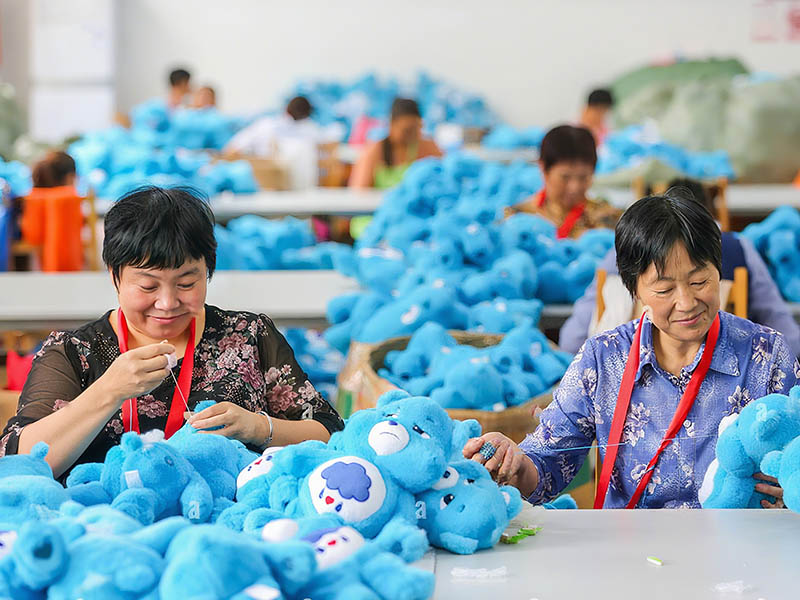
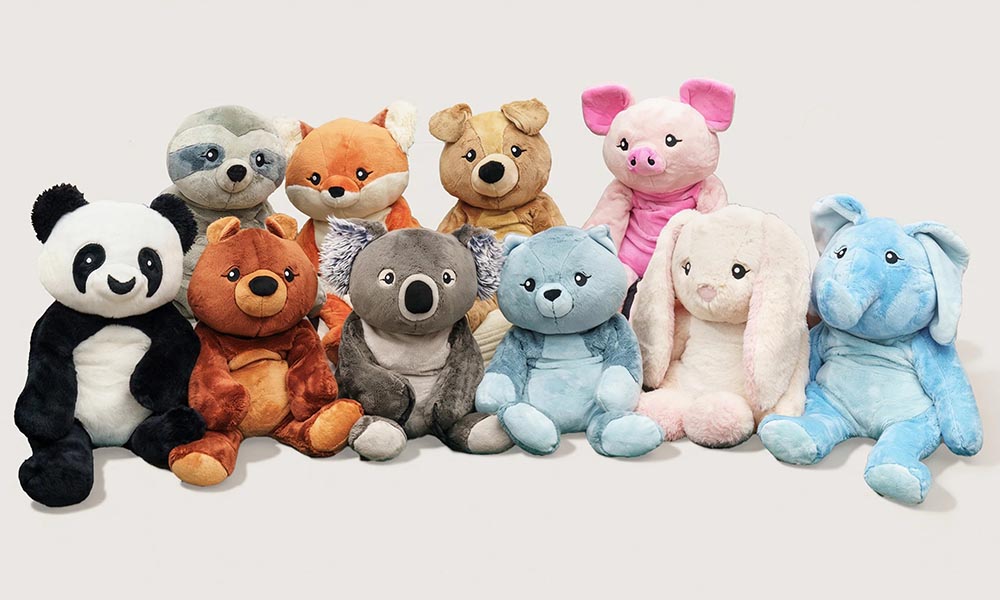
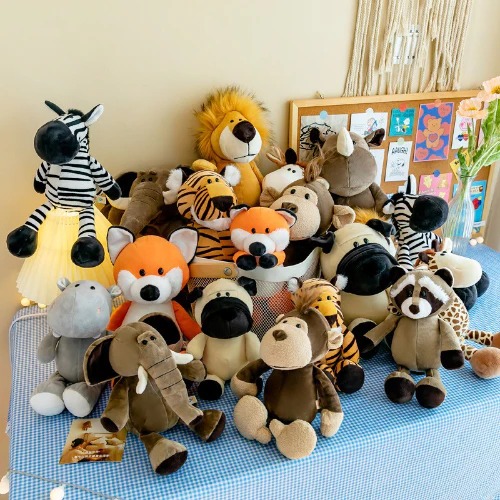
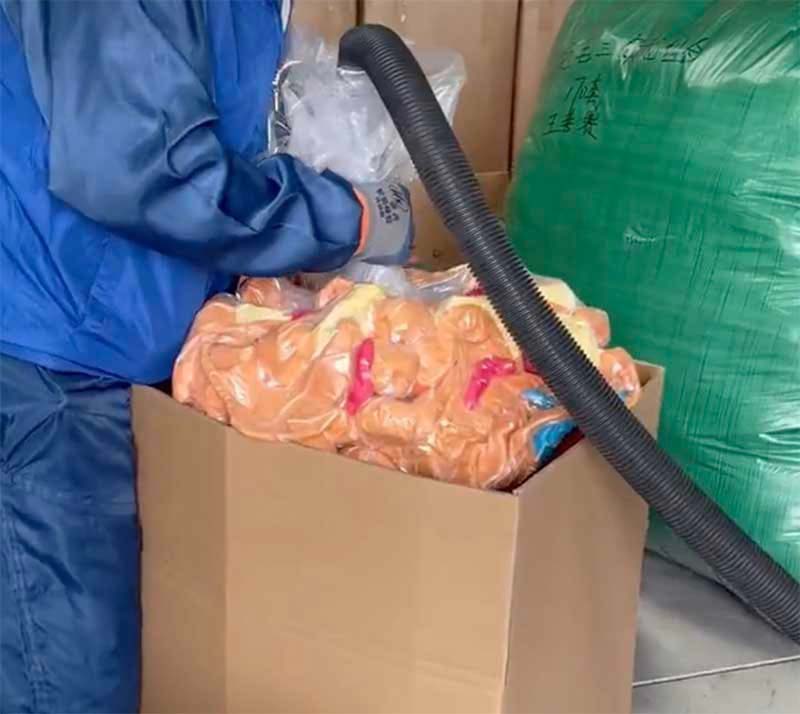
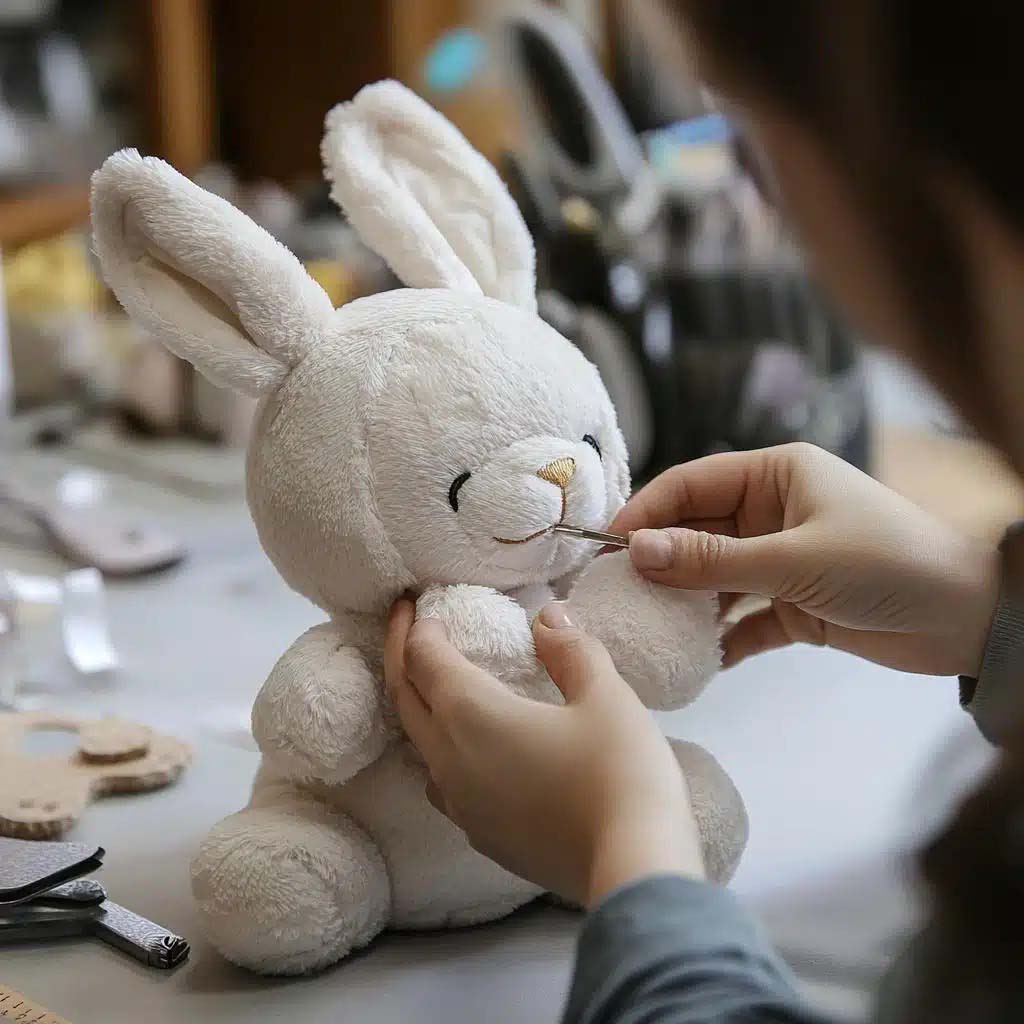
Color consistency is one of the most visible quality issues in custom plush toy manufacturing. A plush toy can have good stitching, soft filling, and safe materials, but if the color does not match the approved sample, the buyer may still reject the order. For brands, retailers, licensing projects, and promotional buyers, color is not a small detail. It is part of product identity.
Plush color control is more difficult than many buyers expect. Plush fabric has pile direction, texture, thickness, and light reflection. The same fabric may look different under daylight, factory lighting, photo lighting, or retail lighting. A color may look acceptable on a flat swatch but appear darker, lighter, warmer, or cooler after cutting, sewing, brushing, stuffing, and packing.
Managing color consistency requires a system. Buyers and factories need clear color standards, confirmed fabric swatches, approved samples, batch records, incoming material inspection, production controls, and final comparison methods. Without these controls, color decisions can become subjective, and subjective color disputes are hard to solve after bulk production is finished.
This guide explains how professional plush toy factories manage color consistency from development to repeat orders, and what B2B buyers should check before approving production.
Why Color Consistency Matters in Plush Toy Manufacturing
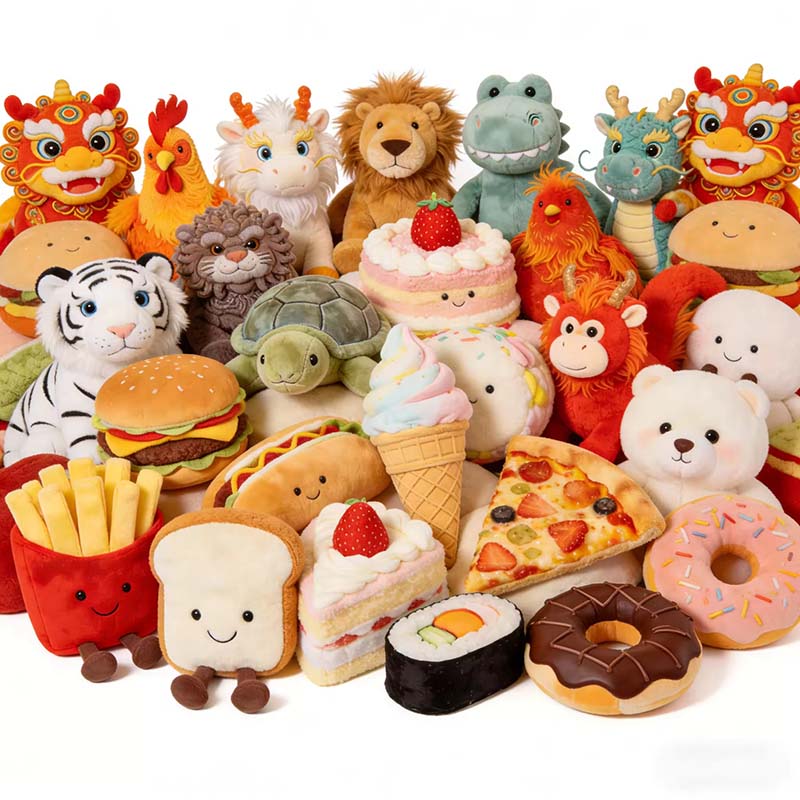
Color consistency matters because plush toys are often designed around a brand, character, theme, event, or retail collection. A mascot may require a specific corporate color. A licensed character may need accurate fur, clothing, or accessory colors. A seasonal plush collection may need several products to match as a set. If the final goods show visible color variation, the product can look unprofessional even when workmanship is acceptable.
For B2B buyers, color inconsistency can create several business risks. Retailers may complain that shelf displays look uneven. Licensing teams may reject a character because the color does not match brand guidelines. Promotional buyers may feel the toy does not represent their logo correctly. E-commerce sellers may receive complaints if the delivered product does not match the product photo.
Color also affects perceived quality. In plush toys, a slight shade difference can make one batch look cheaper, older, or less refined. This is especially true for premium plush, pastel plush, character plush, and products using multiple fabrics. Customers may not know the technical reason, but they can sense when colors feel inconsistent.
Professional factories treat color consistency as an early-stage control issue, not only a final inspection question. The goal is to prevent shade problems before fabric is cut, because once thousands of pieces are sewn, correcting color mismatch becomes extremely costly.
| Color Risk | Business Impact | Control Needed |
|---|---|---|
| Wrong brand shade | Logo or mascot looks off-brand | Confirmed color standard and swatch |
| Batch variation | Products in one order look inconsistent | Fabric lot control |
| Lighting difference | Buyer and factory judge color differently | Agreed viewing condition |
| Multi-material mismatch | Body, clothing, and accessories do not blend | Component-level approval |
Color consistency protects both product quality and brand trust.
Define a Clear Color Standard Before Sampling
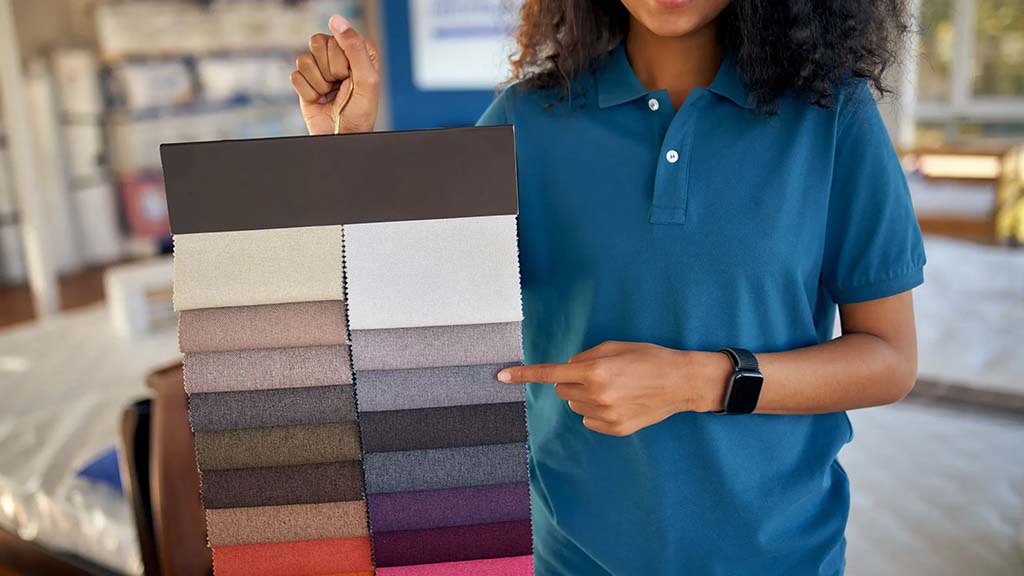
The first step in color control is defining the standard. Buyers should avoid using vague descriptions such as light blue, warm brown, soft pink, or close to the artwork. These words are easy to understand casually, but they are not strong enough for factory production. A professional color standard needs a physical or numeric reference.
Common references may include Pantone codes, buyer-provided fabric samples, approved material swatches, previous production samples, or physical brand color cards. For plush toys, a flat Pantone paper reference is useful but not always sufficient because plush fabric reflects light differently from printed paper. The factory should convert the target color into an actual fabric swatch whenever possible.
Buyers should also clarify which colors are critical. A character’s face color, brand logo color, uniform color, or collection theme color may require tighter control than a hidden inner seam or minor accessory. Defining priority helps the factory focus control where business risk is highest.
At the sampling stage, the factory should record the color standard in the project file. This record should include the reference code or sample, approval date, fabric supplier, fabric lot if available, and any buyer comments. Without this record, repeat communication becomes messy, especially when several sample versions are developed.
| Color Reference | Usefulness | Limit |
|---|---|---|
| Pantone code | Good for communication and design files | May not match plush texture perfectly |
| Physical fabric swatch | Best for material comparison | Must be stored and labeled clearly |
| Approved sample | Shows real final product color | May fade or vary under lighting |
| Previous order sample | Useful for repeat orders | Need confirm fabric availability |
The clearer the color standard is before sampling, the fewer disputes appear during production.
Use Fabric Swatches to Confirm Real Plush Color
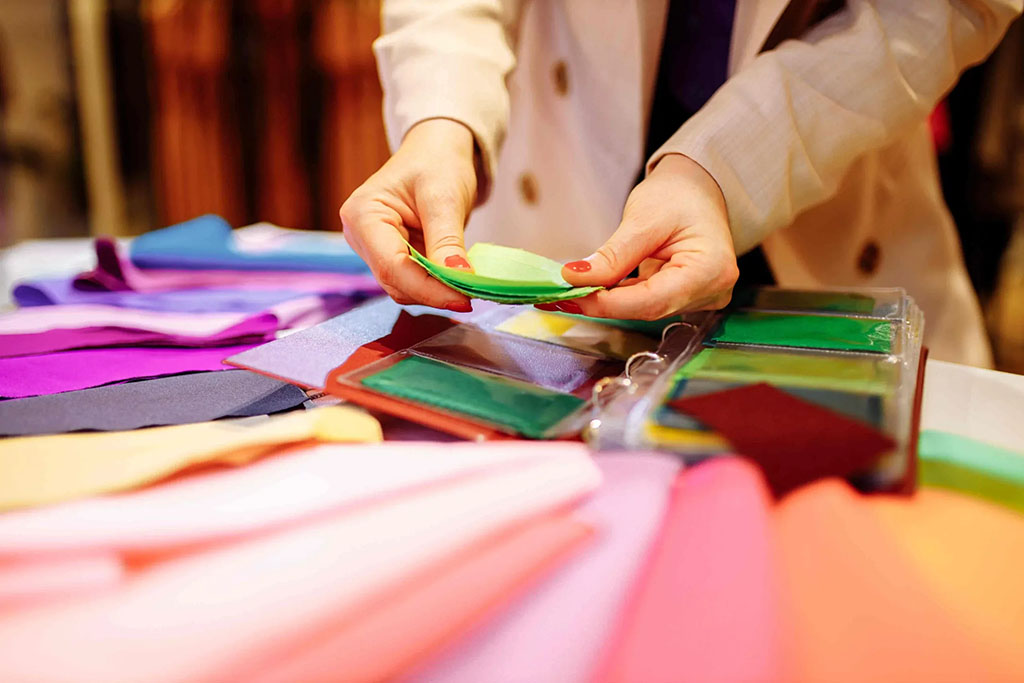
Fabric swatches are essential because plush color is not only about dye shade. It is also about pile length, texture, density, direction, and reflection. A color that looks accurate on a screen or paper card may look different once it is applied to plush fabric. This is why serious plush projects should confirm real material swatches before final sample approval.
During swatch review, buyers should compare the fabric under consistent light. Daylight, warm indoor light, fluorescent light, and camera exposure can all change perception. If a buyer reviews a swatch in an office while the factory reviews it under production lighting, both sides may honestly see different results. Professional factories reduce this risk by using clear viewing conditions and side-by-side photos with references.
Swatches should also be checked for texture compatibility. Some buyers focus only on whether the color is close, but texture can change how the color is perceived. Long pile may make a color appear deeper. Short pile may look flatter. Shiny fabric may look lighter from one angle and darker from another. For plush toys with multiple materials, the factory should check how fabrics look together, not only individually.
Once the buyer approves a fabric swatch, the factory should label and retain it. The swatch becomes a working control sample for purchasing, incoming material inspection, and production comparison. If the swatch is not retained, future batches may drift because everyone relies on memory or digital images.
| Swatch Review Item | Why It Matters | Buyer Check |
|---|---|---|
| Shade | Confirms target color | Compare with physical reference |
| Pile direction | Changes light reflection | View from multiple angles |
| Texture | Affects perceived premium quality | Touch and photograph the fabric |
| Material pairing | Controls multi-color harmony | Review all fabrics together |
A real plush swatch is usually the best bridge between design intention and bulk fabric control.
Control Fabric Lots Before Bulk Cutting
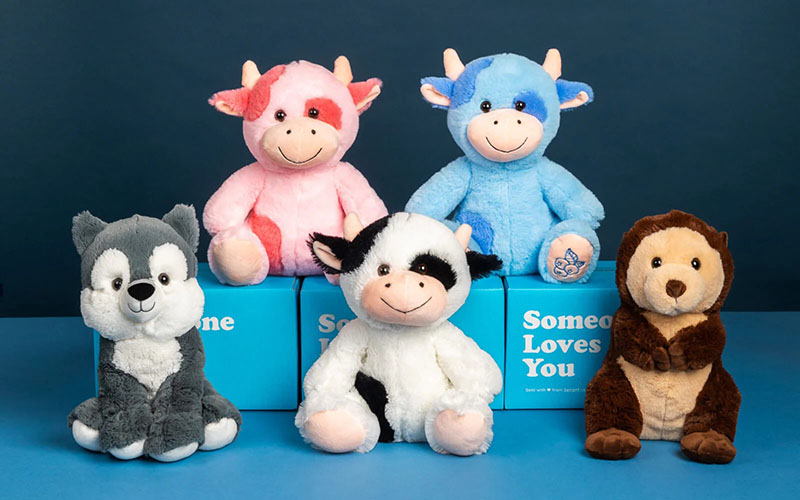
Even after a swatch is approved, bulk fabric can still vary. Fabric mills may produce different dye lots, and each lot can have slight shade differences. If one plush order uses fabric from multiple lots without control, finished toys may show visible inconsistency. This is one of the most common causes of color problems in bulk plush production.
A professional factory checks incoming fabric before cutting. The QC or material team compares bulk fabric with the approved swatch and sample. They should check shade, texture, pile direction, defects, and whether all rolls belong to the same lot or compatible lots. If there is a visible difference, the factory should report it before cutting begins.
Fabric lot control is especially important for large orders, repeat orders, and products with large surface areas. A small plush accessory may hide slight variation, but a large plush pillow, mascot body, or monochrome teddy bear will show shade differences more clearly. Buyers should ask whether the factory can reserve enough fabric from the same lot or at least separate lots by production batch.
If exact matching is impossible due to fabric availability, the factory should explain the trade-off and request buyer approval. It is better to discuss a small shade variation before production than to discover it during final inspection. Mature suppliers do not hide lot variation; they manage it with records and communication.
| Bulk Fabric Control | Factory Action | Risk Reduced |
|---|---|---|
| Incoming inspection | Compare fabric to approved swatch | Wrong color entering production |
| Lot labeling | Track roll and batch information | Uncontrolled shade mixing |
| Pre-cut approval | Report visible variation before cutting | Costly remake after sewing |
| Lot separation | Use same lot for same SKU or set | Mixed appearance in finished goods |
Color consistency is much easier to protect before the fabric is cut.
Manage Pile Direction During Cutting and Sewing
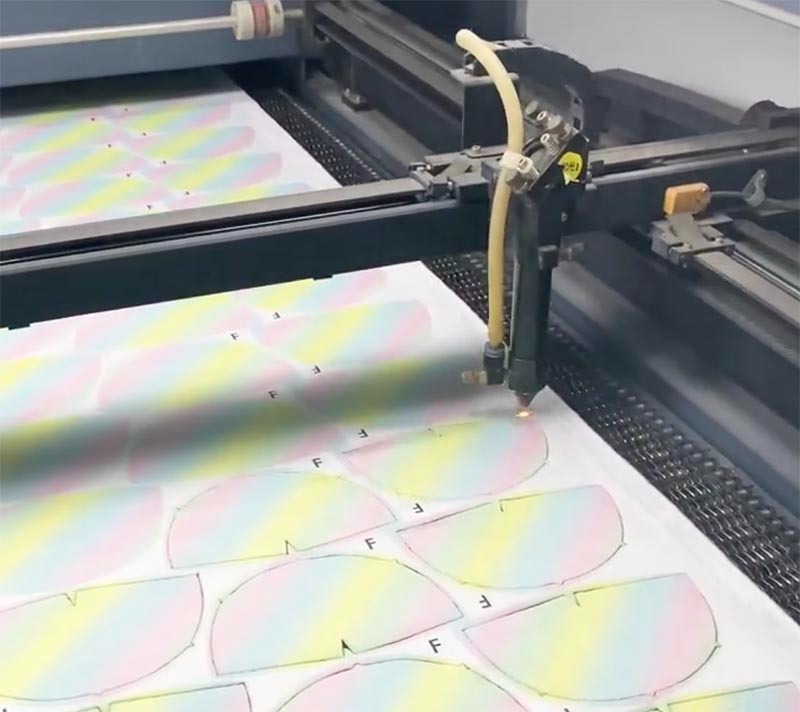
Pile direction is a special challenge in plush toy color consistency. Plush fabric has fibers that lie in a direction. When light hits the pile from different angles, the same fabric can appear lighter, darker, warmer, or cooler. This means color inconsistency can appear even when the fabric is from the same dye lot.
During cutting, the factory must control fabric direction according to the pattern layout. If one body panel is cut with the pile facing up and another panel is cut with the pile facing down, the finished toy may look like two different shades. This is particularly visible on large panels, character faces, animal bodies, and plush toys using smooth or shiny fabrics.
Sewing alignment also matters. If fabric pieces are rotated or mixed during sewing, pile direction can shift. Workers may not notice the issue during assembly, but the final toy can show shade blocks after stuffing and brushing. Professional factories use pattern marks, cutting instructions, and line training to prevent this.
Buyers should understand that pile-direction color difference is not always a dye problem. Sometimes it is a production handling problem. During sampling, the factory should define the correct pile direction and record it. During bulk production, supervisors should check early pieces against the approved sample and reject obvious directional mismatch before it spreads.
| Pile Direction Issue | Visual Result | Control Method |
|---|---|---|
| Panels cut opposite ways | Same fabric looks like different colors | Directional cutting layout |
| Mixed parts in sewing | Patchy body appearance | Part sorting and worker training |
| Incorrect brushing | Uneven shine or texture | Finishing standard |
| Sample not documented | Bulk team guesses direction | Approved sample and pattern notes |
For plush toys, controlling direction is part of controlling color.
Match Multiple Colors and Materials in One Plush Toy
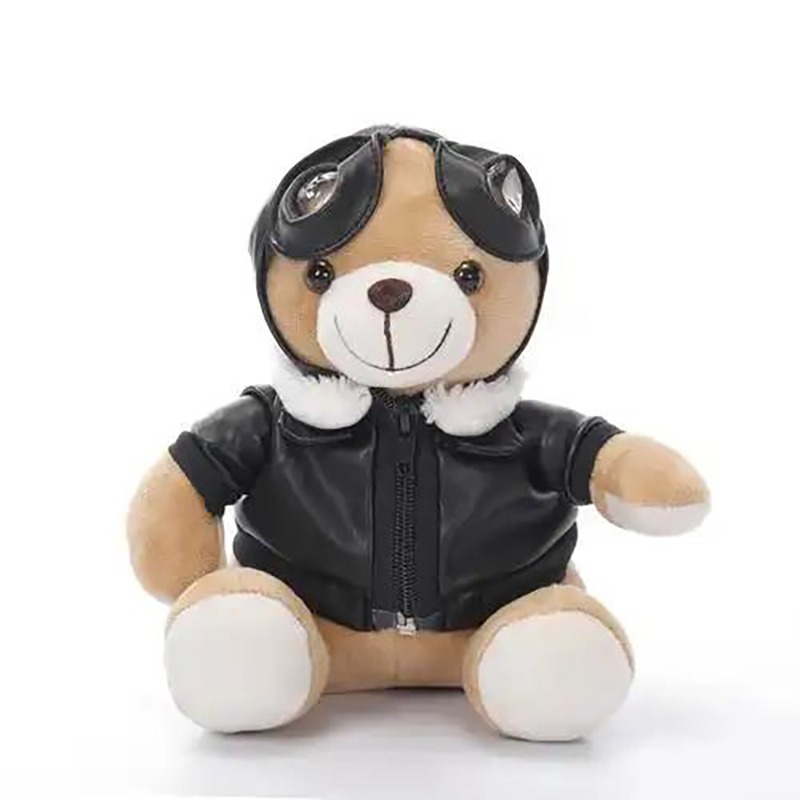
Many custom plush toys use more than one color or material. A character may include body fur, face fabric, clothing, accessories, embroidery thread, printed patches, labels, ribbons, or shoes. Each component may come from a different supplier or production process. Color consistency becomes more complex when all these parts must work together.
Multi-material matching is not always about making every component the exact same shade. Sometimes the goal is harmony. For example, a plush bear’s body fabric, embroidered nose, printed tag, and clothing fabric should feel visually compatible even if they are different materials. If one component is too bright, too dull, too warm, or too cool, the whole product can look unbalanced.
Embroidery thread and printed details need special review. Thread can look different from fabric because it reflects light differently. Printed fabric may shift depending on base material and ink absorption. If a brand logo is involved, the buyer should approve the actual decoration method, not only the artwork file. A logo that matches Pantone on screen may look slightly different once embroidered on pile fabric.
Professional factories handle this by creating a complete material approval set. Instead of approving fabric, thread, print, and accessories separately, the buyer should review them together on the sample. This makes it easier to judge the final visual effect. For complex designs, side-by-side photos and close-up detail shots help remote buyers make better decisions.
| Component | Color Control Risk | Approval Method |
|---|---|---|
| Body fabric | Main shade defines the product | Approved swatch and sample |
| Embroidery thread | Different shine from fabric | Thread sample or embroidered test |
| Printed parts | Ink changes on different base fabric | Actual print proof |
| Accessories | May look disconnected from plush body | Full assembled sample review |
The buyer should approve the complete color relationship, not just individual color pieces.
Inspect Color Under Realistic Viewing Conditions
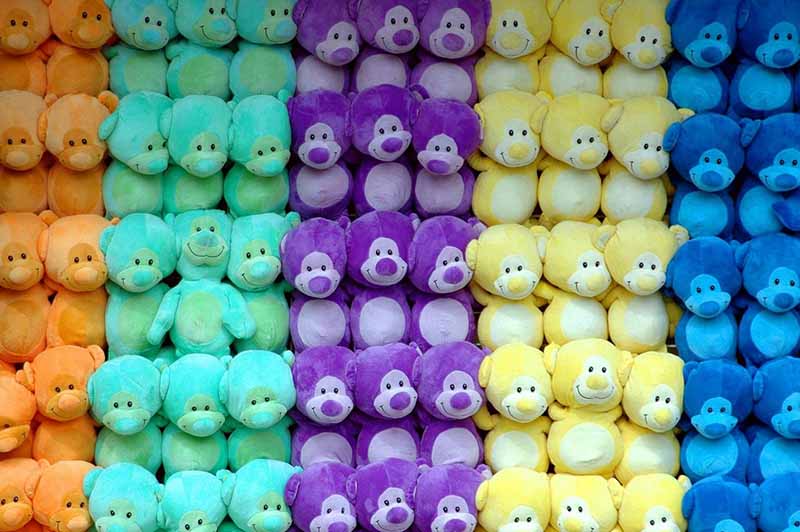
Color inspection must be done under realistic and consistent viewing conditions. A plush toy may look acceptable under factory lighting but different under daylight, retail lighting, or photography lighting. This is why color disputes often happen when buyers review photos taken in different environments.
Professional factories compare color using approved samples and swatches under controlled lighting as much as possible. When sending photos to buyers, they should include the approved sample or swatch in the same frame. This helps reduce camera exposure and white balance confusion. Photos alone are not perfect, but side-by-side comparison is more useful than isolated product pictures.
For bulk inspection, QC teams should check random pieces from different rolls, lines, or cartons. They should look for obvious shade variation, pile-direction difference, mismatched components, and color transfer or contamination. If the order includes multiple SKUs in a set, inspectors should check whether the set looks balanced together.
Buyers should also define acceptance expectations. Small variation may be normal in textiles, especially across different materials. But visible mismatch that changes brand appearance should be considered a quality issue. The important point is to define the boundary before final inspection, not during a dispute.
| Inspection Method | Purpose | Buyer Benefit |
|---|---|---|
| Side-by-side comparison | Compare bulk piece with approved sample | Reduces subjective judgment |
| Multiple lighting review | Check how color shifts in real use | Prevents retail or photo surprises |
| Random carton sampling | Detect batch mixing issues | Improves shipment confidence |
| Set review | Check harmony across SKUs | Protects collection presentation |
Good color inspection combines physical standards, practical lighting, and clear tolerance.
Keep Color Records for Repeat Orders
Repeat orders are one of the hardest places to maintain color consistency. A buyer may reorder the same plush toy months later and expect it to match the previous shipment. However, fabric availability, dye lots, supplier sources, and material texture can change over time. Without records, the factory may not be able to reproduce the original color accurately.
Professional factories keep color records for approved samples, fabric swatches, supplier information, dye lot numbers, production dates, inspection comments, and buyer approvals. These records help the factory compare new materials with old standards before production begins. If exact matching is not possible, the factory can explain the difference early and request confirmation.
Buyers should also keep their own approved sample or fabric swatch. This is especially important for branded plush, licensed characters, retail collections, and long-term promotional programs. If both buyer and factory keep standards, repeat-order communication becomes more factual and less dependent on memory or old photos.
For large programs, color records can also help with future product extensions. If a brand wants to add a new character, size, or accessory, the factory can use the existing color system to maintain collection consistency. This creates a stronger visual brand language across multiple plush products.
| Record Type | Why It Matters | Best Practice |
|---|---|---|
| Approved swatch | Controls material shade | Label and store physically |
| Dye lot record | Tracks bulk fabric source | Record supplier and batch |
| Approved sample | Shows final product color effect | Keep buyer and factory reference samples |
| Repeat order notes | Documents accepted variation | Review before reordering |
Color consistency becomes easier when every order adds to a reusable quality record.
Buyers should also define color tolerance before bulk production. In textile manufacturing, very small shade variation can be normal, but the acceptable range should depend on business risk. A licensed character color, corporate logo shade, or visible product set may need a tighter standard than a hidden lining or small accessory. When tolerance is discussed early, QC teams can judge color more fairly and avoid emotional arguments at final inspection.
Third-party inspection should also receive the approved color reference. If an external inspector only receives photos, they may judge color differently from both buyer and factory. Sharing the approved swatch, sample photos under agreed lighting, and clear notes about critical colors helps inspection teams focus on real risk instead of subjective preference.
For repeat orders, buyers should ask the factory to warn them when the original fabric lot is no longer available. A small shade change may still be acceptable, but it should be approved before production. Early warning gives the buyer time to update product photos, separate batches, or decide whether a new sample is required.
Conclusion
Managing color consistency in plush toys requires more than choosing a nice color in the design file. Plush color is affected by fabric texture, pile direction, dye lots, lighting, production handling, component matching, inspection methods, and repeat-order records. If these details are not controlled, the final plush toy may drift away from the approved sample and damage the buyer’s brand presentation.
A professional plush toy factory controls color from the beginning. It helps buyers define clear standards, confirm real fabric swatches, check bulk fabric lots, manage pile direction, approve multi-material combinations, inspect under realistic conditions, and preserve records for future orders.
Kinwin supports custom plush buyers with fabric selection, sample approval, material control, in-process inspection, color comparison, and repeat-order documentation. For buyers who care about brand accuracy and visual consistency, color control should be treated as a core part of plush manufacturing quality.
FAQ
Why is color consistency difficult in plush toys?
Plush fabric has pile direction, texture, thickness, and light reflection. These factors can make the same color look different depending on viewing angle, lighting, cutting direction, and production handling.
Is a Pantone code enough for plush fabric color approval?
A Pantone code is useful, but it is usually not enough by itself. Buyers should approve an actual plush fabric swatch because plush material looks different from printed paper or digital artwork.
What is a fabric dye lot?
A dye lot is a batch of fabric dyed at the same time. Different dye lots may have slight shade differences, so factories should track and control lots during bulk production.
How does pile direction affect color?
Plush fibers reflect light differently depending on their direction. If panels are cut in different directions, the same fabric can appear like different shades after sewing.
How should buyers approve colors before production?
Buyers should approve physical fabric swatches, actual samples, decoration tests, and component combinations under agreed viewing conditions before bulk fabric is cut.
Can small color variation be acceptable?
Yes, small textile variation can be normal, especially across different materials. However, visible mismatch that affects brand appearance or product sets should be controlled and discussed before production.
How does Kinwin manage color consistency?
Kinwin manages color through fabric swatch approval, material lot checks, approved samples, pile-direction control, component matching, production inspection, and repeat-order records.