Shape stability is one of the most important quality factors in custom plush toy manufacturing. A plush toy may pass a basic visual check when it is newly finished, but buyers care about more than the first moment on the inspection table. The toy must keep its intended shape after handling, packing, shipping, warehouse storage, retail display, and customer use.
For plush brands, unstable shape can create serious problems. A mascot may lose its character expression. A sitting plush may lean forward. A pillow plush may become flat. A round animal body may become uneven. A long ear, tail, horn, wing, or accessory may bend in a way that changes the design. These issues can make the product look cheaper than the approved sample, even when fabric and stitching are acceptable.
Shape stability is not controlled by one process alone. It depends on pattern design, fabric choice, seam structure, filling material, stuffing method, part reinforcement, finishing, packing, compression recovery, and inspection standards. If any of these areas are weak, the bulk order may not hold the approved shape consistently.
This guide explains how professional plush toy factories ensure shape stability and what B2B buyers should check before approving samples and bulk production.
Why Shape Stability Matters for Plush Toy Brands

Shape stability matters because plush toys are judged visually and emotionally. Customers rarely analyze seam allowance or stuffing density, but they immediately notice whether a plush toy looks balanced, full, symmetrical, and close to the character design. A soft toy with a weak shape can feel low quality even if it uses acceptable materials.
For brand owners, the issue is even more sensitive. A licensed character, company mascot, sports figure, animal design, or retail collection depends on recognizable shape. If the head becomes too flat, the body leans, the face stretches, or the limbs lose volume, the product no longer represents the approved design accurately. This affects consumer perception and can create complaints from licensing teams, retail buyers, or end customers.
Shape stability also affects photography, e-commerce listings, and shelf presentation. A plush toy that looks good only when carefully arranged by hand may create problems in real retail or warehouse conditions. Buyers need products that recover after packing and hold their form during normal handling. This is why professional factories treat shape as a measurable production standard, not only an aesthetic preference.
In B2B sourcing, stable shape also reduces operational risk. If goods arrive compressed, distorted, or inconsistent, buyers may need extra labor to reshape products, delay delivery, or negotiate repairs. In high-volume orders, even a small shape issue can become expensive when thousands of units are affected.
| Shape Problem | Brand Impact | Factory Control Needed |
|---|---|---|
| Flat body or head | Product appears cheap or poorly made | Stuffing density and pattern support |
| Asymmetrical face | Character identity changes | Embroidery, cutting, and sewing alignment |
| Leaning sitting toy | Poor display and photography | Balance design and weight distribution |
| Poor recovery after packing | Bad unboxing or retail presentation | Packing test and recovery inspection |
A stable plush shape protects both product value and buyer confidence.
How Pattern Design Creates the Foundation for Stable Shape
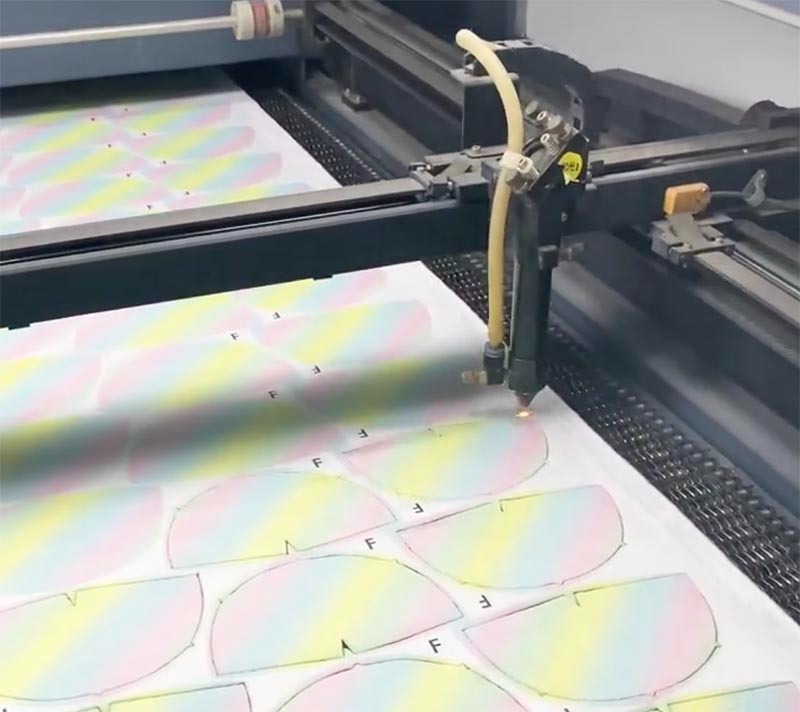
Shape stability starts before fabric is sewn. It begins with pattern design. A plush toy pattern is not just an outline of the artwork; it is the engineering structure that turns a flat fabric piece into a three-dimensional soft product. If the pattern is weak, no amount of stuffing can fully correct the shape.
Experienced pattern makers consider seam placement, panel size, fabric stretch, turning direction, stuffing channels, and the final posture of the plush toy. For example, a round head may need multiple panels to keep volume. A sitting toy may need a stable base and balanced center of gravity. A long neck, horn, or tail may need a different seam structure so it does not collapse after packing.
This is especially important for complex custom plush projects. Many buyer designs begin as 2D artwork. The factory must interpret that artwork into real proportions. If a feature looks cute in a drawing but is too thin, too long, or too heavy in fabric, the factory should explain the risk and suggest adjustments. Good pattern design protects both visual accuracy and manufacturability.
Buyers should pay attention during sampling. If the sample already needs constant hand shaping to look correct, the bulk product may become difficult to control. A professional factory will refine the pattern before approval, not rely on workers to manually force the shape during finishing.
| Pattern Factor | How It Affects Shape | Buyer Check |
|---|---|---|
| Panel structure | Controls roundness, height, and volume | Does the sample hold shape naturally? |
| Seam placement | Affects symmetry and stuffing flow | Are seams hidden and balanced? |
| Base design | Controls sitting or standing stability | Does the toy lean or fall? |
| Thin parts | May bend, twist, or underfill | Are ears, tails, and horns supported? |
Strong pattern design makes stable shape repeatable in bulk production.
How Fabric Choice Influences Shape Retention
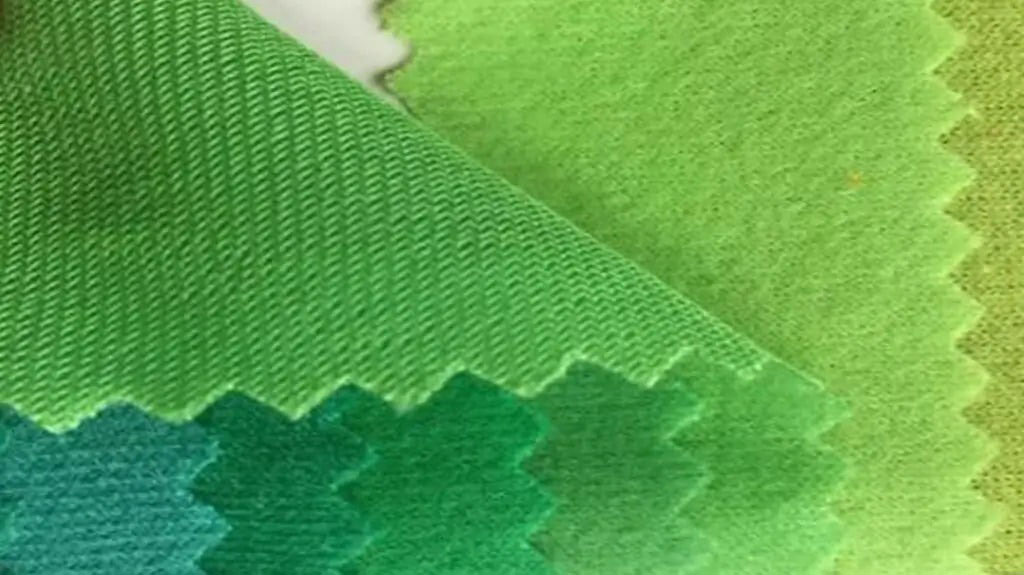
Fabric choice has a direct effect on shape stability. Plush fabrics differ in pile length, thickness, backing strength, stretch, weight, and surface texture. A fabric that looks attractive may not support the intended shape well, especially for structured characters or toys with fine details.
Long-pile fabrics can hide seams and create a soft premium feel, but they may also make small shapes less defined. Short-pile fabrics can show sharper details, but they may reveal stitching and pattern imperfections more clearly. Stretchy fabrics may feel soft, but they can distort during sewing or stuffing if the pattern and sewing tension are not controlled.
For buyers, fabric selection should not be based only on color and hand feel. The factory should test whether the fabric supports the desired form. A round animal body, flat pillow plush, standing mascot, or detailed face may each need a different material choice. When the wrong fabric is used, the factory may struggle with deformation, uneven surface tension, or poor recovery after compression.
Fabric backing is another detail buyers often overlook. Stronger backing can help maintain structure, while weak backing may stretch or wrinkle after stuffing. For complex plush projects, the factory may need to compare swatches and sample pieces before final approval. This early review prevents bulk problems that are difficult to fix later.
| Fabric Property | Shape Stability Effect | Factory Control |
|---|---|---|
| Pile length | Affects definition and surface appearance | Match fabric to design detail level |
| Backing strength | Controls stretch and deformation | Check fabric support before cutting |
| Thickness | Affects seam bulk and volume | Adjust pattern and seam allowance |
| Recovery | Affects shape after compression | Perform packing and rebound checks |
The best material is not always the softest material. It is the material that supports the product’s intended shape, feel, cost, and use case.
How Sewing and Seam Control Prevent Deformation
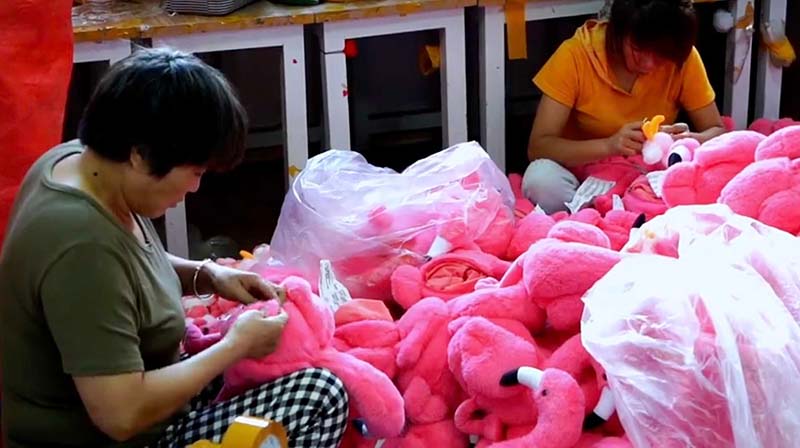
Sewing quality is one of the main reasons plush toys either hold their shape or lose it. Even with a good pattern and suitable fabric, poor sewing tension, uneven seam allowance, misaligned panels, or weak closing can distort the final product. Shape stability depends on consistent construction.
For plush toys, seams do more than hold fabric together. They define edges, curves, posture, and symmetry. If one side of the head is sewn tighter than the other, the face may tilt. If limb seams are uneven, arms or legs may point in different directions. If the closing seam is weak or poorly placed, stuffing may shift and create a lumpy shape.
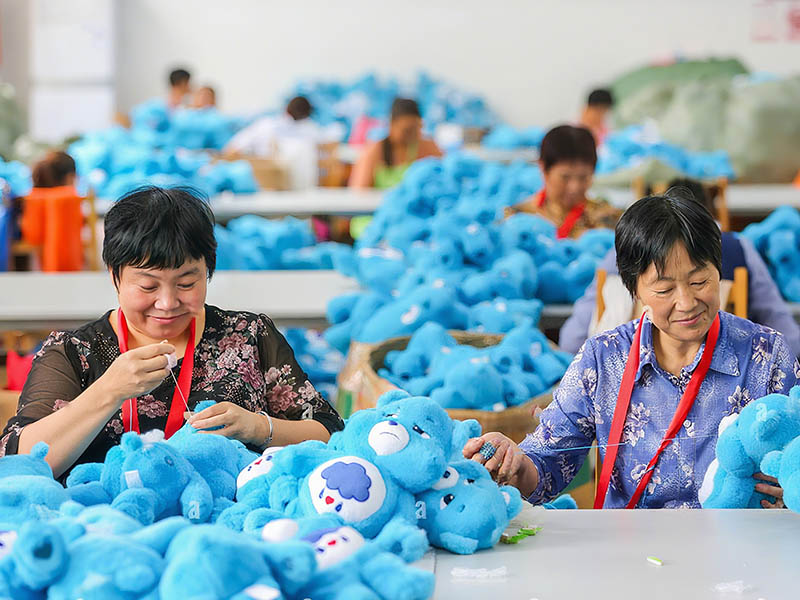
Professional factories manage sewing through clear production instructions and in-process checks. Workers need to know which seams are shape-critical, where alignment marks are located, and how much seam allowance is acceptable. Supervisors should review early pieces before the line continues. For complex shapes, first-piece approval is very important because it confirms that the sewing method can repeat the approved sample.
Buyers should also understand that seam control affects durability. A plush toy may look stable at first, but if seams stretch or open after handling, the shape will change. Strong seam control protects both appearance and long-term customer experience.
| Sewing Issue | Shape Result | Prevention Method |
|---|---|---|
| Uneven seam allowance | Asymmetry or twisting | Pattern marks and line inspection |
| Incorrect tension | Wrinkling or pulled surfaces | Machine setting and worker training |
| Misaligned panels | Wrong face or body proportion | First-piece confirmation |
| Weak closing seam | Stuffing shift or opening | Reinforced finishing check |
Stable shape is built stitch by stitch, not only added during final finishing.
How Stuffing Method Controls Fullness and Recovery
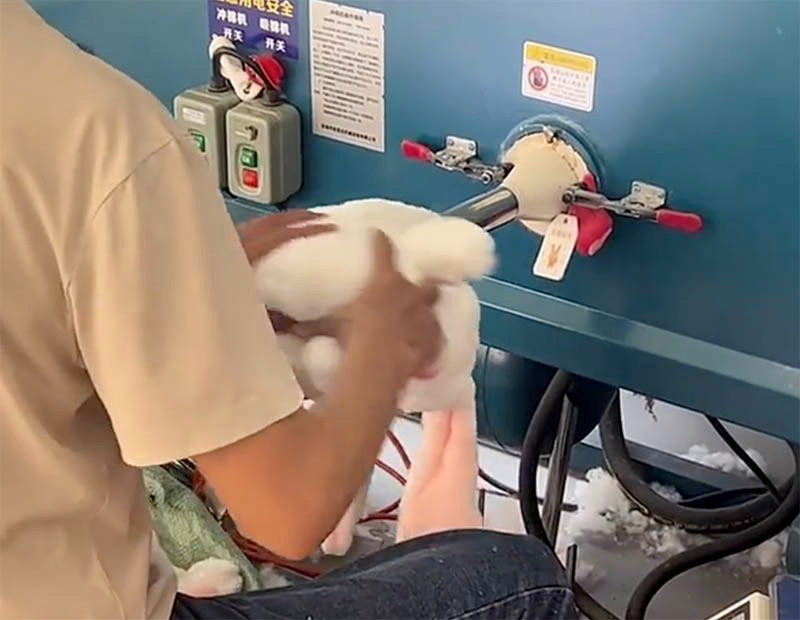
Stuffing is the most visible shape-control process in plush manufacturing. The amount, distribution, quality, and placement of filling determine whether the toy feels full, balanced, soft, and resilient. Two plush toys made from the same pattern can look very different if the stuffing method is inconsistent.
A professional factory does not simply add filling until the toy looks full. It defines the target hand feel and volume based on the approved sample. Some areas may need firm support, such as the head, base, feet, or standing parts. Other areas may need softer filling for hugability. If all parts are stuffed the same way, the toy may look stiff, unnatural, or poorly balanced.
Stuffing distribution is especially important for parts like cheeks, noses, bellies, arms, legs, tails, and ears. Empty corners can create collapse, while overfilled areas can stretch seams or distort the face. Workers need training to push filling into the right areas and shape the toy before closing. QC teams should compare early pieces against the approved sample, not only check whether the toy is generally soft.
Recovery is another key point. A plush toy may look good immediately after stuffing but lose shape after compression or handling. Filling material quality affects rebound, clumping, and long-term softness. For bulk orders, factories should monitor whether filling remains consistent across production batches.
| Stuffing Control | Why It Matters | Inspection Focus |
|---|---|---|
| Filling volume | Controls fullness and body support | Compare with approved sample |
| Distribution | Prevents lumps and empty areas | Touch and shape check |
| Firmness by part | Balances support and softness | Check head, base, limbs, and body separately |
| Recovery | Protects unboxing and display appearance | Compression and rebound review |
Good stuffing control is one of the clearest differences between a casual plush product and a professional custom plush toy.
How In-Process Inspection Keeps Shape Consistent in Bulk Production
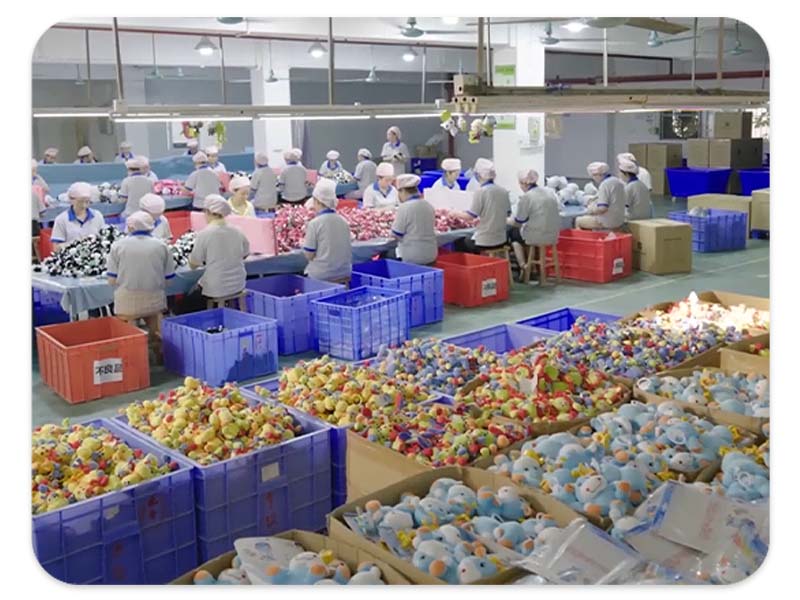
Shape stability must be controlled throughout bulk production. A sample made by a skilled sample maker may look excellent, but the bulk order involves more workers, more machines, more materials, and more chances for variation. Without in-process inspection, shape issues can spread before anyone notices.
Professional factories use checkpoints during cutting, sewing, stuffing, finishing, and pre-packing. Early production pieces should be compared with the approved sample. If the first batch shows a leaning posture, uneven stuffing, weak ears, wrinkled seams, or poor symmetry, the factory should stop and correct the process before continuing. This protects the whole order.
Shape inspection should include both visual and touch checks. Inspectors need to look at symmetry, posture, balance, surface smoothness, filling distribution, and character likeness. They should also handle the toy, because some shape problems are felt before they are seen. A toy may look acceptable from the front but have empty areas, hard lumps, or poor base support when touched.
For B2B buyers, in-process shape control reduces the risk of final inspection disputes. If all shape problems are found only before shipment, the factory may have limited time to repair goods. Early inspection gives the factory more room to correct, retrain, or adjust materials.
| Inspection Stage | Shape Check | Corrective Action |
|---|---|---|
| First-piece approval | Compare early output with approved sample | Adjust sewing or stuffing before mass output |
| Line inspection | Check repeated shape consistency | Retrain workers or correct method |
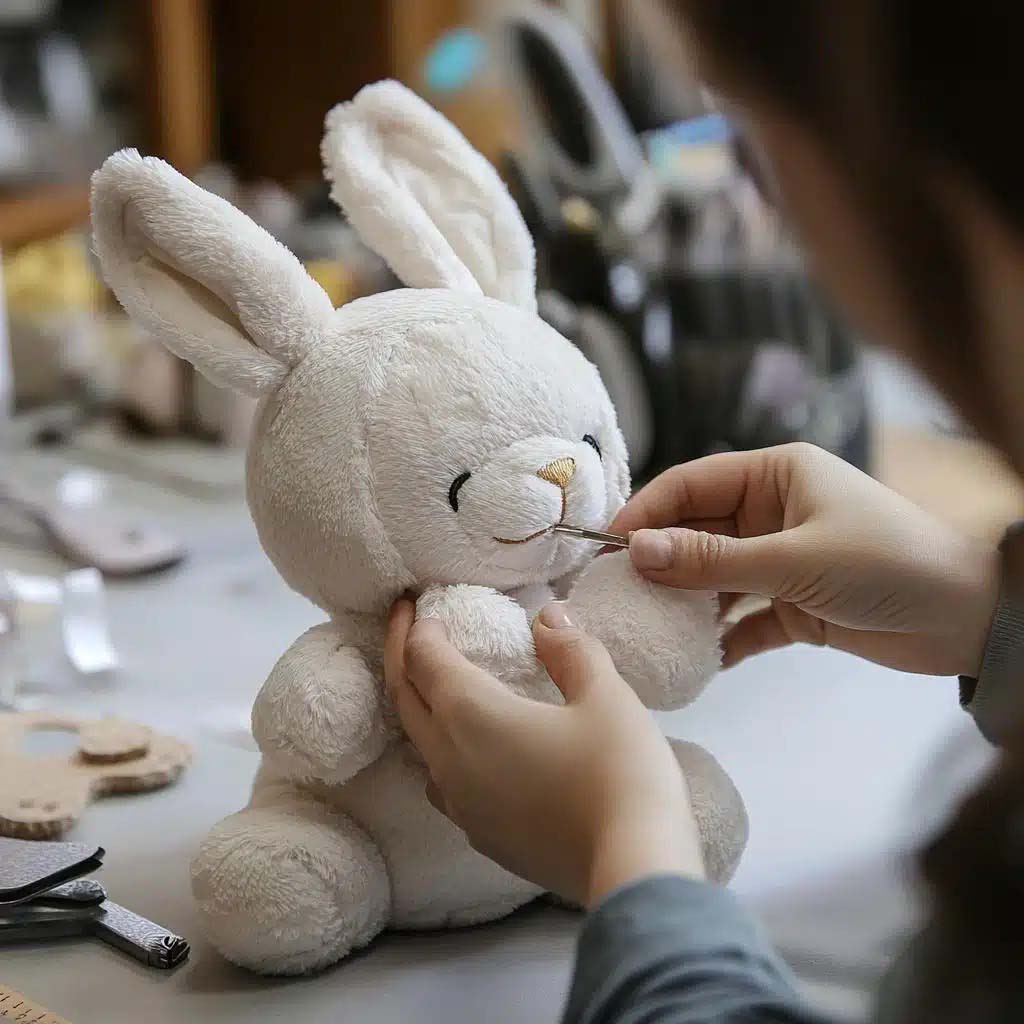
| Finishing check | Review brushing, shaping, trimming, and posture | Repair before packing |
| Pre-shipment review | Confirm random samples hold expected form | Sort or rework affected goods |
Bulk consistency depends on system control, not only final sorting.
How Packaging Affects Plush Toy Shape Stability
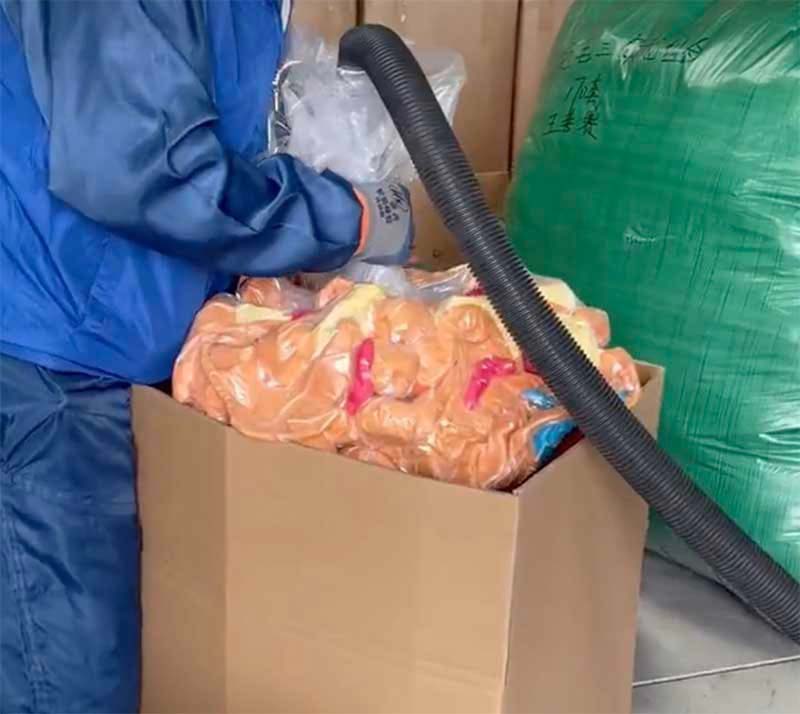
Packaging can protect shape, but it can also damage shape if it is not planned carefully. Plush toys are often compressed to reduce shipping volume, especially for large or soft products. Compression can reduce freight cost, but it may create wrinkles, flattening, bent parts, or slow recovery after arrival.
A professional factory considers the product’s structure before choosing packing. Some plush toys recover well after vacuum packing because the fabric and filling rebound quickly. Others may need looser packing, shaping instructions, inner support, or different carton arrangements. Premium retail plush, licensed character toys, and structured designs may not be suitable for aggressive compression.
Buyers should discuss packing during sample approval, not after production is finished. If the product must arrive ready for retail display, the factory should test how the toy looks after being packed for a realistic period. If the product can be reshaped easily after opening, compression may be acceptable. The key is to know the result before the bulk order ships.
Carton loading also matters. If heavy cartons are stacked incorrectly or toys are pressed in one direction for too long, shape can be affected. A professional factory reviews carton size, quantity per carton, compression level, and recovery expectations together.
| Packing Method | Shape Risk | Control Method |
|---|---|---|
| Vacuum packing | Flattening and slow rebound | Recovery test before approval |
| Tight carton packing | Bent limbs or distorted head | Adjust carton quantity and arrangement |
| Retail box | Limited space for full shape | Check display fit and support |
| Long storage | Compression marks or uneven recovery | Plan packaging based on delivery timeline |
Good packaging decisions balance freight cost, product protection, and customer presentation.
How Buyers Can Evaluate Shape Stability Before Shipment
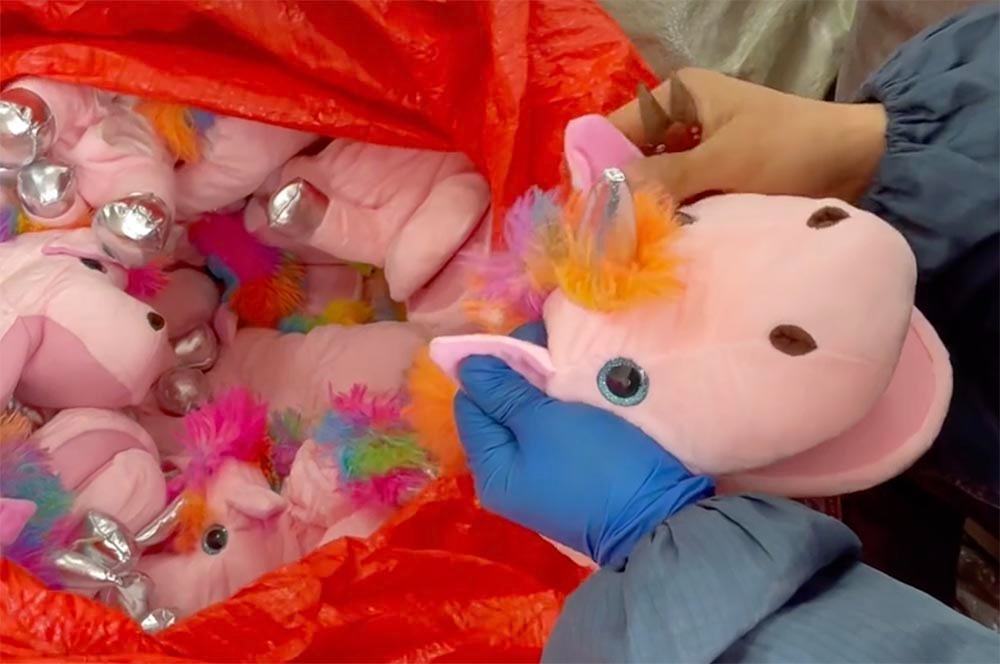
Buyers should not wait until products arrive to judge shape stability. The best time to evaluate shape is during sample approval, pilot production, and pre-shipment inspection. A professional factory should help buyers understand what can be controlled and what tolerance is realistic for a soft handmade product.
During sample review, buyers should check whether the toy holds shape naturally from multiple angles. It should not need excessive hand adjustment to look correct. Buyers should review front, side, back, sitting or standing posture, key character details, and how the toy looks after being handled. If the product has ears, horns, wings, tails, or thin limbs, these parts should be checked carefully.
Before shipment, buyers can ask for photos or videos comparing bulk pieces with the approved sample. Random pieces should be shown from different angles. If packaging affects shape, the factory can also show a recovery test after unpacking. This gives the buyer more confidence that goods will arrive in acceptable condition.
For long-term programs, buyers should keep records of shape-related standards. This includes approved sample photos, material references, stuffing notes, packing method, carton data, and inspection comments. These records help repeat orders stay consistent even when production happens months later.
| Buyer Check | What to Look For | Why It Matters |
|---|---|---|
| Sample approval | Natural shape, balance, symmetry, fullness | Sets the production benchmark |
| Pilot production | First bulk pieces match approved sample | Confirms repeatability |
| Packing test | Shape recovers after compression or carton storage | Protects arrival condition |
| Pre-shipment inspection | Random goods maintain consistent form | Reduces customer complaint risk |
Shape stability should be treated as a quality requirement, not only a visual preference.
For export orders, recovery testing should be treated as part of shape stability control. The factory can pack a sample using the planned carton method, leave it compressed for a realistic period, then unpack it and check how quickly the toy returns to the approved shape. This simple test helps buyers understand whether the packaging method protects the product or creates avoidable presentation risk.
Repeat orders also need shape records. If the same plush toy is produced again months later, the factory should compare the new fabric, filling, pattern file, and first production pieces with the retained benchmark sample. Even small changes in fabric thickness or filling quality can affect shape, so professional factories keep these details visible instead of relying on memory.
Conclusion
Plush toy shape stability depends on many connected manufacturing decisions. Pattern design creates the structure. Fabric selection affects support and recovery. Sewing controls symmetry and deformation. Stuffing determines fullness, balance, and hand feel. In-process inspection keeps bulk production consistent. Packaging decisions influence how the toy looks after shipping and storage.
For plush brands, stable shape protects product value, character accuracy, retail presentation, customer experience, and brand reputation. A toy that loses shape can make even a well-designed product look low quality. This is why professional factories control shape from sample development to final packing.
Kinwin supports custom plush buyers with pattern review, fabric selection, sample approval, stuffing control, production inspection, packaging planning, and shipment checks. If your project requires consistent shape across bulk production, shape stability should be discussed early and managed through the entire manufacturing process.
FAQ
What does plush toy shape stability mean?
It means a plush toy can keep its intended shape, balance, fullness, and appearance after production, handling, packing, shipping, storage, and normal customer use.
Why do some plush toys lose shape after production?
Common reasons include weak pattern design, unsuitable fabric, uneven sewing, poor stuffing distribution, low-quality filling, aggressive compression packing, or insufficient inspection.
How does pattern design affect plush toy shape?
The pattern controls the three-dimensional structure of the toy. Panel shape, seam placement, base support, and part proportions all affect whether the toy can hold its form.
What role does stuffing play in shape stability?
Stuffing controls fullness, firmness, balance, and recovery. Professional factories manage filling volume and distribution based on the approved sample and product design.
Can vacuum packing damage plush toy shape?
It can if the product is compressed too strongly or stored too long without recovery testing. Some plush toys recover well, while structured or premium designs may need gentler packing.
How can buyers check shape stability before shipment?
Buyers can review pilot production samples, request side-by-side photos with the approved sample, check multiple angles, and ask for unpacking or recovery tests after packing.
How does Kinwin control plush toy shape stability?
Kinwin controls shape through pattern review, material confirmation, sample approval, sewing checks, stuffing and shape inspection, bulk production monitoring, and packaging recovery review.