In custom plush manufacturing, a sample is more than a prototype. For serious B2B buyers, the approved sample should become the quality benchmark that guides bulk production, inspection, communication, packaging, and final shipment approval. Without a clear sample benchmark, both buyer and factory may believe they are working toward the same result while judging quality from different standards.
This matters because plush toys are visual, tactile, and highly dependent on workmanship. A small change in fabric pile, embroidery position, stuffing density, seam shape, or finishing can change the final appearance. A written specification is important, but many plush details are easier to judge by comparing the bulk product with a physical approved sample.
However, using samples as quality benchmarks requires discipline. The buyer and factory need to define which sample is approved, what details it controls, what tolerances are acceptable, how changes are recorded, and how the sample is protected during production. If the sample is treated casually, it can create confusion instead of control.
This guide explains how professional plush toy factories and buyers can use samples as reliable quality benchmarks from sample approval to bulk inspection.
Why Approved Samples Matter in Plush Manufacturing
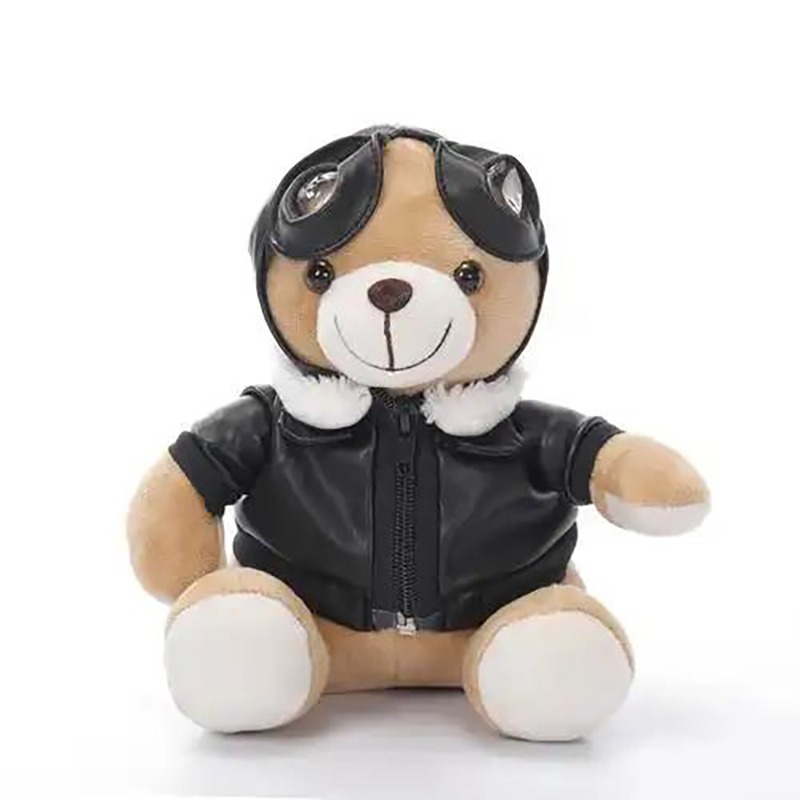
An approved sample gives both buyer and factory a shared physical reference. It shows the intended shape, size, fabric, color, embroidery, printing, stuffing, accessories, labels, and overall appearance. For plush toys, this is especially valuable because many details cannot be fully communicated through text alone.
For example, a buyer may describe a plush toy as soft, full, cute, premium, or balanced. These words are useful, but they are subjective. The approved sample turns subjective expectations into something that production workers and quality inspectors can compare directly.
The approved sample also protects the buyer’s brand. If a mascot, character, or promotional toy must represent a company image, the bulk order should not drift away from the approved look. A physical benchmark helps keep the final product consistent with the design that the buyer accepted.
| Sample Function | What It Controls | Buyer Benefit |
|---|---|---|
| Visual reference | Shape, proportion, face, color, overall style | Protects design accuracy |
| Material reference | Fabric hand feel, pile length, filling density | Reduces subjective disputes |
| Workmanship reference | Sewing, embroidery, trimming, finishing | Improves bulk consistency |
| Approval record | Final accepted standard before production | Supports clear responsibility |
For professional factories like Kinwin, sample approval is not just a milestone. It is the foundation for production control.
What Should Be Confirmed Before a Sample Becomes the Benchmark?
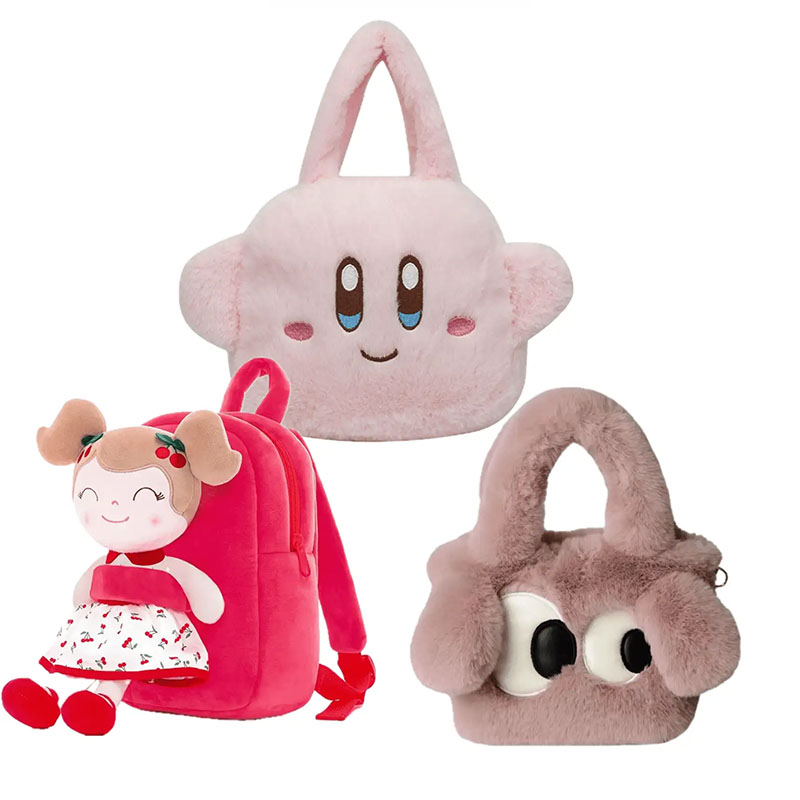
Not every sample should automatically become a production benchmark. Before the buyer approves it, both sides should confirm that the sample truly represents the intended bulk order. If key details are still undecided, the factory should not treat the sample as final.
Important confirmation points include size, fabric, color, embroidery, printing, accessories, label content, stuffing firmness, safety requirements, packaging, and carton method. If the buyer approves the sample but later changes fabric or packaging, the factory must update the benchmark record.
Buyers should also understand whether the sample uses exact bulk materials or substitute materials. In some early samples, factories may use available fabric to confirm shape before final material sourcing. That can be useful, but it must be clearly marked so the buyer does not mistake a development sample for the final production standard.
| Confirmation Point | Question to Ask | Why It Matters |
|---|---|---|
| Material | Is this the exact bulk fabric and filling? | Controls hand feel and appearance |
| Color | Is the color matched to a confirmed reference? | Reduces shade variation disputes |
| Decoration | Are embroidery and print files final? | Protects logo and face accuracy |
| Packaging | Does the sample include final labels and packing? | Prevents late packing changes |
A sample becomes useful as a benchmark only when both buyer and factory understand exactly what it represents.
How to Document Sample Approval Clearly
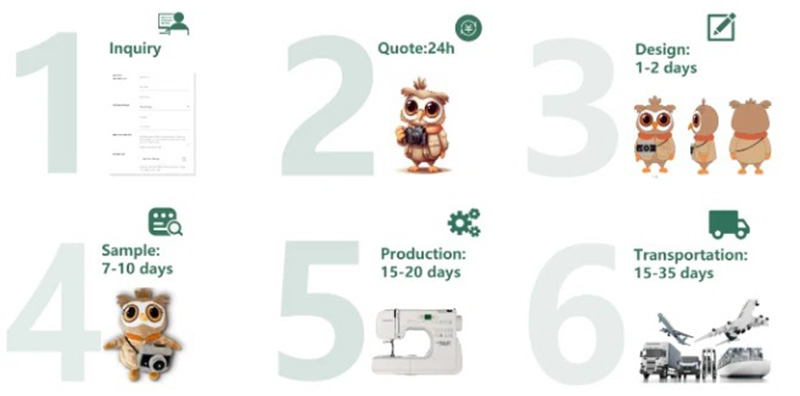
Sample approval should be documented, not only discussed in messages. A clear approval record helps production, QC, purchasing, and packaging teams understand which version is final. This is especially important when a project has multiple revisions or several decision makers.
A professional approval record may include sample version number, approval date, buyer comments, photos, material references, size measurements, embroidery file name, label version, packing standard, and any accepted tolerances. The physical sample should also be labeled and stored safely.
Documentation prevents old comments from reappearing during production. If the buyer approved version three, the factory should not accidentally use instructions from version two. Clear records also help new team members join the project without relying on memory.
| Approval Record Item | Example | Purpose |
|---|---|---|
| Version number | Sample V3 approved on July 17 | Avoids confusion between revisions |
| Photo record | Front, side, back, close-up details | Supports remote confirmation |
| Material record | Fabric code, filling type, accessory list | Guides purchasing and production |
| Tolerance note | Size tolerance, acceptable stuffing variation | Supports fair inspection |
Good documentation turns sample approval into a working production standard instead of a vague memory.
How Production Teams Use Samples During Bulk Manufacturing
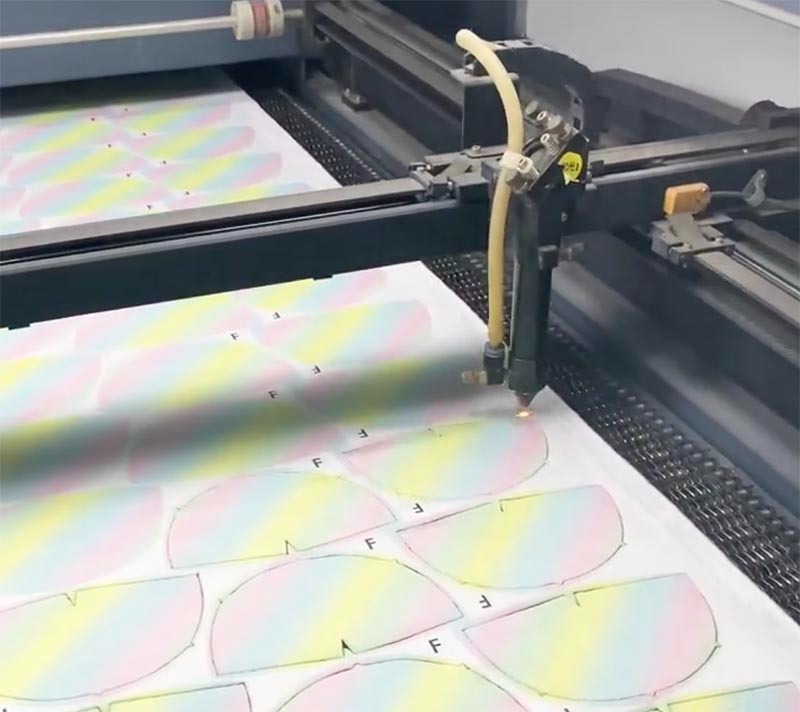
After approval, the sample should be available to the production team before bulk manufacturing begins. Workers and supervisors need to understand the target appearance, key construction points, and details that require special attention.
The sample can guide cutting, sewing, embroidery placement, stuffing, trimming, shaping, label attachment, and final finishing. It is especially useful for plush toys with complex faces, unusual proportions, mixed fabrics, or brand-specific details. Production teams can compare early output with the approved sample before the order moves too far.
Professional factories often use the approved sample together with production files. The sample shows the real product, while the files define measurements, materials, artwork, and packing requirements. Using both prevents over-reliance on visual judgment alone.
| Production Stage | How the Sample Helps | Risk Reduced |
|---|---|---|
| Cutting | Confirms pattern shape and fabric direction | Wrong proportions |
| Embroidery | Confirms face or logo placement | Poor character likeness |
| Sewing | Shows seam position and shape | Asymmetry or weak form |
| Stuffing | Shows firmness and fullness | Flat or overfilled product |
When production teams can see the standard clearly, bulk consistency becomes easier to control.
How QC Inspectors Compare Bulk Goods Against Approved Samples
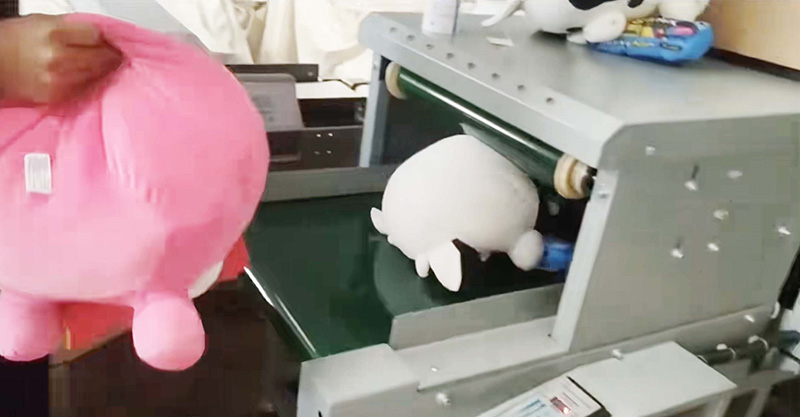
Quality inspectors should use the approved sample as one of the main references during inspection. Instead of judging only by personal opinion, inspectors can compare bulk goods against an agreed benchmark. This makes inspection more consistent and easier to explain to the buyer.
During inspection, QC teams may check whether the bulk goods match the sample in shape, size, fabric feel, color, embroidery, printing, stuffing, stitching, label placement, and overall appearance. The sample also helps inspectors identify whether a difference is a real defect or an acceptable production variation.
However, buyers and factories should remember that plush toys are handmade soft products. Very small differences may be normal. That is why sample benchmarks should be combined with reasonable tolerances and defect definitions.
| Inspection Area | Sample Comparison | Possible Defect |
|---|---|---|
| Shape | Compare head, body, limbs, and symmetry | Distorted or inconsistent form |
| Face | Compare embroidery, print, eye position, expression | Wrong look or brand mismatch |
| Stuffing | Compare firmness and fullness | Too flat, too hard, or uneven |
| Finishing | Compare trimming, cleaning, label position | Loose threads, stains, incorrect labels |
A strong QC process uses samples to support fair judgment, not to create unrealistic perfection standards.
How to Define Acceptable Tolerances Around a Sample
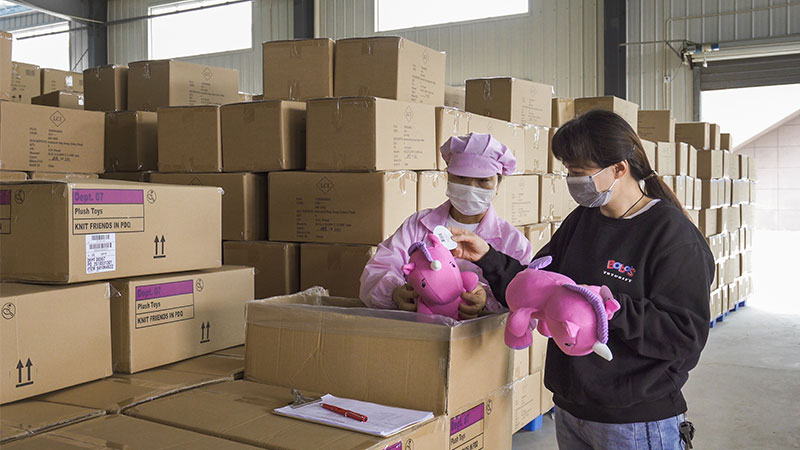
A sample benchmark should not mean every bulk plush toy must be absolutely identical in every tiny detail. Plush toys are soft, flexible, and often made through manual processes. Some variation is normal. The important question is which variations are acceptable and which variations damage the product standard.
Buyers and factories should define tolerances for size, weight, stuffing feel, color shade, embroidery placement, and appearance. For example, a small size tolerance may be acceptable, but a facial expression that changes the character’s identity may not be acceptable. Slight stuffing variation may be acceptable, but uneven lumps or empty areas should be considered defects.
Tolerance discussions should happen before bulk production, not during a dispute after inspection. Clear tolerances help both sides avoid arguments and help QC teams make consistent decisions.
| Quality Detail | Possible Tolerance | Usually Not Acceptable |
|---|---|---|
| Size | Small agreed measurement variation | Clearly wrong height or proportion |
| Color | Minor batch shade difference within reference | Wrong color family or visible mismatch |
| Embroidery | Minor position variation within standard | Distorted logo or changed expression |
| Stuffing | Natural softness variation | Empty areas, hard lumps, poor shape recovery |
Reasonable tolerance control helps protect quality without creating unnecessary rejection risk.
For higher-value projects, buyers and factories can also prepare boundary samples or limit samples. These are examples that show the edge between acceptable and unacceptable quality. For instance, a slightly acceptable embroidery shift can be kept as a reference, while a clearly distorted face can be marked as rejected. This helps inspectors make more consistent decisions when the difference is not obvious.
Limit samples are especially useful when the product has soft materials, hand stuffing, or character details that naturally vary from piece to piece. Instead of arguing about every small difference, the buyer and factory can compare the goods with approved acceptable and unacceptable examples. This makes quality control more practical and reduces emotional disputes during inspection.
How Sample Benchmarks Improve Buyer and Factory Communication
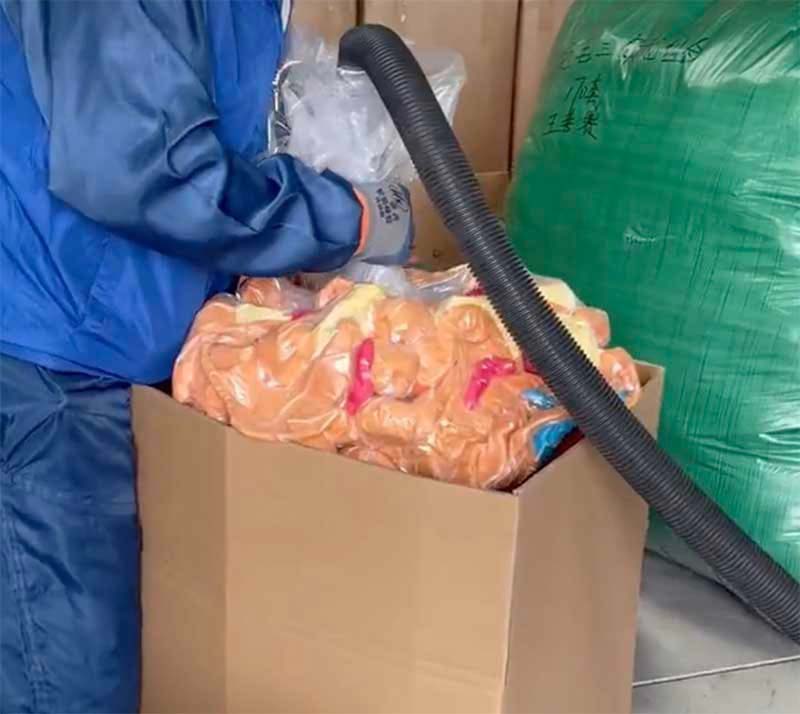
Sample benchmarks make communication easier because both sides can refer to the same physical standard. Instead of using vague descriptions like better, softer, rounder, or more premium, buyers and factories can compare a real bulk product with the approved sample.
This is helpful when discussing corrections. If a production piece looks different, the factory can photograph it beside the sample and explain the issue. The buyer can then make a faster decision. This is much clearer than discussing a problem only through words.
Sample-based communication is also useful for remote buyers. Many international buyers cannot visit the factory during production. Photos and videos showing bulk goods beside the approved sample give them more confidence that the order is under control.
| Communication Problem | How the Sample Helps | Result |
|---|---|---|
| Subjective comments | Provides a shared visual reference | Fewer misunderstandings |
| Remote approval | Supports side-by-side photos and videos | Faster decisions |
| Production correction | Shows exactly what needs adjustment | More focused repair work |
| Inspection dispute | Links judgment to an agreed benchmark | Fairer discussion |
For B2B projects, this clarity helps buyers manage their own customers, internal teams, and launch timelines.
How to Protect and Manage Benchmark Samples Over Time
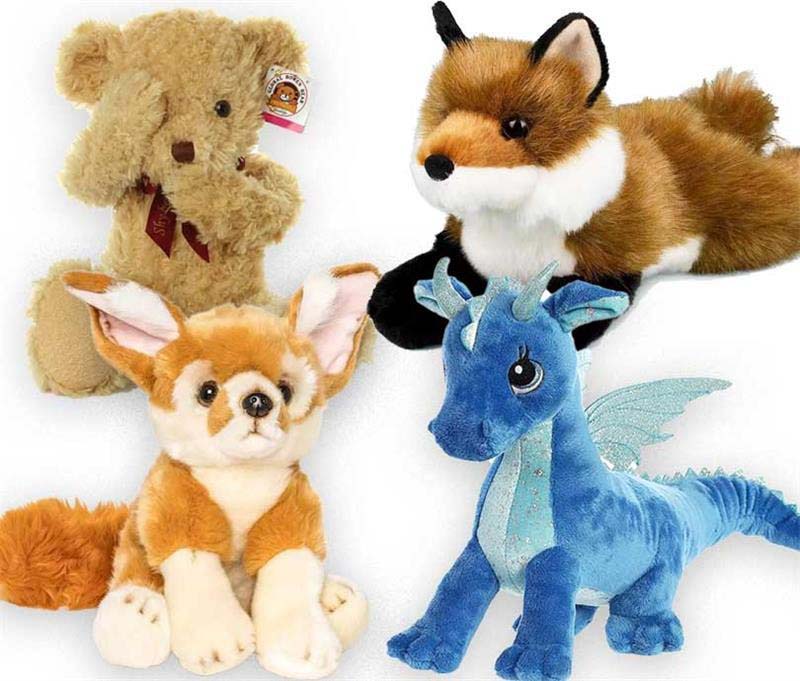
A benchmark sample must be protected carefully. If the sample is damaged, lost, dirty, compressed, or mixed with other versions, its value as a quality reference decreases. Professional factories should label approved samples clearly and store them in a controlled area.
For repeat orders, sample management becomes even more important. A buyer may reorder the same plush toy months later. The factory should know whether the old sample still applies or whether materials, labels, packaging, or compliance requirements have changed. If changes occur, a new benchmark sample may be needed.
Buyers should also keep their own approved sample when possible. This gives both sides a reference and helps compare future production. If there is a dispute, both buyer and factory can review their retained samples and documentation.
| Sample Management Practice | Why It Matters | Best Practice |
|---|---|---|
| Labeling | Prevents mixing old and new versions | Mark project name, version, date, and approval status |
| Storage | Protects shape, cleanliness, and color | Store away from dust, pressure, and sunlight |
| Repeat orders | Controls consistency over time | Confirm whether the old benchmark still applies |
| Buyer sample | Supports independent review | Buyer keeps one approved reference sample |
Benchmark samples are quality tools. They should be handled with the same care as important production documents.
Sample benchmarks also help internal handover inside the factory. A plush order may move from sampling to purchasing, then to cutting, embroidery, sewing, stuffing, finishing, QC, and packing. If each department only receives written instructions, details can be lost. When the approved sample and records travel with the production file, every team can see the same target.
This handover is important for repeat orders as well. If a buyer reorders the same plush toy after several months, the factory should compare new materials and early production pieces with the retained benchmark sample. If the original fabric is no longer available or a label rule has changed, the factory should confirm the difference with the buyer before mass production starts again.
Before shipment, buyers can also use the benchmark sample to align third-party inspection standards. If an external inspector only receives a checklist, they may judge some plush details differently from the buyer or factory. Sharing sample photos, key tolerance notes, and defect examples helps the inspector understand what matters most for the project.
This is why sample management should be treated as part of the quality system, not only part of product development. The better the benchmark is defined, the easier it is to train workers, guide QC, answer buyer questions, and approve shipment with confidence.
In practical terms, a clear benchmark sample gives every department one reliable reference point.
Conclusion
Using samples as quality benchmarks is one of the most practical ways to control custom plush toy production. A well-approved sample gives buyers and factories a shared standard for appearance, material, workmanship, stuffing, packaging, and final inspection.
To make the sample useful, both sides should confirm what the sample represents, document approval clearly, define tolerances, use the sample during production and QC, and protect it for repeat orders. When managed correctly, the approved sample reduces misunderstandings, improves bulk consistency, and makes inspection decisions more objective.
Kinwin supports custom plush toy buyers with structured sampling, sample revision records, production standards, quality inspection, packaging planning, and export communication. For buyers who want stable bulk quality, the approved sample should not sit on a shelf. It should guide the entire production process.
FAQ
What is a quality benchmark sample in plush manufacturing?
It is the approved plush toy sample used as the physical standard for bulk production and inspection. It helps define the expected appearance, material, workmanship, stuffing, and finishing quality.
Why should buyers approve a sample before bulk production?
Sample approval confirms that the buyer accepts the design, material, size, decoration, and overall appearance before the factory starts mass production.
Can a development sample be used as the final quality benchmark?
Only if it uses the final confirmed materials, colors, decorations, and construction. If substitute materials or unfinished details are used, it should be marked as a development sample, not the final benchmark.
How should a factory document sample approval?
The factory should record the sample version, approval date, buyer comments, photos, material details, size measurements, artwork files, packing standard, and accepted tolerances.
Do bulk plush toys need to be exactly identical to the sample?
No. Plush toys are soft handmade products, so small variation can be normal. Buyers and factories should define acceptable tolerances before production.
How do QC inspectors use approved samples?
Inspectors compare bulk goods with the approved sample for shape, size, fabric, embroidery, printing, stuffing, stitching, labels, and overall appearance.
Should buyers keep their own approved sample?
Yes. Keeping one approved sample helps buyers compare future shipments, manage repeat orders, and discuss quality issues more clearly with the factory.