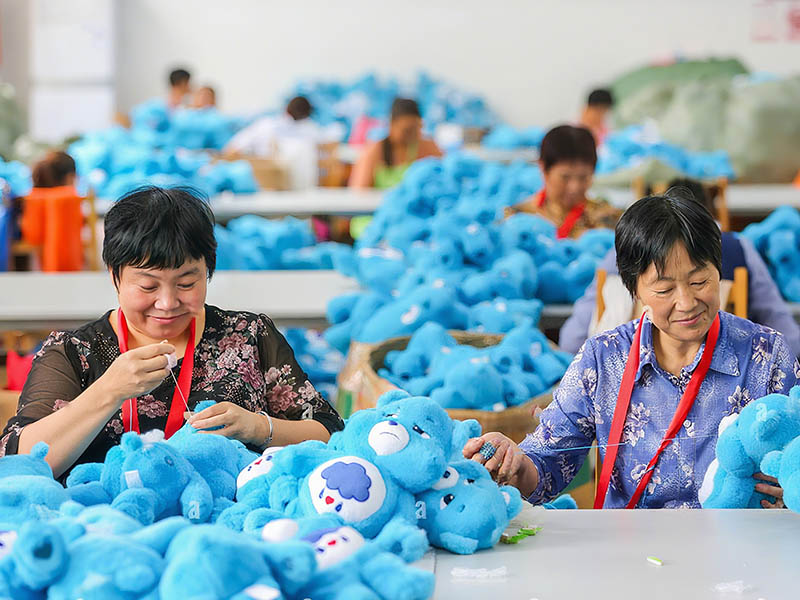
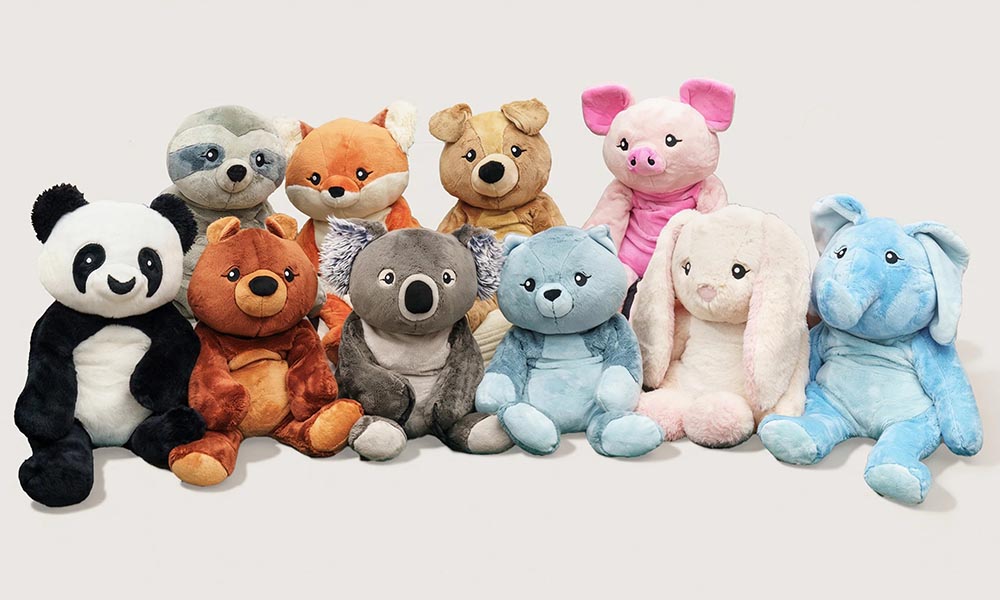
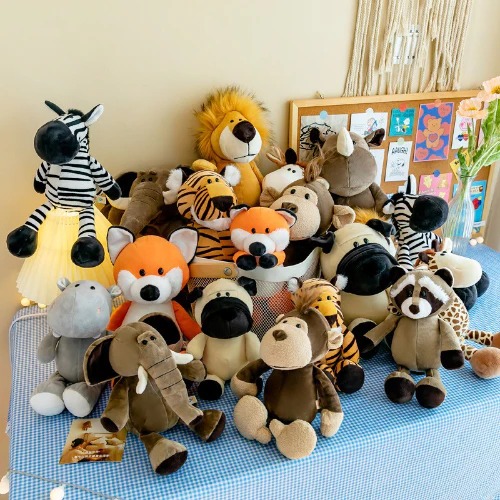
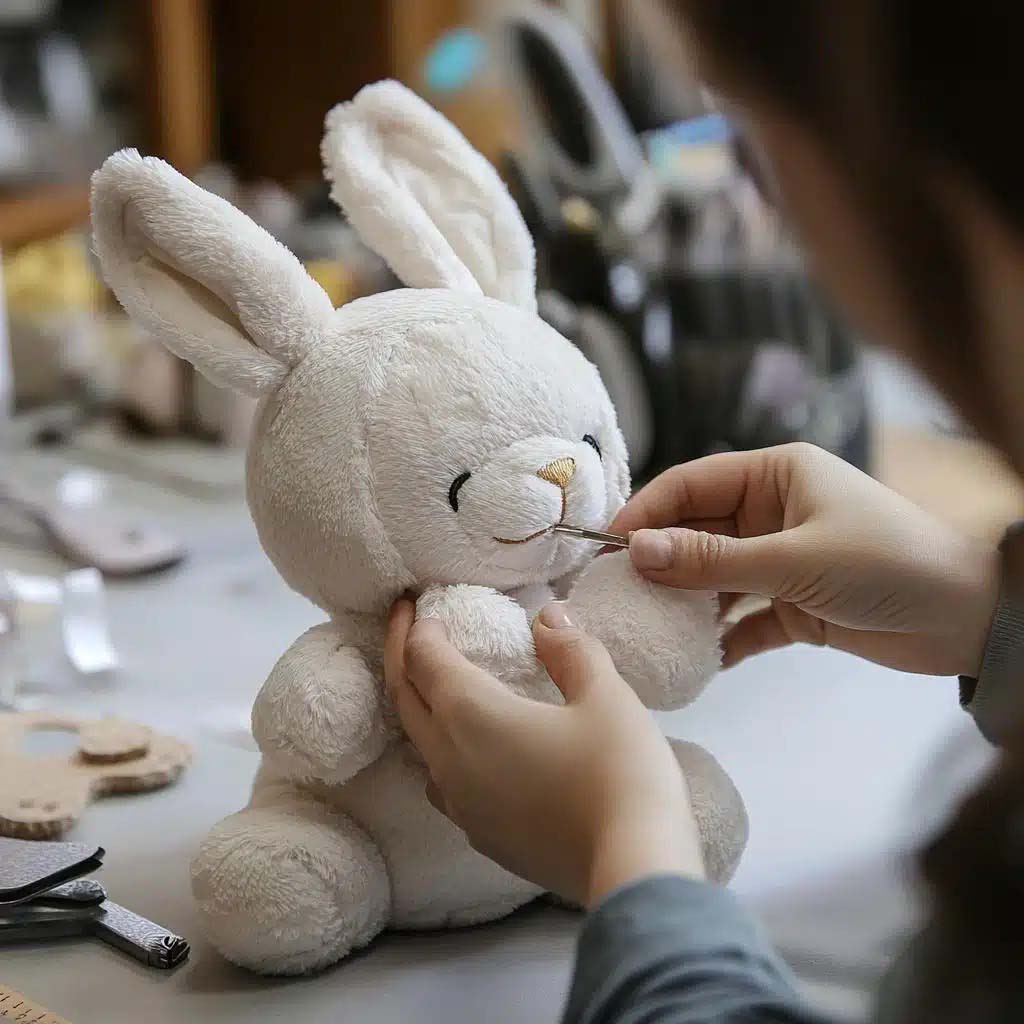
Transparency is one of the most important qualities a buyer can look for in a plush toy manufacturer. A custom plush toy order may begin with a sketch, a mascot design, a brand character, or a promotional concept, but it quickly becomes a complex manufacturing project. Fabric choice, embroidery details, stuffing density, safety requirements, sample revisions, production timing, inspection standards, packaging, and shipping all affect the final result.
When a factory is not transparent, the buyer carries unnecessary risk. The price may look simple, but hidden assumptions can appear later. The sample may look good, but the buyer may not know whether the same standard can be repeated in bulk production. The order may seem on schedule, but the buyer may only discover delays when the delivery date is already close.
Transparent plush manufacturing reduces this uncertainty. It gives buyers a clearer view of what is happening, what has been confirmed, what still needs a decision, and where potential risks may appear. For brand owners, retailers, distributors, promotional agencies, and licensing companies, this visibility is not just convenient. It protects budgets, launch dates, customer trust, and product reputation.
This article explains why transparency matters in plush manufacturing and how professional factories use clear communication, documentation, process control, and honest updates to make custom plush projects easier to manage.
What Does Transparency Mean in Plush Manufacturing?
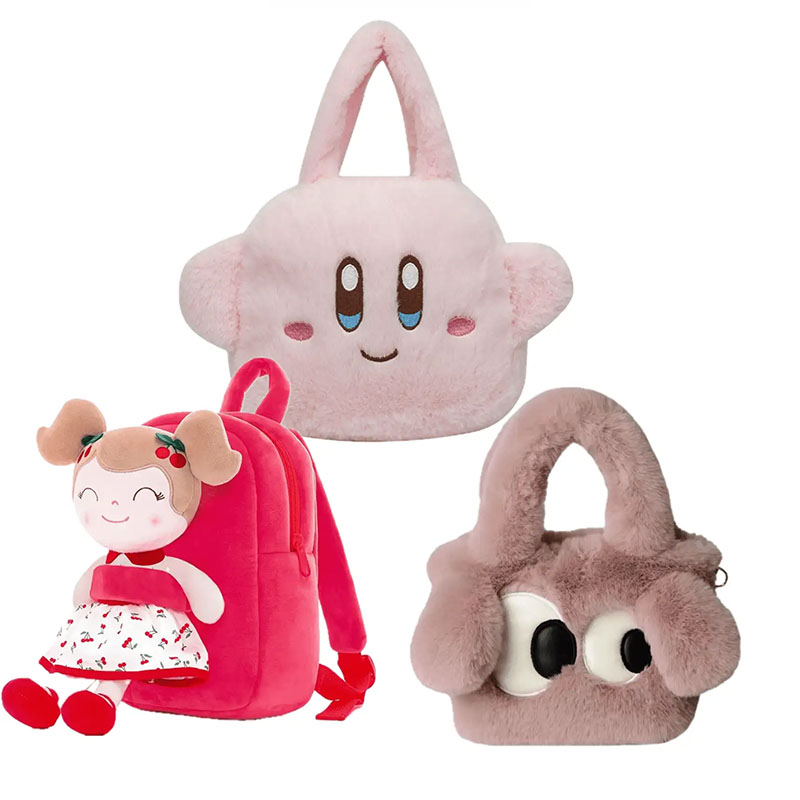
Transparency in plush manufacturing means the factory makes important information visible to the buyer instead of hiding it inside the production process. It does not mean the buyer needs to manage every sewing line or inspect every piece personally. It means the buyer can understand the project status, key decisions, risks, and standards clearly enough to make confident business decisions.
A transparent factory explains what is included in a quotation, what information is still missing, what may affect cost, and what timeline is realistic. During sampling, it records changes and explains technical limitations. During bulk production, it provides progress updates and quality feedback. Before shipment, it confirms packing, inspection results, carton data, and logistics preparation.
This kind of openness is especially important for custom plush toys because the product is highly visual and tactile. Small differences in shape, fabric, embroidery, stuffing, or finishing can change the customer’s perception of quality. Without transparent standards, both buyer and factory may believe they agree while actually imagining different outcomes.
| Transparency Area | What Buyers Should See | Why It Matters |
|---|---|---|
| Quotation | Clear assumptions, included items, and excluded costs | Prevents budget surprises |
| Sampling | Revision notes, material choices, and approval status | Protects design accuracy |
| Production | Schedule, milestones, and process updates | Reduces delivery uncertainty |
| Quality | Inspection standards and issue handling | Improves confidence before shipment |
Transparency does not remove every manufacturing challenge. It makes challenges visible early enough to solve them professionally.
How Transparent Quotations Help Buyers Understand Real Cost
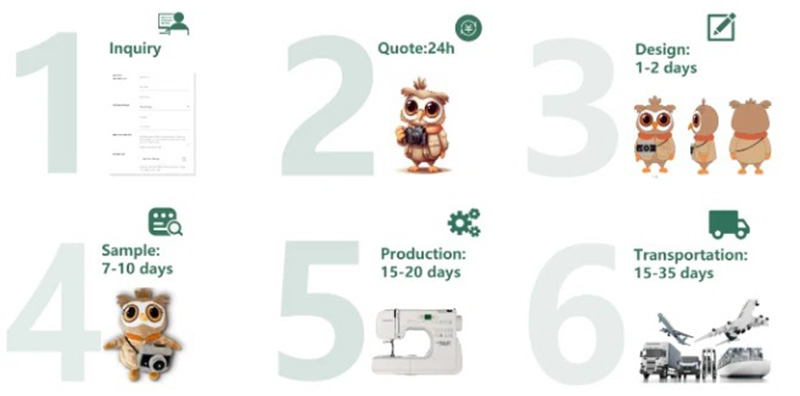
Many buyer problems begin with a quotation that is too simple. If a factory gives a price without clarifying size, fabric, embroidery, filling, accessories, labels, packaging, test requirements, and shipment assumptions, the price may not reflect the real project. It may win attention at first, but it can create conflict later.
A transparent quotation explains what the price is based on. For plush toys, even small specification changes can affect cost. A longer pile fabric may increase material cost. Detailed embroidery may increase labor time. A printed retail box may change packing cost and carton volume. A safety test for a specific market may add testing fees and timeline. Buyers need to know these factors before they commit to a supplier.
Transparent pricing also helps buyers compare factories more fairly. A lower price is not always better if it excludes packaging, uses a cheaper fabric, assumes a simpler embroidery process, or ignores compliance requirements. Professional factories reduce confusion by showing the buyer what is included and where cost drivers are located.
| Cost Factor | Transparent Factory Practice | Buyer Benefit |
|---|---|---|
| Material | Confirms fabric type, pile length, color, and availability | Better control of look, hand feel, and budget |
| Workmanship | Explains embroidery, printing, sewing, and accessory complexity | Clearer understanding of labor cost |
| Compliance | Checks target market and testing needs early | Fewer late certification surprises |
| Packaging | Clarifies bag, box, carton, label, and barcode needs | More accurate landed-cost planning |
For buyers, transparency in quotation is not about forcing the lowest price. It is about knowing what they are paying for and avoiding hidden risks that can become more expensive later.
Why Sample Transparency Protects the Final Plush Toy Design
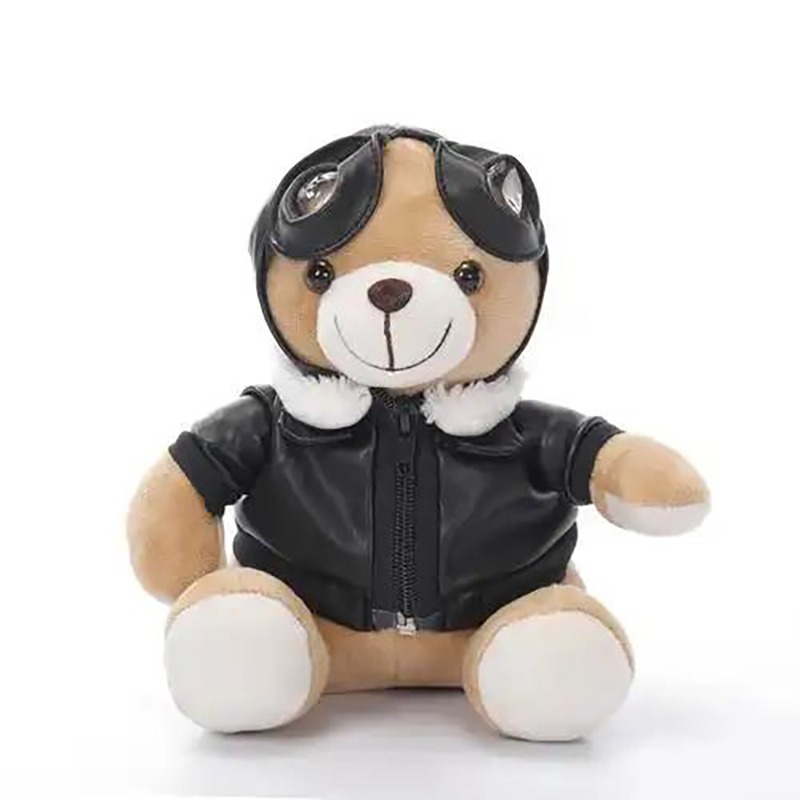
Sampling is where a plush concept becomes real. It is also where many misunderstandings can be found and corrected. A transparent sampling process allows the buyer to see why a sample looks a certain way, what has changed from the original artwork, and which details still need approval.
Professional factories do not treat sample making as a black box. They explain fabric choices, embroidery limitations, pattern adjustments, stuffing options, and construction decisions. If a buyer’s original design cannot be produced exactly as drawn, the factory should explain the reason and suggest practical alternatives. This is much better than silently changing the design and hoping the buyer accepts it.
Revision tracking is another important part of transparency. When the buyer asks for changes to eyes, mouth shape, body proportion, color, logo position, or stuffing firmness, those changes should be recorded. This helps both sides understand whether the next sample has solved the right issues.
| Sampling Detail | Transparent Information | Risk Reduced |
|---|---|---|
| Pattern shape | How 2D artwork is converted into 3D form | Unexpected proportions |
| Face expression | Embroidery or printing method and placement | Brand character mismatch |
| Fabric selection | Texture, color, pile length, and availability | Wrong hand feel or appearance |
| Sample revision | Clear notes from one version to the next | Repeated corrections and lost time |
When the sample process is transparent, the approved sample becomes a reliable production standard instead of just a one-time prototype.
How Visible Production Planning Reduces Schedule Risk
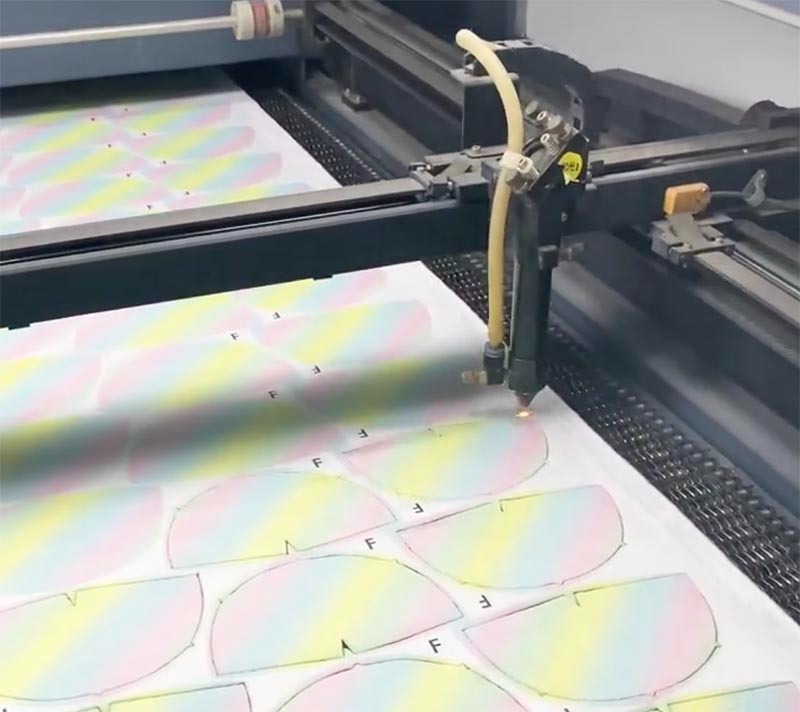
Production planning is one of the biggest differences between a professional plush toy manufacturer and a supplier that only reacts when problems happen. Buyers need to know when materials will be purchased, when cutting will begin, when sewing and stuffing will happen, when inspection is planned, and when packing and shipment can be arranged.
Transparent production planning does not mean the factory must share every internal detail. It means the buyer receives enough milestone information to plan their own business. This is especially important for promotional campaigns, seasonal retail launches, event merchandise, and licensing projects where timing matters.
A professional factory should also explain what may affect the schedule. Material availability, sample approval delays, packaging artwork, testing requirements, factory capacity, and logistics conditions can all influence delivery. When these risks are communicated early, buyers can make decisions instead of reacting at the last minute.
| Production Milestone | What Should Be Transparent | Buyer Decision Supported |
|---|---|---|
| Material preparation | Fabric and accessory readiness | Confirm whether production can start on time |
| Pre-production | Approved sample, patterns, labels, and packing files | Avoid starting with incomplete information |
| Bulk production | Progress by stage or percentage | Update internal teams and customers |
| Inspection and packing | Expected inspection and shipment dates | Plan payment, freight, and receiving |
Visible planning reduces schedule stress because the buyer can see whether the order is moving normally or needs attention.
Why Quality Transparency Builds Trust Before Shipment
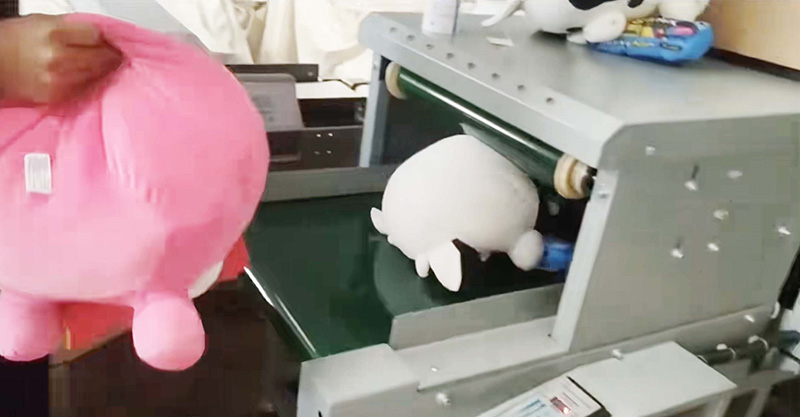
Quality transparency means the factory shares how quality is controlled, not only the final result. For plush toys, final inspection is important, but many quality risks should be controlled earlier. Fabric defects, cutting mistakes, embroidery variation, weak seams, uneven stuffing, stains, loose threads, and wrong labels can all appear during production.
A transparent factory explains the quality control points used during the order. It may check incoming materials, cutting accuracy, embroidery and printing, sewing quality, stuffing consistency, appearance, packing, and pre-shipment inspection. When buyers understand these checkpoints, they have more confidence that the factory is preventing problems rather than simply sorting defects at the end.
Transparency is also important when problems occur. No factory can promise that production will never have any issue. What matters is whether the supplier reports issues early, explains the cause, proposes a corrective action, and confirms how the solution will be checked. Hiding problems usually creates greater risk than the original defect.
| QC Transparency | What Buyers Need to Know | Trust Created |
|---|---|---|
| Inspection standard | What is acceptable and what is considered defective | Fewer disputes during final review |
| Process checks | Which stages are inspected before shipment | Confidence in prevention |
| Issue reporting | Cause, quantity affected, and corrective plan | Faster problem solving |
| Final results | Photos, reports, or inspection summary | Better shipment approval decision |
For buyers, quality transparency is a practical form of risk control. It turns quality from a vague promise into a visible process.
How Communication Transparency Helps Buyers Manage Their Own Customers
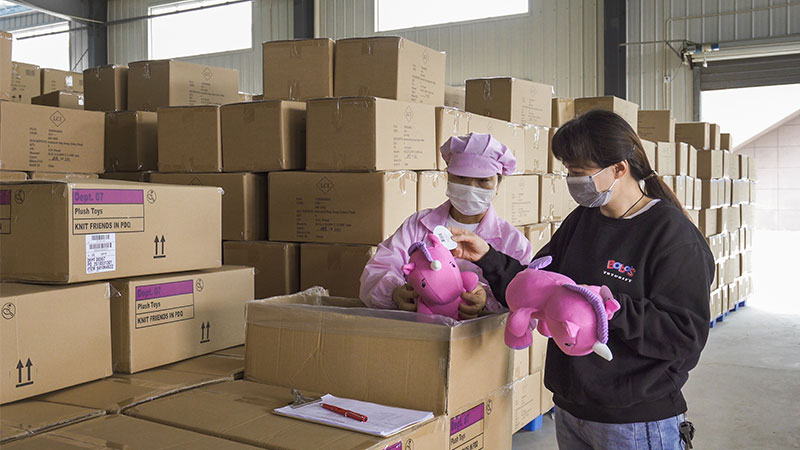
Many plush toy buyers are not buying only for themselves. They may be purchasing for a retail customer, a promotional client, a licensing partner, a corporate brand, or an internal product team. This means they need reliable information from the factory so they can communicate confidently with others.
Transparent communication gives buyers useful updates at the right time. It is not enough to say, the order is fine. A better update may include sample status, material arrival, production progress, inspection timing, packing photos, or shipping preparation. These details allow the buyer to manage expectations and avoid unnecessary follow-up.
When problems appear, communication quality becomes even more important. A professional factory should avoid vague statements and instead explain what happened, how serious it is, what options are available, and what recommendation the factory has. This helps the buyer make a business decision quickly.
| Communication Type | Weak Communication | Transparent Communication |
|---|---|---|
| Progress update | Everything is okay | Materials arrived; cutting starts Wednesday; sewing begins Friday |
| Delay notice | Maybe a little late | Fabric delivery is delayed two days; revised packing date is listed |
| Quality issue | Small problem, no worry | Issue, quantity, cause, repair plan, and new inspection step are explained |
| Shipment update | Goods almost ready | Packing quantity, carton data, inspection status, and booking plan are shared |
Good communication transparency reduces the buyer’s daily workload because the buyer does not need to chase every answer.
Why Packaging and Logistics Transparency Matter for Total Cost
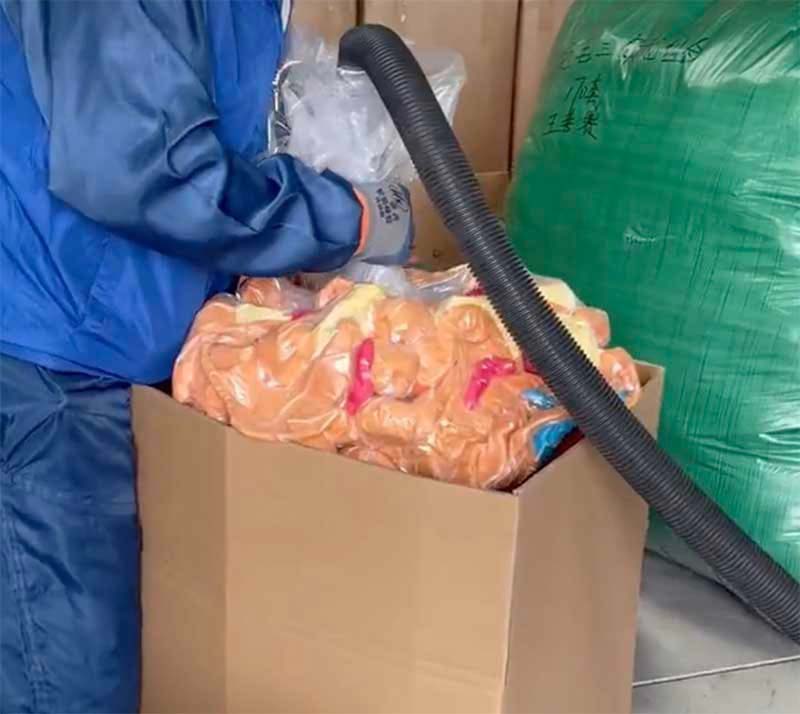
Packaging and logistics are often discussed late, but they have a major impact on cost and customer experience. Plush toys are lightweight but bulky, so carton size, compression method, individual packaging, and shipping mode can change the total landed cost significantly.
A transparent factory helps buyers understand these trade-offs early. Individual polybags may protect each toy but add material and labor cost. Retail boxes may improve shelf presentation but increase carton volume. Vacuum packing may reduce freight volume, but the buyer should understand how the plush toy recovers after opening and whether it suits the product presentation.
Logistics transparency also includes carton data, gross weight, net weight, packing list accuracy, shipping marks, and document preparation. These details may seem administrative, but they affect customs clearance, warehouse receiving, and freight calculation. If they are handled poorly, the buyer may face delays or unexpected charges after production is already complete.
| Logistics Detail | Transparent Factory Support | Buyer Benefit |
|---|---|---|
| Carton size | Confirms volume before shipment | Better freight cost estimation |
| Packing method | Explains protection, presentation, and compression effects | Balanced cost and product appearance |
| Shipping documents | Prepares invoice, packing list, and carton marks accurately | Smoother customs and receiving |
| Delivery timeline | Shares booking and shipment status | Better downstream planning |
Transparent packaging and logistics planning helps buyers understand the real cost of receiving usable goods, not just the factory price.
How Buyers Can Evaluate Transparency Before Placing an Order
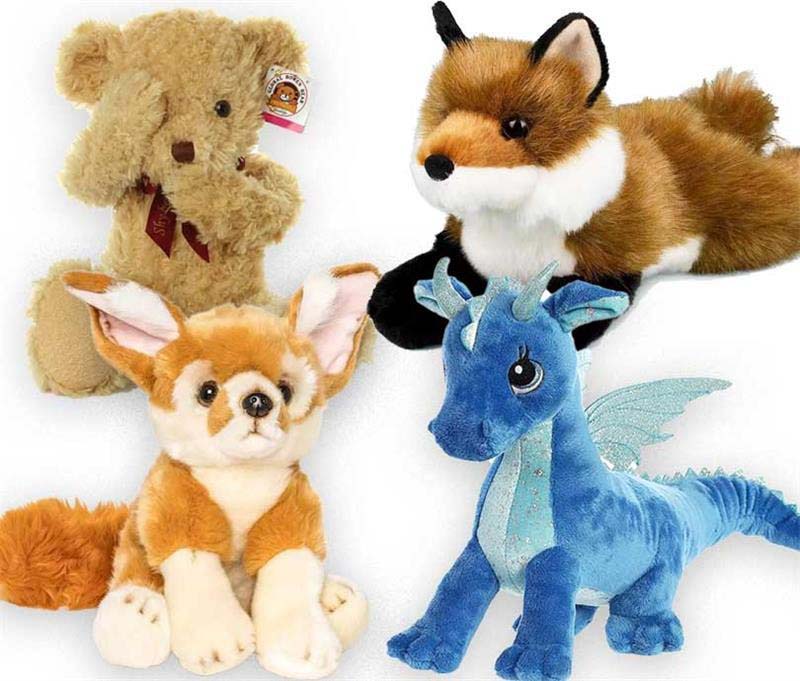
Buyers do not need to wait until production starts to judge whether a factory is transparent. Many signs appear during the first few conversations. A professional supplier asks detailed questions, explains assumptions, provides realistic timelines, and identifies unclear requirements before quoting.
Buyers can also evaluate how the factory handles technical discussions. Does the supplier explain fabric options clearly? Does it discuss sample limitations honestly? Does it mention packaging, testing, and shipping needs before they become urgent? Does it provide photos or records during sampling and production? These behaviors show whether the factory is organized and open.
Another useful test is how the factory responds to difficult questions. A transparent manufacturer will not always give the answer the buyer wants, but it will give an answer the buyer can trust. For example, if a tight deadline is risky, a professional factory should explain the risk and propose the safest schedule or solution.
| Evaluation Question | Transparent Supplier Signal | Risky Supplier Signal |
|---|---|---|
| How is the price calculated? | Clear cost drivers and assumptions | Only a number with few details |
| How are samples controlled? | Revision notes and approved sample standards | No clear record of changes |
| How is quality checked? | Process checkpoints and final inspection plan | Only verbal promises |
| How are delays handled? | Early warning and solution options | Late notice or vague explanations |
At Kinwin, transparency is part of professional project management. Buyers need more than production capacity; they need a factory partner that makes the process clear, keeps records, communicates risks, and supports better decisions from sampling to delivery.
Conclusion
Transparency matters in plush manufacturing because custom plush toys involve many decisions that affect cost, quality, timing, compliance, packaging, and customer satisfaction. When those decisions are hidden or unclear, buyers face unnecessary stress and business risk. When they are visible and well managed, the project becomes easier to control.
A transparent plush toy factory helps buyers understand quotation details, sample changes, production progress, quality control, communication updates, packaging choices, and shipping preparation. This visibility protects budgets, timelines, and final product consistency.
For buyers sourcing custom plush toys, choosing a transparent manufacturer is one of the best ways to reduce risk before it becomes expensive. Kinwin supports global buyers with structured sampling, clear production communication, quality inspection, packaging planning, and export documentation so plush projects can move forward with confidence.
FAQ
What does transparency mean in plush manufacturing?
It means the factory clearly shares important information about quotation assumptions, sample changes, production progress, quality control, packaging, and shipping so the buyer can understand and manage the project.
Why is transparency important for custom plush toy buyers?
Custom plush toys involve many visual, material, safety, and packaging decisions. Transparency reduces misunderstandings, hidden costs, quality surprises, and delivery risks.
How can buyers know if a plush toy factory is transparent?
Look for detailed questions, clear quotations, sample revision records, production updates, QC explanations, realistic timelines, and honest communication about risks or limitations.
Does transparent communication make plush manufacturing more expensive?
Not necessarily. In many cases, transparency helps control cost by preventing wrong assumptions, repeated sample revisions, production mistakes, and late logistics surprises.
What information should a transparent plush quotation include?
It should clarify size, quantity, fabric, embroidery or printing, filling, accessories, labels, packaging, testing requirements, and other assumptions that affect cost and lead time.
Why is sample transparency important before bulk production?
It helps buyers understand what has been changed, approved, or limited during sample development. This makes the approved sample a reliable standard for bulk production.
How does Kinwin support transparent plush manufacturing?
Kinwin supports buyers through clear project communication, structured sampling, production updates, quality inspection, packaging planning, and export documentation for custom plush toy orders.