Quality issues can happen in any real manufacturing process. What separates a professional plush toy factory from an unreliable supplier is not the claim that problems never occur. It is how quickly the factory identifies the issue, protects the order, communicates with the buyer, corrects the root cause, and prevents the same problem from appearing again.
In plush toy manufacturing, quality issues can involve fabric shade, embroidery position, stuffing density, seam strength, shape accuracy, loose accessories, needle detection, packaging errors, labeling mistakes, or sample-to-bulk differences. Some issues are visible immediately. Others only appear after repeated handling, final inspection, or buyer warehouse review.
At Kinwin, we treat quality issue handling as part of the manufacturing system, not as a reaction after something goes wrong. A clear process helps protect the buyer’s schedule, reduce confusion, and make sure the final solution is based on facts rather than guesswork.
What Counts as a Plush Quality Issue in Manufacturing?
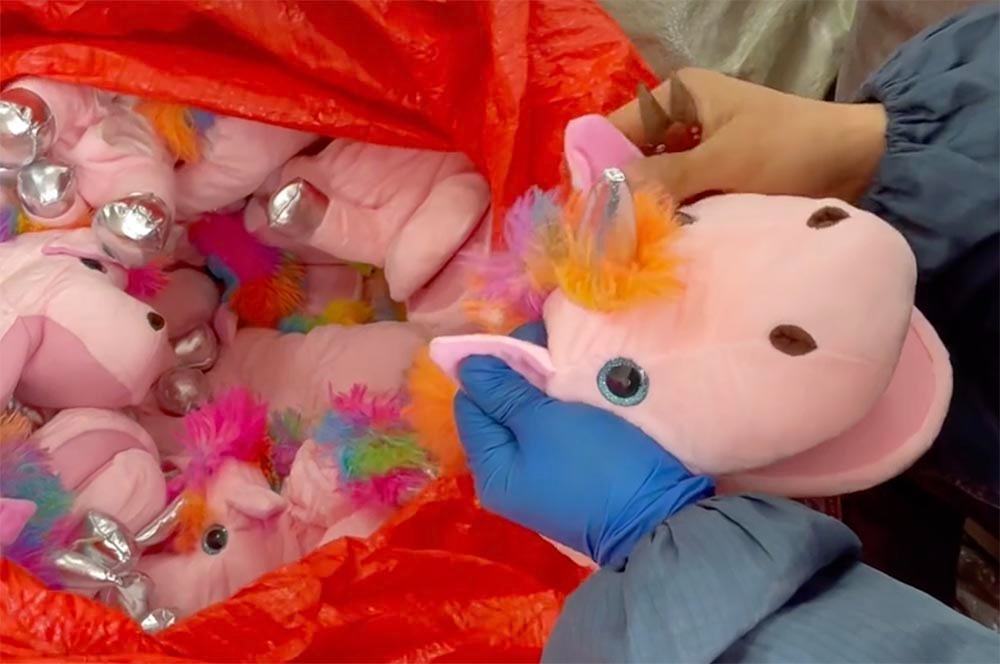
A plush quality issue is any deviation from the approved sample, technical specification, safety requirement, or buyer expectation that affects product appearance, function, durability, compliance, packaging, or customer experience. In custom plush manufacturing, the approved sample and written production requirements are the main references for judging whether something is acceptable.
Not every variation is equally serious. Plush toys are soft, textile-based products, so very small differences in fabric pile, hand feel, or sewing shape may occur within agreed tolerance. A real quality issue is a deviation that exceeds the accepted standard or creates commercial, safety, or usability risk.
| Issue Type | Example | Potential Impact |
|---|---|---|
| Appearance issue | Wrong shape, poor symmetry, visible stain | Lower retail value and buyer rejection |
| Workmanship issue | Open seam, loose thread, uneven stitching | Durability risk and customer complaints |
| Material issue | Wrong fabric, shade difference, shedding | Sample mismatch and brand inconsistency |
| Stuffing issue | Too soft, too firm, lumpy, uneven filling | Poor hand feel and shape instability |
| Safety issue | Loose small part, broken needle risk | Compliance risk and serious liability |
| Packaging issue | Wrong barcode, weak carton, missing label | Warehouse delay or retail rejection |
Buyers should understand that quality evaluation depends on clear standards. If the product brief is vague, the factory and buyer may judge the same product differently. That is why we always prefer to work from an approved sample, tech pack, material references, measurement tolerance, and packaging instructions.
The earlier these standards are confirmed, the easier it is to identify and resolve quality issues objectively. A professional factory should not argue around unclear wording. It should help define the standard before bulk production begins.
How Do We Identify Quality Issues During Production?
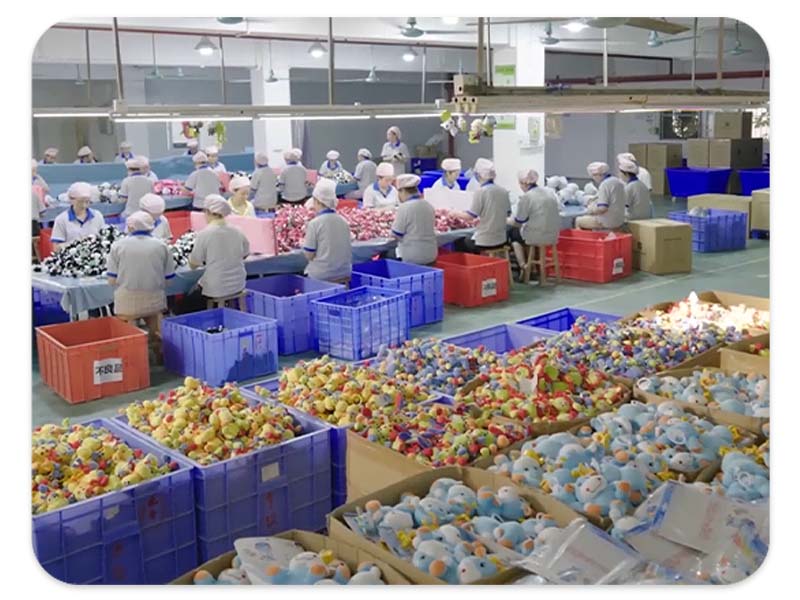
We identify quality issues through multiple checkpoints instead of relying only on final inspection. In plush manufacturing, many problems begin during cutting, embroidery, sewing, stuffing, assembly, or packing. If they are only found after all goods are finished, the correction becomes slower, more expensive, and more stressful for the buyer.
Our quality control process is designed to catch problems as early as possible. This includes incoming material checks, first-off inspection, in-line process checks, needle detection, finished goods inspection, and pre-shipment review.
| Inspection Stage | What We Check | Issue Prevented |
|---|---|---|
| Incoming material check | Fabric shade, texture, defects, filling, accessories | Wrong materials entering production |
| Cutting inspection | Pattern accuracy, pile direction, piece quantity | Shape and size deviation |
| First-off inspection | First bulk units against approved sample | Sample-to-bulk mismatch |
| In-line inspection | Sewing, stuffing, embroidery, accessories | Repeated production defects |
| Needle detection | Hidden metal contamination | Safety hazard before shipment |
| Final QC | Appearance, function, quantity, packing | Defective finished goods shipping out |
The most important part is not simply checking. It is knowing when to stop and act. If QC finds a repeated issue during production, the line should not continue producing the same defect. The affected goods must be separated, the cause must be checked, and production settings or worker instructions must be corrected.
This approach reduces buyer risk because the factory does not wait until the end to discover whether the batch is acceptable. It also gives buyers clearer visibility into how quality is being managed before shipment.
What Happens When a Quality Issue Is Found?
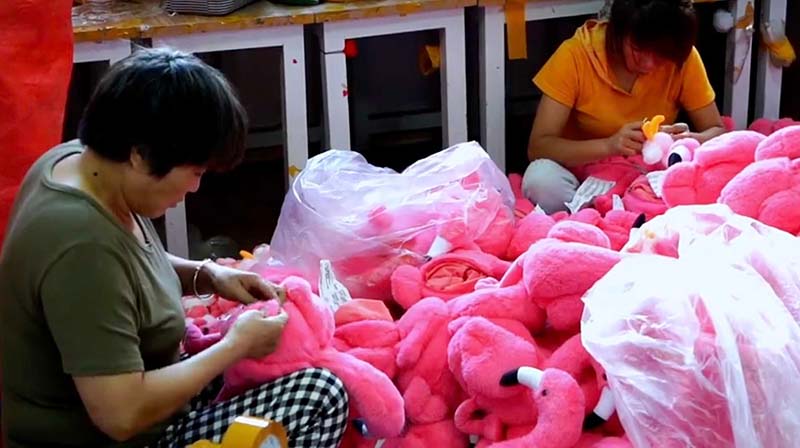
When a quality issue is found, the first step is to prevent it from spreading. The affected items are separated from normal production, the issue is documented, and the responsible team checks whether the problem is isolated or repeated across a larger batch.
This isolation step is critical. If defective units are mixed with approved goods, the factory loses control of the situation. A professional quality process protects the order first, then investigates the cause.
| Step | Factory Action | Purpose |
|---|---|---|
| 1. Identify | QC confirms the defect type and severity | Define the problem clearly |
| 2. Isolate | Affected goods are separated and marked | Prevent mixing with approved goods |
| 3. Trace | Check production time, worker, materials, machine, process | Find the possible source |
| 4. Evaluate | Decide whether goods can be repaired, replaced, or accepted with approval | Choose correct handling method |
| 5. Correct | Repair, remake, adjust process, or replace material | Resolve the issue |
| 6. Verify | QC rechecks corrected goods | Confirm the solution works |
Different issues require different responses. Loose threads may be trimmed and rechecked. A seam strength problem may require repair or production adjustment. Wrong fabric or wrong embroidery may require remaking affected units. A safety-related issue must be handled more strictly and cannot be treated as a cosmetic defect.
At Kinwin, we do not treat all problems as simple rework. The handling method depends on the root cause, severity, buyer requirement, and whether the correction can restore the product to approved standard.
How Do We Analyze the Root Cause of Plush Quality Problems?
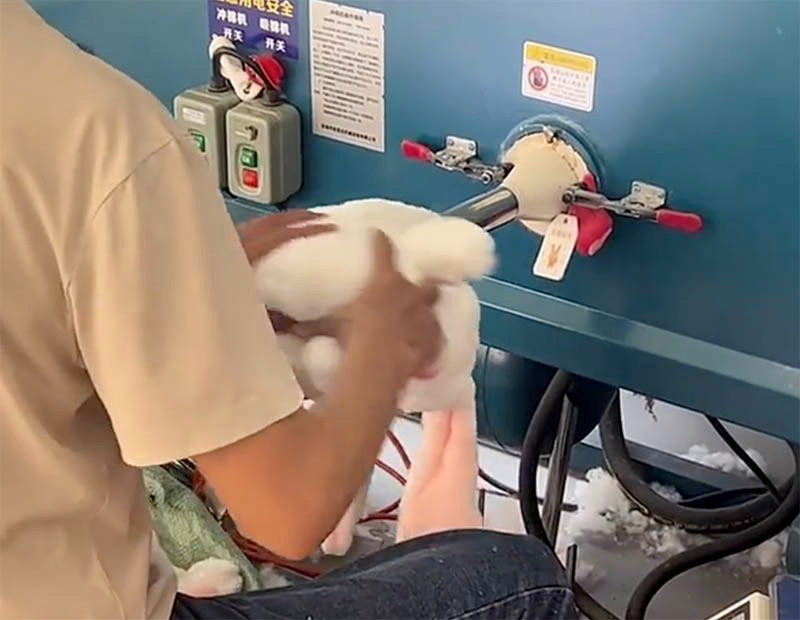
Root cause analysis is the process of finding why the quality issue happened, not only what defect appeared. This matters because repairing defective units does not prevent the same issue from happening again if the underlying cause remains in the process.
In plush toy manufacturing, root causes often come from material variation, unclear specifications, incorrect machine setup, worker misunderstanding, weak first-off inspection, poor fixture control, or changes made during production without approval.
| Quality Problem | Possible Root Cause | Corrective Direction |
|---|---|---|
| Embroidery position off | Panel placement or embroidery setup error | Adjust fixture, confirm first-off, retrain operator |
| Uneven stuffing | No clear filling weight or worker inconsistency | Define stuffing standard and spot-check weight |
| Open seams | Low stitch density or weak seam allowance | Adjust sewing setting and inspect seam strength |
| Color difference | Mixed fabric batches or unapproved substitute | Separate lots and confirm material before cutting |
| Wrong label | Packing instruction not clear or label mix-up | Strengthen packing checklist and label control |
| Shape mismatch | Pattern adjustment not transferred to production | Update tech pack and approved sample reference |
A useful root cause analysis should be practical. It should identify what changed, where the control failed, and what action will stop recurrence. If the answer is only “worker mistake,” the solution is usually incomplete. The real question is why the worker was able to make that mistake and why the process did not catch it earlier.
For buyers, this kind of thinking is important because it shows whether a factory is serious about long-term quality. A factory that only repairs defects may repeat them. A factory that corrects the system becomes more reliable with every order.
How Do We Communicate Quality Issues to Buyers?
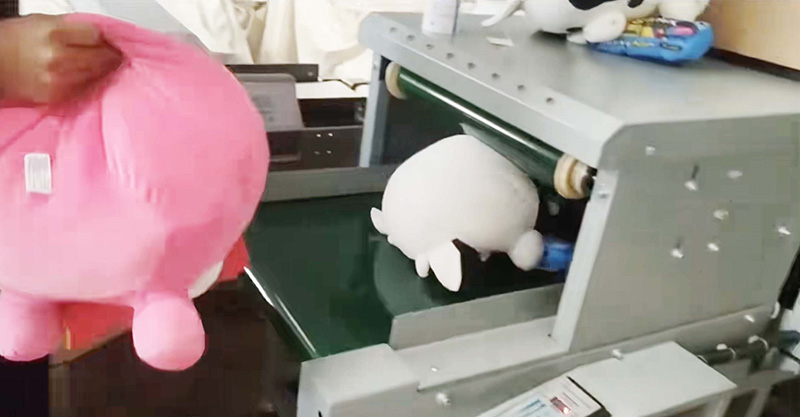
Quality issue communication should be early, factual, and solution-oriented. Buyers do not want vague messages or delayed explanations. They need to know what happened, how many units are affected, what the factory is doing, whether the schedule is impacted, and what decision, if any, is required from the buyer.
Professional communication is especially important when the issue may affect approved appearance, delivery time, compliance, packaging, or cost. Hiding the problem until final inspection only creates more pressure and damages trust.
| Communication Item | What We Provide | Why It Helps the Buyer |
|---|---|---|
| Issue description | Clear explanation of defect type | Buyer understands the problem quickly |
| Photos or videos | Visual evidence of issue and comparison | Reduces misunderstanding |
| Affected quantity | Estimated or confirmed number of units | Shows scale of risk |
| Root cause | Production, material, process, or instruction cause | Explains why it happened |
| Correction plan | Repair, remake, replace, sort, or adjust | Gives buyer a path forward |
| Timeline impact | Delay risk or recovery plan | Helps buyer manage launch or shipment planning |
The best time to communicate a problem is when there is still time to fix it. Even if the news is uncomfortable, early communication gives the buyer more control. It also shows that the factory is protecting the order rather than protecting appearances.
At Kinwin, our communication standard is to report meaningful issues with context and a proposed solution. Buyers should not receive a problem without a plan.
How Do We Decide Between Rework, Remake, and Acceptance?
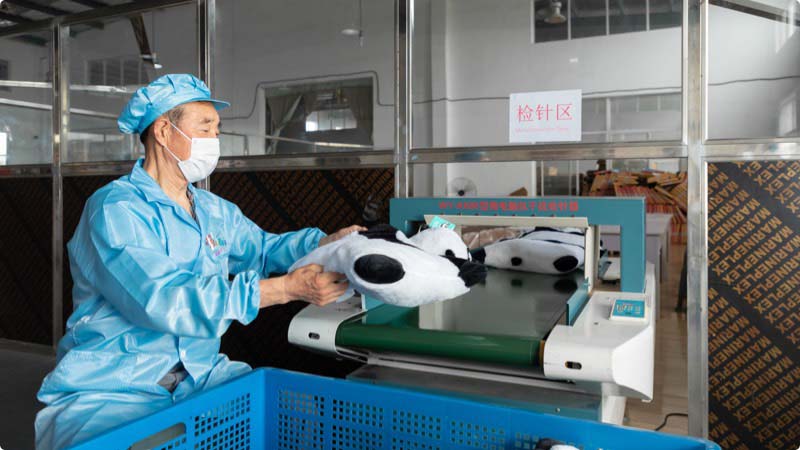
The decision between rework, remake, and acceptance depends on defect severity, safety impact, buyer standard, repair feasibility, timeline, and whether the corrected product can meet the approved requirement. Not every defect should be handled the same way.
Some issues can be repaired safely and cleanly. Others cannot. For example, loose thread trimming is very different from wrong fabric, weak seam construction, incorrect embroidery, or a safety issue. A professional factory should know when rework is acceptable and when remaking is the only responsible option.
| Handling Option | Best For | Not Suitable For |
|---|---|---|
| Rework | Loose threads, minor cleaning, small repairable sewing issues | Issues that weaken structure or leave visible damage |
| Sorting | Mixed batch with some acceptable and some defective units | Systemic defects across the whole batch |
| Remake | Wrong material, wrong embroidery, unsafe construction | Minor cosmetic issues within tolerance |
| Buyer approval | Borderline cosmetic deviation with no safety or function impact | Safety, compliance, or major brand appearance issues |
| Process correction | Repeated defect caused by production method | One-off isolated issue only |
For safety issues, acceptance should not be used as a shortcut. If a problem affects child safety, needle contamination risk, small parts security, seam strength, or compliance, it must be corrected properly before shipment.
For cosmetic issues, the decision can be more flexible, but it should still be transparent. If a deviation is within agreed tolerance, the factory can explain it. If it is outside tolerance, the buyer should be involved before shipment decisions are made.
How Do We Prevent the Same Quality Issue from Happening Again?
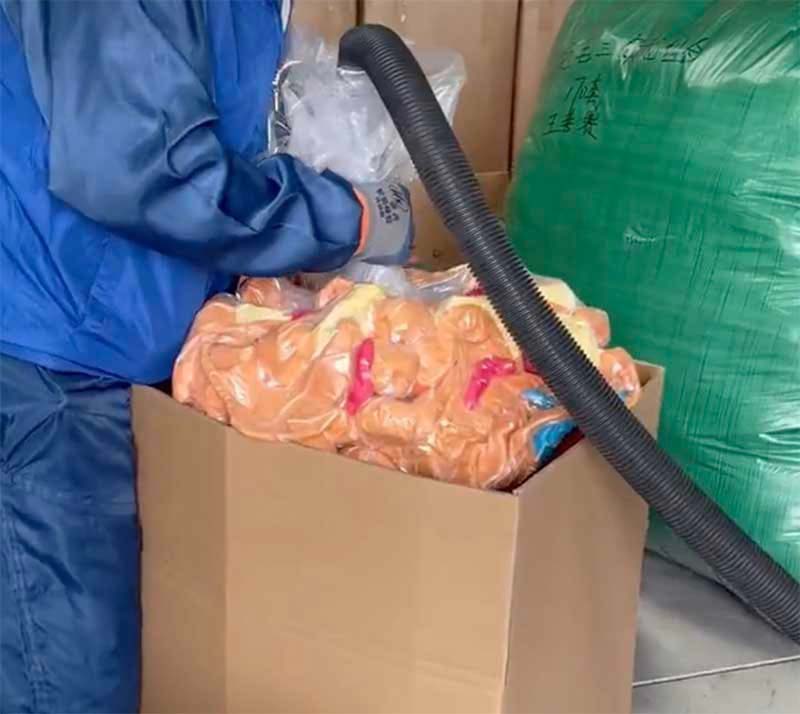
Preventing recurrence is the most important part of quality issue handling. A factory that only fixes the current batch may protect one shipment, but a factory that improves the process protects future orders as well.
Prevention usually requires updating instructions, improving checkpoints, retraining workers, adjusting tools, confirming materials earlier, strengthening first-off inspection, or revising the tech pack. The right action depends on the root cause.
| Root Cause | Preventive Action | Long-Term Benefit |
|---|---|---|
| Unclear specification | Update tech pack and approval notes | Fewer interpretation errors |
| Worker misunderstanding | Training and visual production standard | Better line consistency |
| Material variation | Stronger incoming material inspection | More stable fabric and color quality |
| Machine setup issue | Setup confirmation before production | Reduced embroidery or sewing deviation |
| Weak in-line control | Add PQC/IPQC checkpoint | Earlier detection of repeated defects |
| Packing mistake | Packaging checklist and label control | Fewer shipping and warehouse problems |
Prevention also depends on internal communication. If QC finds a problem but production does not understand it, the issue may return. If the sampling team updates a design but production uses an old version, the same mismatch can happen again. Quality prevention requires information to move clearly across departments.
Kinwin keeps production standards, approved samples, and key quality notes aligned so repeat orders can become more stable over time. This is one reason long-term buyer-factory relationships often produce better quality than one-time spot orders.
How Should Buyers Evaluate a Factory’s Quality Issue Handling?
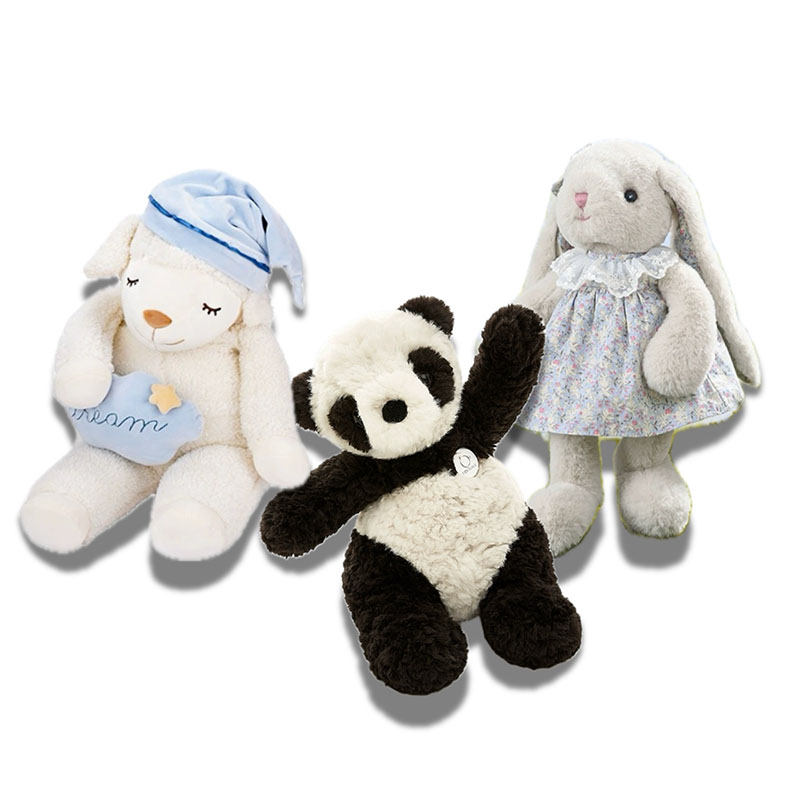
Buyers should evaluate quality issue handling before problems happen. A reliable plush toy manufacturer should be able to explain how defects are identified, isolated, investigated, corrected, documented, and communicated. If a factory cannot explain its issue-handling process clearly, the buyer may face confusion when something goes wrong.
Asking practical questions before placing an order is one of the best ways to understand factory maturity. The goal is not to find a factory that promises perfection. The goal is to find a factory that has a responsible system.
| Buyer Question | Strong Factory Signal | Weak Factory Signal |
|---|---|---|
| What happens if defects are found during production? | Goods are isolated, cause is checked, correction is documented | We fix it at the end |
| Do you provide QC photos or reports? | Reports and photos are available before shipment | No formal records |
| How do you handle sample-to-bulk differences? | First-off inspection and approved sample comparison | Workers follow experience |
| Who decides whether goods need rework or remake? | QC and production management evaluate severity | Line workers decide informally |
| How do you prevent recurrence? | Root cause and corrective action process | Only repair current goods |
Buyers should also pay attention to the supplier’s attitude. A professional factory does not become defensive when quality is discussed. It understands that buyers need confidence, records, and clear communication. Quality issue handling is part of responsible manufacturing, not an embarrassment to hide.
At Kinwin, we aim to give buyers a clear path when quality concerns appear. The process is based on inspection, facts, corrective action, and buyer communication, so decisions can be made calmly and professionally.
Conclusion
Handling plush quality issues well requires more than repairing defects. It requires a complete process: identify the issue, isolate affected goods, analyze the root cause, communicate clearly, choose the correct handling method, verify the correction, and prevent the same issue from happening again.
For buyers, this kind of factory discipline reduces shipment risk, protects product quality, and creates more confidence before goods leave the factory. The best manufacturing partners are not the ones who simply promise that nothing will ever go wrong. They are the ones who know exactly what to do when a problem appears.
If you are sourcing custom plush toys, OEM stuffed animals, promotional plush, or retail plush products, Kinwin can support your project with structured quality control, practical issue handling, clear communication, and export-ready production management.
FAQ
What are the most common plush toy quality issues?
Common issues include loose seams, uneven stuffing, embroidery misalignment, wrong fabric shade, loose threads, stains, incorrect labels, weak accessories, packaging errors, and sample-to-bulk differences.
Can all plush quality issues be repaired?
No. Minor issues such as loose threads or small repairable sewing defects may be reworked. Major issues such as wrong fabric, unsafe construction, serious embroidery errors, or compliance risks may require remaking affected units.
How should a factory communicate quality problems?
A professional factory should communicate early with photos, affected quantity, root cause, correction plan, and timeline impact. Buyers should not discover serious issues only at final shipment stage.
What is root cause analysis in plush manufacturing?
Root cause analysis means identifying why a defect happened, such as material variation, unclear specification, worker misunderstanding, machine setup error, or weak in-line inspection. It helps prevent recurrence.
Should buyers accept minor cosmetic deviations?
It depends on the approved tolerance, product type, brand standard, and market channel. Minor cosmetic differences may be acceptable if they do not affect safety, function, or brand value, but buyers should approve them knowingly.
How can buyers reduce quality issue risk before production?
Buyers can reduce risk by providing a clear brief, approving a sample, confirming materials, using a tech pack, defining tolerances, requesting QC checkpoints, and discussing issue-handling procedures before bulk production.
How does Kinwin handle quality issues?
Kinwin handles quality issues through inspection, isolation, root cause analysis, corrective action, rework or remake decisions, verification, and clear buyer communication before shipment.