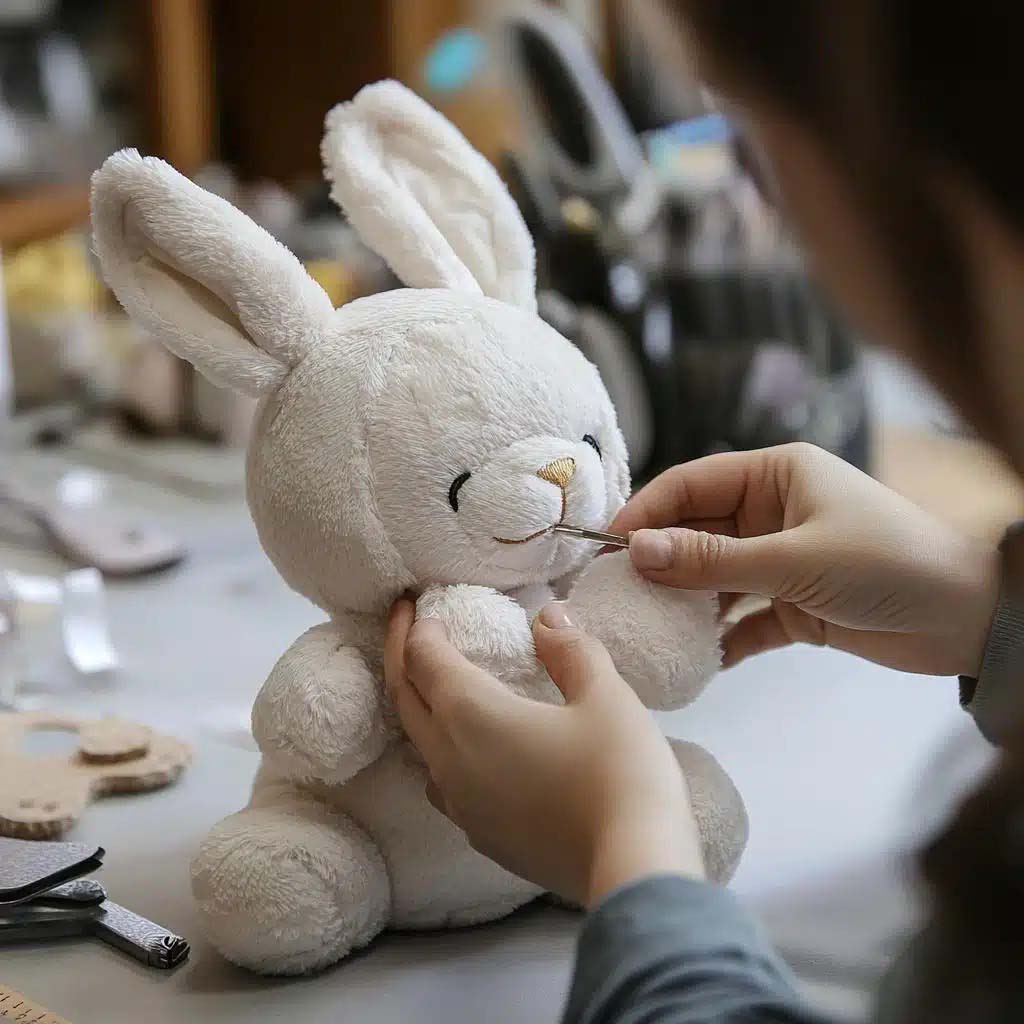
Before any plush toy goes into mass production, it has to be built once—by hand, carefully, and often more than once. That process is called sampling, and it comes with its own costs that are separate from your bulk production price.
For many buyers entering the custom plush market, sampling fees are one of the first unexpected expenses they encounter. Some assume that factories offer free samples as a standard practice. Others are surprised by how much a single prototype can cost before a single bulk unit is confirmed.
Understanding what sampling fees actually cover—and why they exist—helps you plan your project budget more accurately, set realistic timelines, and avoid misunderstandings with your manufacturer from the very beginning.
What Are Sampling Fees in Plush Toy Manufacturing and Why Do They Exist?
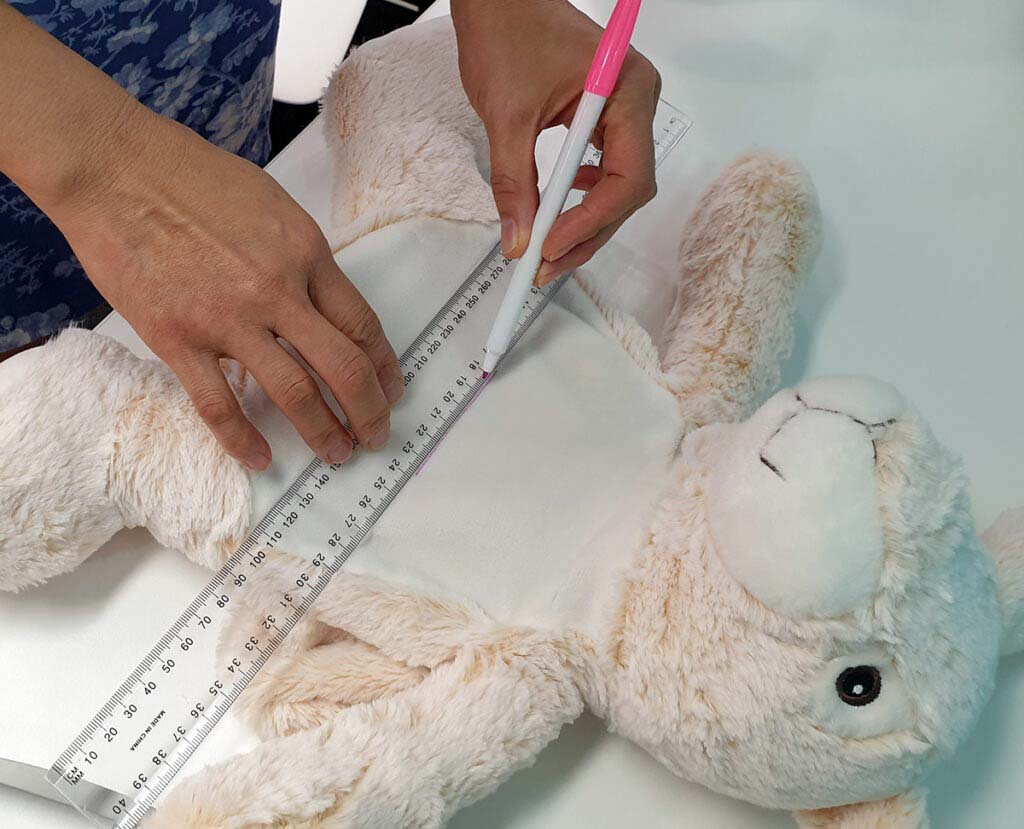
Sampling fees are the charges a plush toy manufacturer applies to cover the cost of developing a physical prototype of your custom product before mass production begins. These fees are not arbitrary—they reflect the real labor, materials, and technical work required to turn a design concept into a production-ready physical sample.
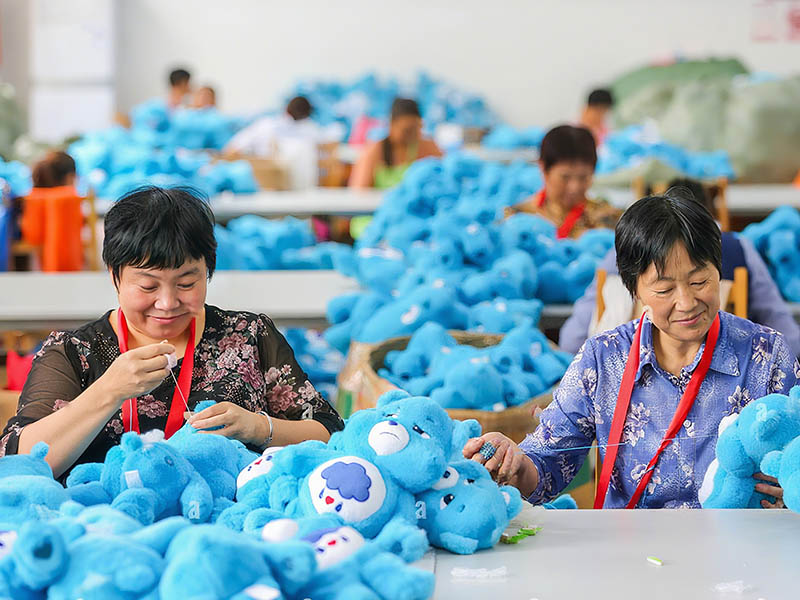
Sampling fees in plush toy manufacturing exist because every custom product requires dedicated development work that cannot be reused or shared across other clients. This includes creating new patterns, cutting and sewing by hand, sourcing specific materials, and assembling a prototype that accurately represents the final product. These costs are separate from bulk production because the processes involved are fundamentally different.
Here is a breakdown of why sampling fees are charged and what they represent:
| Reason for Fee | What It Covers | Why It Cannot Be Avoided |
|---|---|---|
| Custom pattern creation | New cutting templates for your design | Every unique shape needs its own pattern |
| Skilled handwork | Experienced sewers build samples manually | Cannot use automated production lines |
| Material sourcing | Small quantities of specific fabrics and accessories | Cannot use bulk material pricing |
| Design interpretation | Converting 2D artwork into 3D product | Requires technical skill and time |
| Quality verification | Checking sample against specifications | Ensures production accuracy |
| Revision incorporation | Adjusting sample based on buyer feedback | Each round requires rework labor |
The core reason sampling fees exist is that prototype development is a skilled, labor-intensive process that operates entirely differently from mass production. On a bulk production line, machines handle repetitive tasks efficiently across thousands of units. During sampling, a skilled pattern maker and sewer build your product essentially from scratch, making judgment calls at every step to interpret your design accurately.
For buyers, it helps to think of sampling fees as a product development investment rather than a purchase. You are not buying a finished product—you are paying for the expertise and time required to figure out exactly how your product should be made before committing to a full production run.
What Does the Sampling Process Actually Involve from Brief to Final Sample?
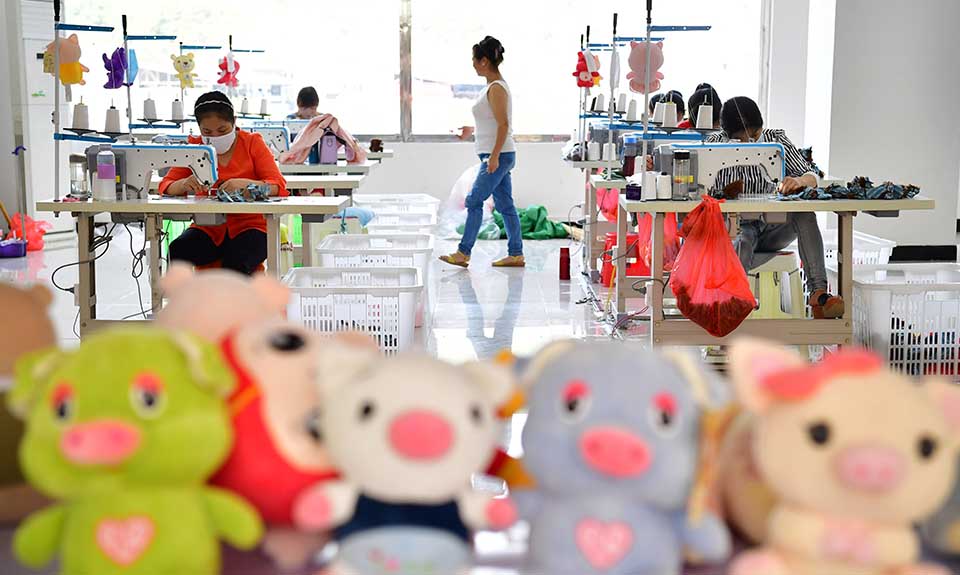
Many buyers think of sampling as simply receiving a physical prototype in the mail. In reality, the sampling process is a multi-step development cycle that involves design interpretation, pattern engineering, material preparation, construction, and iterative refinement. Understanding each stage helps you appreciate where the costs come from and how to make the process more efficient.
The plush toy sampling process begins with a detailed design brief and ends with a production-approved sample that the factory can reliably replicate at scale. Between these two points, multiple technical and creative steps take place, each requiring specialized skills and time that contribute directly to the sampling fee.
Here is an overview of the full sampling process from start to finish:
| Stage | What Happens | Who Is Involved | Time Required |
|---|---|---|---|
| Design brief review | Factory reviews artwork, reference images, and specifications | Product developer | 1–2 days |
| Pattern making | Technical patterns are drawn and adjusted for the design | Pattern maker | 2–4 days |
| Material sourcing | Specific fabrics, fillings, and accessories are prepared | Purchasing team | 1–3 days |
| First construction | Sample is hand-sewn and assembled | Skilled sewer | 2–4 days |
| Internal review | Factory checks sample against brief before sending | QC team | 1 day |
| Buyer review | Buyer evaluates sample and provides feedback | Buyer | Varies |
| Revision round | Factory adjusts pattern and rebuilds based on feedback | Pattern maker + sewer | 3–5 days per round |
| Sample approval | Final sample is approved for mass production reference | Buyer + factory | 1 day |
One stage that buyers often underestimate is pattern making. This is the technical process of translating your 2D design into a set of fabric cutting templates that, when sewn together, produce the correct three-dimensional shape. For a simple design, this may take one to two days. For a complex character with multiple panels, asymmetrical features, or attached accessories, pattern making alone can take three to five days.
Material preparation is another step that adds time and cost. Unlike bulk production, where materials are already stocked in large quantities, sampling often requires sourcing small amounts of specific fabrics, threads, or accessories that may not be available in the factory’s existing inventory. This sourcing process takes time and incurs a cost premium because small quantities cannot be purchased at bulk pricing.
The internal review stage is worth highlighting because professional factories conduct their own quality check before sending the sample to the buyer. This step catches obvious issues—proportion problems, stitching errors, or material inconsistencies—before they reach the buyer, reducing unnecessary revision rounds and keeping the project timeline on track.
Which Cost Components Are Typically Included in Plush Toy Sampling Fees?
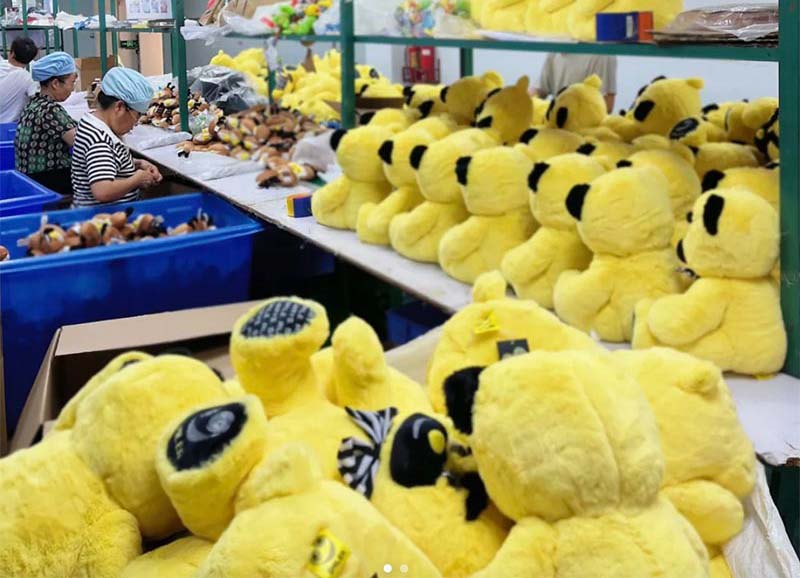
When a manufacturer quotes a sampling fee, that single number typically covers several distinct cost components. Buyers who understand what is included in the fee are better positioned to evaluate whether a quote is reasonable and to identify any items that may be charged separately.
Plush toy sampling fees generally include pattern making, material costs, skilled sewing labor, internal quality review, and packaging of the sample for shipment. Some manufacturers include accessory sourcing and embroidery programming within the base fee, while others charge these as separate line items depending on the complexity of the project.
Here is a detailed breakdown of typical cost components within a plush toy sampling fee:
| Cost Component | What It Covers | Typical Cost Contribution | Charged Separately? |
|---|---|---|---|
| Pattern making | Creating cutting templates for the design | 20–30% of total fee | Rarely |
| Material cost | Fabric, filling, thread, accessories | 25–35% of total fee | Sometimes for premium materials |
| Sewing labor | Hand construction of the prototype | 25–35% of total fee | Rarely |
| Embroidery programming | Setting up embroidery machine for new artwork | 10–15% of total fee | Sometimes |
| Custom mold or tooling | New molds for unique accessories or plastic parts | Variable | Often separately |
| Internal QC review | Factory inspection before dispatch | Included in most cases | Rarely |
| Sample packaging and shipping | Protecting and sending the sample | Sometimes included | Often charged separately |
Pattern making is one of the most significant cost drivers in sampling, particularly for original designs. A pattern is essentially a reusable technical asset—once created and approved, it is stored by the factory and used as the production reference for all future orders of the same design. This means the pattern making cost is a one-time investment that does not recur on reorders.
Embroidery programming is another component that buyers are often surprised to find included in sampling fees. When a design includes embroidered features—such as facial details, logos, or decorative elements—the factory must program the embroidery machine specifically for that artwork. This programming takes time and requires a skilled technician, and the cost is typically included in the initial sampling fee.
Custom molds for accessories deserve special attention. If your design includes unique plastic components—such as a custom-shaped nose, a branded badge, or a specially designed button—a new mold must be created for each component. Mold costs vary widely depending on complexity but can range from $200 to $600 per piece. These are almost always charged separately from the base sampling fee and are typically one-time costs that are reused for future production runs.
How Does Design Complexity Affect the Cost of a Plush Toy Sample?
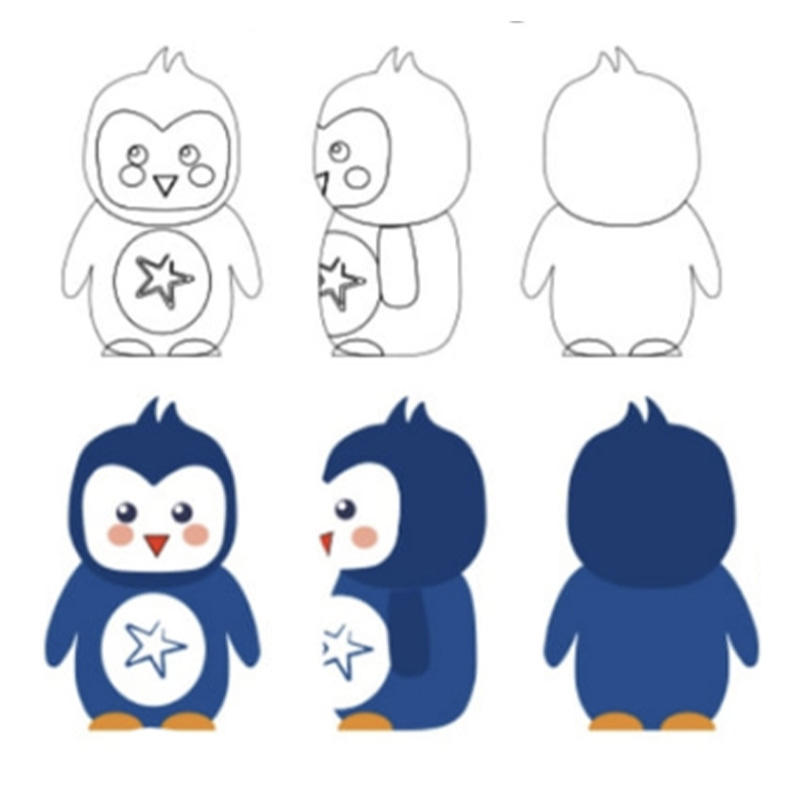
Not all custom plush toys cost the same to sample. Design complexity is one of the most significant variables that influences how much time, skill, and material the factory must invest to produce an accurate prototype. Understanding which design elements drive complexity—and cost—helps buyers make informed decisions during the design phase.
Design complexity directly affects plush toy sampling fees by increasing the number of pattern pieces required, the level of sewing skill needed, the time spent on construction, and the likelihood of multiple revision rounds. Simple designs with standard shapes and limited detail can often be sampled quickly and affordably, while highly customized characters with unique proportions and multiple components require significantly more development investment.
Here is a clear comparison of how design elements affect sampling cost and time:
| Design Element | Low Complexity | High Complexity | Cost Impact |
|---|---|---|---|
| Shape | Standard animal form | Unique character silhouette | High |
| Number of fabric panels | 4–6 panels | 12+ panels | High |
| Facial features | Embroidered face | Multi-part sculpted face | Medium-High |
| Accessories | None or standard | Custom-molded, multiple pieces | High |
| Fabric types | Single fabric | Multiple fabrics combined | Medium |
| Color areas | 1–2 colors | 5+ colors with precise placement | Medium |
| Functional elements | None | Zipper, pocket, sound module | High |
| Size | Standard (30–45cm) | Oversized or miniature | Medium |
One of the most impactful complexity drivers is the number of fabric panels in a design. A standard teddy bear can be constructed from as few as five or six pattern pieces. A custom character with distinctive limb proportions, a shaped body, and detailed surface features may require fifteen or more individual panels—each of which must be accurately cut, aligned, and sewn. This directly multiplies the labor time required for both pattern making and construction.
Functional elements represent another significant complexity factor. A simple plush toy with no moving parts or functional features is straightforward to sample. Adding a zippered pocket introduces a new material component, a construction step, and a functional test. Adding a sound module requires electronics sourcing, assembly integration, and functional verification. Each addition increases both sampling time and cost.
Miniature sizes, while appearing simpler, often add complexity in a different way. Working at a very small scale requires greater precision in cutting and sewing, as small tolerances for error leave less room for adjustment. This can increase the time required per unit even when the design itself is not particularly complex.
For buyers working with a limited sampling budget, one practical strategy is to separate design ambition from design complexity. A product can be visually distinctive and emotionally engaging without requiring an unusually high number of panels or components. Working with an experienced manufacturer during the design phase to identify cost-efficient ways to achieve the desired result is one of the most effective ways to manage sampling costs.
Are Plush Toy Sampling Fees Refundable When You Place a Bulk Order?
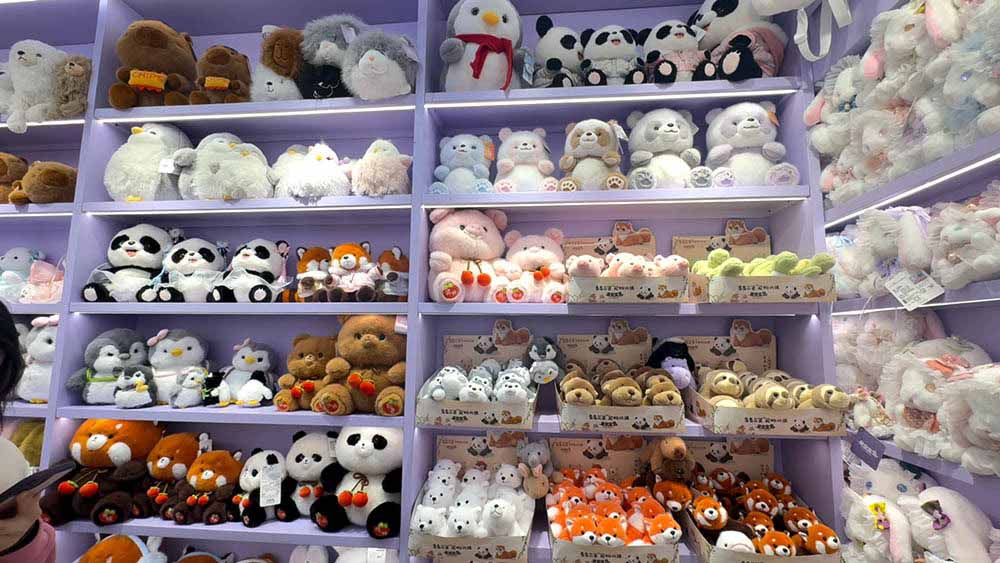
One of the most common questions buyers ask about sampling fees is whether they get their money back when they move forward with a bulk order. The answer depends on the manufacturer’s policy, and it is something every buyer should clarify before the sampling process begins.
Many plush toy manufacturers offer to deduct sampling fees from the bulk order cost once a production order is confirmed. However, this policy varies significantly between factories, and the terms—including minimum order thresholds and which fee components are deductible—are not always clearly stated upfront. Buyers should always confirm the refund or deduction policy in writing before agreeing to a sample.
Here is a comparison of common sampling fee policies across different manufacturer types:
| Manufacturer Type | Sampling Fee Policy | Deductible on Bulk Order? | Condition |
|---|---|---|---|
| Large OEM factory | Charges full fee | Often yes, partially | Minimum order met |
| Mid-size manufacturer | Charges standard fee | Sometimes | Depends on order value |
| Trading company | May waive fee | Rarely | Limited control over policy |
| Small workshop | Low or no fee | Not applicable | Limited sampling quality |
When a manufacturer offers to deduct sampling fees from the bulk order, this typically applies to the base sampling fee—covering pattern making and labor—rather than any mold costs or third-party material expenses. It is important to clarify exactly which components are included in the deduction.
It is also worth understanding why factories charge sampling fees even when they plan to deduct them later. The fee serves as a commitment mechanism. It filters out buyers who are not serious about production, ensures that the factory’s development resources are directed toward projects with genuine commercial intent, and covers the real costs incurred during development regardless of whether a bulk order follows.
For buyers who are confident in their production intent, negotiating a full or partial fee deduction upfront is entirely reasonable. A factory that values long-term relationships is generally willing to structure the arrangement in a way that reflects mutual commitment.
At Kinwin, we apply sampling fees transparently and discuss deduction terms with every client at the start of the project. We believe that clarity at the sampling stage builds the trust needed for a successful long-term sourcing relationship.
How Many Sample Rounds Should Buyers Expect Before Mass Production?
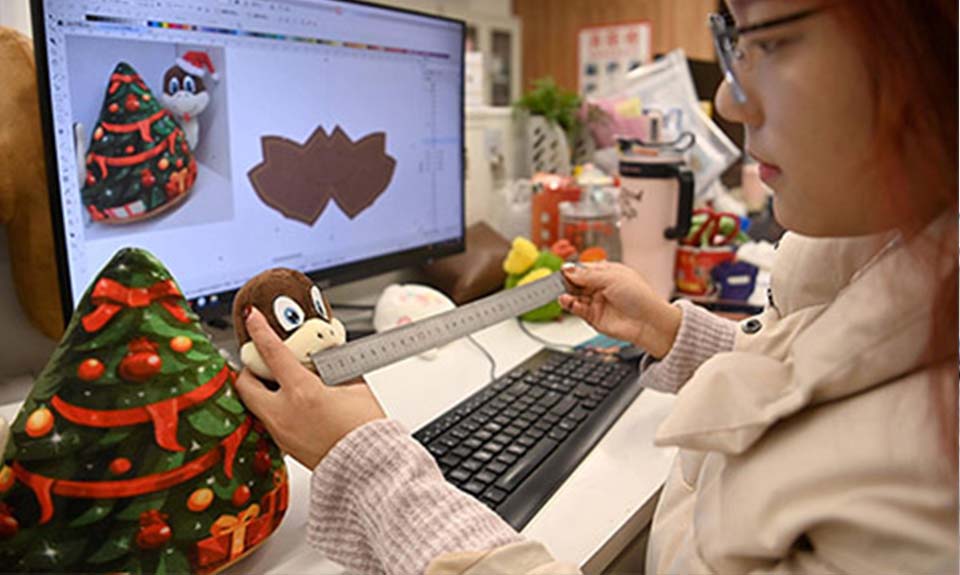
One of the most common causes of budget overruns and timeline delays in custom plush development is underestimating the number of sample rounds required. Most buyers assume that one or two rounds will be sufficient, but the reality depends heavily on design complexity, the quality of the initial brief, and how clearly feedback is communicated between rounds.
The number of sample rounds required before mass production approval typically ranges from one to three for straightforward designs and three to five or more for complex custom characters. Each revision round incurs additional cost and adds time to the overall development timeline. Minimizing revision rounds through detailed upfront preparation is the most effective way to reduce total sampling costs and accelerate time to market.
Here is a realistic timeline and cost estimate for different development scenarios:
| Development Scenario | Typical Sample Rounds | Estimated Time | Relative Cost |
|---|---|---|---|
| Simple design, clear brief | 1–2 rounds | 2–4 weeks | Low |
| Moderate complexity, good brief | 2–3 rounds | 4–6 weeks | Medium |
| Complex design, evolving brief | 3–5 rounds | 6–10 weeks | High |
| Highly custom character | 4–6 rounds | 8–14 weeks | Very High |
The most common reason for excessive revision rounds is an incomplete or ambiguous design brief. When a factory receives a concept that lacks clear specifications—such as precise dimensions, color references, fabric requirements, or construction details—they must make assumptions during sampling. These assumptions often do not align with the buyer’s expectations, resulting in revisions that could have been avoided with better upfront communication.
Another frequent cause of additional rounds is feedback that changes in scope between revisions. If a buyer requests size adjustments in round one, fabric changes in round two, and proportion modifications in round three, each change may invalidate work completed in the previous round. Consolidating all feedback into comprehensive, clearly documented revision notes at each stage significantly improves efficiency.
Professional manufacturers will often provide structured feedback forms or revision templates to help buyers communicate changes clearly. Using these tools—or creating your own systematic feedback process—can meaningfully reduce the number of rounds required.
How Can Buyers Reduce Sampling Costs Without Slowing Down Development?
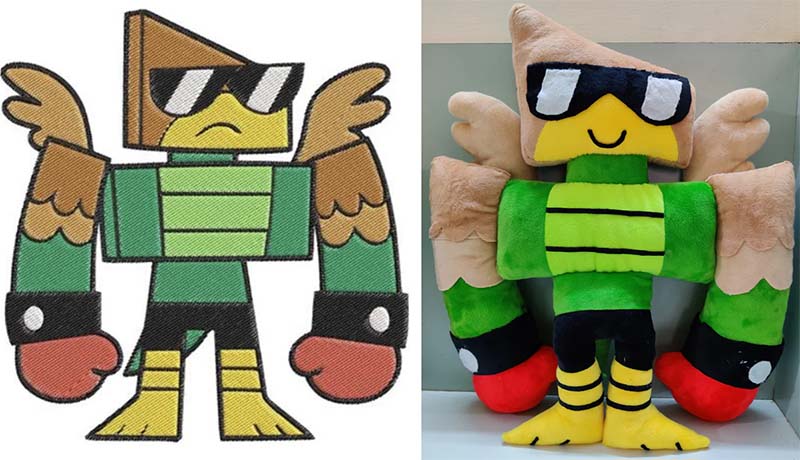
Sampling costs are a necessary investment in custom plush development, but they do not have to be excessive. Buyers who approach the sampling stage strategically can significantly reduce total spending without compromising on sample quality or extending the development timeline.
Buyers can reduce plush toy sampling costs by providing detailed and complete design briefs upfront, consolidating feedback efficiently between revision rounds, reusing existing patterns where possible, limiting the number of simultaneous samples in development, and choosing manufacturers with strong pattern-making capability who can interpret designs accurately on the first attempt.
Here is a practical cost reduction guide for the sampling stage:
| Strategy | Cost Impact | Time Impact | Difficulty to Implement |
|---|---|---|---|
| Provide complete design brief with specs | High saving | Reduces rounds | Low — requires preparation |
| Consolidate all feedback per revision | Medium saving | Fewer rounds | Low — requires discipline |
| Reuse existing base patterns | Medium saving | Faster start | Low — discuss with factory |
| Limit simultaneous samples | Medium saving | Staged launches | Low — planning required |
| Avoid scope changes mid-development | High saving | Prevents restarts | Medium — requires clear direction |
| Use digital mockup for early alignment | Medium saving | Earlier agreement | Low — design tool needed |
The single most impactful thing a buyer can do to reduce sampling costs is invest time in preparing a thorough design brief before approaching the factory. A brief that includes clear reference images, accurate dimensions, Pantone color codes, fabric feel references, and construction notes gives the factory everything they need to build an accurate first sample. This dramatically reduces the likelihood of misinterpretation and eliminates the most common cause of unnecessary revision rounds.
Digital mockups or 3D renderings are another increasingly popular tool for reducing sampling costs. By developing a detailed visual representation of the product digitally and aligning on it with the factory before physical sampling begins, buyers can resolve most proportion and design questions without incurring the cost of a physical revision round. Many professional manufacturers can now work from digital references directly, which speeds up pattern making and improves first-round accuracy.
Reusing base patterns is a strategy that is often available but underutilized. If your new design shares a similar body shape or proportion with a product the factory has previously made, the existing pattern can often be adapted rather than rebuilt from scratch. This reduces pattern making time and cost significantly, and is worth asking about explicitly when briefing a new project.
What Should Buyers Ask a Plush Manufacturer About Sampling Before Starting a Project?
Before committing to sampling with any manufacturer, buyers should ask a clear set of questions that reveal the factory’s process, pricing transparency, and development capability. Asking the right questions upfront prevents misaligned expectations and ensures that both parties understand exactly what is included—and what is not—before the project begins.
Buyers should ask plush toy manufacturers about sampling fees, what is included in those fees, the expected number of revision rounds, timeline from brief to sample delivery, refund or deduction policies, how feedback is managed between rounds, and what documentation is provided with the approved sample. These questions help evaluate both the factory’s capability and their transparency as a business partner.
Here is a complete pre-sampling question guide for buyers:
| Question to Ask | What a Strong Answer Looks Like | Red Flag Response |
|---|---|---|
| What is included in your sampling fee? | Itemized breakdown of components | “It’s a flat fee, nothing more to add” |
| Is the fee deductible on bulk orders? | Clear policy with conditions stated | Vague or contradictory answer |
| How long does your sampling process take? | Specific timeline per round | “It depends” with no further detail |
| How many revision rounds are included? | Defined number with extra round cost stated | No limit mentioned |
| How do you handle design feedback? | Structured form or documented process | Informal, verbal only |
| Can you provide the pattern after approval? | Yes, stored and available for future orders | Ownership unclear |
| What documentation comes with the approved sample? | Spec sheet, measurement report, material list | No documentation offered |
| Have you made similar products before? | Relevant examples or portfolio | Cannot provide references |
One question that buyers often forget to ask is who owns the pattern after it is approved. In most professional manufacturing relationships, the pattern remains with the factory but is exclusively associated with your product and not shared with other clients. However, if you plan to switch manufacturers in the future, understanding ownership terms upfront avoids complications later.
Asking about documentation is equally important. A professional manufacturer should provide a complete specification sheet along with the approved sample, detailing all dimensions, materials, construction methods, and quality standards. This document becomes the production reference and is essential for maintaining consistency across repeat orders.
At Kinwin, we walk every new client through our sampling process in detail before the project begins. We provide a clear fee breakdown, outline our revision policy, and deliver a full specification sheet with every approved sample. Our goal is to make sure that by the time you approve a sample, you have complete confidence in what will be produced at scale—and no surprises waiting for you when your bulk order arrives.
If you are planning a new custom plush project and want to understand exactly what sampling will involve and cost, reach out to our team and we will guide you through the full process from day one.
Conclusion
Sampling fees are not an obstacle to custom plush development—they are an essential part of building a product that performs reliably at scale. Every component of the sampling fee exists because real skill, time, and material go into creating a prototype that accurately represents your vision and can be consistently reproduced in production.
Buyers who understand what sampling fees cover are better equipped to budget accurately, brief their manufacturer effectively, and manage the development process with realistic expectations. Those who treat sampling as a quick formality often find themselves facing more revision rounds, higher total costs, and longer timelines than necessary.
The most successful custom plush projects begin with a clear brief, a transparent manufacturer, and a shared understanding of what the sampling process involves. When these elements are in place, sampling becomes a productive investment that sets the foundation for a strong, consistent, and scalable product.
At Kinwin, we bring years of OEM and ODM plush manufacturing experience to every sampling project. From the first design review to the final approved prototype, we guide our clients through a structured, transparent process that minimizes surprises and maximizes the quality of the finished product. Whether you are developing your first custom plush toy or expanding an established product line, we are here to help you build something worth producing.