Skip to content
Quality problems in plush toy production rarely start on the production line. In most cases, they begin much earlier—when substandard materials enter the factory without being properly checked. This is the core problem that IQC is designed to solve.
For buyers sourcing custom plush toys, understanding IQC is not just a technical exercise. It is a direct window into how seriously a manufacturer takes quality before a single stitch is made. A factory with a strong IQC process gives you far more confidence in production consistency, compliance, and final product quality than one that skips this step entirely.
In this guide, I will explain what IQC means in plush toy manufacturing, how it works in practice, and why it should be one of the first things you ask about when evaluating a supplier.
What Is IQC and Why Does It Matter in Plush Toy Manufacturing?
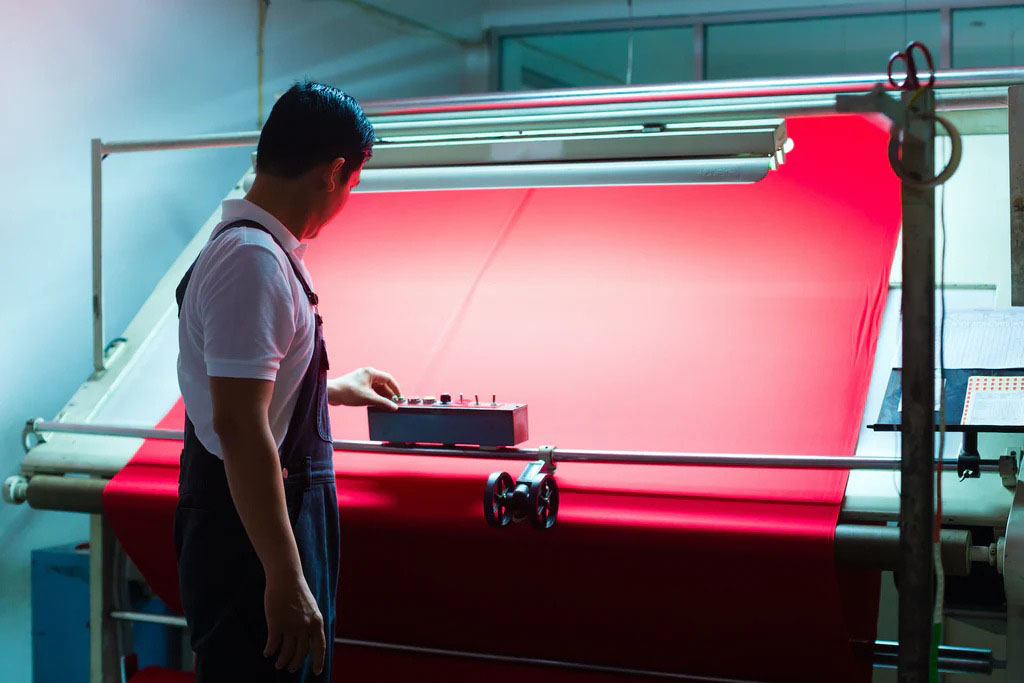
IQC stands for Incoming Quality Control. It is the inspection process that takes place when raw materials and components arrive at the factory—before they are used in any stage of production. In plush toy manufacturing, this includes everything from fabric and filling to accessories, threads, zippers, and packaging materials.
IQC is the first line of defense in a plush toy factory’s quality control system. It ensures that only materials meeting predefined standards enter the production process. By catching defects and non-conforming materials at the earliest possible stage, IQC prevents quality problems from being built into the product itself—which is far more costly to fix later.
Here is an overview of what IQC covers in a typical plush toy factory:
| Material Category | What Is Inspected | Why It Matters | Risk if Skipped |
|---|---|---|---|
| Outer fabric | Color, softness, density, shrinkage | Directly affects product feel and appearance | Color variation, pilling, poor texture |
| Filling material | Density, cleanliness, loft recovery | Affects shape retention and comfort | Flat or uneven products |
| Safety accessories | Size, sharpness, attachment strength | Prevents choking and injury risks | Failed safety tests, recalls |
| Thread | Strength, color fastness | Affects seam durability | Seam breakage in use |
| Embroidery materials | Color accuracy, tension | Affects visual quality | Inconsistent embroidery finish |
| Packaging components | Size accuracy, print quality | Affects retail presentation | Damaged or misfit packaging |
The reason IQC matters so much in plush toy production specifically is that plush products are highly sensitive to material variation. A slight difference in fabric density between two production batches can change how the finished toy looks and feels. A filling material that does not meet loft standards will result in a flat, unattractive product that customers immediately notice.
For buyers sourcing from overseas factories, IQC also serves as a critical compliance safeguard. Materials that have not been properly inspected may contain harmful substances such as azo dyes, heavy metals, or unsafe accessories—all of which can cause products to fail safety testing under ASTM F963 or EN71.
A factory that performs rigorous IQC is not just protecting product quality. It is protecting your brand, your customers, and your ability to sell in regulated markets.
Which Raw Materials Are Inspected During the IQC Process in Plush Production?

In plush toy manufacturing, the range of incoming materials is broader than most buyers realize. Every component that goes into the finished product—whether it is visible or hidden—must be inspected before use. Missing even one category can introduce risks that show up later in production or after the product reaches the customer.
During IQC in plush toy production, all incoming raw materials are subject to inspection, including outer fabrics, filling materials, functional and decorative accessories, threads, labels, and packaging components. Each material type has its own inspection criteria based on its role in the final product and its potential impact on safety and quality.
Here is a detailed breakdown of materials typically inspected during IQC:
| Material Type | Key Inspection Points | Inspection Method | Acceptable Standard |
|---|---|---|---|
| Plush fabric | Color consistency, pile height, density, feel | Visual + physical testing | Matches approved sample |
| PP cotton filling | Whiteness, loft, cleanliness, fiber uniformity | Weight and compression test | Meets density specification |
| Glass beads (weighted) | Size uniformity, surface smoothness, weight accuracy | Sieve test + weight check | Matches spec sheet |
| Safety eyes and noses | Diameter, attachment strength, sharpness | Pull test + visual check | Passes EN71 / ASTM requirements |
| Zippers | Smoothness, pull force, color match | Function test + visual | Operates within standard range |
| Thread | Tensile strength, color fastness | Break test + wash test | Meets seam strength standard |
| Labels and tags | Content accuracy, font size, placement | Visual inspection | Matches regulatory requirements |
| Packaging | Dimensions, print quality, material safety | Measurement + visual | Matches approved sample |
Fabric inspection is typically the most time-intensive part of IQC in plush production. A single fabric roll may be visually perfect at first glance but show inconsistencies in pile height or color tone when compared against the approved reference sample under controlled lighting. These differences, while subtle, can become very visible in the finished product—especially when multiple units are displayed together on a retail shelf or in an online listing photo.
Filling material inspection is equally critical but often underestimated. PP cotton that is too loosely structured will compress quickly, causing the product to lose its shape within weeks of purchase. Glass beads used in weighted plush toys must be checked for size consistency and smooth surface finish, as irregularities can affect weight distribution and tactile comfort.
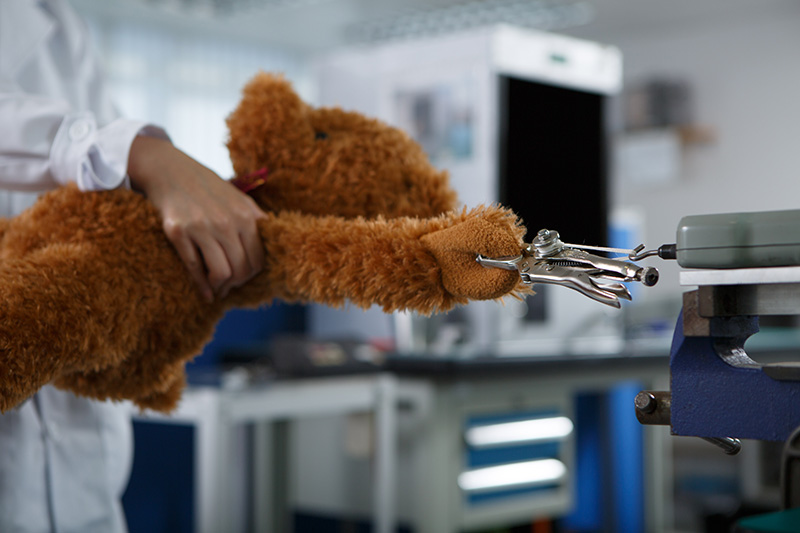
Accessories such as safety eyes, buttons, and decorative elements represent a significant safety risk if not properly inspected. These components must pass pull-force testing to ensure they cannot be detached by a child—or in the case of adult products, that they remain securely attached through repeated use.
How Does IQC Prevent Quality Problems Before Production Begins?
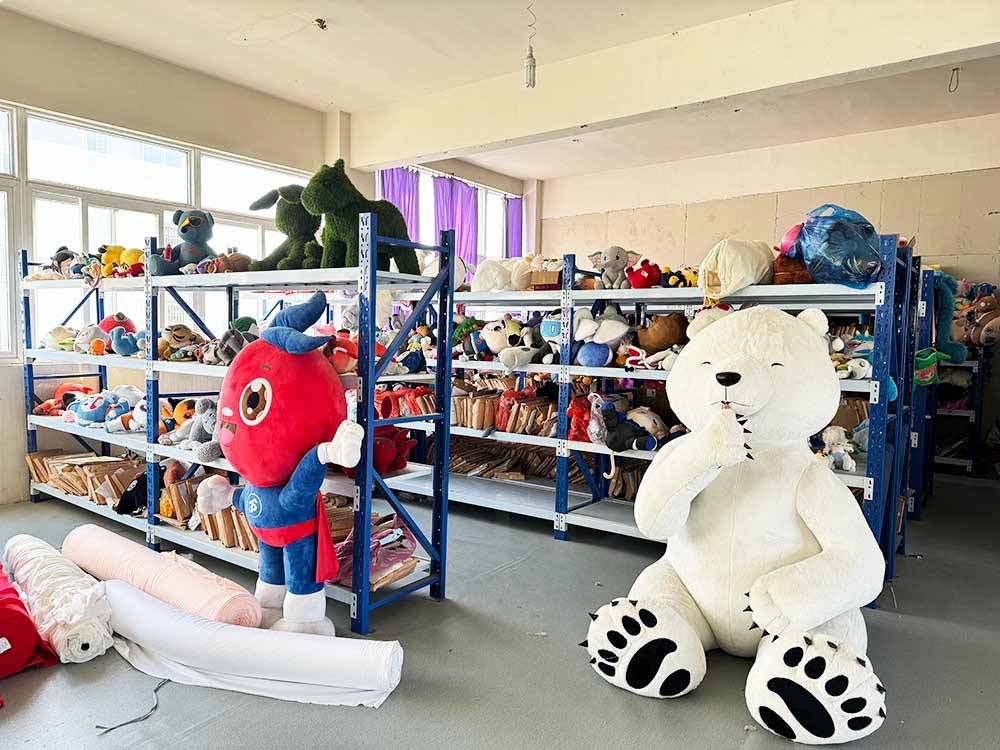
The greatest advantage of IQC is that it stops problems before they multiply. In manufacturing, the cost of fixing a defect increases dramatically the later it is discovered. A material issue caught during IQC costs almost nothing to resolve. The same issue discovered after 10,000 units have been produced can result in full batch rejection, rework costs, shipment delays, and failed customer expectations.
IQC prevents quality problems by identifying non-conforming materials before they enter the production line. When defective or substandard materials are rejected at the incoming stage, the root cause of potential quality failures is eliminated before it can affect any finished product. This makes IQC the most cost-effective point in the entire quality control process.
Here is a clear comparison of defect discovery costs at different production stages:
| Stage of Discovery | Defect Impact | Typical Cost to Resolve | Production Impact |
|---|---|---|---|
| IQC (incoming) | Material only | Low — reject and replace | Minimal delay |
| IPQC (in-process) | Partial production | Medium — rework affected units | Moderate delay |
| FQC (final inspection) | Full production run | High — rework or reject batch | Significant delay |
| Post-shipment | Products at customer | Very high — returns, recalls | Severe damage |
One practical example from plush toy production illustrates this clearly. Suppose a batch of plush fabric arrives with a color that deviates slightly from the approved Pantone reference. If this is caught during IQC, the fabric is returned to the supplier and replaced before any cutting begins. The delay is minimal and the cost is limited to the time spent on inspection.
If the same fabric deviation is not caught and proceeds to cutting and sewing, hundreds or thousands of units may be completed before the color difference is noticed during final inspection. At that point, the options are to rework the affected units, negotiate a quality discount with the buyer, or face rejection of the entire batch. Any of these outcomes is significantly more expensive—in time, money, and supplier relationship trust—than catching the issue at the IQC stage.
IQC also plays a preventive role in compliance management. By verifying that incoming materials carry valid test reports and meet chemical safety standards, the factory can ensure that the finished product is likely to pass third-party safety testing. This is especially important for buyers targeting the US and European markets, where regulatory compliance is a prerequisite for market entry.
What Are the Key Inspection Standards and Testing Methods Used in Plush Toy IQC?
Effective IQC is not simply a visual check. A professional plush toy factory uses a structured combination of visual inspection, physical testing, and documentation review to assess incoming materials against predefined acceptance criteria. The specific standards and methods used depend on the material type and the target market requirements.
IQC in plush toy manufacturing uses a combination of visual inspection, physical and mechanical testing, and certification document review. These methods are applied against acceptance standards derived from international toy safety regulations such as ASTM F963, EN71, and REACH, as well as the factory’s internal quality specifications and buyer-approved samples.
Here is an overview of key testing methods used in plush toy IQC:
| Testing Method | What It Measures | Materials Tested | Reference Standard |
|---|---|---|---|
| Visual inspection | Color, surface defects, workmanship | All materials | Approved sample comparison |
| AQL sampling | Statistical defect rate in batch | All materials | AQL 1.5 / 2.5 level |
| Color fastness test | Dye stability under rubbing and washing | Fabric, thread | EN ISO 105 standards |
| Pull-force test | Attachment strength of accessories | Eyes, buttons, attachments | EN71-1, ASTM F963 |
| Weight and density check | Filling uniformity and accuracy | PP cotton, glass beads | Internal spec sheet |
| Chemical test review | Absence of restricted substances | Fabric, accessories | REACH, CPSIA |
| Dimensional check | Size accuracy of components | All cut parts, accessories | Tech pack specification |
AQL sampling—Acceptable Quality Level—is the statistical framework most factories use to determine how many units to inspect from a given batch and what defect rate is acceptable. A common standard for plush toy components is AQL 1.5 for critical defects and AQL 2.5 for major defects. This means that if the defect rate in the sample exceeds these thresholds, the entire batch is rejected.
Color fastness testing is particularly important for plush fabric because the soft pile surface is prone to dye transfer, especially when the product is wet or subjected to friction. Products that fail color fastness tests can leave dye marks on clothing or skin, which is both a quality issue and a safety concern for sensitive users.
Documentation review is an often-overlooked component of IQC. A rigorous factory will verify that incoming materials are accompanied by valid test reports and material safety data sheets before accepting the delivery. This is especially critical for chemical compliance, where visual inspection alone cannot detect the presence of restricted substances.
How Does IQC Differ from IPQC and FQC in a Complete Quality Control System?
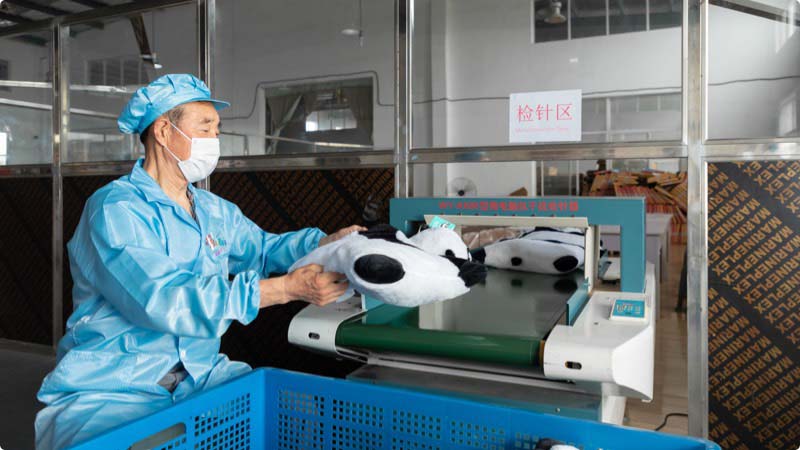
IQC is one part of a three-stage quality control system used by professional plush toy manufacturers. Understanding how these three stages work together helps buyers evaluate whether a supplier has a truly comprehensive quality management approach—or whether they rely only on end-of-line inspection, which is far less effective.
A complete quality control system in plush toy manufacturing consists of three interconnected stages: IQC (Incoming Quality Control), IPQC (In-Process Quality Control), and FQC (Final Quality Control). Each stage targets a different point in the production process and serves a distinct function in preventing, detecting, and correcting quality issues.
Here is a clear comparison of the three stages:
| QC Stage | When It Occurs | What Is Inspected | Primary Goal |
|---|---|---|---|
| IQC | Before production | Incoming materials and components | Prevent defective materials from entering production |
| IPQC | During production | Work-in-progress units at key process steps | Catch and correct issues while production is ongoing |
| FQC | After production | Finished products before shipment | Confirm final product meets all quality and compliance standards |
IQC focuses entirely on materials before any production begins. Its goal is to eliminate the root cause of potential defects at the earliest and least costly point.
IPQC operates during the production process itself. Inspectors check units at critical production steps—such as after cutting, after sewing key seams, or after stuffing—to identify any process-related issues before they affect the entire production run. If a sewing machine is producing inconsistent stitch tension, IPQC catches this early and corrects it before hundreds of units are completed with the same defect.
FQC is the final gate before products leave the factory. It involves a comprehensive inspection of finished units against the approved sample, checking dimensions, appearance, functionality, labeling, and packaging. FQC also typically includes a final AQL sampling inspection that may be witnessed by a third-party inspector if the buyer requires it.
For buyers, the presence of all three stages—not just FQC—is a strong indicator of a factory’s quality management maturity. A manufacturer that relies solely on final inspection is essentially allowing defects to be produced before attempting to catch them, which is both wasteful and risky.
What Happens When Materials Fail IQC in a Plush Toy Factory?
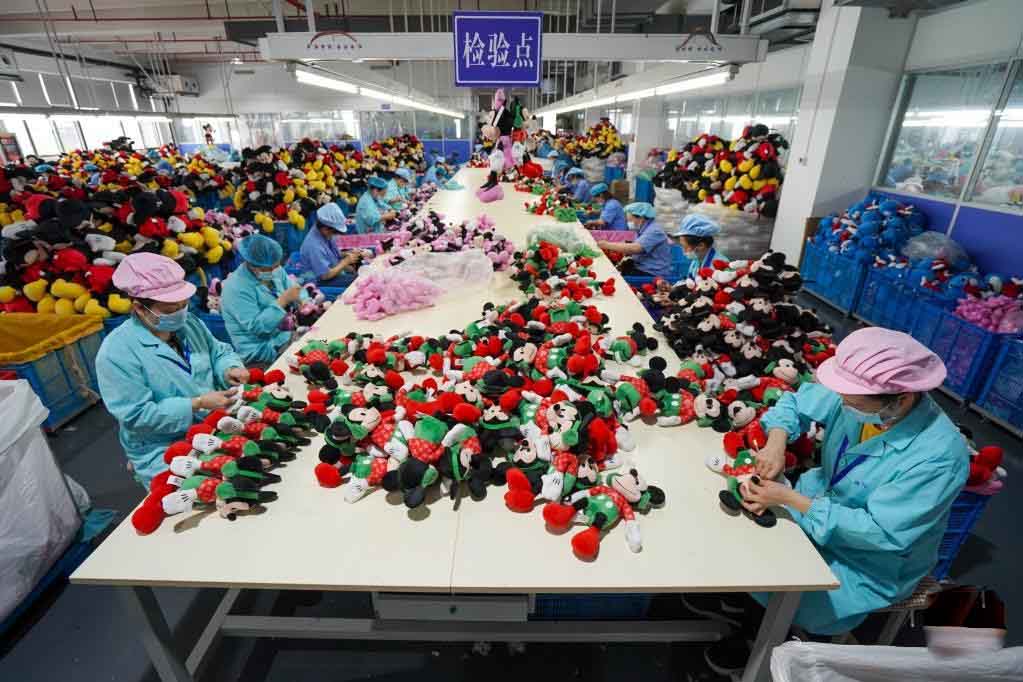
A well-designed IQC system is only as effective as the actions taken when materials fail inspection. How a factory responds to IQC failures reveals a great deal about its quality culture, supplier management capability, and commitment to delivering consistent products.
When materials fail IQC in a plush toy factory, they are quarantined and prevented from entering the production line. The factory then follows a structured non-conformance process that includes documenting the failure, notifying the material supplier, determining the appropriate corrective action, and—if no acceptable resolution is found—sourcing replacement materials before production proceeds.
Here is a typical IQC failure response process:
| Step | Action Taken | Responsibility | Outcome |
|---|---|---|---|
| 1. Identification | Non-conforming material flagged and tagged | QC inspector | Material isolated from production |
| 2. Documentation | Defect type, quantity, and batch recorded | QC team | Non-conformance report created |
| 3. Supplier notification | Supplier informed of failure with evidence | Purchasing team | Supplier accountability established |
| 4. Evaluation | Determine if partial use, rework, or full rejection applies | QC + production manager | Decision on material disposition |
| 5. Resolution | Replace, return, or negotiate with supplier | Purchasing team | Production can proceed |
| 6. Corrective action | Root cause analysis and preventive measures | QC + supplier | Prevents recurrence |
In practice, not every IQC failure results in a complete batch rejection. Minor deviations that fall within an acceptable tolerance range may be approved for use with a documented concession. However, any failure that affects safety, compliance, or significant visual quality must result in full rejection and replacement.
The speed at which a factory can resolve IQC failures is also important for buyers. A supplier with a broad and reliable material supplier network can source replacement materials quickly, minimizing production delays. A factory with a narrow supplier base may face significant delays when a key material fails inspection.
For buyers, it is worth asking potential suppliers directly: what is your process when incoming materials fail IQC? A factory that can describe this process clearly and confidently is one that takes quality management seriously. A factory that cannot answer this question clearly may not have a formal IQC process at all.
How Does a Strong IQC Process Protect Buyers from Costly Production Defects?
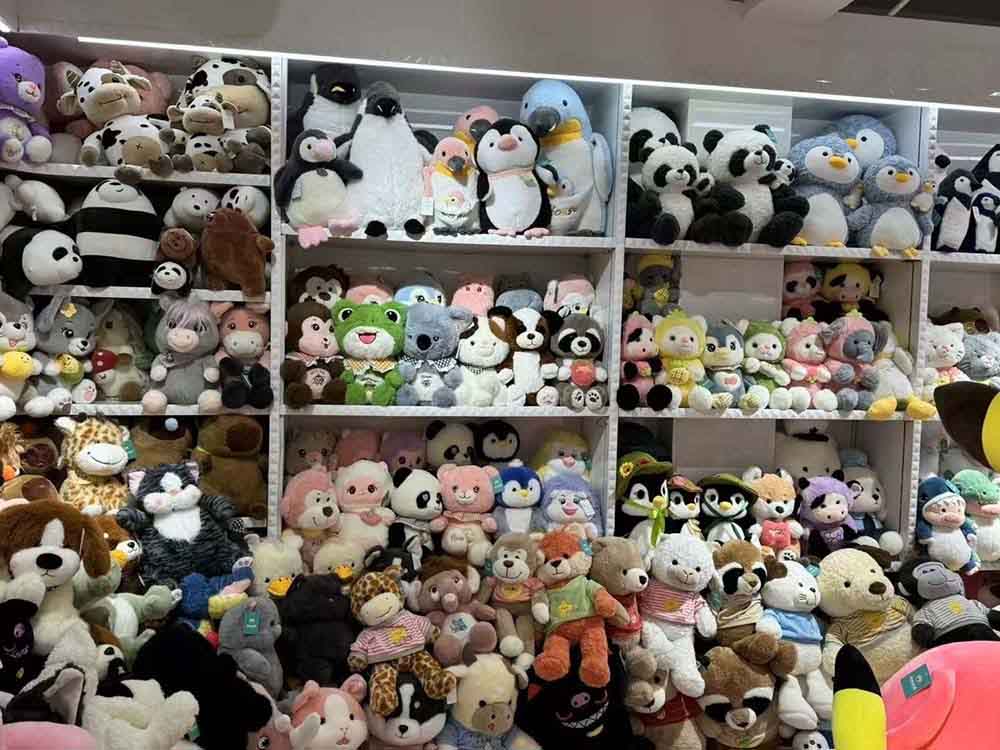
From a buyer’s perspective, IQC may seem like an internal factory process that does not directly concern you. In reality, the strength of a manufacturer’s IQC system has a direct impact on your product quality, your compliance risk, your delivery timeline, and your overall sourcing costs.
A strong IQC process protects buyers by ensuring that only verified, compliant materials enter production. This reduces the likelihood of batch-level quality failures, minimizes the risk of safety non-compliance, and increases the consistency of finished products across multiple production runs. For buyers, this translates directly into fewer returns, lower rework costs, and stronger brand reputation.
Here is a summary of how IQC failures—when not caught—affect buyers downstream:
| IQC Failure Type | Downstream Impact on Buyer | Estimated Cost Consequence |
|---|---|---|
| Fabric color deviation | Visible inconsistency in finished products | Batch rejection or discount negotiation |
| Substandard filling | Product loses shape — customer complaints | Returns, negative reviews |
| Non-certified accessories | Failed safety testing | Listing removal, recall risk |
| Incorrect label content | Customs or compliance rejection | Shipment delay, re-labeling cost |
| Contaminated filling | Health and safety risk | Potential recall, legal exposure |
The connection between IQC and compliance is particularly important. Many buyers source from manufacturers and rely on them to ensure that materials meet regulatory requirements. If a factory does not perform proper IQC—including verification of material test reports—chemically non-compliant materials can enter production undetected. The finished product may then fail third-party safety testing, resulting in costly delays or rejection of the entire shipment.
Strong IQC also directly supports production consistency across repeat orders. When the same material standards are verified at the incoming stage for every production run, the finished product remains consistent batch after batch. This is critical for buyers who reorder the same product regularly and need their customers to receive a consistent experience every time.
How to Evaluate Whether a Plush Toy Manufacturer Has a Reliable IQC System?
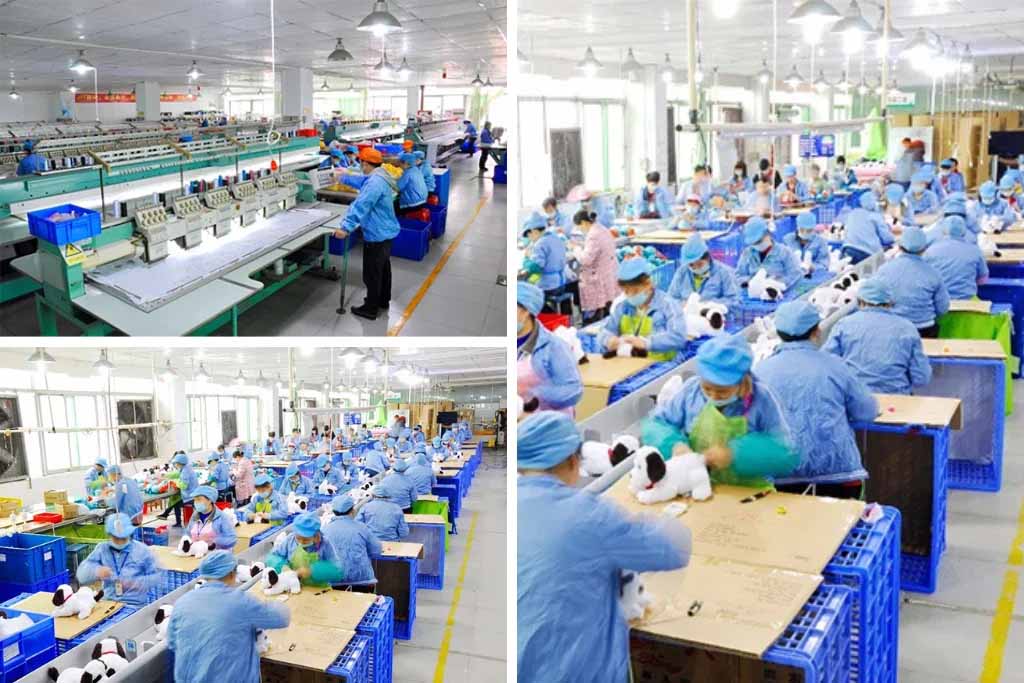
When assessing a potential plush toy supplier, IQC capability is one of the most important factors to investigate—but it is also one that many buyers overlook. A manufacturer who cannot clearly explain their IQC process, or who does not have one at all, represents a significant quality and compliance risk regardless of how competitive their pricing may be.
Buyers can evaluate a plush toy manufacturer’s IQC system by asking targeted questions, requesting documentation, and reviewing factory audit reports. A reliable IQC system will have clear inspection procedures, defined acceptance criteria, documented non-conformance processes, and qualified personnel responsible for incoming material verification.
Here is a practical evaluation checklist for buyers:
| Evaluation Area | What to Ask or Request | Strong Response | Weak Response |
|---|---|---|---|
| IQC procedure | Describe your incoming inspection process | Detailed, step-by-step explanation | Vague or no clear process |
| Inspection standards | What acceptance criteria do you use? | References AQL, approved samples, spec sheets | “We check everything manually” |
| Material certification | Can you provide material test reports? | Yes, available for all key materials | Cannot provide or delays response |
| Non-conformance handling | What happens when materials fail? | Structured process with documentation | No clear answer |
| IQC team | Who is responsible for IQC? | Dedicated QC personnel | Production staff do inspection |
| Audit history | Can you share factory audit reports? | Available from third-party auditors | No audit history available |
One of the most effective ways to assess IQC capability is to request a factory audit report from a recognized third-party organization such as SGS, Bureau Veritas, or Intertek. These reports typically include an assessment of the factory’s quality management system, including incoming inspection procedures.
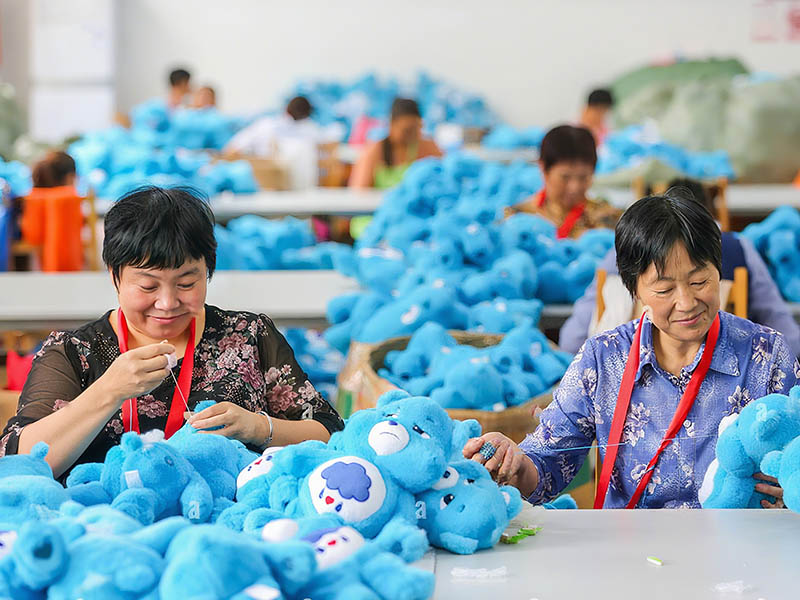
If a factory visit is possible, ask to observe the IQC area directly. A factory with a genuine IQC process will have a dedicated inspection area, clear material labeling, quarantine zones for rejected materials, and documented inspection records that are available for review.
At Kinwin, our IQC process covers all incoming materials against approved specifications and regulatory requirements. We maintain full documentation for every incoming batch, including material test reports and inspection records, which are available to our clients upon request. This transparency is part of how we ensure consistent quality and reliable compliance across every order we produce.
If you are planning to source custom plush toys and want to work with a manufacturer who takes quality seriously from the very first step, we would be glad to walk you through our full quality control process and show you how we protect your product from the ground up.
Conclusion
IQC is not a background process that buyers can afford to ignore. It is the foundation of consistent product quality, reliable compliance, and successful long-term sourcing partnerships. A manufacturer with a strong IQC system catches problems before they become costly, protects your brand from compliance failures, and delivers products that meet your standards batch after batch.
When evaluating plush toy suppliers, do not focus only on price and design capability. Ask about their quality control systems—starting with IQC. The answer will tell you a great deal about how seriously they take their responsibility to deliver what they promise.
At Kinwin, quality control is built into every stage of our manufacturing process, beginning with rigorous incoming material inspection. Whether you are developing a new product or scaling an existing line, our commitment to transparent, documented quality management means you can source with confidence and focus on growing your business.