Once your plush toy sample is approved, the next step is just as important as the development itself: locking all specifications before mass production begins.
At this stage, the sample transitions from a prototype into a production standard. Any unclear or undefined detail can lead to inconsistencies, delays, or quality issues during bulk manufacturing.
Many problems in mass production don’t come from poor manufacturing—they come from unclear or incomplete specifications after sampling.
By properly locking specifications, buyers can ensure that every unit produced matches the approved sample in design, materials, and quality.
In this guide, we’ll walk through exactly what needs to be finalized and how to lock your plush toy specifications professionally.
What specifications must be finalized after sampling is approved?
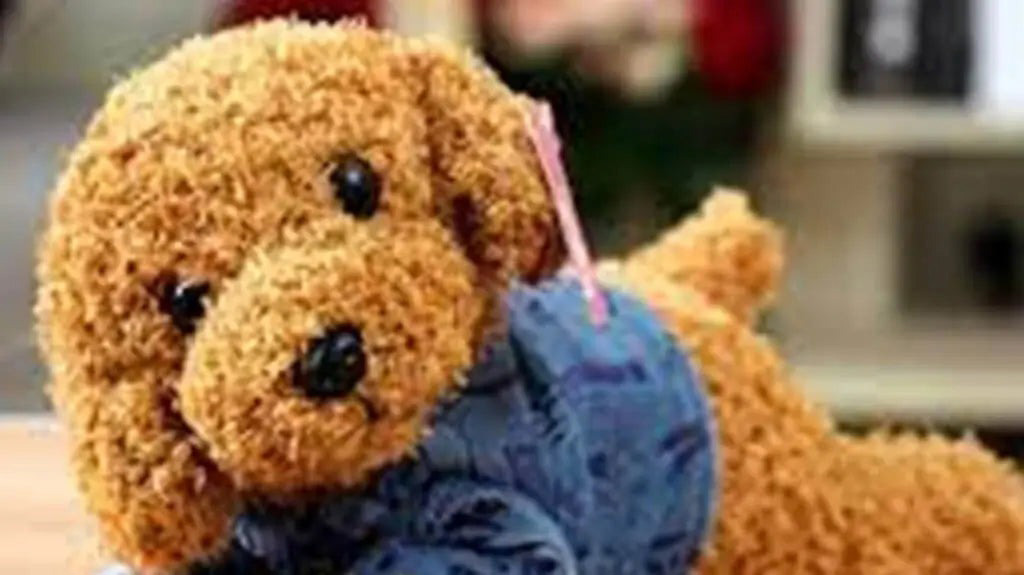
After the sample is approved, all product details must be clearly defined and documented. This ensures that production teams, suppliers, and quality inspectors all follow the same standard.
At this stage, nothing should be left open to interpretation. Every element—from size to materials to construction—must be confirmed.
Confirm All Visual and Structural Elements
The approved sample represents the final design, so all visual and structural aspects must be locked.
Buyers should confirm:
- Overall shape and proportions
- Facial expression and design details
- Construction methods
- Placement of accessories
This ensures that the product’s appearance remains consistent throughout production.
Convert Sample Into Clear Technical Documentation
A physical sample alone is not enough for production. It must be translated into clear technical documents that define every detail.
These documents typically include:
- Technical specification sheet
- Bill of materials (BOM)
- Approved artwork files
This documentation allows all teams to work with the same reference.
Specification Finalization Checklist
| Specification Area | What to Confirm | Purpose |
|---|---|---|
| Design Details | Shape, expression, features | Maintain accuracy |
| Construction | Sewing and structure | Ensure durability |
| Materials | Fabric and components | Consistent quality |
| Dimensions | Size and proportions | Production consistency |
| Documentation | Technical sheets and BOM | Clear instructions |
How should size, proportions, and tolerance ranges be confirmed?
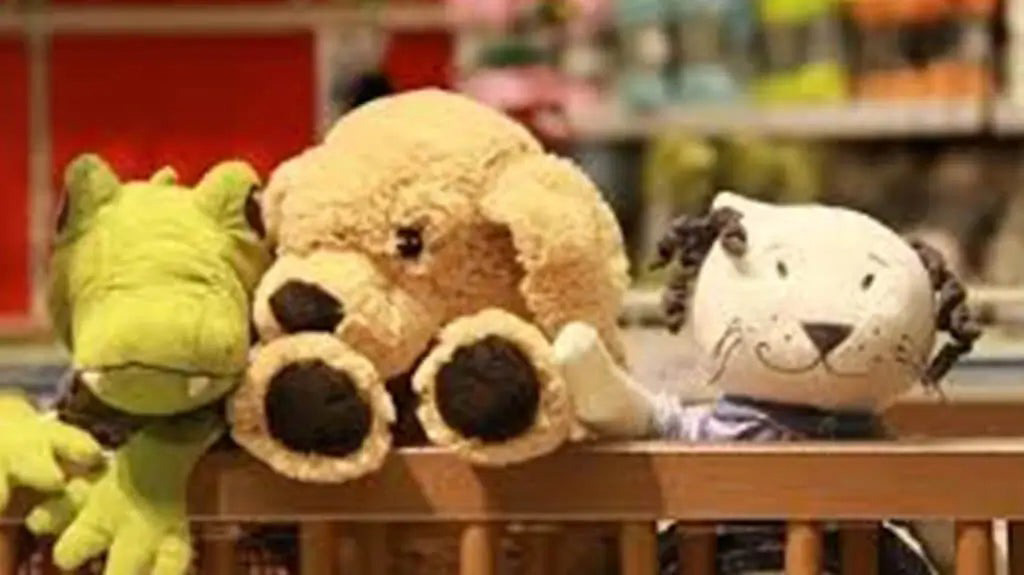
Size and proportion control is critical in plush toy production. Even small variations can affect the character’s appearance and overall quality.
After sampling, these dimensions must be clearly defined with acceptable tolerance ranges to ensure consistency across large production quantities.
Define Exact Product Dimensions
Buyers should confirm the exact measurements of the plush toy based on the approved sample. This includes:
- Total height
- Width and depth
- Key part dimensions (head, body, limbs)
These measurements should be documented clearly to avoid variation during production.
Establish Acceptable Tolerance Ranges
Because plush toys are soft products, slight variations are unavoidable. Instead of expecting identical units, factories define acceptable tolerance ranges.
For example:
- Size tolerance: ±0.5–1 cm
- Embroidery placement tolerance: ±1–2 mm
These ranges help quality control teams determine whether a product meets the standard.
Size & Tolerance Control Checklist
| Factor | What to Define | Result |
|---|---|---|
| Overall Dimensions | Exact size measurements | Consistent production |
| Key Proportions | Head, body, limbs ratio | Maintain design |
| Tolerance Range | Acceptable variation limits | Quality control |
| Symmetry | Balance of structure | Visual consistency |
| Measurement Method | Standard measuring points | Reliable inspection |
How are fabrics, colors, and material suppliers officially locked?
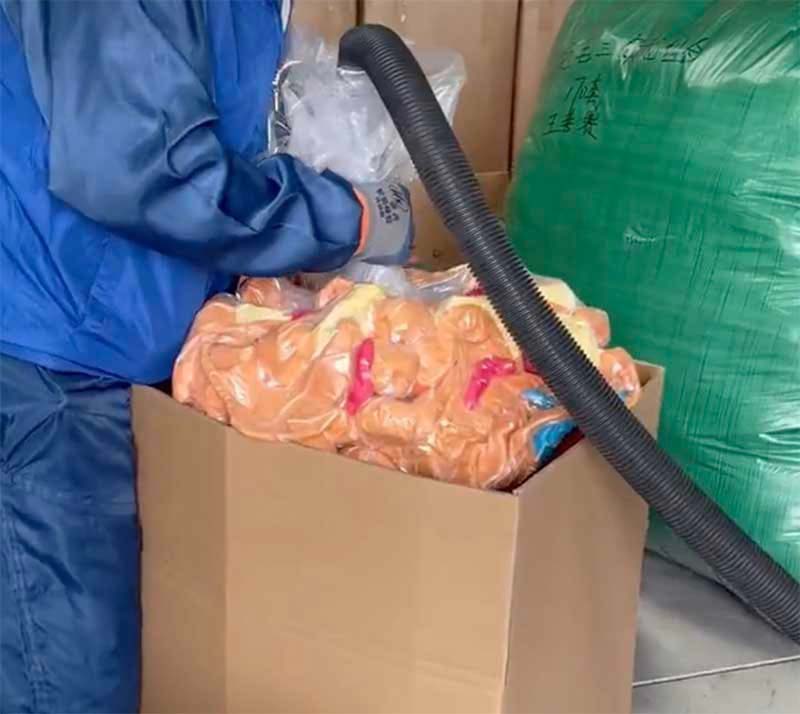
Material consistency is one of the most critical aspects of plush toy production. Once the sample is approved, all materials must be officially locked to prevent substitutions or inconsistencies.
Without proper material control, even high-quality samples can result in inconsistent bulk production.
Confirm Exact Fabric Specifications
Each fabric used in the plush toy should be clearly defined with precise details. This includes:
- Fabric type (e.g., short plush, velboa)
- Texture and pile length
- Color reference (Pantone or approved swatch)
General descriptions are not sufficient—exact specifications must be documented.
Lock Approved Suppliers and Material Sources
In addition to defining the materials, the supplier source should also be confirmed. Using different suppliers may result in variations in color, texture, or quality.
Buyers should ensure that:
- Approved suppliers are documented
- Material samples are kept as references
- Substitutions require approval
This helps maintain consistency throughout production.
Material Locking Checklist
| Element | What to Lock | Purpose |
|---|---|---|
| Fabric Type | Exact material specification | Ensure consistency |
| Color Standard | Pantone or sample reference | Accurate color |
| Supplier Source | Approved vendor | Stable sourcing |
| Material Samples | Physical reference | Quality comparison |
| Substitution Rules | Approval process | Prevent variation |
Which embroidery, printing, and facial details must be documented clearly?
After sampling is approved, all decorative details—especially embroidery, printing, and facial features—must be clearly documented. These elements define the personality of the plush toy, and even very small deviations can significantly change the final look.
If these details are not locked precisely, factories may interpret them differently during production, leading to inconsistencies across batches.
Define Exact Placement and Size of Embroidery
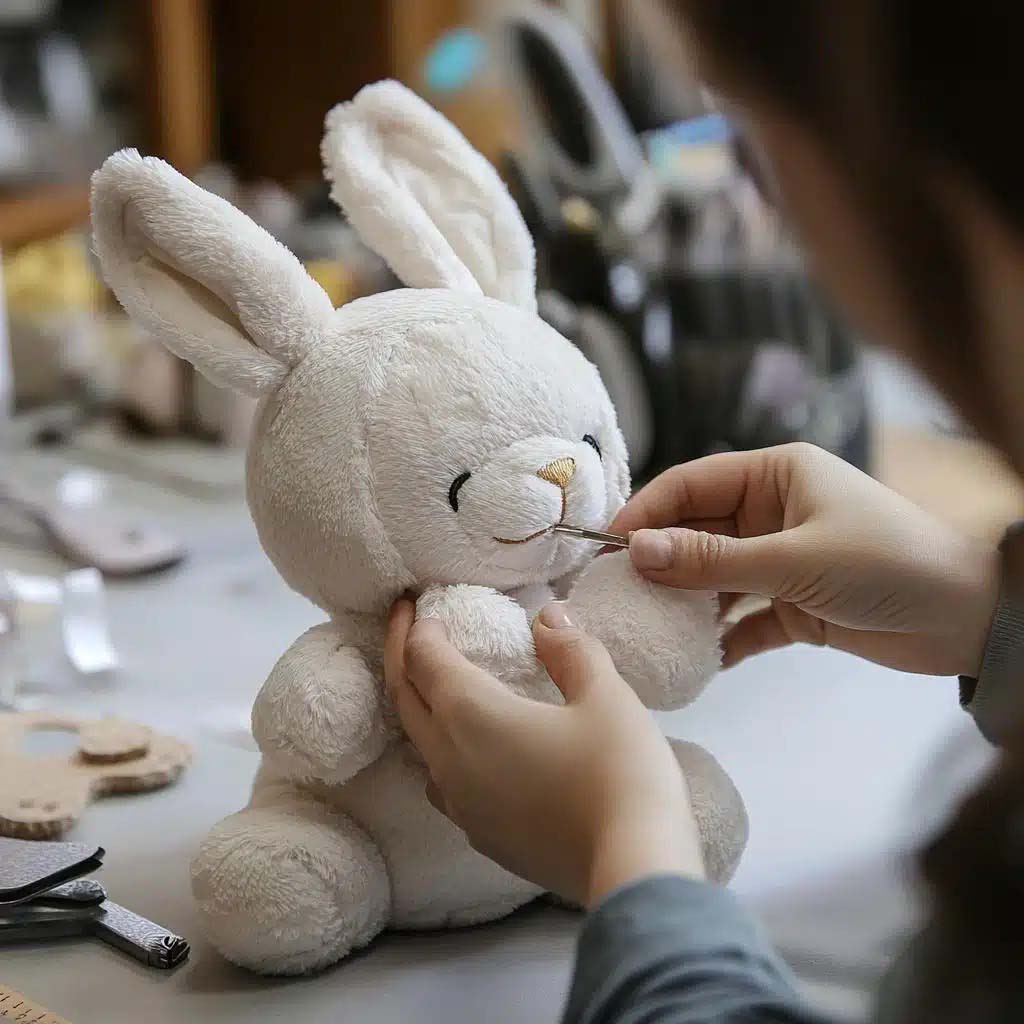
Embroidery elements such as eyes, eyebrows, and mouth should be documented with exact positioning and size specifications.
Buyers should confirm:
- Distance between facial features
- Exact position relative to seams or center lines
- Size and scale of embroidery elements
This ensures that every product maintains the same expression and visual balance.
Standardize Printing Files and Color Output
For printed designs, the artwork must be finalized and converted into production-ready files.
This includes:
- High-resolution print files
- Color references for printing accuracy
- Placement guidelines on fabric panels
Factories should follow these files strictly to ensure consistency across all units.
Embroidery & Printing Specification Checklist
| Element | What to Define | Result |
|---|---|---|
| Embroidery Placement | Exact position measurements | Consistent expression |
| Embroidery Size | Scale of features | Accurate design |
| Stitch Density | Thread coverage | Uniform quality |
| Printing Files | Final artwork version | Clear graphics |
| Color Accuracy | Defined color reference | Consistent appearance |
How should stuffing weight, firmness, and shape standards be defined?
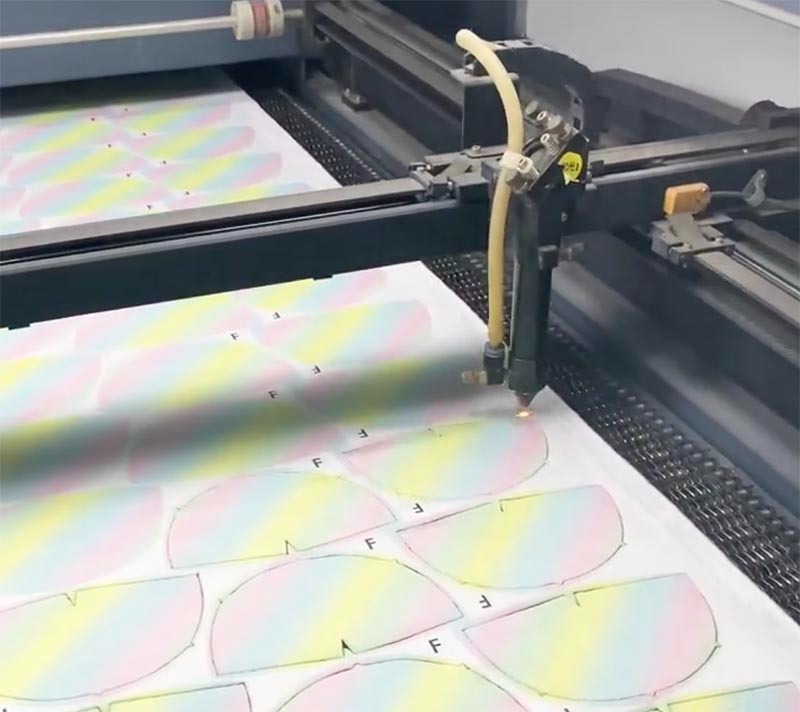
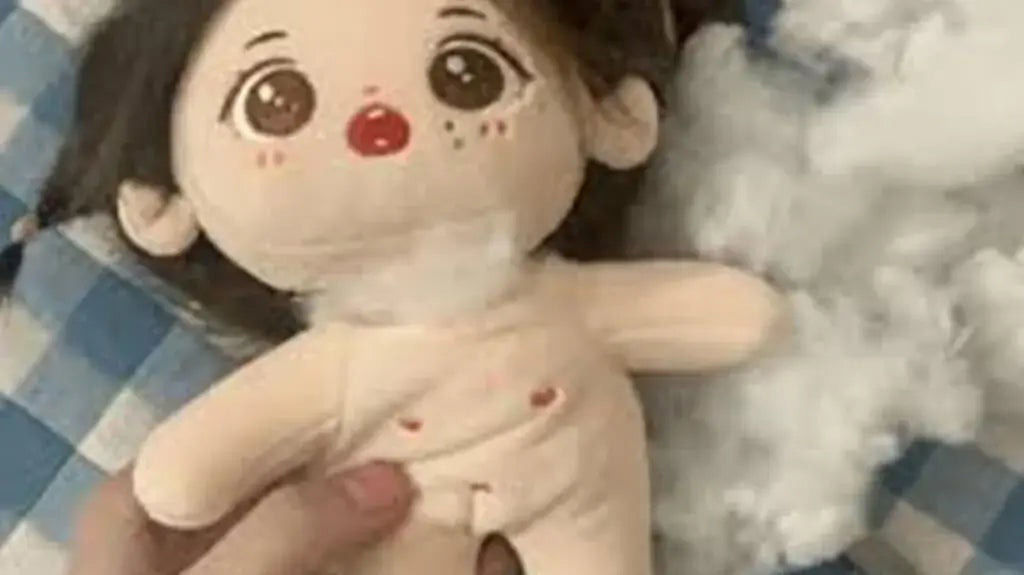
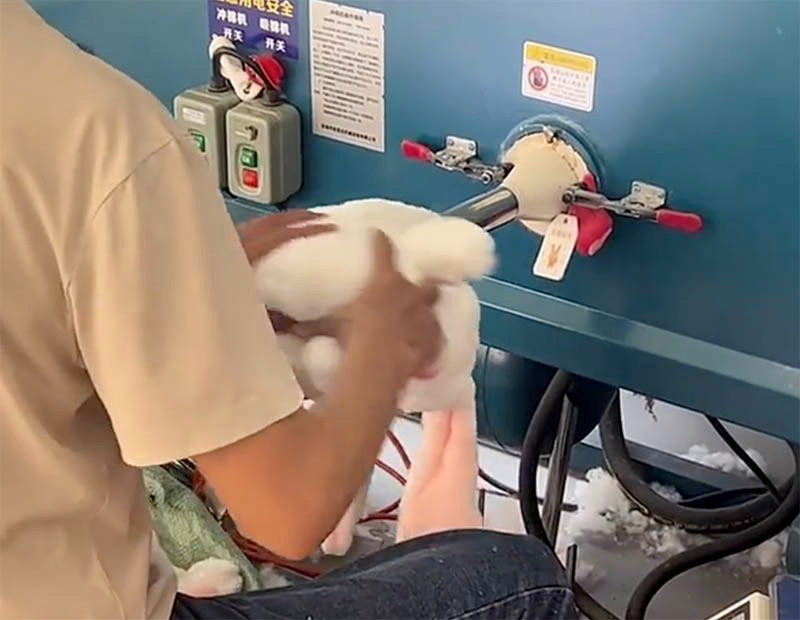
Stuffing is one of the most overlooked but critical aspects of plush toy production. It directly affects how the toy feels, how it holds its shape, and how it looks in real use.
If stuffing standards are not clearly defined, different workers may fill products differently, leading to inconsistent quality.
Define Filling Weight and Distribution
The amount of filling used in the plush toy should be measured and documented. This helps ensure that each unit has consistent weight and shape.
Buyers should confirm:
- Total filling weight (if applicable)
- Distribution across different parts (head, body, limbs)
Consistent filling ensures that the toy maintains its intended proportions.
Specify Firmness and Shape Retention Standards
In addition to weight, the firmness of the stuffing should also be defined. Some plush toys are designed to be soft and flexible, while others require more structure.
Buyers should evaluate:
- Softness vs. firmness level
- Ability to hold shape after handling
- Balance and stability
These standards help ensure that the product feels consistent across all units.
Stuffing Standard Checklist
| Factor | What to Define | Purpose |
|---|---|---|
| Filling Weight | Amount of stuffing | Consistent product feel |
| Distribution | Even filling across parts | Maintain shape |
| Firmness Level | Soft vs. firm standard | Match design intent |
| Shape Retention | Ability to hold form | Long-term quality |
| Balance | Stability of toy | Functional performance |
What accessories, trims, and attachments need final confirmation?
Accessories and trims are often small details, but they can have a big impact on the final product. These elements must be clearly confirmed and locked before production begins.
Even slight variations in accessories can affect the overall appearance, brand identity, and product quality.
Confirm All Decorative and Functional Accessories
Accessories may include:
- Labels and tags
- Clothing or fabric attachments
- Ribbons, buttons, or decorative pieces
Each of these should be clearly defined in terms of size, material, color, and placement.
Define Attachment Methods and Durability Standards
In addition to appearance, the way accessories are attached is equally important. Weak attachment methods can lead to quality issues during use.
Buyers should confirm:
- Sewing methods (stitched, reinforced, etc.)
- Attachment positions
- Durability requirements
This ensures that accessories remain secure during production and use.
Accessories & Trims Checklist
| Element | What to Confirm | Result |
|---|---|---|
| Labels & Tags | Size, placement, design | Brand consistency |
| Decorative Elements | Color and material | Visual accuracy |
| Attachment Method | Sewing or fixing method | Strong durability |
| Positioning | Exact placement | Consistent appearance |
| Durability | Strength of attachment | Long-term quality |
Conclusion
Locking plush toy specifications after sampling is a critical step that ensures a smooth transition into mass production. By clearly defining every detail—from size and materials to embroidery, stuffing, and accessories—buyers can eliminate ambiguity and reduce the risk of inconsistencies.
A well-structured specification system allows factories to replicate the approved sample accurately, maintain quality across large quantities, and avoid costly production errors.
At KINWIN, we support our clients in turning approved samples into fully defined production standards. Through detailed technical documentation, strict material control, and structured quality systems, we help ensure that every product meets the expected quality and design requirements.
If you are preparing to move your plush toy project into production and want to ensure your specifications are properly locked, our team is ready to assist you with a professional and reliable process.