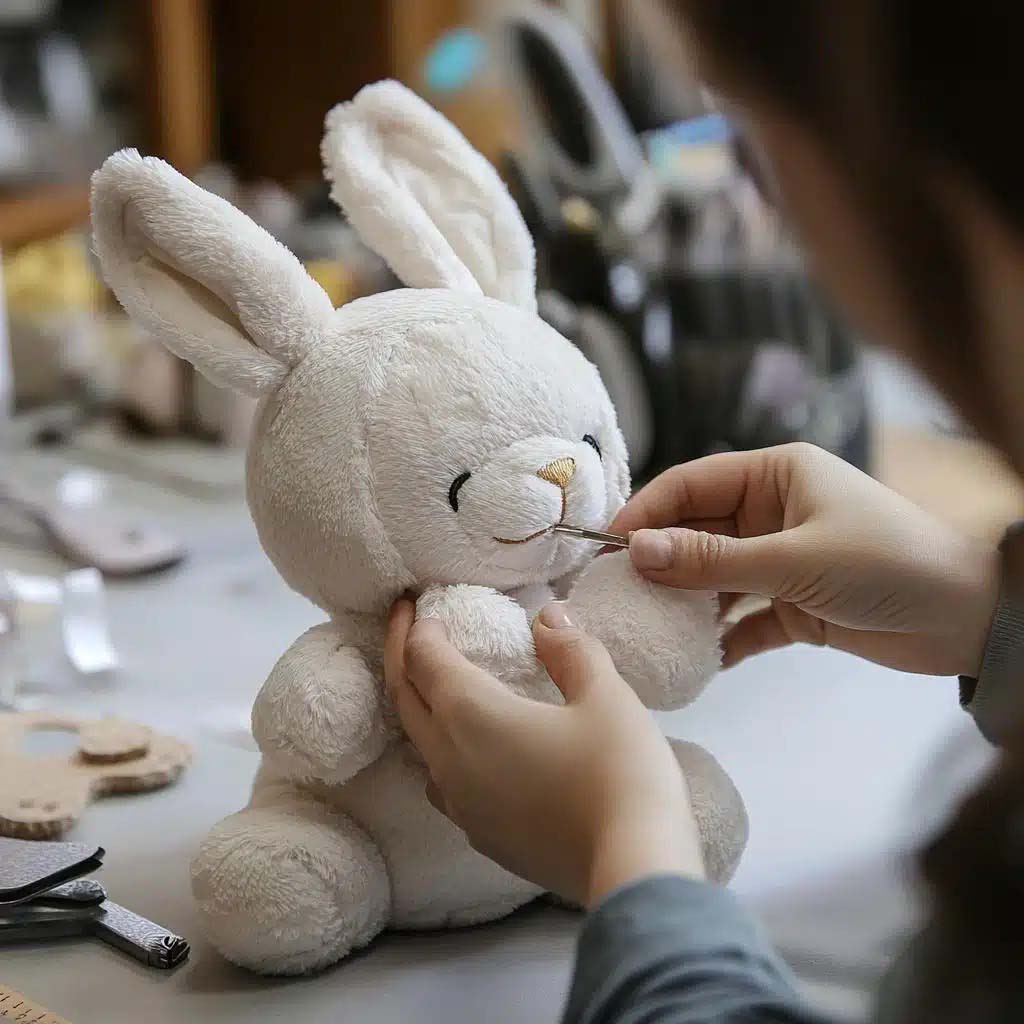
Approving a plush toy sample is the final checkpoint before moving into mass production. At this stage, the sample becomes the reference standard for all future units, which means any overlooked issue may be repeated across the entire production batch.
That’s why professional buyers don’t rely on quick visual impressions. Instead, they follow a structured review process—checking design accuracy, materials, construction, and overall quality step by step.
If everything is confirmed clearly at the sample stage, production becomes much smoother, with fewer risks, fewer misunderstandings, and more consistent results.
In this guide, we’ll walk through exactly what to check before approving a plush toy sample, so you can make confident, professional decisions.
Does the sample match the approved design artwork and specifications?
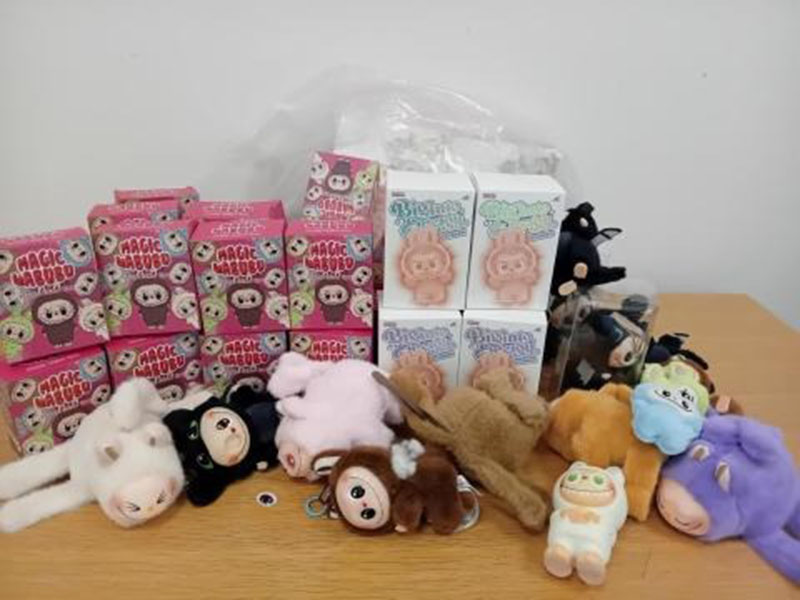
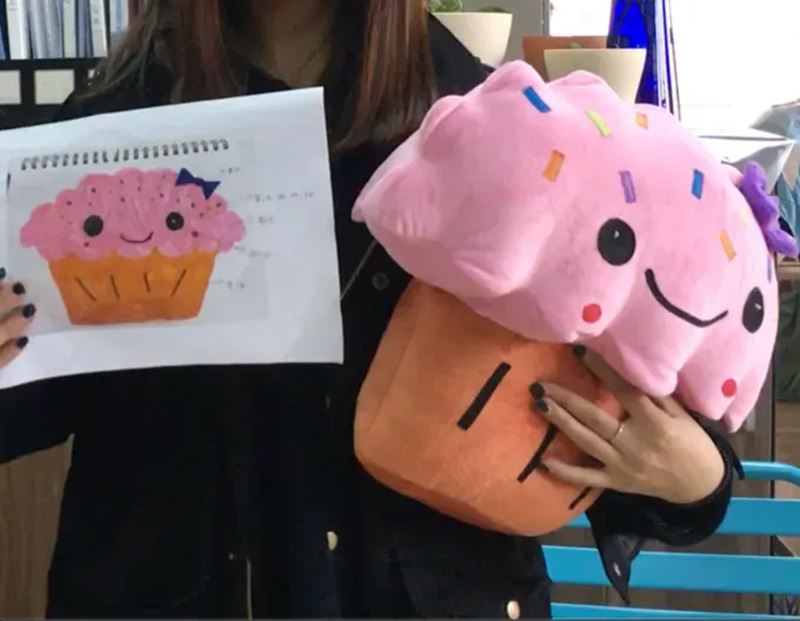
The first and most important step is verifying whether the sample truly reflects the approved design. No matter how well-made the toy looks, if it does not match the original artwork and specifications, it should not be approved.
This step ensures that the manufacturer has correctly translated your concept into a physical product.
Compare Overall Design With Original Artwork
Start by placing the sample next to the approved design artwork. Look at the toy from multiple angles—front, side, and back—and compare it carefully.
Focus on whether the toy captures the same:
- Character identity
- Style and proportions
- Visual balance
Small differences are normal due to fabric and stuffing, but the overall look should remain consistent with the design.
Confirm Key Specifications Are Followed
Beyond appearance, the sample must match the agreed technical specifications. These define how the product should be produced, not just how it looks.
Check details such as:
- Product size
- Fabric selections
- Embroidery or printing requirements
- Accessories and attachments
If these specifications are not followed, the final production may not meet expectations.
Design Matching Checklist
| Check Item | What to Verify | Purpose |
|---|---|---|
| Overall Appearance | Matches artwork style | Maintain design identity |
| Character Features | Face and expression accuracy | Preserve personality |
| Specifications | Size, materials, details | Ensure production consistency |
| Accessories | Placement and correctness | Complete product design |
| Visual Balance | Symmetry and proportions | Improve product appeal |
Are size, proportions, and overall shape correct?
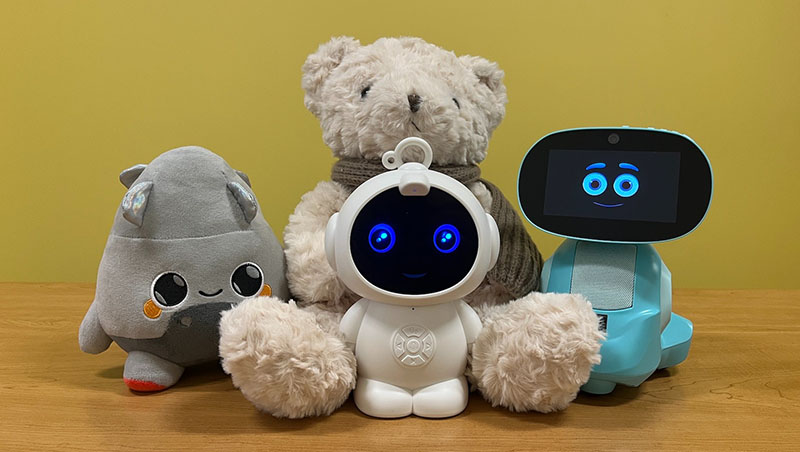
Once design accuracy is confirmed, the next step is evaluating the physical structure of the plush toy. Size and proportions directly affect how the toy looks, feels, and performs during use.
Even small changes in proportion can significantly alter the character’s appearance, so this step should be reviewed carefully.
Measure the Actual Size of the Sample
Use a measuring tape to check whether the sample matches the agreed dimensions. This includes height, width, and depth where applicable.
Keep in mind that slight variations may occur due to fabric thickness and stuffing, but the size should stay within a reasonable tolerance range.
Correct sizing is especially important for packaging, shipping, and retail display.
Evaluate Proportions and Shape Balance
Next, review how the different parts of the toy relate to each other. This includes the size of the head compared to the body, as well as the position and length of limbs.
Check whether:
- The toy looks balanced when viewed from different angles
- The head-to-body ratio matches the design
- The silhouette reflects the original artwork
Good proportions ensure that the plush toy looks natural and visually appealing.
Size and Shape Verification Checklist
| Factor | What to Check | Reason |
|---|---|---|
| Overall Size | Height and width | Match specifications |
| Head-to-Body Ratio | Proportion accuracy | Maintain character style |
| Limb Position | Arm and leg placement | Ensure symmetry |
| Body Shape | Curves and structure | Match design silhouette |
| Stability | Sitting or standing balance | Functional performance |
Are fabrics, colors, and materials consistent with what was agreed?
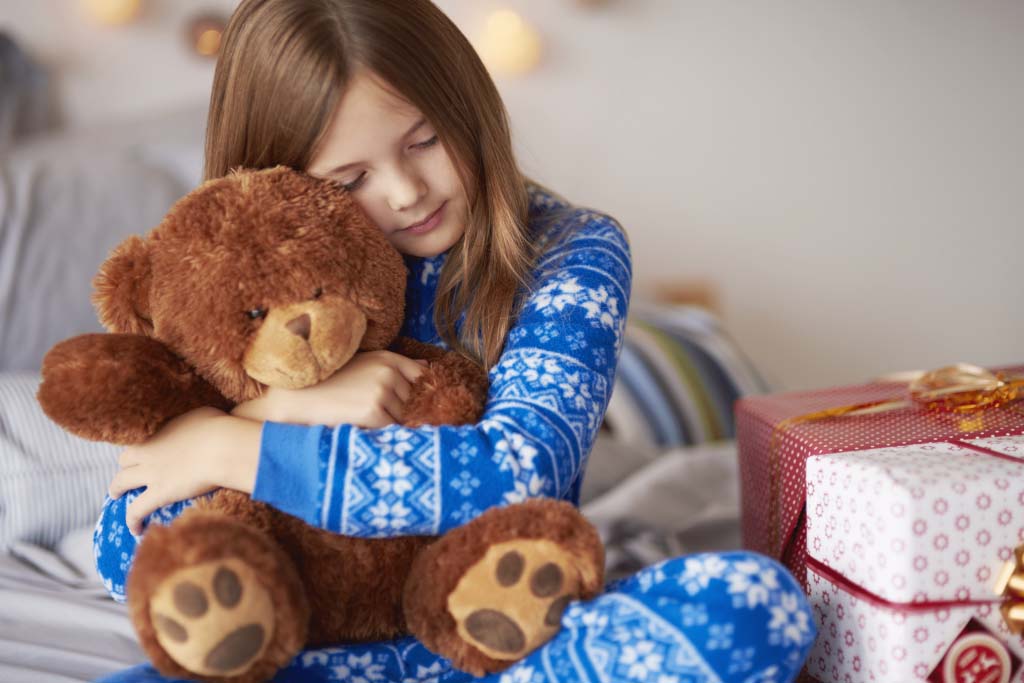
Material consistency is a key factor in both product quality and brand perception. Even if the design and proportions are correct, using the wrong fabric or incorrect colors can significantly affect the final result.
Before approving the sample, buyers should carefully confirm that all materials match the agreed selections.
Verify Fabric Type and Texture
Check whether the correct fabrics have been used according to the development plan. Different materials create different effects, so even small changes can impact the overall look and feel.
Evaluate:
- Softness and touch
- Surface texture
- Pile length (short or long plush)
The fabric should match both the visual style and the intended user experience.
Confirm Color Accuracy and Consistency
Color consistency is equally important. Compare the sample’s fabric colors with the approved color references or artwork.
Look for:
- Accurate color matching
- Consistent tones across different parts
- Even dyeing without patches or fading
Maintaining color consistency helps ensure that the final product matches the brand identity.
Material Verification Checklist
| Material Factor | What to Check | Purpose |
|---|---|---|
| Fabric Type | Matches approved material | Ensure correct texture |
| Fabric Softness | Comfortable and consistent | Improve user experience |
| Color Accuracy | Matches artwork | Maintain brand identity |
| Color Consistency | Uniform across panels | Avoid visual defects |
| Material Quality | No defects or instability | Ensure durability |
Is embroidery or printing clear, accurate, and well-positioned?
Embroidery and printing are the details that bring a plush toy to life. Facial expressions, logos, and decorative patterns are often created through these techniques, and even small inaccuracies can significantly affect the final appearance.
Before approving a sample, buyers should carefully inspect whether all embroidery and printing elements are clear, correctly positioned, and consistent with the design artwork.
This step is especially important because these details directly influence how customers perceive the product.
Check Embroidery Placement and Expression Accuracy
Facial features such as eyes, eyebrows, and mouth must be positioned precisely. Even a small shift can change the character’s expression and personality.
Buyers should compare the embroidery placement with the artwork and check:
- Distance between eyes
- Alignment of facial features
- Balance of expression
If the expression feels “off,” it is often due to minor positioning issues that should be corrected before approval.
Evaluate Stitch Quality and Printing Clarity
In addition to placement, the quality of embroidery and printing should be reviewed carefully.
For embroidery:
- Are stitches smooth and even?
- Is the thread density consistent?
- Are there any loose threads?
For printing:
- Are colors sharp and accurate?
- Are edges clean and well-defined?
- Is the print aligned correctly on the fabric?
High-quality decorative details give the plush toy a more professional and premium appearance.
Embroidery & Printing Checklist
| Element | What to Check | Purpose |
|---|---|---|
| Embroidery Placement | Accurate positioning | Maintain expression |
| Stitch Quality | Smooth and even stitching | Improve durability |
| Thread Density | Consistent coverage | Enhance visual quality |
| Printing Clarity | Sharp and clean graphics | Professional finish |
| Alignment | Correct positioning on fabric | Match design artwork |
Are stitching, seams, and construction strong and neat?
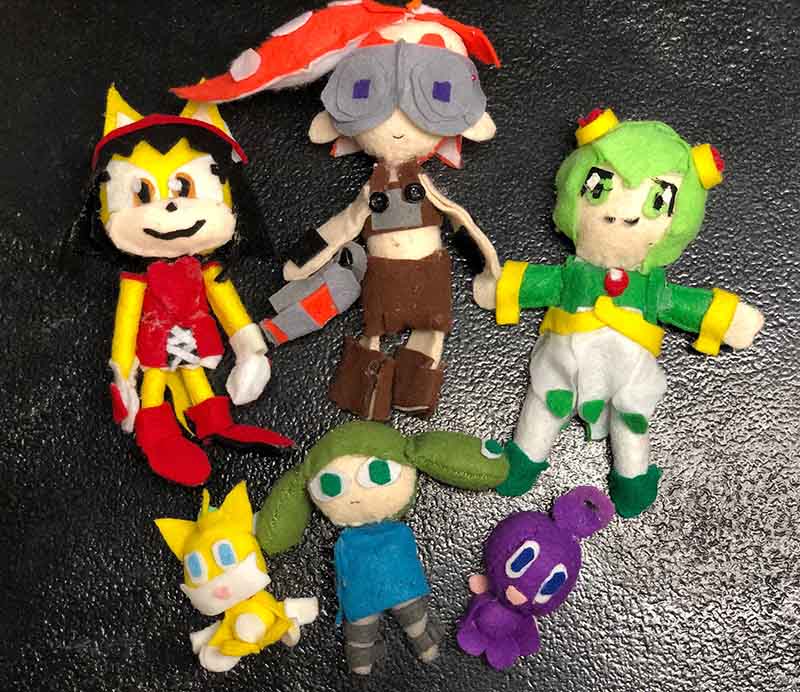
Construction quality determines how well the plush toy will hold up during use. Even if the design looks perfect, weak seams or poor stitching can lead to durability issues in production.
A professional sample review should always include a close inspection of stitching, seams, and overall construction.
Inspect Seam Quality and Stitch Consistency
Look closely at all seam lines across the toy. Seams should be:
- Straight and evenly aligned
- Tight without gaps
- Clean without loose threads
Pay special attention to high-stress areas such as:
- Neck connection
- Arm and leg joints
- Areas with multiple fabric panels
Strong seams ensure that the toy can withstand handling and long-term use.
Check Structural Integrity and Assembly Quality
Beyond stitching, the overall construction should feel stable and well-assembled.
Gently test the toy by:
- Pulling lightly on limbs
- Pressing connection points
- Observing how the toy holds its shape
The structure should feel secure, with no weak points or loose attachments.
Construction Inspection Checklist
| Area | What to Check | Reason |
|---|---|---|
| Seam Alignment | Straight and neat | Professional finish |
| Stitch Strength | Tight and secure | Prevent damage |
| Joint Stability | Strong limb connections | Improve durability |
| Assembly Quality | Clean construction | Ensure consistency |
| Overall Structure | Balanced and firm | Maintain product quality |
Is stuffing density even, and does the shape hold properly?
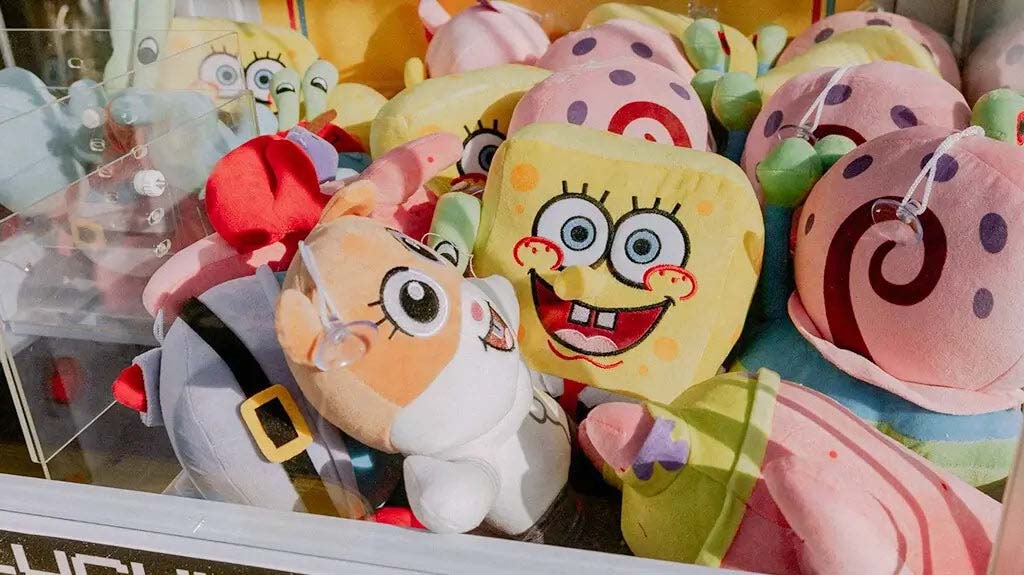
Stuffing plays a key role in both the feel and the appearance of a plush toy. Uneven filling can cause the toy to look distorted, feel uncomfortable, or lose its shape over time.
Before approving the sample, buyers should evaluate whether the stuffing is evenly distributed and whether the toy maintains its intended form.
Check Filling Distribution and Softness
Gently press different parts of the plush toy to evaluate how the filling is distributed.
Check whether:
- The filling feels even throughout the toy
- There are no lumps or empty areas
- The softness matches the intended design
A well-filled plush toy should feel comfortable while still maintaining its structure.
Evaluate Shape Retention and Stability
After checking the softness, observe whether the toy holds its shape properly.
Place the toy on a flat surface and check:
- Does it sit or stand correctly?
- Does the head remain stable?
- Do the limbs maintain their position?
Good shape retention ensures that the plush toy will look consistent during both display and use.
Stuffing & Shape Checklist
| Factor | What to Check | Purpose |
|---|---|---|
| Filling Evenness | No lumps or gaps | Smooth appearance |
| Softness Level | Comfortable feel | User experience |
| Shape Retention | Maintains structure | Visual consistency |
| Balance | Stable positioning | Functional quality |
| Internal Support | Proper firmness | Long-term durability |
Conclusion
Approving a plush toy sample is not just a final step—it is a critical decision that determines the quality of the entire production batch. A careful and professional review helps ensure that the product meets both design expectations and manufacturing standards.
By systematically checking design accuracy, proportions, materials, embroidery, construction, and stuffing quality, buyers can confidently approve a sample that is ready for production.
Clear and structured evaluation also helps reduce risks, avoid costly mistakes, and ensure consistent product quality across large orders.
At KINWIN, we support our clients through every stage of the sampling and approval process. From technical design evaluation to detailed sample refinement, our team ensures that each plush toy meets professional standards before moving into production.
If you are developing a custom plush toy and want expert guidance in reviewing and approving your samples, feel free to reach out to our team. We’re here to help you turn your design into a reliable, high-quality product.