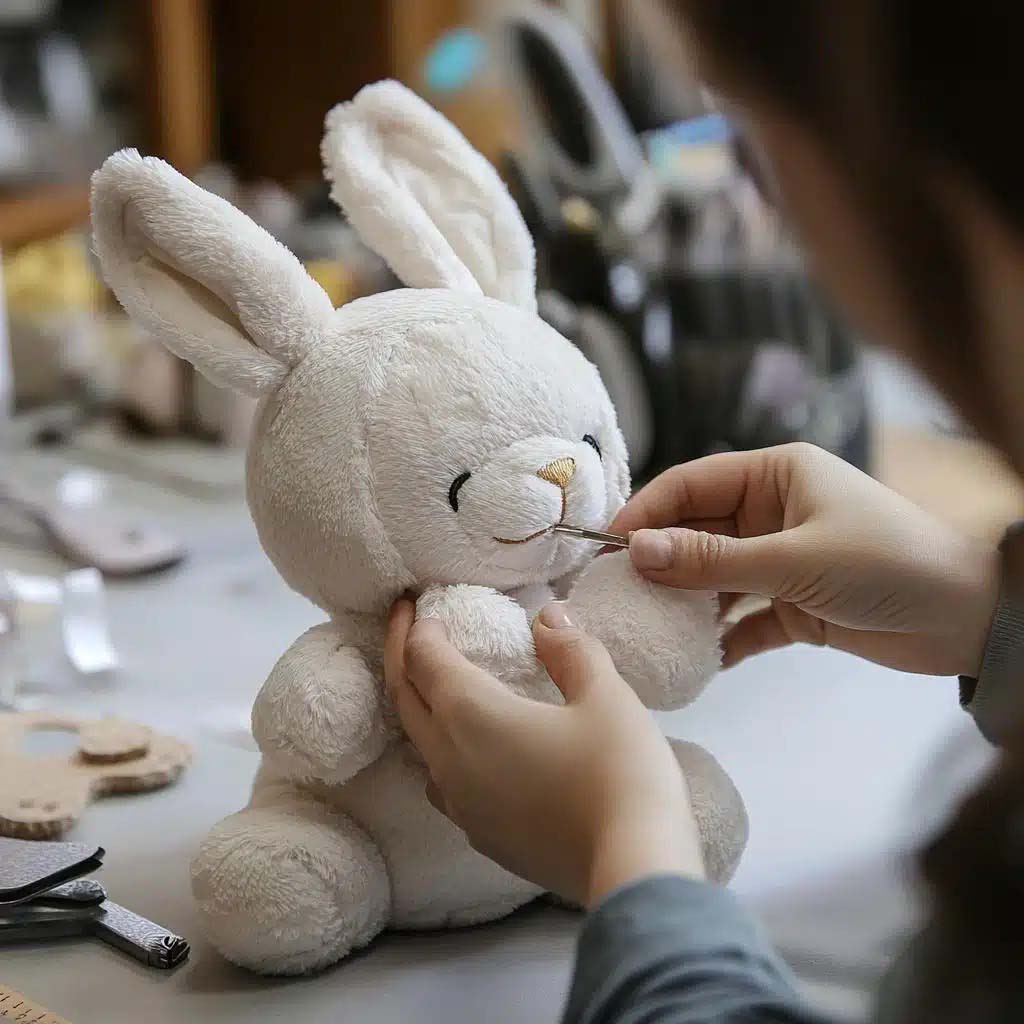
Receiving the first plush toy sample is one of the most exciting moments in product development. It is the first time the design moves from a digital illustration to a real, physical product. However, this stage is also very important from a technical perspective. A careful and professional review of the sample helps ensure the final plush toy will meet both design expectations and manufacturing standards.
Many buyers focus only on whether the toy “looks good.” While appearance is important, a professional sample review should also evaluate structure, materials, construction quality, and technical feasibility for mass production.
By reviewing samples systematically, buyers can provide clear feedback and avoid unnecessary revision rounds. This helps the manufacturer refine the prototype more efficiently and move the project toward production-ready approval.
In this guide, we will explain how to review a plush toy sample professionally and what aspects should be evaluated during the sampling stage.
What preparation should buyers do before reviewing a plush sample?
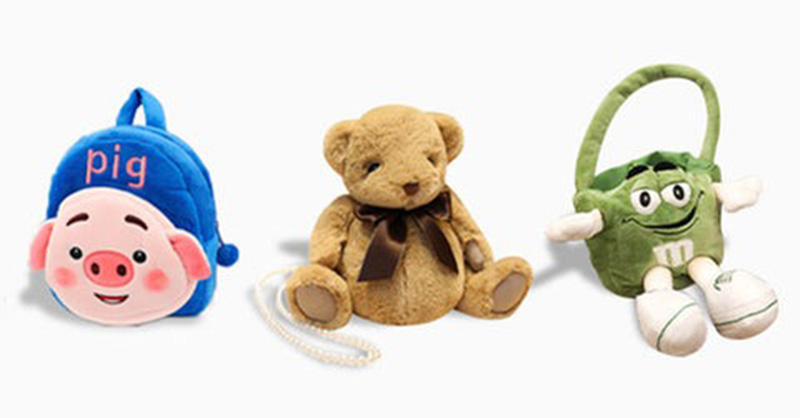
Before reviewing a plush toy sample, buyers should take time to prepare the necessary reference materials and evaluation criteria. Reviewing a prototype without the original design references can lead to unclear feedback and missed details.
Preparation ensures that the sample review process is structured and objective rather than based on quick impressions. When buyers compare the sample against the original design and specifications, they can identify both accurate elements and areas that need improvement.
This preparation step helps ensure that feedback to the manufacturer is precise and useful.
Gather All Original Design Materials
The first step in preparing for a sample review is collecting the original design materials. These materials provide the benchmark for evaluating whether the prototype accurately reflects the intended concept.
Important reference materials may include:
- Original design artwork
- Front, side, and back views of the character
- Fabric and color references
- Technical development sheets
- Accessory design specifications
Having these materials available during the review allows buyers to compare the sample against the intended design more accurately.
Define the Key Evaluation Criteria
Before reviewing the sample, buyers should also define the aspects that will be evaluated. These criteria help ensure the review process remains structured and thorough.
Common evaluation criteria may include:
- Overall proportions and shape
- Facial expression accuracy
- Fabric softness and texture
- Construction quality and durability
- Embroidery and printing accuracy
With clear evaluation criteria, buyers can review the plush toy sample more systematically.
Preparation Checklist Before Sample Review
| Preparation Step | Purpose | Benefit |
|---|---|---|
| Gather Original Artwork | Provide visual reference | Accurate comparison |
| Collect Technical Specifications | Confirm development requirements | Clear evaluation |
| Review Material References | Verify fabric and texture choices | Better material assessment |
| Define Evaluation Criteria | Structure the review process | More organized feedback |
| Prepare Documentation Tools | Record observations | Clear revision notes |
How should the sample be compared with the original design artwork?
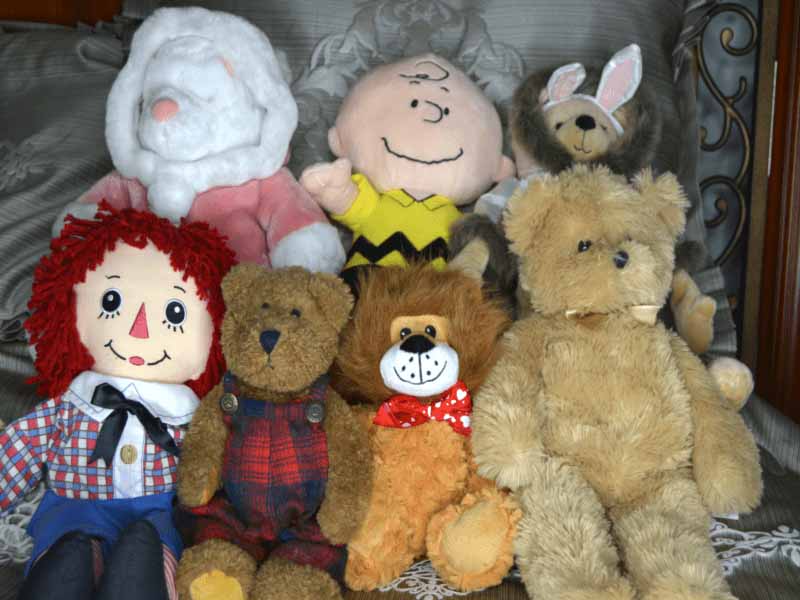
Comparing the plush toy sample with the original design artwork is one of the most important steps in the review process. This comparison helps determine how accurately the manufacturer translated the two-dimensional design into a three-dimensional plush toy.
Because plush toys are constructed using fabric panels and stuffing, some differences from the original artwork are normal. However, the key visual characteristics of the character should still be preserved.
A systematic comparison helps identify which design elements have been replicated successfully and which may require adjustment.
Start With Overall Proportions
The first step when comparing the sample with the artwork is reviewing the overall proportions of the plush toy. This includes evaluating the relative size of the head, body, arms, and legs.
Even small proportion differences can affect how the character looks and feels. For example, a slightly larger head or shorter limbs may change the toy’s personality.
By comparing the prototype with the design artwork, buyers can determine whether the proportions match the intended character style.
Check Character Identity and Expression
Beyond proportions, the plush toy should capture the personality of the original design. This is often determined by the placement and shape of facial features such as eyes, eyebrows, and mouth.
Small changes in embroidery placement or shape can alter the character’s expression significantly. During the review process, buyers should check whether the toy maintains the intended emotional expression shown in the artwork.
Ensuring the character identity is preserved is one of the most important goals of sample evaluation.
Key Elements to Compare With Artwork
| Design Element | What to Check | Purpose |
|---|---|---|
| Overall Proportions | Head-to-body balance | Maintain character style |
| Facial Features | Eye and mouth placement | Preserve expression |
| Body Shape | Curves and structure | Match artwork silhouette |
| Color Accuracy | Fabric color consistency | Maintain design identity |
| Accessories | Placement and scale | Complete character details |
What visual details should be checked first?
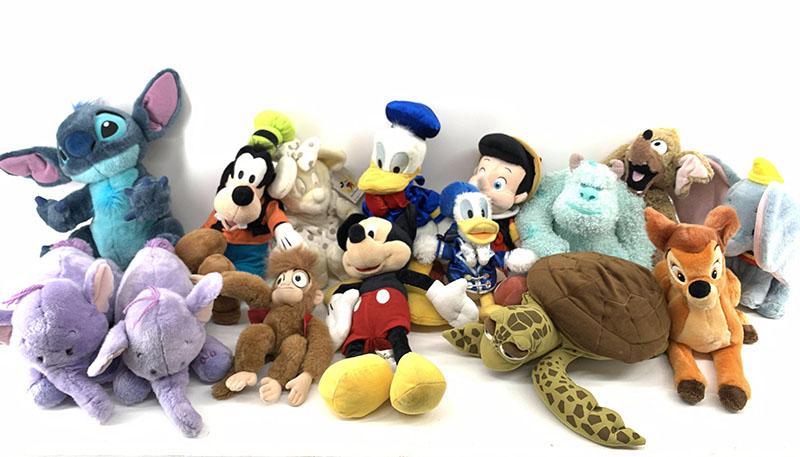
When reviewing a plush toy sample, it is helpful to begin with the most visually noticeable details. These elements have the greatest impact on the toy’s appearance and are usually the first aspects customers will notice.
Starting with visual details allows buyers to quickly evaluate whether the plush toy captures the intended design style. Once the major visual elements are confirmed, more technical aspects of the toy can be reviewed.
This step-by-step approach makes the evaluation process more efficient.
Evaluate the Overall Shape and Silhouette
The overall shape of the plush toy should closely resemble the silhouette of the original design. This includes the curves of the body, the position of limbs, and the balance of the character.
If the silhouette appears significantly different from the artwork, it may indicate that pattern adjustments are needed. Engineers may refine the sewing pattern to improve the overall shape during the next revision round.
A correct silhouette helps ensure that the plush toy looks recognizable and visually appealing.
Check Color Consistency and Fabric Appearance
Another important visual detail is color consistency. The fabrics used in the sample should match the colors shown in the design artwork as closely as possible.
Buyers should also evaluate the texture and finish of the fabric. Different plush materials create different visual effects, and the chosen fabric should support the intended design style.
Checking these visual aspects early helps ensure that the final plush toy will have the desired aesthetic quality.
Important Visual Details to Review
| Visual Element | What to Examine | Reason |
|---|---|---|
| Toy Silhouette | Overall shape and balance | Maintain design accuracy |
| Color Matching | Fabric color consistency | Preserve design identity |
| Fabric Texture | Softness and appearance | Enhance product quality |
| Facial Expression | Character personality | Ensure visual appeal |
| Accessory Alignment | Position and scale | Maintain design details |
How should fabric quality and material selection be evaluated?
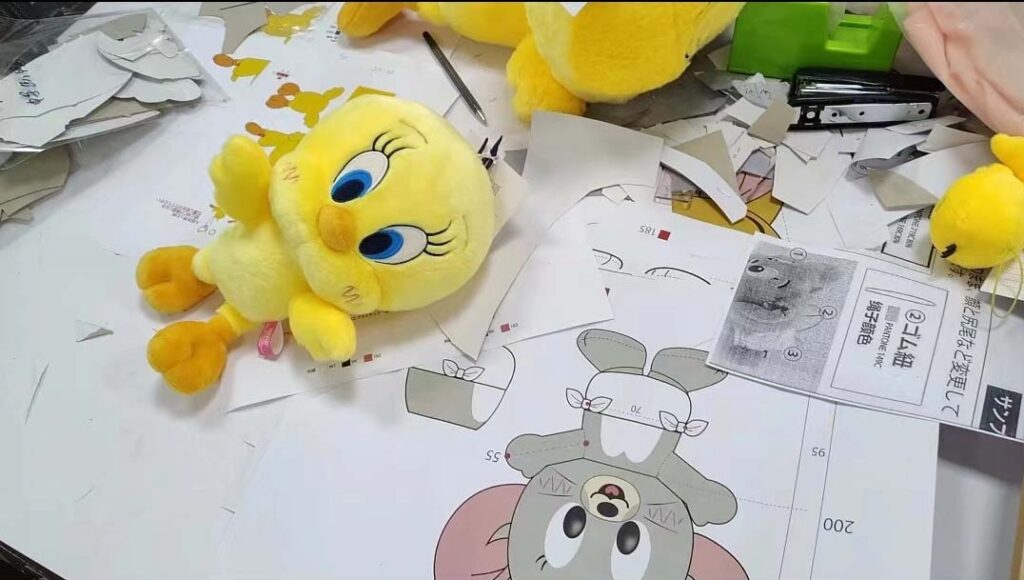
Fabric selection plays a major role in the overall quality, durability, and appearance of a plush toy. Even if the shape and design of the toy match the artwork perfectly, poor fabric choices can affect the product’s softness, visual appeal, and long-term performance.
During the sample review stage, buyers should carefully evaluate whether the materials used match the intended design and whether the fabric quality is suitable for mass production. This evaluation ensures that the final plush toy will meet both aesthetic expectations and functional requirements.
A professional review of fabric quality helps identify potential issues before moving into large-scale production.
Check Fabric Texture and Softness
One of the first aspects to evaluate is the texture of the plush fabric. Different materials create different tactile experiences, and the chosen fabric should align with the intended feel of the toy.
For example, some plush toys are designed to feel extremely soft and cuddly, while others may require slightly firmer materials to support their structure. Buyers should check whether the fabric softness, pile length, and surface finish match the design expectations.
Testing the fabric by touching and gently pressing the material can help evaluate its softness and elasticity.
Evaluate Fabric Durability and Stability
In addition to softness, the fabric should also be durable enough to withstand regular use. Plush toys are often handled frequently, so the material should maintain its shape and appearance over time.
Buyers should examine whether the fabric fibers appear stable and whether the material shows any signs of excessive shedding or distortion.
High-quality plush fabrics should maintain their texture even after stretching slightly or brushing the surface.
Fabric Evaluation Checklist
| Fabric Factor | What to Evaluate | Purpose |
|---|---|---|
| Texture | Softness and surface feel | Ensure comfort |
| Pile Length | Height of plush fibers | Match design style |
| Color Consistency | Fabric color accuracy | Maintain design identity |
| Durability | Fiber stability and strength | Long-term product quality |
| Elasticity | Fabric flexibility | Support structural shape |
How can stitching, seams, and construction be inspected?
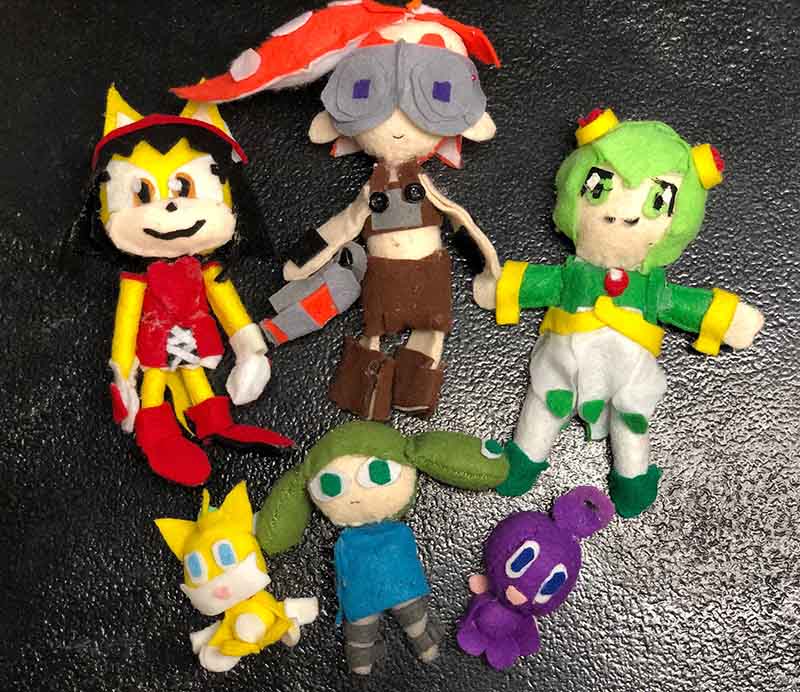
The construction quality of a plush toy determines its durability and safety. Even if the design looks correct visually, weak stitching or poorly constructed seams can lead to problems during regular use.
Inspecting stitching and seams carefully during the sample review stage helps ensure that the toy will perform well during mass production and everyday handling.
Buyers should pay attention to both the strength and the appearance of the construction.
Examine Seam Alignment and Consistency
Seams should be neat, straight, and evenly spaced. Uneven seams may indicate inconsistent sewing techniques, which could affect the toy’s durability.
Buyers should look closely at areas where fabric panels join together, especially around curved sections such as the head, arms, and legs. These areas often require careful sewing to maintain the intended shape.
Consistent seam alignment ensures that the plush toy maintains its structure during production.
Test Structural Stability
Another important aspect of construction review is structural stability. Buyers can gently press or move different parts of the toy to see how the structure responds.
Key areas to check include:
- Neck stability
- Limb attachment strength
- Balance of the toy when placed on a surface
These checks help confirm that the plush toy can maintain its shape during normal use.
Construction Quality Inspection Guide
| Construction Area | What to Inspect | Reason |
|---|---|---|
| Seam Alignment | Straight and even stitching | Professional finish |
| Stitch Density | Tight and consistent stitches | Strong durability |
| Joint Strength | Secure limb attachment | Prevent tearing |
| Shape Stability | Balanced structure | Maintain design form |
| Internal Filling | Even stuffing distribution | Comfortable feel |
What should be checked in embroidery and printing details?
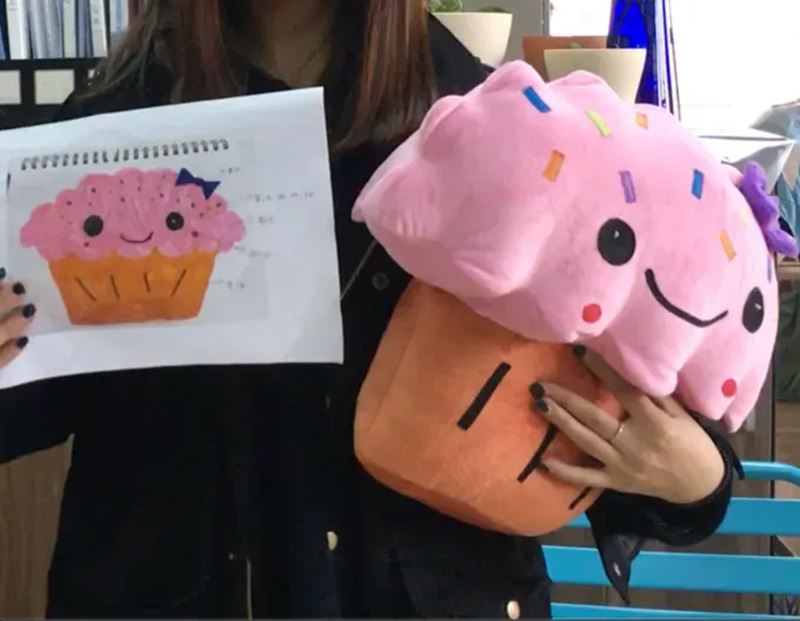
Embroidery and printing are critical elements that define the character of many plush toys. Facial features, logos, patterns, and decorative details are often created using embroidery or fabric printing techniques.
During the sample review process, these decorative elements should be carefully examined to ensure they match the original design artwork and meet quality standards.
Small inaccuracies in embroidery placement or printing clarity can significantly affect the appearance of the plush toy.
Verify Embroidery Placement and Scale
Embroidery elements such as eyes, eyebrows, and mouths must be positioned accurately to preserve the character’s expression. Even a small shift in embroidery placement can change the personality of the toy.
Buyers should compare the embroidery position with the design artwork and confirm that the size and scale of the stitching are correct.
This ensures that the plush toy maintains the intended facial expression and character identity.
Check Printing Clarity and Color Accuracy
For plush toys that include printed patterns or graphics, buyers should evaluate the clarity and sharpness of the print.
Important aspects to review include:
- Color accuracy compared with the design artwork
- Sharpness of printed edges
- Consistency of the print across the fabric
High-quality printing should appear clean and evenly applied without smudging or fading.
Embroidery and Printing Inspection Guide
| Decorative Element | What to Examine | Purpose |
|---|---|---|
| Embroidery Placement | Position of facial features | Maintain character expression |
| Stitch Quality | Smooth and consistent stitching | Improve visual quality |
| Embroidery Size | Proper scaling | Match artwork |
| Printing Clarity | Sharpness of printed details | Professional appearance |
| Color Accuracy | Match with design artwork | Preserve brand identity |
Conclusion
Reviewing a plush toy sample professionally is an essential step in the product development process. By carefully evaluating the prototype, buyers can identify both successful design elements and areas that require improvement before moving forward with production.
A thorough sample review should include comparisons with the original artwork, inspection of visual details, evaluation of fabric quality, and careful examination of stitching, seams, and decorative elements. This structured approach ensures that the final plush toy meets both design expectations and manufacturing standards.
Providing clear and detailed feedback after the review helps manufacturers refine the sample efficiently and move the project toward final approval.
At KINWIN, our development team works closely with clients during the sampling stage to ensure that every prototype meets professional quality standards. From material selection and pattern making to construction and finishing details, we help brands refine their plush toys step by step until they are ready for production.
If you are developing a custom plush toy and would like expert guidance during the sampling process, our team would be happy to review your design and help you move from prototype to production with confidence.