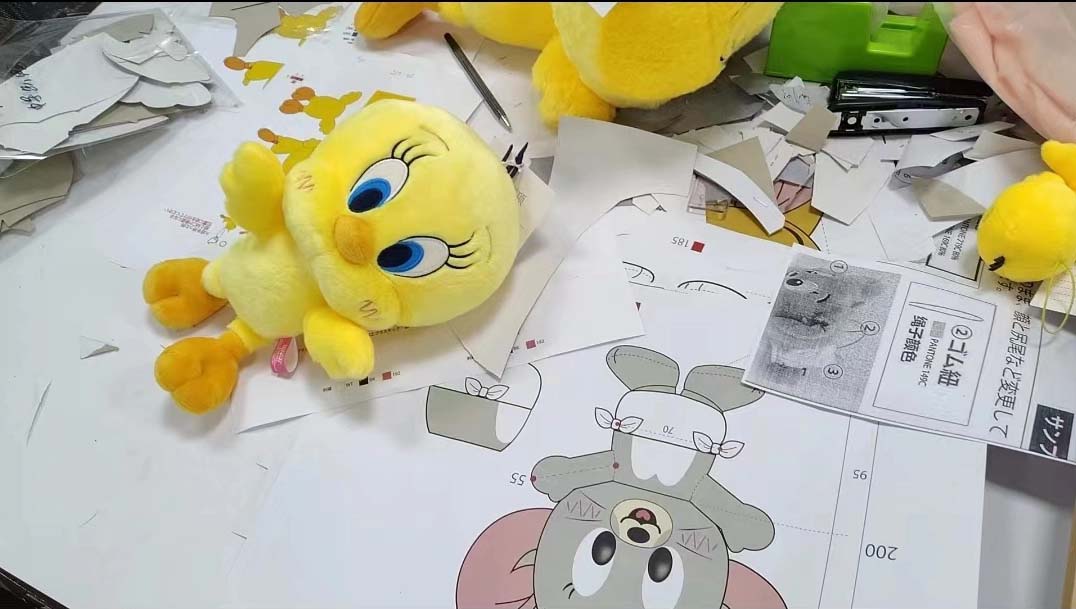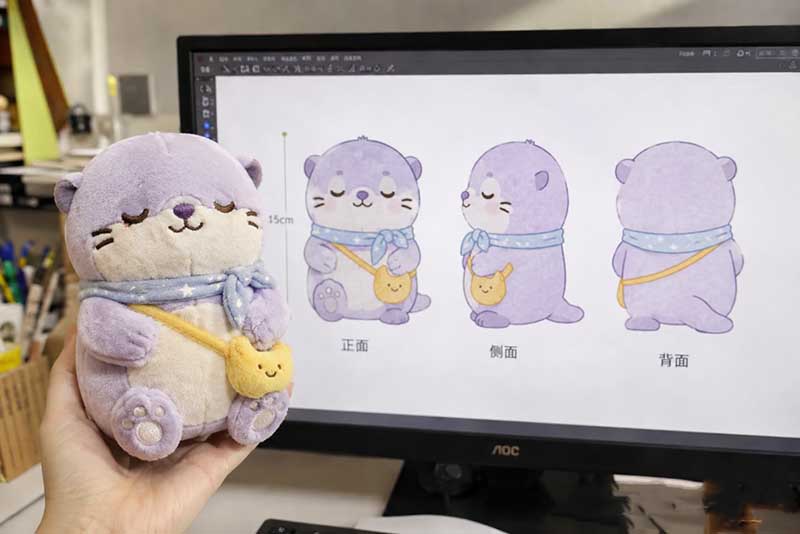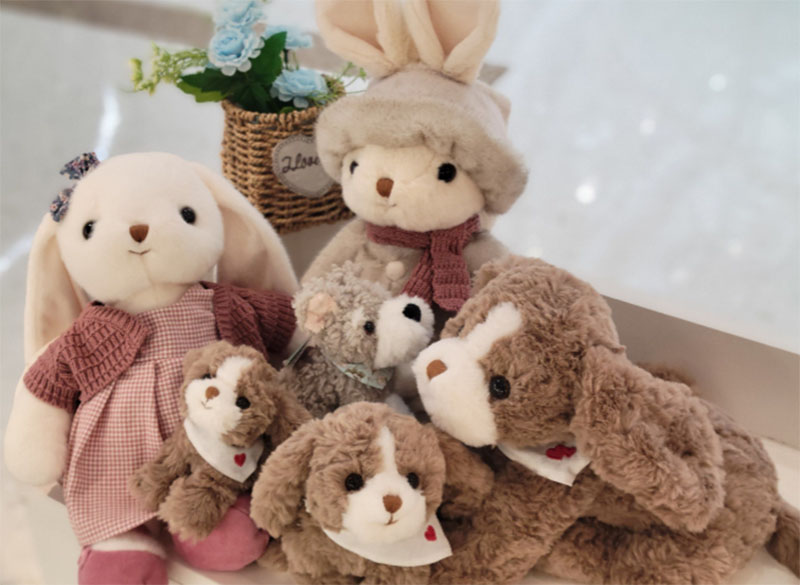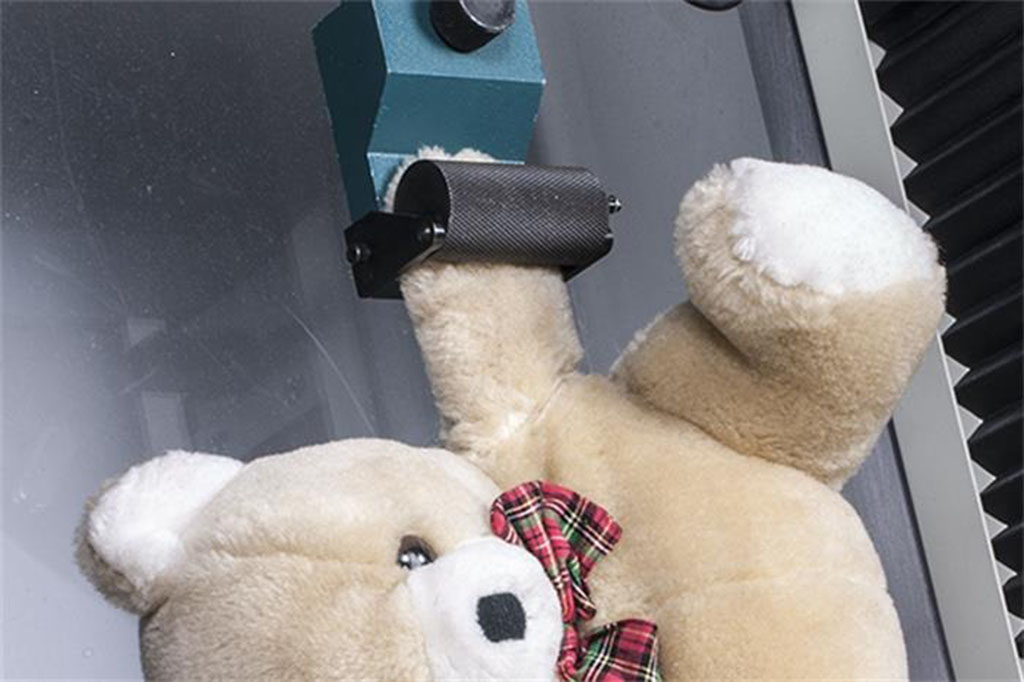
Realistic faux fur plush toys represent the highest level of plush manufacturing craftsmanship. Through advanced fabric engineering, precise pile control, and disciplined pattern making, modern faux fur plush can visually and tactically replicate real animal fur while remaining ethical, safe, and scalable for mass production. For brands, licensors, and premium retailers, these products serve not only as toys but also as collectibles, décor items, and lifestyle merchandise.
Below are the first 10 faux fur plush categories that consistently achieve lifelike results when produced with proper material selection, cutting precision, and quality control.
1. Realistic Faux Fur Teddy Bears with Natural Color Gradients
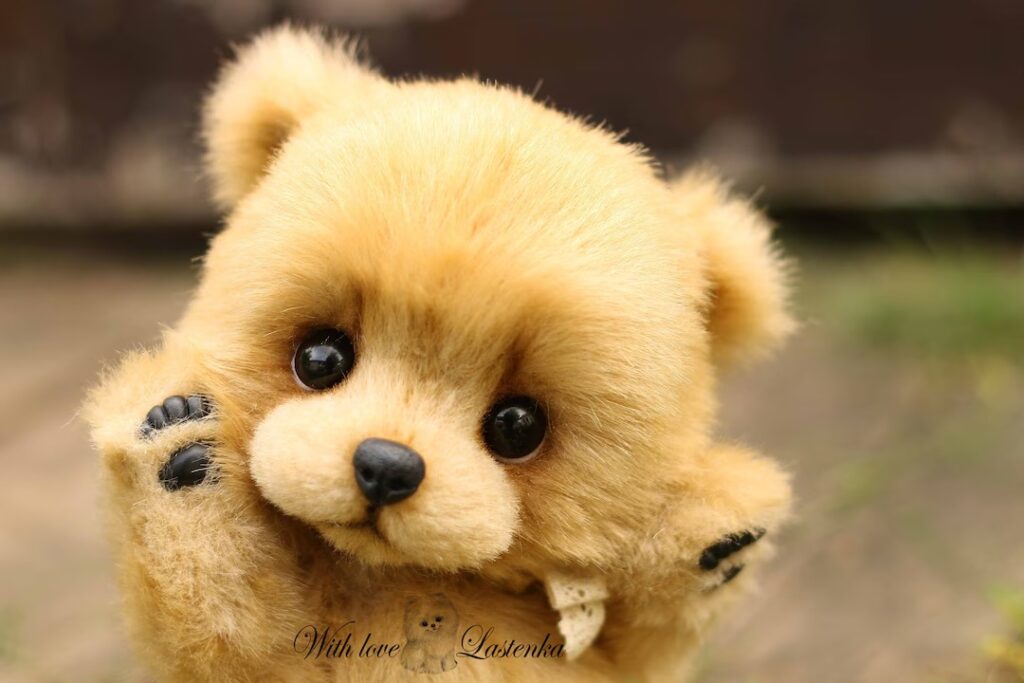
Realistic faux fur teddy bears rely on subtle material transitions rather than exaggerated shapes. High-quality teddy bears typically use multi-tone dyed faux fur, where the fiber base is slightly darker and the tip is lighter. This gradient creates depth and warmth under lighting, preventing the plush from looking flat or artificial. Medium-length, high-density pile is preferred to balance softness with long-term shape retention.
From a manufacturing perspective, fur direction must be carefully aligned across facial panels, arms, and torso to avoid visible texture breaks at seams. Pattern makers also minimize seam exposure by placing joins along natural fur flow lines. After sewing, controlled brushing and trimming are applied to enhance volume while reducing matting during handling or display. These teddy bears are commonly positioned as premium gifts or collectibles, requiring durability, symmetry, and a refined tactile experience.
| Key Aspect | Manufacturing Focus | Result |
|---|---|---|
| Color depth | Multi-tone dyeing | Natural gradient |
| Pile density | Medium, high-density fur | Shape stability |
| Seam control | Directional cutting | Seam invisibility |
| Finishing | Brushing & trimming | Premium hand-feel |
2. Lifelike Faux Fur Dog Plush Toys with Breed-Specific Details
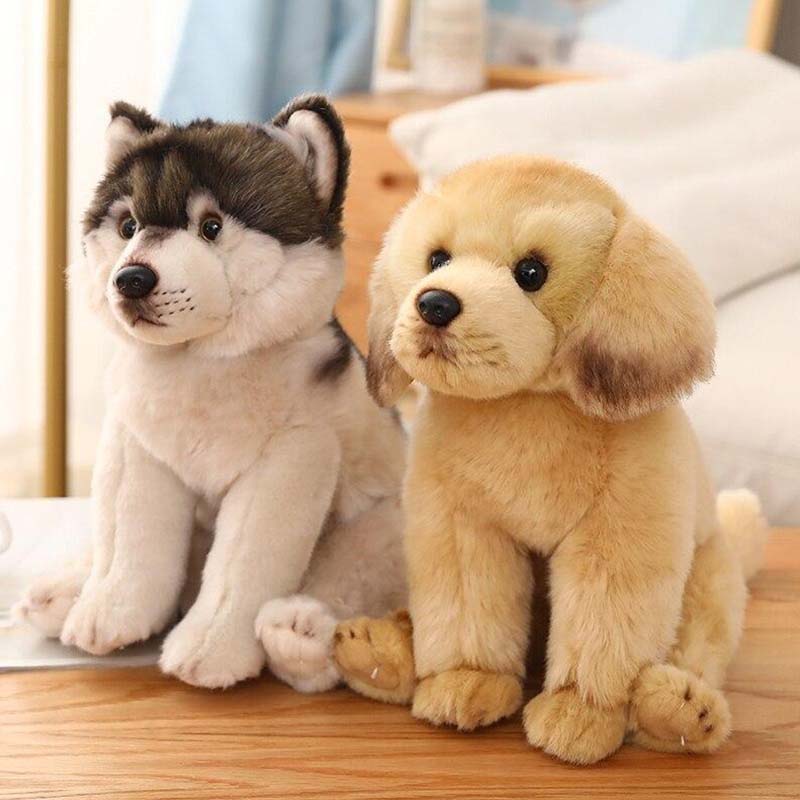
Dog plush toys achieve realism through breed-specific accuracy rather than generic animal styling. Different breeds require distinct fur lengths, textures, and color zoning. For example, retriever plush toys use short, dense faux fur, while husky or collie plush require longer pile with layered depth to simulate thick coats. Many realistic dog plush toys combine multiple fur types within one product to replicate undercoats, facial markings, and tail volume.
Pattern development plays a critical role, as posture and balance must reflect natural canine stance. Fur grain direction on legs, ears, and tails is tightly controlled to prevent unnatural flow. Facial realism is often achieved through embroidery shaping instead of plastic parts, preserving safety while enhancing expression. These details significantly influence consumer trust, especially in licensed or lifestyle dog plush collections.
| Breed Feature | Technical Execution | Impact |
|---|---|---|
| Fur length | Breed-matched pile | Authentic look |
| Color zoning | Panel-based mapping | Accurate markings |
| Tail & ear flow | Directional cutting | Natural movement |
| Facial detail | Embroidery shaping | Expressive realism |
3. Highly Detailed Faux Fur Cat Plush with Soft, Layered Textures
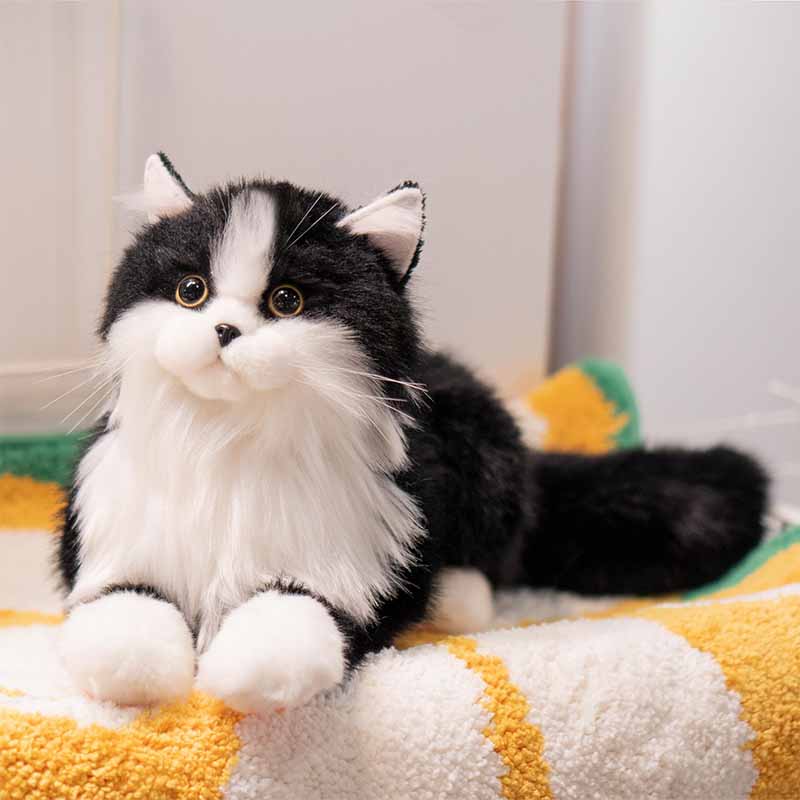
Cat plush toys depend heavily on tactile realism and subtle texture transitions. Fine-denier faux fur is commonly used to replicate the smooth, layered feel of real feline coats. Light shading around the eyes, paws, and tail base adds visual depth without overpowering the natural appearance. Unlike some animals, cats require compact bodies and precise proportions, making pattern accuracy especially critical.
Manufacturers carefully control stuffing density to avoid stiffness or distortion. Overstuffing can quickly break realism, while under-stuffing leads to collapse. High-quality cat plush toys feel light, flexible, and naturally balanced in hand. Seam placement is designed to follow fur flow, reducing visible joins and enhancing overall realism.
| Design Area | Control Method | Outcome |
|---|---|---|
| Fur texture | Fine-denier faux fur | Soft realism |
| Shading | Local dye control | Visual depth |
| Stuffing | Balanced density | Natural posture |
| Pattern accuracy | Tight tolerances | Clean silhouette |
4. Realistic Faux Fur Lion Plush with Mane Depth and Facial Definition
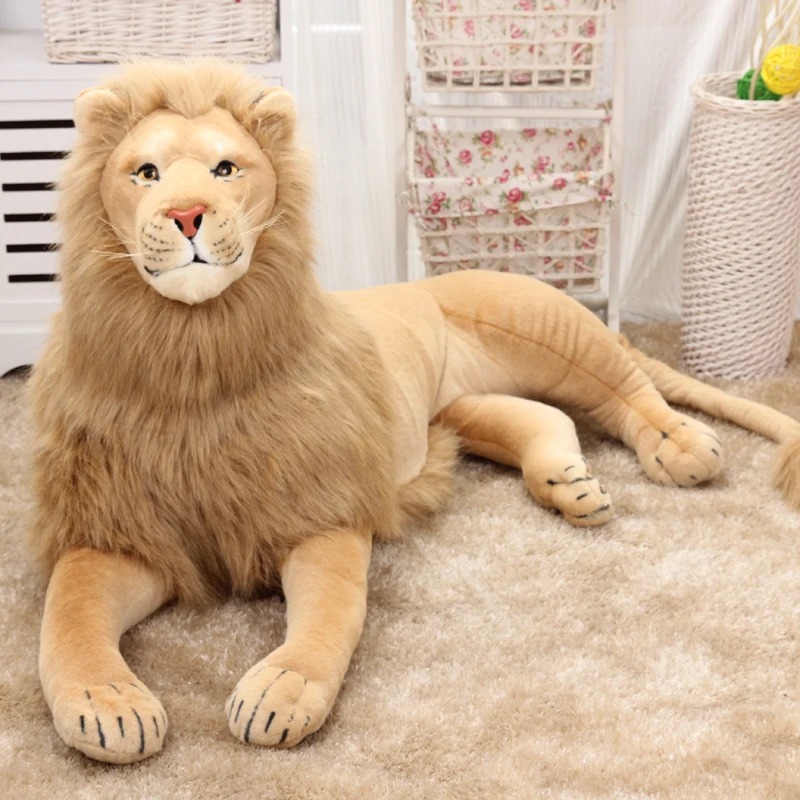
Lion plush toys present a unique challenge due to the mane. Realistic lion plush require long-pile faux fur that creates volume without collapsing or tangling. Manufacturers often layer multiple mane panels with controlled pile direction to simulate natural growth patterns. Without proper layering, the mane can appear flat or bulky.
The face contrasts with the mane by using shorter pile fabrics that allow clear definition of eyes, nose, and mouth. Post-assembly grooming separates fur layers and enhances depth. Mane construction frequently involves segmented panels to control thickness while maintaining softness and durability, especially for display-oriented products.
| Component | Technique | Effect |
|---|---|---|
| Mane | Layered long-pile panels | Volume & depth |
| Face | Short-pile precision | Sharp definition |
| Color | Dual-tone shading | Natural transition |
| Grooming | Manual brushing | Lifelike flow |
5. Faux Fur Tiger Plush Featuring Authentic Stripe Patterns
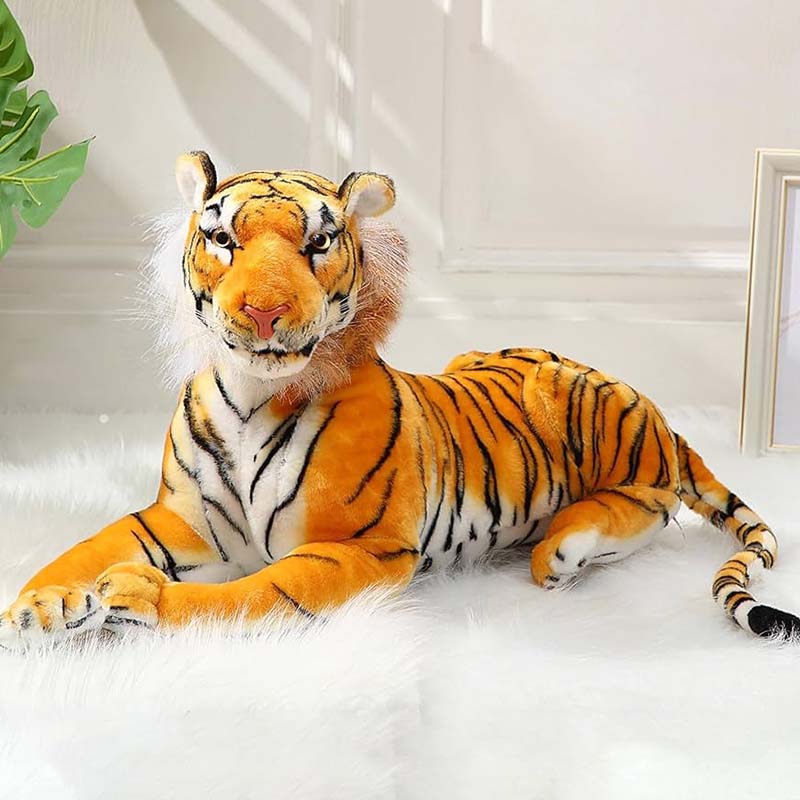
Tiger plush realism depends heavily on stripe accuracy and alignment. High-quality tiger plush toys use woven or digitally printed stripe faux fur that must align seamlessly across body panels. Pattern mapping before cutting is essential to ensure stripes flow naturally from torso to limbs without interruption.
Misaligned stripes immediately reduce perceived quality, particularly in licensed wildlife or educational products. Precision cutting, strict panel matching, and visual QC checks are necessary throughout production. Short to medium pile faux fur is commonly used to keep stripe edges sharp while maintaining softness.
| Stripe Control | Method | Result |
|---|---|---|
| Pattern mapping | Pre-aligned layouts | Seam continuity |
| Printing | High-resolution digital | Sharp contrast |
| Cutting | Precision alignment | Natural flow |
| QC | Visual inspection | Premium finish |
6. Ultra-Realistic Faux Fur Wolf Plush with Long-Pile Fur Effects
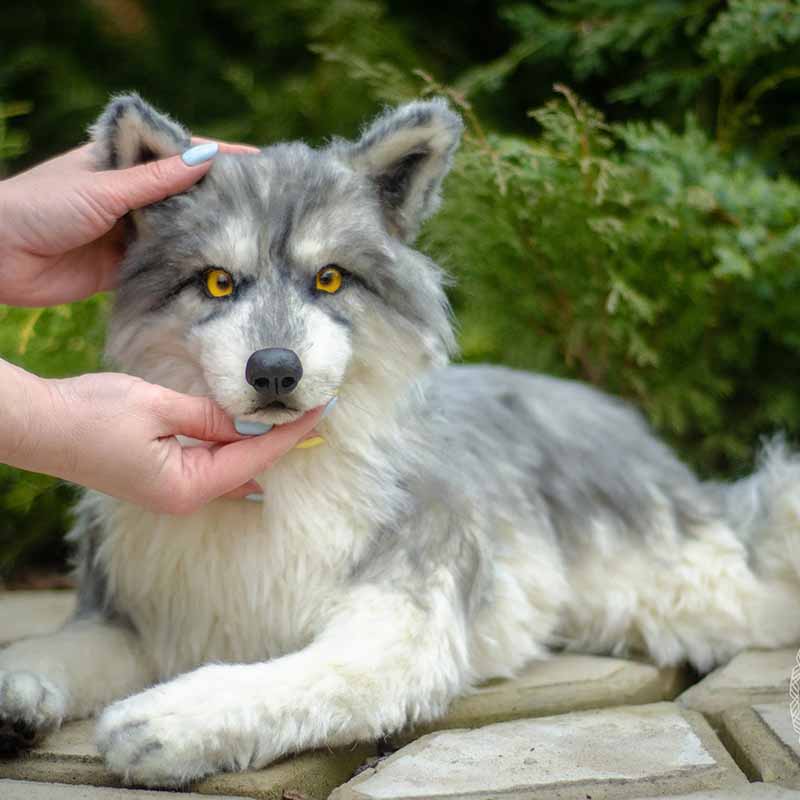
Wolf plush toys rely on dramatic long-pile faux fur to replicate layered coats. Directional cutting ensures fur flows naturally downward, mimicking real fur behavior. Internal structure supports posture while preventing distortion from heavy pile weight.
Selective trimming and grooming enhance realism without flattening the fur. Proper stuffing balance is essential to avoid bulky or misshapen results. These plush toys are often used in nature-themed retail or premium collections where realism is a key selling point.
| Focus Area | Execution | Benefit |
|---|---|---|
| Pile length | Extra-long faux fur | Wild appearance |
| Direction | Grain control | Natural flow |
| Grooming | Manual finishing | Texture clarity |
| Structure | Balanced stuffing | Stable form |
7. Faux Fur Fox Plush with Multi-Tone Tails and Facial Shading
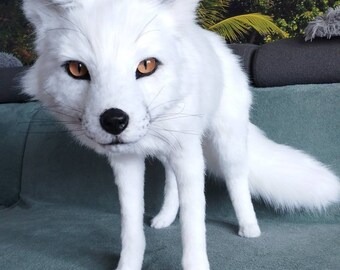
Fox plush toys emphasize contrast, particularly in tails and facial features. Multi-tone faux fur creates gradient tails with visual depth, while subtle facial shading highlights eyes and muzzle. Lightweight internal tail cores are often used to maintain fullness while allowing movement.
Pattern placement is critical to ensure color transitions appear natural. Facial features are usually embroidered rather than plastic to preserve softness and safety. These plush toys are popular in gift, fashion, and lifestyle markets.
| Feature | Technique | Result |
|---|---|---|
| Tail | Reinforced core | Full shape |
| Color | Multi-tone dye | Visual depth |
| Face | Shaded panels | Expression |
| Seams | Hidden placement | Clean finish |
8. Realistic Faux Fur Horse Plush with Flowing Mane and Tail
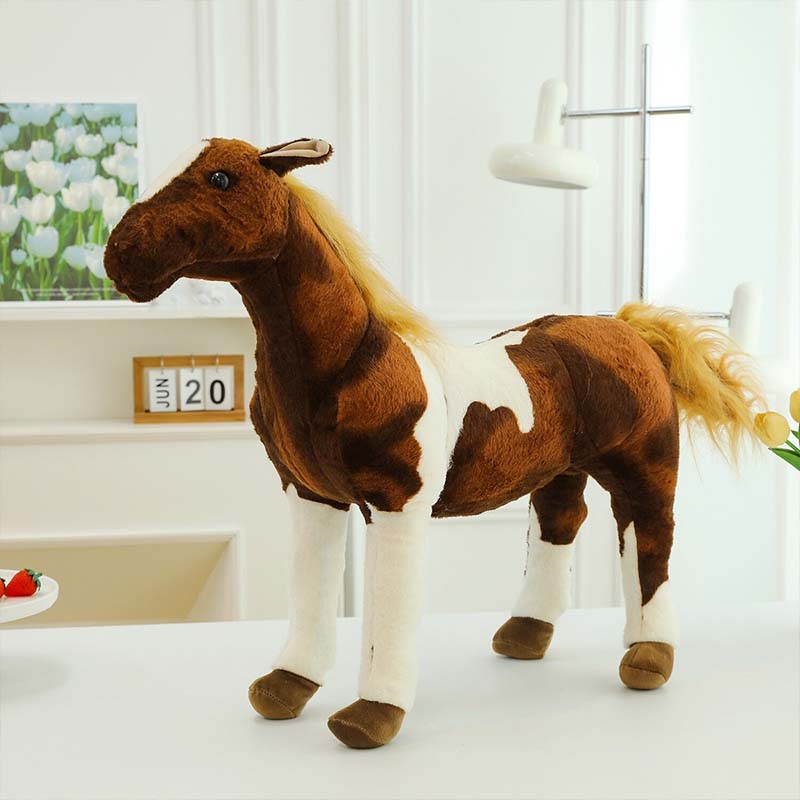
Horse plush toys focus on fluid movement in the mane and tail. Long faux fur strands must resist tangling while remaining soft. Layered stitching secures mane fibers and reduces shedding during handling.
The body typically uses shorter pile fabrics to maintain structure and balance. Mane and tail attachment methods are tested for durability, especially for large-sized plush used in décor or promotional displays.
| Area | Method | Performance |
|---|---|---|
| Mane | Layered attachment | Natural flow |
| Tail | Reinforced long pile | Durability |
| Body | Short-pile fur | Shape stability |
| QC | Pull tests | Longevity |
9. Faux Fur Rabbit Plush with Natural Ear Shape and Soft Density
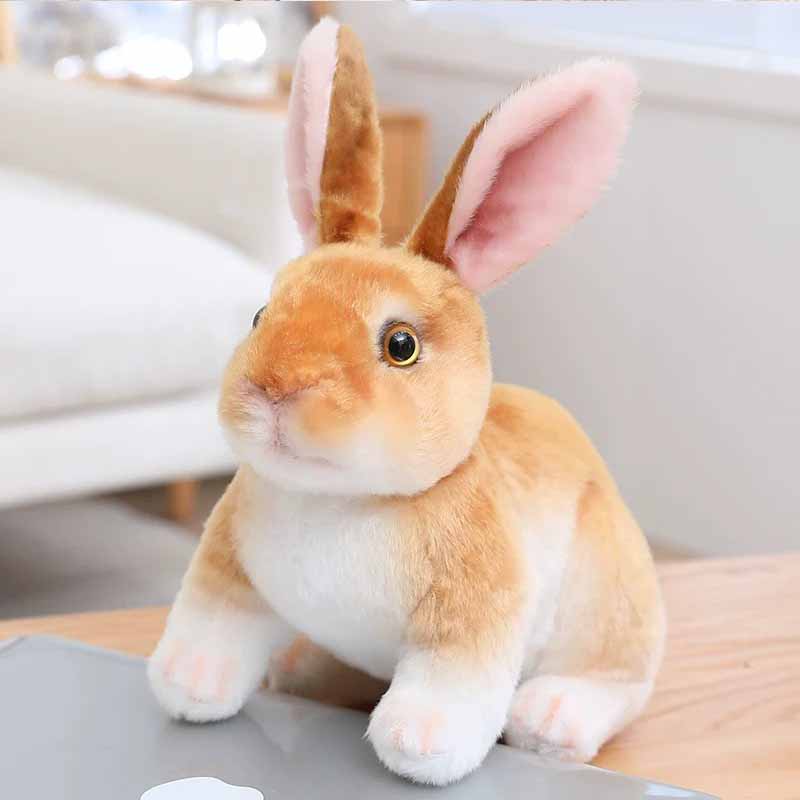
Rabbit plush toys prioritize softness and gentle proportions. Lower-density faux fur creates a light, comforting feel that appeals to both children and gift buyers. Ears often include soft internal inserts to maintain shape without stiffness.
Safety-focused designs avoid hard accessories, relying on embroidery for facial features. Pattern shaping emphasizes rounded forms to enhance realism and tactile appeal.
| Feature | Control | Effect |
|---|---|---|
| Fur density | Low-density plush | Gentle touch |
| Ear structure | Soft insert | Natural posture |
| Face | Embroidery | Child-safe |
| Pattern | Rounded panels | Soft realism |
10. Lifelike Faux Fur Panda Plush with Accurate Color Blocking
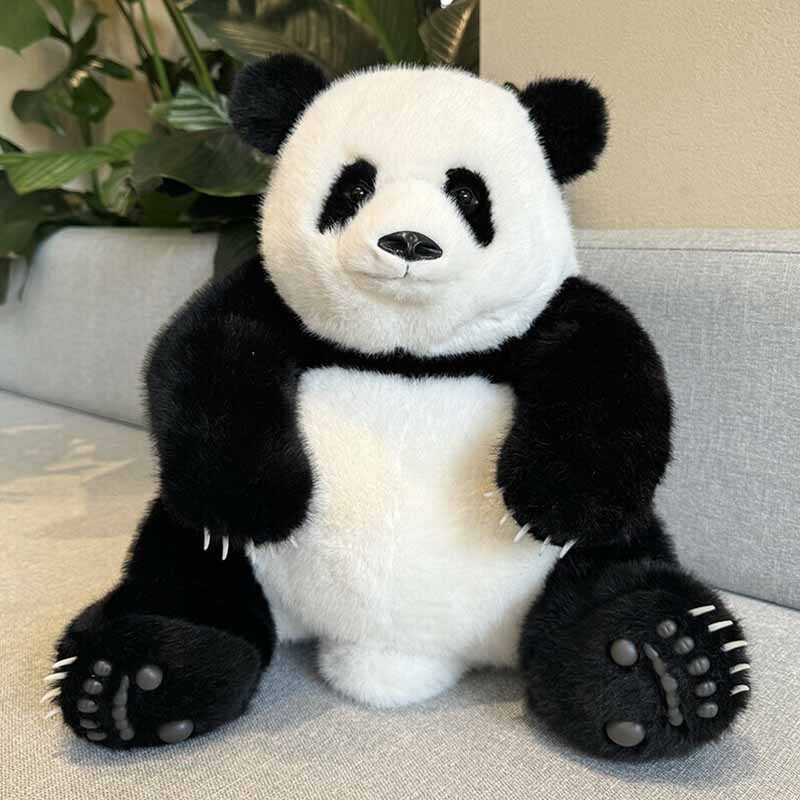
Panda plush toys rely on clean separation between black and white areas. Precise fabric zoning and cutting layouts ensure color blocks align accurately across seams. Any misalignment is immediately noticeable, making pattern control critical.
Medium pile faux fur is commonly used to balance clarity and softness. Strict color consistency checks are applied before and after sewing to maintain uniform appearance across batches.
| Control Area | Method | Outcome |
|---|---|---|
| Color zoning | Pre-mapped cutting | Clean contrast |
| Seam alignment | Pattern control | Visual accuracy |
| Fur choice | Medium pile | Balanced texture |
| QC | Color checks | Consistency |
11. Realistic Faux Fur Bear Cub Plush with Youthful Proportions
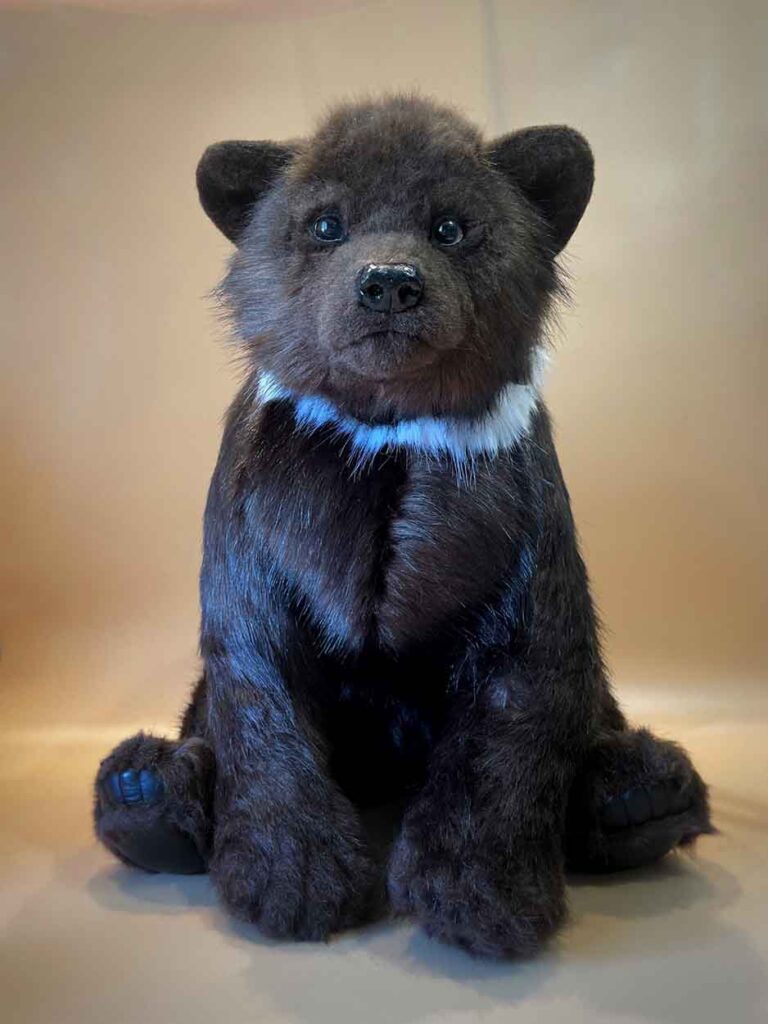
Bear cub plush toys focus on conveying youth, softness, and emotional warmth. Unlike adult bear designs, cub plush requires carefully adjusted proportions, including a larger head-to-body ratio, shorter limbs, and rounded silhouettes. Faux fur selection typically favors medium-length, soft pile fabrics that provide fullness without stiffness. Subtle color variation is often applied to avoid flat tones and enhance realism.
From a production standpoint, stuffing density must be reduced compared to standard teddy bears to maintain a gentle, squeezable feel. Pattern makers fine-tune seam curvature to preserve rounded shapes even after long-term use. These plush toys are commonly used in gift, baby, and collectible lines where emotional appeal and tactile comfort are critical.
| Design Element | Manufacturing Control | Result |
|---|---|---|
| Proportions | Enlarged head, short limbs | Youthful appearance |
| Fur | Soft medium pile | Cozy hand-feel |
| Stuffing | Lower density | Natural softness |
| Pattern shaping | Rounded seam curves | Consistent silhouette |
12. Faux Fur Deer Plush with Subtle Spotting and Fur Direction Control
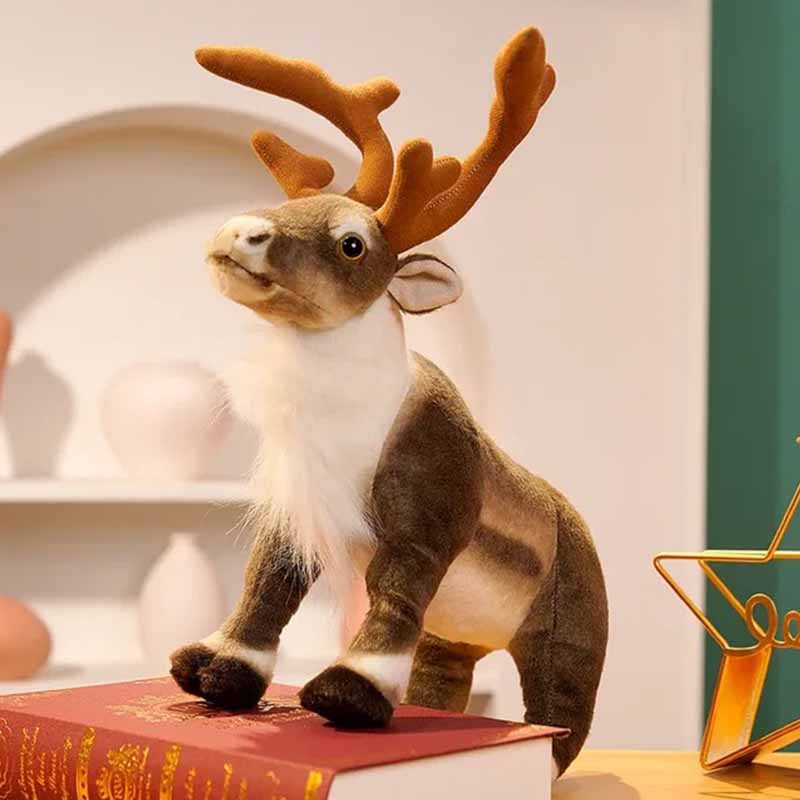
Deer plush toys rely on understated details rather than bold contrasts. Subtle spotting, slim body profiles, and smooth fur flow are key to achieving realism. Manufacturers often use digitally printed faux fur to place spots precisely, ensuring consistent size and spacing across production batches.
Directional cutting is especially important, as deer fur appears sleek and uniform in nature. Incorrect grain alignment can cause visual disruption. Pattern makers also focus on long, clean body lines to avoid bulky forms. These plush toys are popular in nature-themed retail, seasonal décor, and educational collections.
| Feature | Technique | Benefit |
|---|---|---|
| Spotting | HD digital printing | Realistic markings |
| Fur flow | Grain-controlled cutting | Natural appearance |
| Body shape | Slim pattern design | Species accuracy |
| QC focus | Visual alignment checks | Batch consistency |
13. Realistic Faux Fur Monkey Plush with Expressive Facial Features
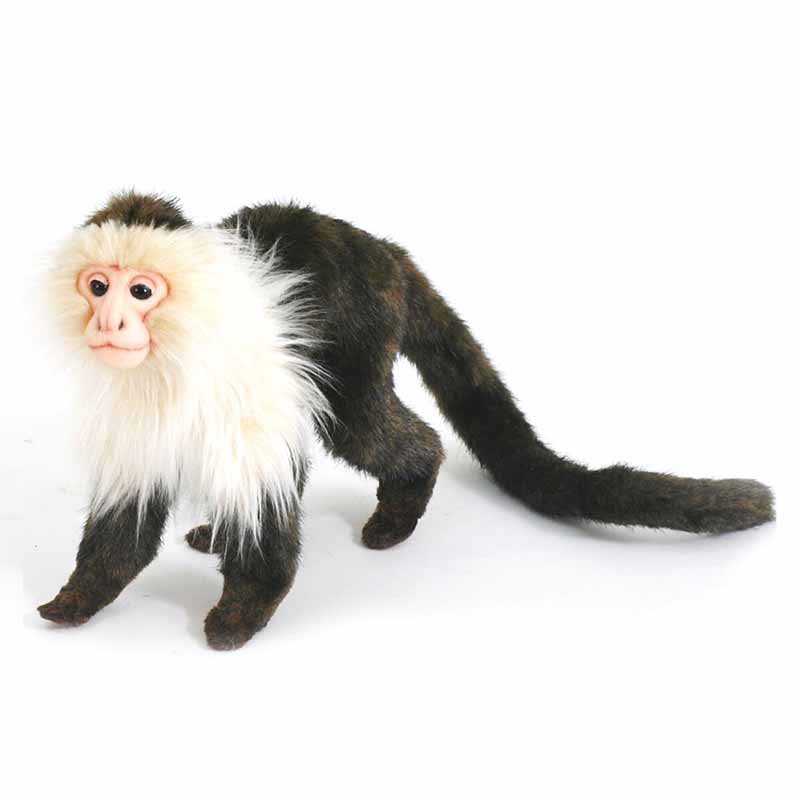
Monkey plush toys depend heavily on facial expression and body posture to feel lifelike. Faux fur selection typically combines short-pile fabrics on the face with medium-pile fur on the body, allowing facial features to remain clear and expressive. Embroidery density and stitch direction are carefully adjusted to shape eyes, brows, and mouths.
Manufacturers often perform manual shaping during assembly to refine expressions before final closure. Stuffing distribution must support flexible limbs and dynamic poses. These plush toys are widely used in zoo merchandise, licensed characters, and storytelling-driven collections.
| Facial Area | Execution Method | Impact |
|---|---|---|
| Eyes & brows | Dense embroidery | Expressive detail |
| Face fur | Short-pile contrast | Clear definition |
| Body fur | Medium pile | Soft realism |
| Assembly | Manual shaping | Lifelike posture |
14. Faux Fur Leopard Plush with High-Definition Spot Printing
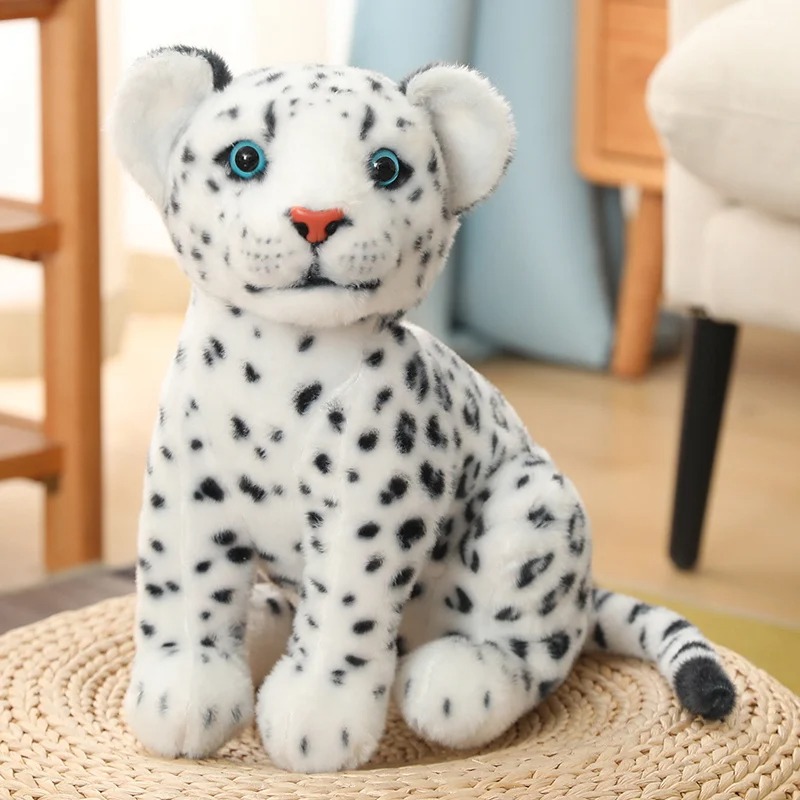
Leopard plush toys require precise spot definition and alignment. High-resolution digital printing is commonly used to reproduce complex spot patterns, but success depends on accurate pattern mapping before cutting. Any misalignment across seams immediately reduces perceived quality.
Short-pile faux fur is preferred to keep spots sharp and visible. Pattern makers carefully position panels so spot continuity is maintained from torso to limbs. These plush toys are often produced for wildlife brands, museums, and premium educational markets.
| Control Point | Technique | Result |
|---|---|---|
| Spot clarity | HD digital printing | Sharp realism |
| Panel alignment | Pre-mapped cutting | Seam continuity |
| Fur type | Short-pile plush | Clean detail |
| QC step | Visual spot checks | Premium finish |
15. Lifelike Faux Fur Husky Plush with Dual-Tone Fur Layers
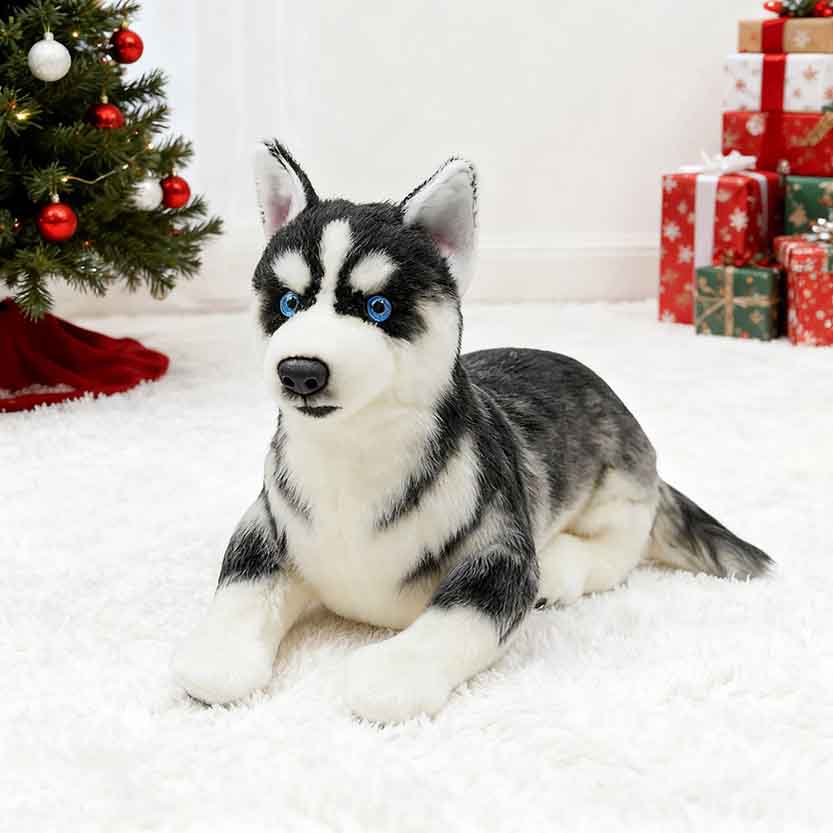
Husky plush toys stand out due to their thick, layered coats and distinct color transitions. Manufacturers often combine long-pile faux fur for the outer coat with denser short-pile fabrics underneath to simulate depth and volume. Dual-tone dyeing enhances contrast between light and dark areas.
Directional layering is critical to ensure fur flows naturally along the body and tail. Pattern complexity is higher than average, requiring skilled cutting and assembly. These plush toys are commonly positioned as premium lifestyle or gift products.
| Layer | Material Choice | Effect |
|---|---|---|
| Outer coat | Long-pile faux fur | Volume & realism |
| Undercoat | Dense short pile | Structural support |
| Color | Dual-tone dyeing | Visual depth |
| Tail | Directional layering | Natural flow |
16. Realistic Faux Fur Sheep Plush with Curly Texture Simulation
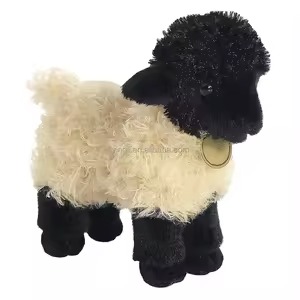
Sheep plush toys replicate wool-like texture using looped or textured faux fur. Achieving realism requires careful density control, as excessive compression can flatten curls over time. Manufacturers select fabrics that retain springiness after repeated handling.
Pattern spacing and seam placement are optimized to maintain volume across the body. These plush toys are often used in farm-themed collections, children’s education, and seasonal retail displays.
| Texture Element | Method | Outcome |
|---|---|---|
| Curly fur | Loop-texture faux fur | Wool simulation |
| Density | Controlled pile height | Shape retention |
| Pattern | Rounded panel layout | Natural volume |
| QC | Compression testing | Durability |
17. Faux Fur Raccoon Plush with Tail Ring Detail and Masked Face
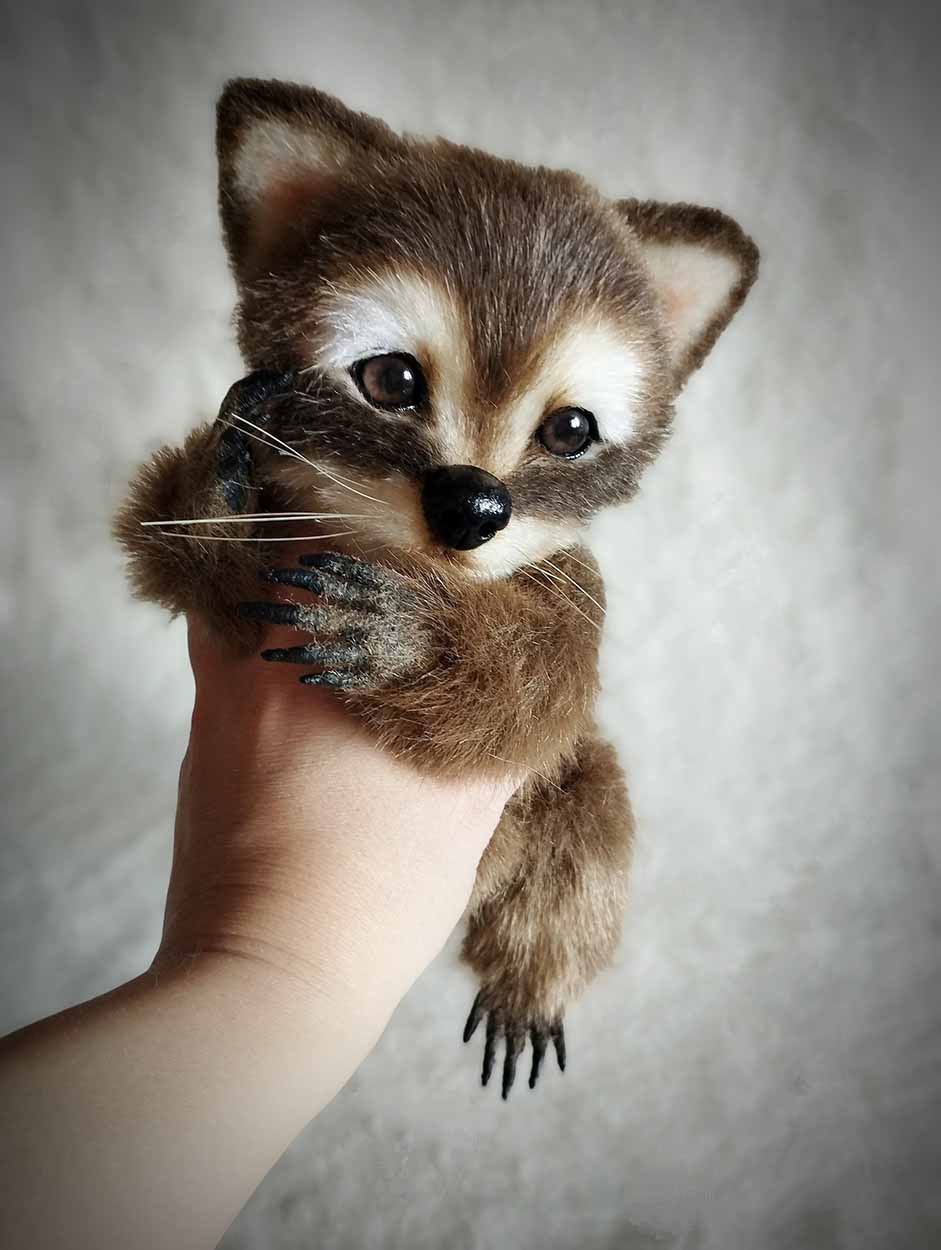
Raccoon plush toys are defined by their facial masks and ringed tails. Multi-tone faux fur and precise panel alignment are used to maintain clear contrast between light and dark areas. Tail construction often includes internal support to preserve ring definition.
Directional cutting ensures fur flows consistently along the tail and body. These plush toys are popular in outdoor, wildlife, and nature-inspired merchandise programs.
| Feature | Technique | Result |
|---|---|---|
| Tail rings | Color-zoned panels | Clear definition |
| Face mask | Shaded panel design | Species accuracy |
| Fur flow | Direction control | Natural look |
| QC | Visual inspection | Consistency |
18. Realistic Faux Fur Owl Plush with Feather-Like Fur Structure
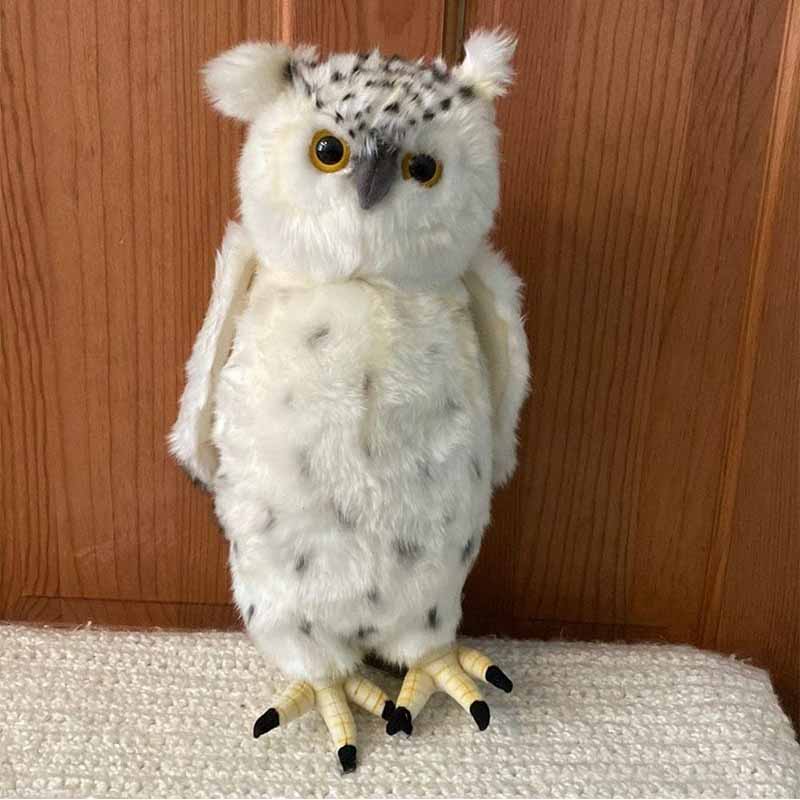
Owl plush toys simulate feathers using layered faux fur panels combined with printed textures. Symmetry is essential, especially around the face and wings. Short-pile faux fur is often used on facial areas to preserve clarity.
Manufacturers pay close attention to balance and posture so the plush maintains a natural seated form. These plush toys are commonly featured in educational, museum, and premium décor markets.
| Area | Control Method | Effect |
|---|---|---|
| Fur layering | Panel stacking | Feather illusion |
| Face | Short-pile precision | Clear expression |
| Color | Gradient shading | Visual depth |
| QC | Symmetry checks | Realism |
19. Faux Fur Koala Plush with Dense, Ash-Gray Fur Appearance
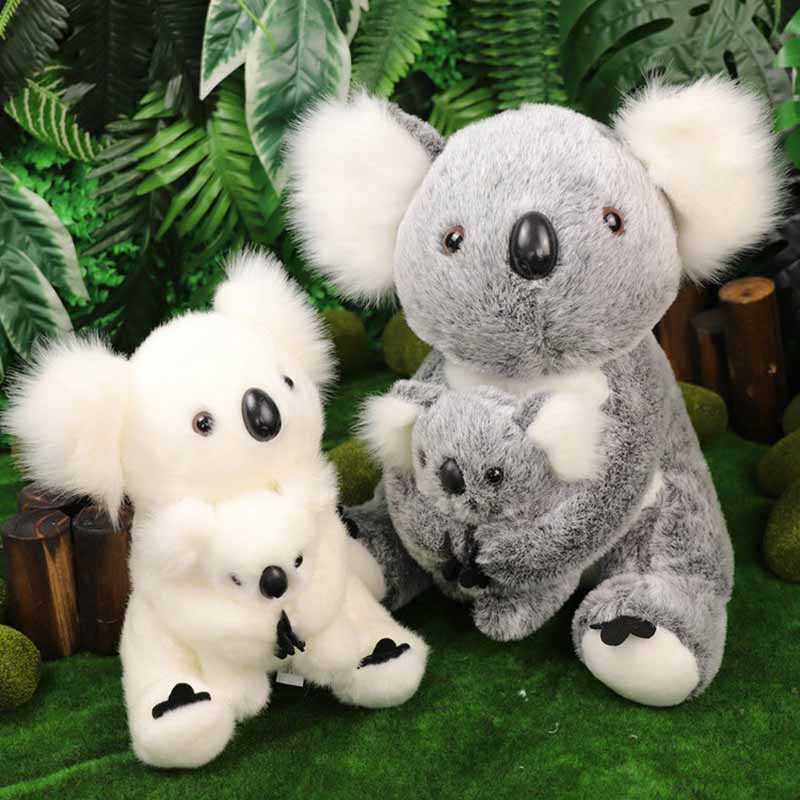
Koala plush toys require dense, short-pile faux fur to replicate thick, compact coats. Subtle ash-gray color blending prevents harsh contrast and supports a natural appearance. Pattern makers design compact body shapes to match real koala proportions.
Stuffing density is balanced to maintain firmness without stiffness. These plush toys are often used in wildlife retail and souvenir collections.
| Element | Technique | Outcome |
|---|---|---|
| Fur density | High-density short pile | Full appearance |
| Color | Ash-gray blending | Natural tone |
| Shape | Compact pattern | Species accuracy |
| QC | Texture consistency checks | Uniform quality |
20. Lifelike Faux Fur Polar Bear Plush with Clean White Pile Finish
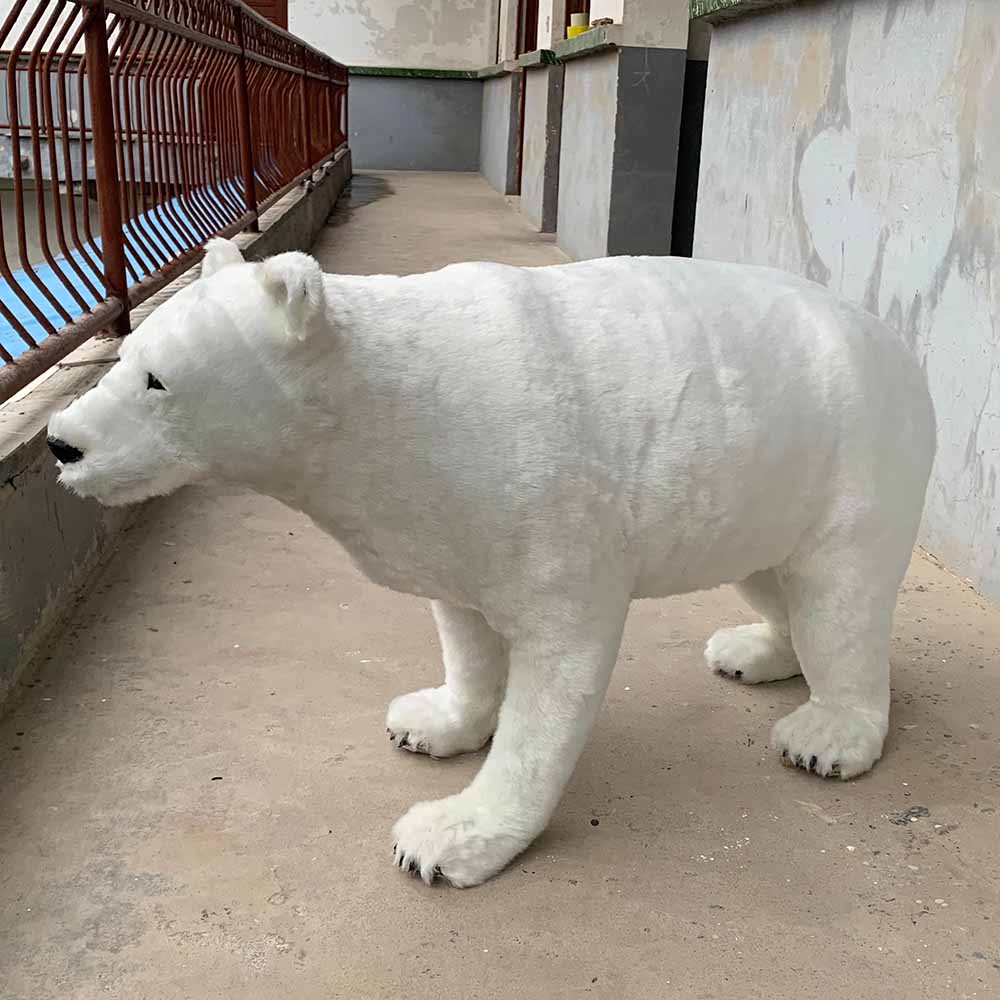
Polar bear plush toys focus on clean texture and consistent pile behavior rather than color variation. High-quality white faux fur must resist yellowing and matting over time. Medium to long pile fabrics are selected for softness and volume.
Manufacturers apply strict cleanliness and handling standards during production to prevent discoloration. Pattern simplicity helps maintain symmetry and durability, making these plush toys suitable for premium and educational markets.
| Focus Area | Manufacturing Control | Result |
|---|---|---|
| Fur color | High-grade white faux fur | Clean appearance |
| Pile behavior | Anti-matting treatment | Long-term softness |
| Pattern | Symmetrical layout | Visual balance |
| QC | Contamination checks | Color consistency |
Conclusion
Realistic faux fur plush toys showcase how advanced materials, precise pattern making, and disciplined manufacturing processes can bring lifelike character designs to market. By controlling fur texture, pile direction, color accuracy, and construction quality, brands can create plush products that feel authentic, durable, and premium. When executed correctly, faux fur plush toys not only meet ethical and safety expectations but also strengthen emotional connection, brand value, and long-term commercial success in global retail markets.
📧 Contact: [email protected]
🌐 Visit: https://kinwintoys.com