Skip to content
Pre-shipment inspection is the final safeguard before plush toys are released from the factory and shipped to global markets. This step verifies that mass-produced items match the approved Golden Sample, comply with safety standards, and meet the buyer’s quality expectations. For plush toys—where appearance, softness, safety, and consistency matter greatly—pre-shipment inspection ensures that every unit is retail-ready and free from defects that could damage a brand’s reputation.
In this guide, you will learn what professional inspectors look for, how they evaluate quality and compliance, and how an accurate pre-shipment inspection prevents costly returns, shipment delays, and customer complaints.
How Inspectors Evaluate Overall Appearance, Craftsmanship, and Construction Quality?
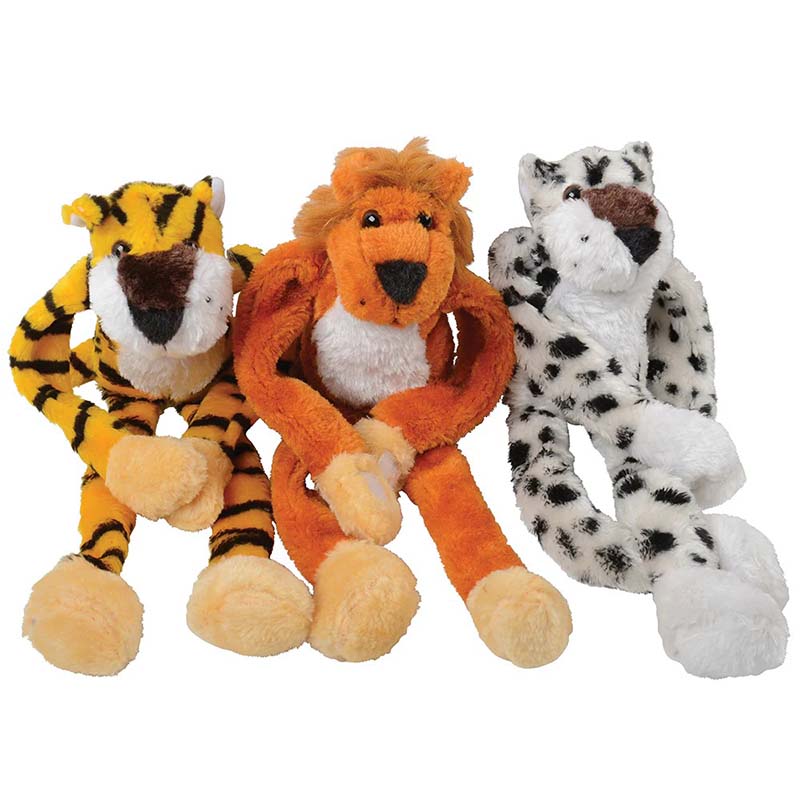
During a pre-shipment inspection, the first focus is the toy’s overall appearance and craftsmanship. Inspectors compare the product directly with the Golden Sample to check consistency in shape, style, and character expression. Plush toys must maintain visual harmony across the entire batch, especially for licensed or character-driven designs where facial details, symmetry, and color placement are critical.
Inspectors look for clean stitching, neat finishing, absence of loose threads, and correct assembly of arms, legs, tails, ears, and facial elements. Each toy must feel properly stuffed—neither too firm nor too loose. Craftsmanship issues such as crooked embroidery, uneven stuffing, or misshapen bodies can signal production inconsistencies that require immediate correction.
A thorough appearance check ensures that the final product reflects the buyer’s design intent and meets retail-level expectations.
Appearance & Craftsmanship Checklist
| Inspection Area | Key Elements Checked | Purpose |
|---|---|---|
| Visual Appearance | Symmetry, shape, character expression | Match Golden Sample |
| Stitching | Neatness, tightness, loose threads | Durability & aesthetics |
| Stuffing | Evenness, firmness, smooth surface | High-quality hand-feel |
| Assembly | Correct placement of parts | Construction accuracy |
| Surface Cleanliness | No stains, marks, or lint | Retail-ready condition |
How Measurement, Proportion, and Specification Checks Ensure Design Accuracy?
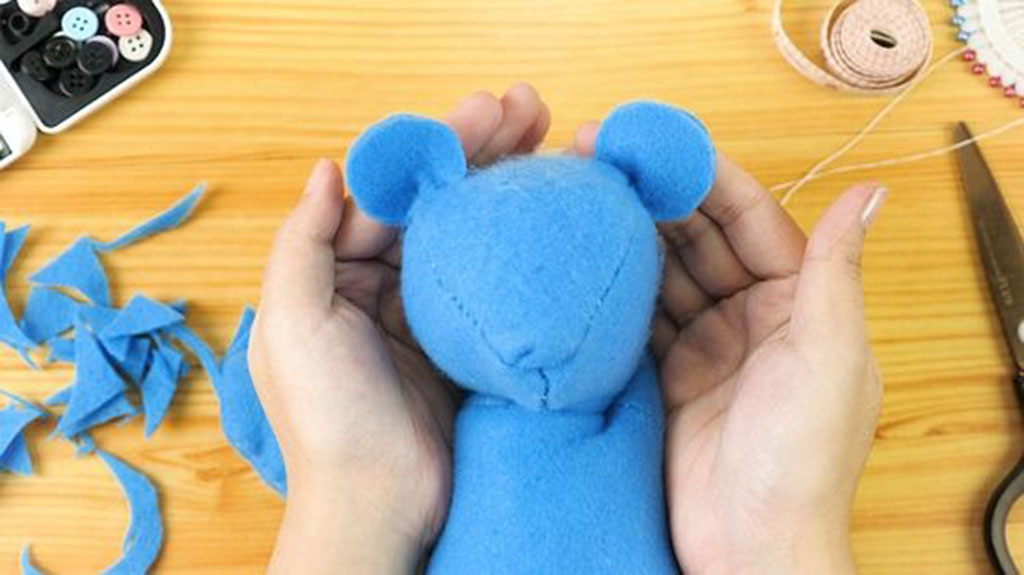
Pre-shipment inspections include strict measurement checks to ensure the product meets the specifications approved during sampling. Inspectors verify total height, width, and depth, as well as component measurements such as arm length, ear height, or tail size. Even small deviations can distort character design, affect shelf presence, or lead to complaints from end consumers.
Proportional accuracy is especially important for plush toys because visual balance is part of the product appeal. A slightly larger head, shorter limbs, or narrower body shape can dramatically change the feel of a toy compared to the Golden Sample.
Inspectors use measurement tools and tolerance limits defined in the tech pack. If the toy falls outside these tolerances, it may be classified as a defect, requiring sorting, rework, or replacement.
Measurement & Specification Evaluation Table
| Specification Area | Items Checked | Acceptable Tolerance |
|---|---|---|
| Overall Size | Height, width, depth | ± 1–2 cm depending on size |
| Component Size | Ears, arms, legs, tail | ≤ defined tolerance |
| Embroidery Size | Eye width, nose height | Precise to design |
| Weight | Stuffing density consistency | Within ±5% |
| Balance | Structural symmetry | Must match Golden Sample |
How Material, Fabric, and Color Consistency Are Verified Before Shipment?
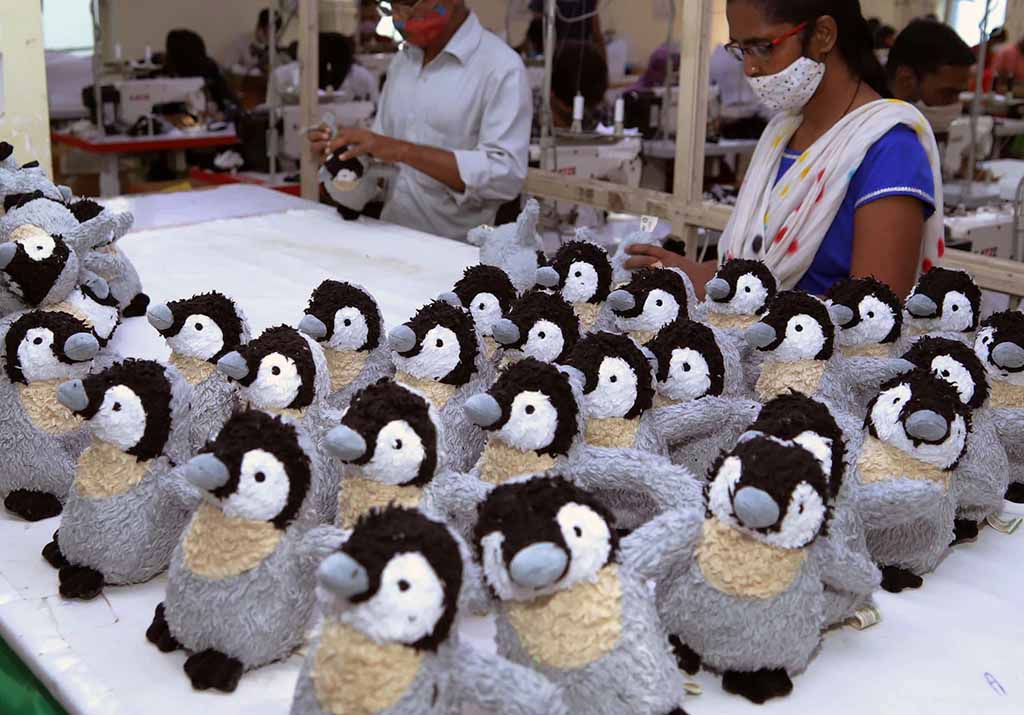
Inspectors also verify material authenticity and consistency to ensure that the correct fabrics, colors, and accessories were used in production. Plush toys often rely on exact fabric textures—such as minky, velboa, fleece, or faux fur—and incorrect substitutions can affect softness, durability, and safety compliance.
Color consistency is checked under standardized lighting to detect shade variations or dyeing inconsistencies. Fabric direction (pile direction), density, and softness are also evaluated, as these characteristics affect the overall look and feel of the toy.
Inspectors also check internal materials, including filling quality, fabric backing, and reinforcement parts that affect structure and safety. Accessories such as eyes, noses, ribbons, and clothing must match the approved materials list.
Material & Color Consistency Table
| Material Component | Inspection Focus | Issue Prevented |
|---|---|---|
| Plush Fabric | Pile direction, softness, dye consistency | Visual mismatch |
| Filling | Cleanliness, elasticity, weight | Shape deformities |
| Accessories | Secure attachment, correct style | Choking hazards |
| Embroidery Threads | Color accuracy, line thickness | Brand inconsistency |
| Internal Structure | Reinforcement, lining | Safety failure |
How Functional, Safety, and Strength Tests Confirm Product Compliance?
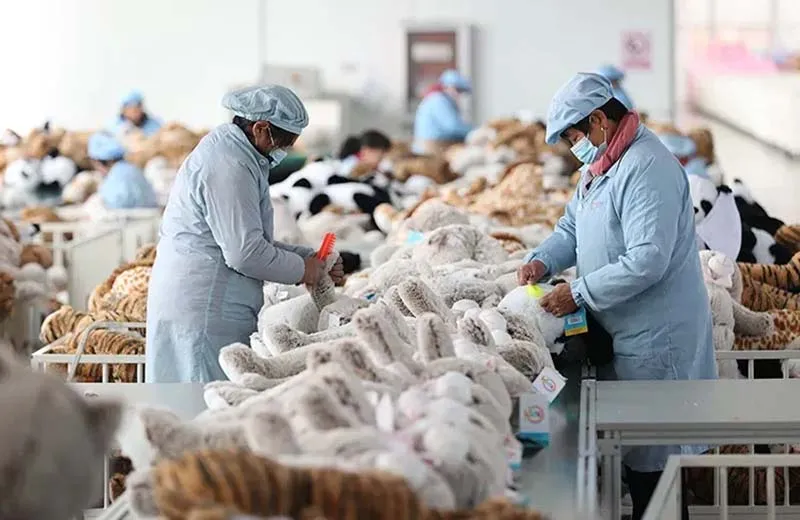
Functional and safety testing is a major part of plush toy pre-shipment inspection. Plush toys must comply with EN71, ASTM F963, and CPSIA standards before entering global markets. Inspectors perform hands-on tests to ensure the toy is safe for children and will not break, tear, or shed harmful components.
Strength and safety tests simulate real use cases. For example, inspectors pull on eyes, noses, ears, and limbs with force to confirm they do not detach. They also test seam strength to ensure the toy will not split open and expose stuffing.
Inspectors check for sharp points, loose fibers, small detachable parts, and hazards affecting children under 3 years old. Compliance documentation is reviewed to verify that all materials passed chemical and flammability tests.
Functional & Safety Testing Table
| Test Type | Description | Purpose |
|---|---|---|
| Seam Strength Test | Pull seams in multiple directions | Prevent tearing |
| Torque Test | Twist eyes and noses with pressure | Ensure secure attachment |
| Tension Test | Pull limbs, ears, accessories | Structural safety |
| Drop Test | Simulate rough child handling | Durability validation |
| Chemical/Compliance Review | Verify EN71/ASTM testing | Market legal requirements |
How Packaging, Labeling, and Carton Requirements Are Checked for Export Readiness?
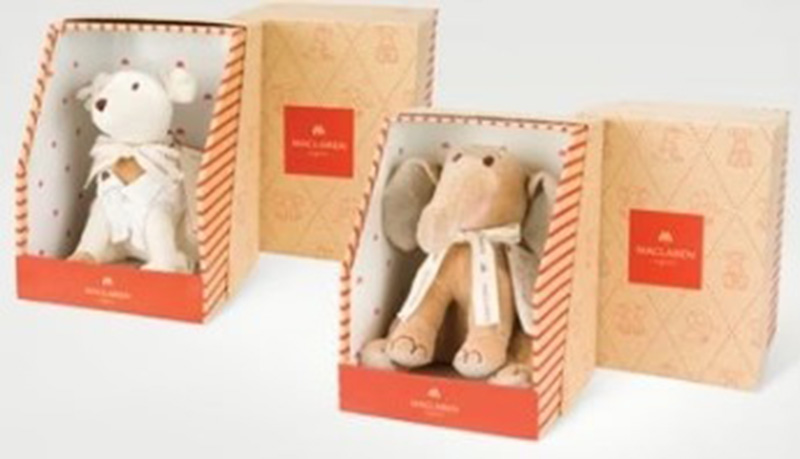
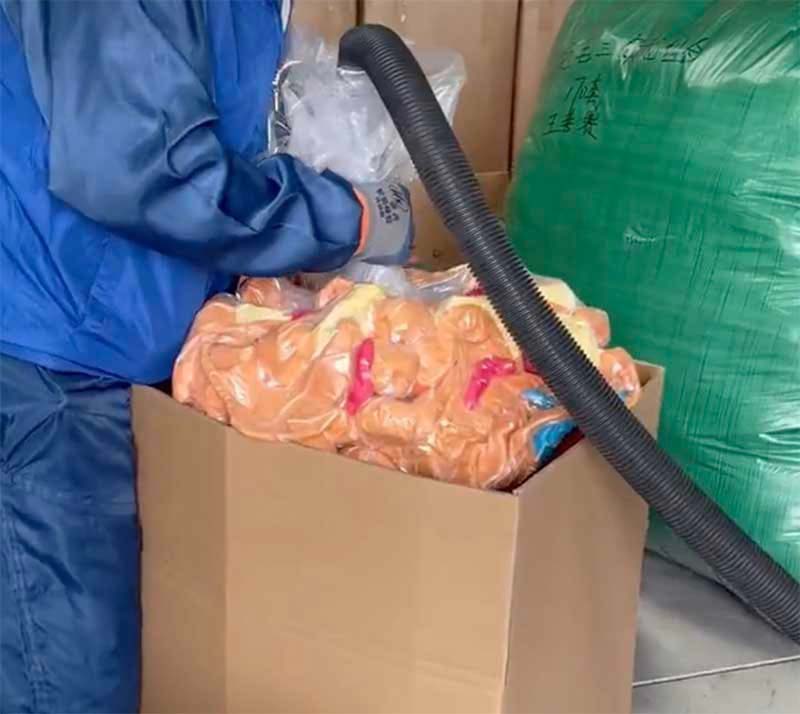
Plush toy inspection also includes a full packaging and labeling review. Even if the toy itself is perfect, incorrect packaging can lead to retailer rejection or customs delays.
Inspectors evaluate:
- Polybag thickness, sealing, and suffocation warnings
- Hangtag positioning, printing accuracy, and barcode scanning
- Labeling content (fiber content, safety warnings, age grading)
- Artwork placement and color accuracy
- Master carton dimensions, strength, and weight limits
- Packaging cleanliness and protective materials
Proper packaging prevents damage during transportation and ensures compliance with retailer and country-specific regulations, such as Amazon FBA requirements.
Packaging & Export Readiness Table
| Packaging Component | Items Checked | Purpose |
|---|---|---|
| Polybags | Thickness, seal, warnings | Safety compliance |
| Hangtags | Content, placement, barcode | Retail accuracy |
| Labels | Material info, wash care, warnings | Regulation compliance |
| Cartons | Strength, dimensions, count | Safe global shipping |
| Protective Materials | Foam, tissue, inserts | Prevents deformation |
How AQL Standards, Defect Classification, and Reporting Determine Shipment Approval?
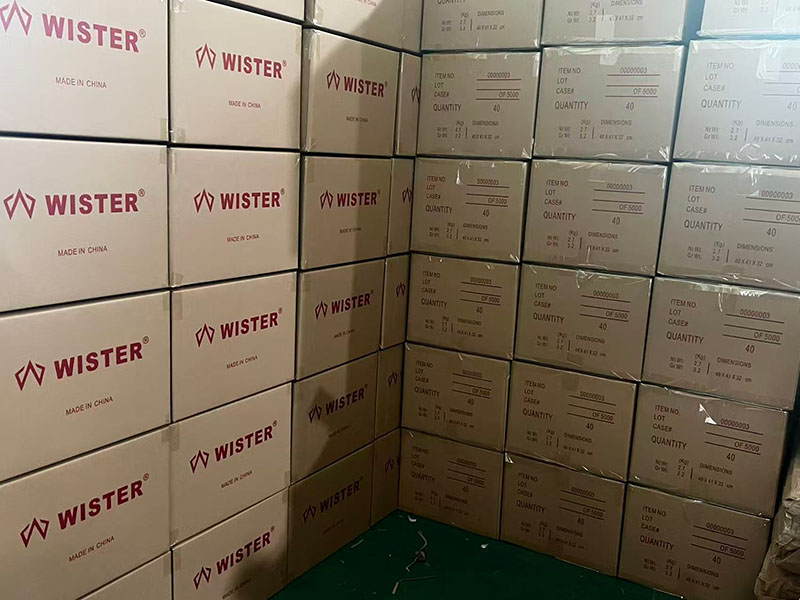
The final step is determining whether the shipment passes or fails inspection using AQL (Acceptable Quality Limit) standards. Inspectors select samples based on batch size and evaluate them using defect classifications:
- Critical Defects — Unsafe or illegal; shipment fails
- Major Defects — Affect function or appearance; may require rework
- Minor Defects — Small cosmetic issues; acceptable within limits
Inspection results are summarized in a detailed report with photos, measurements, defect counts, and recommendations. Buyers use this report to approve shipment, request rework, or schedule a re-inspection.
Clear reporting ensures transparency and accountability between the factory and the buyer. It also documents trends to help factories improve long-term quality.
AQL & Defect Classification Table
| Defect Type | Description | Impact |
|---|---|---|
| Critical | Safety-related, regulatory violation | Automatic fail |
| Major | Functional or major visual issues | Requires repair |
| Minor | Small imperfections | Acceptable within AQL |
| AQL Value | Statistical tolerance limit | Determines pass/fail |
| Final Report | Photos + measurements | Shipment decision basis |
Conclusion
Pre-shipment inspection is the final—and one of the most crucial—steps in plush toy manufacturing. It confirms that every unit meets the brand’s quality requirements, matches the Golden Sample, and complies with international safety standards. By ensuring accuracy in appearance, measurements, materials, safety, and packaging, this inspection protects both the factory and the buyer from costly mistakes and strengthens confidence in the supply chain.
📧 Contact: [email protected]
🌐 Visit: https://kinwintoys.com