Skip to content
When it comes to making plush toys, choosing the right filling material is key to delivering softness, safety, and long-lasting quality. The filling inside affects how the toy feels, holds its shape, and performs through years of hugs and play. Whether you’re a toy brand owner, retailer, or distributor, knowing the most popular stuffing options helps you pick the best fit for your customers.
At Kinwin, we’ve supported global buyers like you for over a decade, customizing plush toys with various fillings to match different market needs. Today, I want to share what I’ve learned about the top five plush filling materials. This guide explains their qualities, benefits, and how they fit your product goals and budget.
Let’s dive in and help you find the perfect stuffing for your next plush collection.
1. Polyester Fiberfill: The Trusted Classic
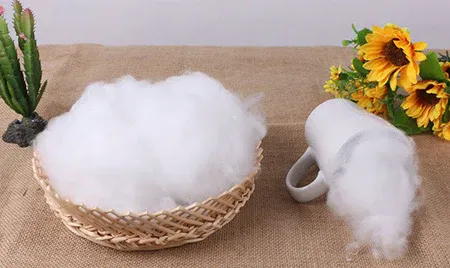
Polyester fiberfill is the industry’s most popular filling. This synthetic material is made from long, fluffy polyester fibers that trap air and create a soft, light cushion. Its balance of softness, resilience, and affordability makes it the go-to choice for most plush toys.
Because polyester fiberfill is lightweight, it lowers shipping costs and makes production easier. It bounces back well after being squeezed or squished, so toys keep their shape through endless hugs and rough handling.
Safety is crucial, especially for children’s toys. Polyester fiberfill is hypoallergenic and non-toxic, meeting strict safety standards like CE and ASTM. This means it’s safe for all ages, including babies and toddlers. Our customers, such as Jessica Williams from the USA, appreciate this safety assurance for their retail and promotional products.
From a manufacturer’s perspective, polyester fiberfill is easy to handle and consistent in quality, ensuring uniformity across large orders. This helps brands reduce quality issues and maintain customer trust.
| Feature | Description | Benefit |
| Material | Synthetic polyester fibers | Soft, lightweight, hypoallergenic |
| Durability | High resilience | Keeps shape and softness |
| Safety | Meets CE & ASTM certifications | Safe for all ages |
| Cost | Affordable | Suitable for mass production |
| Moisture Resistance | Resistant to mold and mildew | Longer-lasting toys |
Polyester fiberfill suits a wide variety of plush toys — from baby-safe dolls to giant stuffed animals. Its proven performance and cost-efficiency make it a reliable choice for many buyers.
2. PP Cotton (Polypropylene Cotton): Softness Meets Structure
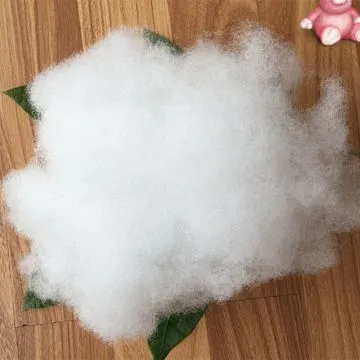
PP cotton, or polypropylene cotton, is another common synthetic filling often used as an alternative to polyester fiberfill. It offers a fluffier, airier texture with a bit more firmness, helping toys maintain their shape better.
This filling is made from short polypropylene fibers tangled together. The result is a soft yet supportive stuffing, perfect for plush toys that need a fuller form without feeling stiff or heavy.
PP cotton is highly moisture resistant and dries quickly, which helps prevent clumping and odor. This makes it well suited for toys that might be washed or exposed to humidity. Its firmness allows toys like dolls and animals to hold their rounded shapes, preserving details in limbs and faces.
Though it costs a little more than polyester fiberfill, PP cotton still fits well within budgets for medium- to large-scale production.
| Feature | Description | Benefit |
| Material | Polypropylene synthetic fibers | Soft yet firmer feel |
| Moisture Resistance | Quick drying, resists clumping | Ideal for washable or humid toys |
| Shape Retention | Holds form well | Maintains design details |
| Cost | Moderate | Good quality-to-price balance |
| Use Cases | Dolls, mid-sized plush animals | Stable and comfortable stuffing |
Brands sourcing from China or Vietnam often choose PP cotton for mid-range plush toys. Its combination of softness, shape retention, and moisture resistance meets diverse customer needs across retail and promotional markets.
3. Memory Foam: Premium Comfort with Unique Support
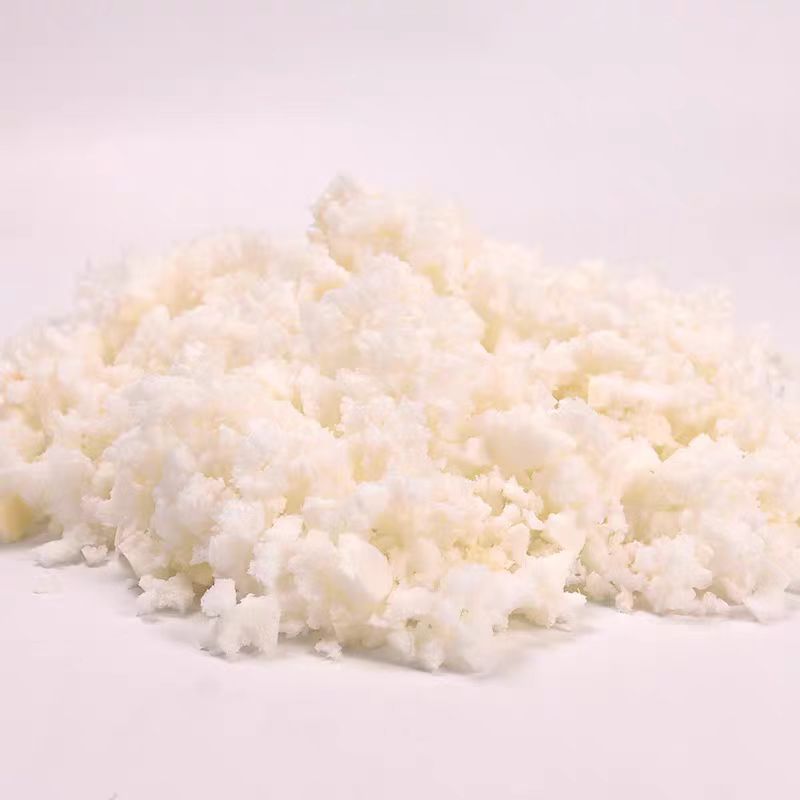
Memory foam filling is a high-end option in plush toy manufacturing, favored for its ability to conform to pressure and provide a deeply comforting tactile experience. Unlike traditional synthetic fillings, memory foam responds slowly to touch, molding around the shape of the user’s hand or body before gradually returning to its original form. This viscoelastic behavior creates a sensation similar to a gentle hug, which many customers find soothing and luxurious.
This material is made from polyurethane and is often enhanced with additives that increase breathability and durability. Memory foam stuffed toys typically feel denser and heavier compared to those filled with polyester fiberfill or PP cotton. This added weight contributes to a premium and substantial feel that appeals to specialty markets.
Memory foam’s cushioning qualities make it especially popular for sensory toys, weighted plushies, and therapeutic products aimed at children or adults who benefit from tactile stimulation. These toys can help reduce anxiety and promote calmness, positioning memory foam-stuffed products as both comforting companions and functional tools.
However, memory foam is not without challenges. It is heavier, which can increase shipping and handling costs. The material also requires careful packaging and sealing to prevent dust particles from escaping and to protect the foam from moisture and degradation. Its higher cost generally restricts its use to niche or luxury product lines rather than mass-market toys.
| Aspect | Details | Benefit |
| Material | Polyurethane-based viscoelastic foam | Conforms to touch, providing personalized comfort |
| Weight | Heavier than synthetic fillings | Creates a premium, substantial toy feel |
| Durability | Breathable variants available; requires care | Long-lasting comfort when properly maintained |
| Cost | Higher than common fillings | Suitable for high-end or therapeutic plush toys |
| Applications | Sensory toys, weighted blankets, therapeutic plush | Supports calming, anxiety reduction, and tactile therapy |
Memory foam can elevate your plush product line by offering a distinct sensory experience that standard fillings cannot match. For buyers targeting niche markets or looking to create standout products with therapeutic benefits, memory foam is an excellent choice. When combined with premium fabric coverings and custom designs, it positions your toys as luxurious and functional collectibles.
4. Natural Fillings: Authentic, Eco-Friendly, and Breathable

Natural fillings have a long history in plush toy manufacturing and are increasingly sought after for their organic appeal and environmental benefits. Common natural stuffing materials include wool, cotton, and various types of hulls such as buckwheat or millet.
Wool is prized for its excellent temperature regulation, softness, and biodegradability. It naturally wicks moisture away, helping plush toys stay dry and comfortable to the touch. Wool’s natural elasticity allows it to spring back to shape, although it is generally firmer than synthetic fillings. However, wool can sometimes cause allergic reactions in sensitive individuals and requires careful processing to remove impurities and lanolin.
Cotton, another plant-based fiber, is soft and hypoallergenic when properly cleaned and processed. It is breathable, lightweight, and biodegradable, making it a popular choice for eco-conscious brands. However, cotton tends to absorb moisture, which may increase the risk of mold or mildew if not properly dried or stored.
Hulls, such as buckwheat hulls or millet seeds, are solid natural fillers that provide a firm, textured feel. They are often used in weighted or aromatherapy plush toys because of their ability to hold weight and provide a unique tactile sensation. These fillings offer added benefits like natural scent release and temperature regulation, enhancing the sensory experience of the toy.
Natural fillings appeal to consumers who prioritize sustainability and organic materials. However, they require more stringent quality control during manufacturing, including rigorous cleaning and pest prevention measures, to ensure the final product is safe and long-lasting.
| Material Type | Characteristics | Advantages | Challenges |
| Wool | Warm, elastic, breathable | Biodegradable, moisture-wicking | Potential allergen, requires processing |
| Cotton | Soft, hypoallergenic, breathable | Eco-friendly, lightweight | Absorbs moisture, needs careful drying |
| Hulls (buckwheat, millet) | Firm, textured, natural aroma | Adds weight, tactile variation, natural scent | Must be thoroughly cleaned, limited shelf life |
For brands committed to sustainability and eco-friendly messaging, natural fillings provide authentic product differentiation. Kinwin works closely with trusted suppliers to source and test natural materials that meet safety and quality standards. We also help design plush toys that highlight these natural fillings to attract environmentally conscious consumers.
5. Eco-Friendly Recycled Fiber Fill (RPET Fill): Sustainable Performance Without Compromise
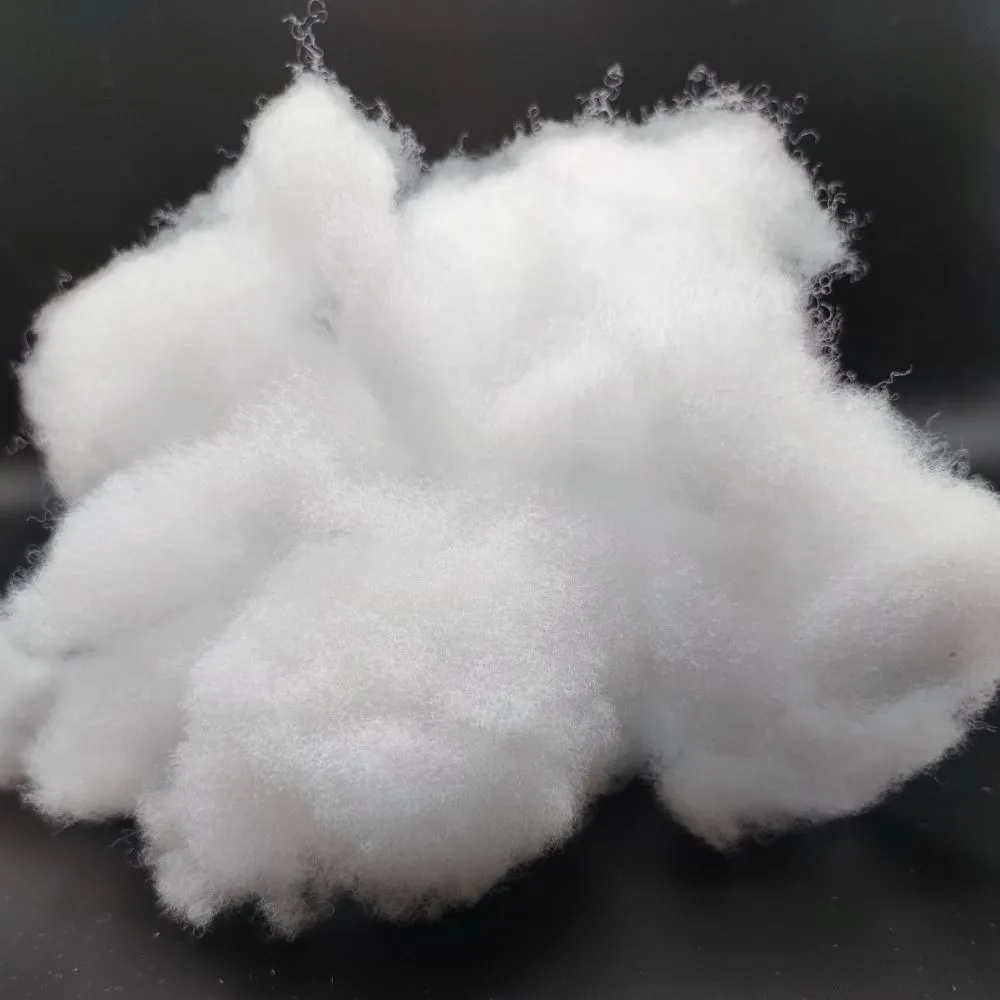
RPET fill represents a breakthrough in sustainable plush toy manufacturing. Made from recycled polyethylene terephthalate (PET) plastic bottles, this filling transforms post-consumer waste into soft, durable fibers that rival virgin polyester fiberfill in performance.
With growing global concern about plastic pollution and environmental responsibility, many brands and consumers seek products that minimize ecological impact. RPET fill answers this demand by supporting circular economy principles—turning discarded plastic into valuable raw materials and reducing landfill waste.
The production process of RPET fill involves collecting, cleaning, and melting plastic bottles, which are then spun into fibers suitable for plush stuffing. These fibers are processed to ensure softness, resilience, and safety. Like traditional polyester fiberfill, RPET fill is lightweight, hypoallergenic, and resistant to mold and mildew.
RPET fill is certified by independent organizations such as OEKO-TEX and the Global Recycled Standard (GRS), providing credible assurance of its eco-friendly origin and manufacturing practices. Using RPET fill allows brands to strengthen their environmental claims and meet retailer requirements for sustainable products.
Despite a slightly higher cost compared to virgin polyester fiberfill, the benefits of RPET fill in brand reputation and customer appeal often outweigh this investment. Its availability continues to increase as demand grows, making it an accessible choice for many manufacturers.
| Feature | Description | Benefit |
| Material Source | Recycled plastic bottles | Reduces plastic waste and landfill burden |
| Performance | Matches softness and resilience of virgin polyester | Eco-friendly without sacrificing quality |
| Certifications | OEKO-TEX, Global Recycled Standard (GRS) | Trusted eco-labels supporting green marketing |
| Cost | Moderate to slightly higher than virgin polyester | Investment in sustainability and brand differentiation |
| Market Trends | Growing consumer and retailer demand | Aligns products with environmental responsibility |
Choosing RPET fill demonstrates your commitment to environmental sustainability without compromising product comfort or safety. For brands targeting eco-conscious consumers or retail channels with green product standards, this filling is an effective way to stand out while supporting global efforts to reduce plastic pollution.
Selecting the right filling transforms a plush toy from ordinary to exceptional. Whether you prioritize safety, softness, shape, luxury, or sustainability, understanding these top materials helps you source smarter.
At Kinwin, we customize plush toys with the best fillings to match your brand vision and market needs. Reach out to me at [[email protected]] or visit [https://kinwintoys.com/] to start your next plush project today.
Let’s bring your ideas to life with quality, care, and innovation.