Skip to content
I’m Amanda from Kinwin in China. I help brands and retailers plan plush assortments, control cost, and still deliver great handfeel and safe builds. Many buyers ask me, “Why does plush cost more than I expected?” The truth is that pile fabrics, tight safety rules, and complex sewing add real minutes and real overhead. In this guide, I’ll unpack the upstream cost drivers, show how specs and trims raise or lower unit cost, quantify compliance and audits, explain how design complexity stretches the calendar and labor minutes, translate logistics math into landed cost, and share concrete VAVE/lean methods to save money without losing softness or safety.
What upstream cost drivers—fiber prices, pile knitting, dyeing/printing, and finishing—most impact plush COGS?
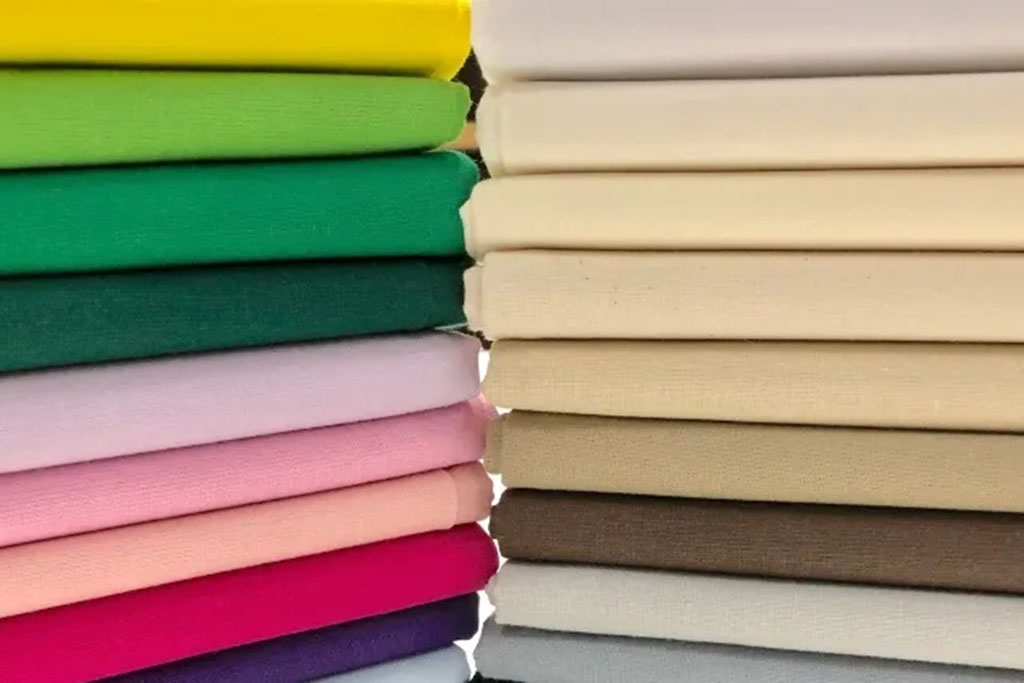
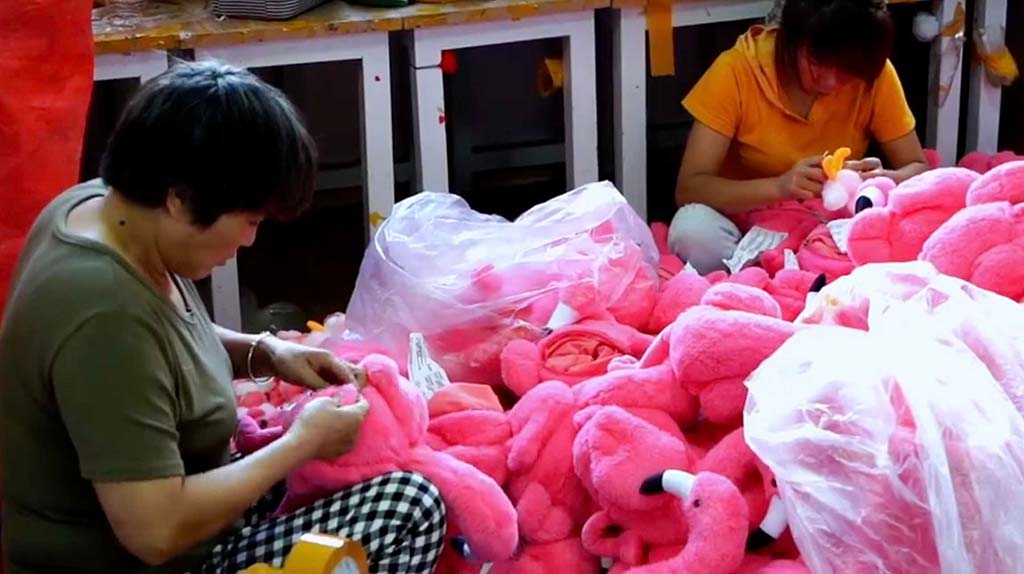
Plush is not just “fabric and stuffing.” It is a pile system. Pile needs more yarn, more knitting time, and more finishing than flat fabrics. When raw fibers rise, plush feels it first. Dyeing and brushing add passes. Every extra pass means energy, labor, and yield loss.
- Polyester & specialty fibers: Market swings hit yarn prices; recycled (rPET) adds certification and sometimes higher base cost.
- Pile knitting (minky/velboa/faux fur): Pile height and density drive machine speed and yarn usage. Higher pile = slower lines + more grams per square meter.
- Dyeing/printing: Deep colors, heather tones, and tight colorfastness ratings add steps. Digital prints on pile can need pretreatments and careful curing.
- Finishing: Brushing, shearing, heat-setting, and anti-shed treatments protect face clarity and reduce lint but increase cost.
Table 1 — Upstream Drivers and How They Move COGS
| Driver | What changes technically | Cost effect | What I do to manage it |
|---|---|---|---|
| Fiber price (PET/rPET) | Yarn base cost, min order | ↑/↓ with market | Lock quarterly with mills; dual-source rPET |
| Pile height/density | Yarn consumption, line speed | ↑ with taller/denser pile | Choose “hero” SKUs for tall pile; keep basics shorter |
| Dye depth/colorfast | Dwell time, re-dye risk | ↑ for deep/strict shades | Approve lab dips fast; avoid unnecessary deep blacks |
| Finishing passes | Brushing/shearing/heat set | ↑ per extra pass | Challenge every pass; test shed vs. cost |
| Special finishes | Anti-shed, anti-static | ↑ material + QA checks | Use only where the brief needs it |
Bottom line: a plush shell that feels “luxury” often uses more fiber, more energy, and more QA than a flat fabric garment. That weight sits inside your COGS.
How do material specifications (GSM, pile height/density, backing quality, hypoallergenic fills, safety-compliant trims) change unit cost?

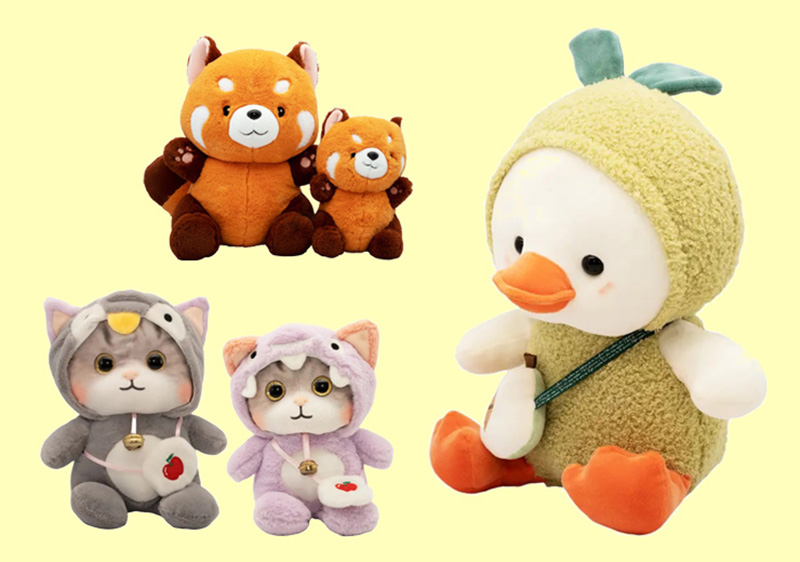
Specs convert directly into grams and minutes. Heavier GSM and taller pile look beautiful on camera and in hand, but they add material weight and sewing resistance. Backing quality controls fray and stitch stability; better backings reduce rework. Fill quality shapes recovery and silhouette. Trims that pass safety tests cost more and require tighter assembly control.
- GSM & pile height: Higher GSM is heavier per piece; taller pile consumes more yarn and slows cutters and sewers.
- Backing quality: Stable knit backings resist laddering and help seams hold; they cost more but cut repair/reject rate.
- Filling: Hollow fiberfill gives “cloud” feel but compresses; solid fiberfill is pricier but keeps shape. Weighted pellets add cost for pouches + leakage tests.
- Trims: Safety eyes/noses must be vendor-qualified and tested; embroidery adds minutes but avoids small-part risk in baby lines.
- Hypoallergenic/low-shed goals: Often mean higher-grade shells and stricter finishing; the trade-off is lower lint and higher acceptance rate.
Table 2 — Spec Levers and Approximate Cost Impact (directional)
| Spec lever | What improves | Cost impact | Risk trade-off |
|---|---|---|---|
| GSM + pile height ↑ | Handfeel, photo richness | ↑ material + slower sew | Heavier cartons/volumetric |
| Backing quality ↑ | Seam strength, cut cleanliness | ↑ fabric price | ↓ rework and repairs |
| Solid vs hollow fill | Shape memory vs cloud feel | Solid fill ↑ | Solid feels firmer; choose by SKU |
| Pellet weighting | Grounded posture | ↑ pellets + pouches + QC | Leakage/seam pulls if under-spec |
| Embroidery vs safety eyes | Baby-safe, low risk | Embroidery ↑ minutes | Eyes save minutes but require tests |
Tip: choose one or two “hero” specs (e.g., pile height + weighted base) and keep others standard. Don’t pay for every premium at once.
Which compliance and testing requirements (EN71, ASTM F963, CPSIA, REACH) and audits (BSCI/SEDEX) add measurable overheads?
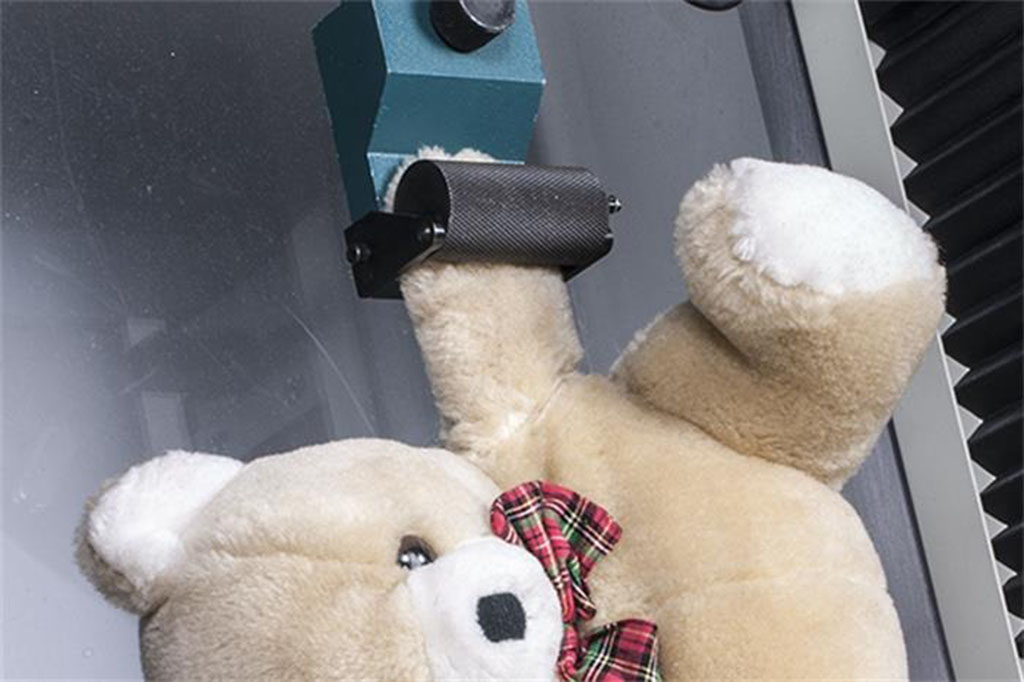
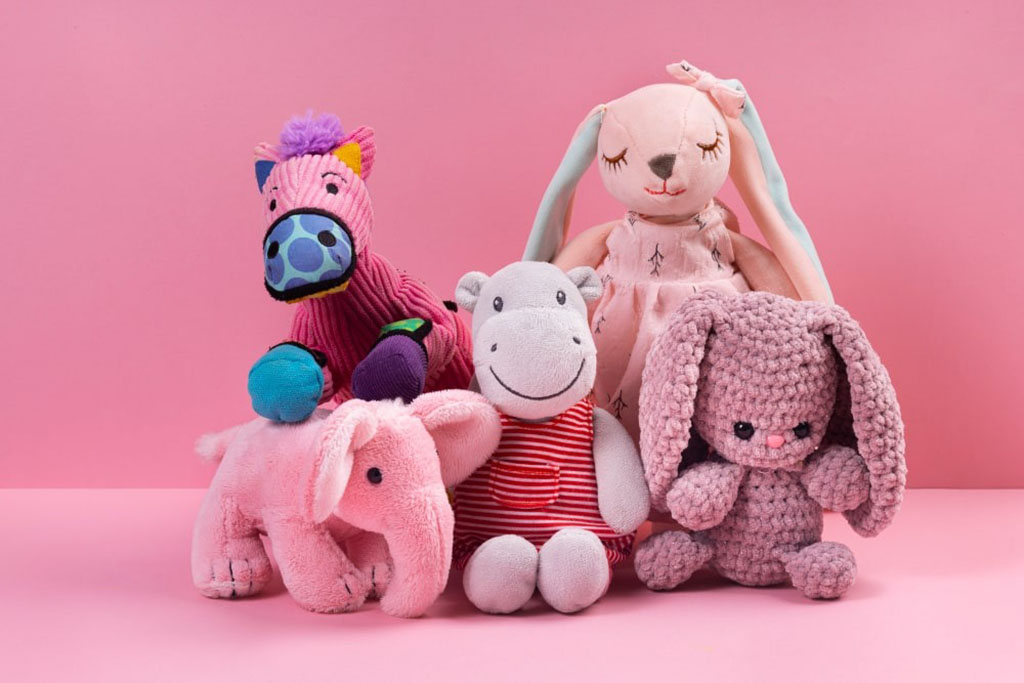
Compliance is not optional; it is part of your cost of access to retail. The costs are lab fees, sample logistics, time, and—most importantly—discipline. If you switch dye lots or trim vendors without re-testing, you pay with delays and rework later.
- EU/UK: EN71-1/2/3 + REACH where relevant; CE/UKCA Declaration of Conformity.
- USA: ASTM F963 + CPSIA (lead, phthalates) + CPC + tracking label.
- Retail add-ons: OEKO-TEX for textiles; recycled-content docs for rPET claims.
- Social compliance: BSCI/SEDEX audits take preparation time and corrective actions.
Table 3 — Compliance & Audit Cost Components (typical patterns)
| Item | What it covers | Cost nature | How to reduce total cost |
|---|---|---|---|
| EN71 / ASTM test panel | Mech/phys, flammability, chemicals | Per SKU/material lot | Bundle SKUs sharing the same lots |
| CPSIA + CPC + tracking | U.S. children’s product rules | Setup + ongoing | Template docs; fixed label format |
| REACH / OEKO-TEX | Restricted substances / textile safety | Per fabric/dye lot | Limit colorways; pre-approved mills |
| Retesting (lot change) | New dye/trim vendors | Unplanned | Freeze suppliers; re-test only affected parts |
| BSCI/SEDEX audits | Social compliance | Audit fees + CAP closure | Yearly calendar; pre-audit checklists |
Practice: tie reports to actual lots. Keep a change log. If the face embroidery thread changes dye lot, re-test thread only, not the whole product set.
How do design complexity, pattern piece count, embroidery/appliqué minutes, and accessories affect sampling cycles, MOQs, and labor time?

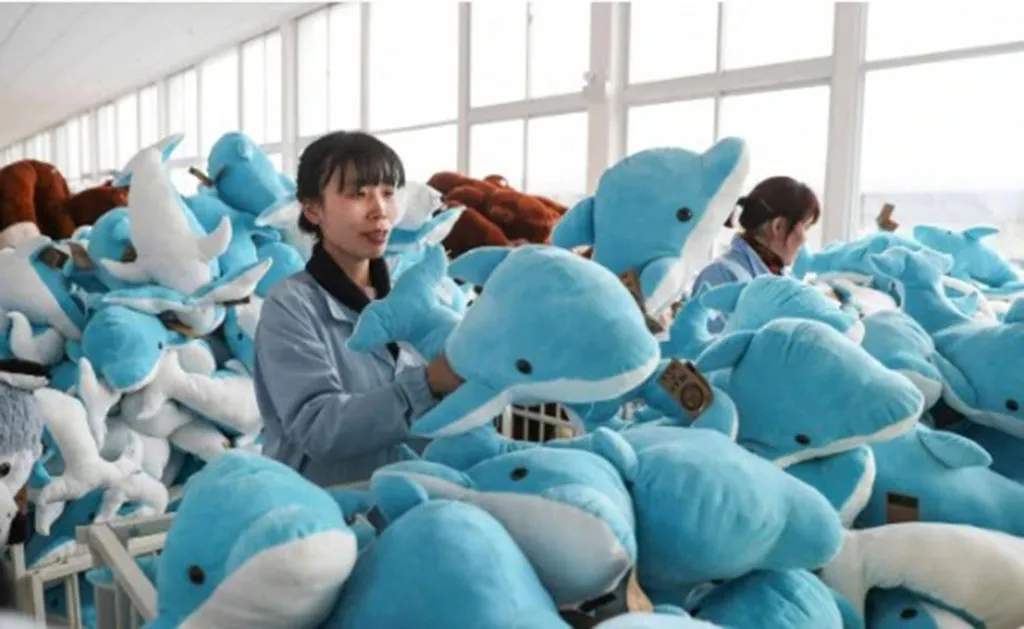
Labor minutes are the hidden currency. Every pattern piece adds cut time, match time, and seam work. Every embroidery color change means thread changeovers and QA checks. Appliqué and outfits multiply handling. Late-stage design changes ripple across digitizing, embroidery density, pouch sealing, and packaging die-lines.
- Pattern count: More panels → more seams → more minutes → higher variance if sewing skill varies across operators.
- Embroidery/appliqué: High stitch counts and tight densities look rich but add minutes and needle wear.
- Accessories: Scarves, hats, outfits, or props create small-part risks and AQL traps; they also raise MOQs at trim vendors.
- Weighted builds: Add inner double pouches, seam reinforcement, and in-line leakage tests.
- Sampling cadence: The fastest route is silhouette lock (Soft Sample #1) → face/art lock (SS#2) → PPS. If you dye custom colors before silhouette lock, you buy rework.
Table 4 — Design to Labor: Minutes, MOQs, and Cost Direction
| Design choice | Added work | MOQ change | Cost direction |
|---|---|---|---|
| +4 pattern pieces | Extra seams & matching | None | ↑ labor minutes |
| Heavy embroidery | High stitch time | None | ↑ minutes + machine wear |
| Appliqué panels | Edge-stitch precision | None | ↑ minutes; reject risk |
| Outfits/props | Separate BOM & packing | Trims MOQs ↑ | ↑ materials + QC |
| Weighted base | Pouches + tests | None | ↑ material + QC time |
Rule of thumb: lock shape first using stock colors. Do not start custom dyeing or accessory sourcing until silhouettes and faces are stable.
What logistics variables—Incoterms choice, HS 9503 tariffs, cartonization, volumetric weight, and DDP surcharges—drive landed cost volatility?

Plush is bulky. Even when light, it catches volumetric weight penalties. Logistics can swing your margin more than fabric sometimes. Packing decisions are money decisions.
- Incoterms: FOB gives you freight control; CIF/CFR transfers risk; DDP adds convenience but hides fees.
- HS code: Often within HS 9503 (toys); check the exact subheading. Tariffs vary by destination and trade policy.
- Cartonization: Oversized boxes trigger dimensional weight; weak cartons cause crush → returns.
- Mode: Sea is cheapest; air is fast but punishing for volume; rail (EU) is mid; express is a last resort.
- DDP surcharges: Residential delivery, remote areas, and fuel add-ons creep in quietly.
Table 5 — Logistics Levers and Their Cost Behaviors
| Lever | How it bites | What to do |
|---|---|---|
| Incoterms | Hidden vs visible costs | Pick FOB for control; compare DDP all-in |
| HS 9503 tariffs | Direct duty on declared value | Confirm subheading early; plan for promos with price floors |
| Volumetric weight | Dimensional fees on air/express | Compress with vacuum/roll-pack if fabric allows |
| Carton strength | Damage → returns cost | Right ECT/BCT; max weight 12–16 kg; corner protection |
| Mixed modes | Speed vs cost | Sea for base run; air only for top-ups with confirmed sell-through |
Tip: test vacuum packing on one SKU family. If the pile recovers cleanly after 24–48 hours, you can cut volumetric cost without hurting handfeel.
How can brands apply VAVE/lean methods (fabric substitutions, stitch optimization, line balancing, QA/AQL tuning) to reduce cost without sacrificing handfeel or safety?
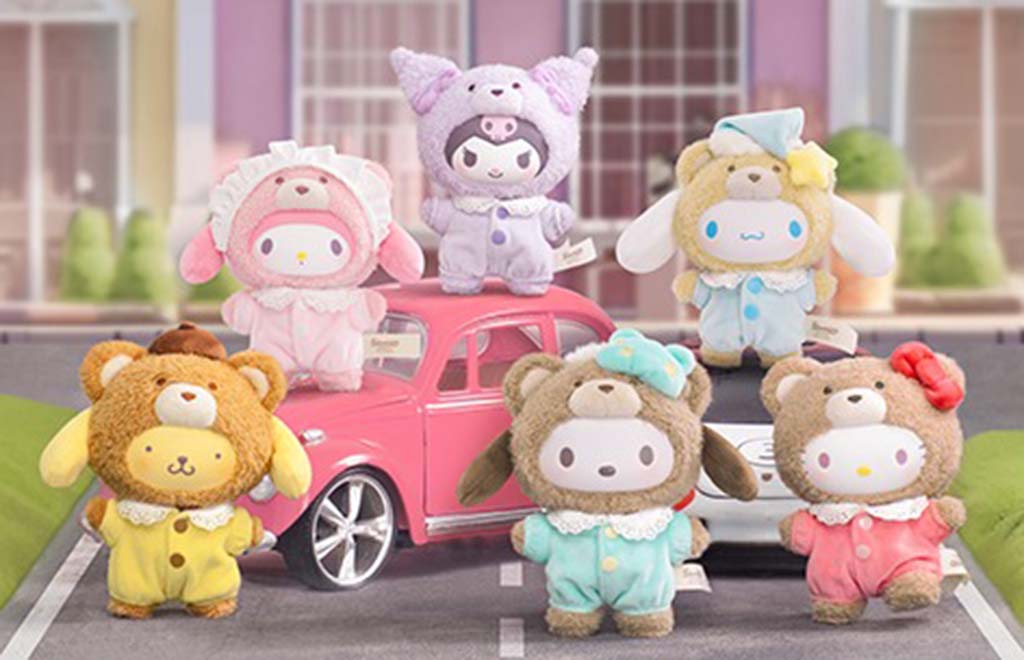
You can save 10–20% on total program cost by attacking waste rather than “quality.” The goal is to protect feel and safety while removing minutes and rework.
Fabric & BOM
- Use tiered shells: hero SKUs with higher GSM; companion SKUs with standard velboa.
- Replace rarely touched inner panels with lower GSM while keeping face/touch zones premium.
- Standardize embroidery threads across SKUs to simplify dye-lot control.
Stitch & pattern
- Move to ladder stitch on closures where possible; define stitch length SPI to avoid over-sewing.
- Merge or reshape panels to reduce corner turns and tight radii that slow sewing.
- Trim long pile in pattern (pre-defined trim zones) to reduce manual touch-ups.
Line & QC
- Line balancing: split heavy embroidery stations from assembly to avoid bottlenecks.
- In-line checks at ~30% catch seam-pull and pouch issues before they multiply.
- Tune AQL to risk: Major 2.5 / Minor 4.0 as baseline; tighten for infant lines only where needed.
Testing & docs
- Bundle SKUs that share identical lots to reduce test panels.
- Use a change-control log to re-test only the changed component (e.g., eye trim vendor), not the whole family.
Packaging & freight
- Right-size cartons; standard case packs that fit pallet footprints.
- Trial compression or roll pack for non-long pile; add recovery instructions on the insert.
Pricing & mix
- Build a good-better-best ladder. Keep the “good” spec efficient to anchor volume. Put branding upgrades (story card, box) on “better/best” where the shopper pays for it.
Practical cost scenarios (so you can act now)
Scenario A — Baby comfort bunny
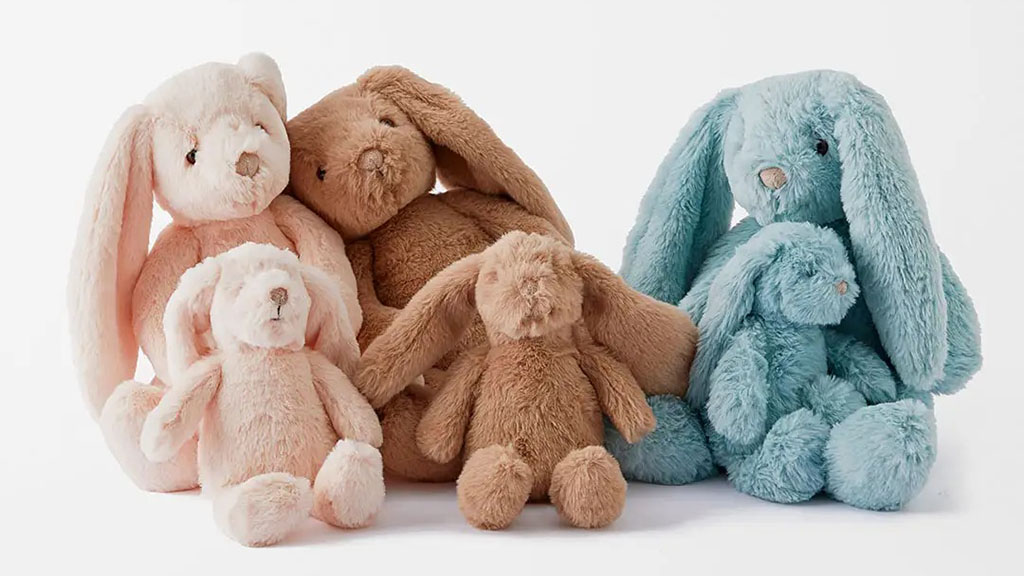
- Shell: minky (mid GSM); Face: embroidery; Fill: hollow; Wash: gentle machine.
- VAVE: keep GSM stable; optimize stitch length; reduce panel count by 2; standardize thread colors across sizes.
- Compliance: EN71/ASTM/CPSIA; bundle tests by shared lots.
- Result: soft feel preserved; minutes down; rework down.
Scenario B — Weighted fox for adults
- Shell: velboa; Base: double-pouched pellets; Face: embroidery.
- VAVE: pellets optimized to seated stability (reduce grams without losing posture); vacuum test for shipping; shift to FOB and compare DDP.
- Compliance: test pouches for leakage; publish care note.
- Result: premium feel + lower volumetric weight.
Scenario C — Faux-fur collector wolf
- Shell: faux fur; Fill: solid; Details: trimmed muzzle; Gift box.
- VAVE: keep faux fur only on high-visibility zones; use velboa for hidden panels; pre-trim mask template to cut hand-trimming minutes; gift box redesigned to flat-pack.
- Compliance: 3+ age grade with eyes; tie tests to eye vendor lots.
- Result: look remains premium; cost stable despite faux fur.
Implementation checklist (one-page SOP for your team)
- Brief: size, GSM, pile height, fill grams, pellet grams (if any), face method, accessories, wash claim, markets, tests, packaging, MOQ, Incoterm.
- Sampling: Soft Sample #1 (silhouette) → Soft Sample #2 (face/embroidery density, pouch spec) → PPS sealed.
- BOM freeze: panel map (premium vs hidden zones), thread list, trim vendors locked.
- QA: AQL General II (Major 2.5 / Minor 4.0); IQC → in-line (30%) → FRI (≥80% packed).
- Compliance: EN71/ASTM/CPSIA/REACH; docs tied to actual lots; change-control log.
- VAVE round: panel merge, stitch optimization, trim-zone templates, line balance, test bundling.
- Cartonization: ECT/BCT spec, case pack, compression trial (if safe), pallet plan.
- Cost review: FOB vs DDP, tariff checks (HS 9503), volumetric simulations (air vs sea).
- Content: scale-in-hand, texture macro, seated stability, packaging; list inches (US) + cm (EU/UK).
- Post-launch: defect Pareto and returns analysis; update AQL and trims.
Follow this flow and you will keep the plush feeling premium while lowering minutes, rejects, and freight surprises.
Conclusion
Plush gets expensive when pile fabrics, finish passes, safety tests, complex sewing, and bulky shipping stack up. You don’t need to cut quality to cut cost. Choose hero specs wisely, merge panels, standardize threads, double-pouch pellets, test by actual lots, and right-size cartons. With focused VAVE and disciplined compliance, your plush line can feel luxurious, pass audits, and still hit margin. At Kinwin, my team turns briefs into sealed PPS and on-time mass runs with smart cost controls baked in. Email [email protected] or visit kinwintoys.com to design a plush program that balances softness and spend.