Skip to content
Stuffed animals are now a part of every child’s world and a growing segment for adults as well. But who truly invented stuffed animals? The answer lies in a fascinating mix of history, craftsmanship, and cultural shifts. From simple rag dolls to the iconic teddy bear, the story of stuffed animals reflects innovation, branding, and global trade.
As a plush manufacturer at Kinwin, I often study the history of our industry. Knowing where plush toys come from helps us understand what makes them successful today. In this guide, I’ll explore the early roots, key inventors, and lasting impact of stuffed animals.
What early historical roots shaped the concept of stuffed animals?
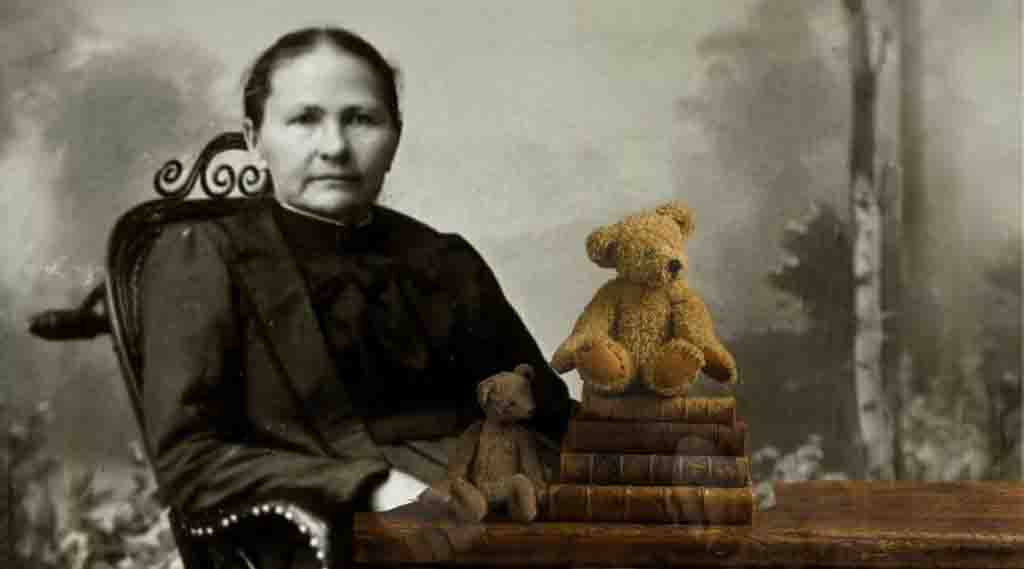
The idea of stuffed toys is much older than most people think. Long before modern plush factories, many cultures created handmade dolls or animal figures using cloth scraps, straw, or wool. These early creations weren’t commercial toys—they were often symbolic objects or comfort items.
Ancient Egyptians made small animal figures out of linen and papyrus for rituals. In medieval Europe, children played with simple rag dolls, some of which resembled animals. In Japan, early textile crafts included stuffed animal charms for good luck.
| Region | Example of Early Stuffed Object | Purpose |
|---|---|---|
| Egypt | Linen stuffed animals | Ritual, symbolic |
| Medieval Europe | Rag dolls with animal shapes | Play, comfort |
| Japan | Small stuffed charms | Good luck, festivals |
These roots show that humans have always sought comfort and meaning in soft, shaped objects. By the 18th century, stuffed toys were emerging in European households, but they were still handmade and limited. The real transformation began in the 19th century.
How did 19th-century innovations influence modern plush toy development?
The 19th century brought the Industrial Revolution, which changed textiles and manufacturing. Factories produced cheaper fabrics like velvet and felt, making plush production more accessible. This period also saw the rise of middle-class families, who demanded more toys for children.
Sewing machines, first patented in the mid-1800s, allowed faster production of soft toys. Germany and England became early leaders in toy manufacturing. By the late 1800s, plush animals started appearing at fairs and exhibitions, attracting both children and adults.
| Innovation | Impact on Plush Toys |
|---|---|
| Sewing machine | Faster stitching, consistency |
| Industrial fabrics | Softer, cheaper materials |
| Toy exhibitions | Spread demand globally |
These innovations set the stage for individual pioneers. And in Germany, one woman would change the toy industry forever.
Who was Margarete Steiff and what role did she play in creating stuffed animals?
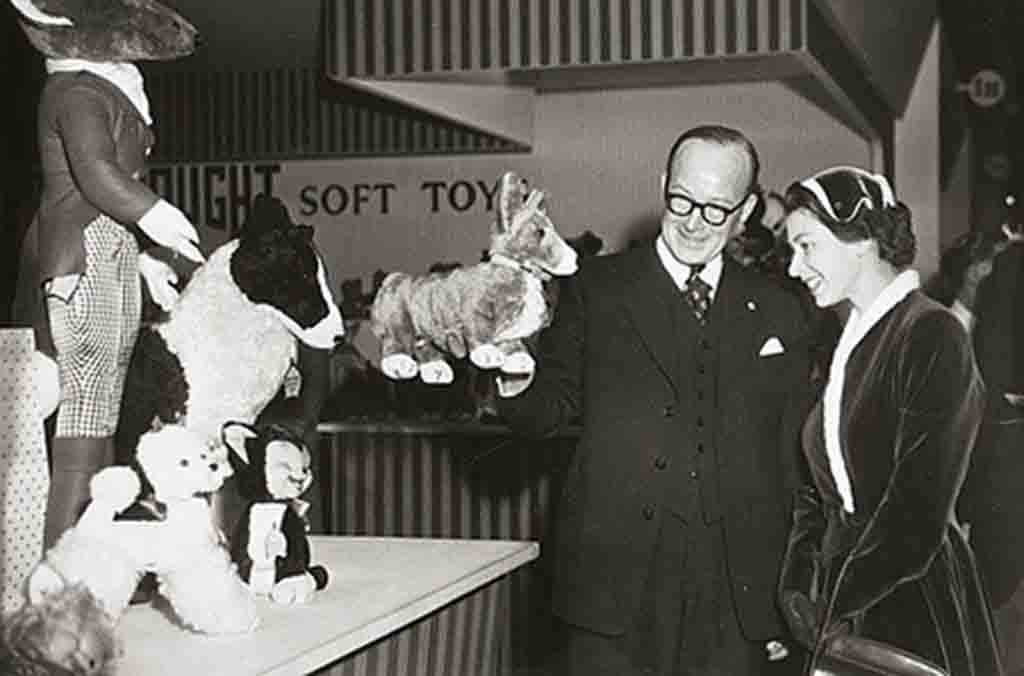
Margarete Steiff, born in 1847 in Germany, is widely credited with laying the foundation of modern stuffed animals. Despite being disabled by polio and using a wheelchair, she trained as a seamstress and opened her own workshop.
In 1880, she created a small stuffed elephant as a pincushion. Children loved it as a toy, and soon her workshop expanded into making more stuffed animals. This was the birth of Steiff, a company that remains one of the most famous plush brands today.
| Year | Milestone |
|---|---|
| 1880 | First stuffed elephant (pincushion) |
| 1880s | Expansion into stuffed animals |
| 1890s | Steiff brand begins exports |
Margarete’s vision was revolutionary: soft toys that were both durable and safe. Her work shifted stuffed animals from handcraft curiosities into a scalable commercial industry.
How did Richard Steiff and the rise of the teddy bear transform the market?
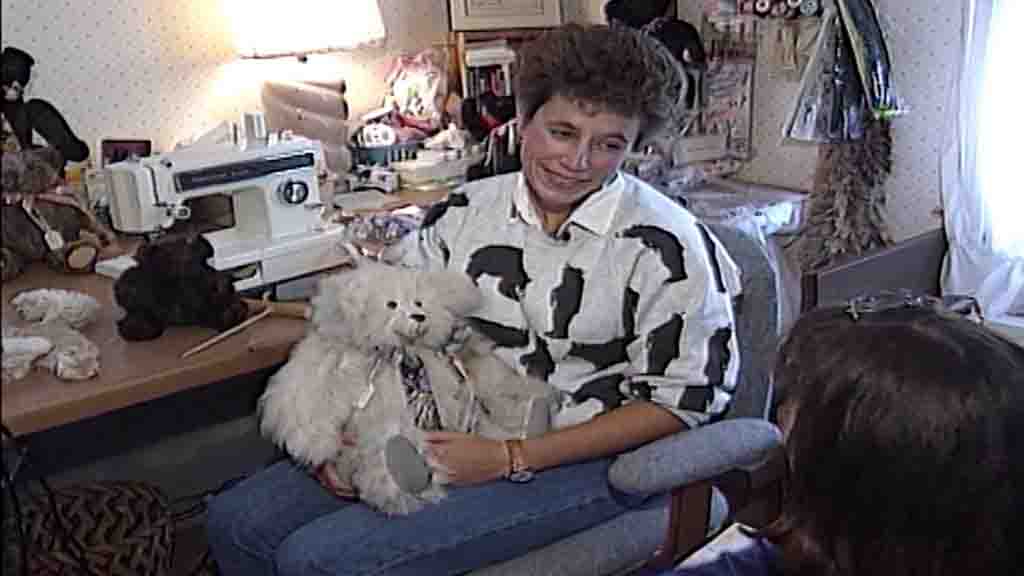
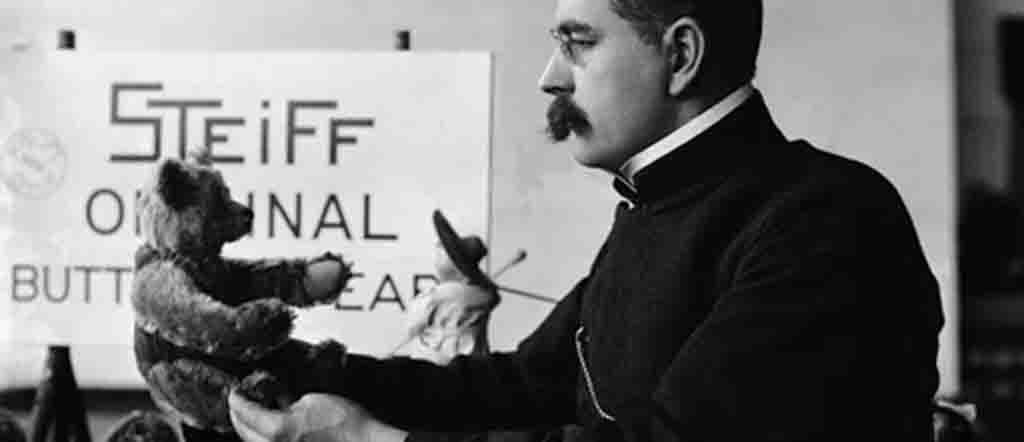
Margarete’s nephew, Richard Steiff, joined the family business and brought fresh ideas. In 1902, he designed a plush bear with movable arms and legs, inspired by real bears he sketched at the zoo.
In 1903, Steiff introduced the bear at the Leipzig Toy Fair. At first, sales were modest, but soon American buyers noticed the toy. Around the same time, U.S. President Theodore “Teddy” Roosevelt inspired the “teddy bear” trend after refusing to shoot a captured bear on a hunting trip. This coincidence launched a cultural icon.
| Year | Event |
|---|---|
| 1902 | Richard Steiff designs jointed bear |
| 1903 | Bear displayed at Leipzig Fair |
| 1905 | “Teddy bear” craze spreads in U.S. |
The teddy bear transformed plush toys from niche products into mass-market favorites. For the first time, stuffed animals were a global phenomenon.
Who was Morris Michtom and how did “Teddy’s bear” spread in the United States?
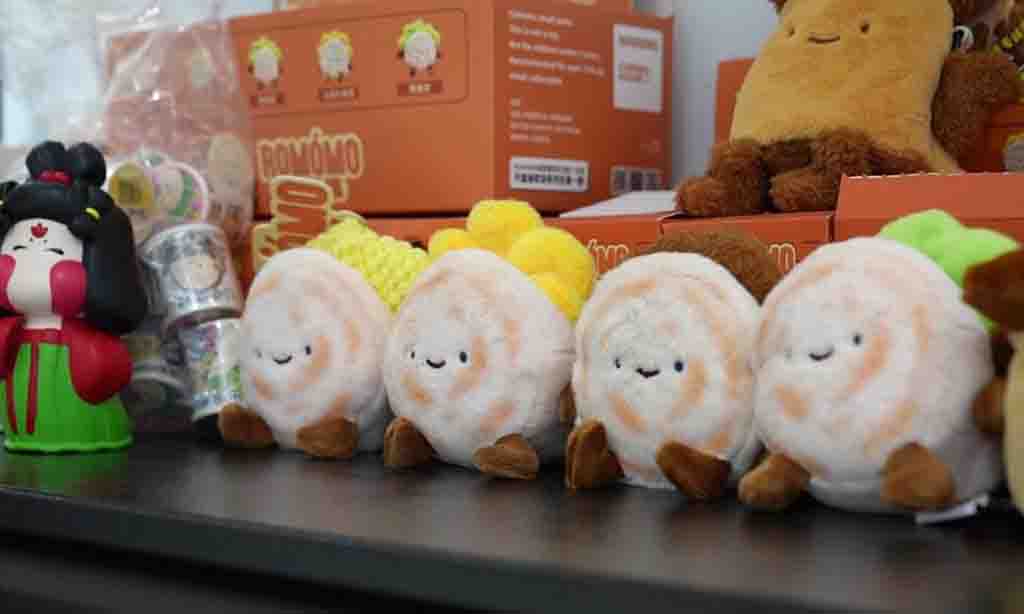
While the Steiff family was innovating in Germany, across the Atlantic, Morris and Rose Michtom, Russian immigrants in New York, were creating their own legacy.
In 1902, inspired by the story of President Roosevelt’s hunting trip, the Michtoms sewed a stuffed bear and displayed it in their shop window with a sign: “Teddy’s Bear.” Customers loved it, and demand grew rapidly.
The Michtoms went on to found the Ideal Toy Company, one of the largest U.S. toy manufacturers of the 20th century. Their creation cemented the teddy bear as part of American childhood.
| Innovator | Contribution |
|---|---|
| Morris Michtom | First U.S. “Teddy’s Bear” |
| Ideal Toy Co. | Mass distribution in America |
Thanks to the Michtoms, the teddy bear spread across the U.S. and eventually the world, reinforcing plush animals as both comfort objects and cultural icons.
What lasting impact did these pioneers have on today’s global plush toy industry?

The pioneers of stuffed animals created more than toys—they established an entire industry. Margarete and Richard Steiff introduced durable design and movable features. Morris Michtom turned the teddy bear into a cultural symbol.
Their legacy lives on in the global plush toy market, now worth billions. Modern plush toys include licensed characters, sensory plush, eco-friendly designs, and custom promotional products. Yet the DNA of those early stuffed animals remains the same: softness, comfort, and emotional connection.
| Pioneer | Legacy |
|---|---|
| Margarete Steiff | Founded modern stuffed toy making |
| Richard Steiff | Created jointed teddy bear |
| Morris Michtom | Spread teddy bear in U.S. |
At Kinwin, we honor this history by combining traditional craftsmanship with modern technology. We produce OEM and ODM plush toys for global buyers, carrying forward the spirit of innovation and safety set by these early creators.
Conclusion
Stuffed animals began as handmade curiosities and became one of the most beloved toy categories thanks to pioneers like Margarete Steiff, Richard Steiff, and Morris Michtom. Their creativity shaped the global plush toy industry that continues to thrive today. At Kinwin, we build on this legacy by offering safe, customizable plush toys that meet CE and ASTM standards, helping brands bring joy to children and adults worldwide.
Contact us at [email protected] or visit kinwintoys.com to explore how our factory can support your plush toy business.