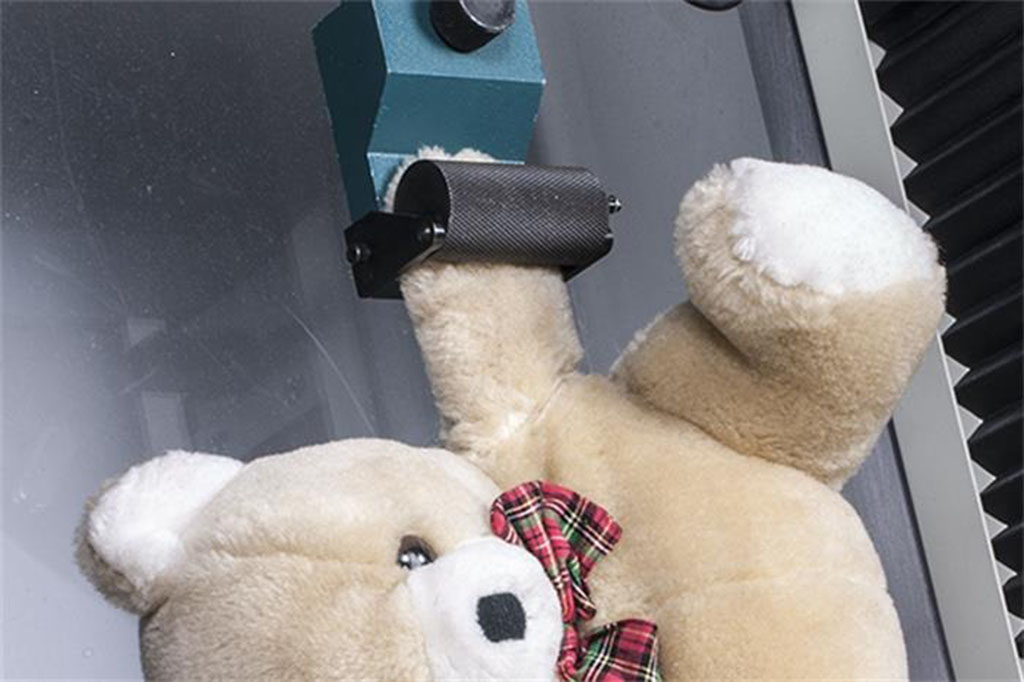
Every plushie has one essential component that defines its feel: the stuffing. This hidden material determines softness, durability, and safety. While consumers often call it “cotton” or “fluff,” the toy industry uses precise terms to classify stuffing types.
As a professional plush toy manufacturer at Kinwin, I help buyers worldwide understand stuffing options and compliance. This guide explains the correct industry terminology, common synthetic and natural fillers, specialty uses, and the sustainability trends reshaping plush toy production.
What is the proper industry term for plushie stuffing?
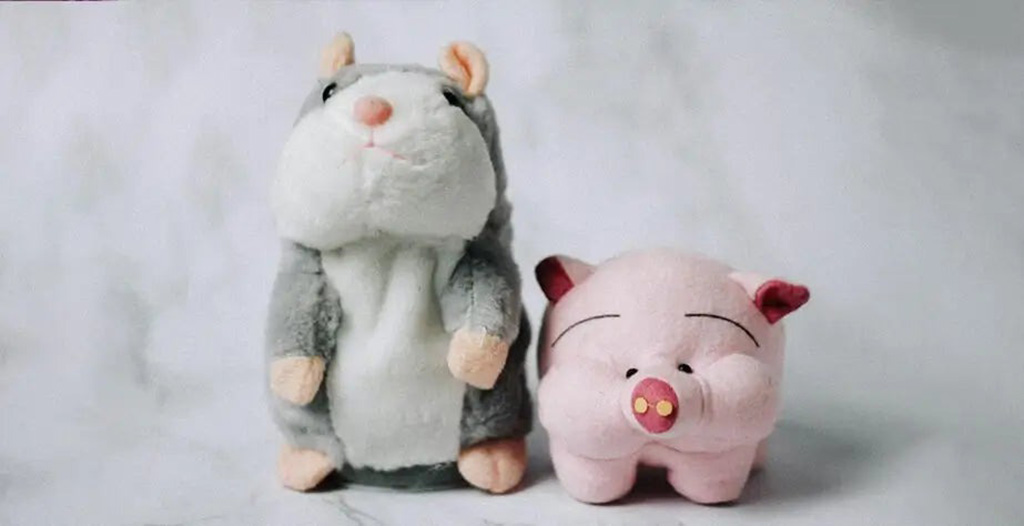
In the toy manufacturing industry, the most common term for plushie stuffing is polyester fiberfill, also known as polyfill.
However, “stuffing” can refer broadly to any filling material placed inside a plush toy to give it shape, softness, and weight. Depending on design, other fillers such as foam, beads, or pellets may also be used.
| Term | Industry Usage |
|---|---|
| Polyester fiberfill / Polyfill | Standard stuffing |
| Fiber batting | Alternative sheet-style stuffing |
| Foam insert | Used for structure |
| Pellets / beads | Used for weight |
Polyfill remains the dominant choice because it is cost-effective, washable, hypoallergenic, and CE/ASTM compliant for global toy markets.
Which synthetic stuffing materials are most widely used in plush toy production?
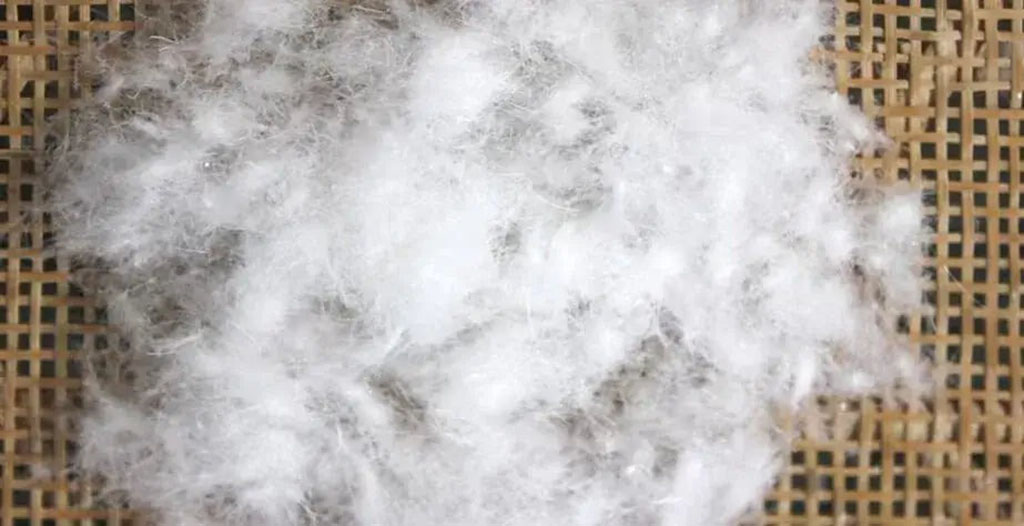
Synthetic fillers dominate plush production due to reliability, affordability, and consistency. They withstand washing cycles, resist pests, and maintain loft longer than natural fillers.
Common synthetic stuffing materials include:
- Polyester fiberfill (polyfill): Light, fluffy, hypoallergenic—industry standard.
- Shredded memory foam: Provides firmness, shape retention.
- Plastic pellets (polypropylene): Add weight or texture.
- Microbeads: Smooth, beanbag-like feel.
| Material | Advantage | Limitation |
|---|---|---|
| Polyester fiberfill | Soft, washable, hypoallergenic | May clump with age |
| Memory foam | Firm, holds shape | Expensive |
| Plastic pellets | Add weight & stability | Not safe for infants |
| Microbeads | Unique texture | Environmental concerns |
At Kinwin, we recommend polyester fiberfill for general plush production, while pellets or foam are reserved for specialized toys.
How do natural and alternative fillings compare in quality and safety?
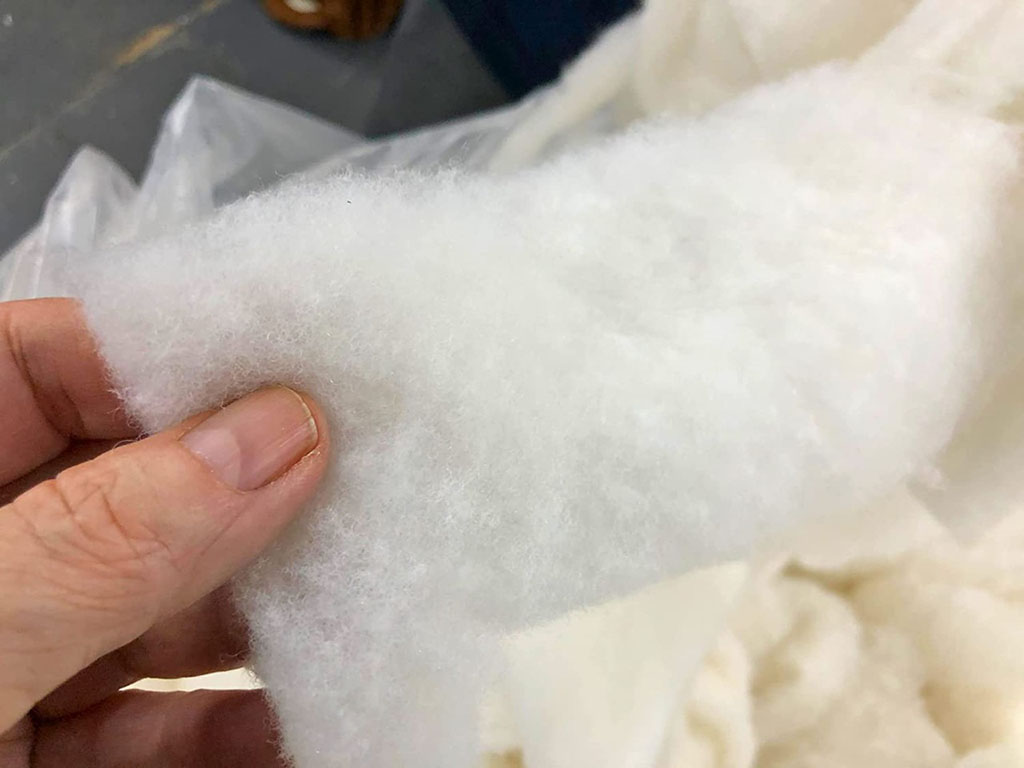
Natural fillers appeal to eco-conscious buyers but present different safety and durability challenges.
Examples:
- Cotton stuffing: Soft, natural, but compresses quickly.
- Wool batting: Warm, springy, but may trigger allergies.
- Kapok fiber: Lightweight, biodegradable, but less consistent.
- Buckwheat hulls: Firm and natural, but unsafe for baby plush.
| Natural Filling | Benefit | Limitation |
|---|---|---|
| Cotton stuffing | Breathable, hypoallergenic | Loses loft |
| Wool batting | Warm, natural | Allergen risk |
| Kapok fiber | Biodegradable | Limited supply |
| Buckwheat hulls | Firm, natural weight | Choking hazard |
Compared to synthetics, natural fillings are less durable and harder to standardize. However, they add value in premium eco-focused markets.
What role do specialty fillings play in weighted or sensory plushies?
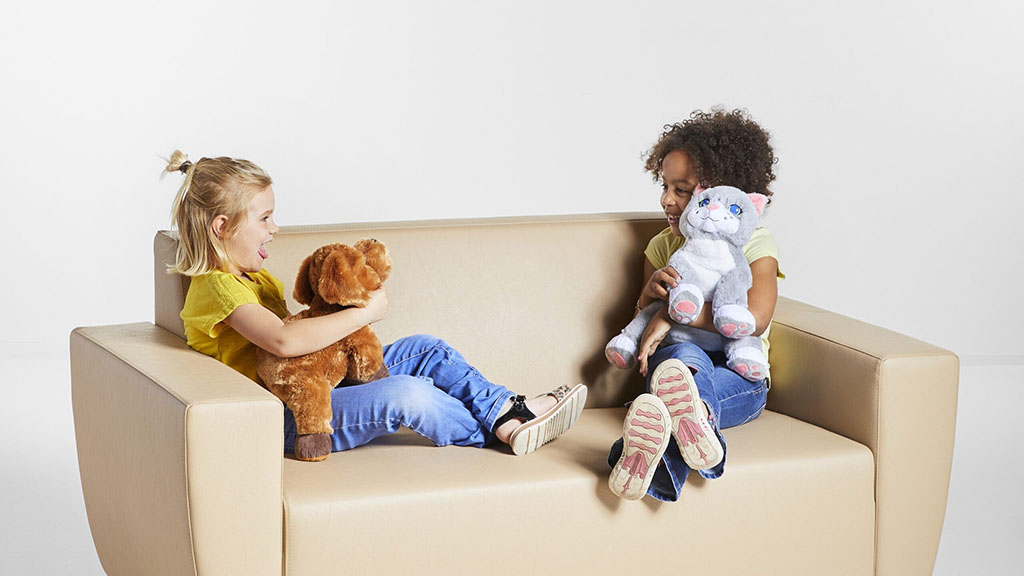
Specialty fillers transform plush toys into therapeutic or sensory tools. These toys are used for calming, stress relief, or developmental support.
Examples:
- Glass beads: Provide smooth, even weight for weighted plush.
- Steel pellets: Heavy-duty, long-lasting filling.
- Poly-pellets: Washable plastic beads used in sensory toys.
- Aromatherapy stuffing: Plush infused with lavender or herbs.
| Specialty Filling | Use | Notes |
|---|---|---|
| Glass beads | Weighted plush | Premium feel |
| Steel pellets | Heavy plush | Non-washable |
| Poly-pellets | Sensory plush | Affordable |
| Aromatherapy | Wellness plush | Niche market |
These fillers must be securely enclosed in inner pouches to prevent leakage and ensure compliance with CE/ASTM safety standards.
How do certifications and safety standards regulate plushie stuffing materials?
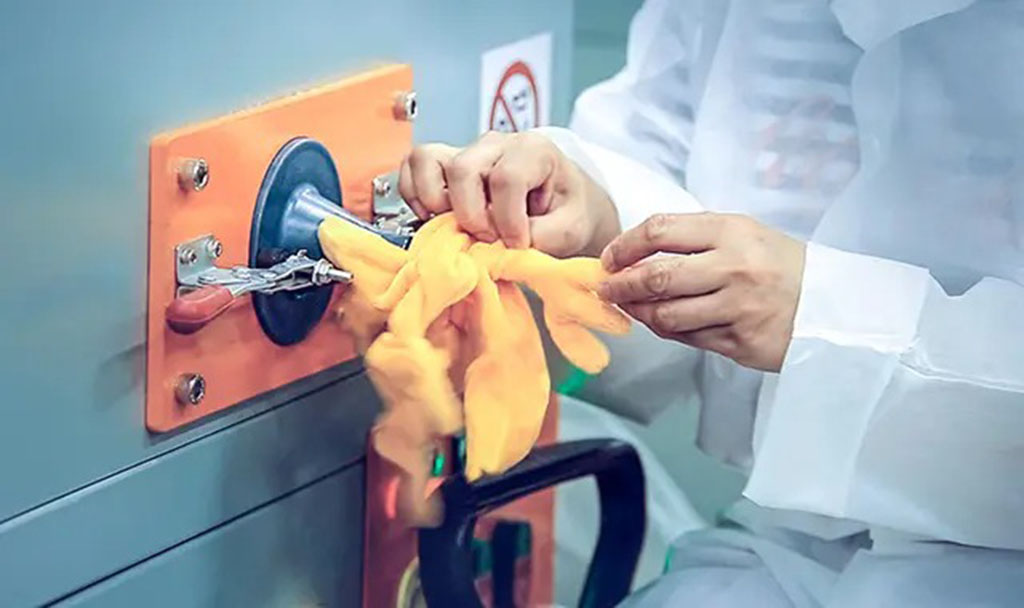
Stuffing materials are subject to strict safety and compliance checks in global toy markets.
Core regulations include:
- CE (EN71, Europe): Tests stuffing for chemical safety, flammability, and hygiene.
- ASTM F963 (U.S.): Ensures seam strength and stuffing integrity.
- CPSIA (U.S.): Sets chemical limits (lead, phthalates).
- ISO standards: Oversee quality systems for production.
| Standard | Region | Focus |
|---|---|---|
| CE (EN71) | Europe | Chemicals, flammability |
| ASTM F963 | U.S. | Mechanical safety, seams |
| CPSIA | U.S. | Chemical restrictions |
| ISO 9001 | Global | Quality system certification |
At Kinwin, we test every stuffing batch for hygiene and consistency, ensuring toys are both child-safe and compliant with import requirements.
Are sustainable and recycled stuffing options reshaping the plush toy industry?
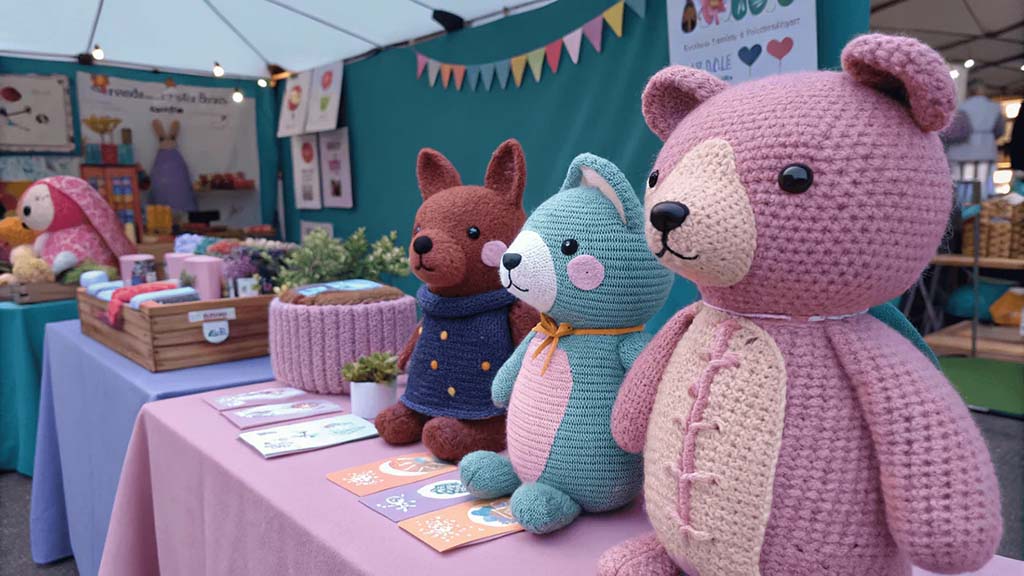
Yes. Sustainability is driving a major shift in plush stuffing choices. Buyers increasingly request eco-friendly fillers to reduce environmental impact.
Eco stuffing options include:
- Recycled polyester (rPET): Derived from plastic bottles, now widely used.
- Organic cotton: Natural, chemical-free stuffing.
- PLA fiber (corn-based): Biodegradable option.
- Recycled textiles: Upcycled from garment waste.
| Eco Stuffing | Benefit | Challenge |
|---|---|---|
| rPET fiberfill | Reduces plastic waste | Higher cost |
| Organic cotton | Non-toxic, natural | Less fluffy |
| PLA fiber | Compostable | Limited sourcing |
| Recycled textiles | Waste reduction | Inconsistent texture |
At Kinwin, we already supply eco-certified plush using rPET stuffing, helping brands align with green consumer trends in Europe, North America, and Japan.
Conclusion
The stuffing in a plushie is more than just fluff—it defines the toy’s feel, safety, and market positioning. While polyester fiberfill (polyfill) remains the industry standard, natural and specialty fillers are gaining importance for eco-friendly and therapeutic products. At Kinwin, we guide buyers in selecting stuffing that balances comfort, compliance, and sustainability.
Contact us at [email protected] or visit kinwintoys.com to source plush toys with the right stuffing for your market.