Skip to content
When buyers talk with me about plush projects, they often focus on size, fabric, and price. But behind every order, there is a more important question: Why does someone want this plushie in their life?
I’m Amanda from Kinwin in China. My factory makes plush toys and dolls for brands, retailers, e-commerce sellers, and promotional projects worldwide. In this guide, I’ll share how plushies really work in daily life—from emotional comfort and child development to branding, therapy, and modern culture—so you can plan products that people truly use and love.
What core purposes do plushies serve in daily life?
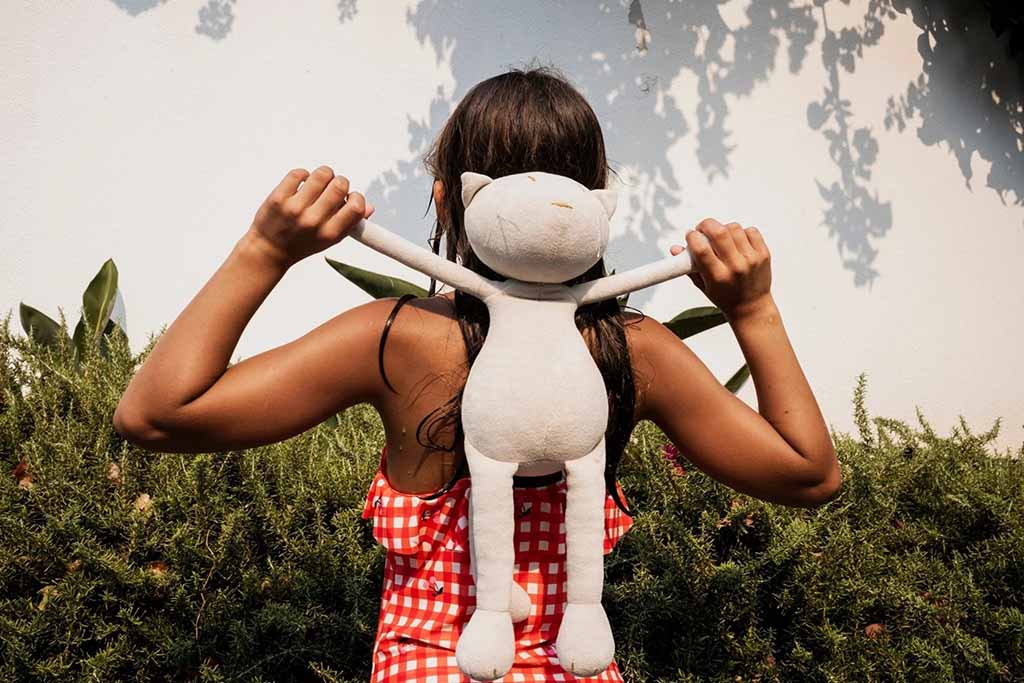
In daily life, plushies are quiet helpers. They are always there, but people often forget how many roles they play until you ask them to list their plushies and why they keep them.
From what I see, plushies usually serve five core purposes:
- Comfort – something soft to hold when you are tired or stressed.
- Companionship – a little “friend” who stays when people change or move away.
- Memory – a physical reminder of a trip, a person, a time in life.
- Gift – a safe, warm way to say “I care about you.”
- Style – a soft object that adds personality to a bed, sofa, or desk.
If your plush line clearly supports even one or two of these purposes, it already has a strong reason to exist.
Core daily purposes of plushies
| Purpose | What it looks like in real life | What the user quietly gains |
|---|---|---|
| Comfort | Hugging a plush after work, before sleep, or during a bad day | Emotional relief, sense of calm |
| Companionship | Plush on a bed, desk, car, or travel bag | Feeling “not alone”, gentle presence |
| Memory | Plush from a trip, theme park, event, or special moment | A physical anchor for personal stories |
| Gift | Plush as a birthday, hospital, or holiday gift | A soft sign of care that is easy to keep |
| Style / decor | Plush chosen to match room colors or personal aesthetic | A softer, more personal space |
When I help clients design new plush lines, my first question is always: “Which of these purposes is your main focus?” The answer changes everything else—fabric, size, face, packaging, and price.
How do plushies provide emotional comfort and companionship?
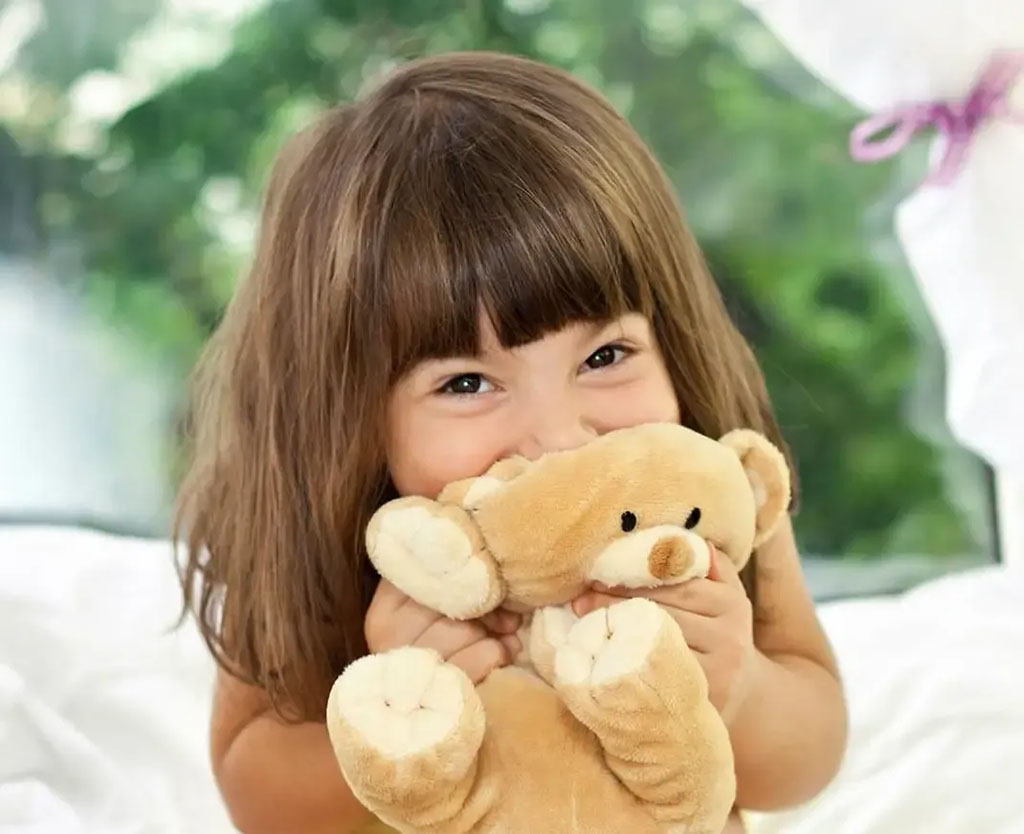
For many users, the main purpose of a plushie is comfort. This is true for children, teens, and adults. The reasons are simple and human.
A plush is soft and predictable. You always know how it will feel when you touch it. The weight, the texture, the warmth—these things do not change mood. In a stressful moment, that stable feeling is very calming.
A plush is also a safe listener. You can talk to it, cry into it, or just hold it without needing to explain yourself. For children, the plush becomes someone they can “tell secrets” to. For adults, it is a quiet way to release tension without needing words.
Some people keep a small plush on their desk or workspace. It becomes a silent teammate during long work hours or study sessions. When they look up and see the plush, they feel a tiny reminder: “You can pause, you can breathe.”
At night, plushies help many people transition to sleep. Holding a plush presses gently on the body. This simple pressure tells the brain, “You are safe now.” That is why many users keep the same plush on their bed for years.
From a factory point of view, emotional comfort is not only about “cute.” It is about:
- Very soft, skin-friendly fabrics
- Rounded, huggable shapes
- Calm, friendly faces
- Stuffing that is not too hard and not too loose
Comfort & companionship features
| Design element | Example in a plushie | Emotional effect for the user |
|---|---|---|
| Soft fabric | Minky, micro-plush, fine short plush | Gentle touch, easy to hold close |
| Rounded shape | Chubby body, no sharp angles | Feels safe and welcoming |
| Calm expression | Soft smile, closed or gentle eyes | Reduces stress instead of adding energy |
| Balanced stuffing | Can be squeezed but bounces back | Feels alive, not empty or stiff |
| Manageable size | Easy to carry from bed to sofa or desk | Comfort is always “within reach” |
If you want your plushies to be “comfort-first,” these features are more important than complex patterns or loud colors.
What developmental and learning roles do plushies play for children?
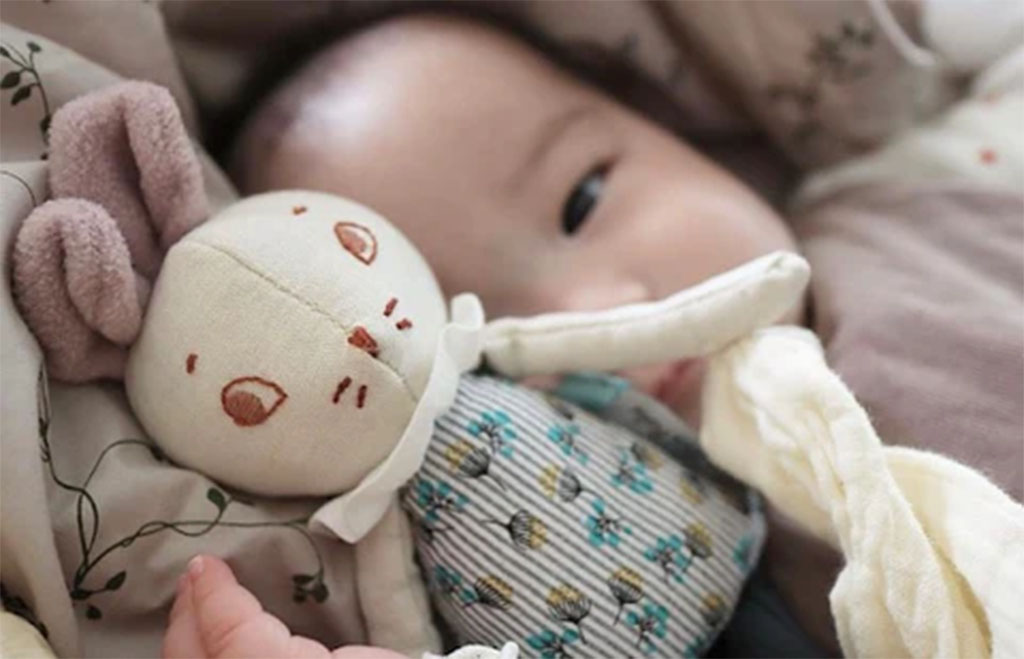
For children, plushies are more than cute toys. They are tools for emotional, social, and cognitive development.
Emotional development
When a child plays with a plush, they often project feelings onto it:
- “Bear is sad.”
- “Bunny is scared of the dark.”
- “Dino is brave today.”
Through this play, the child practices how to name and manage emotions. They comfort the plush, and at the same time, they learn how to comfort themselves and others.
Social skills
Plushies are perfect for role-play. Children make them talk to each other, form “families,” go to “school,” or visit “the doctor.” In these games, the child tries different roles—parent, teacher, friend, helper. This builds social understanding in a safe way.
Language and storytelling
Plushies invite stories. A child tells where the plush went, what happened, what it likes or dislikes. This improves vocabulary, sentence structure, and confidence in speaking. If adults join the story, they can gently add new words and concepts.
Responsibility and care
A child who “feeds” a plush, dresses it, and tucks it into bed is practicing responsibility. They learn that another being—real or pretend—needs care and consistency.
Sensory exploration
Different plush textures and weights help children explore touch in a safe way. Some children need soft, constant pressure to feel calm. A slightly heavier or more textured plush can help them self-regulate.
How plushies support child development
| Development area | How a plush helps in play | Long-term benefit for the child |
|---|---|---|
| Emotional awareness | Acting out feelings through the plush | Better ability to notice and name emotions |
| Empathy & care | Comforting and “taking care” of the plush | Stronger sense of kindness and responsibility |
| Social skills | Role-play of family, school, friends | Practice for real-life communication |
| Language & story | Talking to plush, telling stories about its day | Improved vocabulary and narrative skills |
| Sensory regulation | Touching, hugging, squeezing different plush textures | More stable reactions to touch and pressure |
When we develop plush for children at Kinwin, we always keep these roles in mind. The plush is not only for “now.” It is part of how the child learns who they are and how the world works.
How are plushies used for decoration, gifting, and brand promotion?
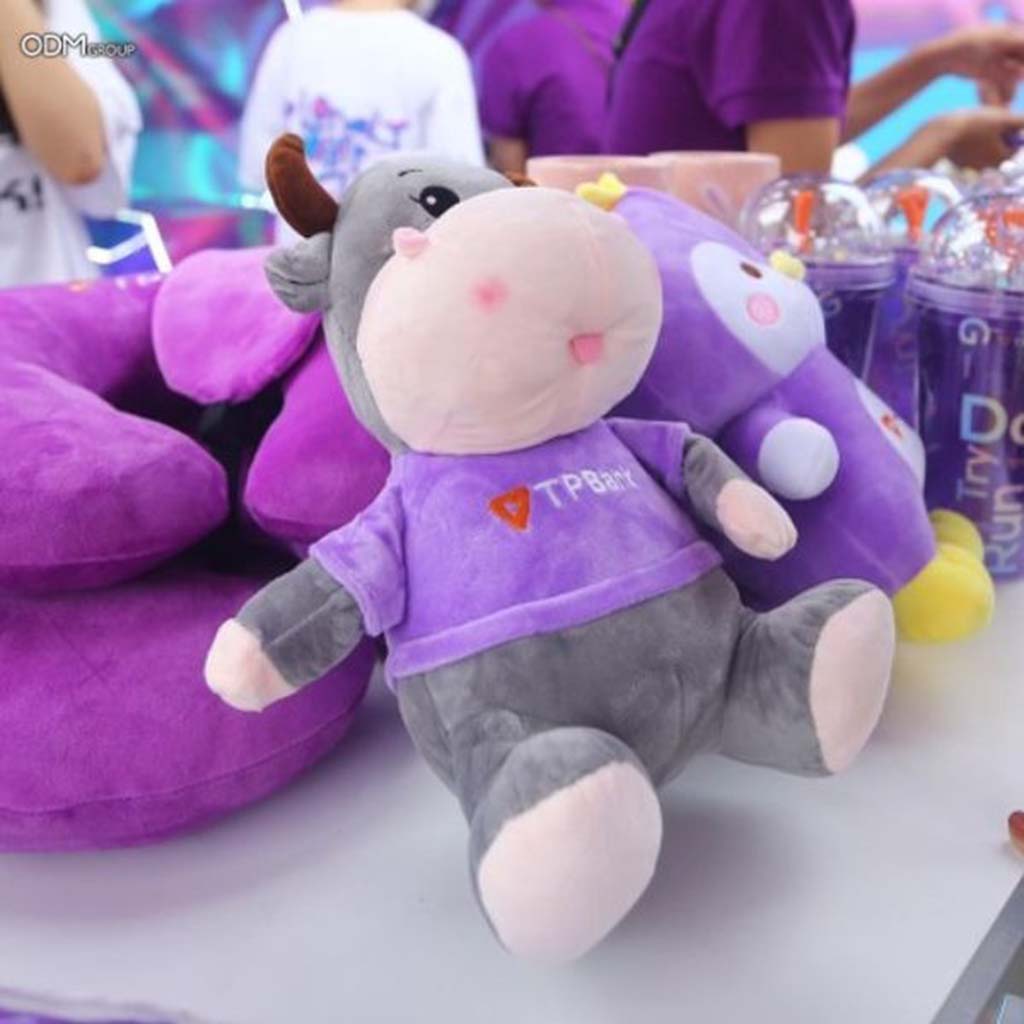
Plushies also have strong visual and commercial purposes. They move easily between home decor, gift culture, and brand communication.
Decoration
Plushies make spaces feel softer and more human. A single plush on a sofa, shelf, or bed can:
- Add color and texture
- Show the owner’s taste or fandom
- Break the hard lines of furniture and screens
In offices and home workspaces, a plush on the desk adds a touch of warmth and can even be a conversation starter on video calls.
Gifting
Plushies are one of the safest, most flexible gift items:
- They work for many ages and occasions.
- They are easy to carry and ship.
- They are seen as caring but not overly personal.
For baby showers, hospital visits, birthdays, Valentine’s Day, or “just because” moments, a plush is almost always welcome. You can level up the meaning with personalization (names, dates, company logos).
Brand promotion
For brands, plushies are soft, long-lasting brand messengers. A plush mascot or character can:
- Appear at trade shows and events
- Act as a reward in campaigns or loyalty programs
- Become a collectible item for fans
- Show up in photos and videos across social media
Every time someone sees that plush on a shelf or in a picture, the brand gets free visibility.
Plushies in decor, gifting, and branding
| Use case | Example scenario | Main benefit for user or brand |
|---|---|---|
| Room decoration | Plush on bed, sofa, or shelf | Warmer, more personal space |
| Desk companion | Plush near monitor in home office | Softens work mood, adds character |
| Personal gift | Plush given with a card or flowers | Simple, emotional, easy-to-keep present |
| Corporate mascot | Brand character plush at events or in offices | Strong visual identity and recall |
| Promotional item | Plush as giveaway, reward, or limited campaign item | High perceived value, long-term visibility |
When clients ask me for “a promotional plush,” I always ask: “Will this plush stay on someone’s shelf for a long time?” If the answer is yes, the promotion has already succeeded.
How do therapeutic plushies support mental and sensory well-being?
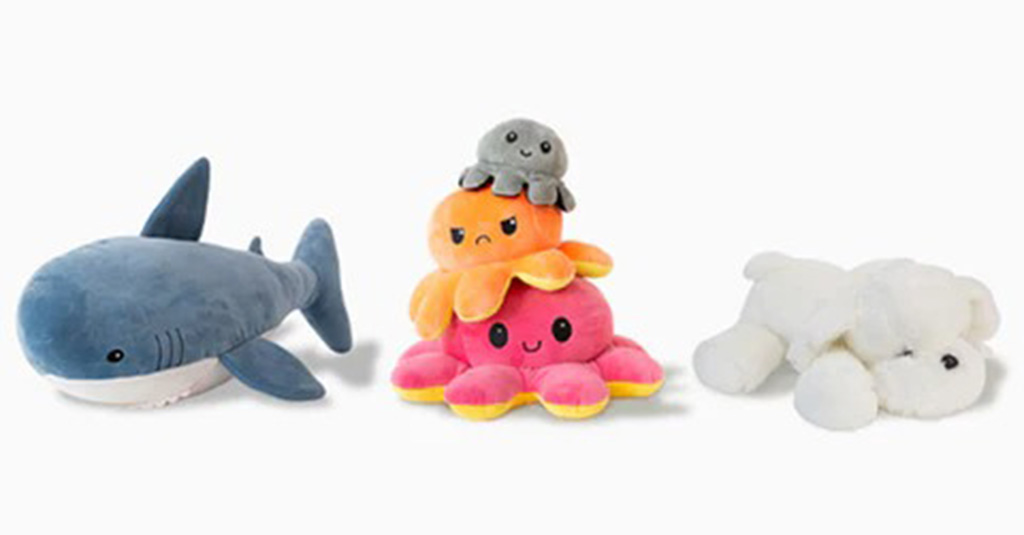
Today, many plushies are designed with therapeutic goals in mind. They are not medical devices, but they play a real role in mental and sensory well-being.
Weighted plushies
Weighted plushies contain extra weight (often in inner pouches) so they feel heavier than normal toys. For some users—children and adults—the extra weight:
- Gives deep pressure that feels calming
- Helps reduce anxiety or restlessness
- Encourages focus during reading, work, or study
The key is safe, even weight inside strong liners, plus clear age guidance.
Sensory-friendly plushies
Some plushies are designed with specific textures and shapes to support users with sensory processing differences:
- Very soft, low-lint fabrics for sensitive skin
- Simple shapes without scratchy trims
- Calm colors and faces to avoid overload
These plushies can act as portable “safe zones” in busy, noisy environments.
Emotional support in therapy
Therapists and teachers often use plushies in sessions with children:
- The child holds a plush while talking about hard topics.
- The plush “speaks” for the child when direct talk is too intense.
- The plush stays in the room as a stable, friendly object.
For adults, a plush in a therapy or coaching room can also reduce tension and make the space feel less clinical.
Self-care routines
Many adults now include a chosen plush in their self-care rituals:
- Holding it during breathing exercises
- Hugging it while journaling
- Keeping it close during panic or low mood
In these cases, the plush is a small, physical tool to support inner work.
Therapeutic uses of plushies
| Therapeutic need | Plushie design or feature | Support it can offer |
|---|---|---|
| Anxiety & stress | Weighted plush, soft fabrics, calm expression | Deep pressure, grounding, sense of safety |
| Sensory regulation | Predictable texture, no harsh trims | Stable input in overwhelming environments |
| Talk & expression | Plush present during therapy or classroom talks | Easier emotional sharing for children |
| Sleep and rest | Medium-sized plush held during rest time | Comfort signal for body and mind |
| Daily self-care | A chosen plush kept in a “safe corner” at home | Visual and tactile support during hard moments |
When I work on therapeutic-style plush, I treat them like a tool plus friend: strong inside, gentle outside.
How do cultural trends and design innovation expand plushie purpose?
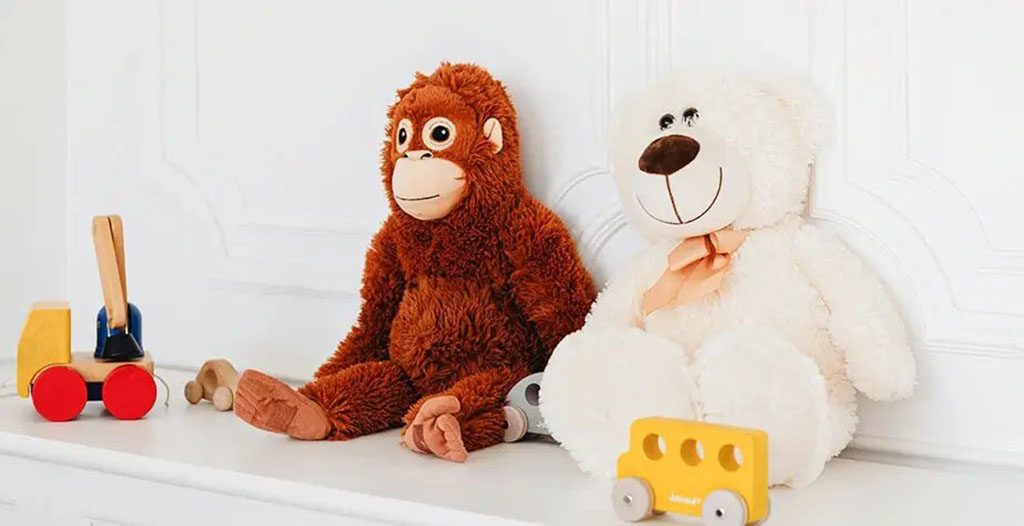
Plushies evolve with culture. In the last decade, I have seen their purpose expand far beyond “children’s toy,” driven by online trends and new design ideas.
Fandom and IP
Plushies are now key items in fandom culture:
- Anime, gaming, and streaming characters become plushies.
- Fans collect full sets and chase limited drops.
- Plushies appear in cosplay, meet-ups, and fan photos.
Here, the purpose is partly comfort, but also identity and belonging. The plush says, “I am part of this world.”
Social media and aesthetics
On platforms like Instagram, TikTok, and Pinterest, plushies appear as part of room aesthetics:
- Cottagecore, pastel, gamer, minimal, kawaii, dark cute, and more.
- Plushies placed on shelves, beds, and desks to complete a “look.”
- Plush used as props in small story videos and photos.
In this context, plushies become design pieces and content partners.
New formats and functions
Design innovation keeps adding new plush forms:
- Reversible plush with two moods
- Plush keychains and bag charms
- Giant floor plush or body pillows
- Plush cushions for chairs and sofas
- Stylized mini series with repeatable shapes
Each format opens a new purpose: fashion accessory, travel companion, floor furniture, back support, etc.
Sustainability and values
More buyers now care about eco-friendly materials. Plushies made with recycled polyester, organic cotton, or reduced packaging do more than comfort—they also communicate values about the environment and conscious consumption.
How trends expand plushie purpose
| Trend / driver | New role for plushies | Example of added purpose |
|---|---|---|
| Fandom & IP | Collectible merch and identity markers | Show love for a character or creator |
| Social media aesthetics | Decor element and content prop | Build room style, appear in photos and videos |
| New formats | Furniture, accessories, reversible moods | Comfort + function + playful interaction |
| Sustainability focus | Symbol of eco-conscious choices | Let buyers feel good about what they support |
| Global online culture | Shared “language” of cute and comfort across borders | Connect people through similar plush styles |
For me as a manufacturer, this is very exciting. It means plushies will stay relevant for a long time, because they are flexible enough to follow culture instead of fighting it.
Conclusion
The purpose of a plushie is never just “to be soft.” A good plushie comforts, listens, helps children grow, decorates homes, promotes brands, supports mental well-being, and even expresses identity in modern culture.
When you design or source plushies, the key question is: “What role should this plushie play in the user’s life?” Once that purpose is clear, decisions about fabric, size, weight, expression, and price become much easier—and your plush is more likely to stay on someone’s bed, desk, or shelf for years.
At Kinwin, my team and I help global buyers turn clear purposes into real products: from baby comfort plush to fandom collections, therapy-inspired designs, and branded mascots. If you’d like to discuss your next plush idea or adjust an existing line, you’re welcome to contact me at [email protected] or visit kinwintoys.com. Together, we can create plushies that truly belong in people’s daily lives.