Skip to content
I’m Amanda from Kinwin in China. I help brands and retailers develop plush products that look premium on camera, feel amazing in hand, and pass global compliance. A question I hear often is: “What exactly is a plush pillow, and how is it different from a normal pillow?” In this guide, I explain the structure and materials, show how fabrics and fillings change comfort, review design features that lift appeal, map safety and hygiene rules for different age groups, and share how plush pillows are positioned in retail and e-commerce. I’ll keep the language simple and practical so your team can use this as a spec and merchandising playbook.
What defines a plush pillow in terms of structure, materials, and intended use compared to standard pillows?
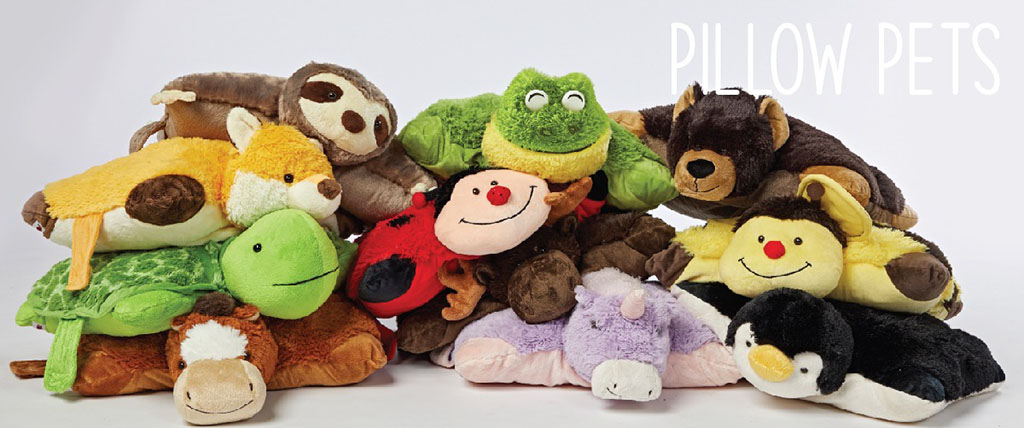
A plush pillow is a soft textile product with a pile-faced shell (for example minky, velboa, faux fur, or sherpa) and a cushioned core (fiberfill, foam, or microbeads). It is designed first for comfort and tactile joy, then for support. A standard bed pillow focuses on sleep ergonomics with woven shells (cotton, microfiber) and consistent loft for neck alignment. Plush pillows aim at cuddle comfort, décor, gifting, and brand storytelling. They can be flat or sculpted, square or character-shaped, and often include embroidery or appliqué. Because they are pile-faced, they must be planned for shedding, pilling, cleaning, and photo clarity (faces and logos should remain crisp after washing).
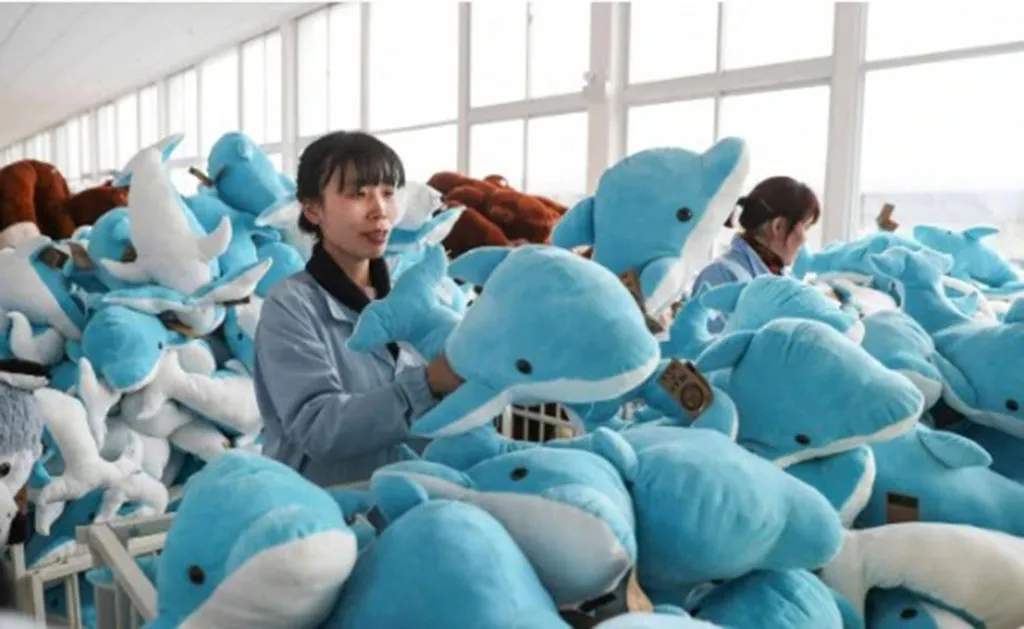
In sourcing, we set plush pillows apart by shell fabric family, pile specs (GSM, pile height, density), and fill system. For logistics, we watch volumetric weight and may use compression for short-pile cushions with a recovery note. For compliance, plush pillows for children fall under toy or child-use textile rules depending on the destination and marketing; adult décor pillows usually follow textile safety and retailer RSLs. The intended use decides the test plan: baby cuddle pillows need simpler trims and stricter rules; adult décor can accept zippers, removable covers, or heavier piles.
Table 1 — Plush Pillow vs. Standard Pillow (Quick Contrast)
| Feature | Plush Pillow | Standard Pillow |
|---|---|---|
| Shell | Pile (minky/velboa/faux fur/sherpa) | Woven knit/cotton/microfiber |
| Purpose | Cuddle, décor, gifting, character | Sleep ergonomics, support |
| Shapes | Squares, rounds, 3D characters | Rectangular bed sizes |
| Design | Embroidery, appliqué, accessories | Minimal trim, plain ticking |
| Testing focus | Pile durability, seam strength, small parts (if for kids) | Cleanliness, fill migration, support |
| Merch story | Texture, color palettes, IP/licensing | Thread count, loft, firmness |
How do fabric choices—minky, velboa, faux fur, or sherpa—affect softness, texture, and durability?
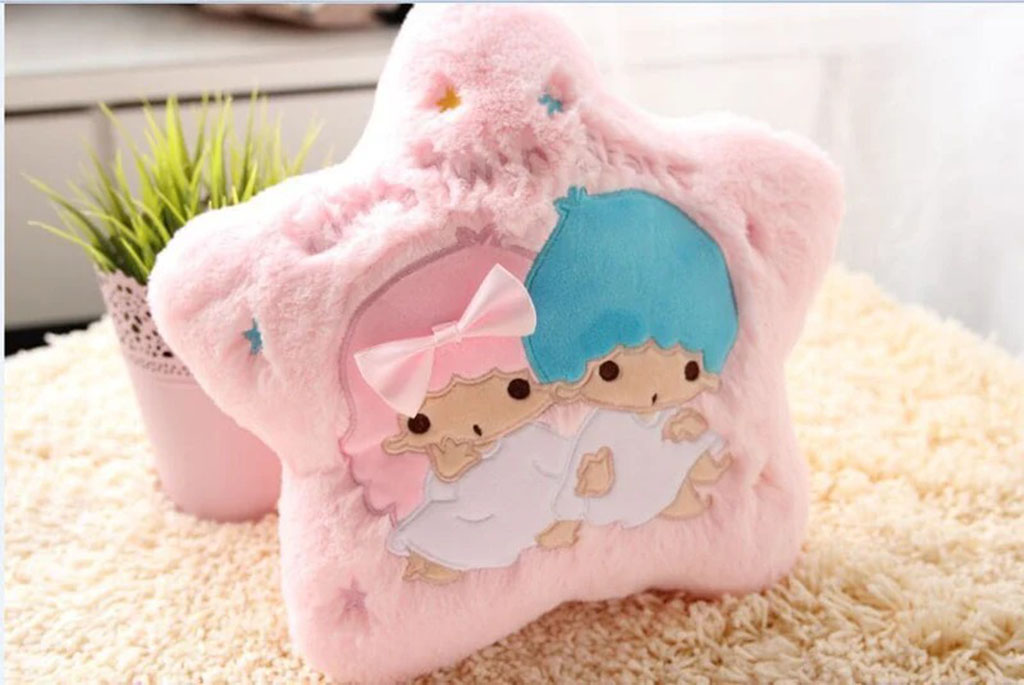
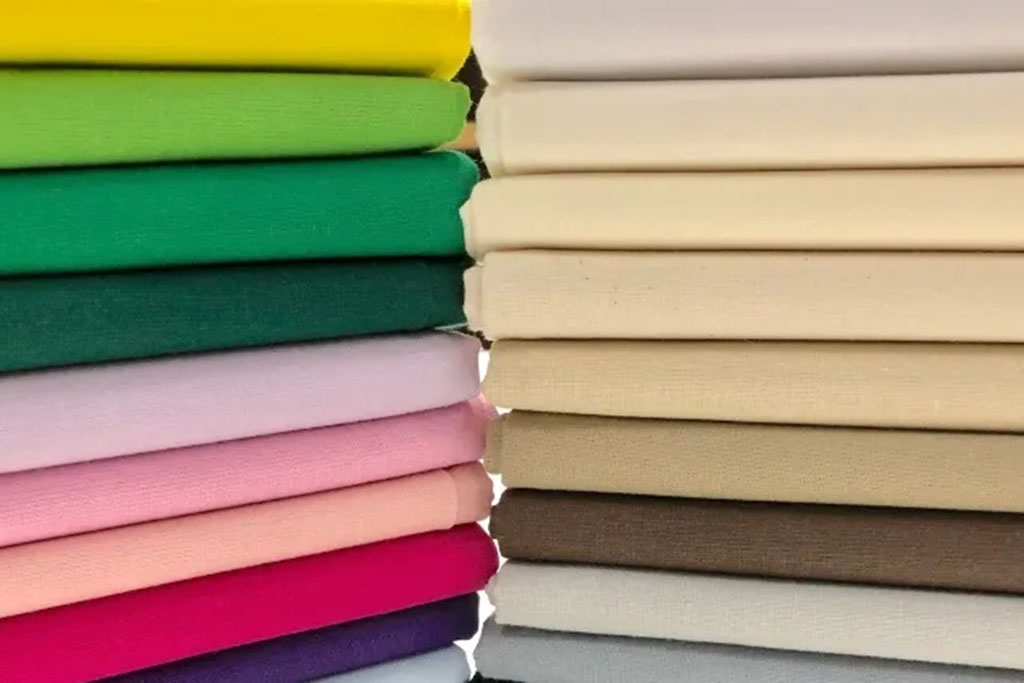
Fabric decides the first touch and the on-camera look. Minky (short pile, 2–3 mm) feels silky and baby-soft; it embroiders well and washes easily. Velboa (short pile with tighter face) reads clean and modern; it resists lint and keeps logos and facial details crisp, which is great for minis and brand icons. Faux fur brings fluffy luxury and dramatic photos; it needs trim zones around eyes, logos, or edges to stay tidy. Sherpa has a looped, cozy texture that looks warm in winter lines; it can trap lint if quality is low, so choose stable backings.
Durability is never only the face; it’s face + backing + SPI (stitches per inch). If the backing ladders, seams fail and corners harden. For child-facing items, I prefer short-pile minky or velboa for washability and clarity. For adult décor, faux fur or sherpa can lift perceived value. Always photograph texture macros and scale-in-hand to reduce “smaller/rougher than expected” returns.
Table 2 — Fabric Options for Plush Pillows
| Fabric | Handfeel | Photo effect | Care reality | Best use |
|---|---|---|---|---|
| Minky (2–3 mm) | Silky, low friction | Smooth, even | Gentle machine | Baby/toddler, cuddle cushions |
| Velboa (short pile) | Smooth, crisp | Clean logos, sharp embroidery | Gentle machine/surface | Brand icons, minis, travel |
| Faux fur (6–12 mm) | Fluffy, plush | High drama, cozy look | Surface/gentle; brush after | Premium décor, seasonal gifts |
| Sherpa | Cozy loops | Winter warmth | Gentle machine; lint control | Seasonal sets, throws + pillows |
Which filling systems (polyfiber, memory foam, microbeads, rPET fiberfill) create the ideal plush comfort level?
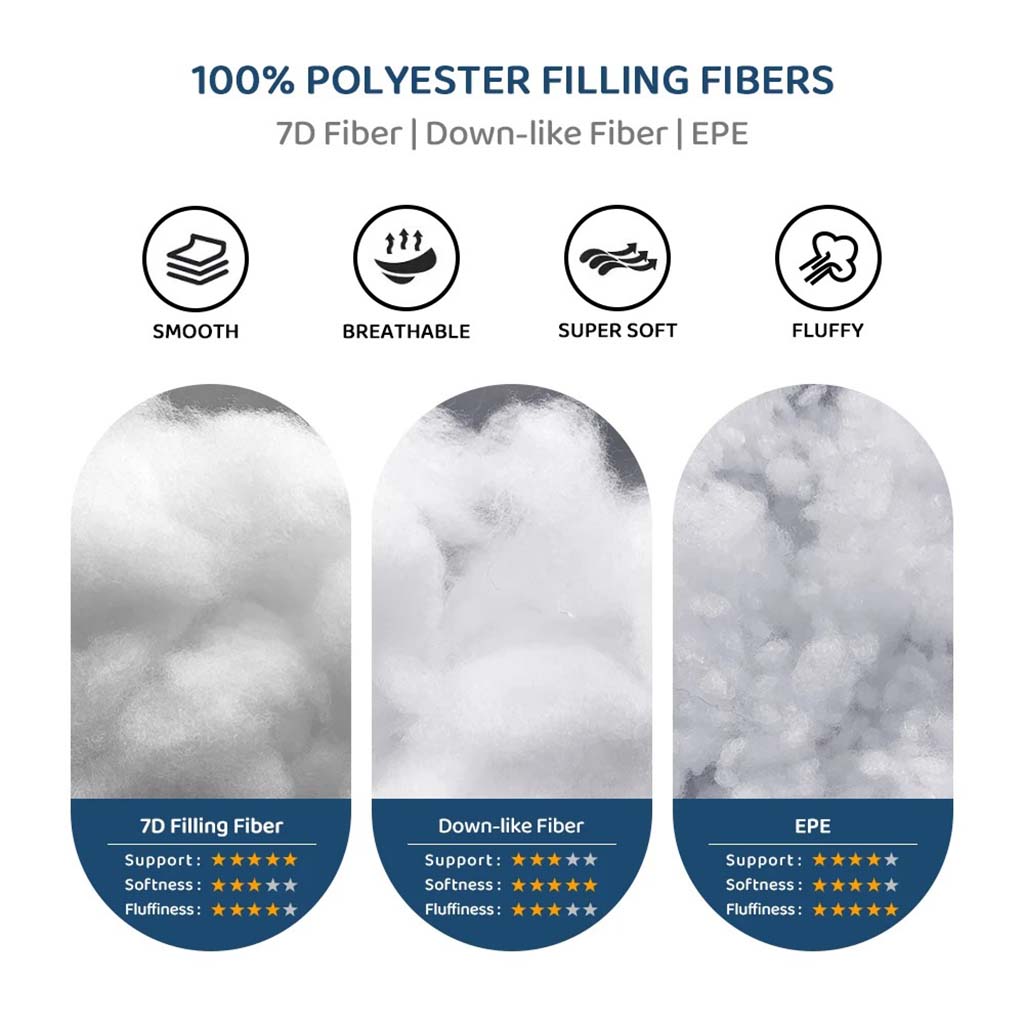
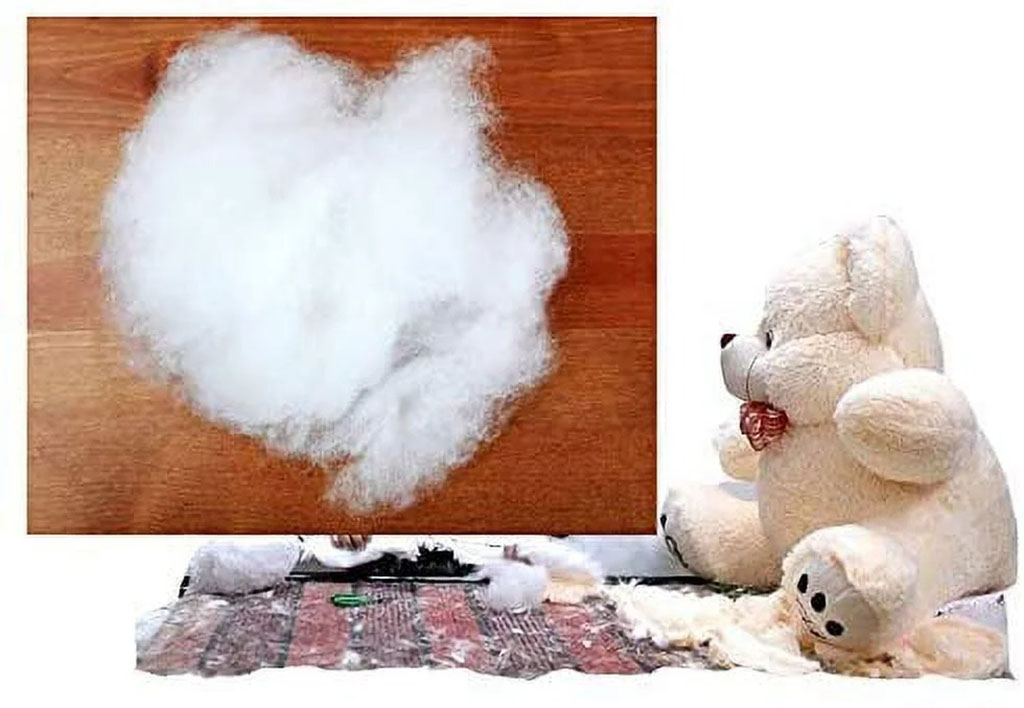
The fill sets the squeeze and recovery. Hollow polyester fiberfill creates the “cloud” feel with fast rebound—great for hugging and for children. Solid fiberfill or a blend holds shape in edges, logos, and 3D features. rPET fiberfill matches poly handfeel if sourced well; keep lot-level certificates if you claim recycled content. Memory foam inserts give slow-recovery support for neck rolls or travel U-shapes; they need encapsulation and honest care copy (usually spot clean). Microbeads (EPS/PP) create a moldable, tactile effect; for child-facing items, always use double inner pouches and confirm leakage tests.
Stuffing density is as important as material. Over-stuffing makes a plush pillow board-hard; under-stuffing makes it slumpy. We map grams per panel, add baffles in larger shapes, and validate compression/recovery during sampling. For photo stability on shelves, a modest weighted base (double-pouched pellets) helps the pillow sit upright without leaning.
Table 3 — Fill Systems & Squeeze Feel
| Fill system | Squeeze feel | Recovery | Care | Notes |
|---|---|---|---|---|
| Hollow polyfiber | Cloud-soft | Fast | Machine (short pile shells) | Ideal for cuddle and kids |
| Solid fiber / blend | Soft-firm control | Fast | Machine/surface | Good edge and logo definition |
| rPET fiberfill | Like standard poly | Fast | Same as shell | Keep recycled content docs |
| Memory foam | Slow, supportive | Slow | Spot/gentle | For travel/neck forms |
| Microbeads | Moldable, tactile | N/A | Spot | Double-pouch for safety |
How do design features—embroidery, 3D shapes, character forms, and removable covers—enhance functionality and appeal?
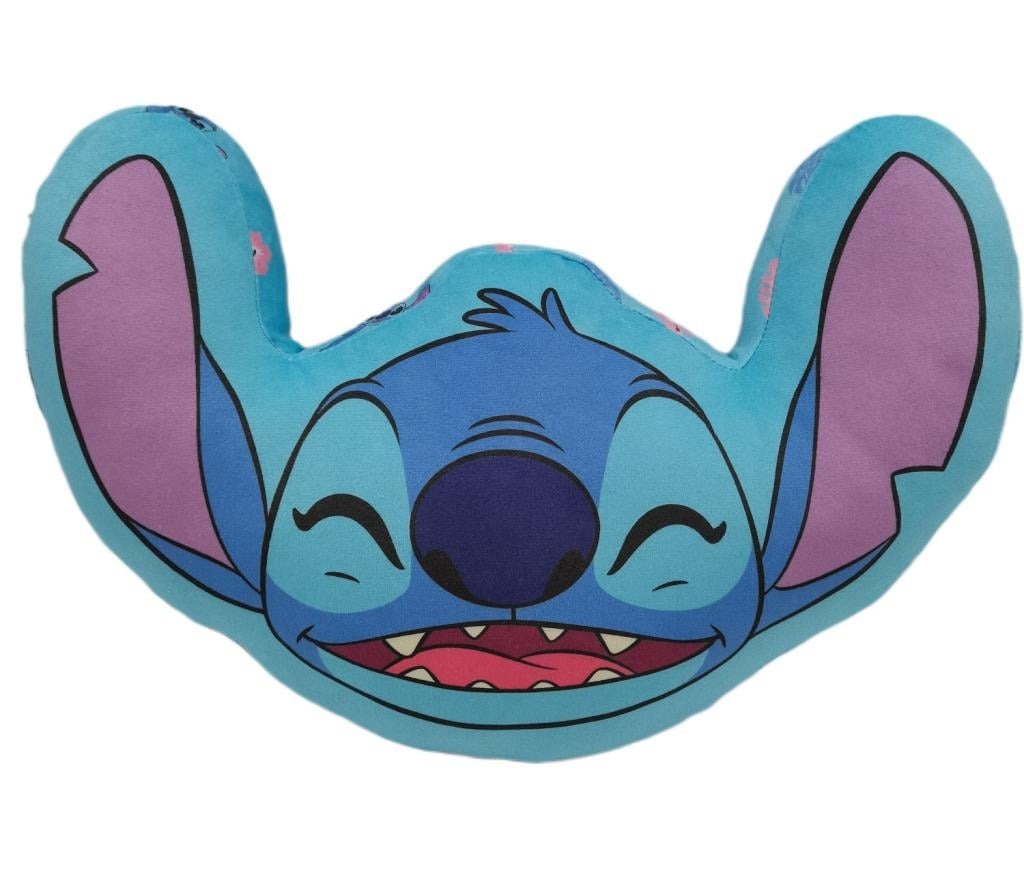
Design turns a soft object into a story. Embroidery keeps faces and logos crisp and baby-safe for 0+ lines. 3D shapes (ears, paws, snouts, fins) add delight but must be sized for the age grade; attach with strong SPI and bar-tacks at stress points. Character pillows blend décor with IP; a velboa face insert on a faux-fur body keeps expressions readable. Removable covers improve hygiene for adult décor and hospitality sets; choose hidden zippers or envelope backs with protected pullers. For travel, U-shaped or lumbar plush pillows offer ergonomic cues without medical claims. For gifting, add edition cards, subtle hang loops, or gift boxes that match palette.
Balance aesthetics and cleanability. Long piles love camera lights but need brush-after-wash guidance. Lightweight appliqués and soft accessories (scarves, bows) elevate appeal; avoid metal trims in young age grades. If you want weighted comfort, concentrate grams in the base so the pillow sits and hugs well without feeling heavy on the face.
Table 4 — Design Features & When to Use Them
| Feature | Value add | Use for | Controls |
|---|---|---|---|
| Embroidery | Safe, crisp detail | 0+ / brand logos | Thread density spec |
| 3D parts | Cute depth & touch | Kids, gifts | Bar-tacks; size to age grade |
| Character forms | IP, storytelling | Teens/adults décor, gifting | Canon colors; velboa face |
| Removable cover | Hygiene & longevity | Hotels, adult décor | Hidden zip; safety stops |
| Weighted base | Sit stability; cozy hug | Desk/bed display | Double-pouched pellets |
What safety, hygiene, and compliance standards (EN71, CPSIA, OEKO-TEX) apply to plush pillows for children and adults?
Compliance follows use and marketing. If the plush pillow is a children’s product, plan toy-style tests:
- EN71-1/2/3 (EU/UK) for mechanical/physical, flammability, and chemical migration.
- ASTM F963 + CPSIA (U.S.), plus CPC and tracking labels.
- Embroidery for 0+; safety eyes/zippers only for 3+ with tensile/small-parts passes.
For adult décor, retailers may ask for OEKO-TEX or adherence to an RSL. If you claim rPET, keep lot-tied certificates and align hangtags with the real content. Hygiene matters: short-pile shells can be gentle-machine washed; faux fur and sherpa often need surface or gentle wash with brush-after-wash notes. In hospitality or clinic settings, plan spare covers, clear care labels, and drying times. Always keep test reports tied to actual fabric/fill lots and re-test when dye lots or trim suppliers change.
Table 5 — Compliance & Care Map
| Market/use | Core standards | Labels/docs | Care baseline |
|---|---|---|---|
| Children (EU/UK) | EN71-1/2/3 | CE/UKCA; DoC; age mark | Short pile: gentle machine |
| Children (U.S.) | ASTM F963; CPSIA | CPC; tracking label | Short pile: gentle machine |
| Adult décor | OEKO-TEX / RSL (retailer) | Material disclosure as required | Surface/gentle per fabric |
| rPET claims | Chain-of-custody | Lot certificates | Same as shell |
| Weighted | Mechanical + leakage | Double-pouch spec | Drying guidance |
How are plush pillows positioned in retail and e-commerce—decorative, functional, collectible, or promotional segments?
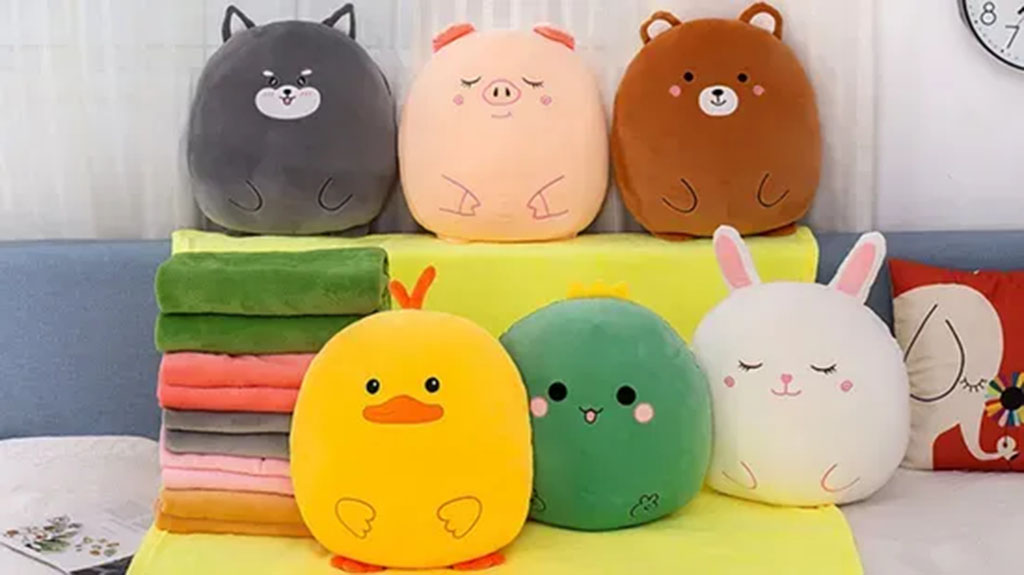
Plush pillows live across four segments, and each has a different price logic, content style, and margin shape:
- Decorative — Room styling, tonal palettes, seasonal color stories. Photography shows sofas, beds, and chairs; packaging can lift AOV (belly bands, gift boxes).
- Functional — Travel U-shapes, lumbar forms, seat pads. Honest copy avoids medical claims; buyers want size diagrams and care clarity.
- Collectible/IP — Character faces, limited colorways, collaboration badges, edition cards. Use checklists and drop calendars to drive repeat visits.
- Promotional/Corporate — Mascots and branded icons in velboa for logo clarity; focus on lint resistance, colorfastness, and photo-ready edges.
On marketplace PDPs, a plush pillow wins with texture macros, scale-in-hand, seated stability shots, and clean measurements (inches and centimeters). In DTC, add a short 10–15s squeeze video. Tie titles to local search: “Plush Throw Pillow” for décor, “Travel Neck Pillow (Plush Cover)” for function, “Character Plush Pillow” for IP. Keep plush in attributes so filters catch it.
Table 6 — Positioning & Content Keys
| Segment | Pricing anchor | Content must-haves | Notes |
|---|---|---|---|
| Decorative | Palette + texture | Styled room shots; size ladder | Gift box lifts AOV |
| Functional | Shape + support | Diagram; care clarity | No medical claims |
| Collectible/IP | Edition + accuracy | Checklist; drop dates; macro details | Velboa face for clarity |
| Promotional | Brand icon clarity | Logo mockups; colorfast proof | Lint-resistant shells |
Implementation playbook (you can run this month)
- Define use: child cuddle, adult décor, travel, or brand promo. This sets trims, tests, and content.
- Lock fabrics: short-pile minky/velboa for washability and clarity; faux fur/sherpa for premium winter looks; plan trim zones.
- Choose fill wisely: hollow fiber for cloud feel; add solid blend for edge control; memory foam only for ergonomic pieces; microbeads with double-pouch.
- Map density: write panel fill grams and add baffles in large shapes; test compression/recovery.
- Engineer seams: SPI targets, bar-tacks at stress points, ladder-stitch closure; validate seam pulls.
- Plan compliance: EN71/ASTM/CPSIA for kids; OEKO-TEX/RSL for décor; lot-tied reports; re-test on lot changes.
- Shoot right: texture macro, scale-in-hand, seated stability, and 15-second squeeze video; add brush note for faux fur.
- Merchandising: create a size ladder and palette guide; offer giftable packaging for décor/IP lines; provide checklists for collectors.
Conclusion
A plush pillow is more than a cushion—it’s texture, story, and comfort in one object. Choose the right pile fabric for touch and photography, the right fill for squeeze and recovery, and the right design for age, channel, and care. When you lock specs, tie tests to real lots, and show true-to-life content, you get pillows that feel premium, pass audits, and convert online. If you want help building a plush-pillow line—from brief to PPS to on-time mass—email [email protected] or visit kinwintoys.com. My team at Kinwin can turn your concept into retail-ready reality.