Skip to content
Plush dolls are more than soft toys—they’re a blend of textile engineering, character design, and brand storytelling. In factory practice, a plush doll combines a human or humanoid form (face, hair, outfit, proportions) with plush materials to create a character that feels comforting in the hand and expressive in photos. In this guide, I write as Amanda from Kinwin to explain what a plush doll is, how it differs from stuffed animals and “plushies,” which materials we use, how customization works, what safety/quality standards apply, and how brands market plush dolls to global audiences. I’ll keep the language simple, the paragraphs rich with detail, and add a data table in every section for fast comparisons, RFQs, and SOPs.
What is a plush doll and how is it defined?

A plush doll is a soft, sewn character with human-like features—a face, hair (textile or embroidery), a torso with limbs, and often clothing or accessories that can be sewn-on or removable. Unlike generic soft toys, plush dolls focus on personality and styling: facial expression, skin tone options, hairstyles, wardrobe, and sometimes story cards or names. This gives them strong emotional appeal and high giftability.
From a manufacturing standpoint, plush dolls are built from pile fabrics (short plush, minky, microfleece) with a stable backing that supports clean seams and embroidery. Faces are usually embroidered for safety and a consistent look. Bodies may be structured with PP cotton for softness, microfiber for a silkier hand, or weighted liners for a grounded feel. Clothing choices range from printed knit outfits to miniature woven garments with trims.
Table 1 — Working definition of a plush doll (factory view)
| Attribute | Typical Options | Why It Matters |
|---|---|---|
| Core identity | Human / humanoid character with wardrobe | Drives storytelling and collectability |
| Facial features | Embroidery, appliqué, heat-transfer details | Safe for all ages; consistent in bulk |
| Hair | Felt/flocked panels, yarn hair, plush “cap” | Style flexibility; cost control |
| Body fill | PP cotton, microfiber, optional weights | Hand-feel and posture |
| Clothing | Sewn-on or removable garments | Safety vs. play value/upsell |
| Size range | ~15–45 cm (most retail); larger for décor | Price tiering and gift options |
How do plush dolls differ from stuffed animals and plushies?

In daily speech, people say “plushies” to mean any soft toy. On the factory floor, we separate plush dolls (humanlike) from stuffed animals (animal forms) and generic plushies (catch-all). Plush dolls usually demand more face precision, skin-tone consistency, hair solutions, and wardrobe engineering. That means tighter fabric spec, more pattern pieces, and stricter QC on symmetry.
Design intent differs too: stuffed animals lean on cuteness and species traits; plush dolls lean on fashion, identity, and role-play. That changes how we select fabrics, build seams, and plan accessories. It also shifts compliance checks (e.g., small-part risks for removable outfits).
Table 2 — Plush doll vs. stuffed animal vs. “plushie”
| Aspect | Plush Doll (Humanlike) | Stuffed Animal | “Plushie” (Generic) |
|---|---|---|---|
| Identity focus | Face/eyes, hair, wardrobe | Species features (ears, muzzle) | Broad; any soft toy |
| Fabric map | Skin-toned plush + clothing textiles | Fur-like plush for body | Depends on concept |
| Expression detail | High—embroidery/appliqué | Medium—animal face cues | Varies |
| Accessories | Garments, shoes, bags | Collars, scarves, props | Varies |
| Play pattern | Dress-up, role-play, display | Hug, collect, display | Mixed |
| QC emphasis | Symmetry, shade match, trims | Fur direction, shape, stuffing | Mixed |
What materials and fabrics are commonly used for plush dolls?

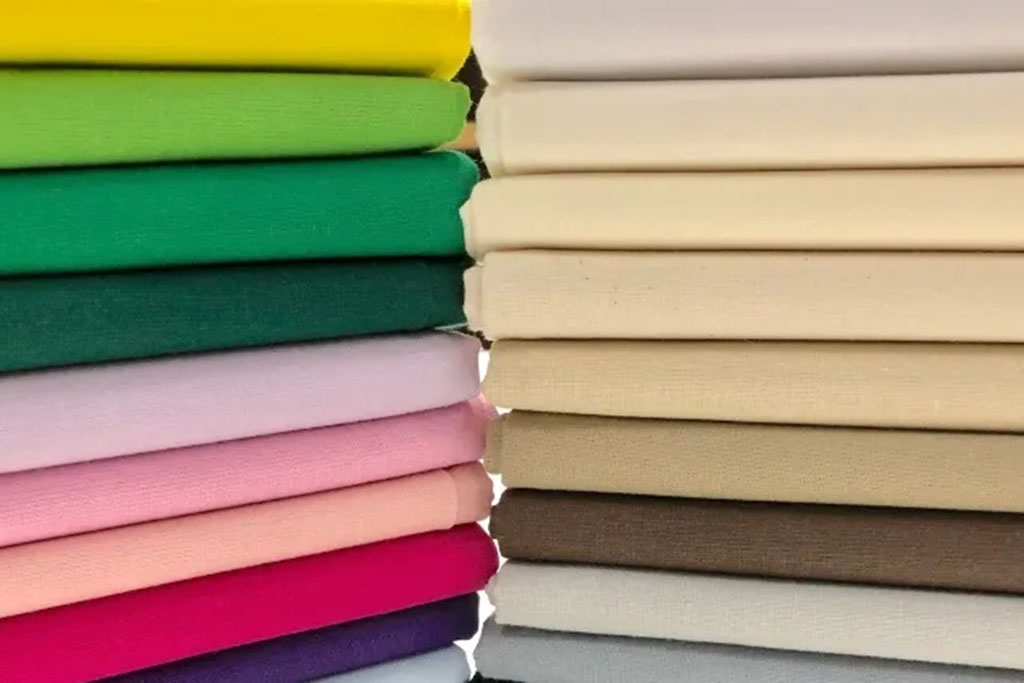
Materials define the hand-feel, durability, and compliance pathway. For the face/skin, we favor short plush (1.5–2.5 mm) with a tight tricot backing so embroidery is crisp. For the body, minky (3–5 mm) or microfleece adds cuddle softness. Clothing combines knits (tees, leggings) and wovens (dresses, jackets) with micro trims that must be secure and lint-controlled. Fillings include PP cotton for volume, microfiber for a premium surface feel, pearl cotton mini-cores for posture, and microbead/foam liners for balance (always in sealed pouches).
Color consistency is critical: skin tones must match across lots and sizes. We manage this with Pantone TCX mapping, lab dips, and daylight shade checks.
Table 3 — Material set for plush dolls (with sourcing notes)
| Part | Preferred Fabrics | Why | Notes for RFQs |
|---|---|---|---|
| Face/skin | Short plush 1.5–2.5 mm, 220–280 gsm | Clean embroidery, low lint | Add thin batting under face |
| Body | Minky 3–5 mm / microfleece | Soft, cozy hand | Align nap; seam allowance 0.5–0.7 cm |
| Hair | Felt, flocked plush, yarn | Styling variety | Test colorfastness, shedding |
| Clothes (knit) | Cotton/spandex jersey | Comfort, stretch | Stitch density test; shrinkage control |
| Clothes (woven) | Poly/cotton poplin, twill | Shape/control | Reinforce small trims |
| Fillings | PP cotton, microfiber, pearl core, bead liner | Feel & posture | Always seal liners; tack to seams |
| Trims | Embroidery threads, snaps, Velcro, buttons | Function & aesthetics | Avoid small parts < age spec |
How do design and customization options shape plush doll appeal?

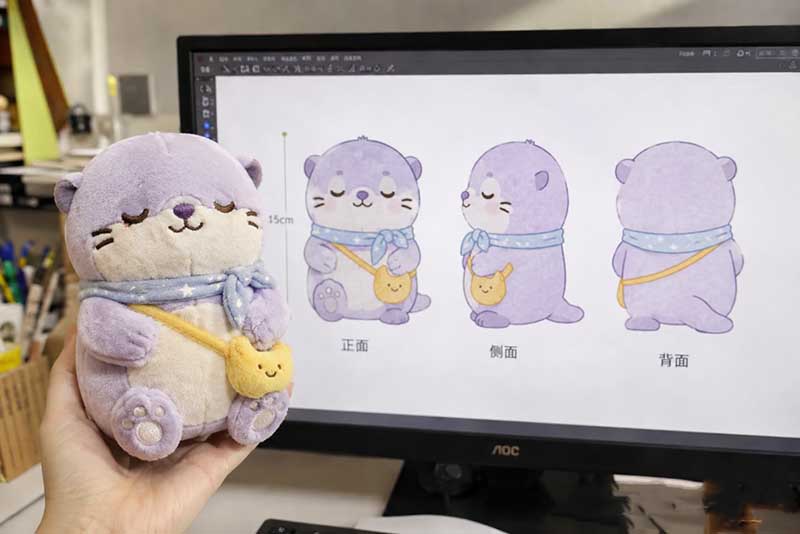
Customization is where plush dolls shine. Brands specify face style (eyes open/closed, blush, freckles), skin tones, haircuts and colors, body shapes, and wardrobes that match collections, holidays, or fandom themes. For B2B buyers, the best practice is to create a fabric map (which material goes where), a density map (grams-per-part filling), and a trim matrix (approved trims per age grade). This converts subjective “cute” into reproducible engineering.
We also encourage modular outfits—base doll + swappable clothing packs—so retailers can extend assortment without remaking the core. Embroidered logos, woven labels, hangtags, and gift boxes support brand storytelling. For e-commerce, photogenic proportions and sit-stability matter: we design low center of mass so dolls sit upright in photos and on shelves.
Table 4 — Customization menu (what to brief and why it sells)
| Custom Area | Options | Why Buyers Love It | Factory Note |
|---|---|---|---|
| Face style | Eye shapes, blush, freckles, mouth style | Signature brand look | Keep stitch count consistent |
| Skin tone | Multiple Pantone TCX shades | Inclusivity, regional fit | Shade-check under daylight |
| Hair | Yarn, plush cap, felt fringe, braids | Strong personality & play value | Secure stitching; pull tests |
| Body shape | Standard, chibi, tall/teen, baby | Distinct age fantasy | Adjust patterns for balance |
| Wardrobe | Everyday, seasonal, cultural looks | Assortment and upsells | Trim safety by age grade |
| Branding | Embroidered logo, label set, box art | Premium feel & trust | Align with compliance icons |
What safety and quality standards govern plush doll production?

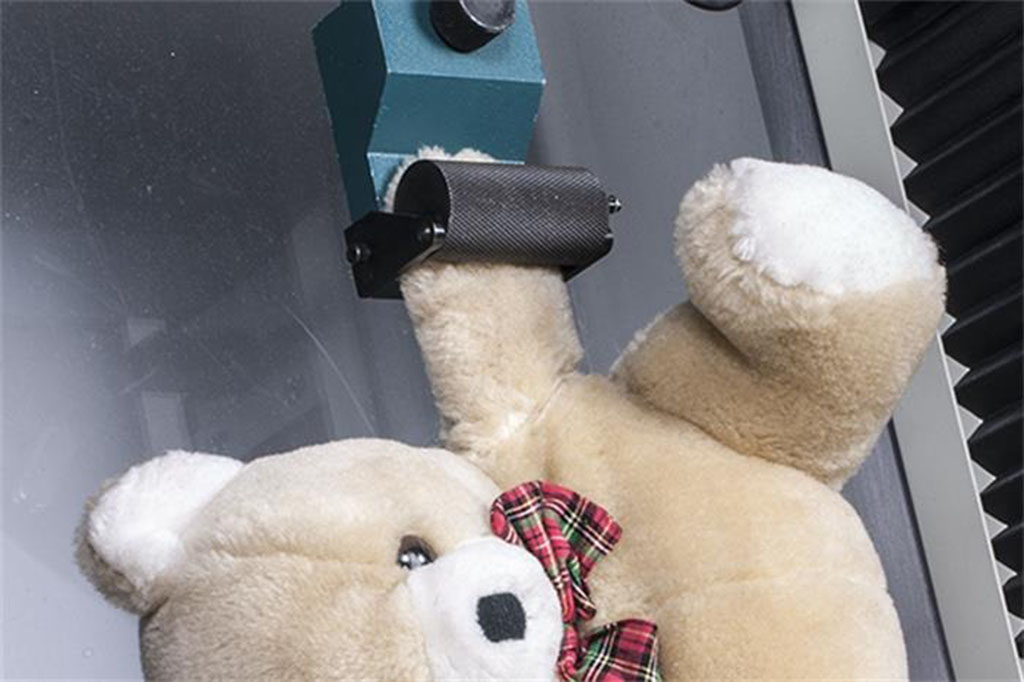
Plush dolls must pass the same toy safety frameworks as other soft toys, but clothing and trims add extra checks. We plan compliance at sourcing: EN 71 (EU) for mechanical/flammability/chemicals; ASTM F963 and CPSIA (USA) for mechanical/chemical/labeling and tracking; REACH SVHC awareness for EU; and local standards as needed. Every claim on your care label must be validated in real tests (wash-bag trials, colorfastness, seam pulls).
For dolls aimed at infants and toddlers, we avoid detachable small parts and use only embroidered facial features. For older ages, removable outfits are fine but must pass small-parts and attachment strength tests. We document lot-level COAs, test reports per color, and CPSIA tracking labels with factory/date/batch.
Table 5 — Compliance & QC map for plush dolls
| Area | Standard / Focus | What We Do at Kinwin | Buyer Deliverable |
|---|---|---|---|
| Mechanical & physical | EN 71-1 / ASTM F963 | Seam pull, small parts, attachments | Lab reports per SKU/color |
| Flammability | EN 71-2 / ASTM F963 | Composite fabric testing | Certificates filed with PO |
| Chemical limits | EN 71-3 / CPSIA / REACH | Materials COAs; batch tests | Test matrix by color/lot |
| Care label validity | Real-world wash tests | Wash-bag 30 °C; darkest color first | Photo evidence + report |
| Traceability | CPSIA tracking | Batch ID on tag + ERP map | Trace map for audits |
| Visual QC | Golden sample match | Face symmetry, shade, nap | Photo QC sheet per lot |
How do manufacturers and brands market plush dolls globally?

Globally, plush dolls sell on emotion, identity, and storytelling. For kids, that means a friendly face, bright outfits, and character stories. For teens/adults, it’s a mood-based aesthetic—muted palettes, premium textures, collectibles, and limited drops. Retailers want clear tiering: entry-price base dolls, mid-tier dolls with outfits, and premium gift-boxed editions with numbered tags or collabs. Online, the key is photography: consistent skin tones, sit-stable poses, and lifestyle shots in real lighting.
Operationally, strong marketing depends on clean documentation. A simple brand toolkit—fabric map, density map, trim matrix, size chart, care icons, and compliance badges—reduces friction for distributors and marketplaces. Pair this with regional assortments (skin tones, outfits, holidays) to localize without remaking the entire line.
Table 6 — Marketing playbook by audience & channel
| Audience | Positioning | Creative Assets | Channel & Tactics | Proof Points |
|---|---|---|---|---|
| Parents (0–6) | Safe, soft, washable | Bright lifestyle photos, care card | Amazon, specialty shops | EN71/ASTM badges; wash tips |
| Kids (6–10) | Dress-up & story | Outfit packs, mini books | Toy retail + social shorts | Mix & match outfits |
| Tweens/Teens | Trend & identity | Mood palettes, collabs | TikTok/IG, limited drops | Limited colorways |
| Adults/Gifting | Aesthetic comfort | Premium box, note card | Dept. stores, Etsy | Unboxing appeal |
| Collectors | Scarcity & lore | Numbered tags, lore cards | Discord/IG drops | Edition tracking |
| Corporate/B2B | Brandable mascots | Logo embroidery mockups | B2B catalogs, events | MOQ, lead time, compliance kit |
Conclusion
A plush doll blends soft materials, expressive design, and trusted safety into a character people want to keep close. When the face is clean, the fabrics feel gentle, and the outfits are thoughtful, the doll becomes more than a toy—it becomes part of a story a child (or adult) wants to live.
At Kinwin, we help global buyers design plush dolls with consistent skin tones, crisp embroidery, secure outfits, and reliable compliance—supported by grams-per-part mapping and lot-level traceability. You get beautiful photos, repeatable hand-feel, and smoother approvals across markets.
Contact: [email protected] | kinwintoys.com