Skip to content
As a B2B plush manufacturer, I use “plush” to mean a soft, pile fabric engineered for a gentle handfeel, stable color, and safe performance in toys. Below, I explain how modern factories define plush, how it’s built, which fibers and pile heights qualify, how it differs from look-alikes, how we test durability and safety, and which grades fit baby, collectible, or mass-market lines.
What defines “plush” fabric in modern textile manufacturing?
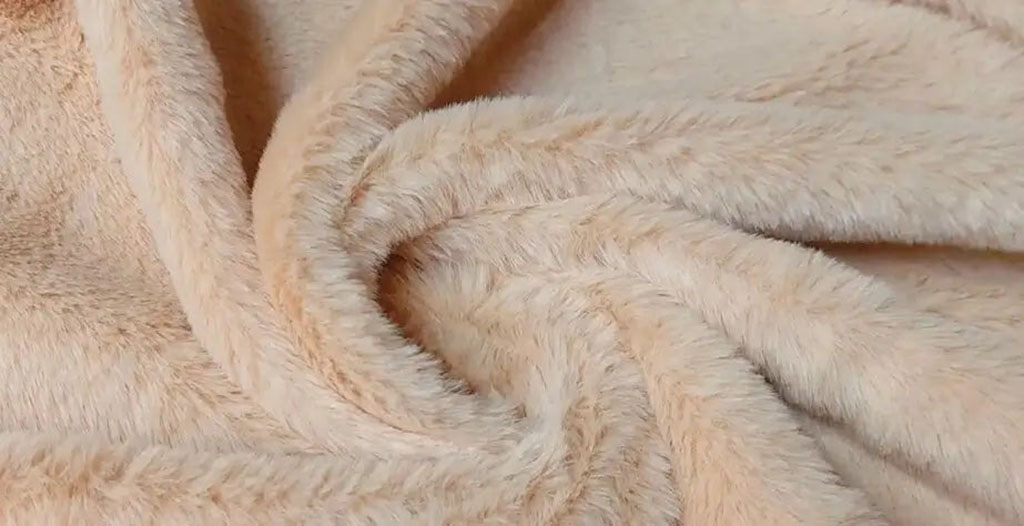
In today’s production, “plush” refers to a pile fabric whose surface is formed by upright or slightly directional fibers (“pile”) anchored to a stable backing. The goal is a soft handfeel, even pile, and clean recovery after light pressure. I classify a fabric as plush when it meets three points: (1) true pile (not just brushed fleece), (2) consistent density that hides backing and seams, and (3) colorfastness and lint control suitable for toys. For toys and baby goods, I avoid loose, long fibers that shed; I choose short-to-mid pile with low lint, strong anchoring, and repeatable dye lots. In the cutting room, plush must also cut cleanly, resist laddering, and keep nap direction predictable so panels align. If a fabric only feels soft because it is heavily brushed (no real pile) or pills quickly, I don’t treat it as plush for quality lines. For everyday SKUs, short-pile plush keeps stitching neat and photographs well. For collectors, higher pile adds depth and warmth, but I still test shedding and shape stability.
Defining characteristics of toy-grade plush
| Criterion | What I Look For | Why It Matters |
|---|---|---|
| True pile surface | Visible, anchored fibers above backing | Real plush handfeel |
| Even density (no show-through) | Backing hidden at normal tension | Premium appearance |
| Low lint / shedding | Controlled fiber release | Clean, safe finish |
| Colorfastness | Wet/dry rub, saliva, sweat | Toy compliance, fewer returns |
| Nap control | Predictable direction, easy matching | Consistent panels and faces |
How is plush constructed—warp knit, weft knit, or woven?
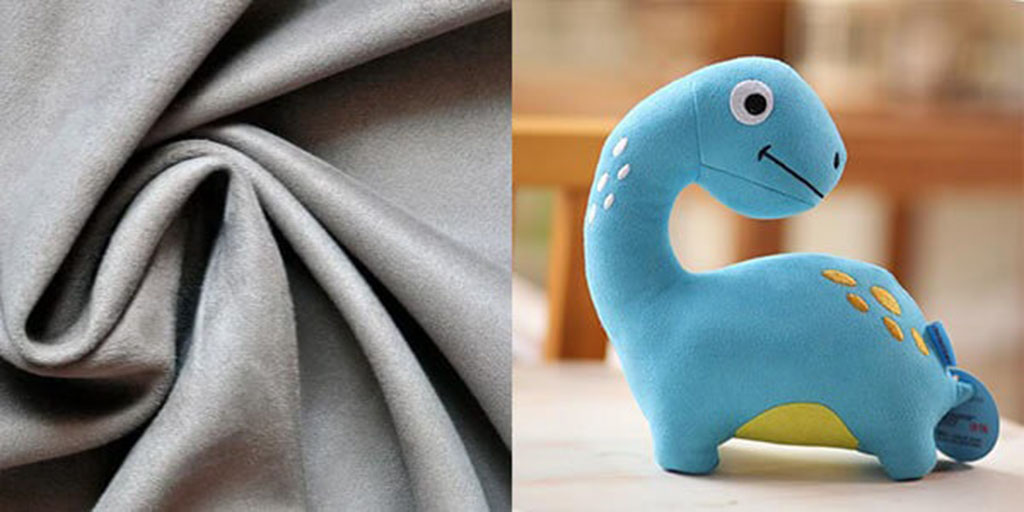
Plush can be made by warp knitting (e.g., Raschel), weft knitting, or weaving with pile formation (cut or loop). In toys, warp-knit plush dominates because it balances stability, speed, and price. The backing resists distortion, edges cut cleanly, and pile stands well after sewing. Weft-knit plush is stretchier; I use it for soft, cuddly bodies but control stretch with interlining. Woven pile (like traditional velvet/mohair constructions) appears in premium or heritage styles; it gives sharp surface definition but costs more and needs skilled cutting for nap alignment. Across all builds, machine settings (pile height, knit density, fiber denier) and finishing (shearing, heat setting, brushing) decide the final handfeel. I review lab dips and hand swatches under bright, neutral light; then I sew a small test animal to see how seams, darts, and curves behave in real production.
Construction routes for plush
| Construction | Typical Use in Toys | Strengths | Watch-outs |
|---|---|---|---|
| Warp knit (Raschel) | Mainstream plush, velboa-type | Stable backing, fast output | Beware low-grade lint |
| Weft knit | Ultra-soft, drapey bodies | Cuddly stretch, cozy feel | Control distortion, use interlining |
| Woven pile (cut pile) | Premium, mohair-style | Crisp surface, heritage look | Higher cost, careful nap matching |
Which fiber compositions and pile heights qualify as true plush?
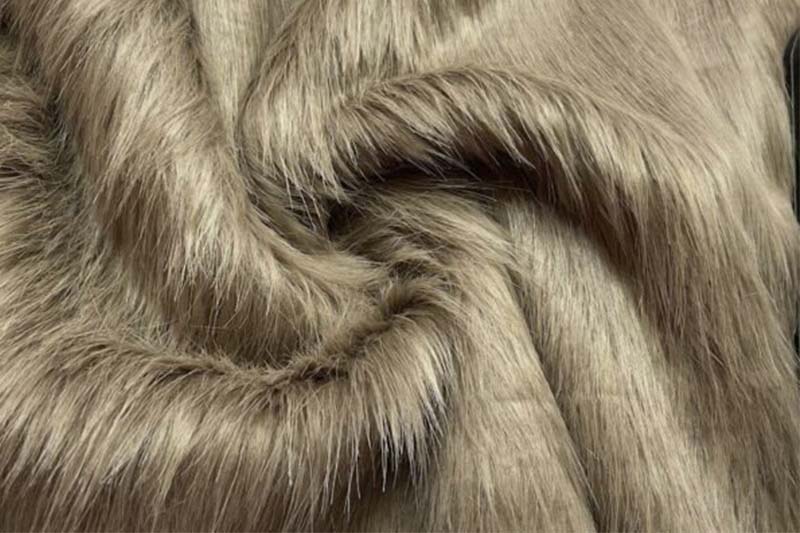
Most toy plush uses polyester for color stability, low moisture uptake, and wash resistance. For eco ranges, I specify recycled polyester (rPET) with GRS documentation. Acrylic or modacrylic blends show up in faux-fur looks; they feel warm and luxurious but need lint checks. Nylon may be blended to increase strength or sheen in special finishes. For piles, I choose short (1–3 mm) for baby and face areas, mid (4–8 mm) for bodies, and long (10–25 mm) for faux-fur effects. True plush should keep the pile upright after light brushing and return close to shape after a palm press. Fiber denier and crimp control softness versus resilience: fine denier = silky touch; slightly higher denier = better spring-back. Backing yarns also matter; too open a structure risks show-through and seam grin.
Fiber & pile selection guide
| Parameter | Typical Choice | Where I Use It | Notes |
|---|---|---|---|
| Fiber | 100% polyester / rPET | Most toy SKUs | Stable color, easy care |
| Fiber (premium look) | Acrylic/modacrylic blends | Faux-fur collector lines | Check shedding & flame behavior |
| Pile height short | 1–3 mm | Faces, baby SKUs | Low lint, clear embroidery |
| Pile height mid | 4–8 mm | Bodies, general plush | Soft + good silhouette |
| Pile height long | 10–25 mm | Faux-fur depth | Strong QC for fiber loss |
How does plush differ from velboa, minky, velvet, and faux fur?
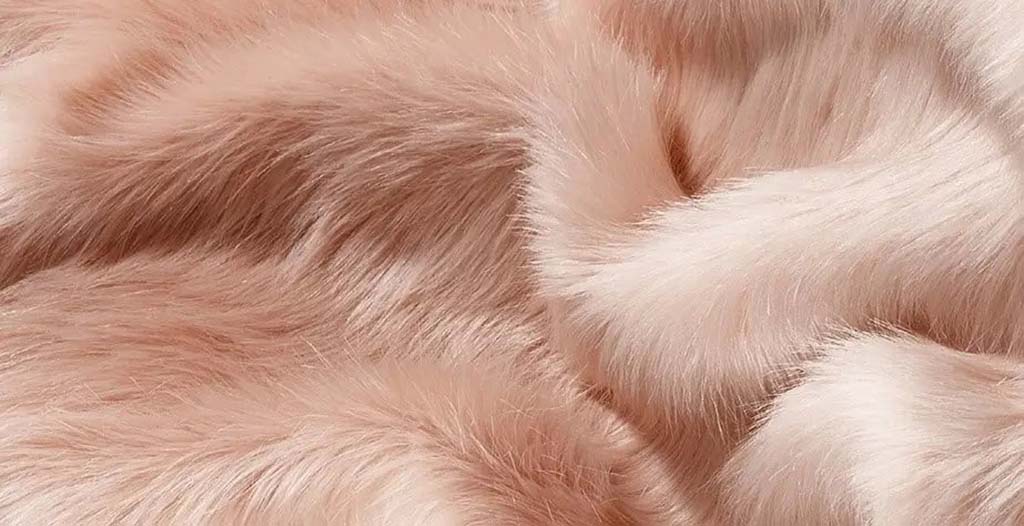
These names often overlap in casual speech, but for production I separate them by structure, pile length, and handfeel. Velboa is usually a short, tight, warp-knit plush with a dry-smooth surface—great for crisp shapes and low lint. Minky is a short-pile plush with a silky hand and subtle sheen; it reads “soft” on camera and is common in baby goods. Velvet (traditional) is woven cut pile; it looks rich but isn’t the go-to for washable toys. Faux fur is long-pile plush (often acrylic or blends) with directional nap for depth; perfect for collector bears and premium trims but requires shedding control. When I say “plush” in toy specs, I normally mean short-to-mid pile polyester warp-knit fabrics, including minky and velboa families, with toy-safe finishing.
Quick differentiation map
| Fabric Name | Typical Build | Pile Length | Handfeel | Common Toy Use |
|---|---|---|---|---|
| Plush (general) | Warp/weft knit pile | 1–8 mm | Soft, resilient | Most toys |
| Velboa | Warp-knit, tight pile | 0.5–2 mm | Smooth, low lint | Crisp silhouettes |
| Minky | Knit plush, silky face | 1–3 mm | Silky, baby-soft | Baby, faces, bellies |
| Velvet | Woven cut pile | 0.5–2 mm | Dense, formal | Premium accents, not core toy |
| Faux fur | Knit/woven long pile | 10–25 mm | Deep, fluffy | Collector lines, trims |
What performance metrics and tests validate plush durability and safety?
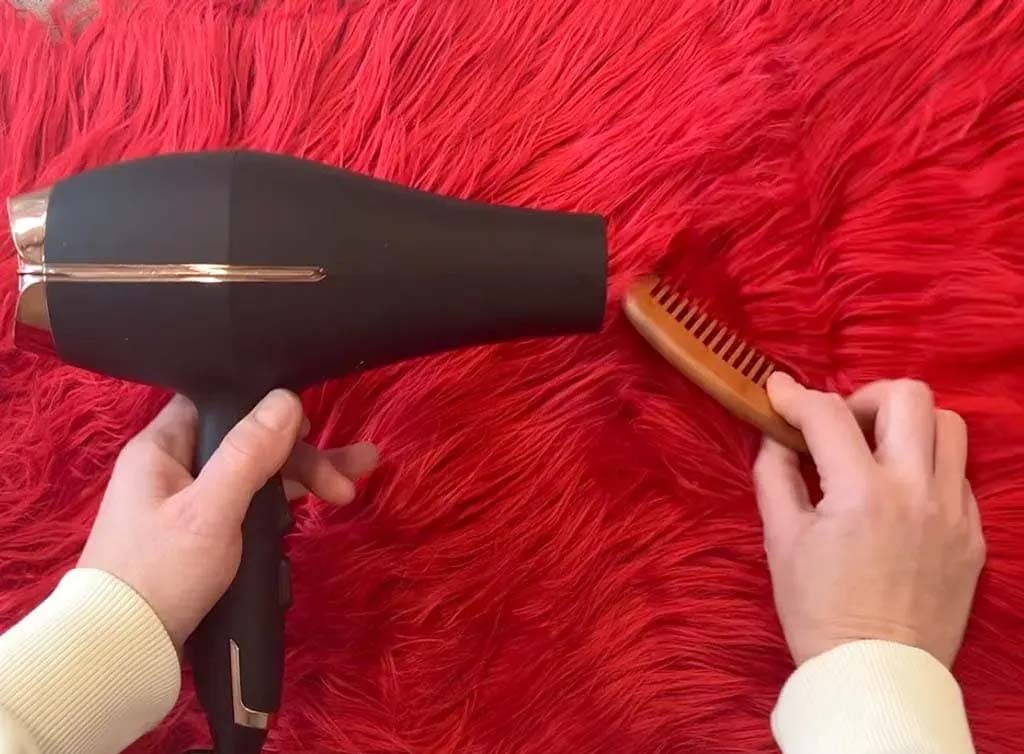
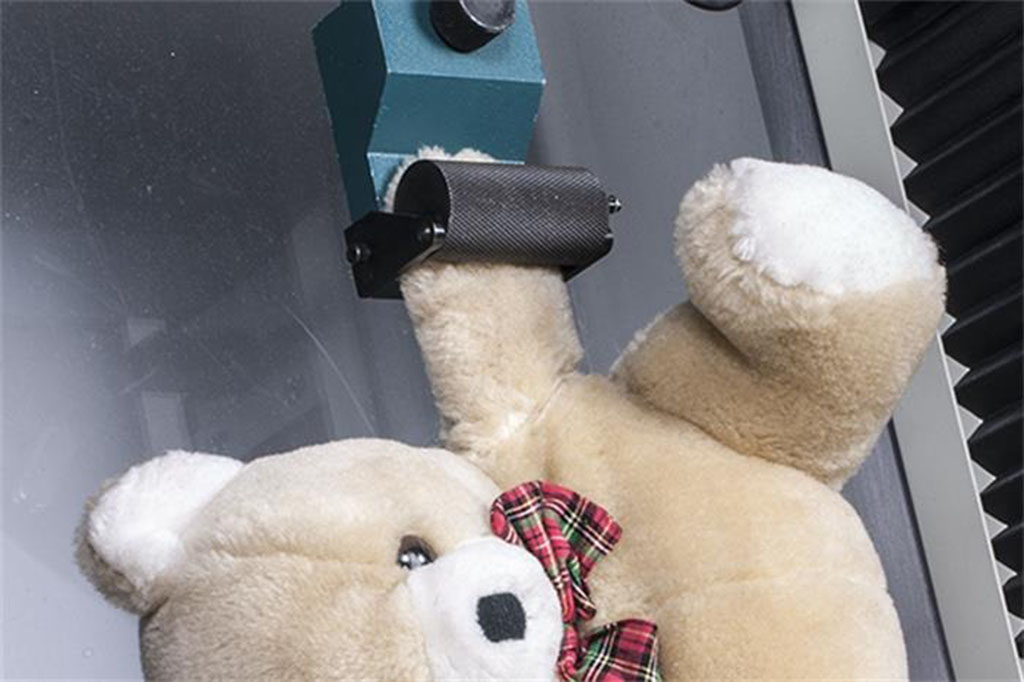
For toys, “soft” is not enough; we prove stability through testing. I run colorfastness (crocking, saliva/sweat), seam strength, pilling/abrasion, flammability, and chemical screens (heavy metals, REACH substances). For shedding, I do a lint-roll count before and after agitation, plus a tumble/hand shake check. I also check nap direction consistency and show-through after stuffing. Finished goods go through needle detection and pull tests on attachments. For different markets, I follow ASTM F963 + CPSIA (USA), EN 71-1/2/3 + REACH (EU), UKCA (UK), CCPSA (Canada), ST (Japan), and KC (Korea). In practice, I approve only mills that can repeat dye lots and keep GSM and pile height within tight tolerances, because brand feel depends on repeatability as much as raw softness.
Core tests & acceptance targets (typical)
| Test Area | What I Check | Typical Target |
|---|---|---|
| Colorfastness (wet/dry) | Rub, saliva, sweat | Grade ≥ 4 (visual) |
| Seam strength | Panel joins, closing seam | Meets toy pull-force spec |
| Pilling/abrasion | Martindale or equiv. | Low visible pilling |
| Lint/shedding | Roll count + agitation | Within internal limit |
| Flammability | EN 71-2 / ASTM | Pass |
| Chemicals | EN 71-3 / CPSIA / REACH | Pass (reports on file) |
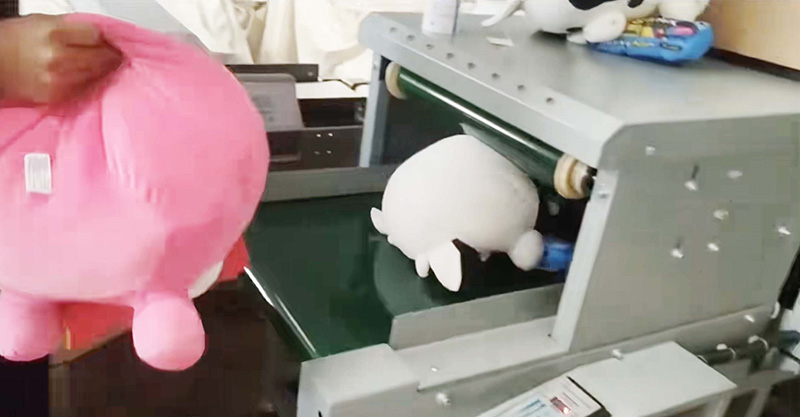
| Needle detection | Finished goods scan | 100% pass |
Which plush grades suit baby products, collectibles, or mass-market toys?
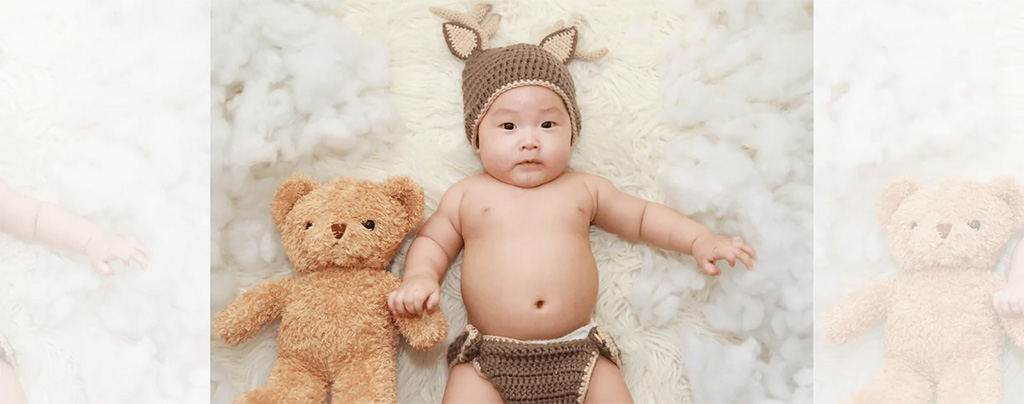
Choice depends on user age, look & feel, care, and budget. For baby, I specify short-pile, low-lint minky/velboa (1–3 mm) in pale or calm colors, fully embroidered faces, and fiberfill that keeps the face smooth without hard spots. For mass-market, I like short-to-mid pile (2–6 mm) with stable backing so shapes stay crisp on shelves and in photos; colorfast lines in core palettes reduce returns. For collectibles, I step up to mid-to-long pile faux fur or heritage woven/mohair for depth, plus jointing if required; I still test shedding and recommend display-care labeling. Across all, I document GSM, pile height, denier, and finishing in the tech pack, then lock them with lab and wear tests. That way, every reorder keeps the same “hug feel.”
Recommended plush grades by segment
| Segment | Go-To Plush | Pile Height | Face/Trims | Notes |
|---|---|---|---|---|
| Baby (0–3) | Short-pile minky/velboa | 1–3 mm | Full embroidery | Lowest lint, calm colors |
| Mass-market (3+) | Short-to-mid plush | 2–6 mm | Safety-locked or embroidery | Photo-friendly, durable |
| Collectible (13+ / adult) | Faux fur, mohair-style | 6–25 mm | Heritage details | Control shedding, care card |
Conclusion
Plush fabric is a true pile surface engineered for soft touch, stable color, and consistent performance. At Kinwin, I help buyers match construction, fiber, and pile to age grade and brand feel—then lock specs and tests so every restock hugs the same. Contact [email protected] or visit kinwintoys.com to build a plush line that’s soft, safe, and repeatable at scale.