Skip to content
I’m Amanda from Kinwin in China. I help brands and retailers design plush lines that feel premium, pass safety tests, and sell through. People often ask me two things: what do we call someone who loves stuffed toys, and how should brands speak to that audience? My answer is simple: respect the community, keep language clear, and focus on what fans actually value—comfort, design, story, and belonging. In this guide, I map the terms, the subculture, the psychology, the demographics, the social-media patterns, and the brand playbook that lets you engage adult plush enthusiasts authentically while staying friendly for all ages.
What terms and communities describe people who love or collect stuffed toys (e.g., plushophile, plush collector, toy enthusiast)?
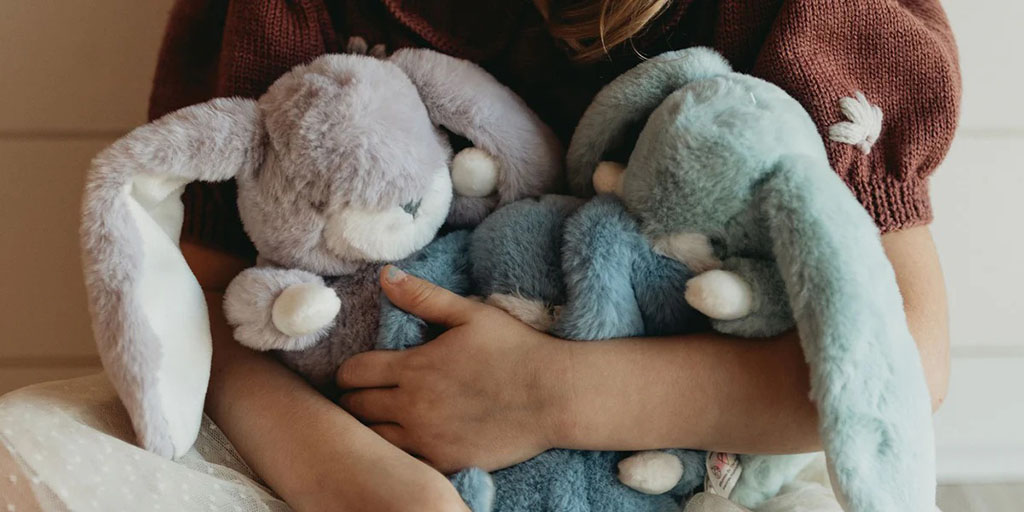
There isn’t one global label. The safest, most inclusive terms are “plush lover,” “plush fan,” “plush collector,” “toy enthusiast,” and “stuffed-animal collector.” These work in product copy, community posts, and customer service. In niche spaces you may see “plushophile.” Some fans use it neutrally to mean “someone who loves plush,” but it can carry ambiguous or adult connotations in some contexts. For brands and retailers, I recommend avoiding ambiguous terms in public-facing copy and sticking with collector/fan language.
Communities are wide. You will find collectors in Reddit groups, Discord servers, Instagram shelves, TikTok hauls, convention floors, and IP fandoms. Many buyers keep small displays at work or home and enjoy sharing care tips, hunt stories, and colorway lineups. The most helpful brand behavior is listening: learn the words fans already use, mirror their tone, and give them clean product facts that help them curate, care, and compare.
Table 1 — Terms You Can Use (and Where)
| Term | Meaning | Best use (brand-safe) | Caution |
|---|---|---|---|
| Plush lover / plush fan | General appreciation | Social, packaging notes, blogs | Safe and friendly |
| Plush collector / stuffed-animal collector | Focus on sets and displays | Product pages, drop calendars | Good for SEO |
| Toy enthusiast | Broad hobby framing | Press, retail signage | Broad but warm |
| “Plushophile” | Can mean lover of plush | Avoid in brand copy | Ambiguity in some contexts |
How did the subculture around plush collecting evolve across online forums, conventions, and fandom spaces?
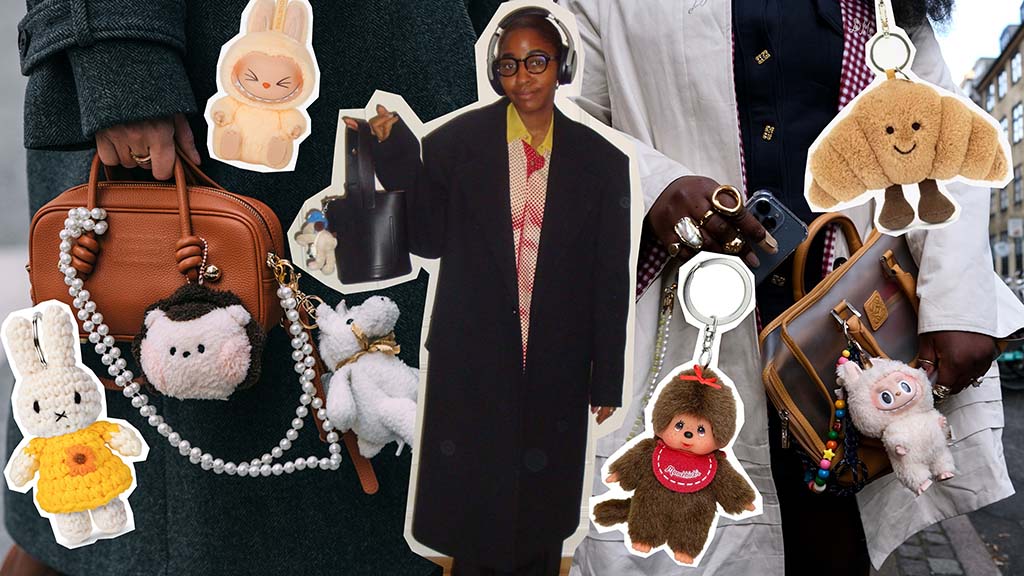
The subculture grew from childhood nostalgia into adult collecting as social platforms made it simple to share shelves, trade minis, and celebrate drops. Early forums and fan sites cataloged characters and rare editions. Instagram and Pinterest pushed aesthetic display—soft palettes, tidy shelves, and matching colorways. TikTok added unboxings, “shelfie” tours, restock alerts, and hunt stories. Conventions and pop-ups brought IP fandoms and designer-toy culture into plush, teaching the community the language of limited runs, artist collabs, and edition cards.
Today, plush fans borrow mechanics from sneakers and art toys: drops, chases, mystery odds, collab badges, and checklists. The vibe is still gentle and welcoming, but it respects accuracy, quality, and transparency. Fans keep track of size ladders (mini → standard → jumbo), texture mixes (velboa face + faux-fur body), and weighted bases for display stability. The modern collector is not hiding; they are curating, photographing, and gifting—turning a private comfort into a public design choice.
Table 2 — Milestones in Plush-Collector Culture
| Era | Channel | What changed | Lasting effect |
|---|---|---|---|
| Early forums | Fan sites, message boards | Character catalogs; rarity lists | Community standards for accuracy |
| Instagram/Pinterest | Visual grids | Room styling; palette curation | Décor-led collecting |
| TikTok/Short video | Hauls, restocks, shelf tours | Drop urgency; UGC waves | Fast discovery & repeat visits |
| Cons & pop-ups | Fandom + designer toys | Edition tags; collabs; signings | Legitimized “adult plush” |
What psychological factors—nostalgia, comfort-seeking, or aesthetic appreciation—drive long-term attachment to stuffed toys?
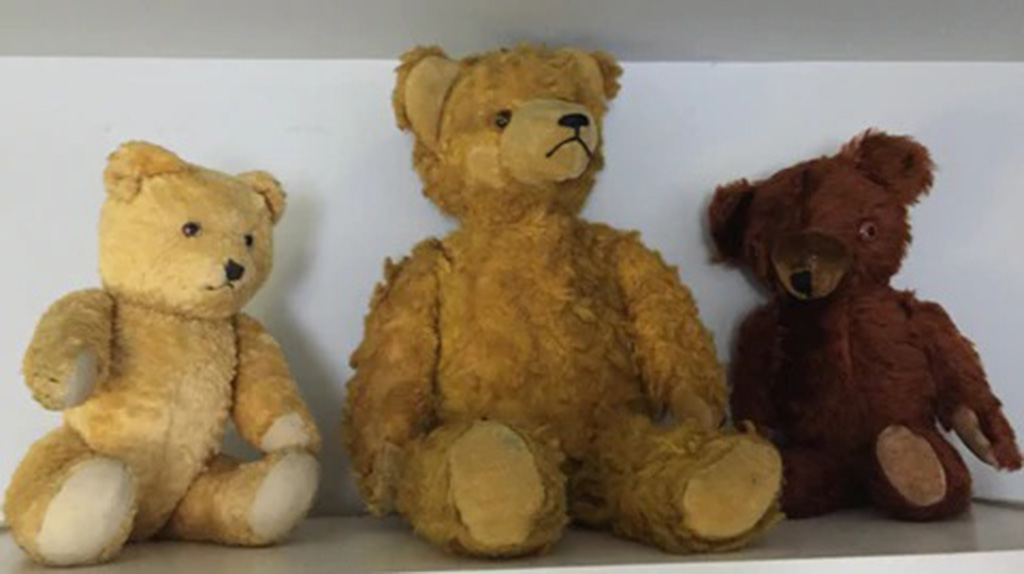
Three drivers repeat across ages:
1) Nostalgia. A plush can hold memory weight. It reminds buyers of people, places, or simpler routines. Nostalgia makes a plush a safe object to keep near a desk or bed without any complex setup.
2) Comfort and regulation. Soft pile, predictable texture, and gentle weight can be part of calming routines. People use plush during study breaks, travel, or after long days. Comfort does not mean dependency; it is a low-friction ritual that helps users reset.
3) Aesthetic joy. Many adult fans love plush as soft décor—curated colors, clean silhouettes, sit-stable shapes, and photogenic textures. A well-balanced plush reads like a small sculpture with warmth.
Attachment remains when a plush helps a user belong—to a fandom, a design style, or a personal ritual (bedtime, breathing, winding down). That is why clarity in materials, care, and weight matters: if the item keeps looking good and stays clean, the bond lasts.
Table 3 — Why Fans Keep Plush (and What to Build)
| Driver | What the fan wants | Brand/build response |
|---|---|---|
| Nostalgia | Familiar themes; honest storytelling | Reissue classics; archive cards |
| Comfort | Soft, stable, washable | Short-pile face; double-pouched weight; care card |
| Aesthetic | Tidy silhouettes; tonal palettes | Décor SKUs; velboa face + faux-fur body |
How do demographics, lifestyles, and cultural contexts influence how plush lovers express and normalize their hobby?
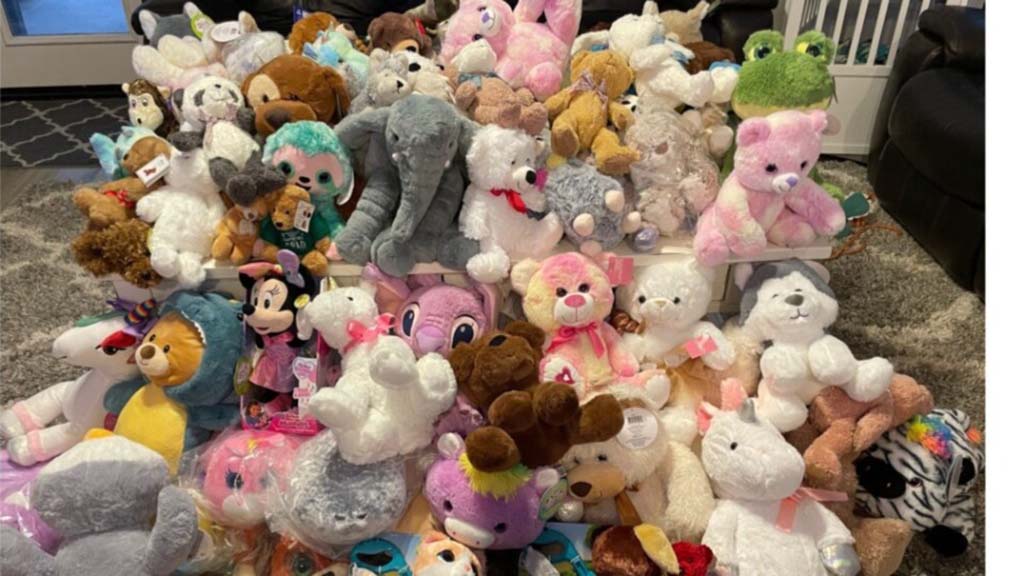
Adult plush fans are diverse. Some are students in dorms; others are young professionals styling small apartments; many are parents or caregivers who keep their own plush next to children’s toys. Cultural settings change how public the hobby appears. In some markets, plush on bags or desks is common; in others, fans prefer subtle signals like minis, keychains, or neutral décor bears. Work environments matter too: creative offices welcome shelf mascots; formal spaces favor muted palettes and compact sizes.
Lifestyle patterns also shape the hobby. Frequent travelers like small, lint-resistant minis. Remote workers use a weighted plush as a desk companion for study breaks or focus resets. Collectors in small spaces optimize vertical shelves and pegboards. Across regions, fans normalize the hobby through clean displays, giftable packaging, and non-childish styling—which lets plush live in adult rooms without friction.
Table 4 — Expression Styles by Lifestyle
| Lifestyle | Expression mode | Product choices | Copy/visual tips |
|---|---|---|---|
| Student/dorm | Shelf clusters; keychains | Minis; neutral mid-size | Small-space styling shots |
| Young professional | Minimal décor | Tonal bears; sit-stable | Room palettes; texture macros |
| Parent/caregiver | Shared spaces | Washable short pile | Care cards; quick-dry claims (tested) |
| Frequent traveler | Portable charm | Lint-resistant velboa minis | Scale-in-hand; clip durability |
| Collector in small flats | Vertical display | Edition tags; numbered runs | Size diagrams; checklist images |
What role do social media and influencer culture play in shaping modern plush collecting and display trends?
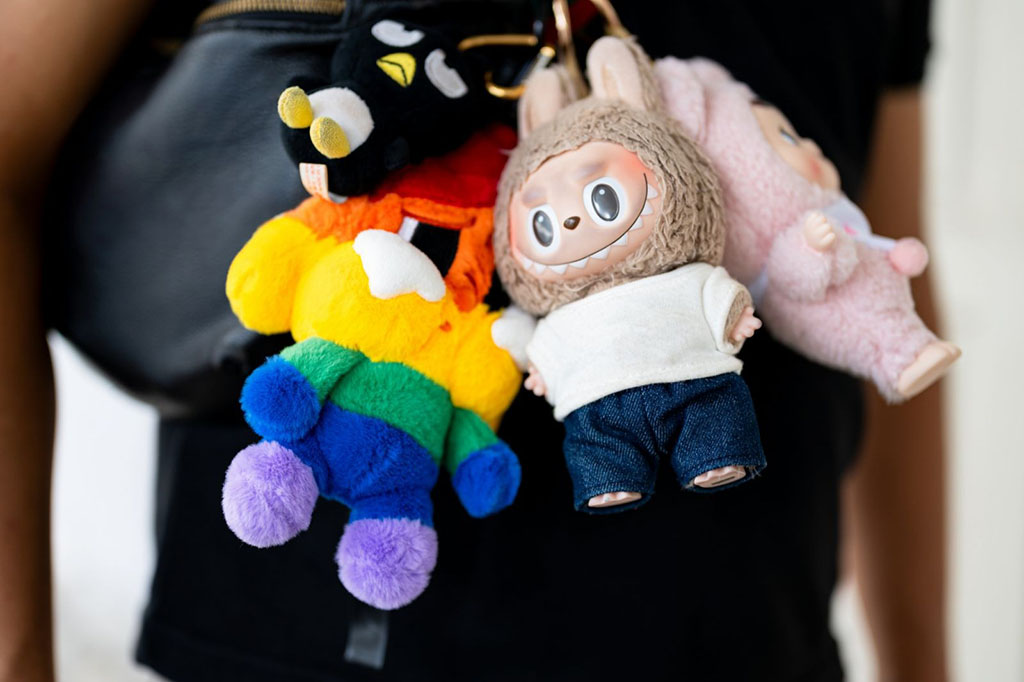
Social media turned plush from a private comfort into a public, visual conversation. Short video favors texture, squish tests, scale-in-hand shots, and “shelfie” reveals. Influencers teach fans how to spot authentic trims, edition cues, and care routines. Drop calendars, checklists, and tasteful room styling make plush share-worthy beyond the kid aisle. The loop is simple: a creator posts a mini + standard + jumbo ladder in a tonal palette; fans save the look; stores see a spike; brands learn what to re-order or retire.
For brands, the best strategy is enablement: give creators clean facts (size, GSM, pile type, weighted grams, care), high-res textures, and honest stories behind materials and collabs. Do not over-script. Let fans show real unboxings, real shelves, and real care. UGC thrives on small victories: restock wins, colorway hunts, and “this sits perfectly on my shelf.” When the product behaves as promised, repetition turns into trust.
Table 5 — What Social Content Converts
| Content type | Why it works | How to support |
|---|---|---|
| Texture macro + squeeze | Immediate sensory proof | Share specs; avoid filter tricks |
| Scale-in-hand | Sets size expectations | Show both inches and cm |
| Shelf styling | Normalizes adult display | Provide tonal palettes & props |
| Drop reminders | Drives repeat visits | Publish simple calendars/checklists |
| Care demos | Reduces returns | Clear wash/brush steps on insert |
How can brands and manufacturers engage adult plush enthusiasts authentically through design, storytelling, and community-building?
Design for display and touch at the same time. Use a short-pile face panel for crisp expressions, and let the body explore faux fur or tonal fabrics. Make bases sit-stable and, when helpful, modestly weighted with double-pouched pellets. Keep silhouettes clean so the toy reads as décor without losing warmth. Offer edition tags or story cards in limited capsules, and keep core animals evergreen for new fans.
For community, act like a good host: announce drops clearly, show honest photography, and keep promises. Teach care with short cards and one 15-second video per SKU style. Respect global language habits in titles—“Stuffed Animal (Plush Toy)” in the U.S., “Soft Toy – Plush Fabric” in the UK/EU—and place plush in attributes so filters catch it. Above all, avoid medical or identity claims. Use warm, inclusive copy that says “style your space,” “collect your favorites,” and “designed for calm moments” without telling people who they must be.
Table 6 — Brand Playbook (Copy-Ready)
| Area | Do | Don’t | Why it works |
|---|---|---|---|
| Build | Velboa face + faux-fur body; sit-stable | Over-trim faces; wobbly bases | Photo clarity + display stability |
| Weight | Double-pouched modest grams | Heavy, shifting pellets | Grounded feel, safe seams |
| Editions | Small, honest runs with tags | Vague “limited” hype | Trust and collectability |
| Titles/SEO | Local nouns; “plush” in bullets | One global title for all | Matches search behavior |
| Content | Texture macro; scale-in-hand; room shots | Filtered glam only | Sets expectations; cuts returns |
| Community | Checklists; drop calendars; care cards | Gatekeeping language | Inclusive and repeatable |
Implementation playbook (you can run this month)
- Split the line: evergreen core animals (washable, short-pile) + limited décor/collector capsules (tonal palettes, edition tags).
- Lock specs: face panel = velboa or minky (2–3 mm, ~240–260 GSM); body texture by SKU; panel fill grams; optional double-pouched base weight.
- Sampling: Soft Sample #1 (silhouette) → Soft Sample #2 (face/weight/trim zones) → PPS with packaging and inserts.
- Compliance: EN71-1/2/3; ASTM F963; CPSIA; CPC/DoC; tracking labels; lot-tied tests; re-test on dye-lot or trim changes.
- Photography: texture macro, scale-in-hand (in & cm), seated stability, and a 10–15s squeeze video; one styled room shot per SKU family.
- UGC toolkit: post drop dates; share printable checklists; provide SKU specs creators can read in 10 seconds.
- Packaging: gift-ready boxes for décor/collector capsules; recycled or FSC options if you claim them—document everything.
Conclusion
You can call them plush fans or plush collectors—what matters is respect. Adults love stuffed toys for comfort, aesthetics, story, and community. If you design for touch and display, speak in clear, friendly language, and keep compliance tight, you will earn trust and repeat visits. At Kinwin, my team turns collector briefs into sealed PPS and on-time mass runs with camera-ready textures and retailer-ready documents. Email [email protected] or visit kinwintoys.com to shape your next plush collection for a modern, adult-inclusive audience.