Skip to content
Soft toys are an essential part of the toy industry, offering more than just cuddly companionship. They come in a wide range of designs and serve many purposes beyond simple play. From traditional plush animals that offer comfort, to educational toys that help children learn, soft toys are crafted to meet various needs, whether for entertainment, therapy, or education. This detailed guide explores the different types of soft toys, how they are made, and what makes each category unique.
What are traditional plush animals and how are they made?
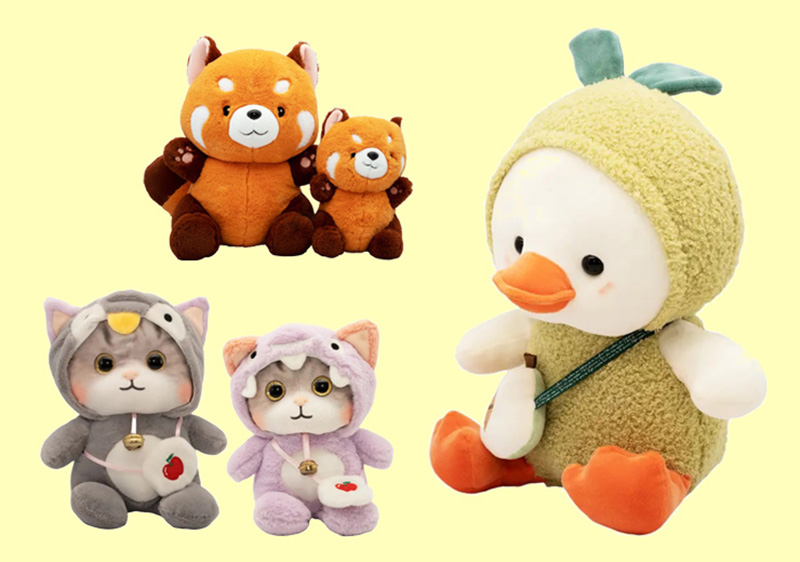
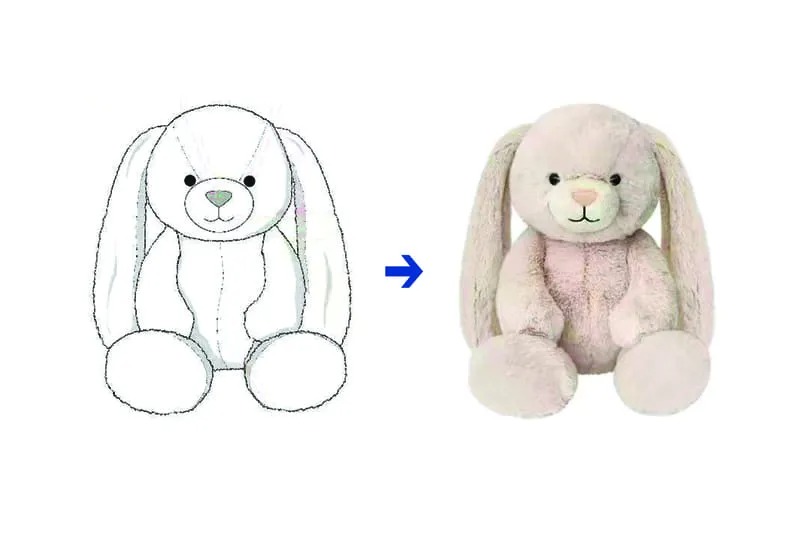
Traditional plush animals are what most people think of when they hear the term “stuffed animal.” These timeless toys have been a staple in the toy industry for centuries, delighting both children and adults with their huggable appeal and soft texture.
Key Features of Traditional Plush Animals:
- Realistic design: Traditional plush animals are often modeled after real animals like bears, rabbits, dogs, and lions, with attention to detail to replicate their appearance.
- Fabric: Common fabrics include velvet, fleece, velboa, or minky. These materials offer a soft, plush feel, perfect for hugging.
- Stuffing: Polyester fiberfill or cotton is commonly used as stuffing, giving the toy a fluffy, squeezable texture.
Manufacturing Process:
- Design: The first step involves designing the plush animal, usually in the form of sketches or digital designs.
- Pattern creation: Once the design is finalized, a pattern is made to cut out the fabric. This pattern includes all parts of the plush (head, body, limbs, etc.).
- Fabric cutting: The fabric is cut into the pattern shapes, ready to be sewn together.
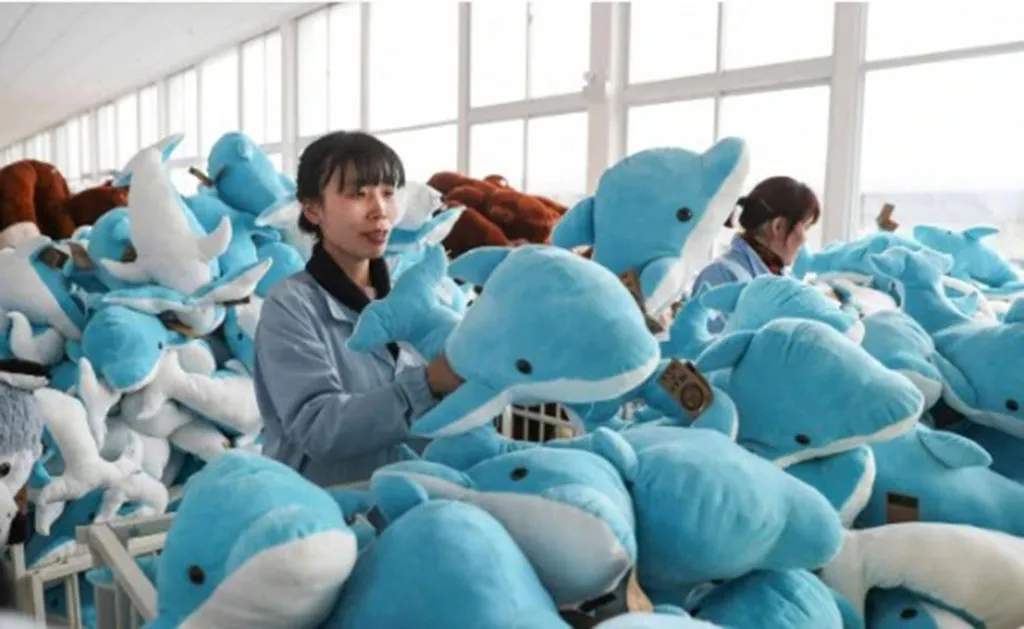
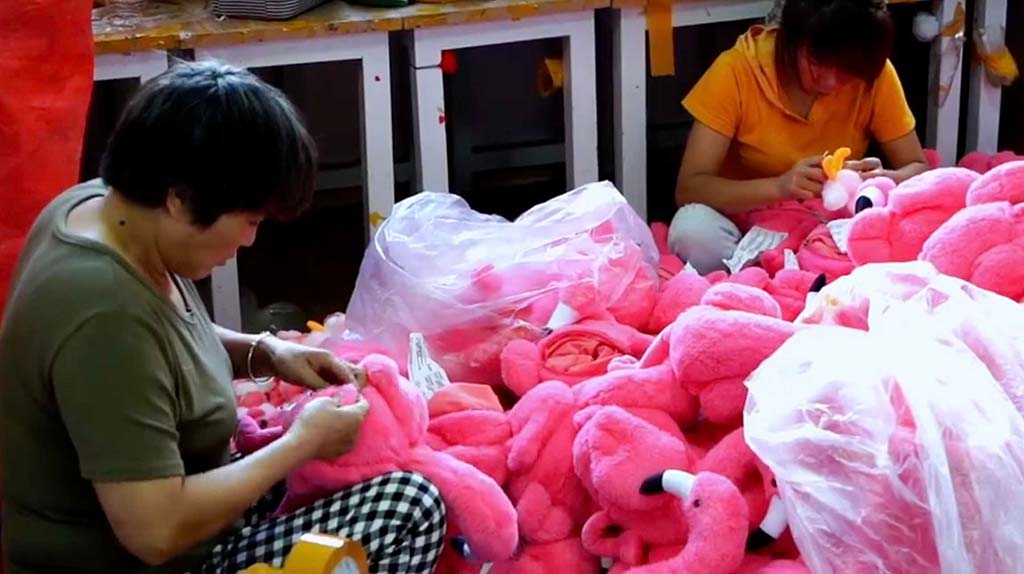
- Sewing and stitching: The pieces are stitched together, with the attention given to secure seams to prevent any stuffing from escaping.
- Stuffing: The plush is filled with fiberfill, ensuring even distribution to maintain shape and softness.
- Finishing touches: The final step includes adding accessories like eyes, noses, or embroidered details to bring the character to life.
| Feature | Description |
|---|---|
| Design | Typically based on real animals |
| Materials | Soft fabrics like velvet, fleece, minky |
| Stuffing | Polyester fiberfill, cotton |
| Construction | Sewn together, stuffed, and finished with accessories |
How do interactive soft toys enhance playtime experiences?
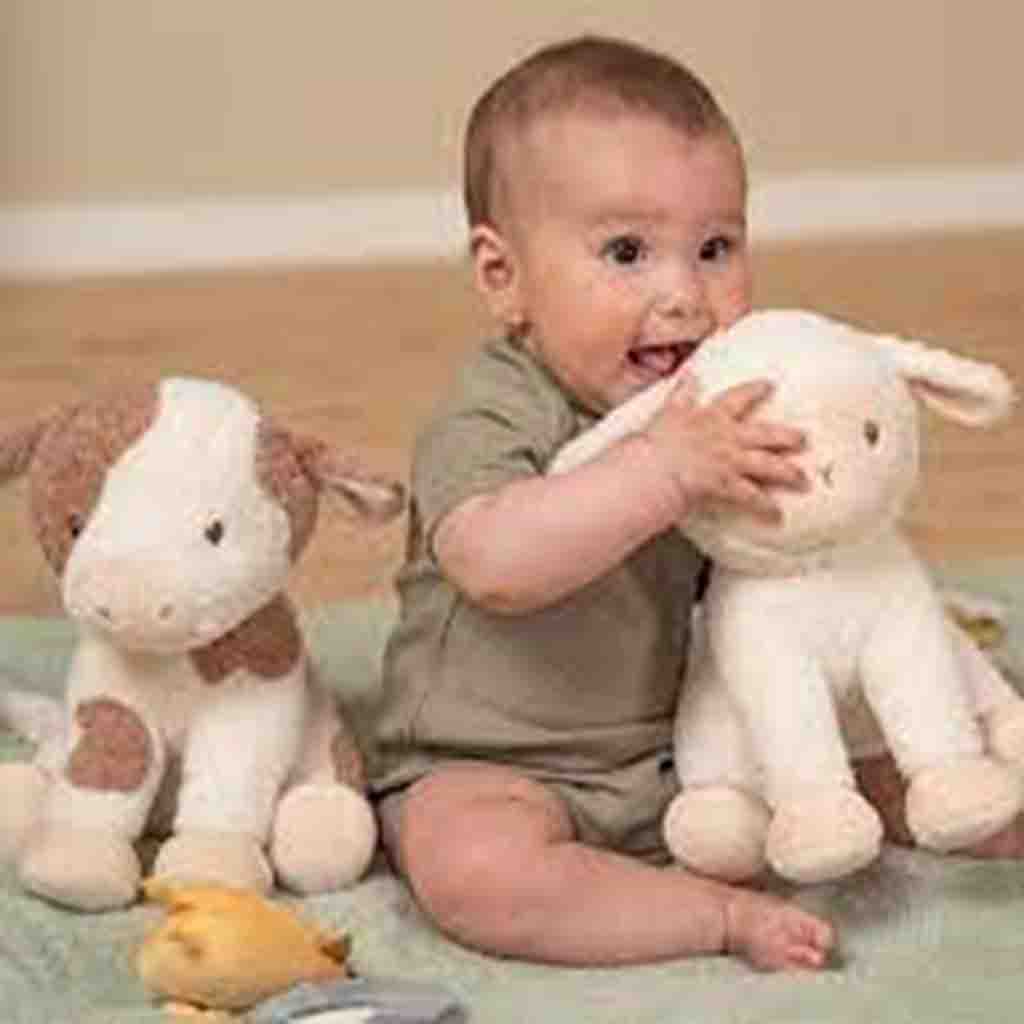
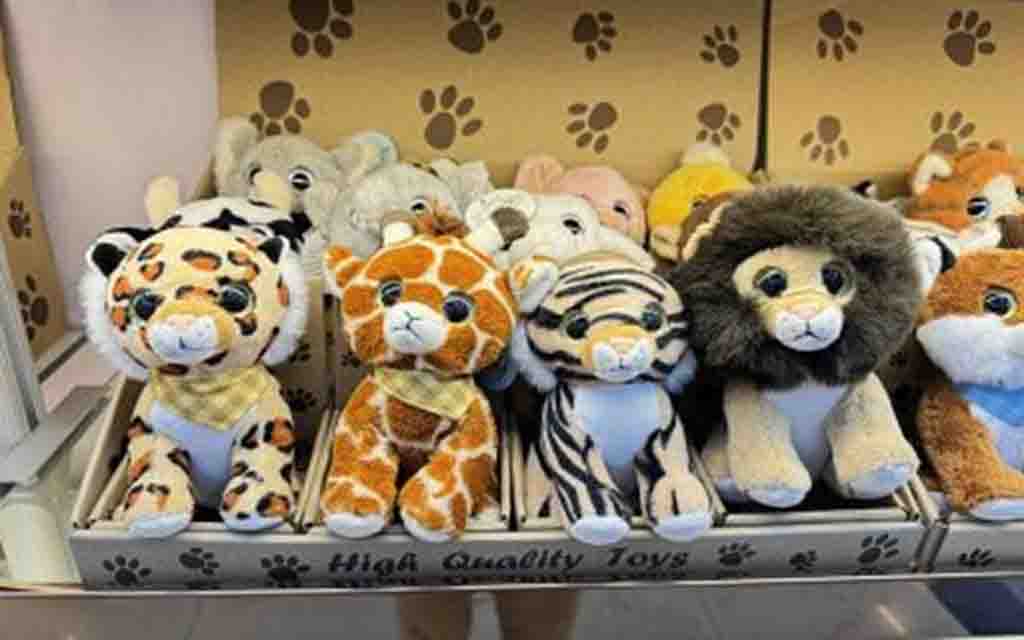
Interactive soft toys have taken the traditional stuffed animal concept to the next level, combining technology with plush to engage children in ways that static toys cannot. These toys are designed to interact with the child, either through touch, sound, or movement, creating an immersive and educational experience.
Features of Interactive Soft Toys:
- Sound and speech: Many interactive toys can speak, sing, or play sounds in response to motion, touch, or buttons pressed by the child. This increases engagement by offering immediate feedback.
- Movement: Some plush toys are equipped with motors that allow them to move. For example, some interactive pets can walk, wag their tails, or even respond to commands.
- Learning capabilities: Interactive toys may also offer learning functions, teaching children about numbers, letters, animals, and more.
Benefits of Interactive Soft Toys:
- Engagement: They keep children entertained by offering dynamic, ever-changing experiences.
- Emotional connection: Children can form a bond with toys that react to their actions, providing a sense of companionship.
- Educational value: Many interactive toys are designed to teach social skills, empathy, and problem-solving.
| Feature | Benefit |
|---|---|
| Sound and speech | Engages children and aids in language development |
| Movement | Promotes physical interaction and play |
| Learning capabilities | Teaches educational concepts in a fun way |
What makes weighted plush toys beneficial for comfort and therapy?
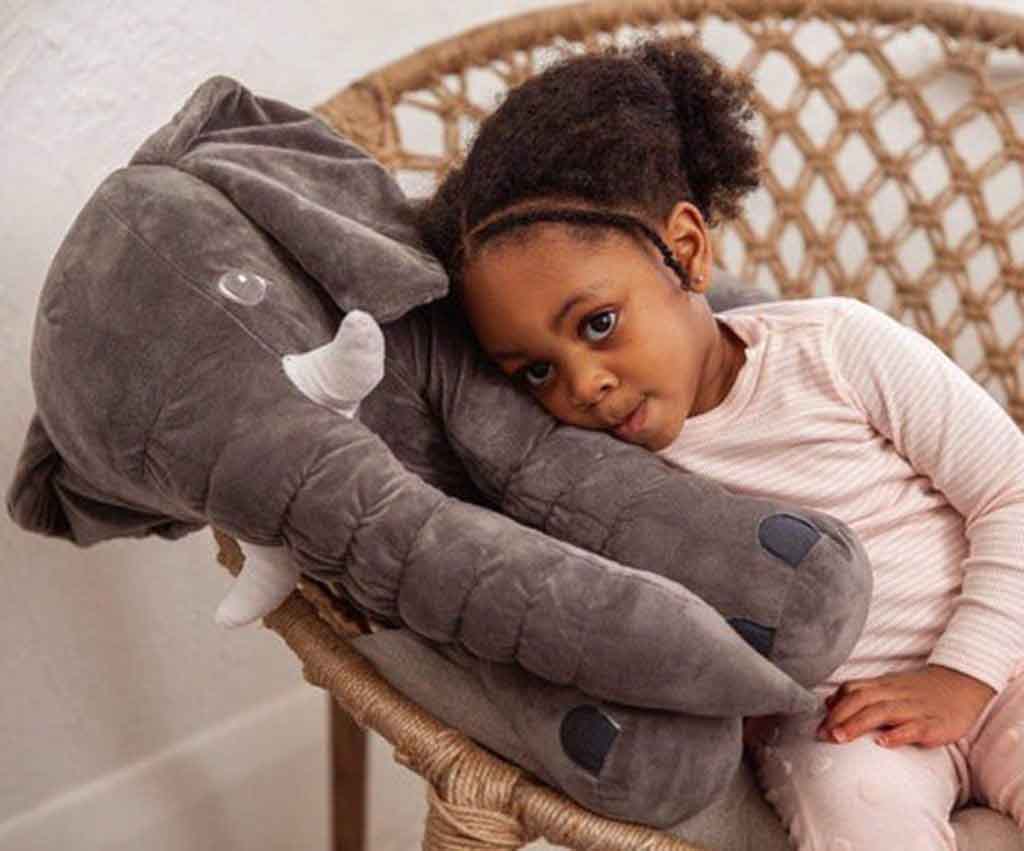
Weighted plush toys are filled with materials like glass beads or microbeads, adding extra weight that creates a comforting pressure. These toys are designed to offer therapeutic benefits, particularly for individuals with sensory needs or those dealing with anxiety.
Key Benefits of Weighted Plush Toys:
- Deep pressure stimulation: The weight of the plush provides a calming effect, often likened to a hug or weighted blanket. This has been shown to help children and adults feel secure and relaxed.
- Therapeutic use: Weighted plush toys are commonly used in therapy for individuals with autism, ADHD, or anxiety disorders. The weighted pressure can help reduce hyperactivity, improve focus, and offer emotional comfort.
- Better sleep: Many parents use weighted toys to help children feel more relaxed and promote better sleep patterns.
How They Work:
- Calming effect: The gentle weight helps trigger a relaxation response in the body by increasing serotonin and melatonin levels, reducing cortisol (stress hormone).
- Helps with focus: The pressure encourages individuals to stay calm and focused, especially in sensory-stimulating environments.
| Benefit | Application |
|---|---|
| Deep pressure stimulation | Calms anxiety and promotes relaxation |
| Therapy aid | Helps children with sensory needs or hyperactivity |
| Sleep improvement | Promotes better sleep patterns |
How do plush dolls differ from stuffed animals in design and use?
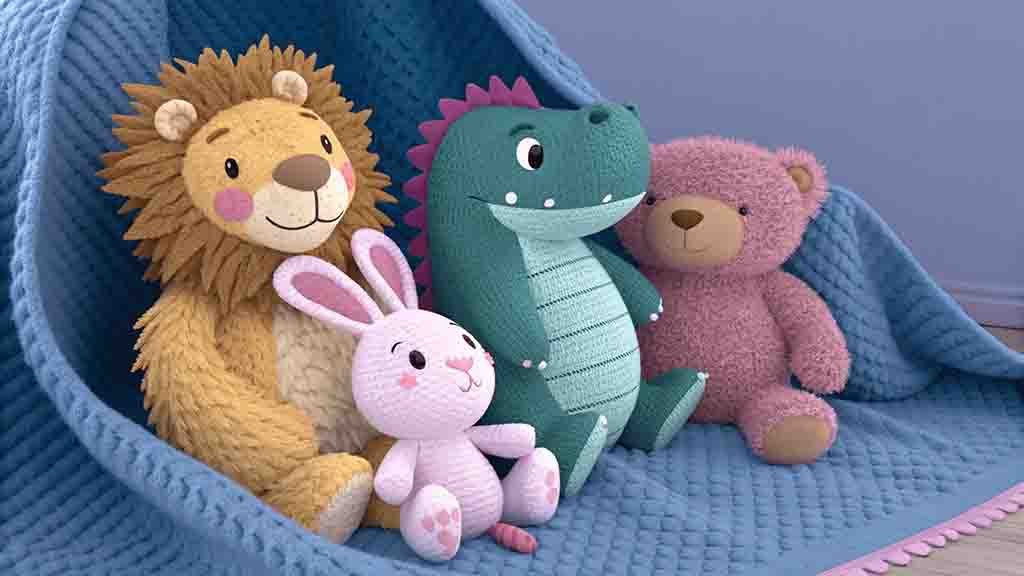
While stuffed animals are typically animal-shaped plush toys, plush dolls are more often human or character-based designs. Plush dolls tend to have more detailed features, such as clothing, accessories, and stylized faces.
Differences Between Plush Dolls and Stuffed Animals:
- Design: Plush dolls are usually designed to resemble humans or humanoid characters, while stuffed animals are modeled after real or mythical animals.
- Customization: Plush dolls are often more customizable with clothes, hair, and facial expressions, whereas stuffed animals may have simple, embroidered features.
- Use: Plush dolls are often used for role-playing, imaginative play, or as collectible figures, while stuffed animals are primarily for comfort, companionship, or decor.
Example:
- Plush dolls: American Girl dolls, Barbie dolls, and character dolls like those from Disney Princess.
- Stuffed animals: Characters like Teddy Bears, Easter bunnies, and monkey plushies.
| Feature | Plush Dolls | Stuffed Animals |
|---|---|---|
| Design | Human-like or character-based | Animal-inspired designs |
| Customization | Clothes, accessories, detailed faces | Simple, often embroidered features |
| Use | Imaginative play, collectibles | Comfort, companionship, decor |
What defines educational plush toys and their role in learning?
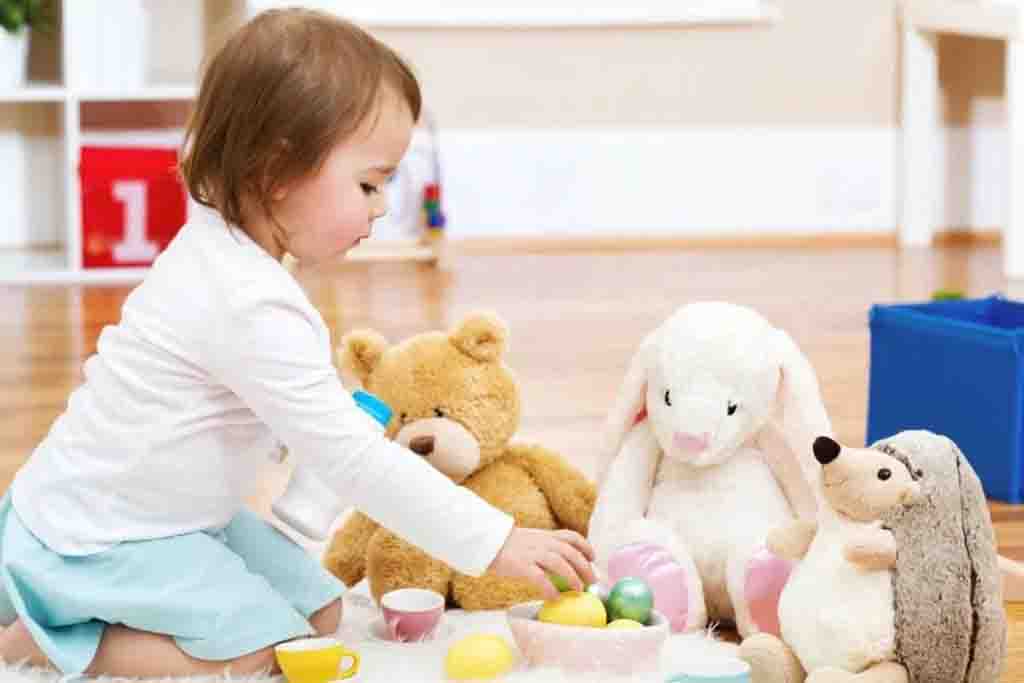
Educational plush toys combine fun and learning, offering children a way to engage with concepts like numbers, shapes, animals, and more while playing. These toys have become essential tools for teaching, especially in early childhood education.
Characteristics of Educational Plush Toys:
- Interactive learning: These toys might teach the alphabet, counting, colors, or shapes when activated by pressing buttons, moving parts, or engaging with the toy in other ways.
- Multisensory stimulation: Some educational plush toys use sound, light, and motion to reinforce learning, offering a multisensory experience that encourages engagement.
- Physical activity: Some toys encourage children to move, dance, or follow commands, aiding in physical development while learning.
How They Help in Learning:
- Cognitive skills: They help children build foundational skills, including problem-solving and memory.
- Social skills: Many educational toys encourage role-playing and interaction with others, fostering teamwork and social development.
- Language development: Toys that involve storytelling or language lessons help expand vocabulary and improve listening skills.
| Educational Focus | Benefit |
|---|---|
| Cognitive skills | Builds problem-solving and memory |
| Social skills | Encourages teamwork and sharing |
| Language development | Expands vocabulary, teaches listening |
Conclusion
Soft toys come in a wide variety of styles, from traditional plush animals to educational dolls, interactive companions, and therapeutic weighted toys. Each type serves a unique purpose, from emotional comfort to learning development, sensory stimulation, and therapeutic benefits. Whether you are looking for interactive playmates, comforting companions, or educational tools, there’s a soft toy designed to fit every need.
At Kinwin, we help brands create plush toys that not only meet quality and safety standards but also offer meaningful value to customers. Whether you are looking for customized plush dolls, educational toys, or weighted plush therapy items, we can bring your ideas to life, ensuring each toy provides comfort, learning, and joy for years to come.
📧 Contact us at [email protected]
🌐 Visit kinwintoys.com
Let’s create plush toys that go beyond play and inspire learning and comfort!