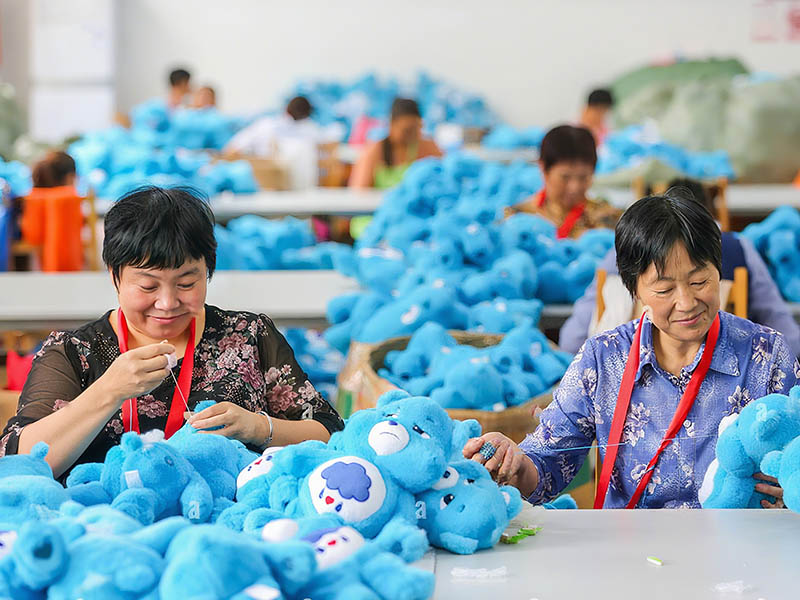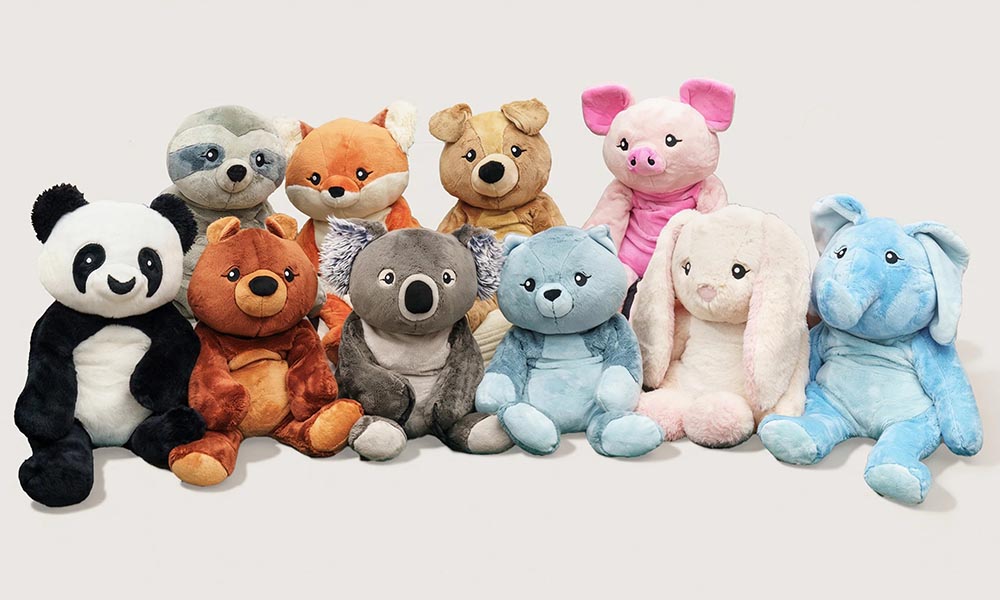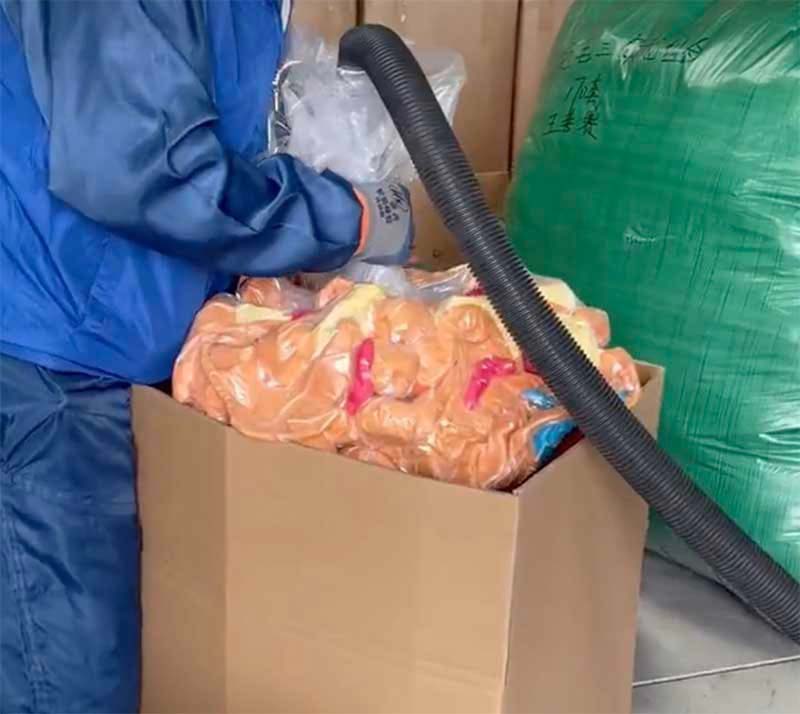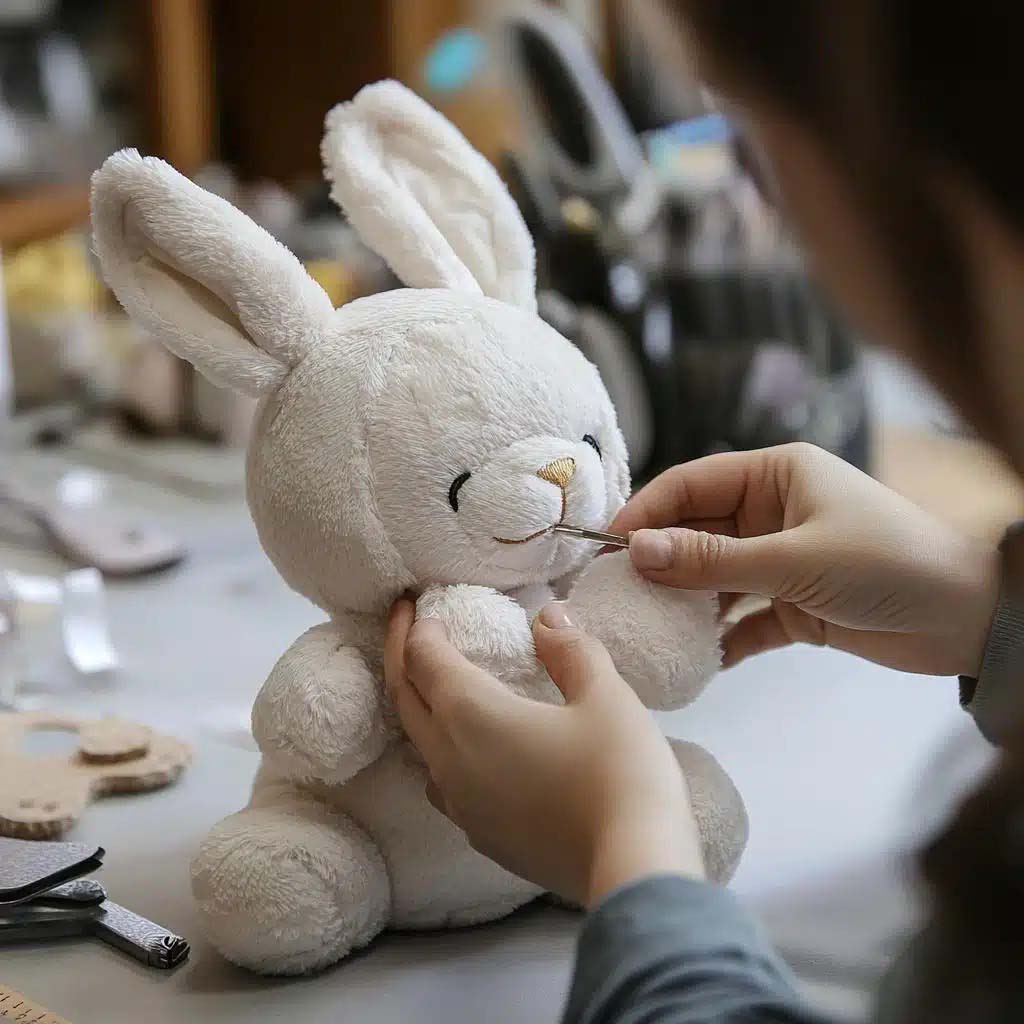
The filling system is the functional core of a weighted plush toy. It is what makes the product work — what delivers the deep pressure stimulation that produces the calming, grounding effect that customers are paying for. And unlike the outer fabric, the embroidery, or the character design, the filling system is entirely invisible to the customer until they experience it through use. If it works well, it is never thought about. If it fails — weight uneven, filling leaking, discomfort from incorrect weight — the product fails regardless of how appealing it looks.
Despite its centrality to product performance, filling system design is one of the areas where the gap between professional weighted plush manufacturing and lower-quality alternatives is most significant — and most difficult for buyers to assess without specific technical knowledge. A product can use identical outer materials and identical designs while having entirely different filling systems — and those differences will determine whether customers experience the therapeutic benefit the product promises or the disappointment of a poorly executed concept.
This guide explains every dimension of weighted plush filling solutions — what the options are, how they compare, how weight and distribution are correctly specified, how internal structure controls filling behavior, what compliance requirements apply, and how buyers can verify that the filling system in their product meets the standard their market requires.
What Are the Primary Filling Solutions Used in Weighted Plush Toys and How Do They Compare?
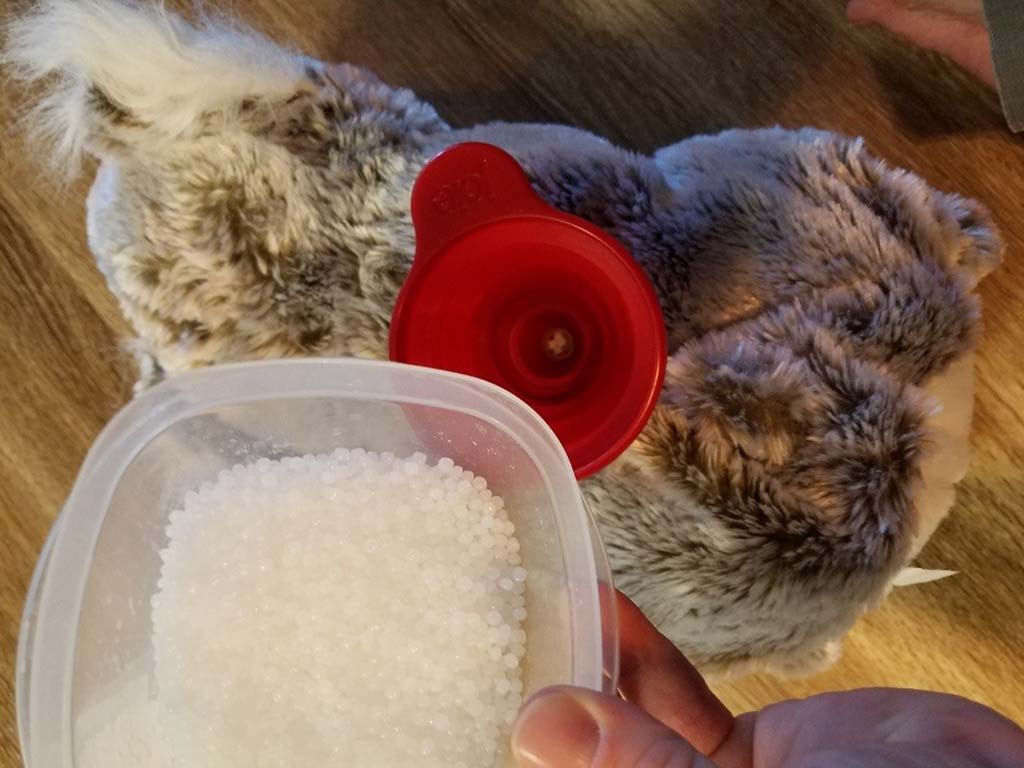
Weighted plush toys can be filled with several different materials, each with distinct physical properties, cost implications, tactile characteristics, safety profiles, and production requirements. Understanding the comparison across these dimensions is the foundation for making filling specification decisions that match the product’s intended use, target market, and price positioning.
Here is a comprehensive comparison of the primary filling solutions used in weighted plush toys:
| Filling Material | Density (g/cm³) | Tactile Character | Cost Level | Safety Profile | Best Application |
|---|---|---|---|---|---|
| Fine glass beads | 2.4–2.6 | Smooth, quiet, fluid | Medium-High | High — inert, no chemical risk | Premium weighted plush, therapeutic applications |
| Standard glass beads | 2.3–2.5 | Slightly rougher, audible | Medium | High — inert | Mid-range weighted plush |
| Plastic pellets (PE/PP) | 0.9–1.1 | Plastic feel, noisier | Low | Medium — requires chemical verification | Budget weighted plush, promotional |
| Steel shot | 7.8–8.0 | Heavy, metallic | Medium-High | Lower — sharp edges, rust risk | Specialty applications — not recommended |
| Sand filling | 1.5–2.0 | Grainy texture, shifts | Very Low | Medium — contamination risk | Not recommended for quality products |
| Organic grain filling | 0.6–0.8 | Warm, variable | Low-Medium | Lower — moisture risk, allergen potential | Niche natural products — limited |
| Combination: glass beads + PP cotton | Variable | Soft exterior, weighted interior | Medium | High when correctly constructed | Standard professional approach |
| Combination: plastic pellets + PP cotton | Variable | Softer than pellets alone | Low-Medium | Medium | Budget weighted products |
Why the Combination Approach Is Standard for Quality Products
Professional weighted plush toys almost universally use a combination filling system rather than a single filling material — because single-material filling cannot simultaneously optimize for weight delivery, tactile quality, and shape maintenance.
Glass beads alone, without PP cotton, create a product that is heavy but shapeless — the beads pool at the lowest point, creating an uneven weight distribution that does not deliver consistent deep pressure stimulation. PP cotton alone provides shape and softness but no meaningful weight. The combination — glass beads in structured compartments surrounded by PP cotton — delivers weight through the beads, shape through the cotton, and tactile quality through the outer fabric interacting with the cotton rather than directly with the beads.
The engineering challenge is not which materials to use but how to combine them — specifically how to structure the internal compartments that contain the beads within the cotton-filled body to achieve the target weight, distribution, and tactile outcome.
How Does Glass Bead Filling Work and Why Is It the Premium Standard?
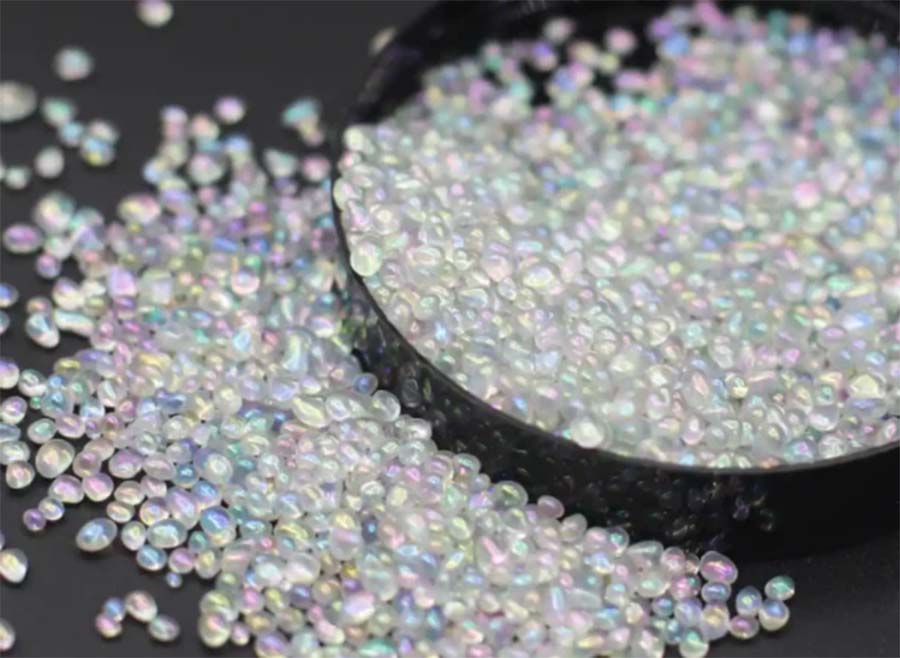
Glass beads are the premium standard for weighted plush filling because their physical properties — density, smoothness, silence, and chemical inertness — align most closely with the requirements of a high-quality weighted sensory product. Understanding specifically why glass beads perform better than alternatives requires understanding each property and its contribution to the product’s functional outcome.
Glass beads work as weighted plush filling by providing dense, evenly distributed mass that creates gentle, consistent pressure when the product is held or placed on the body. Their high density relative to volume — approximately 2.4 to 2.6 g/cm³, roughly 2.5 times the density of water — allows the target weight to be achieved with a filling volume small enough to be distributed in controlled compartments without creating excessive bulk. Their smooth, spherical surface allows them to flow easily within their containment structure, redistributing naturally as the product is repositioned to maintain even pressure coverage.
Here is a detailed analysis of glass bead properties and their contribution to weighted plush performance:
| Glass Bead Property | Performance Contribution | User Experience Impact |
|---|---|---|
| High density (2.4–2.6 g/cm³) | Target weight achieved in small volume | Compact product, weight feels focused |
| Smooth spherical surface | Silent movement, comfortable pressure | Quiet, non-distracting use experience |
| Chemical inertness | No degradation, no chemical off-gassing | Long product life, safe for skin contact |
| Thermal neutrality | No heat retention or cold amplification | Comfortable at any ambient temperature |
| Size consistency (within specification) | Predictable weight per volume, uniform feel | Consistent pressure quality |
| Non-absorbent surface | Washable without weight change | Practical for regular cleaning |
Fine Versus Standard Glass Beads
Within the glass bead category, there is a meaningful quality distinction between fine glass beads — typically 0.4 to 0.8mm diameter — and standard glass beads — typically 1.0 to 2.0mm diameter. This size difference affects the user experience in ways that are perceptible and commercially significant.
Fine glass beads flow more smoothly within their compartments, distributing weight more evenly and responding more naturally to body contour as the product is repositioned. Their smaller size means more beads per unit weight, which reduces the granular texture that some users perceive when individual beads are felt through the product’s structure. And their finer texture produces a quieter tactile experience — less audible movement when the product is shifted — which is particularly important for products intended for sleep support use.
Standard glass beads produce a slightly coarser tactile experience and more audible movement but cost less and are more widely available. For mid-range weighted products where cost efficiency is a priority and the premium tactile experience of fine beads is not the primary selling point, standard beads may be appropriate. For therapeutic-grade and premium positioning products, fine beads are the professional standard.
How Do Plastic Pellet and Alternative Filling Options Compare to Glass Beads?
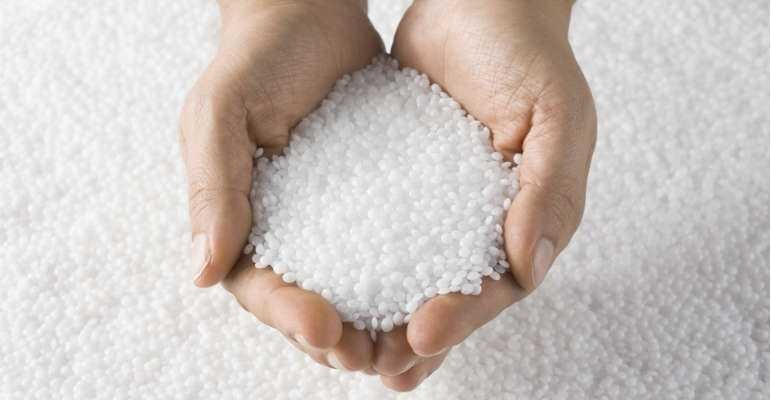
Plastic pellets — typically polyethylene (PE) or polypropylene (PP) pellets — are the primary alternative to glass beads in weighted plush filling systems. They are the cost-accessible option that enables weighted plush products at lower price points, but they come with specific trade-offs in tactile quality, acoustic experience, chemical compliance, and weight density that buyers should understand before specifying them.
Plastic pellets compare to glass beads across five primary dimensions: density (significantly lower — requiring more volume for the same weight), tactile character (harder, more plastic feel when compressed), acoustic behavior (louder movement sound), chemical compliance requirements (more complex — plastic materials require REACH and CPSIA compliance verification), and cost (significantly lower per kilogram).
Here is a direct comparison across key performance dimensions:
| Performance Dimension | Fine Glass Beads | Plastic Pellets (PE/PP) | Commercial Implication |
|---|---|---|---|
| Density (g/cm³) | 2.4–2.6 | 0.9–1.1 | Pellets require ~2.5× volume for same weight |
| Tactile when compressed | Smooth, fluid | Plastic, slightly harsh | Perceptible quality difference |
| Acoustic during movement | Near-silent | Audible rustling | Significant for sleep products |
| Weight per unit volume | High | Low | Larger compartments needed for same weight |
| Chemical compliance | Straightforward — glass is inert | Complex — plastic requires specific chemical testing | Higher compliance burden for pellets |
| Cost per kilogram | Higher | Lower | Significant cost differential |
| Washability | Excellent | Good — depends on pellet grade | Both acceptable |
| Temperature response | Neutral | May warm slightly | Minimal practical difference |
When Plastic Pellets Are Appropriate
Plastic pellets are commercially appropriate for weighted plush products in specific contexts — when the price point requirement cannot support glass bead economics, when the application does not prioritize the tactile quality difference, or when the product is positioned in a market segment where the distinction is not commercially significant to customers.
Promotional weighted products, introductory-tier weighted plush at mass-market price points, and corporate gifting applications where weight is a differentiation factor but premium tactile quality is not the primary selling point are all contexts where plastic pellets may be a reasonable specification choice.
The critical constraint is compliance — plastic pellets used in weighted plush must pass the chemical compliance requirements applicable to their target market (REACH in the EU, CPSIA in the US) because they are accessible materials that may come into contact with skin or be placed near the face during sleep use. Buyers specifying plastic pellets must ensure that the specific pellet material used in their product has been tested and verified compliant — and that the compliance documentation covers the specific pellet lots used in production.
Alternative and Emerging Filling Options
The weighted plush market has seen increasing interest in alternative filling materials — particularly from brands seeking sustainable positioning or differentiated product stories. Key alternatives include:
Recycled glass beads — glass beads produced from recycled glass rather than virgin raw material — provide the same performance characteristics as standard glass beads with a sustainable sourcing story. The performance characteristics are equivalent and the compliance profile is similar, making recycled glass beads an appropriate specification for brands where sustainability positioning is commercially important.
Bio-based plastic pellets — pellets made from plant-derived rather than petroleum-derived plastics — offer a partially sustainable positioning for plastic pellet products but do not address the primary performance limitations of standard plastic pellets. The density, acoustic, and tactile characteristics remain similar to conventional PE/PP pellets.
Hybrid mineral fills — dense mineral materials processed into smooth pellets — offer density characteristics between glass and plastic, with performance profiles that vary significantly by specific material. These options require thorough testing of both physical performance and chemical compliance before specification.
How Is the Correct Fill Weight Determined for Different Weighted Plush Applications?
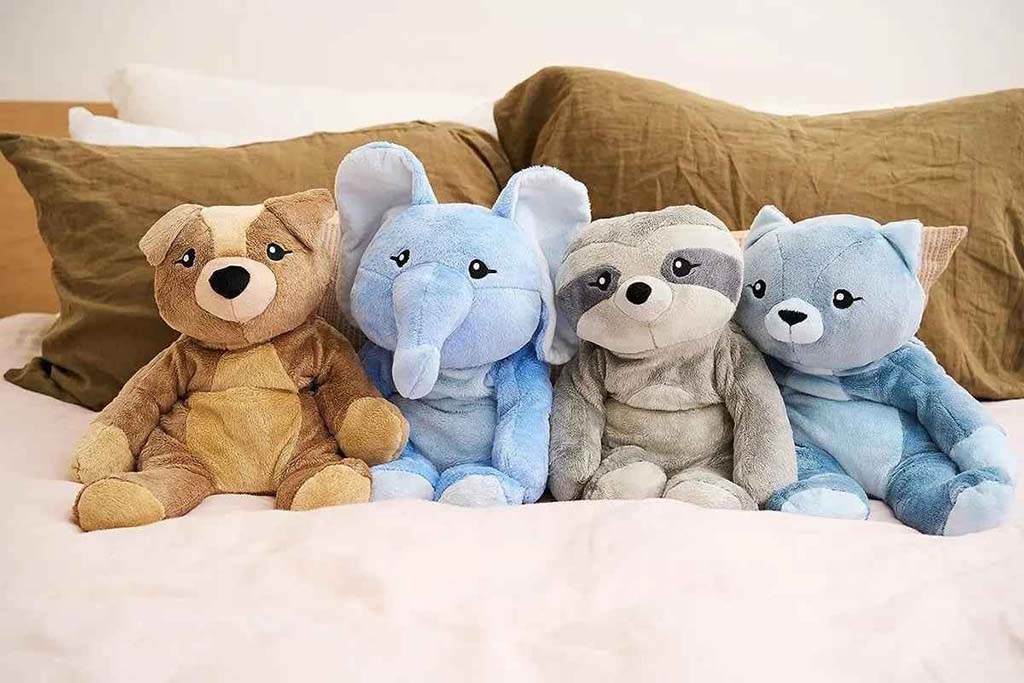
Fill weight specification — determining how much total weight the product should contain — is one of the most critical design decisions in weighted plush development, and one where the stakes of an incorrect specification are high. Too little weight produces a product that does not deliver meaningful pressure stimulation. Too much weight creates discomfort, makes the product impractical for its intended use, and may create safety concerns for specific user populations.
The correct fill weight is determined by the intersection of three factors: the intended use scenario and user interaction pattern, the target user’s body size and sensitivity, and the physical format of the product that mediates between the weight and the user’s body.
Here is a fill weight specification framework across different weighted plush applications:
| Application | Intended Interaction | Target User | Recommended Weight Range | Key Consideration |
|---|---|---|---|---|
| Lap plush — desk/office use | Placed on lap during sitting | Adults — average build | 1.5–2.5 kg | Comfort for extended sitting use |
| Hugging plush — relaxation | Held against torso while reclining | Adults — variable sensitivity | 1.0–2.0 kg | Should not strain arms during extended hold |
| Sleep support plush | Placed on chest or beside body during sleep | Adults — general | 1.5–3.0 kg | Not too heavy for breathing comfort |
| Therapeutic deep pressure | Placed on specific body areas | Adults — sensory processing | 2.0–4.0 kg | Individual calibration often needed |
| Children’s weighted plush | Held or placed on lap | Children 6+ years | 0.5–1.5 kg | Proportional to child’s body weight |
| Large format plush | Leaned against or partial-body drape | Adults — large format | 2.5–5.0 kg | Distribution over larger contact area |
| Portable comfort plush | Carried and held throughout day | Adults — anxiety management | 0.8–1.5 kg | Light enough for portability |
The Body Weight Reference Guideline
A commonly referenced guideline in occupational therapy literature suggests that weighted products deliver optimal therapeutic benefit when their weight represents approximately 5 to 10 percent of the user’s body weight. For an average adult at 70 kg, this translates to 3.5 to 7 kg — a range that is generally too heavy for commercially practical plush products.
In practice, professional weighted plush products for adults typically target a narrower range of 1.0 to 3.5 kg — lighter than the full therapeutic weight guideline but heavy enough to deliver meaningful pressure stimulation in a format that is comfortable, portable, and practically usable. The specific weight within this range is determined by the product’s format and the intended use scenario rather than by a fixed ratio to body weight.
The most reliable approach to fill weight determination is user testing during the sampling stage — producing counter samples at two or three weight levels within the target range and evaluating the pressure sensation and comfort of each level in the intended use position. This testing provides direct experiential evidence of where the weight optimum is for the specific product format rather than relying on general guidelines that may not account for the specific ways the product interacts with the body.
How Does Internal Compartment Structure Control Fill Distribution and Safety?
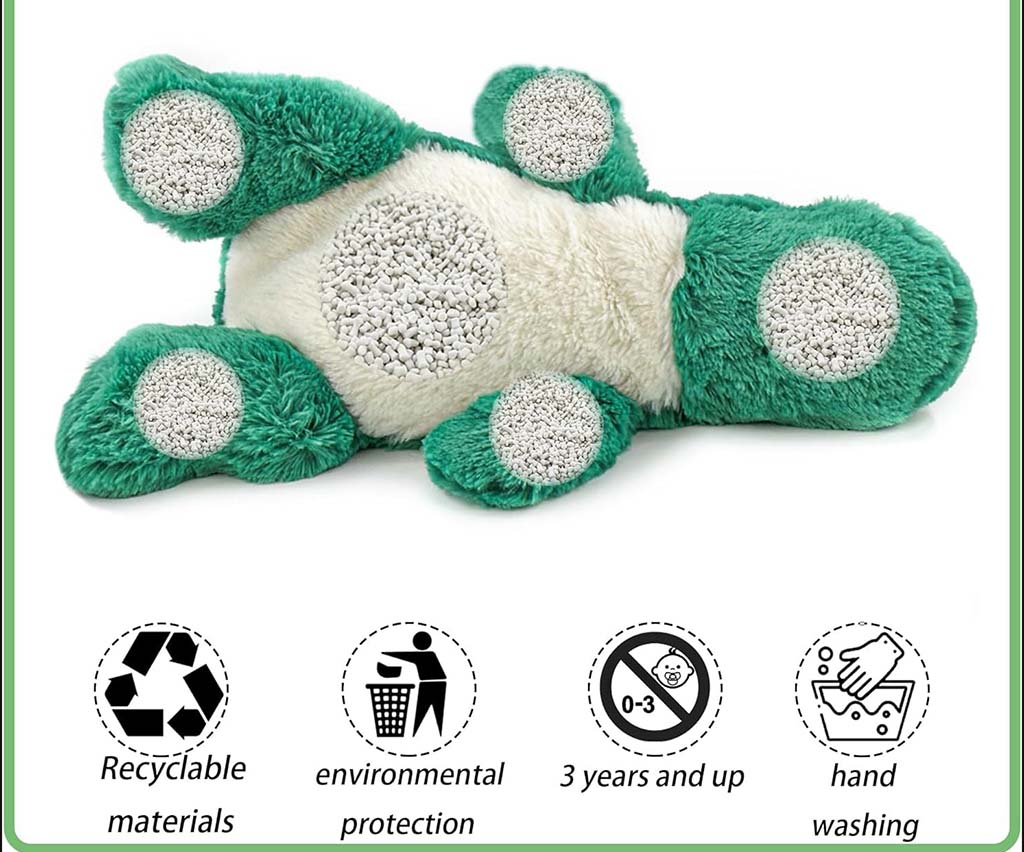
The internal compartment structure of a weighted plush toy is the engineering element that most directly determines the product’s functional quality — whether the weight is distributed evenly across the contact area, whether the filling stays distributed during use and repositioning, whether the structural integrity of the filling containment is maintained through extended use, and whether the filling is safely contained even if the outer product experiences stress.
Internal compartment structure controls fill distribution and safety through the physical design of the inner bag — the material, construction, and layout of the compartmentalized structure that holds the weighted filling within the product body. This structure is invisible from the outside but is the defining technical element of a high-quality weighted plush toy.
Here is a framework for understanding internal compartment structure design:
| Compartment Design Element | Function | Design Options | Quality Implications |
|---|---|---|---|
| Number of compartments | Controls granularity of weight distribution | 4–8 for simple products, 10–20 for complex | More compartments — more even distribution |
| Compartment size uniformity | Ensures even weight per unit area | Even grid vs varied by body area | Even grid provides most predictable distribution |
| Seam construction between compartments | Contains filling within each cell | Channel quilting vs individual pockets | Individual pockets are more secure |
| Inner bag material | First containment layer for filling | Single layer vs double layer fabric | Double layer provides better security |
| Inner bag seam type | Structural integrity of containment | Single stitch vs double stitch with reinforcement | Double stitch with reinforcement is professional standard |
| Fill access and closure | How filling is inserted and secured | Open-fill with permanent closure vs refill port | Permanent closure is simpler and more secure |
| Outer shell integration | How inner bag relates to outer product | Loose inner bag vs integrated inner structure | Integrated structure maintains distribution during use |
Why Double-Layer Inner Bag Construction Is Essential
The most critical single design decision in weighted plush internal structure is the use of a double-layer inner bag for the weighted filling compartment. This decision determines whether the product can safely contain its filling over extended use — through the forces of handling, washing, and the constant weight pressure that weighted filling places on containment seams.
A single-layer inner bag uses one layer of fabric as the containment barrier between the weighted filling and the outer product structure. Under the stress of extended use and washing, single-layer seams are more susceptible to gradual opening — creating a failure pathway through which glass beads can migrate from the inner compartment into the outer product or escape entirely. Once beads are loose in the product or escaping through outer seams, the product presents both a safety hazard and a quality failure.
A double-layer inner bag places two independent layers of fabric between the filling and the outer product, with the inner layer providing primary containment and the outer layer providing a secondary barrier. For the inner bag to fail, both layers must fail — which requires significantly more force and time than single-layer failure. Professional weighted plush manufacturers use double-layer inner bag construction as a standard specification, not an optional upgrade.
Compartment Geometry and Weight Distribution
The geometry of the compartment layout within the inner bag directly determines how the weighted filling distributes across the product’s contact area during use. A well-designed compartment layout ensures that the weight is distributed evenly across the area where the product contacts the user’s body — rather than pooling at one end or concentrating in the center.
For a simple square or rectangular weighted plush, a grid compartment layout — equal-sized rectangular cells arranged in a regular grid — provides the most predictable and even weight distribution. For irregularly shaped products — animal-form plush, body-contour plush — the compartment layout should be designed to follow the product’s form, with compartments sized and positioned to maintain even weight distribution across the body contact area in the intended use position.
The specific compartment geometry is defined at the pattern making stage and requires the same engineering judgment as the product’s outer construction — an experienced pattern maker who understands the relationship between compartment layout and weight distribution is required to produce a compartment design that achieves the intended functional outcome.
What Compliance and Safety Requirements Apply to Weighted Plush Filling Systems?

Weighted plush toys face specific compliance and safety requirements that go beyond the standard requirements for conventional plush toys — because the additional filling weight and the specific materials used in weighted filling systems introduce hazards that standard plush safety standards do not specifically address.
Compliance requirements for weighted plush filling systems apply at two levels: general toy safety requirements that cover the outer product and its construction, and filling-specific requirements that address the safety of the weighted filling materials and their containment.
Here is a comprehensive compliance framework for weighted plush filling systems:
| Compliance Area | Standard/Requirement | Market | Specific to Weighted Products | Verification Method |
|---|---|---|---|---|
| General toy safety | ASTM F963 | USA | No — general standard | Third-party laboratory testing |
| EU toy safety | EN71 Parts 1–3 | EU | No — general standard | Accredited laboratory testing |
| Chemical safety — glass beads | REACH compliance | EU | Yes — specific to bead material | Material test report from supplier |
| Chemical safety — plastic pellets | CPSIA, REACH | USA, EU | Yes — plastic material compliance | Material chemical test report |
| Seam strength — weighted seams | EN71-1, ASTM F963 | USA, EU | Indirectly — weighted seams face higher stress | Seam pull test at force threshold |
| Filling containment — small parts | EN71-1 (small parts test) | USA, EU | Yes — beads are small parts if released | Double-layer containment verification |
| Age grade appropriateness | Product age designation standards | USA, EU | Yes — weighted products for children need specific assessment | Age-appropriate weight specification |
| Washability and weight stability | Customer expectation | All | Yes — beads must not change weight when washed | Wash test with weight measurement |
The Small Parts Compliance Challenge
One of the most significant compliance challenges for weighted plush products is the small parts classification of the filling material. Glass beads and plastic pellets are, by physical size, small parts under most toy safety standards — meaning that if they become accessible to the user (particularly a child), they present a choking or ingestion hazard.
This small parts classification creates a specific engineering requirement for weighted plush products: the filling containment system must be demonstrated to prevent filling material from becoming accessible under the forces that safety standards specify for testing. The double-layer inner bag construction described in the previous section is not just a quality feature — it is the engineering response to this compliance requirement.
For products designated for children, the small parts containment requirement is particularly stringent — because the tests that evaluate containment integrity are calibrated to the forces that children can apply. Products that are intended for adult use only can be age-graded accordingly, which changes the applicable containment standards, but the product must still demonstrate that the filling is adequately contained under adult-level use forces.
Filling Material Chemical Compliance
The chemical compliance requirements for weighted filling materials are material-specific and require specific testing rather than general toy safety testing to verify.
Glass beads used in weighted plush must be verified to meet applicable heavy metal limits — lead, cadmium, chromium, and other restricted substances that may be present in glass manufacturing processes. Reputable glass bead suppliers maintain current test reports for their products against REACH and CPSIA requirements. Buyers specifying glass beads should request these test reports for the specific bead lots used in production — not just a general supplier certificate.
Plastic pellets present a more complex compliance challenge because the range of plastic materials and their potential chemical characteristics is broader than for glass. Specific concerns include phthalate content in PVC-based materials, restricted colorants in colored pellets, and various polymer processing chemicals. Plastic pellet compliance verification requires material-specific chemical testing — a supplier’s declaration is not sufficient for products entering regulated markets.
How Do Filling Choices Affect Production Complexity, Cost, and Quality Control?
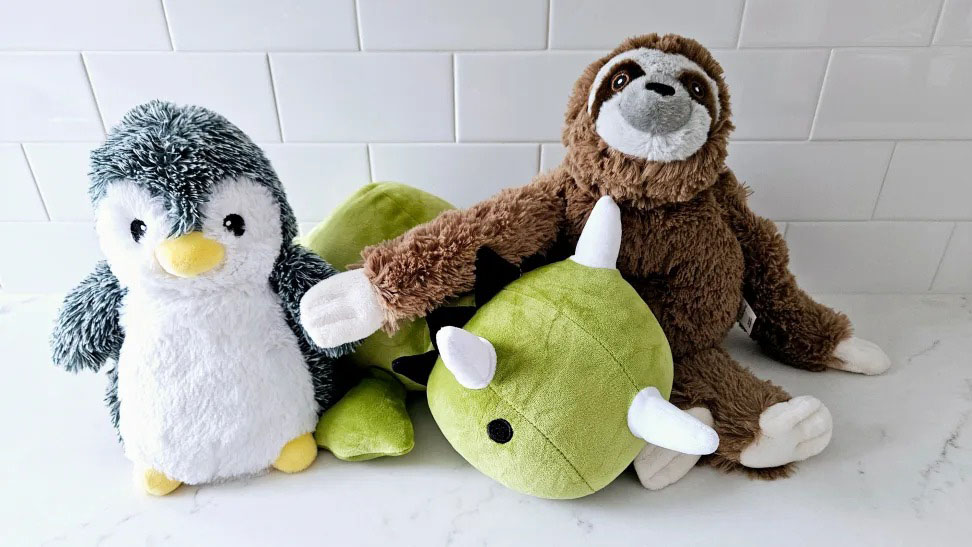
Filling choices affect multiple production dimensions simultaneously — not just the material cost of the filling itself but the complexity of the manufacturing process required to correctly install and contain it, the quality control challenges that different filling materials present, and the equipment requirements for consistent filling at production scale.
Here is a comprehensive framework for understanding how filling choices affect production:
| Production Dimension | Fine Glass Beads | Plastic Pellets | PP Cotton Only | Combination (Beads + Cotton) |
|---|---|---|---|---|
| Material cost | Medium-High | Low | Low | Medium |
| Material sourcing complexity | Medium — certified supplier required | Medium — compliance verification needed | Low | Medium-High |
| Inner bag construction requirement | Double-layer, compartmentalized | Double-layer, compartmentalized | Not required | Double-layer, compartmentalized |
| Filling equipment requirement | Specialized bead-filling equipment | Specialized pellet-filling equipment | Standard stuffing machine | Both bead and cotton equipment |
| Filling speed | Slower — precision required | Moderate | Fast — standard | Slowest — two-stage filling |
| Weight consistency QC | Weight measurement per unit essential | Weight measurement per unit essential | Compression measurement | Weight measurement per unit |
| Seam stress management | Reinforced seams required | Reinforced seams required | Standard seams sufficient | Reinforced seams required |
| Washability management | Excellent — no weight change | Good | Excellent | Excellent |
| Noise quality check | Low noise standard verification | Noise level check required | N/A | Noise level check required |
The Weight Consistency Quality Control Challenge
One of the most operationally demanding quality control requirements in weighted plush production is unit-to-unit weight consistency — ensuring that every unit in the production run contains the specified weight of filling within a defined tolerance.
Weight consistency matters because the therapeutic benefit of a weighted product depends on the weight being within the range that delivers effective pressure stimulation. A unit that is 20 percent lighter than specified delivers a noticeably weaker pressure sensation. A unit that is 20 percent heavier may create discomfort. For products marketed on the basis of their specific weight — “2 kg weighted plush for anxiety relief” — significant weight variation undermines the product’s marketing claim.
Achieving weight consistency requires calibrated filling equipment, weight measurement at defined production intervals, and a defined weight tolerance specification that identifies the acceptable range around the target weight. Professional factories typically specify a ±5 to 8 percent weight tolerance and verify compliance through weight measurement of each unit or through a statistically adequate sampling protocol.
For buyers specifying weighted plush products, including the weight specification and its tolerance in the tech pack — alongside a requirement for weight measurement documentation in the production records — is the most effective way to ensure that weight consistency is actively managed rather than assumed.
How Should Buyers Specify and Verify Filling Standards When Sourcing Weighted Plush?
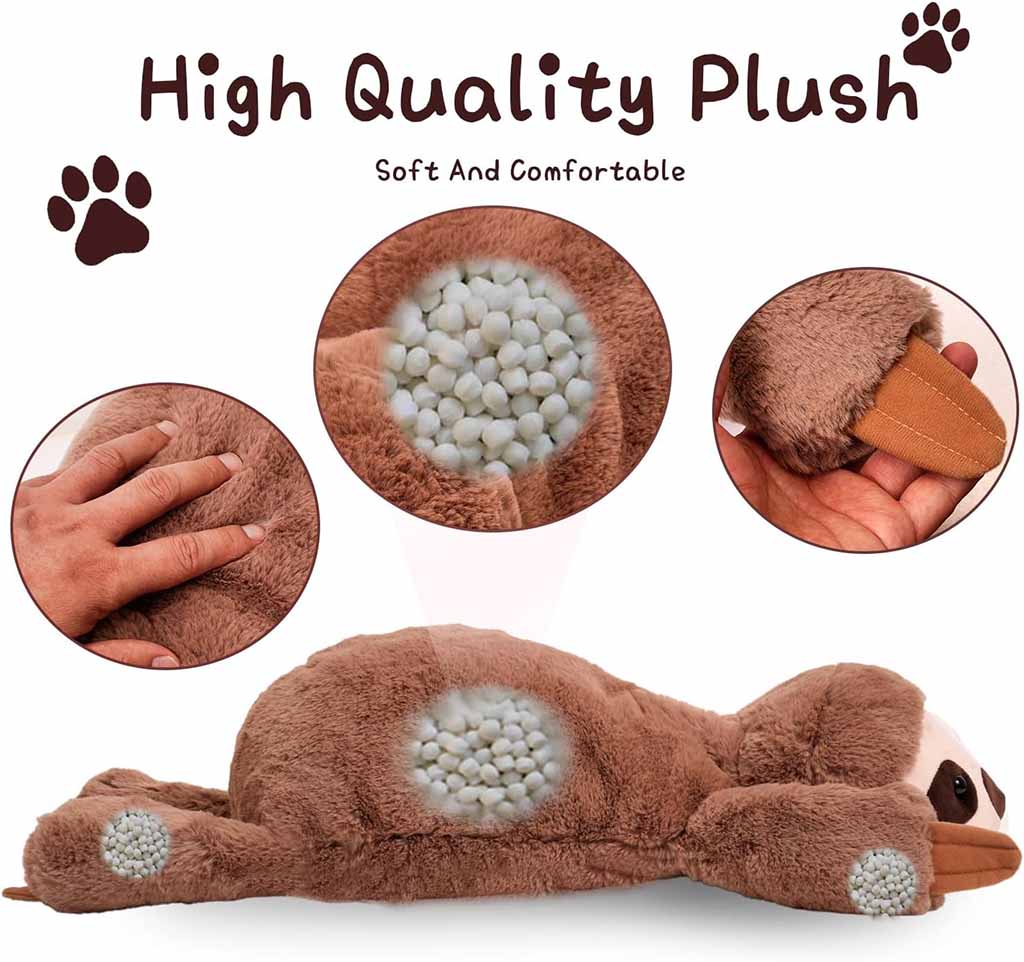
Filling system specification is one of the areas where buyer technical knowledge most directly affects product quality — because filling decisions are made during the design and brief preparation stage, before sampling begins, and the filling system specified in the brief determines the quality ceiling that production can achieve regardless of how well the factory executes.
Buyers should specify and verify weighted plush filling standards through a structured process that establishes precise filling specifications in the design brief, requires filling compliance documentation before production authorization, verifies weight consistency during production, and confirms filling integrity at the final inspection stage.
Here is a complete filling specification and verification framework:
Specification Elements — Design Brief Stage
| Specification Element | What to Specify | Why It Matters | Format |
|---|---|---|---|
| Filling material type | Glass beads (fine/standard) or plastic pellets with grade specification | Determines tactile quality and compliance profile | Written specification with grade reference |
| Bead size range | Target diameter range in millimeters | Determines tactile character and distribution behavior | Measurement specification (e.g., 0.4–0.8mm) |
| Target fill weight | Total weight in grams or kilograms | Determines therapeutic effectiveness | Specific weight with tolerance (e.g., 2.0 kg ±0.1 kg) |
| Weight tolerance | Acceptable deviation from target | Defines consistency standard | ±5% of target weight |
| Inner bag specification | Material, layer count, compartment count | Determines containment security | Written spec with diagram |
| Compartment geometry | Layout and dimensions of compartments | Determines weight distribution | Annotated diagram |
| Compliance requirements | REACH, CPSIA, EN71 as applicable | Enables correct material sourcing | Written list by market |
| Combination filling spec | Ratio and arrangement of beads to PP cotton | Determines overall product tactile quality | Written spec with reference sample |
Verification Actions — Pre-Production Stage
| Verification Action | What It Confirms | Method | Timing |
|---|---|---|---|
| Filling material test report review | Chemical compliance of proposed filling material | Request current test reports for proposed bead lot | Before material ordering |
| Inner bag sample review | Compartment structure meets specification | Request inner bag sample before counter sample | During counter sample stage |
| Counter sample weight measurement | Target weight achievable at production settings | Measure counter sample weight against specification | At counter sample review |
| Counter sample wash test | Filling material washable without weight change | Wash counter sample and remeasure weight | At counter sample review |
| Inner bag stress test | Containment integrity under use forces | Apply pull force to inner bag seams at counter sample | At counter sample review |
Verification Actions — During Production
| Verification Action | What It Confirms | Method | Timing |
|---|---|---|---|
| First-off weight measurement | Production filling achieves target weight | Weigh first completed units against specification | Production day 1 |
| Filling equipment calibration confirmation | Equipment calibrated to correct fill rate | Request calibration documentation | Before production start |
| IPQC weight log | Weight consistency maintained across run | Request weight measurement log at defined intervals | At 50% and 100% completion |
| Noise quality check | Bead movement noise within acceptable level | Evaluate sample units from IPQC lot | During production |
Verification Actions — Pre-Shipment Stage
| Verification Action | What It Confirms | Method | Timing |
|---|---|---|---|
| FQC weight sampling | Batch weight consistency meets specification | Weight measurement in FQC sample lot | Before shipment authorization |
| Inner bag integrity check | Containment integrity in production units | Examination and pull test in FQC sample | Before shipment authorization |
| Compliance documentation package | All filling material compliance documents available | Review complete documentation file | Before shipment authorization |
| Third-party inspection filling verification | Independent weight and containment verification | Include weight measurement and inner bag check in inspection scope | If third-party inspection commissioned |
At Kinwin, weighted plush filling systems are a specialized capability that we have developed through extensive production experience with weighted products for therapeutic, comfort, and lifestyle applications. Our standard approach for all weighted products includes fine glass bead filling sourced from verified compliant suppliers, double-layer compartmentalized inner bag construction with reinforced seam specifications, unit-level weight measurement throughout the production run, inner bag integrity testing at the counter sample and FQC stages, and complete compliance documentation including current chemical test reports for the specific filling lots used in each production run.
For buyers developing weighted plush products — whether for the adult wellness market, therapeutic gift applications, or sensory regulation products — we would be glad to walk through specifically how our filling system design and production process would apply to your product concept.
Reach out to our team at [email protected] or visit kinwintoys.com to start that conversation.
Conclusion
The filling system is the functional heart of a weighted plush toy — and the decisions made about filling material, weight specification, internal structure design, and containment construction determine whether the product delivers the therapeutic benefit it promises or underperforms commercially despite an appealing exterior.
Getting these decisions right requires specific technical knowledge — about how different filling materials perform, how weight specification aligns with application requirements, how compartment geometry controls distribution, and how containment integrity is maintained through the safety and compliance testing that regulated markets require.
Buyers who bring this technical knowledge to their filling system decisions — or who work with manufacturers who provide it as part of the development process — consistently develop weighted plush products that perform as intended, pass compliance testing, and build the customer satisfaction that supports long-term brand growth in this expanding market segment.
At Kinwin, weighted plush filling expertise is built into our development process from the first product conversation — because we understand that the filling system is where the product either works or does not, and that getting it right from the start is the most reliable path to weighted plush products that genuinely serve the market they target.
FAQ
Q1: How should the fill weight specification change if the same design is being sold in different sizes — for example, a small and a large version of the same character?
Fill weight should scale proportionally with the product’s contact area rather than with its total volume or weight. For products that are used primarily through body contact — held against the torso, placed on the lap — the therapeutic effect depends on pressure per unit area, which is determined by the total weight distributed across the contact surface. When the contact area doubles (as happens when size doubles), maintaining the same pressure intensity requires approximately doubling the fill weight. In practice, this means that a large version of a product should not simply use more filling to scale up — it should use more filling in proportion to its larger contact area relative to the small version. Sampling test at multiple fill weights for each size variant is the most reliable approach to calibrating the correct fill weight for each product size.
Q2: Can weighted plush products be safely recommended for children, and how does the specification process change for children’s products?
Weighted plush products for children are used therapeutically — most commonly for children with sensory processing differences, ADHD, or anxiety — and require a more conservative specification approach than adult products. For children’s weighted plush, the fill weight should be proportionally lower relative to the child’s body weight — typically targeting 5 percent of body weight rather than the higher range appropriate for adults. This means that a weighted plush designed for a child of 20 kg should target approximately 1 kg of fill weight — significantly lighter than an adult product. The compliance requirements are also more stringent for children’s products — the small parts containment testing is more demanding, the chemical compliance requirements are stricter, and the seam strength testing is conducted at higher force thresholds. Products for children under three years of age are generally not recommended for weighted construction due to the small parts risk, and any children’s weighted product should include clear age grading and supervision guidance in the product labeling.
Q3: What is the best approach to testing whether a weighted plush product’s fill distribution meets therapeutic quality standards before bulk production?
The most practical approach to fill distribution testing before bulk production is a structured user evaluation of the counter sample. This evaluation should be conducted with the product in its intended use position — for a lap plush, placed on the lap of an adult sitting in a natural position; for a hug plush, held in a natural holding position — and the evaluator should assess whether the pressure is distributed evenly across the contact area or concentrated at one point. Any concentration of weight that creates a pressure point rather than distributed pressure indicates a compartment design issue that should be corrected before production begins. A secondary verification is to reposition the product — turn it over, hold it from different angles — and assess whether the fill weight redistributes naturally or remains concentrated at the originally contacted point. If repositioning causes significant weight redistribution, the compartment size is too large and should be reduced.
Q4: How does the production process for weighted plush differ between factories, and what should buyers verify about a factory’s weighted filling capability before placing an order?
Weighted plush production capability varies significantly between factories — because producing weighted products correctly requires specialized equipment, specific inner bag construction expertise, and quality monitoring systems that standard plush factories do not necessarily have. Before placing a weighted plush order with any factory, buyers should verify five specific capabilities. First, equipment — does the factory have filling equipment appropriate for the specified filling material (bead filling requires different equipment from cotton stuffing)? Second, inner bag construction — can the factory demonstrate previous double-layer compartmentalized inner bag construction, and do they have examples available for inspection? Third, weight QC — what is their weight measurement protocol during production, and what documentation do they produce? Fourth, compliance capability — can they provide current chemical test reports for the filling materials they supply? Fifth, seam strength for weighted products — do they apply a higher seam strength specification to products with weighted filling than to standard products? A factory that cannot address all five of these capability areas specifically should not be trusted with weighted plush production regardless of their general plush manufacturing capability.
Q5: Is the therapeutic effectiveness of a weighted plush product affected by how the filling material ages or degrades over extended use, and how should buyers address durability specifications?
The long-term durability of the filling material affects the product’s therapeutic consistency over its commercial life. Glass beads — being inorganic and chemically inert — do not degrade, compress, or change their physical characteristics over time or through washing. A glass-bead weighted product should maintain its fill weight and distribution characteristics indefinitely, subject only to the mechanical integrity of the containment structure. Plastic pellets similarly do not degrade significantly under normal use conditions, though some pellet materials may develop slight surface wear over many wash cycles that can affect tactile quality. The practical durability concern for weighted plush is not the filling material itself but the containment structure — specifically whether the inner bag seams maintain their integrity through extended use and repeated washing. For products marketed with longevity claims or sold through channels where long-term product satisfaction is commercially important, specifying an extended wash test protocol — evaluating weight consistency and inner bag integrity after 20 or 30 wash cycles rather than the standard 5 or 10 — provides more meaningful product durability validation than the standard compliance test alone.